Restoring a normal heart rhythm is key in treating serious heart issues. At Liv Hospital, we know how vital cardioversion is. It’s a procedure that fixes abnormal heart rhythms.
When the heart beats too fast or irregularly, it can cause big problems. Our team uses cardioversion to gently get the heart beating right again. This brings relief and hope to our patients.
Our guide will show you the steps of the cardioversion process. We’ll explain the procedure and what you can expect. Our goal is to make this lifesaving treatment clear to everyone.
Key Takeaways
- Understanding cardioversion and its role in treating arrhythmias.
- The importance of restoring a normal heart rhythm.
- An overview of the cardioversion procedure.
- What to expect during and after the treatment.
- The benefits of cardioversion in saving lives.
Understanding Cardiac Rhythm Disturbances
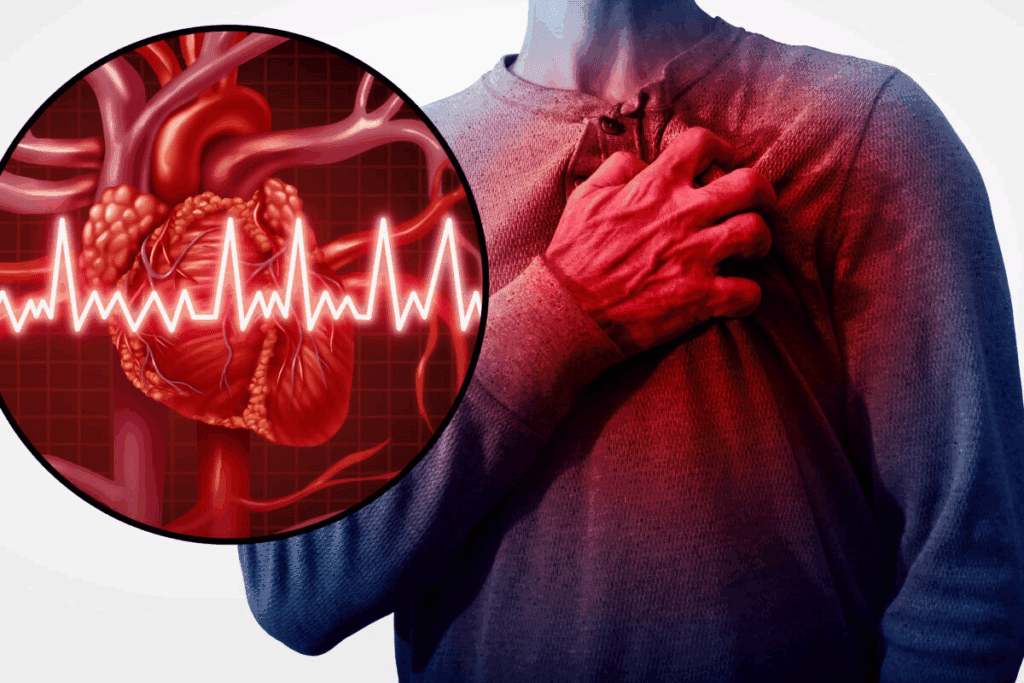
It’s key to know about arrhythmias to keep your heart healthy. Arrhythmias happen when the heart’s rhythm gets messed up. This can make the heart beat too fast, too slow, or in an odd pattern.
Common Types of Arrhythmias
There are many types of arrhythmias, each with its own cause and effect. Atrial fibrillation is common. It makes the upper heart chambers beat out of sync with the lower ones. This raises the risk of stroke and heart failure.
Ventricular fibrillation is another serious one. It makes the ventricles quiver instead of beating right. It’s a serious condition that needs quick medical help.
How Normal Heart Rhythm Works
A normal heartbeat is controlled by electrical signals. The sinoatrial node is like the heart’s natural clock. It sends out electrical impulses that make the heart contract and pump blood well.
When Rhythm Disturbances Become Life-Threatening
Some arrhythmias can be deadly. For example, ventricular fibrillation can cause cardiac arrest if not treated fast. Knowing how serious arrhythmias are is important for getting help quickly.
Medical Disclaimer: Important Information Before Proceeding
This guide is for learning only. We strongly advise against trying cardioversion or defibrillation without proper training.
These medical procedures are complex. They need a deep understanding of heart rhythm problems. Also, you need the right equipment and skills to do them safely.
Educational Purpose of This Guide
We aim to give a detailed look at shocking the heart back into rhythm. This includes the basics of cardioversion and defibrillation.
We want to teach readers on the importance of seeking professional medical help for heart rhythm issues.
When to Seek Emergency Medical Help
If you or someone else has symptoms of a heart emergency, like severe chest pain or shortness of breath, get emergency medical help right away.
Cardiac arrest is very serious and needs quick action. This includes CPR and, if needed, defibrillation.
Professional Training Requirements
Doing cardioversion or defibrillation needs specialized training and equipment.
Healthcare professionals get a lot of education and practice. They learn these skills to keep patients safe and get good results.
We stress that these procedures should only be done by those with the right medical training.
What Is Cardioversion and Defibrillation?
Cardioversion and defibrillation are lifesaving treatments for heart rhythm problems. They help fix irregular heartbeats, known as arrhythmias. These can be too slow, too fast, or irregular.
Defining the Procedures
Cardioversion uses a synchronized electrical shock to fix an abnormal heart rhythm. It’s often used for conditions like atrial fibrillation or flutter.
Defibrillation is an emergency treatment for serious heart rhythm problems. It delivers a shock to the heart to get it beating normally again.
Differences Between Cardioversion and Defibrillation
The main difference is when and why they’re used. Cardioversion is usually planned and treats many arrhythmias. Defibrillation is for emergencies and serious heart problems.
Another difference is how the shock is given. Cardioversion is timed with the heart’s cycle. Defibrillation is not.
| Procedure | Application | Synchronization |
| Cardioversion | Elective treatment for arrhythmias like atrial fibrillation | Synchronized with cardiac cycle |
| Defibrillation | Emergency treatment for life-threatening arrhythmias | Non-synchronized |
History and Development of the Techniques
The idea of using electrical shocks to fix heart rhythms started in the early 1900s. Over time, technology has made these treatments safer and more effective.
Today’s cardioversion and defibrillation tools have advanced monitoring and energy delivery. This makes the procedures more reliable and safer for patients.
When Shocking the Heart Back Into Rhythm Is Necessary
When arrhythmias become severe or persistent, cardioversion or defibrillation may be necessary. These medical interventions are critical for treating certain arrhythmias. They prevent serious complications if left untreated.
Medical Indications for Cardioversion
Cardioversion is often indicated for patients with atrial fibrillation, mainly if it’s their first episode or if symptoms are severe. Medical guidelines suggest cardioversion when the arrhythmia causes significant instability or when other treatments fail.
“Cardioversion is an effective treatment for restoring sinus rhythm in patients with atrial fibrillation,” say medical professionals. The procedure involves delivering a synchronized electrical shock to the heart to restore a normal rhythm.
Emergency Situations Requiring Defibrillation
In emergency situations, such as cardiac arrest due to ventricular fibrillation or pulseless ventricular tachycardia, defibrillation is the immediate treatment required. Defibrillation involves delivering an unsynchronized shock to the heart. This stops the arrhythmia and allows the heart’s natural pacemaker to re-establish a normal rhythm.
When Medication Alternatives Are Considered
Before opting for cardioversion or defibrillation, medication alternatives are often considered. Anti-arrhythmic medications can be effective in controlling arrhythmias. But they may not always be successful or suitable for every patient.
The choice between medication and electrical cardioversion depends on several factors. These include the type and duration of the arrhythmia, the patient’s overall health, and the presence of any underlying conditions.
Success Rates and Effectiveness Statistics
The success rates of cardioversion vary depending on several factors. These include the type of arrhythmia being treated and the duration of the arrhythmia. Studies have shown that cardioversion can be highly effective, with success rates ranging from 70% to 90% in certain cases.
For instance, a study on cardioversion for atrial fibrillation reported a success rate of over 80% in restoring sinus rhythm. The long-term success of cardioversion also depends on the underlying cause of the arrhythmia and the effectiveness of post-procedure management.
Key statistics on cardioversion success rates:
- 70-90% success rate for restoring sinus rhythm
- Higher success rates for patients with shorter duration of arrhythmia
- Lower recurrence rates with appropriate post-procedure care
Equipment Used for Cardiac Rhythm Restoration
Restoring a normal heart rhythm often needs specialized equipment for cardioversion and defibrillation. The equipment choice depends on the patient’s condition and the arrhythmia type. It also depends on if the procedure is planned or an emergency.
External Defibrillators: AEDs vs. Manual Devices
External defibrillators are key in both emergency and planned cardioversion procedures. They are mainly two types: Automated External Defibrillators (AEDs) and manual defibrillators. AEDs are for non-professionals and guide the user with voice prompts. Manual defibrillators are for healthcare professionals and offer more control.
Manual defibrillators are used in hospitals for precise control. They can do both cardioversion and defibrillation, based on settings and ECG synchronization.
Synchronized Cardioversion Machines
Synchronized cardioversion machines deliver a shock in sync with the patient’s ECG, at the R-wave. This is key to avoid ventricular fibrillation. These machines are for planned cardioversion to fix certain arrhythmias and restore normal rhythm.
Internal Defibrillators and Implantable Devices
Internal defibrillators, or implantable cardioverter-defibrillators (ICDs), are small devices implanted under the skin. They watch the heart rhythm and can shock or pace as needed. ICDs are for patients at high risk of dangerous arrhythmias.
Energy Levels and Biphasic vs. Monophasic Waveforms
The success of defibrillation and cardioversion also depends on energy level and waveform type. Biphasic waveforms, which change direction, are more effective at lower energies than monophasic waveforms. Modern defibrillators use biphasic waveforms to lessen cardiac damage risk.
Preparation for Elective Cardioversion
Getting ready for elective cardioversion is key to its success and safety. We help our patients through a detailed preparation process. This ensures the best results for them.
Pre-Procedure Testing and Evaluation
Before the procedure, patients go through several tests. These tests check their heart health and look for any risks. They might include blood work, an electrocardiogram (ECG), and sometimes a transesophageal echocardiogram (TEE).
It’s vital to follow your doctor’s instructions for these tests. A study shows that using TEE can lower the risk of blood clots after cardioversion.
“The use of TEE has been shown to reduce the risk of thromboembolic events after cardioversion.”
– American Heart Association
Anticoagulation Requirements
To prevent stroke or blood clots, patients often take anticoagulant meds before the procedure. The type and length of treatment depend on the patient’s health and risk factors.
Fasting and Medication Guidelines
Patients usually fast for 6-8 hours before the procedure. It’s also important to tell your doctor about all your medications. Some might need to be adjusted or stopped before the procedure.
Always follow your healthcare provider’s specific instructions regarding medication management.
Mental Preparation and What to Expect
Mental preparation is as important as physical. Knowing what to expect can reduce anxiety. Our team will explain each step and answer your questions.
- Arrive at the scheduled time with a companion.
- Be prepared to discuss your medical history and any concerns.
- Follow post-procedure instructions carefully for a smooth recovery.
By following these steps, we can ensure a successful elective cardioversion. This helps restore a normal heart rhythm.
Step-by-Step Process of Shocking the Heart Back Into Rhythm
Restoring a normal heart rhythm through cardioversion is a precise process. It requires careful preparation and execution. We will guide you through the step-by-step process, ensuring that you understand each stage.
Patient Positioning and Monitoring Setup
Before the cardioversion procedure begins, the patient is positioned on a comfortable surface, typically on their back. We ensure that the patient is adequately sedated to minimize discomfort and anxiety. The patient’s vital signs are closely monitored using electrocardiogram (ECG) leads, blood pressure cuffs, and pulse oximeters.
Electrode Placement Techniques
Electrode placement is critical for the success of the cardioversion procedure. We typically use two electrodes, one placed on the anterior chest wall and the other on the posterior chest wall or the left infrascapular area. The electrodes are connected to a defibrillator or cardioversion device, which delivers the electrical shock.
“The correct placement of electrodes is critical for effective cardioversion. Improper placement can lead to reduced efficacy or increased risk of complications.”
— Medical Expert, Cardiologist
Energy Selection and Delivery Protocol
The energy level for cardioversion is selected based on the patient’s condition, the type of arrhythmia, and the device being used. We start with a lower energy level and gradually increase it as needed. The shock is synchronized with the R-wave of the QRS complex to avoid inducing ventricular fibrillation.
| Arrhythmia Type | Initial Energy Level | Maximum Energy Level |
| Atrial Fibrillation | 100-150 J | 200-360 J |
| Atrial Flutter | 50-100 J | 150-200 J |
Assessing Response and Repeat Attempts
After delivering the shock, we assess the patient’s response by monitoring their ECG and vital signs. If the arrhythmia persists, we may need to repeat the cardioversion with a higher energy level. The decision to repeat the procedure is based on the patient’s condition and the initial response to the treatment.
By following this step-by-step guide, healthcare professionals can effectively perform cardioversion and restore a normal heart rhythm in patients. It’s a complex procedure that requires precision, skill, and careful patient monitoring.
Emergency Defibrillation Protocol
When cardiac arrest happens, quick defibrillation can save lives. Defibrillation treats serious heart rhythm problems like ventricular fibrillation (VF) and pulseless ventricular tachycardia (VT).
Recognizing Cardiac Arrest
Cardiac arrest is a serious emergency where the heart stops beating. This leads to no blood flow and oxygen to important organs. Signs include sudden loss of consciousness, no pulse, and no breathing.
- Sudden collapse
- No breathing or abnormal breathing
- No pulse
Proper CPR Integration
CPR is key in responding to cardiac arrest. It includes chest compressions and rescue breaths. These actions keep blood flowing and oxygen reaching organs until defibrillation can be done.
“High-quality CPR is critical for keeping vital organs supplied with blood and oxygen until a defibrillator can be used.”
AED Usage for Bystanders
AEDs are for bystanders in cardiac arrest. They check the heart’s rhythm and shock it if needed.
AEDs guide users with voice prompts and visual cues. This makes them easy for those without medical training to use.
Professional Advanced Life Support Approach
Healthcare professionals use Advanced Life Support (ALS) for cardiac arrest. ALS includes defibrillation, medication, and advanced airway management. ALS teams are trained to handle cardiac arrest and other serious conditions.
Key components of ALS include:
- Defibrillation using manual defibrillators
- Administration of cardiac arrest medications
- Advanced airway management techniques
Emergency responders use these steps to improve survival rates for cardiac arrest patients.
Risks and Patient Experience
It’s important to know the risks and what patients go through with cardioversion. This procedure aims to fix an irregular heartbeat. But, there are risks and things to think about.
Potential Immediate Complications
Right after cardioversion, some problems can happen:
- Skin irritation or burns where the electrodes are placed.
- Blood clots or stroke, if blood thinners aren’t managed right.
- Other heart rhythm issues.
- Reactions to the sedation or anesthesia.
This shows why choosing the right patients and preparing them well is key.
Long-Term Risks to Consider
Cardioversion is usually safe, but there are long-term risks:
- The cause of the arrhythmia might need ongoing care.
- Arrhythmia could come back, needing more treatment.
- Long-term blood thinners might be needed to prevent stroke.
Talking to a doctor about these risks is vital for understanding what to expect.
What Patients Feel During and After the Procedure
Many feel relieved after cardioversion works. But, how it feels during can differ:
- Some might feel a quick, sharp shock or discomfort.
- Others might not feel anything because of the sedation.
After, patients are watched closely to catch any quick problems.
Pain Management and Sedation Options
Managing pain is a big part of the cardioversion experience. Sedation helps reduce discomfort during the procedure. There are a few options:
- Conscious sedation, which lets patients stay somewhat awake but relaxed.
- Deep sedation or general anesthesia, based on the patient’s health and the procedure’s complexity.
Talking to a doctor about sedation can help find the best choice for each patient.
Post-Procedure Care and Recovery
Cardioversion is just the first step; proper post-procedure care is essential for maintaining a normal heart rhythm. After the procedure, patients are closely monitored for several hours to ensure that their heart rhythm remains stable.
Immediate Monitoring Requirements
Immediate post-procedure care involves monitoring the patient’s heart rhythm, blood pressure, and overall condition. We ensure that any immediate complications are addressed promptly. This monitoring typically occurs in a recovery room or a monitored unit within the hospital.
Medication Management After Cardioversion
Medication plays a key role in post-procedure care. Patients may be prescribed anticoagulant medication to prevent blood clots and antiarrhythmic drugs to maintain a normal heart rhythm. We stress the importance of following the prescribed medication regimen to ensure the success of the cardioversion.
Key Medications:
- Anticoagulants (e.g., warfarin, novel oral anticoagulants)
- Antiarrhythmic drugs (e.g., beta-blockers, amiodarone)
Follow-Up Care Schedule
A follow-up care schedule is key for monitoring the patient’s recovery and the effectiveness of the cardioversion. We typically schedule follow-up appointments within a few days to a week after the procedure, and then as needed based on the patient’s condition.
Lifestyle Modifications to Maintain Rhythm
Lifestyle modifications are vital for maintaining a normal heart rhythm after cardioversion. We recommend a heart-healthy lifestyle, including a balanced diet, regular exercise, stress management, and avoiding stimulants that can trigger arrhythmias.
By making these lifestyle changes, patients can significantly improve their heart health and reduce the risk of future arrhythmias.
Conclusion: The Future of Cardiac Rhythm Management
Medical technology and research are advancing fast, making the future of heart rhythm management look bright. New developments in cardioversion and defibrillation are helping patients with irregular heartbeats. We’re seeing better energy delivery and smarter device designs.
Soon, treatments will be more tailored to each patient. This will use data from wearables and ICDs. This approach will make treatments more effective and safer.
Research into arrhythmia causes is also growing. This will help us understand and manage these heart issues better. We can expect even better devices and methods for patient care. These advancements will greatly improve the lives of those with heart rhythm problems.
FAQ
What is cardioversion and how does it work?
Cardioversion is a medical procedure that uses electrical shocks to fix an irregular heartbeat. It treats arrhythmias like atrial fibrillation.
What is the difference between cardioversion and defibrillation?
Cardioversion is done when the shock is timed with the heart’s cycle. Defibrillation is an emergency shock for life-threatening arrhythmias.
How do I prepare for elective cardioversion?
To prepare, you’ll need tests, anticoagulation therapy, fasting, and medication adjustments. Mental preparation is also key.
What are the risks associated with cardioversion?
Risks include immediate complications like arrhythmias and long-term risks like ongoing anticoagulation. You might feel discomfort or pain during or after.
Can cardioversion be used to treat atrial fibrillation?
Yes, it’s often used for atrial fibrillation. Success rates vary based on several factors.
What is the role of anticoagulation therapy before cardioversion?
Anticoagulation therapy is needed to prevent stroke or other blood clots. The type and duration depend on the patient.
How is pain managed during cardioversion?
Pain is managed with sedation. The level of sedation can range from conscious to general anesthesia.
What is the follow-up care after cardioversion?
Follow-up includes monitoring, medication management, and check-ups. These help ensure the heart rhythm stays normal.
Are there any lifestyle changes I need to make after cardioversion?
Yes, you should eat healthy, exercise, manage stress, and avoid stimulants. These help keep your heart rhythm normal.
Can cardioversion be repeated if necessary?
Yes, it can be repeated if arrhythmia comes back. The decision depends on symptoms and the arrhythmia’s cause.
How do I know if I need cardioversion or defibrillation?
A healthcare professional will decide based on the arrhythmia type, severity, and your medical condition.
What is the success rate of cardioversion in restoring normal heart rhythm?
Success rates vary by arrhythmia type, duration, and patient factors. They’re generally higher for certain arrhythmias like atrial flutter.
References:
- O’Rourke, M. F. (2018). Structure and function of systemic arteries: reflections on the vascular wall and blood flow. Vascular Medicine, 23(4), 316-323.https://pubmed.ncbi.nlm.nih.gov/30016416/