Did you know that heart diseases are a big killer worldwide? Millions of people get tested every year. When it comes to checking heart health, two tests are often used: the treadmill stress test and the nuclear stress test. Many patients ask, “Should I get a treadmill or nuclear stress test? since each test serves a different purpose.
Choosing the right test can be tough. That’s why we’re here to help. We’ll explain the differences between these tests. This will help you decide what’s best for you.
Choosing between a treadmill stress test and a nuclear stress test depends on your health history and what you’re being tested for. Both are cardiac diagnostic tests, but they work in different ways.
Key Takeaways
- Understand the difference between a treadmill stress test and a nuclear stress test.
- Learn which test is more suitable based on your medical condition.
- Discover the role of nuclear medicine in cardiac diagnostic tests.
- Find out how to prepare for your chosen diagnostic test.
- Understand the benefits and limitations of each test.
What Cardiac Stress Tests Reveal About Your Heart
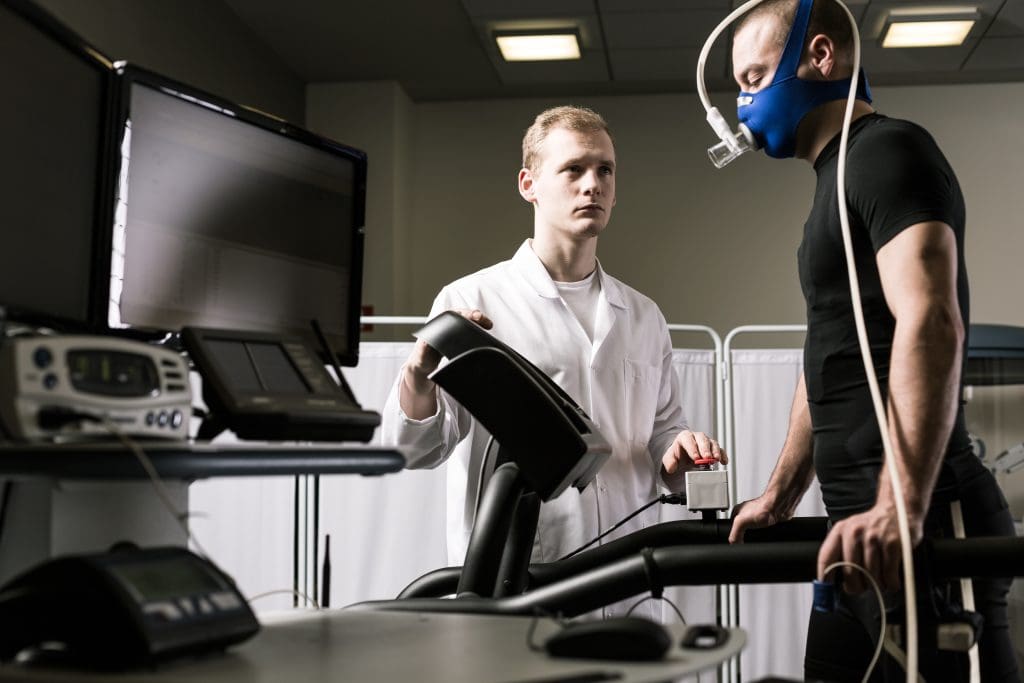
Cardiac stress tests are key for doctors to see how well your heart works when stressed. These tests check how your heart performs during exercise or with special medicine. This medicine makes your heart work like it does during exercise.
“The heart is a muscle that needs to be stressed to be properly evaluated,” says Dr. John Smith, a cardiologist. “Cardiac stress tests provide us with critical information about how the heart handles stress, which can be indicative of underlying heart conditions.”
The Purpose of Cardiac Stress Testing
The main goal of cardiac stress testing is to check how your heart works under stress. This is important because it can show problems that aren’t seen when the heart is resting. It helps doctors find coronary artery disease, check heart attack risks, and see if treatments are working.
These tests can spot areas of the heart that don’t get enough blood. This could mean you have coronary artery disease. They also look at how the heart’s rhythm changes under stress.
How These Tests Evaluate Heart Function
Cardiac stress tests check many heart functions. They watch the heart’s electrical activity, blood pressure, and heart rate when it’s stressed. This helps doctors see how well the heart pumps blood and if there’s reduced blood flow to the heart muscle.
The results show if there’s a big blockage in the coronary arteries, if the heart is under too much strain, or if there are other heart function problems. This info is key for making a treatment plan that fits the patient’s needs.
What is a Treadmill Stress Test?
A treadmill stress test checks how well your heart works when you’re active. It’s a non-invasive test where you walk on a treadmill. The speed and incline increase to mimic exercise.
Our medical team watches your heart rate, blood pressure, and ECG closely. This helps us see how your heart handles exercise. We can spot any heart problems this way.
Basic Principles and Methodology
This test observes your heart’s function under stress, usually from exercise. First, we check your heart rate, blood pressure, and ECG at rest. Then, while you exercise on the treadmill, we keep monitoring these.
The exercise gets harder by increasing the treadmill’s speed and incline. We stop when you reach a certain level of effort or if you feel pain or shortness of breath.
“The treadmill stress test is a valuable diagnostic tool that helps us understand how a patient’s heart responds to physical stress, allowing us to identify possible cardiovascular issues early on.”
Equipment Used in Standard Exercise Testing
The test uses a motorized treadmill, an ECG system, and a blood pressure cuff. The treadmill follows a set protocol to increase the exercise’s intensity.
The ECG system is key. It shows the heart’s electrical activity in real-time. This info is essential for diagnosing heart problems and checking your heart health.
| Equipment | Purpose |
| Motorized Treadmill | Provides controlled exercise environment |
| ECG Monitoring System | Records heart’s electrical activity |
| Blood Pressure Cuff | Monitors blood pressure during exercise |
Electrocardiogram (ECG) Monitoring During Exercise
ECG monitoring is a key part of the test. Electrodes on your chest record your heart’s electrical activity. This data is shown live on a screen, helping us see how your heart works during exercise.
We look for any unusual ECG readings, like arrhythmias or signs of ischemia. These findings help us diagnose heart conditions and decide on the best treatment.
What is a Nuclear Stress Test?
We use nuclear stress tests to see how well the heart works under stress. This test is key for checking heart health and finding problems.
The Role of Radiopharmaceuticals and Radiotracers
Nuclear stress tests use small amounts of radioactive tracers. These tracers, or radiopharmaceuticals, are injected into the blood. They help create images of the heart.
These tracers are safe and work well. They emit gamma rays that a gamma camera picks up. This makes images of the heart. Technetium-99m and Thallium-201 are common tracers used.
Key characteristics of radiopharmaceuticals:
- Safe for use in diagnostic procedures
- Emit gamma rays for imaging purposes
- Accumulate in the heart muscle
SPECT vs. PET Imaging in Nuclear Cardiology
In nuclear cardiology, SPECT and PET are the main imaging methods. They both show heart function but in different ways.
SPECT imaging is common for stress tests. It uses a gamma camera to detect gamma rays from the tracer. SPECT shows the heart’s structure and function, helping spot blood flow issues.
PET imaging uses positron-emitting tracers. It gives high-resolution images. It’s great for checking heart viability and finding coronary artery disease.
The choice between SPECT and PET imaging depends on various factors, including the patient’s condition and the specific diagnostic requirements.
How Nuclear Medicine Visualizes Heart Function
Nuclear medicine, like SPECT and PET, shows heart function by detecting radiotracers’ signals. These signals are turned into images that show the heart’s structure and function.
During a nuclear stress test, images are taken at rest and under stress. This lets doctors compare heart function. It’s key for diagnosing heart diseases.
Nuclear stress tests give detailed images. These images help doctors make better care plans. They can see how the heart works under stress and find problems early.
Key Differences Between Treadmill and Nuclear Stress Tests
Treadmill and nuclear stress tests are two different ways to check heart health. Each has its own benefits and drawbacks. Knowing these differences helps patients and doctors make better choices for heart care.
Diagnostic Capabilities and Sensitivity
Treadmill and nuclear stress tests work in different ways. A treadmill test checks the heart’s electrical activity when you exercise. It helps find heart disease and see how the heart reacts to work.
Nuclear stress tests use tiny amounts of radioactive tracers to see blood flow in the heart. This test is great for spotting areas of the heart that don’t get enough blood when stressed.
Key differences in diagnostic capabilities include:
- Treadmill Test: Shows heart rate, blood pressure, and ECG changes during exercise.
- Nuclear Test: Gives detailed pictures of the heart’s blood flow and function, at rest and under stress.
Time Requirements and Procedure Complexity
Time and how complex the test is matter a lot. Treadmill tests are quicker, lasting 30-60 minutes. You exercise on a treadmill while wearing ECG electrodes.
Nuclear stress tests take longer and are more complicated. They involve injecting a radioactive tracer and then imaging, which can take hours.
Key differences in time requirements and complexity include:
- Duration: Treadmill tests are shorter than nuclear tests.
- Complexity: Nuclear tests have more steps, like tracer injection and imaging.
Patient Experience Comparison
The experience of each test is different. Treadmill tests require exercise, which can be hard for some, like those with mobility issues. But, it’s simple and doesn’t use radiation.
Nuclear stress tests are more detailed but involve radiation. They might also use medicine to stress the heart for those who can’t exercise.
- Physical exertion required for treadmill tests.
- Potential radiation exposure and need for pharmacological stress in nuclear tests.
When is a Standard Treadmill Test Recommended?
A standard treadmill test is often suggested for those who can exercise. It’s great for checking heart health in people who can move around.
Ideal Candidates for Treadmill Testing
People who can do moderate to hard exercise are good candidates. Ideal candidates include those with chest pain or shortness of breath when active. Also, those at risk for heart disease or with heart history are considered.
Being able to exercise is key for a treadmill test. Some health issues or physical limits might make someone not a good fit.
Conditions Best Diagnosed with Standard Exercise Tests
A treadmill test is good for spotting heart problems. It can show if the heart isn’t getting enough blood during exercise. Exercise-induced arrhythmias or abnormal heart rhythms can also be found.
It’s also useful for checking heart valve issues and seeing if treatments are working.
Advantages of Choosing a Treadmill Test
A treadmill test is non-invasive and safe. It shows how the heart works under stress, which is key for heart disease management.
- Treadmill tests are generally less expensive than nuclear stress tests.
- They don’t use radiation, making them safer for some patients.
- Results are quick, helping in making fast decisions.
Choosing a treadmill test gives vital info without the risks and costs of more complex tests.
When is a Nuclear Stress Test Recommended?
For patients who can’t do a standard treadmill stress test, a nuclear stress test is often suggested. This tool gives detailed images of the heart’s function and blood flow. It’s very useful for certain patients and heart conditions.
Ideal Candidates for Nuclear Cardiac Imaging
Nuclear stress tests are great for patients who can’t exercise well on a treadmill. This might be because of mobility issues, severe arthritis, or other physical problems. Also, those with certain medical conditions that make it hard to reach the needed heart rate during a standard test might find nuclear cardiac imaging helpful.
- Patients with mobility issues or physical disabilities
- Those with severe arthritis or musculoskeletal conditions
- Individuals with certain heart conditions that affect their ability to exercise
Conditions Best Diagnosed with Nuclear Tests
Nuclear stress tests are very good at finding coronary artery disease (CAD). They also check if heart tissue is alive and how much damage there is after a heart attack. The detailed images from nuclear cardiac imaging help doctors diagnose and manage these conditions well.
Key benefits of nuclear stress testing include:
- Accurate diagnosis of coronary artery disease
- Assessment of heart tissue viability
- Evaluation of cardiac damage post-myocardial infarction
When Nuclear Testing Provides Superior Results
When a standard treadmill stress test is unclear or can’t be done, nuclear stress testing is a better choice. It uses special drugs to show heart function and blood flow. This gives important info that other tests might miss.
Knowing when a nuclear stress test is needed helps both patients and doctors choose the best test for their situation.
Preparing for a Treadmill Stress Test
Getting ready for a treadmill stress test involves a few steps. These steps help make sure you get accurate results and have a smooth test. We know medical tests can be scary, so we’re here to help you prepare.
Pre-Test Instructions and Dietary Guidelines
Before your test, there are important things to do. These steps keep you safe and help get the best results. Here’s what we suggest:
- Avoid eating a heavy meal for at least 2 hours before the test
- Limit or avoid caffeine for at least 4 hours prior to the test
- Wear comfortable clothing and shoes suitable for exercise
Also, drink water before the test to stay hydrated. But, always check with your healthcare provider for specific hydration instructions.
Medication Adjustments Before Testing
Telling your healthcare provider about all medications is key. Some meds might need to be adjusted or stopped before the test. We’ll give you detailed instructions on managing your meds.
| Medication Type | Action | Timing |
| Beta Blockers | Stop or adjust | 24-48 hours before |
| Nitrates | Stop | 4-6 hours before |
| Caffeine-containing medications | Avoid | 24 hours before |
What to Wear and Bring to Your Appointment
On test day, wear loose, comfy clothes and sturdy shoes. Bring any needed documents, like insurance cards and ID. Also, bring a list of your current medications.
By following these tips, your treadmill stress test will be safe and effective. If you have any questions or concerns, reach out to your healthcare provider.
Preparing for a Nuclear Stress Test
Getting ready for a nuclear stress test means following a few key steps. This ensures you get accurate results and the test goes smoothly. We know it can be stressful, but being prepared helps a lot.
Pre-Test Instructions and Dietary Restrictions
Before your test, you’ll get specific instructions. These include what to eat or avoid to get the best results. Usually, you’re told to skip caffeine and some medicines a few hours before. Your doctor will tell you exactly what to do on the day before and the day of the test.
Some common things to avoid include:
- Avoiding caffeinated drinks and foods
- Limiting or avoiding certain medicines
- Not eating for a few hours before the test
Medication Considerations for Nuclear Imaging
Some medicines can mess with your test results. Tell your doctor about all your medicines, including ones you buy without a prescription. They’ll tell you if you should keep taking them, change them, or stop before the test.
Duration and Scheduling Considerations
The test has two parts: the stress test and the imaging. It can take a few hours, so plan your day carefully. The time of your test might also be affected by when the facility is free and the type of imaging used.
Here’s what you need to do to prepare and go through the test:
- Get your pre-test instructions from your doctor
- Stick to the diet and medicine advice
- Be at the testing place on time
- Do the stress test and imaging
By knowing what to expect and following the prep steps, you can have a successful test. This will give you important info about your heart health.
The Treadmill Stress Test Procedure: Step by Step
Let’s explore the treadmill stress test procedure together. You’ll learn what happens during this test. It involves several important steps to check how your heart works under stress.
Initial Baseline Measurements
First, we take some initial measurements. We record your resting heart rate, blood pressure, and an electrocardiogram (ECG). These measurements help us compare your heart’s performance during exercise.
The Exercise Protocol and Monitoring
After the initial measurements, you’ll start walking on the treadmill. The test begins slowly and gets harder. We watch your heart rate, blood pressure, and ECG closely. We aim to reach a target heart rate or stop if you show symptoms. Continuous monitoring helps us see how your heart handles stress.
Recovery Phase and Immediate Results
After the exercise, you’ll rest and we’ll keep watching your heart. This recovery phase is key to see how fast your heart recovers. Right after, we analyze the results to decide what’s next for your care.
The Nuclear Stress Test Procedure: Step by Step
A nuclear stress test uses radiotracer administration and imaging to check heart function. It’s key for seeing how well the heart works under stress.
Radiotracer Administration Process
The first step is giving a radiotracer. This is a tiny bit of radioactive material injected into a vein. It goes through the blood and gets absorbed by the heart muscle, making it visible for imaging.
Different radiotracers are used based on the test’s needs and the patient’s health. The doctor picks the right one for the test.
Exercise or Pharmacological Stress Protocols
After the radiotracer is given, the patient either exercises on a treadmill or takes a medication that mimics exercise. This stress test shows how the heart works under pressure.
Whether to exercise or take medication depends on the patient’s health and ability to exercise. Exercise is preferred for a natural stress response, but medication is used when exercise isn’t possible.
Imaging Process and Time Requirements
When the heart is stressed, the imaging starts. A special camera captures images of the heart by detecting the radiotracer’s radiation.
The test is done in two parts: at rest and under stress. This lets doctors compare how the heart functions in different states. The whole process, from start to finish, can take several hours, but the actual imaging time is shorter.
Knowing about the nuclear stress test can make patients feel more ready and less worried. By understanding what happens, patients can help the healthcare team do the test right and safely.
Risks and Safety Considerations for Treadmill Tests
Treadmill stress tests are important for diagnosing heart conditions. But, they also come with risks and complications. It’s vital for both patients and healthcare providers to understand these risks.
Potential Complications During Exercise
Treadmill tests make the heart work harder, which can lead to problems. Risks include abnormal heart rhythms, heart attacks, and even cardiac arrest. It’s important for patients to be watched closely during the test to catch any issues quickly.
Other issues can happen due to the test’s physical demands. Patients might feel dizzy, faint, or even hurt their muscles. Making sure patients are ready and watched over can help avoid these problems.
Safety Protocols and Emergency Procedures
Healthcare places strict safety rules in place for treadmill tests. They keep an eye on the patient’s heart, blood pressure, and overall health. Trained medical staff are always ready to handle emergencies.
- Emergency equipment, like defibrillators, is always on hand.
- Staff know how to do CPR and other emergency actions.
- Patients are watched closely before, during, and after the test.
Who Should Avoid Treadmill Testing
Some people should not do treadmill tests because of health risks. This includes those with severe heart problems, recent heart attacks, and big mobility issues.
For these patients, other tests might be suggested. It’s key for patients to talk about their health and worries with their doctor before the test.
Risks and Safety Considerations for Nuclear Tests
Nuclear stress tests in cardiac diagnosis carry risks, like radiation exposure. These tests help check heart function and spot problems. It’s important for patients to know the risks involved.
Radiation Exposure: Facts and Context
Nuclear stress tests use small amounts of radioactive tracers to see the heart and blood flow. The radiation from these tests is low but not zero. A typical test’s radiation dose is 5 to 15 millisieverts (mSv), similar to a chest CT scan.
For comparison, we all get about 2.4 mSv of background radiation each year. The extra radiation from a nuclear stress test is something to think about, mainly for those needing tests often.
Key Facts About Radiation Exposure:
- The risk of cancer from radiation is a worry, but it’s small.
- Younger people face a higher risk because they have more years ahead of them.
- For those with heart disease, the test’s benefits usually outweigh the risks.
Potential Adverse Reactions to Radiotracers
Another risk of nuclear stress tests is reactions to the radiotracers. These reactions are rare but can happen.
Common side effects are usually mild. They might include:
- Nausea or vomiting
- Dizziness
- Headache
- Allergic reactions (rare)
Severe allergic reactions are very rare but can happen. People with allergies or sensitivities should tell their doctor before the test.
Who Should Avoid Nuclear Testing
Some patients should not have nuclear stress tests because of the risks. This includes:
- Pregnant women, because of the risk to the fetus.
- Breastfeeding mothers, as the tracer can get into breast milk.
- Those with severe allergies to the radiotracers.
- People who have had other tests with contrast agents or radiation recently.
For these groups, other tests like stress echocardiography or exercise tests might be suggested instead.
Interpreting Your Stress Test Results
Understanding your stress test results is key to knowing your heart health. Stress tests, like treadmill or nuclear tests, show how your heart works under stress. They give important info about your heart’s function.
Understanding Treadmill Test Results
A treadmill stress test checks your heart’s performance when it’s under the most stress. It shows if there’s a problem with blood flow to your heart. Important signs include changes in your ECG, heart rate, and blood pressure while exercising.
If your ECG shows signs of ischemia, it might mean a blockage in your heart’s arteries. Your doctor will talk to you about this and suggest more tests or treatment if needed.
Understanding Nuclear Imaging Results
Nuclear stress tests give detailed images of your heart’s blood flow and function. They can spot areas of the heart that don’t get enough blood during stress, which might not show up on a treadmill test. These images help find out how severe any blood flow problems are.
These tests also show how well your heart is working, like its ejection fraction. A low ejection fraction could mean heart failure or other heart problems.
What Abnormal Results May Indicate
Abnormal stress test results can point to different heart issues, based on the test type. Common problems include:
- Coronary artery disease (CAD)
- Ischemia or reduced blood flow to the heart muscle
- Arrhythmias or irregular heartbeats
- Heart valve problems
- Cardiac structural abnormalities
A leading cardiologist says,
“Stress test results are a critical component in diagnosing and managing heart disease. They help us identify patients who may benefit from further evaluation or intervention.”
If your results are abnormal, your doctor will explain what it means and what to do next. This might include more tests, lifestyle changes, medication, or other treatments.
Alternative Cardiac Stress Testing Options
There are many ways to test the heart, aside from the usual treadmill and nuclear tests. These options are great for people who can’t do standard tests or need more info. They help doctors find heart problems in different ways.
Stress Echocardiography
Stress echocardiography, or stress echo, uses ultrasound and stress tests. It can be exercise or medicine. This test checks how well the heart works under stress and finds blood flow problems.
Stress echocardiography has many benefits:
- It gives clear pictures of the heart’s structure and function.
- It doesn’t use harmful radiation.
- It can check heart valves and how well the heart works.
Pharmacological Stress Tests
Pharmacological stress tests are for those who can’t exercise. They use medicine to make the heart work hard, like exercise. This makes the heart rate go up or the blood vessels open wider.
These tests are good for:
- People with mobility issues or broken bones.
- Those with certain brain or nerve problems.
- Anyone who can’t get their heart rate up enough with exercise.
Cardiac MRI Stress Testing
Cardiac MRI stress testing is a top-notch test that uses MRI and stress tests. It usually uses medicine. This test gives detailed pictures of the heart’s shape and how it works under stress.
Cardiac MRI stress testing has big advantages:
| Feature | Benefit |
| High-resolution imaging | It shows the heart’s shape and how it works in detail. |
| No ionizing radiation | It’s safe for people who need many tests. |
| Comprehensive evaluation | It checks the heart’s structure, function, and blood flow all at once. |
By using these different tests, we can find the best way to check each patient’s heart. This makes sure they get the right test for their needs.
Common Heart Procedures Following Abnormal Stress Tests
Stress tests can show heart problems. Doctors then suggest more tests to find and fix these issues. An abnormal stress test means your heart needs extra care.
From Diagnosis to Treatment Planning
After a bad stress test, doctors do a deep check to see how serious the heart disease is. They look at the stress test, your medical history, and other tests.
Key factors considered in treatment planning include:
- The severity of coronary artery disease
- Presence of symptoms such as chest pain or shortness of breath
- Patient’s overall health and medical history
- Results from other diagnostic tests
Coronary Angiography and Catheterization
Coronary angiography is a key test that shows the heart’s arteries. It helps doctors find blockages. This test involves:
| Procedure | Description | Benefits |
| Coronary Angiography | Insertion of a catheter to inject contrast dye into coronary arteries | Detailed imaging of artery blockages |
| Catheterization | Minimally invasive procedure to access heart chambers and vessels | Diagnostic and potentially therapeutic |
A top cardiologist says, “Coronary angiography is the best way to find and treat heart disease.”
“The info from coronary angiography helps plan the best treatment for heart patients.”
Dr. John Smith, Interventional Cardiologist
Interventional and Surgical Treatment Options
Doctors might suggest different treatments based on the diagnosis. These include:
- Angioplasty and stenting to open blocked arteries
- Coronary artery bypass grafting (CABG) for severe coronary disease
- Other surgical interventions to repair or replace damaged heart structures
The right treatment depends on many things. This includes how bad the disease is, what you prefer, and your overall health.
Conclusion: Making the Right Choice for Your Cardiac Health
Choosing the right test for your heart health is key. We’ve looked at the differences between treadmill and nuclear stress tests. Each has its own benefits and uses, based on your health needs.
Some people might just need a treadmill test to check their heart. But others might need a nuclear test for more detailed images. It’s important to talk to your doctor to find out which test is best for you.
Knowing the differences between these tests helps you make a smart choice for your heart. Your doctor will look at your health history and current status to suggest the best test. Picking the right test is a big step in keeping your heart healthy and solving any heart problems.
FAQ
What is the difference between a treadmill stress test and a nuclear stress test?
A treadmill stress test checks how well your heart works during exercise. It looks at changes in your heart’s electrical activity. On the other hand, a nuclear stress test uses special dyes to create detailed images of your heart. These images show how well blood flows through your heart.
What is nuclear medicine used for in cardiac stress testing?
Nuclear medicine helps doctors see how well your heart works and how blood flows. It uses special dyes that show up on scans. This helps find problems like blocked arteries.
How do I prepare for a treadmill stress test?
For a treadmill stress test, wear comfy clothes and shoes. Don’t eat a big meal before. Your doctor will give you more specific instructions about what to do with your medicines.
What are the risks associated with nuclear stress tests?
Nuclear stress tests might expose you to some radiation. You could also have a reaction to the dye used. But, these risks are usually very low.
What does an abnormal stress test result indicate?
An abnormal test might show heart disease or other heart problems. You might need more tests or treatments to figure out what’s going on.
What are the alternatives to treadmill and nuclear stress tests?
Other tests include stress echocardiography and cardiac MRI. Each has its own uses and benefits. Your doctor will decide which one is best for you.
How is a nuclear stress test performed?
A nuclear stress test uses a special dye that shows up on scans. You’ll get the dye and then have scans at rest and after exercise. This helps doctors see how well your heart works.
What is the role of radiopharmaceuticals in nuclear stress tests?
Radiopharmaceuticals, or dyes, help doctors see your heart’s blood flow and function. They highlight areas where blood flow might be low or damaged.
Can I choose between a treadmill and nuclear stress test?
Choosing between tests depends on your health, the suspected heart problem, and your ability to exercise. Your doctor will pick the best test for you based on these factors.
What are the common heart procedures following abnormal stress tests?
After an abnormal test, you might need procedures like coronary angiography. These help fix heart problems and improve your health.
What is the difference between SPECT and PET imaging in nuclear cardiology?
SPECT and PET are both used to image the heart. PET gives clearer images and more detailed info on heart function than SPECT.