Managing pain during a sickle cell crisis is key to better living for those with this condition. We know that managing pain is a big part of caring for patients with sickle cell disease sickle cell anemia, as this lifelong illness often causes severe episodes of pain. For effective pain relief, opioid analgesics are often used. IV morphine is a top choice for severe pain. We will look at the best painkillers, including IV morphine and other opioids, along with other treatment options.

We aim to give a full guide on managing pain for those with this condition. We want to make sure they get the best care possible.
Key Takeaways
- Opioid analgesics are typically used to manage pain during a sickle cell crisis.
- IV morphine is a commonly used and effective option for severe vaso-occlusive pain.
- Alternative treatment options are also available for managing pain.
- Pain management is a critical aspect of care for individuals with sickle cell disease.
- Effective pain relief can significantly improve the quality of life for those affected.
The Nature of Pain in Sickle Cell Disease
Understanding pain in sickle cell disease is key to better care and outcomes. This genetic disorder affects hemoglobin, causing severe pain crises. These crises are known as vaso-occlusive crises.

What happens during a vaso-occlusive crisis
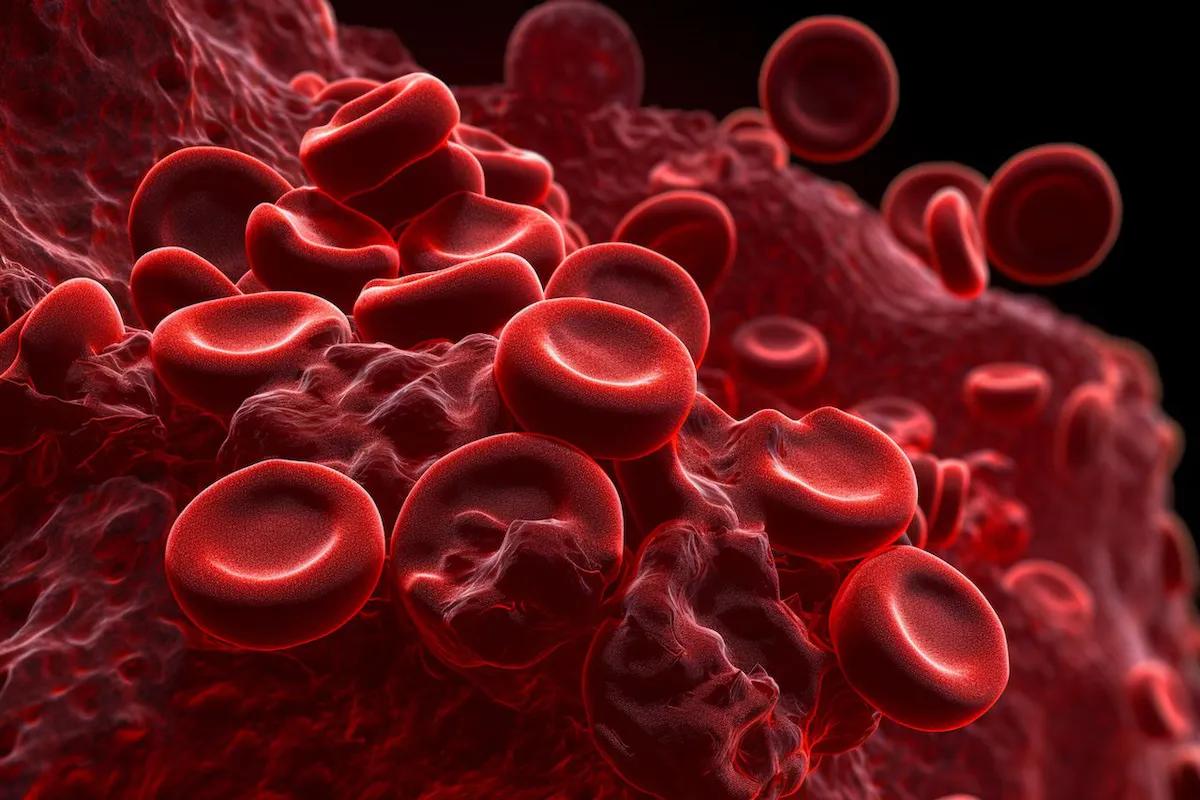
A vaso-occlusive crisis happens when sickled red blood cells block blood vessels. This leads to tissue ischemia and pain. The pain can occur in bones, joints, and organs, causing varied pain experiences.
“The pain from a vaso-occlusive crisis can be excruciating and is often described as one of the most severe pains a person can experience,” say medical professionals.
How pain manifests and progresses
Pain in sickle cell disease can be sudden, ongoing, or a mix of both. It’s often unpredictable. Pain can start quickly and be triggered by dehydration, stress, or infection. As the disease worsens, pain episodes become more frequent and severe, affecting overall well-being.
Impact on quality of life
The recurring pain of sickle cell anemia greatly affects a patient’s life. It limits daily activities, causes emotional distress, and presents social challenges. The unpredictability of the condition adds to the burden.
As one patient shared, “Living with sickle cell disease means being ready for the unexpected, both physically and emotionally.”
Effective pain management is vital to lessen the disease’s impact on a patient’s life. Understanding pain in sickle cell disease helps healthcare providers create tailored treatment plans. This improves patient outcomes.
First-Line Treatment: IV Morphine for Severe Pain
For those with severe vaso-occlusive pain, IV morphine is the top choice. Sickle cell disease causes intense pain episodes. It’s key to manage this pain well to improve life quality.
Why Morphine is the Gold Standard
Morphine is the first choice for severe pain in sickle cell disease. IV morphine lets doctors adjust doses precisely. This is vital for managing complex pain during vaso-occlusive crises.
“Morphine is the cornerstone of treatment for severe pain episodes in sickle cell disease,” as emphasized by various clinical guidelines. Its effectiveness in providing relief makes it a trusted option among healthcare providers.
Clinical Evidence Supporting Its Effectiveness
Many studies show IV morphine works well for severe pain in sickle cell disease. Clinical trials have found it reduces pain intensity and improves outcomes.
- Rapid pain relief
- Flexible dosing options
- Well-established safety profile when used correctly
These benefits highlight why IV morphine is the top choice for severe pain management in sickle cell crisis.
Proper Dosing and Administration Protocols
Administering IV morphine needs careful dosing to ensure it works and is safe. The first dose is based on the patient’s weight and opioid history.
Later doses are adjusted based on how the patient responds and their pain level. Close monitoring is key to avoiding side effects like breathing problems.
“The key to effective pain management with IV morphine lies in its careful titration and monitoring,” notes a leading expert in pain management.
By sticking to established protocols and considering each patient’s needs, healthcare providers can make IV morphine work best for severe pain in sickle cell disease.
Acetaminophen and NSAIDs for Mild to Moderate Pain
Managing pain in sickle cell disease needs a careful plan. Medications like acetaminophen and NSAIDs help with mild to moderate pain. They are key in fighting pain without the harsh effects of opioids.
When to Use Acetaminophen (Tylenol)
Acetaminophen is a common over-the-counter pain reliever. It’s great for those who can’t take NSAIDs or have certain health issues. We suggest starting with acetaminophen for its safe use when taken correctly.
Benefits of Ibuprofen and Other NSAIDs
NSAIDs, like ibuprofen, work well for mild to moderate pain. They also reduce inflammation, which helps during sickle cell crises. The good points of NSAIDs are:
- They cut down pain and swelling
- They’re easy to get because they’re over-the-counter
- They work differently from acetaminophen, giving patients another choice
Combining with Other Medications
Acetaminophen and NSAIDs can be mixed with other pain treatments. For example, they can be paired with opioids for severe pain or with other therapies to boost pain relief. It’s vital to tailor the treatment to each patient’s needs and pain level.
Important things to think about when mixing these drugs include:
- Watching for side effects and drug interactions
- Changing doses based on how the patient reacts and the pain level
- Making sure patients know how to use them safely and the possible risks
By managing pain with acetaminophen and NSAIDs, we can make life better for those with sickle cell disease.
Alternative Opioid Options When Morphine Isn’t Suitable
Managing sickle cell pain sometimes means looking at opioids other than morphine. Morphine is often the first choice for severe pain in a sickle cell crisis. But some patients may not do well with it or have bad side effects. Then, doctors look at other opioids to help manage pain.
Pethidine: Effectiveness and limitations
Pethidine, or meperidine, is used for moderate to severe pain in sickle cell crisis. But it can be risky because of the chance of neurotoxicity. We must think carefully about the benefits and risks when using pethidine.
Pethidine can work well in some cases. But it can cause serious side effects like seizures and serotonin syndrome. This is why it’s used with caution, mainly when taken with other medications that affect serotonin.
Hydromorphone and oxycodone alternatives
Hydromorphone and oxycodone are other options when morphine doesn’t work. Hydromorphone is strong for severe pain, and oxycodone is for moderate to severe pain. Both have their own side effects and risks.
We pick hydromorphone or oxycodone based on the patient’s needs and past experiences with opioids. These choices help tailor pain management to each patient’s needs.
Patient-controlled analgesia (PCA) systems
Patient-controlled analgesia (PCA) systems are a new way to manage pain. They let patients give themselves pain relief as needed. PCA is great for acute pain in sickle cell crisis, giving better pain relief and possibly less opioids.
PCA systems make patients happier and help control pain better. They can give medication right when they feel pain. But, setting up and watching over PCA systems is important for safety and success.
Specialized Medications for Sickle Cell Crisis
Specialized medications are key in easing the severe pain of a sickle cell crisis. They work alongside standard pain management to give better care.
Isoxsuprine: Mechanism and Clinical Results
Isoxsuprine is a vasodilator that might help with sickle cell crisis. It improves blood flow, which could lessen crisis frequency and severity. Clinical results have shown promise, with some studies showing fewer crises and better patient outcomes.
The idea behind isoxsuprine is to improve microcirculation. This could stop small blood vessels from getting blocked by sickled red blood cells. But its success can vary, and it’s mainly for those who don’t get better with usual treatments.
Tinzaparin and Other Anticoagulants
Tinzaparin is a low molecular weight heparin that acts as an anticoagulant. It’s used to prevent and treat deep vein thrombosis and might help with sickle cell disease. Anticoagulants like tinzaparin could lower the risk of blood clots in sickle cell patients.
- Tinzaparin stops the coagulation cascade, reducing blood clot formation.
- Other anticoagulants might be used based on the patient’s needs and history.
- Using anticoagulants requires careful monitoring to avoid bleeding risks.
Adjuvant Medications to Enhance Pain Relief
Adjuvant medications can boost pain relief in a sickle cell crisis. They target specific pain types or have analgesic effects.
- Medications like gabapentin or pregabalin can manage neuropathic pain.
- Corticosteroids can reduce inflammation and make primary analgesics work better.
- Choosing adjuvant medications depends on the patient’s specific pain needs.
By adding these specialized medications to treatment plans, healthcare providers can give more complete care to those with sickle cell crisis.
Personalized Pain Management Approaches
Managing pain in sickle cell disease needs a personal touch. Each patient’s needs are unique. So, treatment plans must be tailored to fit each person’s situation for the best care.
Tailoring Treatment Based on Pain Intensity
Pain levels in sickle cell disease can differ a lot. Treatment plans must adjust to these differences. For example, those with severe pain might need stronger opioids like morphine.
Those with mild to moderate pain might do well with acetaminophen or NSAIDs. A pioneering program shows that a holistic approach to pain management is promising. It highlights the importance of tailored treatment strategies in a complete pain management program.
Assessing pain intensity is key. It involves using pain scales to measure the patient’s pain. This helps choose the right pain relief.
Considering Patient History and Past Experiences
A patient’s past with pain management is very important. Knowing what worked before and what didn’t helps doctors make better choices. Healthcare experts say, “Patient history is a critical part of effective pain management.”
For example, a patient who needed hospital care for pain might have different needs than one who was treated at home. Their past is key to creating a personalized treatment plan.
Addressing Comorbidities That Affect Pain Management
Patients with sickle cell disease often have other health issues that make pain management harder. For instance, those with kidney problems might need different doses of medicine. Patients with a history of drug abuse might need different pain relief strategies.
“The presence of comorbidities requires a detailed approach to pain management. It’s about finding a balance between effective pain relief and avoiding bad side effects or complications.”
Healthcare providers can create a comprehensive pain management plan by carefully thinking about these factors. This plan addresses the complex needs of patients with sickle cell disease.
Conclusion: Comprehensive Pain Management for Sickle Cell Crisis
Managing pain is key for people with sickle cell disease. Even though there’s no cure yet, many treatments help manage the condition. This improves their quality of life.
We talked about how to handle pain during a sickle cell crisis. This includes IV morphine, acetaminophen, and NSAIDs. Sometimes, other opioids or special medicines work too.
Looking for a cure for sickle cell anemia is an ongoing effort. But treatments have gotten better in recent years. It’s important to keep finding new ways to manage this condition.
By customizing treatments for each person, we can make their lives better. As we keep researching, we need to focus on improving treatments. This will help tackle the challenges of sickle cell disease.
FAQ’s:
What is the most effective painkiller for managing a sickle cell crisis?
IV morphine is often seen as the best option for severe pain in a sickle cell crisis. It works well to relieve pain.
Is there a cure for sickle cell anemia?
Right now, there’s no sure cure for sickle cell anemia. But doctors are looking into treatments like bone marrow transplants.
What are the common treatments for sickle cell disease?
Treatments for sickle cell disease include managing pain with IV morphine, acetaminophen, and NSAIDs. Blood transfusions and other supportive therapies are also used.
How is pain managed in sickle cell disease?
Managing pain in sickle cell disease involves a few steps. This includes using opioid analgesics, non-opioid meds, and alternative therapies. These are chosen based on the person’s pain level and medical history.
Can acetaminophen be used to manage pain in sickle cell disease?
Yes, acetaminophen can help with mild to moderate pain in sickle cell disease. It’s often used with other medications.
What role do NSAIDs play in managing sickle cell pain?
NSAIDs, like ibuprofen, can help with mild to moderate pain in sickle cell disease. They’re often used with other pain relief meds.
Are there alternative opioid options for managing pain in sickle cell disease?
Yes, there are other opioid options like hydromorphone and oxycodone. They can be used when morphine isn’t suitable, giving more options for pain management.
How important is personalized pain management in sickle cell disease?
Personalized pain management is very important in sickle cell disease. It allows for treatments to be tailored to each person’s needs, pain level, and medical history.
Can blood transfusions help manage sickle cell disease?
Yes, blood transfusions are a common treatment for managing some complications of sickle cell disease. They can help reduce the risk of certain crises.
What are the possible benefits of specialized medications in managing sickle cell crisis?
Specialized medications, like isoxsuprine and tinzaparin, may offer extra benefits in managing sickle cell crisis. They target specific parts of the disease process.
References:
- Yawn, B. P., Buchanan, G. R., Afenyi-Annan, A. N., et al. (2014). Management of sickle cell disease: Summary of the 2014 evidence-based report by expert panel members. JAMA, 312(10), 1033-1048. https://jamanetwork.com/journals/jama/fullarticle/1831065