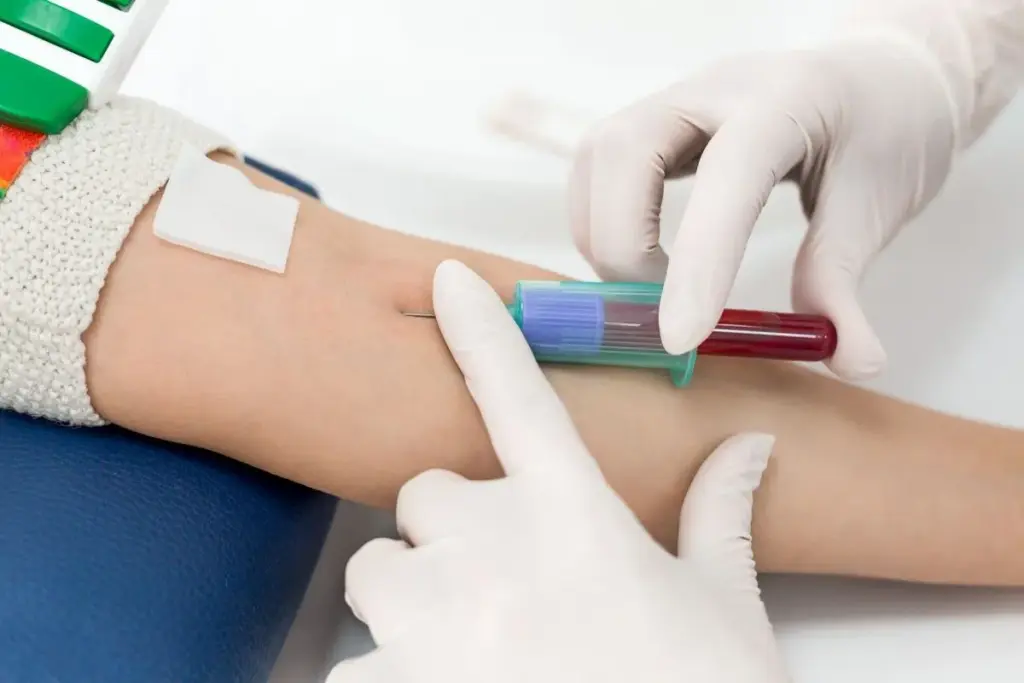
When chemotherapy stops working for multiple myeloma, patients face a tough challenge. The disease starts to grow again because it has become resistant. This can be very hard and emotional for those going through it.
The five-year survival rate for multiple myeloma is 62.4%. But, survival rates drop after the disease relapses multiple times. So, patients and doctors must look for new treatments and care plans to fight the disease and improve survival chances.
Revlimid is often used to treat multiple myeloma. But, stopping Revlimid can cause withdrawal symptoms. We will look into what happens when chemotherapy stops working and the issues with stopping Revlimid.
Key Takeaways
- Multiple myeloma treatment failure can lead to disease progression.
- Revlimid is a common treatment for multiple myeloma.
- Stopping Revlimid can result in withdrawal symptoms.
- Evolving therapies and complete care strategies are key to better survival.
- Patients and doctors must work together to manage disease progression.
Understanding Multiple Myeloma and Its Treatment Landscape
It’s important for patients and doctors to know about multiple myeloma and its treatments. This cancer affects plasma cells in the bone marrow.
What is Multiple Myeloma?
Multiple myeloma causes cancer cells to grow in the bone marrow. This leads to anemia, bone pain, and a higher risk of infections. It’s a complex disease needing a detailed treatment plan.
Each patient’s disease can progress differently. So, it’s key to know the various treatment options. New research shows we need new ways to treat myeloma, mainly when standard treatments fail.
Standard Chemotherapy Approaches
Chemotherapy for multiple myeloma often uses a mix of drugs. A common mix is Velcade, Revlimid, and dexamethasone (VRD). This mix has shown to be very effective in treating the disease.
Other options include stem cell transplantation. This can sometimes lead to remission without transplant, though it’s not guaranteed.
|
Treatment Regimen |
Key Components |
Efficacy |
|---|---|---|
|
VRD Regimen |
Velcade, Revlimid, Dexamethasone |
High efficacy in treating multiple myeloma |
|
Revlimid Maintenance |
Revlimid |
Effective in maintaining remission |
|
Stem Cell Transplantation |
High-dose chemotherapy followed by stem cell infusion |
Can lead to deep responses and potentially long-term remission |
Role of Revlimid in Multiple Myeloma Treatment
Revlimid (lenalidomide) is a key drug in treating multiple myeloma. It’s used both as a first-line treatment and for those whose disease has come back or not responded well.
Revlimid boosts the immune system’s fight against cancer cells. It also directly stops myeloma cells from growing. Its use has led to better survival and quality of life for patients.
Australian doctors face challenges in getting certain drugs covered by the Pharmaceutical Benefits Scheme (PBS). This shows the importance of knowing about treatment options worldwide.
When Chemotherapy Becomes Ineffective: The Reality of Treatment Resistance

Treatment resistance in multiple myeloma is a big challenge for patients and doctors. It’s important to understand how this resistance works. This knowledge helps us find new ways to fight the disease.
How Multiple Myeloma Develops Resistance
Multiple myeloma can become resistant to chemotherapy in different ways. Changes in the cancer cells and the tumor environment play a role. Research has found three main types of resistance: pre-target, on-target, and post-target.
Pre-target resistance stops the drug from reaching its target. On-target resistance happens when the drug’s target changes, making it less effective. Post-target resistance allows cancer cells to survive even with the drug present.
Identifying Treatment Failure
It’s key to know when chemotherapy stops working. Signs include more M-protein in the blood or urine, higher calcium levels, and worsening anemia or kidney function. Tests and scans help catch resistance early.
Patients on Revlimid or other treatments need close monitoring. Look for new bone lesions or more plasma cells in the bone marrow. Lab tests, like free light chain assays, can show if treatment is failing.
Progression Patterns in Multiple Myeloma
Multiple myeloma can progress in different ways. This includes new bone lesions, disease outside the bone marrow, or plasma cell leukemia. Knowing these patterns helps doctors plan better treatments.
Stopping Revlimid can lead to serious health issues. Symptoms range from fatigue and bone pain to infections or high calcium levels. It’s important to manage these symptoms and adjust treatments to keep patients’ quality of life good.
Signs That Your Multiple Myeloma Treatment Is No Longer Working
It’s important to know when treatment for multiple myeloma isn’t working. This knowledge helps in changing treatment plans and looking for new options. Understanding these signs is key to managing the disease.
Clinical Indicators of Disease Progression
Clinical signs are key to checking if treatment is working. Some signs that treatment might not be working include:
- Increased fatigue and weakness
- Bone pain or fractures
- Recurring infections
- Anemia or low blood cell counts
- Kidney dysfunction
These symptoms mean the disease might be getting worse. It’s important to talk about them with your doctor.
Laboratory Markers of Treatment Failure
Laboratory tests are important for tracking treatment success. Some markers that show treatment might not be working include:
|
Marker |
Description |
Implication |
|---|---|---|
|
M-protein levels |
Measuring the level of monoclonal protein in the blood or urine |
An increase may indicate disease progression |
|
Free light chain (FLC) ratio |
Assessing the balance between kappa and lambda light chains |
An abnormal ratio can signal treatment failure |
|
Bone marrow biopsy |
Examining the bone marrow for plasma cell infiltration |
An increase in plasma cells may indicate disease progression |
Checking these markers regularly helps catch treatment failure early.
Imaging Results That Signal Progression
Imaging tests like PET/CT scans or MRI are important. They show how far the disease has spread. Signs of disease getting worse include:
- New or enlarging focal lesions
- Increased uptake on PET scans
- Bone damage or fractures
These results help doctors understand the disease’s status. They guide treatment decisions.
“Monitoring pre and post treatment and response assessment is critical in multiple myeloma patients.” This statement highlights the need for regular checks in managing the disease.
Knowing when treatment isn’t working is essential for multiple myeloma patients. By spotting clinical signs, lab markers, and imaging results that show disease progression, patients can work with their doctors. Together, they can change treatment plans and look for new options.
Side Effects of Stopping Revlimid: What Patients Need to Know
Stopping Revlimid can lead to several side effects. Knowing about these can help patients through their treatment. It’s important to understand the physical reactions and withdrawal symptoms that may happen.
Common Physical Reactions When Discontinuing Revlimid
When stopping Revlimid, patients may feel tired, see changes in blood counts, and more. It’s key for patients to watch their health closely during this time.
Some may also face withdrawal symptoms. These can be physical and emotional. They happen because the body misses Revlimid.
Managing Revlimid Withdrawal Symptoms
Handling Revlimid withdrawal symptoms needs a full plan. Doctors might suggest changes in other meds or supportive care.
Patients should team up with their healthcare team to manage symptoms. This might include regular check-ups and blood count checks. It’s all about keeping the patient safe and comfortable.
Timeline for Medication Clearance
How fast Revlimid leaves the body varies by person. It usually goes quickly, but its effects can last longer. Knowing this can help patients prepare.
Following the doctor’s advice on stopping Revlimid is vital. This way, patients can avoid bad side effects and make the transition smoother.
Revlimid Discontinuation Effects on Disease Progression
Stopping Revlimid treatment is a big deal for multiple myeloma patients. It can change how their disease moves forward. Knowing how Revlimid stopping affects disease progress is key to good patient care.
Rate of Progression After Stopping Treatment
When Revlimid stops, how fast multiple myeloma grows can differ a lot. This depends on how long they took Revlimid, their health, and if they have other health issues.
Key factors affecting disease progression post-Revlimid discontinuation:
- Duration of Revlimid treatment
- Patient’s overall health status
- Presence of comorbid conditions
- Previous treatment responses
Monitoring Requirements Post-Revlimid
After stopping Revlimid, it’s important to keep an eye on the disease. This means regular blood tests, bone marrow biopsies, and imaging studies when needed.
|
Monitoring Parameter |
Frequency |
Purpose |
|---|---|---|
|
Blood Tests (e.g., CBC, serum protein electrophoresis) |
Every 1-3 months |
Check for signs of disease getting worse or coming back |
|
Bone Marrow Biopsy |
As clinically indicated |
Look at disease status and how it’s responding to new treatments |
|
Imaging Studies (e.g., PET/CT scans) |
As clinically indicated |
See how widespread the disease is and watch for any problems |
Psychological Impact of Treatment Discontinuation
Stopping Revlimid can also affect a patient’s mind. It might cause worry or doubt about their disease. Healthcare providers should offer support and counseling to help with these feelings.
Support strategies for patients post-Revlimid discontinuation may include:
- Counseling or therapy sessions
- Support groups for patients and families
- Regular check-ups with healthcare providers
Understanding the effects of stopping Revlimid and using the right monitoring and support can help improve patient outcomes. It also makes life better for them.
Velcade, Revlimid, and Dexamethasone Combination: When It Stops Working
The VRD regimen, made of Velcade, Revlimid, and dexamethasone, is key in treating multiple myeloma. But, its power can fade over time. This mix has greatly helped in fighting the disease, giving many patients better chances.
Effectiveness Duration of VRD Regimen
The VRD regimen’s lasting power varies among patients. Clinical trials show it can lead to deep, lasting responses in many with multiple myeloma. But, how long it works depends on several things. These include the patient’s health, the disease’s stage, and how well they handle the treatment.
Research shows the median time before the disease progresses can be several years. For example, some studies found a median progression-free survival of about 4-5 years. Yet, results can differ, with some patients seeing it last longer or shorter.
Cross-Resistance Between Therapies
A big worry with treatments is cross-resistance. In multiple myeloma, cross-resistance happens when a tumor resists one drug, making other similar drugs less effective. The VRD regimen uses drugs that work differently, which helps reduce cross-resistance risks.
But, if a tumor resists one part of the VRD regimen, it can affect the whole combination’s success. For instance, if a tumor resists Revlimid, the VRD combo might not work as well. It’s important to manage resistance to get the best results.
How Long Is Velcade Treatment for Multiple Myeloma
Velcade is a key part of the VRD regimen, and its treatment length can change. Usually, Velcade is given for a set number of cycles, from 8 to 12, based on the treatment plan and patient health.
In some cases, Velcade or other VRD parts might be used in maintenance therapy to keep the disease under control. The choice on how long to use Velcade is made for each patient. It depends on their response, side effects, and overall health.
Treatment Attrition Rates: Understanding the Statistics
Attrition rates in multiple myeloma treatment have dropped over the years. Recent studies show a big improvement in how well patients do and how long they can stay on treatment.
Historical Trends in Treatment Continuation
Attrition rates for multiple myeloma have changed a lot. New treatments and better care have led to fewer patients stopping treatment. By 2020, the rate had dropped from 38–55% in the 1980s to 15–20%.
|
Time Period |
Attrition Rate Range |
|---|---|
|
1980s |
38–55% |
|
2020 |
15–20% |
Age-Related Factors in Treatment Discontinuation
Age is a big factor in when patients stop treatment. Older patients face more complications, leading to higher rates of stopping treatment. It’s important to think about age when choosing treatments and finding ways to make them more tolerable.
Key age-related considerations include:
- Comorbidities that complicate treatment
- Reduced physiological reserve
- Increased sensitivity to treatment side effects
Impact of Comorbidities on Treatment Tolerance
Comorbidities greatly affect how well patients can handle treatment. Patients with multiple myeloma often have other health problems that make it hard to keep up with treatment. It’s key to manage these conditions to better treatment results and lower attrition rates.
For example, patients with kidney problems might need their doses adjusted or different treatments to avoid complications. Those with heart issues need close monitoring during treatment.
By understanding these factors and tailoring treatment plans, we can aim to reduce attrition rates. This will help improve the lives of multiple myeloma patients.
Next Steps After Chemotherapy Failure: Treatment Options
When chemotherapy stops working, it’s not the end. It’s a chance to try new ways to fight the disease. Patients and doctors look for other ways to manage the disease.
Second-Line Treatment Approaches
After chemotherapy fails, doctors check the patient’s health and past treatments. They look at the disease’s current state to find the best next step. This might include:
- Switching to a different chemotherapy regimen
- Using proteasome inhibitors like Velcade
- Considering stem cell transplantation in eligible patients
These steps aim to control the disease and improve life quality. The right treatment depends on many factors, like age and past responses.
Novel Agents for Relapsed/Refractory Multiple Myeloma
New treatments offer hope for those with relapsed or refractory multiple myeloma. Some of these include:
|
Therapy Type |
Examples |
Mechanism of Action |
|---|---|---|
|
CAR T-cell therapy |
Idecabtagene vicleucel (Ide-cel) |
Genetically modified T-cells targeting BCMA |
|
Bispecific antibodies |
Teclistamab |
Binding to both BCMA and CD3, activating T-cells |
These new agents show promise in trials, opening up new treatment paths.
Clinical Trial Opportunities
Joining clinical trials can give access to new treatments. Trials for multiple myeloma test new drugs and strategies. We suggest talking to a doctor about trial options.
Exploring these options can lead to new treatments for multiple myeloma, even after chemotherapy fails.
CAR T-Cell Therapy and Immunotherapies: New Horizons
Multiple myeloma is a tough disease to treat. But, CAR T-cell therapy brings new hope. Immunotherapies have opened up new ways to fight this cancer.
Mechanism of CAR T-Cell Therapy in Multiple Myeloma
CAR T-cell therapy is a type of immunotherapy. It starts by taking a patient’s T-cells. Then, it makes them attack cancer cells. This method has shown great promise in treating multiple myeloma that doesn’t respond to other treatments.
First, T-cells are taken from the patient’s blood. They are then modified in a lab. This modification helps them target myeloma cells better.
After modification, these T-cells are put back into the patient. They can now find and kill myeloma cells more effectively.
Bispecific and Trispecific Antibodies
New immunotherapies are being developed, like bispecific and trispecific antibodies. These antibodies can target multiple cancer cells at once, making them more effective. Bispecific antibodies work by linking T-cells and myeloma cells together, helping to destroy cancer cells.
Trispecific antibodies go even further by targeting three different molecules. This could make the treatment even more effective. These therapies are being tested in clinical trials and show great promise for treating multiple myeloma.
Criteria for Patient Selection
Choosing who gets these advanced therapies is important. It depends on the patient’s health, past treatments, and myeloma type. Only patients who have tried many treatments and haven’t responded well are usually considered.
We’re moving towards treating multiple myeloma in a more personalized way. The right therapy will be matched to the right patient at the right time. As research improves, more patients might get to try these new treatments.
Multiple Myeloma Remission Without Transplant: Is It Possible?
Researchers are looking into ways to achieve remission without a transplant for multiple myeloma. They are exploring non-transplant methods. These efforts have shown promise, giving hope to those who can’t or don’t want to have a transplant.
Non-Transplant Approaches to Deep Response
Several non-transplant methods are being studied for treating multiple myeloma. These include:
- Targeted Therapies: Drugs that target specific molecules involved in the growth and survival of myeloma cells.
- Immunotherapies: Treatments that harness the power of the immune system to fight cancer, such as monoclonal antibodies and checkpoint inhibitors.
- Combination Regimens: Using a combination of drugs with different mechanisms of action to achieve a synergistic effect.
These methods have shown great promise in clinical trials. Some patients have achieved deep and lasting responses.
Duration of Remission Without Transplantation
The length of remission without a transplant varies. It depends on the treatment, the patient’s health, and the disease. Some studies have found:
- Median progression-free survival ranging from 2 to 5 years or more with certain non-transplant approaches.
- A subset of patients remaining in remission for extended periods, sometimes exceeding 5 years.
It’s important to keep monitoring and adjusting treatments to keep remission going.
Quality of Life Considerations
Quality of life is key for multiple myeloma patients, even more so for those not getting a transplant. Factors affecting quality of life include:
- Treatment Tolerability: Minimizing side effects and maintaining functional status.
- Symptom Management: Effective control of disease-related symptoms.
- Psychological Support: Providing emotional and psychological support to patients and their families.
Healthcare providers can help patients achieve remission and a good quality of life by focusing on these areas.
Survival Statistics: What the Numbers Tell Us
Knowing survival stats is key for those with multiple myeloma. These numbers give a glimpse into how the disease progresses and how treatments work. They help both patients and doctors make better choices.
Five-Year Survival Rates and Their Meaning
The five-year survival rate for multiple myeloma is a vital number. It shows the percentage of patients alive five years post-diagnosis. Recent data shows this rate is 62.4%.
This means about 62.4% of patients live at least five years after diagnosis. But, it’s important to remember these rates are averages. Many things, like the disease’s stage and treatment response, can affect a patient’s outcome.
Survival After Multiple Relapses
Multiple myeloma often comes back, and survival after these relapses varies. The success of treatments, how long it takes for relapses, and the patient’s health are key factors.
New treatments, like novel agents and immunotherapies, have boosted survival chances. It’s vital for patients and their families to know about these options.
Factors That Influence Prognosis
Many things can affect how well a patient with multiple myeloma will do. Age, health, genetic markers, and how well the first treatment works are important. Patients who are younger and healthier, and who respond well to treatment, tend to do better.
Also, new treatments and therapies are helping patients live longer and better. Keeping up with the latest research and working with a healthcare team can help patients manage their disease.
Managing Complications When Traditional Treatments Fail
When traditional treatments don’t work for multiple myeloma, we need a detailed plan to handle complications. As the disease gets worse, patients face many issues. We work hard to keep their quality of life good.
Bone Disease Management
Bone disease is a big problem in multiple myeloma. It can cause fractures and bone pain. It’s very important to manage bone disease well to avoid these issues.
We use different ways to tackle bone disease, including:
- Bisphosphonates to reduce bone resorption
- Denosumab, a monoclonal antibody that targets RANKL, to prevent bone destruction
- Vertebroplasty and kyphoplasty for stabilizing fractured vertebrae
A study in the Journal of Clinical Oncology showed bisphosphonates help a lot. They cut down on skeletal-related events in patients with multiple myeloma.
“The use of bisphosphonates has become a cornerstone in the management of bone disease in multiple myeloma, improving patient outcomes and quality of life.”
Source: Journal of Clinical Oncology
|
Treatment |
Purpose |
Benefits |
|---|---|---|
|
Bisphosphonates |
Reduce bone resorption |
Decreases skeletal-related events |
|
Denosumab |
Prevent bone destruction |
Reduces risk of fractures |
|
Vertebroplasty/Kyphoplasty |
Stabilize fractured vertebrae |
Relieves pain and stabilizes spine |
Kidney Function Preservation
Kidney problems are common in multiple myeloma. They often come from light chain cast nephropathy. Keeping the kidneys working well is key to better patient results.
We use several methods to keep the kidneys healthy, including:
- Hydration to reduce the concentration of toxic light chains
- Plasmapheresis to remove light chains
- Prompt treatment of infections and other conditions that may compromise kidney function
Early action is vital to stop permanent kidney damage. By taking care of the kidneys early, we can greatly improve patient results.
Infection Prevention Strategies
Patients with multiple myeloma are more likely to get infections because their immune system is weak. It’s very important to prevent infections.
We suggest:
- Prophylactic antibiotics to prevent infections
- Vaccinations, such as pneumococcal and influenza vaccines, to boost immune response
- Avoiding exposure to possible infection sources
Acting proactively against infection risk is key to avoiding complications and keeping patients healthy.
International Standards in Multiple Myeloma Care
Global healthcare is evolving fast. Achieving international standards in multiple myeloma care is key. It needs the latest medical advancements, teamwork, and a focus on the patient.
Innovative Approaches to Treatment
New treatments for multiple myeloma are vital for better patient results. We’re moving towards more personalized and targeted therapies. For example, CAR T-cell therapy has changed how we treat relapsed or refractory multiple myeloma.
Some new strategies include:
- Using bispecific antibodies to target myeloma cells better
- Applying precision medicine for treatments that fit each patient
- Trying combination regimens to boost treatment success
Multidisciplinary Care Teams
A team of experts is key for treating multiple myeloma. We think a team with hematologists, oncologists, and others is best. They work together to meet the complex needs of patients.
The benefits of teamwork are:
|
Benefit |
Description |
|---|---|
|
Comprehensive Care |
Ensures all parts of a patient’s condition are treated |
|
Improved Outcomes |
Makes treatments more effective through team decisions |
|
Personalized Support |
Gives patients care that fits their needs at every step |
Patient Experience Optimization
Improving the patient experience is critical in multiple myeloma care. We aim to support patients fully, meeting their physical, emotional, and psychological needs.
Ways to enhance patient experience include:
- Using care models that focus on what patients need and want
- Offering education and resources to help patients and families
- Creating a caring and understanding team culture
By focusing on new treatments, teamwork, and improving patient care, we can meet international standards in multiple myeloma care. This will help patients all over the world.
Conclusion: Navigating the Journey When Chemotherapy Stops Working
Dealing with treatment failure in multiple myeloma is tough. When it’s time to stop chemotherapy, patients face a hard road. It’s key to know what options are out there.
Treatment resistance and disease growth are big worries. Patients need help managing side effects from stopping Revlimid. They also need to look into new treatments.
By staying informed and working with doctors, patients can handle treatment failure. We suggest looking into new drugs, clinical trials, and advanced treatments like CAR T-cell therapy. Our aim is to offer full support and guidance on this path.
FAQ
What are the common side effects of stopping Revlimid?
Stopping Revlimid can cause physical reactions and withdrawal symptoms. These include fatigue, dizziness, and changes in blood counts. The effects can differ from person to person.
How long does it take for Revlimid to clear from the body after stopping treatment?
It takes several weeks for Revlimid to leave the body. Patients should talk to their healthcare provider for specific guidance.
What happens to multiple myeloma after stopping Revlimid treatment?
Stopping Revlimid can cause the disease to progress. The rate of progression varies based on individual factors, like treatment resistance. Regular monitoring is key to catch any changes.
Can multiple myeloma go into remission without a transplant?
Yes, remission without a transplant is possible. Non-transplant approaches, like Velcade, Revlimid, and dexamethasone, can work. The length of remission and quality of life depend on individual factors.
What are the next steps after chemotherapy failure for multiple myeloma?
After chemotherapy fails, patients can try second-line treatments, new agents, or clinical trials. CAR T-cell therapy and immunotherapies are new options for relapsed/refractory multiple myeloma.
How effective is the VRD regimen (Velcade, Revlimid, and dexamethasone) in treating multiple myeloma?
The VRD regimen is very effective for multiple myeloma. It offers better response rates and survival benefits. But, treatment length and cross-resistance between therapies need careful consideration.
What are the survival statistics for multiple myeloma, and what do they mean?
Five-year survival rates and survival after multiple relapses give insights into prognosis. Age, comorbidities, and treatment response can affect survival outcomes.
How can complications associated with multiple myeloma be managed when traditional treatments fail?
Managing complications like bone disease, kidney dysfunction, and infections requires a team effort. This includes supportive care and innovative treatments.
What are the international standards for multiple myeloma care, and how can patients benefit from them?
International standards focus on multidisciplinary care, innovative treatments, and improving patient experience. Patients benefit from care that follows these standards.
How long is Velcade treatment typically used for multiple myeloma?
Velcade treatment duration varies based on patient factors like response and tolerance. Patients should discuss treatment length with their healthcare provider.
What are the factors that influence treatment discontinuation in multiple myeloma?
Age, comorbidities, and tolerance to treatment can affect discontinuation. Understanding these factors helps in making informed treatment decisions.
Reference
It reveals variations in side effects in different age groups; younger patients reported no/negligible side effects, whilst several older https://pmc.ncbi.nlm.nih.gov/articles/PMC11219377/