Feeling abdominal discomfort after an embryo transfer can be both worrying and hopeful for those trying to conceive. At Liv Hospital, we get the emotional rollercoaster that comes with waiting to see if the procedure works.
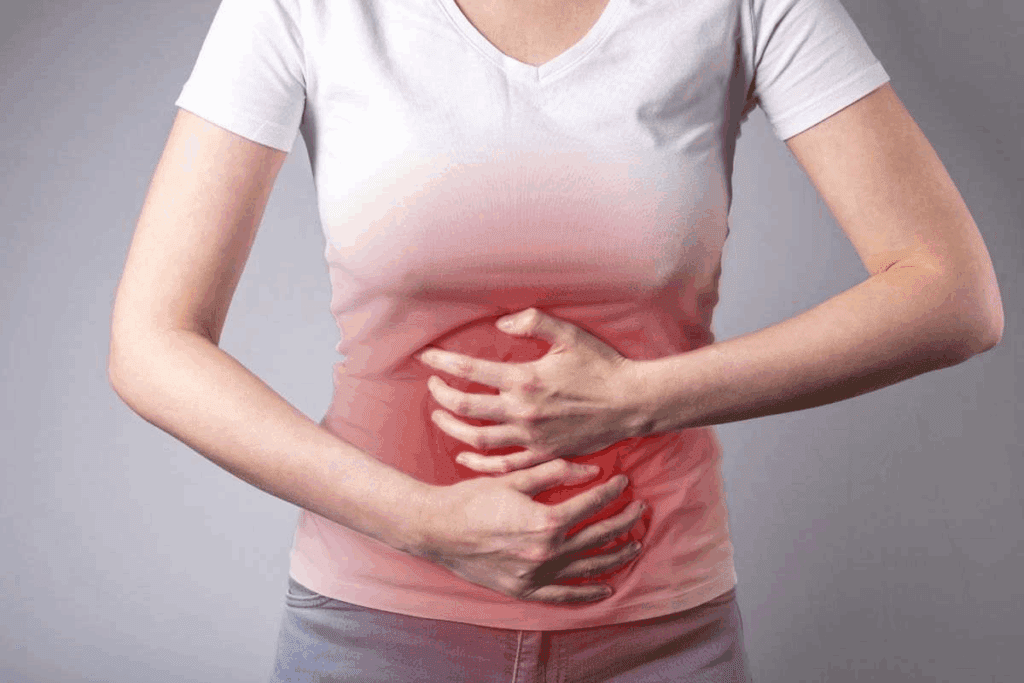
We know that left side lower abdomen pain after embryo transfer is a common side effect after the procedure. Hormonal shifts and changes in the uterus during implantation can lead to this discomfort. Knowing what causes this pain can help ease worries and offer reassurance while waiting.
Key Takeaways
- Mild cramping is a normal reaction after embryo transfer.
- Hormonal changes can cause abdominal discomfort.
- Understanding the causes of pain can alleviate concerns.
- Liv Hospital provides expert guidance and emotional support.
- Implantation-related sensations can cause abdominal pain.
The Embryo Transfer Procedure and Initial Body Response
Embryo transfer is a key step in IVF. It involves placing embryos into the uterus, starting a series of body responses. This step is vital for a successful pregnancy.
The Step-by-Step Transfer Process
The embryo transfer process is simple and usually doesn’t need anesthesia. Here’s what patients can expect:
- Preparation: The patient is positioned on an examination table, similar to a pelvic exam.
- Speculum Insertion: A speculum is gently inserted to visualize the cervix.
- Catheter Placement: A catheter containing the embryos is carefully guided through the cervix into the uterus.
- Embryo Transfer: The embryos are slowly released into the uterine cavity.
- Catheter Removal: The catheter is gently withdrawn, and the embryos are left in place.
This process is quick, taking between 5 to 15 minutes. It’s done under ultrasound to ensure accurate placement.
How the Body Initially Reacts to Transferred Embryos
After the embryo transfer, the body starts to react. Some common initial reactions include:
| Reaction | Description |
|---|---|
| Uterine Contractions | Mild cramping or contractions may occur as the uterus adjusts to the embryos. |
| Hormonal Changes | The body starts to respond to the transferred embryos with hormonal shifts, which can cause various symptoms. |
| Spotting or Discharge | Some patients may experience light spotting or discharge due to the catheter insertion. |
These reactions are usually mild and short-lived. They can be an early sign that the body is responding to the embryo transfer. Knowing about these reactions can help patients better understand what to expect as they wait for the results of their IVF treatment.
Common Causes of Left Side Lower Abdomen Pain After Embryo Transfer
[Add image here]
Left side lower abdomen pain after embryo transfer can have many causes. These are linked to the IVF process. Knowing these causes can help ease worries and understand the body’s changes during this time.
Uterine Contractions Following the Procedure
Uterine contractions are common after embryo transfer. They can cause pain or discomfort, often on one side of the lower abdomen. The transfer process can make the uterus contract as it adjusts to the embryo.
These contractions are usually normal and not a worry. But, how intense and frequent they are can differ. This affects how much pain someone feels.
Implantation-Related Sensations
Women may feel sensations or pain as the embryo implants. This pain can be on one side of the lower abdomen. It’s due to the embryo attaching to the uterine wall.
“The implantation of the embryo is a complex process involving interaction between the embryo and the uterine lining, which can sometimes cause mild cramping or discomfort.”
Implantation usually happens 6-10 days after fertilization. The sensations during this time are often due to implantation. But, not all women notice these symptoms.
Hormonal Medication Effects on Abdominal Comfort
Hormonal medications in IVF, like progesterone, can affect the body. They can relax smooth muscle, leading to digestive changes or cramping.
Progesterone can cause side effects like bloating, cramping, or discomfort in the abdomen. These effects are usually short-term and due to hormonal changes.
Understanding the causes of left side lower abdomen pain after embryo transfer helps manage symptoms. While some discomfort is normal, it’s important to know when to seek medical help.
Timeline of Post-Transfer Symptoms and Sensations
Knowing when symptoms show up after embryo transfer helps patients get ready. The two-week wait is key. During this time, you might feel different because of the embryo settling in and hormone changes.
Day 1-3 After Embryo Transfer
In the first few days, you might feel some cramping and see spotting. These signs come from the embryo settling in and your body adjusting. You might also notice changes in cervical mucus and feel a bit bloated because of hormone shifts.
- Mild cramping
- Spotting or light bleeding
- Changes in cervical mucus
- Slight bloating
Day 4-7 After Embryo Transfer
By days 4-7, you might feel more tired and have sore breasts because of hormone levels. The embryo is likely settling in. You could also feel a bit uncomfortable in your belly or feel full.
- Increased fatigue
- Breast tenderness
- Mild abdominal discomfort
- Feeling of fullness
Day 8-12 After Embryo Transfer
By days 8-12, the embryo is usually fully in place. You might notice stronger symptoms. These could be being more sensitive to smells, mood swings, and needing to pee more. You might also feel your breasts more and be even more tired.
- Heightened sensitivity to smells
- Mood swings
- Increased urination
- More pronounced breast tenderness and fatigue
Remember, everyone is different, and not everyone will feel all these things. How strong and long these feelings last can vary a lot.
Distinguishing Between Normal Pain and Concerning Symptoms
Some discomfort after embryo transfer is normal. But knowing when to seek medical help is key. The two-week wait can be uncertain, and abdominal pain is a big worry.
Characteristics of Expected Post-Transfer Discomfort
Mild cramping and spotting are common after embryo transfer. These symptoms come from the procedure and the body’s response to the embryos.
Expected discomfort may include:
- Mild to moderate cramping
- Spotting or light bleeding
- Bloating or feeling of fullness
Red Flags That Warrant Medical Attention
While mild symptoms are normal, some signs need quick medical help. Severe pain, heavy bleeding, or other severe symptoms could mean complications.
| Symptom | Normal | Concerning |
|---|---|---|
| Cramping | Mild to moderate | Severe, persistent |
| Bleeding | Spotting, light | Heavy, soaking pads |
| Pain | Mild, manageable | Severe, worsening |
If you have any concerning symptoms, contact your fertility specialist right away.
The Impact of IVF Medications on Abdominal Comfort
IVF medications are key for treatment but can cause side effects like discomfort in the abdomen. These drugs help get the body ready for embryo transfer and support early pregnancy.
Everyone reacts differently to these medications. Knowing how they might affect your stomach can help you feel better during IVF.
Progesterone Supplementation and Digestive Changes
Progesterone is a common part of IVF treatment. It helps the embryo implant and supports early pregnancy. But, it can also cause digestive issues like bloating, constipation, and cramps.
These symptoms happen because progesterone slows down bowel movements and relaxes digestive muscles. This can lead to discomfort in the lower abdomen. It’s a common side effect but can be concerning.
Estrogen Therapy and Its Physical Impact
Estrogen therapy is used in IVF to get the uterus ready for implantation. It’s usually well-tolerated but can cause symptoms like breast tenderness, mood swings, and fluid retention.
Estrogen therapy might also cause stomach discomfort due to hormonal changes. Talking to a healthcare provider about these symptoms can help manage them.
Other Medication-Related Discomfort
Other IVF medications can also cause stomach discomfort. These include drugs to stimulate ovulation or prevent it too early.
| Medication Type | Potential Effects on Abdominal Comfort |
|---|---|
| Progesterone Supplementation | Bloating, constipation, cramping |
| Estrogen Therapy | Fluid retention, mood swings, breast tenderness |
| Ovulation Stimulants | Abdominal swelling, discomfort, ovarian enlargement |
Knowing the side effects of these medications can help you deal with any discomfort during IVF treatment.
Implantation Cramping vs. Period-Like Symptoms
The two-week wait after embryo transfer can be very uncertain. It’s hard to tell if you’re feeling implantation cramping or menstrual-like cramps. Understanding the differences between these sensations is key to knowing what your body is trying to tell you.
How to Differentiate Between Types of Pain
Implantation cramping feels like mild twinges or cramps. It happens when the embryo attaches to the uterine lining. These cramps are intermittent and localized, meaning they come and go and are in one spot in your abdomen.
Period-like symptoms, on the other hand, can be more constant. They might also bring bloating or mood swings along with them.
To tell the difference, look at the intensity and duration of the cramps. Implantation cramps are usually milder and don’t last as long as menstrual cramps. They also tend to be on one side of your abdomen, where the embryo is implanting.
The Timing of Implantation Sensations
Implantation cramping happens 6-10 days after embryo transfer. This is when the embryo attaches to the uterine lining. Knowing this can help you figure out if your cramps are from implantation.
Not everyone feels implantation cramps. Some people might not notice anything, while others might confuse it with other discomforts.
Safe Management Strategies for Left Side Abdominal Pain
Managing left side abdominal pain after embryo transfer is key. It’s important to know the causes and use doctor-approved methods for relief. This symptom can worry patients, but the right steps can help ease the pain.
Doctor-Approved Pain Relief Methods
It’s vital to follow doctor-approved pain management after embryo transfer. Over-the-counter pain relievers might be okay, but always check with your fertility specialist first. “The goal is to find pain relief that doesn’t harm the embryo,” says Medical Expert, a fertility expert.
Some people find relief with warm compresses or relaxation techniques like deep breathing or meditation. These can help with stress and mild pain.
Rest and Activity Recommendations
Rest is important after embryo transfer. While you don’t need to stay in bed all the time, avoid strenuous activities and heavy lifting for a few days. Gentle activities, like short walks, are okay and can help reduce stress.
- Avoid high-impact exercises
- Limit bending or heavy lifting
- Take regular, short walks if advised by your doctor
Hydration and Nutrition Considerations
Drinking enough water and eating well are key for post-transfer care. We suggest staying well-hydrated with plenty of water. Eating a balanced diet with fruits, veggies, and lean proteins is also good for your health.
“Eating right and staying hydrated can help with discomfort and support healing,” says Medical Expert, a reproductive endocrinologist.
Avoid foods that can make you feel bloated or uncomfortable, like salty or sugary foods.
By following these tips, patients can manage left side abdominal pain after embryo transfer. This helps support their health during this important time.
Psychological Aspects of Symptom Perception
The two-week wait after embryo transfer is tough, both physically and emotionally. People often feel more anxious about their symptoms. This time is filled with hope and worry, as they wait to see if their fertility treatment worked.
Understanding how our minds affect our feelings during this time is key. Anxiety makes us notice our body more, making symptoms seem worse.
Anxiety and Heightened Awareness of Body Sensations
Studies show anxiety after embryo transfer changes how symptoms are seen. This can create a cycle where more anxiety makes symptoms seem worse, leading to even more anxiety.
“The mind-body connection is powerful, and in the context of fertility treatment, it can manifest as an intense focus on bodily sensations.” A patient shared, “Every little cramp or twinge felt like a sign of something important.”
Effective Coping Strategies During the Two-Week Wait
There are ways to deal with anxiety and stay emotionally strong during this time. Techniques like deep breathing, meditation, and yoga can lower stress.
- Regular exercise, like walking or swimming, boosts mood.
- Mindfulness through meditation or guided imagery helps calm anxiety.
- Support groups connect people going through similar things.
- Keeping a journal helps express feelings and track progress.
Using these strategies daily can help manage anxiety and make the two-week wait easier.
It’s vital to support our mental health during this time. Managing anxiety is more than just reducing stress. It’s about making the fertility treatment journey better. By understanding the mind’s role in symptoms and using coping strategies, patients can stay positive and strong as they wait for the embryo transfer results.
Research on Post-Transfer Pain and IVF Outcomes
Studies on women going through IVF show how important post-transfer pain is. It helps predict how well the treatment will do. Knowing this can help both patients and doctors a lot.
Clinical Studies on Implantation Symptoms
Many studies have looked at how implantation symptoms affect IVF success. They found no direct link between post-transfer pain and IVF results. But, some symptoms might mean a better chance of implantation.
A study in the Journal of Assisted Reproduction and Genetics found something interesting. Women with mild cramping after embryo transfer had a bit higher pregnancy rate. This was compared to those without such symptoms.
It’s important to remember that these results don’t apply to everyone. Whether or not someone feels post-transfer pain is just one thing doctors look at. They consider many factors when predicting IVF success.
What Fertility Specialists Say About Post-Transfer Pain
Fertility specialists stress the importance of personalized care and listening to symptoms during IVF. Some clinics see post-transfer pain as a good sign, but others are more cautious. Medical Expert, “Post-transfer pain can have many causes, not all linked to IVF success.”
Individual Variation in Symptom Experience
Research shows big differences in how women experience post-transfer pain during IVF. Things like pain tolerance, hormonal responses, and health can affect symptoms. This means each woman’s experience is unique, and care should be tailored to her.
As we learn more about post-transfer pain and IVF, we see the need for more research. Staying updated with the latest studies and doctor insights helps patients make better choices. This way, they can navigate their IVF journey more confidently.
Conclusion
Feeling pain on the left side of your lower abdomen after an embryo transfer can be scary. But, it’s usually a normal part of IVF treatment. Many things can cause this pain, like uterine contractions, implantation feelings, and hormonal meds.
Knowing why you might feel pain and when can make you feel better. It helps you understand your IVF journey better. Talking openly with your healthcare team is key. This way, you can handle your symptoms and stay positive about your treatment.
It’s important to know the difference between normal pain and something that needs a doctor’s attention. Taking care of yourself and getting support can make your IVF experience better. This way, you can stay comfortable and focused on the positive aspects of your treatment.
FAQ
What causes left side abdominal pain after embryo transfer?
Left side abdominal pain after embryo transfer can happen for many reasons. It might be due to uterine contractions or the feeling of implantation. Hormonal medications can also affect how you feel in your stomach.
Is sharp pain on the left side normal after embryo transfer?
Sharp pain on the left side is sometimes normal after embryo transfer. It might be because of uterine contractions or implantation. But, it’s important to talk to your doctor to make sure everything is okay.
How long after embryo transfer can you feel symptoms?
You might start feeling symptoms a few days after embryo transfer. Some women notice them as early as Day 1-3. The kind and how bad the symptoms are can change over the two-week wait.
What are the common symptoms after embryo transfer?
After embryo transfer, you might feel abdominal pain, cramping, bloating, and mood swings. These can be because of hormonal changes, uterine contractions, and the feeling of implantation.
Can IVF medications cause abdominal pain?
Yes, IVF medications can make your stomach uncomfortable. This includes progesterone and estrogen therapy, which can cause bloating and changes in bowel habits.
How can I differentiate between implantation cramping and period-like symptoms?
Implantation cramping is usually sharp and feels like a stabbing. Period-like symptoms are more like menstrual cramps and are not as sharp. The timing of these feelings can help tell them apart.
What are some safe management strategies for left side abdominal pain after embryo transfer?
Safe ways to manage left side abdominal pain include using doctor-approved pain relief. Resting, staying hydrated, and eating well are also important. Always follow your doctor’s advice on how to handle your symptoms.
Can anxiety affect symptom perception after embryo transfer?
Yes, anxiety can make you feel your body’s sensations more. This can make symptoms feel worse. Using relaxation techniques and getting emotional support can help with anxiety during the wait.
Is there a correlation between post-transfer pain and IVF outcomes?
Research is ongoing about the link between post-transfer pain and IVF success. Some studies suggest a connection, but many factors influence success. Every person’s experience is different.
When should I seek medical attention for post-transfer symptoms?
If you have severe pain, heavy bleeding, or other concerning symptoms, get medical help right away. Your doctor can check your symptoms and guide you on what to do next.
References
https://www.healthline.com/health/embryo-transfer-cramping