
Myocarditis is an inflammatory heart condition that affects kids. It can greatly impact their health and growth. It’s estimated that myocarditis is responsible for a considerable number of pediatric hospitalizations annually. This shows the need for good diagnosis and treatment plans. Myocarditis is an inflammatory heart condition that affects kids. It can greatly impact their health and growth. It’s estimated that myocarditis is responsible for a considerable number of pediatric hospitalizations annually. This shows the need for good diagnosis and treatment plans.
We will look into the important parts of childhood myocarditis. This includes how to spot it and the treatments available. It is crucial for both doctors and parents to understand the causes, symptoms, and management strategies for myocarditis in children.
Key Takeaways
- Understanding myocarditis in children is vital for their health and growth.
- Good diagnosis is essential for treating myocarditis in kids.
- There are many ways to manage childhood myocarditis.
- Early detection can greatly help kids with myocarditis.
- Parents and doctors must work together to handle the condition.
What is Pediatric Myocarditis?
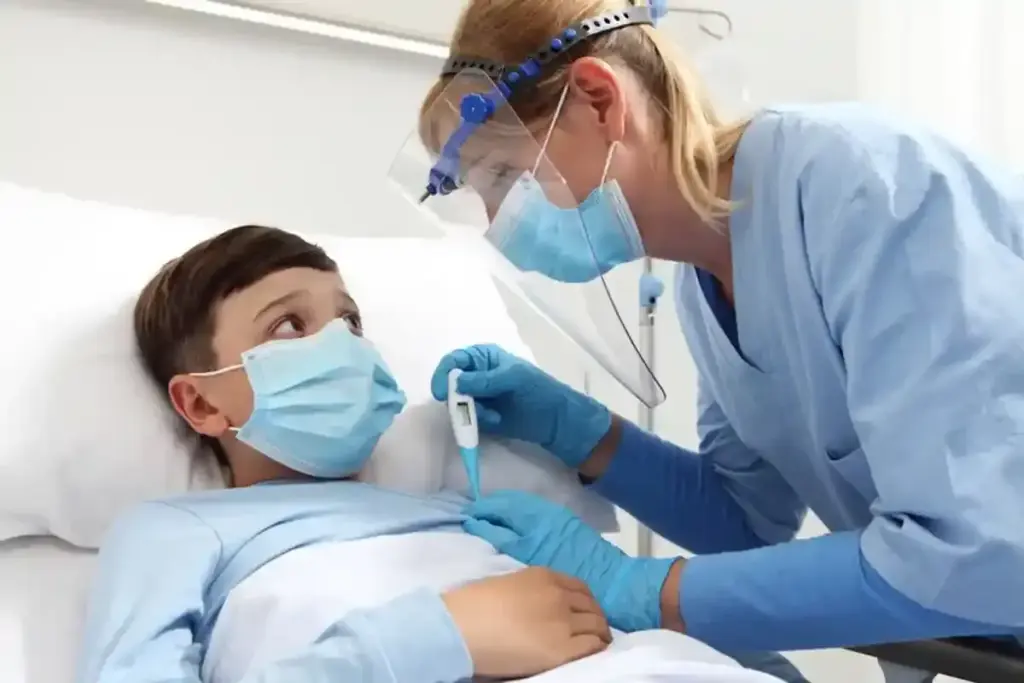
Pediatric myocarditis is a heart condition in kids. It’s important to know about it for the best treatment. Myocarditis means the heart muscle gets inflamed, making it hard to pump blood.
In kids, this can cause mild to severe problems. The severity depends on the cause and the child’s health.
Definition and Pathophysiology
Myocarditis in kids is caused by inflammation in the heart muscle. This can happen due to an infection or an autoimmune reaction. The inflammation can harm the heart’s function.
This can lead to heart problems like arrhythmias or heart failure. In severe cases, it can even cause sudden death.
Prevalence and Impact in Children
Myocarditis is rare but serious in kids. It’s more common in young males. This suggests a possible gender link.
Its exact cause can be hard to find because symptoms are often not clear. This makes diagnosis tricky.
Knowing about myocarditis in kids is key for early treatment. The table below shows important facts about it.
|
Age Group |
Common Causes |
Typical Symptoms |
|---|---|---|
|
Infants |
Viral infections |
Feeding difficulties, irritability |
|
Children |
Autoimmune reactions, viral infections |
Chest pain, fatigue, palpitations |
|
Adolescents |
Viral infections, autoimmune reactions |
Chest pain, shortness of breath, fatigue |
Healthcare providers can improve treatment by understanding these facts. This helps kids avoid long-term heart problems.
Causes and Risk Factors of Childhood Myocarditis

It’s important to know what causes myocarditis in kids. Myocarditis is when the heart muscle gets inflamed. There are many things that can cause it in children.
Viral Infections as Primary Triggers
Viral infections are a big reason for myocarditis in kids. Viruses like coxsackievirus, adenovirus, and parvovirus B19 can cause it. These viruses attack the heart muscle, causing inflammation and damage.
Non-Viral and Autoimmune Causes
But it’s not just viruses. Non-viral and autoimmune causes also matter. Autoimmune responses, where the body attacks the heart, can cause myocarditis. Bacterial infections, fungal infections, and toxins can also trigger it.
Genetic and Environmental Factors
Genetics and the environment also play a part. Some genetic conditions make kids more likely to get myocarditis. Exposure to certain chemicals or drugs can also cause it.
|
Cause/Risk Factor |
Description |
Examples |
|---|---|---|
|
Viral Infections |
Direct infection of the heart muscle by viruses |
Coxsackievirus, Adenovirus, Parvovirus B19 |
|
Autoimmune Responses |
Immune system mistakenly attacks heart tissue |
Lupus, Rheumatoid Arthritis |
|
Genetic Factors |
Genetic conditions increasing the risk of myocarditis |
Hypertrophic Cardiomyopathy, Arrhythmogenic Right Ventricular Cardiomyopathy |
|
Environmental Factors |
Exposure to toxins or certain chemicals |
Chemotherapy drugs, Certain antibiotics |
Knowing what causes myocarditis in kids is key. It helps doctors find the right treatment. By understanding the causes, they can help kids get better.
Signs and Symptoms of Myocarditis
It’s key to spot the signs of myocarditis in kids early. This heart condition can show up in many ways, from mild to serious.
Common Clinical Presentations
Myocarditis symptoms can look like other common kids’ illnesses. Kids might feel chest pain, get tired easily, have trouble breathing, or feel their heart beating fast. They might also show signs of heart failure, like swelling and trouble playing.
Table 1: Common Symptoms of Myocarditis in Children
|
Symptom |
Frequency |
Clinical Significance |
|---|---|---|
|
Chest Pain |
Common |
May indicate pericardial involvement or myocardial ischemia |
|
Fatigue |
Very Common |
Can be a nonspecific symptom or indicative of heart failure |
|
Shortness of Breath |
Common |
Suggests impaired cardiac function or heart failure |
|
Palpitations |
Less Common |
May indicate arrhythmias |
Age-Specific Symptom Variations
Myocarditis shows up differently in different ages. Babies and young kids might seem upset, not want to eat, or seem tired. Older kids and teens are more likely to say they have chest pain or feel their heart racing.
Warning Signs Requiring Immediate Medical Attention
Some symptoms need to be seen by a doctor right away. Look out for severe chest pain, trouble breathing, feeling very tired, or signs of shock. These include pale skin, a fast or weak pulse, and not making much urine. It’s important for parents and caregivers to know these signs to act fast.
Being careful about myocarditis symptoms in kids is very important. Catching it early can really help their health.
Diagnostic Approach to Pediatric Myocarditis
Diagnosing pediatric myocarditis is tough. It needs a mix of doctor’s skills, lab tests, and advanced imaging. We’ll explain how to diagnose it, starting with the first doctor visit and history.
Initial Clinical Evaluation and History
The first step is a detailed doctor visit and history. We look for symptoms like chest pain, shortness of breath, and tiredness. We also check for recent viral infections. Knowing your family’s health history is key, as it can show if you’re at higher risk.
Laboratory Tests and Biomarkers
Lab tests are key in finding myocarditis. We check for biomarkers like troponin and creatine kinase to see if the heart is damaged. High levels mean the heart might be hurt. We also test for viruses that could cause it.
Key Laboratory Tests:
- Troponin levels
- Creatine kinase
- Viral serology
- Complete Blood Count (CBC)
Electrocardiogram and Cardiac Monitoring
An electrocardiogram (ECG) is very important. It can show heart problems like ST-segment changes or irregular heartbeats. We also watch the heart closely to catch serious heart rhythm problems.
Imaging Studies: Echocardiography, MRI, and Beyond
Imaging is vital to see how well the heart works and its shape. Echocardiography is often the first choice. It shows how well the heart pumps and if there are any problems with the heart walls. Cardiac MRI is used more because it can show the heart’s tissue and find inflammation or scarring.
Cardiac MRI has changed how we diagnose myocarditis. It gives us detailed pictures of the heart. We use these images to decide on treatment and track how the disease is doing.
Confirming the Diagnosis
To accurately diagnose myocarditis, healthcare providers use many tools. Each tool gives different insights into the condition. This process is key to finding the right treatment and predicting outcomes.
Myocarditis on Echocardiography: Key Findings
Echocardiography is a main tool for checking heart function in suspected myocarditis cases. It shows:
- Left ventricular dysfunction or reduced ejection fraction
- Regional wall motion abnormalities
- Pericardial effusion
Echocardiography provides immediate, bedside assessment of cardiac function. It helps doctors quickly spot who needs closer watch or more action.
Cardiac MRI: The Gold Standard Imaging
Cardiac MRI (CMR) is now the top choice for diagnosing myocarditis. CMR gives detailed heart images. This lets doctors:
- Spot myocardial inflammation or scarring
- See how much of the heart is affected
- Watch how the heart changes over time
CMR’s high sensitivity for finding myocardial edema and fibrosis makes it very useful. It’s key in diagnosing and managing myocarditis.
Endomyocardial Biopsy: When and Why
Endomyocardial biopsy (EMB) is the top method for diagnosing myocarditis. It lets doctors directly check the heart tissue. EMB is best used:
- When tests can’t confirm the diagnosis
- To find specific causes of myocarditis, like giant cell myocarditis
- When there’s a strong suspicion of myocarditis and the heart is severely affected
Choosing to do EMB depends on the case. It’s about weighing the benefits against the risks.
By using echocardiography, cardiac MRI, and sometimes EMB, doctors can confirm myocarditis diagnosis and plan effective treatment.
Emergency Management of Acute Myocarditis
Managing acute myocarditis in kids requires a detailed plan. It includes both quick actions and ongoing care. Prompt treatment is key to avoid serious issues and better results.
Initial Stabilization Measures
The first steps in treating acute myocarditis are to keep the child stable. We watch their vital signs and heart function closely. Resting in bed helps lessen the heart’s effort.
It’s also important to give oxygen and make sure they breathe well. If the heart fails badly, mechanical ventilation might be needed to help with breathing.
Critical Care Interventions
Critical care for acute myocarditis includes many steps to help the heart and manage problems. Cardiac monitoring is vital to catch any changes fast.
We use inotropic support to help the heart pump better when it’s not working well. Keeping the right amount of fluids is also key to avoid dehydration or too much fluid.
In very serious cases, mechanical circulatory support like ECMO might be needed to help the heart until it gets better.
Throughout treatment, a team of experts is important. This team includes pediatric cardiologists, intensivists, and others for full care.
Medical Treatment Strategies
Managing myocarditis in children requires a variety of treatments. We will explore different approaches, like anti-inflammatory drugs, antiviral therapies, and heart failure meds. We will also look at immunomodulatory and immunosuppressive treatments.
Anti-inflammatory Medications
Anti-inflammatory drugs are key in treating pediatric myocarditis. Nonsteroidal anti-inflammatory drugs (NSAIDs) are often the first choice. But, they must be used with caution due to possible heart damage.
Corticosteroids can also help reduce inflammation, mainly in severe cases. But, their use must be carefully weighed against the risks.
Antiviral Therapies When Indicated
When myocarditis is caused by a virus, antiviral therapies might be considered. The choice of antiviral medication depends on the virus and the severity of the condition.
For example, antiviral agents have shown promise in treating enteroviral myocarditis. They can help reduce the virus and improve outcomes.
Heart Failure Medications
Children with myocarditis and heart failure may need special medications. Angiotensin-converting enzyme (ACE) inhibitors and beta-blockers are often used. They help manage symptoms and improve heart function.
|
Medication Class |
Examples |
Use in Myocarditis |
|---|---|---|
|
ACE Inhibitors |
Captopril, Enalapril |
Manage heart failure, reduce afterload |
|
Beta-blockers |
Metoprolol, Carvedilol |
Reduce sympathetic tone, improve cardiac function |
Immunomodulatory and Immunosuppressive Treatments
In some cases, immunomodulatory and immunosuppressive treatments are helpful. These treatments aim to reduce the immune system’s attack on the heart.
Intravenous immunoglobulin (IVIG) is sometimes used, but its effectiveness varies. Other immunosuppressive agents may be considered based on the cause and severity of the myocarditis.
Treating myocarditis in children needs a personalized approach. It depends on the cause, severity, and the child’s health. A team of experts is essential for effective management.
Supportive Care Approaches
Supportive care is key in managing myocarditis in kids. It helps ease symptoms and aids in recovery. Understanding the different parts of supportive care is vital.
Fluid and Electrolyte Management
Managing fluids and electrolytes is critical for kids with myocarditis. It affects the heart’s function. We watch electrolyte levels like potassium and magnesium to avoid heart rhythm problems.
We also keep an eye on fluid balance. This means checking how much fluid is going in and out. We adjust as needed to avoid too much or too little fluid.
Key considerations include using diuretics for fluid overload and fixing electrolyte imbalances. Sometimes, we limit fluid intake to prevent heart failure.
Nutritional Support and Considerations
Nutrition is essential for kids with myocarditis. It helps with healing and keeps energy up. We figure out each child’s nutritional needs, sometimes with a dietitian’s help.
Nutritional considerations might include high-calorie diets or supplements. If eating is hard, we might use enteral or parenteral nutrition.
Activity Restrictions and Bed Rest
Activity limits and bed rest are often needed. They help reduce heart stress and prevent damage. We decide how long and how much based on the child’s condition and treatment response.
As the child gets better, we slowly add back physical activity. We watch for any signs of heart problems or relapse. This helps avoid long-term heart damage and ensures a safe return to normal activities.
Advanced Interventions for Severe Cases
For kids with severe myocarditis, advanced treatments can save lives. When the heart gets very sick, doctors use special treatments to help it get better. These treatments aim to prevent lasting heart damage.
Mechanical Circulatory Support Options
Mechanical circulatory support (MCS) devices are key for severe myocarditis. They give the heart the support it needs. This helps the heart recover from inflammation caused by myocarditis.
- Veno-Arterial Extracorporeal Membrane Oxygenation (VA-ECMO): VA-ECMO supports both the heart and lungs. It’s very helpful when the heart fails severely.
- Ventricular Assist Devices (VADs): VADs help the heart’s ventricles work better. They can be a temporary fix or a step towards a heart transplant.
Choosing the right MCS option is a team effort. Doctors, surgeons, and specialists work together to help kids with severe myocarditis.
Heart Transplantation Considerations
When myocarditis causes permanent heart damage, a heart transplant might be needed. The decision to transplant involves checking the child’s health and how well the heart is working.
“Heart transplantation is a lifesaving option for children with end-stage heart failure due to myocarditis, giving them a chance for a better life and survival.”
To get a heart transplant, a child must have severe heart problems. They must also have trouble doing everyday things because of their heart. And they might have dangerous heart rhythms.
After a transplant, kids need to take medicine forever to keep their new heart healthy. They also need to see a cardiologist often to watch for any problems.
Monitoring and Follow-up Care Protocol
Managing myocarditis in kids means watching them closely and following up regularly. This helps catch any problems early. It also makes sure the child gets better and can go back to normal activities safely.
Inpatient Monitoring Parameters
Kids with myocarditis are watched very closely when they’re first treated. They get constant heart monitoring and regular checks of their vital signs. Doctors also use echocardiograms to check how well their heart is working.
They look for signs of heart failure and change treatments as needed.
Outpatient Follow-up Schedule
After they go home, kids need to see doctors often. They start with visits every few weeks. These visits help check how they’re doing, adjust their medicines, and do more echocardiograms to see how their heart is doing.
Long-term Cardiac Surveillance
Keeping an eye on a child’s heart over time is very important. This means doing regular heart checks. Doctors might use echocardiograms and cardiac MRI to watch for any lasting heart problems or other issues.
|
Time Frame |
Monitoring Parameters |
Tests/Assessments |
|---|---|---|
|
Initial Hospital Stay |
Continuous Cardiac Monitoring, Vital Signs |
Echocardiogram, ECG |
|
1-3 Months Post-Discharge |
Clinical Assessment, Medication Adjustment |
Echocardiogram, Holter Monitor (if needed) |
|
6-12 Months Post-Discharge |
Cardiac Function Assessment |
Cardiac MRI, Exercise Stress Test (if applicable) |
By sticking to this care plan, we make sure kids with myocarditis get the best care. This helps lower the chance of problems and helps them recover fully.
Complications and Prognosis in Pediatric Patients
It’s important to know about the complications and how well kids do after getting myocarditis. Myocarditis is when the heart gets inflamed. It can really hurt a child’s health and life quality over time.
Potential Short and Long-term Complications
Myocarditis can cause problems right away and later on. Kids might have heart failure, irregular heartbeats, or even sudden death. Later, they could face ongoing heart failure, arrhythmias, and weaker heart function. This might lead to a bigger heart problem called dilated cardiomyopathy.
Key long-term complications include:
- Chronic heart failure
- Persistent arrhythmias
- Dilated cardiomyopathy
- Reduced exercise tolerance
Prognostic Factors and Survival Rates
The outlook for kids with myocarditis depends on a few things. These are how bad the first symptoms were, if they had other health issues, and how well they respond to treatment. Thanks to better medicine, more kids are surviving myocarditis, but it’s a serious condition.
“The overall survival rate for children with myocarditis is generally favorable, but it depends on the severity of the disease and the presence of complications.” What affects how well a kid does includes how much heart damage they had at first, how well the treatment works, and if they have any genetic or autoimmune diseases.
We stress the need for careful watching and check-ups for kids with myocarditis. This helps avoid more problems and helps them do better in the long run. Knowing what can happen helps doctors make the best treatment plans for each child.
Recovery Process and Rehabilitation
The recovery for kids with myocarditis needs a careful plan. Each child’s path is different, so their recovery plan must fit their needs.
Staged Return to Physical Activity
A key part of getting better is a staged return to physical activity. This method keeps kids from pushing too hard and lowers heart risks. At first, kids should rest and stay away from hard activities. As they get better, they can start doing more, but always with a doctor watching.
It’s important for kids and their families to work with their doctor to make a special exercise plan. This plan should check the child’s heart and health often.
School and Social Reintegration
Going back to school and social activities is a big part of getting better. Parents should talk to teachers and school staff to make sure the child gets the help they need. This might mean extra help to catch up on schoolwork.
Social reintegration is also key. It helps kids feel better about themselves and keeps them connected with friends. Starting with easy activities and slowly adding more social time is good.
Psychological Support for Children and Families
Myocarditis can be hard for kids and their families. Getting psychological support is very important. It helps them deal with the emotional side of the illness. Counseling or support groups can help with worries, fears, or stress.
With care that covers physical, emotional, and educational needs, kids with myocarditis can recover well. This helps them get back to a normal life.
Special Considerations Across Pediatric Age Groups
Managing myocarditis in children needs a careful approach. This is because different age groups have unique needs. The way we diagnose and treat myocarditis changes from babies to teenagers.
Neonates and Infants
In babies and toddlers, myocarditis can be hard to spot. They might seem fussy, eat less, or have trouble breathing. We must watch closely for signs of this condition, even more so during viral outbreaks.
Key considerations for neonates and infants include:
- Careful monitoring for signs of heart failure
- Supportive care with a focus on fluid management and nutritional support
- Early initiation of antiviral therapy when indicated
School-Age Children
Kids in school might show symptoms like chest pain, heart racing, and tiredness. We need to check how bad these symptoms are and how they affect their daily life.
Management strategies for school-age children include:
- Rest and activity restriction to reduce cardiac workload
- Monitoring for signs of heart failure and arrhythmias
- Psychological support to cope with the illness and its impact on school and social life
Adolescents and Transition to Adult Care
Teenagers with myocarditis need a special approach. We must help them get ready for adult care while they’re in the pediatric system.
Key aspects for adolescents include:
- Education on the condition and its management
- Gradual transition of care responsibilities from parents to the adolescent
- Planning for the transition to adult cardiology services
We summarize the special considerations across pediatric age groups in the following table:
|
Age Group |
Clinical Presentation |
Management Considerations |
|---|---|---|
|
Neonates and Infants |
Non-specific symptoms, poor feeding, respiratory distress |
Supportive care, fluid management, early antiviral therapy |
|
School-Age Children |
Chest pain, palpitations, fatigue |
Rest, activity restriction, monitoring for heart failure |
|
Adolescents |
Variable, may resemble adult presentation |
Transition planning, education on condition management, preparation for adult care |
Conclusion
We’ve looked into myocarditis in kids, covering what it is, why it happens, and how to treat it. Finding and treating it quickly is key to helping kids get better.
Dealing with myocarditis in kids means using medicines to reduce inflammation and fight viruses. We also manage heart failure. Helping them recover includes giving fluids, nutrients, and making sure they rest.
It’s important to keep supporting kids and their families after they’ve been treated. Myocarditis can affect their heart health for a long time. Knowing the causes and symptoms helps us treat it better.
We aim to give top-notch care to patients from around the world. By working together, we can help kids with myocarditis have the best chance at a healthy life.
FAQ
What is myocarditis in children, and how does it differ from other heart conditions?
Myocarditis is an inflammation of the heart muscle in kids. It can be caused by viruses, autoimmune diseases, or genetics. Unlike other heart issues, it directly affects the heart muscle. This can lead to heart failure or arrhythmias if not treated right.
What are the common symptoms of myocarditis in children, and how do they vary by age?
Symptoms include chest pain, tiredness, and shortness of breath. Young kids might show signs like being irritable or not wanting to eat. Older kids and teens might have more typical heart symptoms.
How is myocarditis diagnosed in children?
Doctors use a few methods to diagnose myocarditis. They check the heart with tests like echocardiography and cardiac MRI. They also look at blood tests and the heart’s electrical activity.
What are the treatment options for myocarditis in children?
Treatment includes medicines to reduce inflammation and fight viruses. Kids might also get heart failure meds and treatments to control the immune system. They need to stay hydrated, eat well, and rest a lot.
When is hospitalization necessary for a child with myocarditis?
Kids with severe symptoms or heart failure need to be in the hospital. They also need close care if they have serious heart rhythm problems. The hospital can quickly help manage any serious issues.
How can myocarditis be managed at home, and what are the activity restrictions?
At home, kids need to watch for getting worse and take their meds. They should eat healthy and not overdo it. How much they can do depends on how bad their condition is.
What are the potentially long-term complications of myocarditis in children?
Long-term issues can include ongoing heart problems and arrhythmias. Kids might also face a higher risk of heart problems later. Regular heart checks are key to catching and managing these issues.
How does the prognosis of myocarditis vary in children, and what factors influence it?
The outcome depends on the cause, how bad it is, and how well it responds to treatment. Early diagnosis and good care are very important for a good outcome.
What is the role of follow-up care in managing myocarditis in children?
Follow-up care is vital for tracking recovery and managing symptoms. It includes regular doctor visits, heart checks, and tests as needed. This helps catch any long-term problems early.
How can families support a child recovering from myocarditis?
Families can help by sticking to treatment plans and creating a supportive environment. Encouraging a healthy lifestyle and knowing when to seek help is also important.
References
National Center for Biotechnology Information. Evidence-Based Medical Insight. Retrieved from https://pmc.ncbi.nlm.nih.gov/articles/PMC10008072/