Endometriosis is a chronic condition that affects millions of women worldwide. It causes debilitating pain and challenges with infertility. At Liv Hospital, we are dedicated to advancing patient-centered care through our expertise and innovative treatments.sign of endometriosisEndometriosis Ultrasound: Revealing Truth
Understanding the signs and stages of endometriosis is key for early detection and better quality of life. This condition affects 10% of women of reproductive age, impacting their health greatly. In this article, we will give a detailed overview of endometriosis. We will cover its symptoms and stages to help readers understand this complex condition better.
Key Takeaways
- Endometriosis is a chronic condition affecting 10% of women of reproductive age.
- Understanding the signs and stages of endometriosis is key for early detection.
- Liv Hospital provides expert diagnosis and innovative treatments.
- Endometriosis can cause severe pain and fertility challenges.
- Early detection can greatly improve the quality of life for those affected.
Understanding Endometriosis: A Brief Overview
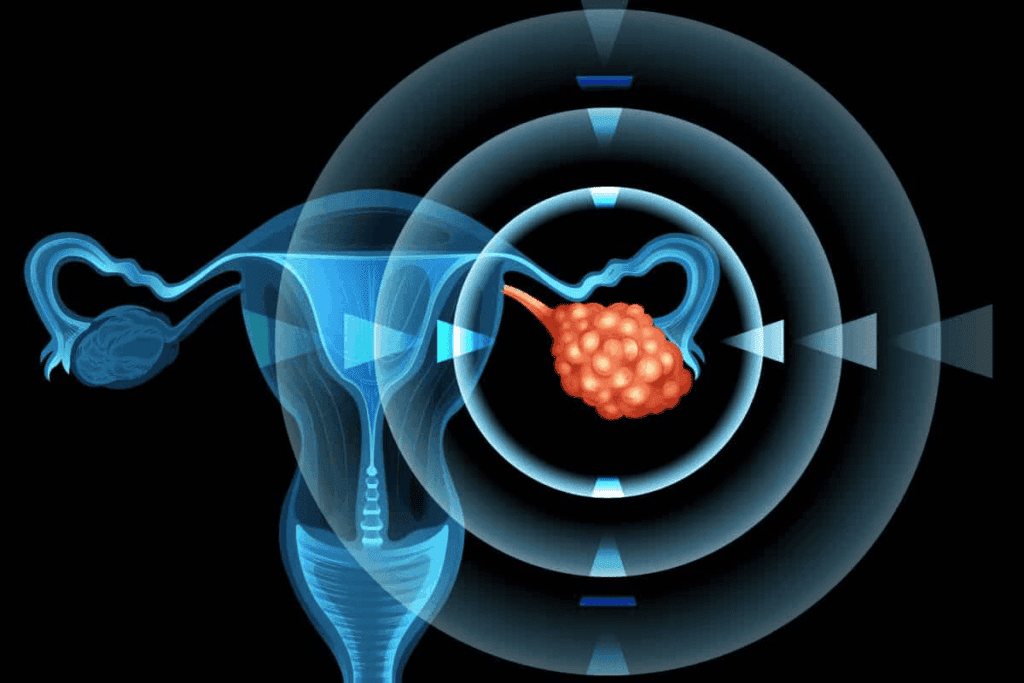
Endometriosis is a condition that affects women’s health deeply. It’s important to understand its definition, how common it is, and its impact on women’s lives. This condition has a significant effect on women’s well-being.
What Is Endometriosis?
Endometriosis is a chronic condition where tissue like the uterus lining grows outside the uterus. This tissue causes pain and inflammation. It can also lead to scarring and adhesions.
Prevalence and Impact
Endometriosis affects about 190 million women worldwide. It’s a major health issue globally. The condition not only causes physical pain but also affects emotional well-being and relationships.
It’s estimated that 1 in 10 women of reproductive age have endometriosis. The condition impacts not just the individual but also healthcare systems and society.
Aspect | Description | Impact |
Prevalence | Affects approximately 190 million women worldwide | Significant global health issue |
Symptoms | Pelvic pain, menstrual cramps, heavy bleeding, fertility issues | Affects quality of life, emotional well-being |
Economic Impact | Increased healthcare costs, lost productivity | Affects individuals, healthcare systems, and society |
Common Signs of Endometriosis: What to Watch For
It’s important to know the signs of endometriosis to get help early. This condition affects women in different ways. So, it’s key to be aware of its symptoms.
Pelvic Pain and Menstrual Cramps
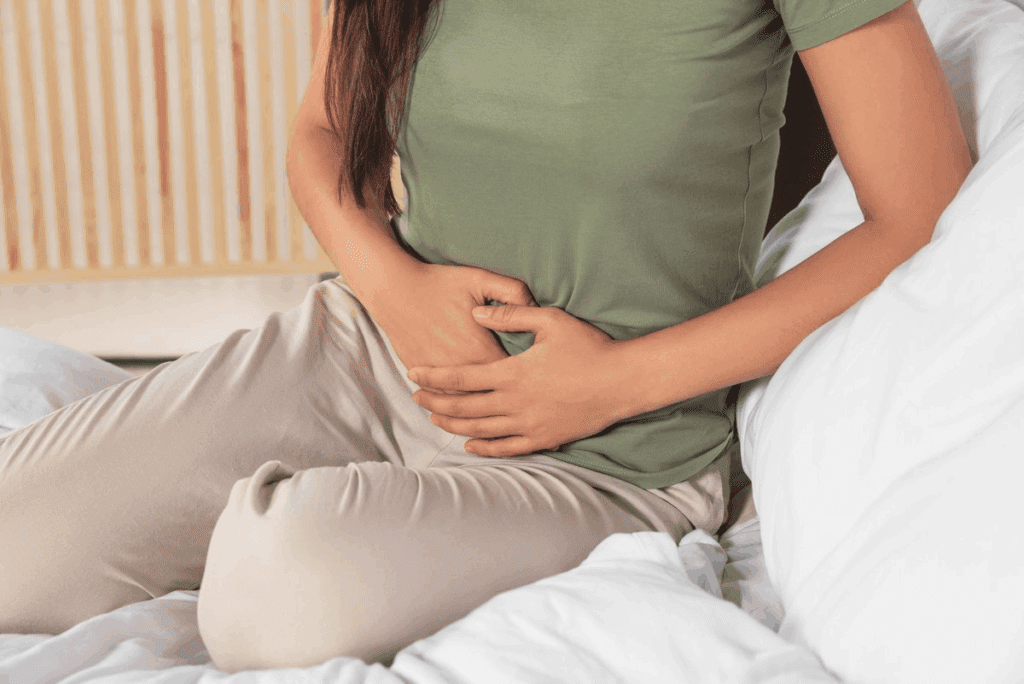
Pelvic pain is a common symptom of endometriosis. It can be mild or very severe. This pain often comes with menstrual cramps but can also happen at other times.
The pain can really interfere with your daily life. It can last a long time, even through your whole menstrual cycle.
Heavy Menstrual Bleeding
Heavy menstrual bleeding is another symptom. Women with endometriosis might bleed a lot or for a long time during their periods. This can cause anemia and other problems.
The bleeding can be very heavy. It often comes with cramps and pelvic pain. Keeping a menstrual diary can help track how bad the bleeding is.
Symptom | Description | Impact on Life |
Pelvic Pain | Pain in the pelvic region, often related to menstrual cycle | Affects daily activities, sleep, and overall well-being |
Heavy Menstrual Bleeding | Excessive or prolonged menstrual bleeding | Can lead to anemia, fatigue, and social embarrassment |
Pain During Intercourse
Pain during sex (dyspareunia) is a big symptom for many women with endometriosis. This pain can happen during or after sex. It can really hurt your feelings and affect your relationship.
There are many reasons for this pain, like endometrial lesions or adhesions. It’s very important to talk about this with your doctor.
Fertility Issues
Infertility or trouble getting pregnant is a big worry for women with endometriosis. The condition can mess with ovulation, fertilization, and implantation. This makes it hard to get pregnant.
How much endometriosis affects fertility can vary. But, if you’re having trouble getting pregnant, you should see a doctor. They can help figure out what to do next.
The Four Stages of Endometriosis Explained
The American Society for Reproductive Medicine (ASRM) has divided endometriosis into four stages. These stages are based on how deep and widespread the endometrial implants are. Knowing these stages helps doctors understand how severe the condition is and what treatment is best.
Stage I: Minimal Endometriosis
Stage I endometriosis has only a few, shallow endometrial implants. There might not be many adhesions. Some women might not feel any symptoms at this stage.
Stage II: Mild Endometriosis
Stage II has more endometrial implants that are deeper. Adhesions may start to form around the ovaries and fallopian tubes. Women may start to feel more pain and discomfort during their periods.
Stage III: Moderate Endometriosis
Stage III has more implants and adhesions. These implants can be deep and spread out, affecting the ovaries, fallopian tubes, and other areas. Symptoms get worse, including heavy bleeding and pain during sex.
Stage IV: Severe Endometriosis
Stage IV is the most severe. It has deep and widespread implants, thick adhesions, and a lot of pelvic involvement. Symptoms can be very bad, including severe pain, heavy bleeding, and trouble getting pregnant.
Knowing the stage of endometriosis is key to finding the right treatment. The ASRM staging helps doctors figure out how bad the disease is and what treatments to use.
Stage | Characteristics | Symptoms |
Stage I: Minimal | Minimal endometrial implants, few adhesions | Mild or no symptoms |
Stage II: Mild | More numerous implants, some adhesions | Pelvic pain, discomfort during menstruation |
Stage III: Moderate | Extensive implants, significant adhesions | Severe pelvic pain, heavy menstrual bleeding |
Stage IV: Severe | Extensive and deep implants, dense adhesions | Debilitating pain, heavy bleeding, infertility |
How Endometriosis Is Staged and Diagnosed
It’s important to know how endometriosis is diagnosed and staged for effective treatment. This process includes clinical evaluation, imaging, and sometimes surgery. These steps help determine the disease’s extent.
The American Society for Reproductive Medicine Staging System
The American Society for Reproductive Medicine (ASRM) has a staging system for endometriosis. It ranges from Stage I (minimal) to Stage IV (severe). The system looks at implant location, extent, and depth, along with adhesions and ovarian endometriomas.
ASRM Staging Criteria:
Stage | Description | Characteristics |
I | Minimal | Isolated implants without significant adhesions |
II | Mild | More extensive implants with some adhesions |
III | Moderate | Multiple implants with significant adhesions |
IV | Severe | Extensive implants, dense adhesions, and large endometriomas |
Diagnostic Procedures
Diagnosing endometriosis starts with a detailed clinical evaluation and medical history. Ultrasound and MRI can spot endometriomas and adhesions. But, they might miss smaller implants.
Laparoscopy is the best way to diagnose endometriosis. It lets the surgeon see the pelvic organs and take tissue samples. This helps determine the disease’s extent and stage it according to the ASRM system.
Laparoscopy is very effective but is an invasive procedure. It’s usually recommended when other methods are unclear or when surgery is planned.
We combine different diagnostic methods to accurately diagnose and stage endometriosis. This ensures our patients get the right care for their condition.
Where Can Endometriosis Grow in the Body?
It’s important to know where endometriosis can grow to diagnose and treat it. Endometriosis isn’t just in the uterus. It can grow in many parts of the body, affecting different systems.
Common Locations in the Pelvis
The pelvis is where endometriosis most often occurs. Endometrial implants can be found on the:
- Ovaries
- Fallopian tubes
- Pelvic peritoneum (the lining of the pelvis)
- Cul-de-sac (the space behind the uterus)
These spots can cause a lot of pain and discomfort, mainly during menstrual periods.
Endometriosis in the Digestive and Urinary Systems
Endometriosis can also affect the digestive and urinary systems. In some cases, endometrial tissue can grow on or into the:
- Bowel
- Bladder
- Ureters
This can lead to symptoms like painful bowel movements, constipation, or painful urination. In severe cases, it can cause bowel obstruction or urinary tract complications.
Rare Locations Outside the Pelvis
While less common, endometriosis can occur outside the pelvic region. Rare locations include:
- Lungs
- Brain
- Other distant sites
These cases are often hard to diagnose and may need special imaging techniques.
The location of endometriosis greatly affects symptoms and treatment. Knowing where endometrial growths are is key to a good treatment plan.
Normal Uterus vs. Endometriosis: Understanding the Differences
Endometriosis can deeply affect the uterus’s structure and function. To grasp its impact, knowing the normal uterus is key.
Structure and Function of a Healthy Uterus
A healthy uterus is a muscular organ vital to the female reproductive system. It supports fetal growth during pregnancy and sheds its lining if pregnancy doesn’t happen. The uterus’s lining, called the endometrium, changes with each menstrual cycle.
The uterus works closely with hormones throughout the menstrual cycle. The endometrium thickens for pregnancy readiness. If pregnancy doesn’t happen, it sheds, causing menstrual bleeding.
How Endometriosis Alters Normal Anatomy
Endometriosis happens when endometrium-like tissue grows outside the uterus. This leads to inflammation, scarring, and adhesions. These growths, called endometriotic lesions, change the pelvic anatomy.
Endometriosis can cause organs to stick together, change the uterus’s position, and affect other organs. It can also create cysts, called endometriomas, on the ovaries.
Endometrial Tissue vs. Endometriotic Lesions
Distinguishing between endometrial tissue and endometriotic lesions is important. Both are influenced by hormones but have different impacts and locations.
Endometriotic lesions can appear in the pelvic cavity, including on ovaries, fallopian tubes, and bowel. They cause pain, inflammation, and scarring, greatly affecting a woman’s life.
Characteristics | Normal Uterus | Uterus with Endometriosis |
Endometrial Lining | Shedding of lining during menstruation | Presence of endometrial-like tissue outside the uterus |
Anatomical Changes | No significant anatomical changes | Possible adhesions, cysts, and altered organ positions |
Symptoms | Normal menstrual cramps and bleeding | Severe pain, heavy bleeding, and possible fertility issues |
Age of Onset: When Does Endometriosis Typically Develop?
Knowing when endometriosis starts is key for early treatment. It’s often seen as a problem for women in their childbearing years. But, it can start at different times in life.
Endometriosis in Adolescents
Endometriosis can start in the teenage years. Symptoms like bad menstrual cramps are often mistaken for normal. “The symptoms in teens can be hard to spot,” says Medical Expert, an expert in teen gynecology.
It’s important to catch endometriosis early in teens to avoid serious problems like infertility and chronic pain. If a young woman has bad cramps or irregular periods, she should see a doctor.
Peak Age Range for Diagnosis
The most common time to find endometriosis is in the mid-to-late 20s. Women often go to the doctor for pelvic pain, heavy bleeding, and trouble getting pregnant during this time.
The American Society for Reproductive Medicine says it can take 6-10 years to get diagnosed after symptoms start. We stress the need for early checks to cut down this wait time.
Endometriosis After Menopause
Endometriosis can also start or continue after menopause. Hormonal changes, like those from hormone replacement therapy (HRT), can play a role.
“Endometriosis after menopause is a complex condition that requires careful management, often involving a multidisciplinary approach,” notes Medical Expert, a specialist in gynecological endocrinology.
We suggest talking to your doctor about your risk and symptoms to find the right treatment.
Can Endometriosis Spread to Other Organs?
It’s important to know if endometriosis can spread. This condition grows endometrial tissue outside the uterus, causing symptoms and problems. People worry about it spreading to other organs.
The Progression of Endometriosis
Endometriosis can grow in different ways for different people. It might stay in one place or spread to other pelvic organs. Hormonal changes and how likely someone is to get it can affect this.
Endometriosis progression means new endometrial lesions grow in other places. This can cause more symptoms and health problems. How fast it spreads can vary, so it’s key to keep an eye on it.
Factors That Influence Spread
Several things can make endometriosis spread. These include:
- Hormonal influences: Changes in hormones, like estrogen, can make endometrial lesions grow and spread.
- Individual susceptibility: Your genes and immune system can affect how endometriosis grows in you.
- Other health conditions: Having other health problems can also impact how endometriosis spreads.
Monitoring Disease Progression
Keeping an eye on how endometriosis is doing is very important. This means:
- Regular check-ups: Seeing your healthcare provider regularly to check symptoms and adjust treatment plans.
- Imaging tests: Using tools like ultrasound or MRI to see changes in endometrial lesions.
- Symptom tracking: Writing down symptoms to spot patterns or changes that might show the disease is getting worse.
By knowing what can make endometriosis spread and watching how it progresses, people can manage their condition better. This can help improve their life quality.
Prognosis of Endometriosis: What to Expect
The outlook for endometriosis varies a lot among women. It depends on several important factors. Knowing these factors and the overall outlook helps manage the condition well.
Short-Term Outlook
In the short term, many women with endometriosis see a lot of improvement. This is thanks to the right treatment. Symptoms like pelvic pain and heavy bleeding often lessen.
Treatment options, like hormonal therapies and pain meds, really help improve life quality. Hormonal treatments can slow down the growth of endometrial tissue. This reduces symptoms.
Long-Term Considerations
For women with endometriosis, managing the condition long-term is key. Regular check-ups with healthcare providers are vital. They help adjust treatments and tackle any new issues.
Women with endometriosis might need to change their treatment plans at different life stages. This includes when they’re trying to get pregnant or going through menopause.
Factors Affecting Prognosis
Several things can change how endometriosis is managed. These include:
- The stage of the disease at diagnosis
- The severity of symptoms
- How well the first treatment works
- Other health conditions
- Lifestyle choices, like diet and exercise
Getting diagnosed early and having a treatment plan tailored to you can greatly improve your outlook. Women who actively manage their condition tend to do better.
By understanding these factors and working with healthcare providers, women with endometriosis can improve their life quality.
Treatment Options Based on Endometriosis Stage
Knowing the stage of endometriosis is key to finding the right treatment. The disease’s stage, along with symptoms and health, helps doctors choose the best treatment.
Conservative Approaches
Women with early-stage endometriosis often start with conservative treatments. These methods aim to manage symptoms and improve life quality without surgery. Lifestyle changes, like diet, exercise, and stress management, can help a lot. Also, therapies like acupuncture and physical therapy might be helpful.
“Managing pain is a big part of treating endometriosis,” says Medical Expert, a top specialist. “By mixing medical treatments with lifestyle changes, we can greatly improve our patients’ lives.”
Medication Options
When conservative methods don’t work, medication is key. Hormonal therapies, like birth control pills and GnRH agonists, can cut down on bleeding and pain. Pain relief meds, like NSAIDs, are also used to ease discomfort.
- Hormonal treatments to regulate or stop menstrual cycles
- Pain relief medications to manage pain
- Anti-inflammatory drugs to lessen inflammation
Surgical Interventions
For advanced endometriosis or when other treatments fail, surgery is needed. Laparoscopic surgery is used to remove lesions and adhesions. Sometimes, more extensive surgery, like laparotomy, is required.
When Is Hysterectomy Considered?
In severe cases, where other treatments have not worked, hysterectomy might be considered. This surgery removes the uterus and sometimes the ovaries. It’s a more serious option but can help those with severe symptoms.
It’s important for patients to talk about their options with their doctor. They should consider age, future fertility, and overall health.
Conclusion: Living with Endometriosis
Managing endometriosis well is key to a better life. Knowing the signs and stages helps women get the right care. They can also make lifestyle changes to handle their symptoms.
Dealing with endometriosis means using medicine, changing your lifestyle, and getting support. The right plan can help women live fully and happily.
We’ve talked about the different levels of endometriosis and the treatments out there. A complete care plan can help women manage their condition better. This improves their overall health.
We aim to give women the knowledge and tools to control their health. This way, they can live a good life even with endometriosis.
FAQ
What is endometriosis and how does it affect women?
Endometriosis is when tissue like the uterus lining grows outside the uterus. This causes pain, heavy bleeding, and fertility problems. It affects millions of women worldwide, impacting their health and life quality.
What are the common signs and symptoms of endometriosis?
Symptoms include pelvic pain, heavy menstrual bleeding, pain during sex, and fertility issues. These symptoms can vary and affect daily life.
What are the four stages of endometriosis?
The four stages are minimal, mild, moderate, and severe. Each stage is based on how much endometrial tissue grows, adhesions, and ovarian endometriomas.
How is endometriosis staged and diagnosed?
The ASRM staging system is used to stage endometriosis during laparoscopy. Diagnosis involves medical history, physical exam, imaging, and laparoscopy.
Where can endometriosis grow in the body?
It can grow in the pelvis, digestive, urinary systems, and rare locations outside the pelvis. The location affects symptoms and treatment.
How does endometriosis differ from a normal uterus?
Endometriosis causes endometrial tissue to grow outside the uterus. This leads to inflammation, scarring, and adhesions. Endometriotic lesions are different from normal endometrial tissue in location and behavior.
At what age does endometriosis typically develop?
It can start in teens but is most diagnosed in women 25-35. Symptoms can also start or continue after menopause.
Can endometriosis spread to other organs?
Yes, it can spread to digestive and urinary system organs. Disease progression is influenced by various factors, and monitoring is key.
What is the prognosis for women with endometriosis?
Prognosis varies based on disease stage, treatment, and individual factors. With proper management, many women see symptom relief and improved life quality.
What are the treatment options for endometriosis?
Options include conservative approaches, medications, surgeries, and sometimes hysterectomy. Treatment depends on disease stage, symptom severity, and patient factors.
How many stages are there for endometriosis?
There are four stages, as classified by the ASRM staging system.
What is the difference between endometrial tissue and endometriotic lesions?
Endometrial tissue is the normal uterus lining. Endometriotic lesions are abnormal growths of endometrial tissue outside the uterus.
Is severe endometriosis a reason for performing a hysterectomy?
Severe endometriosis might lead to considering hysterectomy. This decision is based on individual patient factors and symptom severity.
References
National Center for Biotechnology Information. Endometriosis Stages: Symptoms and Staging Chart. Retrieved from https://www.ncbi.nlm.nih.gov/pubmed/9167338.