Blood clotting disorders, also known as coagulopathies, show different signs and symptoms based on the clot’s size and location or abnormal bleeding. It’s important to spot these potentially life-threatening conditions early for timely medical help.Discover signs and symptoms of blood clotting disorders and learn which warning signals should not be ignored.
At Liv Hospital, we focus on evidence-based, patient-centered care. This means we catch signs of clotting disorders early. This gives you peace of mind and the best medical care. Signs like unexplained swelling, pain, or sudden breathing trouble could mean a serious issue.
Key Takeaways
- Blood clotting disorders can present with various signs and symptoms.
- Recognizing these symptoms is key for timely medical help.
- Liv Hospital offers evidence-based, patient-centered care for clotting disorders.
- Spotting signs early can give you peace of mind and top-notch medical care.
- Unexplained swelling, pain, or breathing trouble might signal a serious clotting issue.
Understanding Blood Clotting Disorders
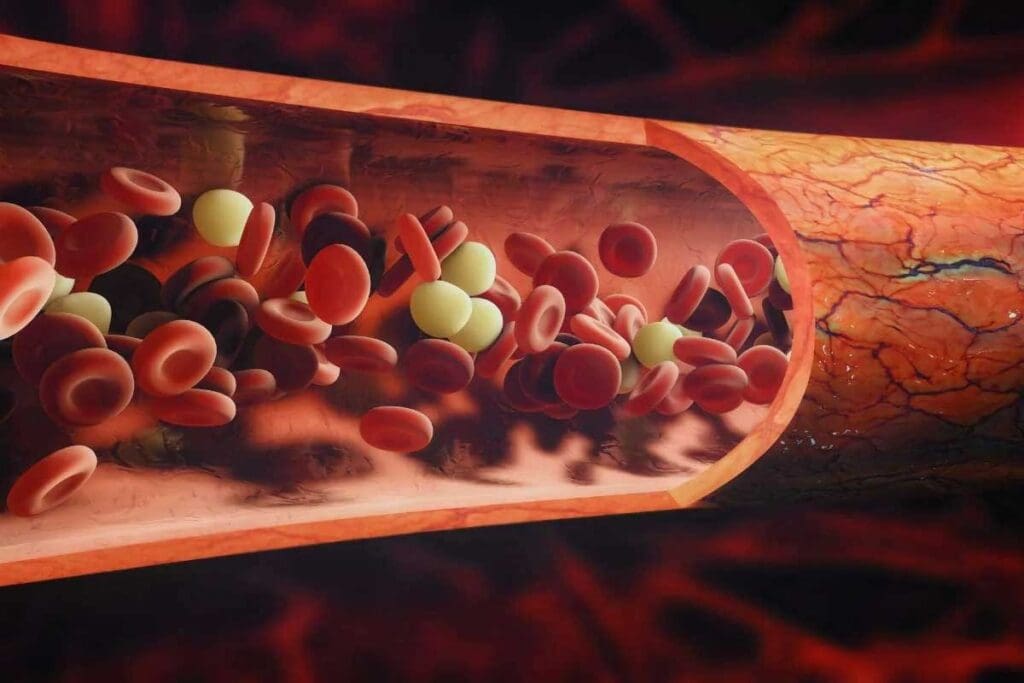
Blood clotting disorders, or coagulopathies, affect how our bodies form clots. They can cause various symptoms, depending on the clot’s size and location. Or, they might lead to abnormal bleeding.
What Are Coagulopathies?
Coagulopathies are disorders that mess with our body’s clotting ability. This is key for stopping bleeding when a blood vessel gets hurt. These issues can cause too much bleeding or dangerous clots. Coagulopathies can be passed down or caused by things like medicines, health conditions, or lifestyle choices.
How Normal Blood Clotting Works
Normal clotting involves platelets, proteins, and blood cells. When a blood vessel gets hurt, the body first tightens the vessel to slow blood flow. Then, platelets stick to the injury, forming a plug.
The coagulation cascade starts, making a fibrin clot that holds the plug in place. This stops too much bleeding.
Types of Blood Clotting Disorders
Blood clotting disorders fall into two main types: bleeding and thrombotic. Bleeding disorders, like hemophilia, make it hard to form clots, leading to too much bleeding. Thrombotic disorders, on the other hand, cause harmful clots that can block blood flow.
These disorders show different symptoms. People with bleeding disorders might bruise easily, bleed a lot from cuts, or have heavy periods. Those with thrombotic disorders might see swelling, pain, or redness in a limb. Or, they might have symptoms like sudden shortness of breath or chest pain from a pulmonary embolism.
The 12 Major Signs and Symptoms of Blood Clotting Disorders
Knowing the signs of blood clotting disorders can save lives. These disorders affect how the body makes blood clots. They can cause too much bleeding or clots where they shouldn’t be.
Hypercoagulability vs. Bleeding Disorders
Blood clotting disorders fall into two main categories: hypercoagulability and bleeding disorders. Hypercoagulability makes blood clot too easily, which can block blood vessels. Bleeding disorders make it hard to form clots, leading to too much bleeding.
Signs of clotting disorders include swelling, pain, and tenderness in the limbs. This is often seen in the legs and may meandeep vein thrombosis (DVT). Other symptoms include fatigue, bruising, and bleeding that won’t stop.
Why These Symptoms Shouldn’t Be Ignored
Don’t ignore these symptoms as they can point to serious health issues. For example, DVT can cause a life-threatening condition if the clot moves to the lungs. Bleeding disorders can lead to severe blood loss if not treated right.
The table below lists the 12 main signs and symptoms of blood clotting disorders:
| Sign/Symptom | Description | Possible Condition |
| Unexplained swelling | Swelling in one limb without apparent cause | DVT |
| Pain or tenderness | Pain or tenderness in the limb, often accompanied by swelling | DVT |
| Redness or warmth | Redness or warmth in the affected limb | DVT |
| Chest pain | Sudden, severe chest pain | Pulmonary Embolism |
| Shortness of breath | Difficulty breathing | Pulmonary Embolism |
| Headaches | Severe, persistent headaches | Cerebral Venous Thrombosis |
| Dizziness | Feeling dizzy or lightheaded | Various clotting disorders |
| Vision changes | Sudden changes in vision | Stroke or Cerebral Venous Thrombosis |
| Recurrent miscarriages | Multiple miscarriages | Antiphospholipid Syndrome |
| Excessive bruising | Easy or excessive bruising | Bleeding disorders |
| Prolonged bleeding | Bleeding that doesn’t stop after minor cuts | Bleeding disorders |
| Unexplained fatigue | Feeling unusually tired without a clear reason | Various clotting disorders |
Limb-Related Warning Signs: Swelling, Pain, and Redness
Symptoms like swelling, pain, and redness in limbs can signal serious health issues. These signs often point to deep vein thrombosis (DVT). DVT is when a blood clot forms in deep veins, usually in the legs.
Deep Vein Thrombosis (DVT) Indicators
DVT shows itself through several warning signs. Key indicators include:
- Swelling in one leg (rarely both legs)
- Calf tenderness or pain
- Redness or discoloration
- Warmth over the affected vein
These symptoms can vary in severity and may develop suddenly or over time. It’s essential to be aware of these signs to seek medical attention promptly.
Distinguishing from Muscle Pain or Injury
Limb-related symptoms can also mean muscle pain or injury. It’s important to tell the difference for the right treatment. Muscle pain or injury usually comes from physical activity or trauma, and the pain is in the muscle area.
DVT-related pain is more widespread and comes with swelling and redness. If you’re unsure about your symptoms, it’s best to talk to a healthcare professional.
When to Seek Immediate Medical Attention
If you have any of these symptoms, get medical help right away:
- Chest pain or trouble breathing, as these could be signs of a pulmonary embolism, a potentially life-threatening complication of DVT.
- Severe pain or swelling in the limb.
- Redness or warmth that spreads.
Quick medical evaluation is key for diagnosing and treating DVT. It helps prevent serious complications. Early treatment can greatly improve your chances of recovery.
Respiratory Symptoms: Chest Pain and Breathing Difficulties
Chest pain and shortness of breath are serious signs. They might mean you have a serious problem like a pulmonary embolism. This is when a blood clot blocks a lung.
Pulmonary Embolism Warning Signs
A pulmonary embolism is very dangerous and needs quick medical help. Look out for sudden chest pain, trouble breathing, and a fast heart rate. If you see these signs, get help fast.
Key symptoms of pulmonary embolism:
- Sudden chest pain or discomfort
- Shortness of breath or difficulty breathing
- Rapid heart rate
- Coughing up blood
Coughing Up Blood (Hemoptysis)
Coughing up blood, or hemoptysis, is a serious sign. It can mean you have a pulmonary embolism or another problem. It’s important to know that coughing up blood can be mild or severe. It might also come with chest pain.
Differentiating from Heart Attack Symptoms
It’s hard to tell if you have a pulmonary embolism or a heart attack. Both can cause chest pain and trouble breathing. But knowing the difference is key to getting the right treatment.
| Symptom | Pulmonary Embolism | Heart Attack |
| Chest Pain | Often sharp, may worsen with deep breaths | Typically a pressure or squeezing sensation |
| Shortness of Breath | Sudden onset | May be accompanied by pain radiating to the arm or jaw |
Tests like a complete blood count and platelet count can find bleeding or clotting problems. These can lead to a pulmonary embolism or other serious issues.
Neurological Manifestations: Headaches, Dizziness, and Vision Changes
Headaches, dizziness, and vision problems can signal a blood clotting disorder. These symptoms are alarming and may point to serious conditions like a stroke or cerebral venous thrombosis.
Stroke-Related Symptoms
A stroke happens when blood flow to the brain is cut off. This prevents brain tissue from getting oxygen and nutrients. Blood clotting disorders can cause clots that block blood flow, leading to a stroke.
Common stroke-related symptoms include:
- Sudden numbness or weakness in the face, arm, or leg, on one side of the body
- Confusion, trouble speaking, or understanding speech
- Sudden trouble seeing in one or both eyes
- Dizziness, loss of balance, or trouble walking
- Severe headache with no known cause
Sudden Paralysis or Speech Problems
Sudden paralysis or speech problems are signs of a possible stroke. These symptoms need quick medical attention to prevent brain damage and improve outcomes.
“Time is brain” is a mantra used in neurology, stressing the need for fast assessment and treatment of stroke patients.
Quickly giving thrombolytic therapy can dissolve clots and bring back blood flow to the brain.
Cerebral Venous Thrombosis Signs
Cerebral venous thrombosis (CVT) is when a blood clot forms in the brain’s venous sinuses. This can cause increased intracranial pressure, seizures, and other neurological problems.
| Symptoms | Description |
| Headache | Often severe and worsening over time |
| Seizures | Can occur due to increased intracranial pressure |
| Vision Changes | Blurred vision, double vision, or loss of vision |
It’s important to recognize these symptoms for early diagnosis and treatment of blood clotting disorders.
Reproductive Health Concerns: Recurrent Miscarriages and Complications
Blood clotting disorders can deeply affect reproductive health, causing issues like recurrent miscarriages. Pregnancy increases the risk of blood clots due to hormonal changes and pressure on leg veins. It’s key to understand how blood clotting disorders affect reproductive health to manage risks and ensure a healthy pregnancy.
Blood Clotting Disorders and Pregnancy Loss
Recurrent miscarriages, happening three or more times, might signal a blood clotting disorder. Conditions like antiphospholipid syndrome (APS) raise the risk of miscarriage and other pregnancy issues. APS is an autoimmune disorder with antibodies that cause blood clots in arteries and veins.
Antiphospholipid Syndromeand Pregnancy
Women with APS face higher risks of pregnancy problems, including recurrent miscarriages, preeclampsia, and fetal growth restriction. Antiphospholipid antibodies can cause placental insufficiency. This means the placenta doesn’t work right, affecting the fetus’s oxygen and nutrient supply.
Screening Recommendations for Women with Recurrent Miscarriages
Women with recurrent miscarriages should get screened for blood clotting disorders. This includes tests for APS, inherited thrombophilias, and other conditions linked to pregnancy loss. Early diagnosis and treatment can greatly improve pregnancy chances.
| Condition | Risk Factor for Pregnancy Complications | Recommended Screening |
| Antiphospholipid Syndrome (APS) | High risk of recurrent miscarriage, preeclampsia | Antiphospholipid antibody tests |
| Inherited Thrombophilias | Increased risk of venous thromboembolism | Genetic testing for Factor V Leiden, Prothrombin G20210A mutation |
Understanding and tackling the causes of recurrent miscarriages helps healthcare providers offer better treatments. This can improve pregnancy outcomes for women with blood clotting disorders.
Systemic Symptoms: Fatigue, Bruising, and Prolonged Bleeding
Systemic symptoms like fatigue, bruising, and prolonged bleeding often point to blood clotting disorders. These signs can be hard to spot, but they’re key to finding the cause.
Excessive or Easy Bruising Patterns
Easy bruising is a sign of blood clotting issues. It happens when the blood can’t clot right, causing more bleeding. Easy bruising can be a sign of an underlying coagulopathy, such as hemophilia or von Willebrand disease.
Looking at the bruising pattern is important. Bruising without injury might mean a clotting disorder. The size and location of bruises can also give clues.
Prolonged Bleeding from Minor Cuts
Prolonged bleeding from small cuts is another sign of clotting disorders. Normally, bleeding stops quickly. But with clotting disorders, it can go on for a long time.
It’s key to tell normal bleeding from prolonged bleeding. For example, bleeding over 10-15 minutes after a small cut needs medical check-up.
Unexplained Fatigue and Weakness
Unexplained fatigue and weakness can be linked to blood clotting disorders. These symptoms can come from chronic bleeding or the body working harder to compensate.
Liv Hospital says delivering top medical care is key in managing these conditions. Fatigue should be checked with other symptoms to see if a clotting disorder is involved.
| Symptom | Possible Indication | Action |
| Easy Bruising | Coagulopathy | Consult a hematologist |
| Prolonged Bleeding | Clotting Factor Deficiency | Bleeding assessment test |
| Unexplained Fatigue | Chronic Bleeding or Anemia | Complete Blood Count (CBC) |
In conclusion, symptoms like fatigue, bruising, and prolonged bleeding are signs of blood clotting disorders. Spotting these symptoms early and getting medical help is key for managing and treating them.
Diagnostic Tests That Detect and Diagnose Bleeding or Clotting Disorders
Healthcare professionals use various tests to find the causes of bleeding or clotting disorders. These tests help figure out the disorder’s type and guide treatment. They also improve patient care.
Complete Blood Count and Platelet Assessment
A Complete Blood Count (CBC) is a basic test. It checks red and white blood cells, and platelets. It shows if the blood is healthy or if there are problems.
- Platelet count: Helps diagnose thrombocytopenia or thrombocytosis.
- Hemoglobin and hematocrit: Assess for anemia or polycythemia.
- White blood cell count: May indicate infection or inflammation.
Specialized Coagulation Assays
Special tests are needed to find bleeding or clotting disorders. These tests check how well blood clots. They find problems in clotting factors.
Some important tests include:
- Prothrombin Time (PT) and International Normalized Ratio (INR): Assess the extrinsic clotting pathway.
- Activated Partial Thromboplastin Time (aPTT): Evaluates the intrinsic clotting pathway.
- Fibrinogen level: Measures the amount of fibrinogen, a critical clotting factor.
Genetic Testing for Inherited Disorders
Genetic testing is key for inherited bleeding or clotting disorders. It finds specific genetic mutations. This helps doctors plan the right treatment.
Examples of genetic tests include:
- Testing for Factor V Leiden mutation.
- Identifying mutations in the genes that encode clotting factors, such as Factor VIII (Hemophilia A) or Factor IX (Hemophilia B).
Risk Factors That Increase Susceptibility to Blood Clotting Disorders
Some genetic, environmental, and medical conditions raise the risk of blood clotting disorders. Knowing these risk factors is key for prevention and management.
Genetic Predispositions
People with a family history of blood clotting disorders are at higher risk. Genetic predispositions are a big factor. For example, factor V Leiden and prothrombin gene mutation increase thrombosis risk.
Medications That Affect Clotting
Certain medications can change how the body clots. Hormonal contraceptives and hormone replacement therapy raise blood clot risk. Some cancer and inflammatory disease treatments also affect clotting.
Lifestyle Factors: Immobility and Long Travel
Immobility and long travel increase blood clotting disorder risk. Long flights or bed rest can cause blood clots in the legs, known as deep vein thrombosis (DVT).
Medical Conditions That Alter Coagulation
Many medical conditions can change how the body coagulates. For instance, cancer and its treatment raise thrombosis risk. Other conditions like nephrotic syndrome and myeloproliferative neoplasms also increase blood clotting disorder risk.
Identifying these risk factors is the first step to managing and preventing blood clotting disorders. By understanding genetic, lifestyle, and medical factors, individuals can lower their risk.
Conclusion: When to Seek Medical Help and What to Expect
It’s key to know the signs of blood clotting disorders to get help fast. Liv Hospital stresses the need to recognize these signs to avoid serious issues.
If you notice swelling, pain, or redness in a limb, or chest pain, get help right away. These could be signs of a blood clotting disorder.
Doctors use a few steps to diagnose blood clotting disorders. They’ll check you physically, ask about your health history, and run tests like a complete blood count. The treatment depends on the disorder and might include medicines to stop or help clots.
Knowing your risk and the symptoms can help you stay healthy. Getting medical help quickly means you can get the right diagnosis and treatment. This can greatly improve your health outcome.
FAQ
What are the common signs and symptoms of blood clotting disorders?
Signs include swelling, pain, and redness in limbs. You might also feel chest pain or have trouble breathing. Headaches, dizziness, and vision changes are common too. Other symptoms are recurrent miscarriages, fatigue, bruising, and prolonged bleeding.
How do I know if I have a blood clotting disorder?
If you notice unusual symptoms like swelling or pain, see a doctor. They can check and diagnose the issue.
What diagnostic tests are used to detect blood clotting disorders?
Tests include a complete blood count and platelet assessment. Coagulation assays and genetic testing are also used. These help find bleeding or clotting disorders.
What are the risk factors for developing blood clotting disorders?
Risk factors include genetic predispositions and certain medications. Lifestyle factors like immobility and long travel are also risks. Medical conditions that affect coagulation are another factor.
Can blood clotting disorders be treated?
Yes, treatments are available. The type of treatment depends on the disorder and its severity.
How can I prevent blood clotting disorders?
Preventive measures include a healthy lifestyle. Avoid prolonged immobility and manage medical conditions.
Are blood clotting disorders hereditary?
Some disorders have a genetic component. A family history can increase your risk.
Can blood clotting disorders occur during pregnancy?
Yes, they can happen during pregnancy. Women with a history of miscarriages or complications should be screened.
What is antiphospholipid syndrome, and how is it related to blood clotting disorders?
Antiphospholipid syndrome is an autoimmune disorder. It increases the risk of blood clots and pregnancy complications.
When should I seek immediate medical attention for symptoms related to blood clotting disorders?
Seek immediate help for severe symptoms. This includes chest pain, trouble breathing, or sudden paralysis or speech problems.
References:
- National Institute for Health and Care Excellence (NICE). (2023). Venous thromboembolic diseases: diagnosis, management and thrombophilia testing. Retrieved October 2025, from https://www.nice.org.uk/guidance/ng158