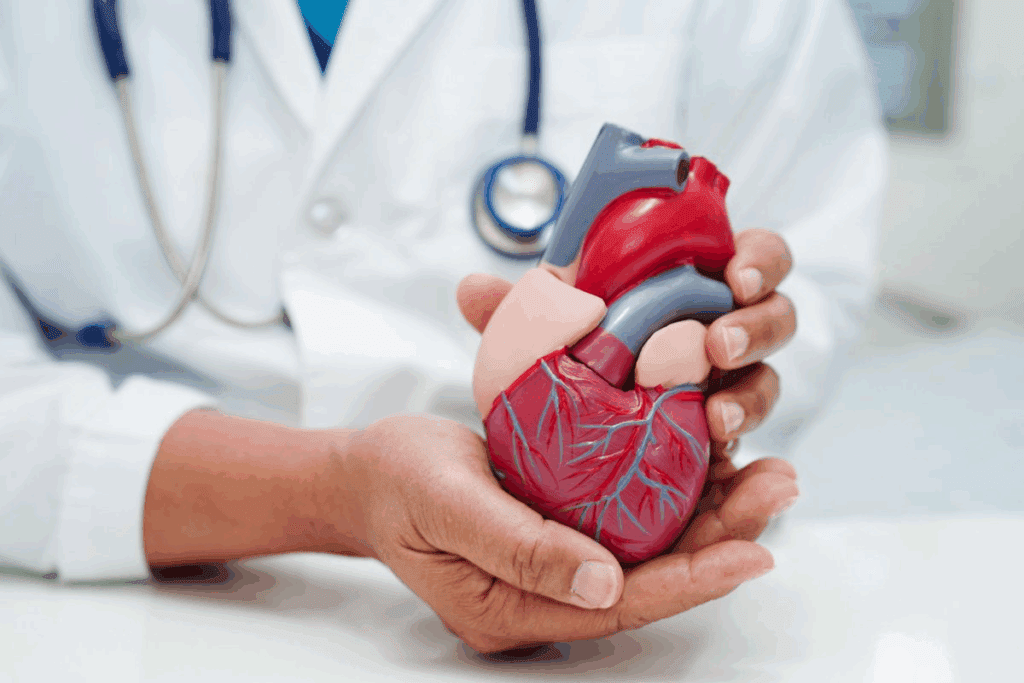
Sudden cardiac arrest (SCA) is a serious medical emergency that occurs when the heart suddenly stops beating. This leads to a loss of consciousness and breathing, requiring immediate medical attention.
At Liv Hospital, we understand how critical it is to recognize the signs and symptoms of sudden cardiac arrest early. SCA can strike anyone, anywhere — and without quick action, it can be life-threatening.
Knowing the signs and symptoms of sudden cardiac arrest can save lives. Watch for sudden collapse, absence of a pulse, and irregular or no breathing. Recognizing these warning signs early allows you to act fast and potentially save a loved one’s life.
Key Takeaways
- SCA is a medical emergency that needs quick help.
- Spotting warning signs can save lives.
- Liv Hospital offers patient-focused care for SCA diagnosis and treatment.
- It’s vital to understand cardiac arrest warning signs for timely action.
- Quick treatment is needed to prevent SCA death.
What Is Sudden Cardiac Arrest and Why It’s Life-Threatening
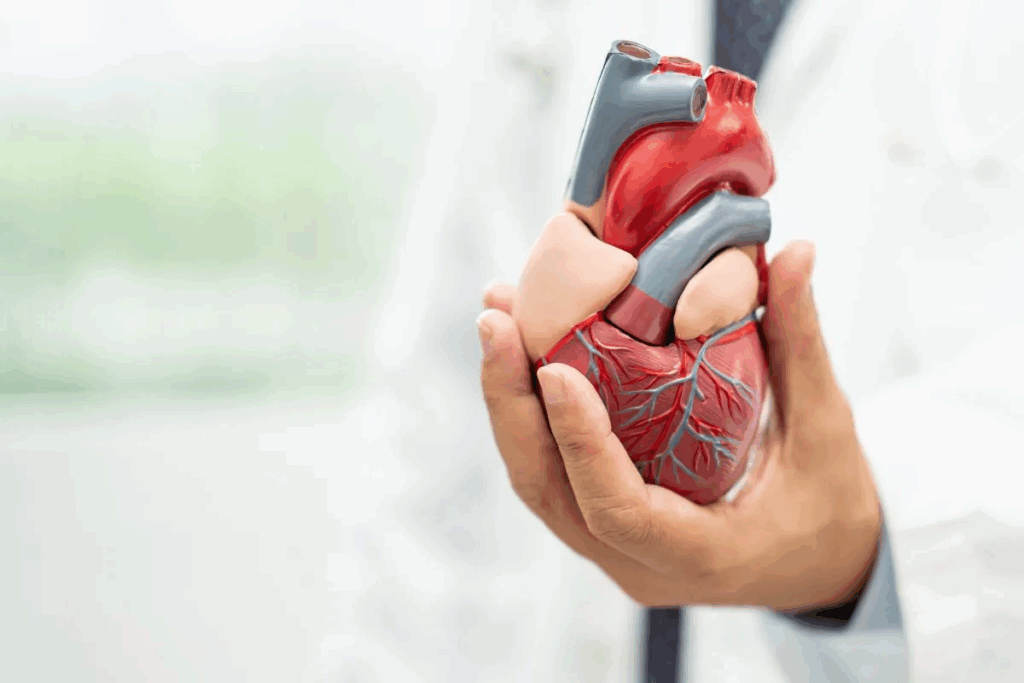
Sudden cardiac arrest can happen without warning, leading to loss of consciousness and death. It’s a serious condition that needs immediate help.
Definition and Mechanism of Sudden Cardiac Arrest
Sudden cardiac arrest means the heart stops working suddenly. This leads to loss of consciousness and breathing stops. It happens when the heart’s electrical system fails.
Difference Between Cardiac Arrest and Heart Attack
It’s important to know the difference between sudden cardiac arrest and a heart attack. A heart attack is when blood flow to the heart is blocked. But sudden cardiac arrest is when the heart’s electrical system fails.
Even though they are different, a heart attack can sometimes cause sudden cardiac arrest. This is because a heart attack can change the heart’s electrical activity.
Statistics and Survival Rates
Sudden cardiac arrest is a big health issue, affecting thousands every year. The survival rate is low, which shows how urgent medical help is needed. Without CPR or a defibrillator, survival chances drop fast.
Immediate Signs and Symptoms of Sudden Cardiac Arrest
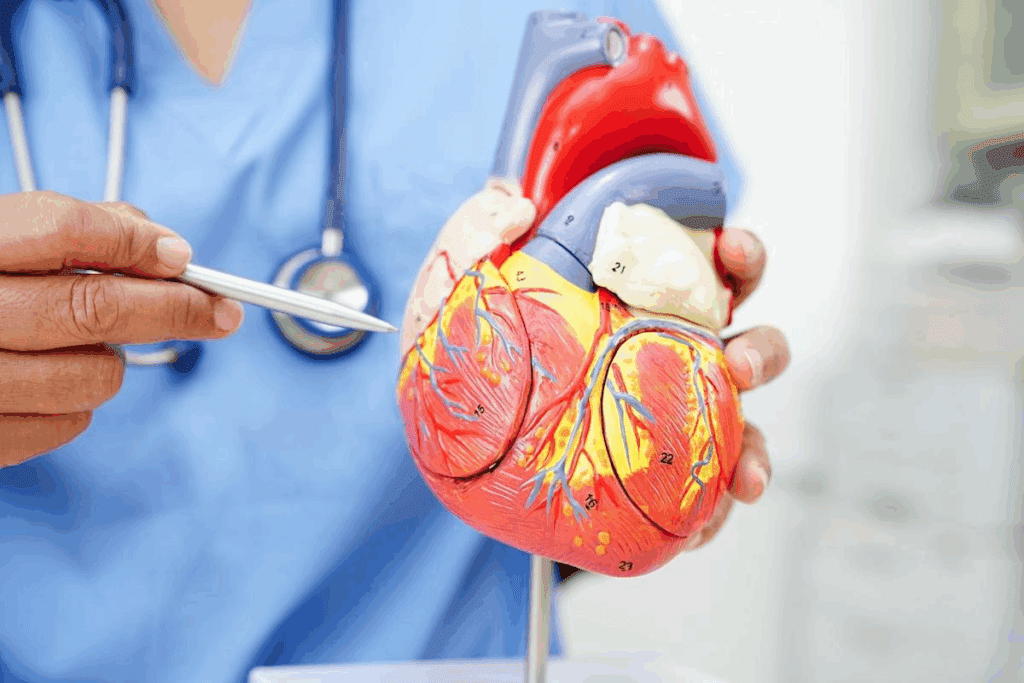
Knowing the signs of sudden cardiac arrest is key to saving lives. It happens without warning. Spotting these signs early can make a big difference.
Sudden Collapse and Loss of Consciousness
Sudden collapse and loss of consciousness are common signs. A person might be walking and then fall to the ground, unable to wake up.
This collapse means the person can’t be woken up. They become unresponsive.
Absence of Pulse
The absence of a pulse is another important sign. When the heart stops, you can’t feel a pulse in major arteries.
Abnormal or No Breathing
People with sudden cardiac arrest often have abnormal or no breathing. They might gasp or make strange breathing sounds. Or they might not breathe at all.
Seizure-Like Movements
In some cases, people might show seizure-like movements. This is because their brain isn’t getting enough blood. These movements can look like a seizure but are actually a sign of cardiac arrest.
It’s vital to recognize these signs quickly. If you see someone showing these symptoms, call for help right away. If you know CPR, start it.
Chest-Related Warning Signs Before Cardiac Arrest
Knowing the chest-related warning signs before cardiac arrest can save lives. While cardiac arrest can happen suddenly, some people may feel symptoms beforehand.
Chest discomfort, pain, or pressure are common signs before cardiac arrest. This feeling can be like tightness, squeezing, or pressure in the chest. It might come and go or stay for a while.
Chest Discomfort, Pain, or Pressure
Chest discomfort or pain feels like pressure or squeezing. It means the heart might be under stress or blood flow is a problem. If you feel this, don’t ignore it and get medical help.
Radiating Pain to Arms, Neck, or Jaw
Pain or discomfort from cardiac arrest can spread to the arms, neck, or jaw. This happens because nerves that supply the heart also reach these areas. If pain moves from your chest to these spots, get help right away.
Heart Palpitations and Irregular Heartbeat
Heart palpitations are fast, fluttering, or pounding heartbeats. They happen when the heart’s rhythm is off, which can lead to serious heart issues. If you have ongoing or severe palpitations, see a doctor.
Knowing these warning signs can help people act fast. This might prevent a cardiac arrest or improve outcomes if one happens.
Respiratory Warning Signs of Impending Cardiac Arrest
It’s important to know the respiratory symptoms that might mean a heart attack is coming. These signs can warn of a serious heart event.
Shortness of Breath (Dyspnea)
Feeling like you can’t breathe, or dyspnea, is a big warning sign. It can happen with or without chest pain. Seek medical help if you can’t catch your breath or if it gets worse. Doctors say dyspnea is a serious symptom that should not be ignored.
Difficulty Breathing During Physical Activity
Having trouble breathing when you’re active is another warning sign. It means your heart might not be working right during exercise. See a doctor if you have trouble breathing when you’re active.
Breathing Problems When Lying Down
Having trouble breathing when lying down, or orthopnea, can mean heart problems. People might sleep sitting up to breathe better. It’s key to catch and treat these breathing issues early to avoid heart attacks.
Respiratory warning signs are key to spotting heart problems. Knowing these signs and acting fast can save lives. “Spotting respiratory symptoms early can be lifesaving,” say doctors.
Neurological Warning Signs and Symptoms of Sudden Cardiac Arrest
Neurological warning signs before sudden cardiac arrest are very important. They are often subtle but very critical for quick medical help.
Dizziness and Lightheadedness
Dizziness and lightheadedness are common signs of a heart problem. They happen when the brain doesn’t get enough blood. If you feel dizzy or lightheaded, get medical help right away.
Sudden Weakness or Fatigue
Sudden weakness or unexplained fatigue can mean heart trouble. It happens when the heart can’t send enough blood and oxygen. Don’t ignore this symptom, even if it’s mild.
Unexplained Fainting (Syncope)
Unexplained fainting, or syncope, is a big warning sign. It happens when the brain doesn’t get enough blood. Fainting can lead to cardiac arrest, so it’s important to find out why it happens.
Confusion or Altered Mental Status
Confusion or an altered mental status means the brain isn’t getting enough blood and oxygen. It can show as being disoriented or having trouble concentrating. Spotting these signs early can save lives.
Knowing these neurological warning signs is key. If you or someone else shows these symptoms, get medical help fast. This can prevent a cardiac arrest.
Gender Differences: Cardiac Arrest Symptoms in Females
It’s important to know the unique signs of cardiac arrest in women. This knowledge helps get medical help quickly. Cardiac arrest can happen to anyone, but the signs can vary between men and women.
Why Women’s Symptoms Often Go Unrecognized
Women’s cardiac arrest symptoms are often subtle. They can be mistaken for other health issues. This can lead to delays in getting the right treatment.
Key factors contributing to the misrecognition of cardiac arrest symptoms in women include:
- Lack of awareness about gender differences in cardiac arrest symptoms
- Symptoms being attributed to other conditions such as anxiety or indigestion
- Underrepresentation of women in clinical trials for cardiac conditions
Unusual Fatigue as a Key Indicator
Unusual fatigue is a common symptom in women before a cardiac arrest. It’s a persistent tiredness that doesn’t go away with rest. It’s important to see this as a warning sign.
Nausea, Vomiting, and Indigestion
Nausea, vomiting, and indigestion are symptoms women often report before a cardiac arrest. These can be mistaken for stomach problems, making diagnosis harder.
Back, Neck, and Jaw Pain
Women may also experience pain in their back, neck, or jaw before a cardiac arrest. This pain can come from the chest or be on its own.
It’s essential for both healthcare providers and the general public to be aware of these gender differences to improve the recognition and response to cardiac arrest in women.
| Symptom | Commonality in Women | Commonality in Men |
| Unusual Fatigue | High | Low |
| Nausea/Vomiting | High | Moderate |
| Back/Neck/Jaw Pain | High | Moderate |
| Chest Pain | Moderate | High |
Knowing and recognizing these differences can save lives. Awareness and education are key to helping women with cardiac arrest.
Risk Factors That Increase Likelihood of Sudden Cardiac Arrest
Knowing the risk factors for sudden cardiac arrest is key to preventing it. We’ll look at the main factors that raise the chance of sudden cardiac arrest.
Family History of Cardiac Events
A family history of heart problems, like heart attacks or sudden cardiac arrests, raises your risk. Genetic predisposition is a big factor in heart issues. If your family has heart conditions, you should know your risk too.
Pre-existing Heart Conditions
Heart conditions like coronary artery disease, heart valve problems, and cardiomyopathy are big risks. These can cause abnormal heart rhythms, leading to sudden cardiac arrest. It’s important to manage these conditions with medical care and lifestyle changes.
Lifestyle Factors: Smoking, Diet, and Exercise
Lifestyle choices, like smoking, diet, and exercise, are also important. Smoking is a big risk because it harms the heart. A diet full of saturated fats and lacking in nutrients, along with not enough exercise, can lead to obesity and heart problems.
Medical Conditions: Diabetes, High Blood Pressure, and Obesity
Medical conditions like diabetes, high blood pressure, and obesity also increase the risk. Managing these with lifestyle changes and medical treatment can lower the risk. High blood pressure, in particular, can cause heart disease if not controlled.
Understanding these risk factors helps people take steps to avoid sudden cardiac arrest. We suggest talking to healthcare professionals to figure out your risk and make a prevention plan.
How to Recognize Early Signs of Cardiac Arrest in Different Age Groups
Knowing the early signs of cardiac arrest in different ages can save lives. Cardiac arrest can happen to anyone, at any age. Its symptoms can change a lot with age.
Children and Adolescents
Children and teens often have cardiac arrest due to heart problems they might have been born with. Look out for fainting, seizures, or extreme tiredness after they’ve been active. It’s key for parents and caregivers to watch for these signs and get help if they see them.
Children might not be able to say how they feel like adults do. So, it’s up to adults to notice if something seems off with their behavior or health.
Adults Under 40
Younger adults can face cardiac arrest due to genetic heart issues, drug use, or serious injuries. Don’t ignore symptoms like racing heart, dizziness, or trouble breathing, even if they happen while exercising or with chest pain.
Knowing your family’s health history and staying healthy can help prevent it.
Middle-Aged Adults
For those in their 40s and 50s, heart problems like high blood pressure, diabetes, and blocked arteries increase the risk. Watch for chest pain, unusual tiredness, or feeling lightheaded.
In older adults, cardiac arrest can be more complicated because of many health issues and medicines. Keep an eye out for confusion, trouble breathing, or severe weakness as signs of cardiac arrest.
Caregivers need to be extra careful. Older people might not be able to tell you how they feel.
Emergency Response to Signs and Symptoms of Sudden Cardiac Arrest
Sudden cardiac arrest needs quick action to save lives. When it happens, the heart stops beating right away. This can lead to death if not treated fast.
Immediate Actions When Someone Collapses
If someone collapses and can’t respond, we must act fast. First, check if they’re breathing and have a pulse. If not, call emergency services right away and start CPR.
Calling for Help: Dial the local emergency number or ask someone else to. It’s key to get help fast.
Proper CPR Technique
CPR is chest compressions and rescue breaths. The American Heart Association says start with chest compressions.
- Position the person on their back on a firm surface.
- Place the heel of one hand on the center of the person’s chest, and the other hand on top of the first hand.
- Push down on the chest with the heel of your hand to a depth of 2-3 inches at a rate of 100-120 compressions per minute.
- After 30 compressions, give two breaths.
Keep doing CPR until medical help arrives.
Using an Automated External Defibrillator (AED)
An AED checks the heart’s rhythm and gives a shock if needed. This helps the heart beat right again.
- Turn on the AED and follow the voice prompts.
- Attach the electrode pads to the person’s bare chest as shown in the diagrams.
- The AED will analyze the heart rhythm and advise if a shock is needed.
When and How to Call Emergency Services
Calling emergency services is the first step in responding to sudden cardiac arrest. When you call, give your location and a brief description. Stay on the line until told to hang up.
“The sooner CPR is started and the sooner a defibrillator is used, the better the chances of survival.”
American Heart Association
| Action | Description | Importance |
| Call Emergency Services | Dial the local emergency number | High |
| Start CPR | Begin chest compressions and rescue breaths | High |
| Use an AED | Follow AED prompts to analyze and potentially shock the heart | High |
Conclusion: Why Recognizing Warning Signs Can Save Lives
Knowing the warning signs of sudden cardiac arrest is key to saving lives. When people spot these signs and act fast, they greatly boost their survival chances. Those who get medical help for these signs are five times more likely to live if they have a cardiac arrest.
By knowing and acting on these signs, we can stop unnecessary deaths. We need to keep teaching others about the signs and symptoms of cardiac arrest. This education is the first step in preventing cardiac arrest.
Quick recognition and medical help are essential for saving lives. We urge everyone to learn about cardiac arrest, its warning signs, and how to react in emergencies. This knowledge can greatly impact those affected by cardiac arrest.
FAQ
What is sudden cardiac arrest?
Sudden cardiac arrest is a serious medical emergency. It happens when the heart suddenly stops beating. This leads to a lack of blood and oxygen to vital organs.
What are the immediate signs of cardiac arrest?
Signs include sudden collapse and loss of consciousness. You might also see no pulse, abnormal breathing, or seizure-like movements.
How does cardiac arrest differ from a heart attack?
Cardiac arrest means the heart stops beating. A heart attack, on the other hand, is when blood flow to the heart is blocked. This causes damage to the heart muscle.
What are the chest-related warning signs before cardiac arrest?
Warning signs include chest discomfort or pain. Pain that spreads to arms, neck, or jaw is also a sign. Heart palpitations can be another warning.
Are there differences in cardiac arrest symptoms between men and women?
Yes, symptoms can differ. Women often feel unusual fatigue, nausea, or vomiting. They might also experience back, neck, or jaw pain. Men usually feel chest pain.
What are the risk factors for sudden cardiac arrest?
Risk factors include family history of heart issues. Pre-existing heart conditions and lifestyle choices like smoking are also risks. Medical conditions like diabetes and high blood pressure increase the risk too.
How can I recognize the early signs of cardiac arrest in different age groups?
Children and teens might show signs like unexplained fainting or seizures. Adults might feel chest pain or shortness of breath.
What is the proper emergency response to cardiac arrest?
First, call emergency services. Then, start CPR. If you have an Automated External Defibrillator (AED), use it.
Can lifestyle changes reduce the risk of sudden cardiac arrest?
Yes, a healthy diet and regular exercise help. Not smoking and managing stress also reduce the risk.
What is the survival rate for sudden cardiac arrest?
Survival rates depend on quick and good medical care. If not treated right away, the chances are low.
How can I learn CPR and use an AED?
Take a certified CPR/AED course. It teaches you how to do CPR and use an AED correctly.
Are there any specific warning signs of cardiac arrest in females?
Yes, women might feel unusual fatigue, nausea, or vomiting. They could also experience pain in the back, neck, or jaw. These are signs of an impending cardiac arrest.
References:
- Lung, K., & Lui, F. (2023). Anatomy, Abdomen and Pelvis: Arteries. In StatPearls. National Center for Biotechnology Information.https://www.ncbi.nlm.nih.gov/books/NBK525959/