


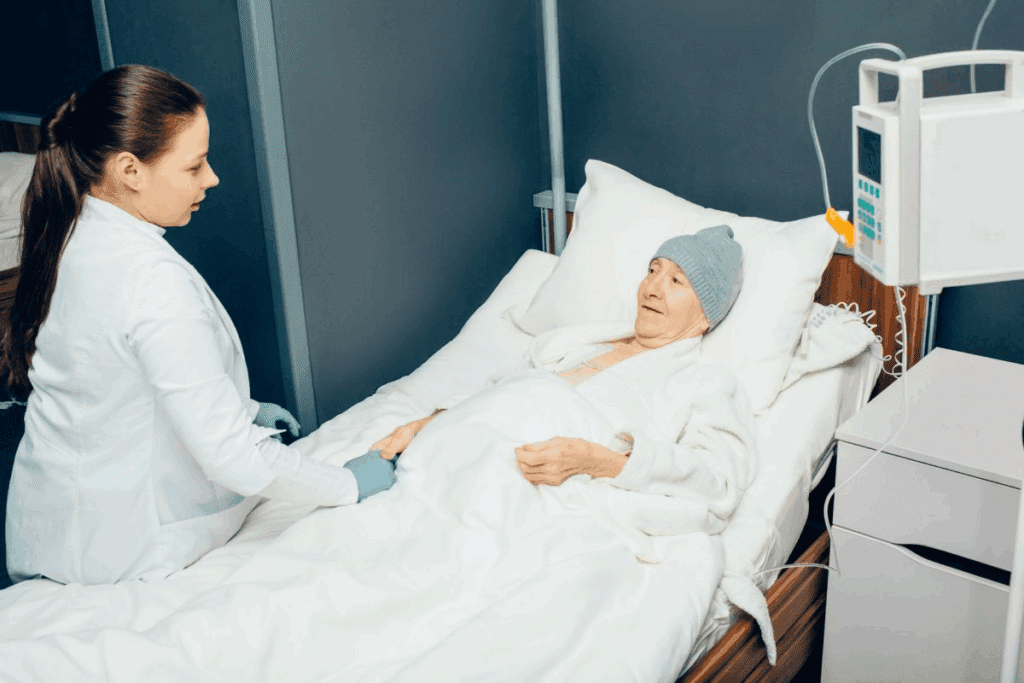
Chemotherapy is a common treatment for many cancers. It can have severe and long-lasting side effects. Millions of people worldwide go through chemotherapy each year. Many face significant long-term effects that affect their quality of life.
Chemotherapy aims to kill cancer cells but can harm healthy cells too. This leads to various adverse effects. It’s important to know the signs that chemotherapy is killing you. This helps manage these effects and improve patient outcomes.
Key Takeaways
- Chemotherapy can have severe and long-lasting side effects.
- Understanding the signs of chemotherapy’s harmful effects is key.
- Managing long-term side effects needs a full approach.
- Patients should know the risks of chemotherapy.
- Spotting adverse effects early can better patient outcomes.
Understanding Chemotherapy: What It Is and How It Works
Chemotherapy is a key treatment for cancer. It uses strong drugs to kill cancer cells. It aims to find and destroy cancer cells all over the body.
Definition of Chemotherapy
Chemotherapy is a cancer treatment that uses drugs. It may try to cure cancer, or it may help manage symptoms and extend life.
Common Types of Chemotherapy
There are many types of chemotherapy, each working differently. Here are a few:
- Anthracyclines: These drugs are very effective. They stop DNA and RNA from being made, which kills cancer cells.
- Alkylating agents: These drugs add something to DNA in cancer cells. This stops them from making copies of themselves.
- Plant alkaloids: These come from plants. They mess up cell division, stopping cancer cells from growing.
How Chemotherapy Targets Cancer Cells
Chemotherapy targets cells that grow fast, like cancer cells. It stops these cells from growing by messing with their cell cycle. But, it can also harm other fast-growing cells, causing side effects.
Recognizing the Adverse Effects of Chemotherapy
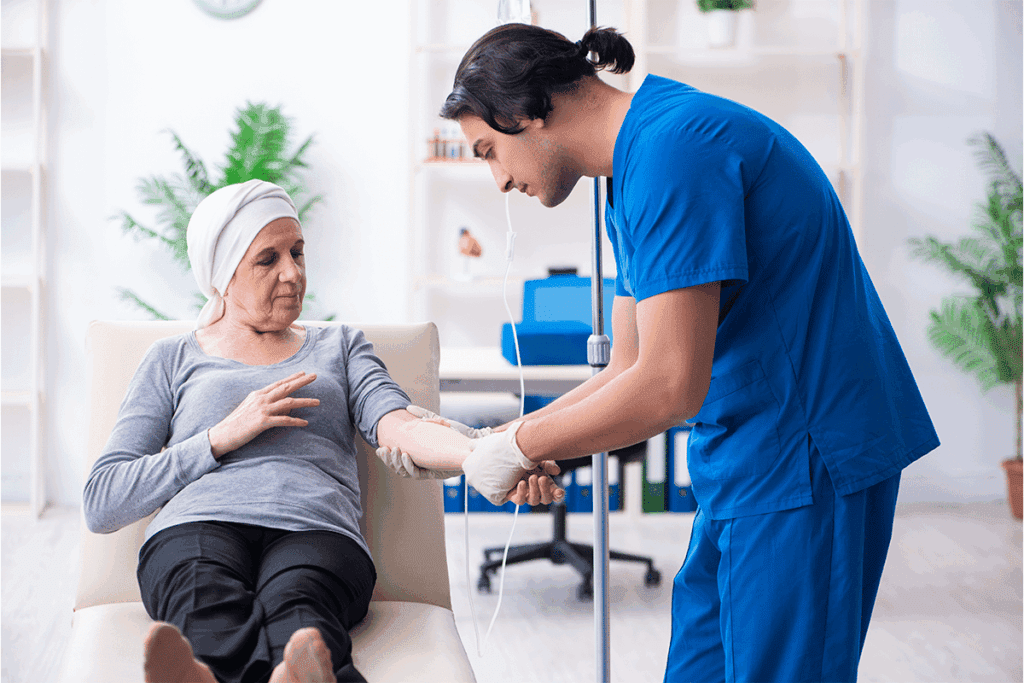
Chemotherapy is a tough journey, filled with physical and emotional challenges. We aim to help you understand these effects. This way, you can better manage your treatment.
Physical Symptoms to Watch For
Chemotherapy can lead to various physical symptoms. Some are quite distressing. Here are a few common ones:
- Fatigue: Feeling extremely tired or weak, which can impact daily activities.
- Hair Loss: Many chemotherapy drugs cause hair loss, which can be emotionally challenging.
- Nausea and Vomiting: These are among the most common side effects, though medications can help manage them.
- Changes in Appetite: Some patients experience changes in taste or a decrease in appetite.
It’s essential to monitor these symptoms closely and discuss any concerns with your healthcare provider.
Psychological and Emotional Side Effects
Chemotherapy affects not just the body but also the mind and emotions. Patients may experience:
- Anxiety and Depression: The stress of treatment can lead to feelings of anxiety or depression.
- Mood Swings: Hormonal changes or the stress of treatment can cause mood swings.
- Cognitive Changes: Some patients report difficulties with concentration or memory, often referred to as “chemo brain.”
Recognizing these emotional and psychological side effects is key. There are resources available to help manage them.
Long-Term Risks of Chemotherapy
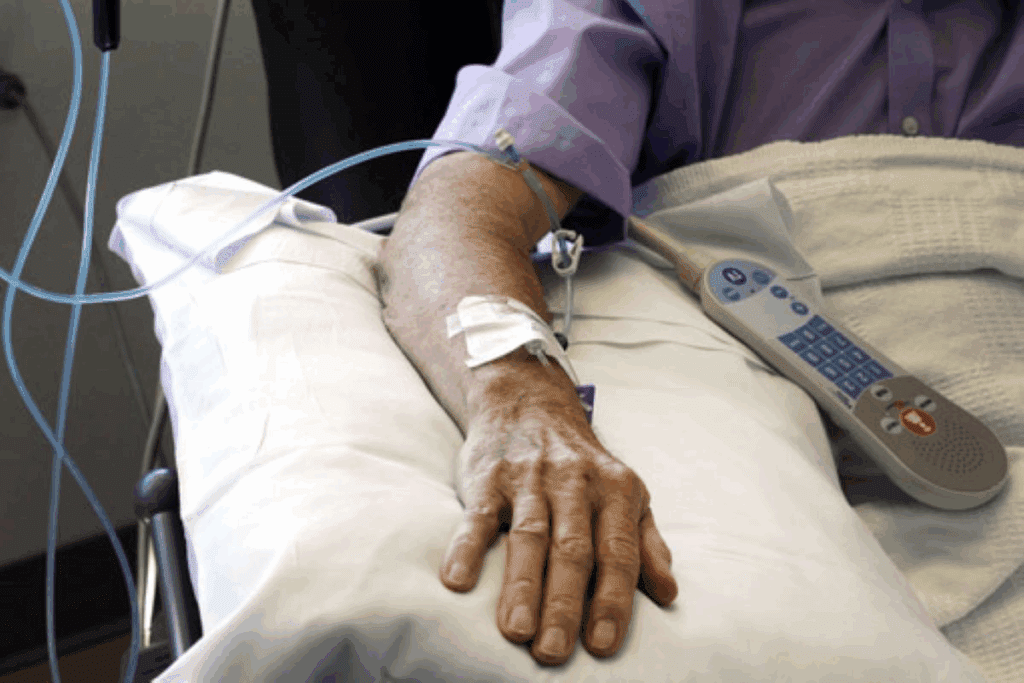
While chemotherapy is a lifesaving treatment, it’s also important to be aware of its long-term risks. These can include:
Long-Term Risk | Description |
Secondary Cancers | In rare cases, chemotherapy can increase the risk of developing secondary cancers. |
Organ Damage | Some chemotherapy drugs can cause long-term damage to organs such as the heart or kidneys. |
Infertility | Chemotherapy can affect fertility in both men and women, though the extent varies depending on the treatment and individual factors. |
Understanding these risks can help patients make informed decisions about their treatment and follow-up care.
Signs Chemo Might Be Harming Your Body
Chemotherapy is a key treatment for many cancers. But, it’s important to know when it might harm your body. It targets fast-growing cancer cells but can also hit healthy cells, causing side effects. Spotting these signs early can help manage them better.
Sudden Weight Loss and Nutritional Deficiencies
Many patients on chemotherapy experience sudden weight loss. This can happen due to nausea, taste changes, or trouble eating enough. Nutritional gaps can weaken the body, making recovery harder.
To tackle nutritional gaps, focus on eating foods rich in nutrients. Here are some tips:
Nutrient | Food Sources | Benefits |
Protein | Lean meats, fish, eggs, dairy, legumes | Helps in repairing tissues and maintaining strength |
Calcium | Dairy products, leafy greens, fortified foods | Essential for bone health |
Vitamin D | Fatty fish, fortified dairy, sunlight exposure | Important for bone health and immune function |
Severe Fatigue and Lack of Energy
Severe fatigue is a common side effect of chemotherapy. It can make everyday tasks hard. It’s key to understand why it happens and find ways to fight it to keep quality of life high.
Here are some ways to fight fatigue:
- Prioritizing rest and sleep
- Doing gentle exercises like walking or yoga
- Eating a balanced diet full of nutrients
Persistent Pain and Discomfort
Persistent pain and discomfort can really affect a patient’s life. It’s vital to talk openly with doctors about any pain during chemotherapy.
Managing pain well can include:
- Medicines given by your doctor
- Alternative therapies like acupuncture or massage
- Relaxation methods like meditation or deep breathing
By knowing these signs and taking action, patients can face chemotherapy’s challenges better. This can improve their treatment experience.
Monitoring Your Health During Treatment
It’s very important to watch your health during chemotherapy. This helps manage side effects and makes sure the treatment works well. We know chemotherapy can be tough, so keeping an eye on your health is key to success.
Importance of Regular Check-Ups
Seeing your healthcare provider regularly is a must during chemotherapy. These visits help your doctor check how you’re doing with the treatment. They can also fix any side effects and change your plan if needed.
A study in the Journal of Clinical Oncology shows regular visits can really help. They let doctors make quick changes to your treatment, which can make a big difference.
“Regular follow-up appointments with healthcare providers are vital for patients undergoing chemotherapy, as they enable timely adjustments to treatment plans and improve overall outcomes.”
– Journal of Clinical Oncology
At these visits, your doctor will do physical exams and look over your medical history. They might also do tests to check your health and how well the treatment is working.
Test Type | Purpose | Frequency |
Blood Tests | Monitor blood cell counts and detect possible infections | Weekly or Bi-Weekly |
Imaging Tests (e.g., CT scans, X-rays) | Check how the tumor is responding to treatment | Every 2-3 months |
Physical Exams | Check your overall health and find side effects | At each visit |
Keeping a Symptom Diary
Keeping a symptom diary is very helpful during chemotherapy. It helps you track your symptoms and find patterns early. This way, you can talk about them with your doctor and manage side effects better.
- Write down your symptoms every day, including how bad they are and what might make them better or worse.
- Include any medicines or treatments you’re getting, like how much and when.
- Take your diary to your doctor visits to talk about it.
Communicating Openly with Healthcare Providers
Talking openly with your healthcare providers is very important during chemotherapy. Don’t be shy about sharing any side effects or worries. Your healthcare team is there to help you through your treatment.
Tips for Effective Communication:
- Be open about your symptoms and any problems you’re facing.
- Ask questions about your treatment and any worries you have.
- Write down questions before your appointments so you don’t forget anything.
By working closely with your healthcare team and staying informed, you can get through chemotherapy with confidence. This way, you can achieve the best results possible.
The Role of Support Systems in Treatment
Chemotherapy is easier with strong support systems. Family, friends, and support groups help a lot. They offer emotional, physical, and sometimes financial help.
Family and Friends as Caregivers
Family and friends often help patients with chemotherapy. They give emotional support, handle daily tasks, and help with medical care. Effective communication is key to meet the patient’s needs.
Support Groups and Online Communities
Support groups, online or in-person, let patients share and connect. They offer emotional support and advice. Online forums and social media groups are popular for their flexibility and reach.
Mental Health Resources
Chemotherapy affects the mind too. Mental health resources like counseling are essential. Mental health professionals help with anxiety, depression, and more.
Having a support group was like having a second family; they understood me in a way that others couldn’t.
Support systems bring many benefits:
- Emotional support and understanding
- Practical help with daily tasks
- Access to information and resources
- A sense of community and connection
By using these support systems, patients can better handle chemotherapy. We see how important a full support network is for a good treatment experience.
Nutritional Considerations During Chemo
Understanding what to eat during chemotherapy is key to better health. Good nutrition helps fight off side effects and keeps patients strong. It’s all about staying healthy during treatment.
Foods to Avoid
It’s important to stay away from foods that can make side effects worse. Raw or undercooked foods can lead to infections. Here are some foods to avoid:
- Raw or undercooked meat, eggs, and seafood
- Unpasteurized dairy products and juices
- Unwashed fruits and vegetables
Staying away from these foods can prevent foodborne illnesses. This is very important for people with weak immune systems.
Nutrient-Rich Foods to Include
Eating foods rich in nutrients can help with chemotherapy side effects. Focus on:
- Lean proteins like chicken, fish, and legumes
- Whole grains such as brown rice, quinoa, and whole-wheat bread
- A variety of fruits and vegetables, cooked and raw
- Nuts and seeds, which are rich in healthy fats and protein
These foods give you the vitamins, minerals, and energy you need to get through treatment.
Supplements: Helpful or Harmful?
The debate on supplements during chemotherapy is ongoing. Some can help, but others might not be good. Always talk to your healthcare provider before taking any supplements. Discuss the pros and cons of:
- Vitamin and mineral supplements
- Herbal supplements
- Probiotics
With your doctor’s help, you can figure out if supplements are right for you. They can be part of your treatment plan.
Making smart food choices can help manage chemotherapy side effects. It can also improve your life during treatment.
Alternative Therapies: What You Should Know
Alternative therapies are becoming more popular as people look for ways to manage chemotherapy side effects. These therapies can be a big help during a cancer journey. Knowing about them is important.
Integrative Approaches to Treatment
Integrative approaches mix traditional medicine with complementary therapies. This can include acupuncture, meditation, and yoga. These methods can ease symptoms and improve life quality. Medical Expert, “Integrative medicine combines the best of conventional care with the best of complementary therapies.”
Every person’s experience with cancer is different. What works for one might not work for another. So, it’s key to explore different options with the help of healthcare experts.
Benefits and Risks of Alternative Therapies
Alternative therapies can offer many benefits, like less stress and better sleep. But, they also have risks, like side effects with traditional treatments or varying quality of care. It’s important to think about these carefully.
- Potential benefits: reduced anxiety, improved pain management, and enhanced overall well-being.
- Potential risks: interactions with chemotherapy, variable quality of care, and possible delay in traditional treatment.
One patient found meditation helped with anxiety during chemotherapy. Stories like this show the value of alternative therapies in a complete care plan.
Consulting with Your Oncologist
Always talk to your oncologist before trying any alternative therapy. They can help make sure it’s safe and won’t interfere with your treatment. Good communication is key to making sure your care is well-coordinated.
“It’s vital for patients to tell their healthcare providers about any alternative therapies they’re thinking of or already using,” says Medical Expert, an oncologist with a lot of experience in integrative oncology.
Working with your healthcare team helps you make choices that support your health and well-being during and after chemotherapy.
Lifestyle Changes to Consider
When you’re going through chemotherapy, making some lifestyle changes can really help. We know it’s tough, but smart choices can lessen the treatment’s tough side effects.
Exercise and Recovery
Exercise is key for getting better during and after chemo. It helps fight off tiredness, boosts mood, and can lower side effect risks. Talk to your doctor to create a workout plan that’s right for you.
Here’s why exercise is good during chemo:
- It cuts down on tiredness and boosts energy.
- It makes you feel better physically.
- It also helps your mind and reduces stress.
Exercise Type | Benefits | Precautions |
Aerobic Exercise (e.g., walking, cycling) | Improves heart health, reduces tiredness | Avoid very hard exercises if you’re very tired or have low white blood cells |
Resistance Training (e.g., weightlifting) | Builds muscle strength, improves physical function | Start with light weights and slowly increase; avoid if you have muscle or bone problems |
Flexibility and Stretching Exercises (e.g., yoga, Pilates) | Increases flexibility, lowers muscle tightness | Adjust poses based on your physical limits and comfort |
Managing Stress
Managing stress is very important during chemo. High stress can make side effects worse. Meditation, deep breathing, and mindfulness can calm your mind and body.
Here are some ways to manage stress:
- Meditation and mindfulness practices
- Deep breathing exercises
- Doing things that make you happy and relaxed
The Importance of Sleep and Rest
Getting enough sleep and rest is critical for recovering from chemo. Having a regular sleep schedule and a cozy sleep area can make your sleep better.
Here are tips for better sleep during chemo:
- Stick to a regular sleep schedule
- Make your sleep area cool, dark, and quiet
- Avoid exciting activities before bedtime
By making these lifestyle changes, you can possibly improve your treatment results and quality of life during and after chemo.
When to Seek Emergency Medical Attention
Knowing when to get emergency help during chemotherapy is key. We’ll show you the signs that mean you need to act fast. We’ll also explain why quick action is so important.
Recognizing Life-Threatening Symptoms
Life-threatening symptoms include severe allergic reactions, trouble breathing, chest pain, and severe bleeding. High fever is another one. If you see any of these, get help right away. Don’t wait; these problems can get worse fast.
What to Do in Case of Emergency
If it’s an emergency, stay calm and move fast. Call your emergency contact or doctor first. If symptoms are bad, get someone to take you to the ER or call 911. Have your meds and medical history ready to tell the doctors.
Understanding the Importance of Quick Action
Acting fast when you see serious symptoms can really help. Waiting too long can lead to serious problems. Your health is our top priority Page Structure em>, Page Structure and we stress the importance of acting swiftly in emergencies.
The Aftermath of Chemotherapy: What to Expect
Chemotherapy’s effects don’t stop when treatment ends. Instead, it starts a new recovery and adjustment phase. Patients finish their chemotherapy and enter a critical time. Now, they focus on managing treatment effects and rebuilding health.
Common Long-Term Side Effects
After chemotherapy, patients face many long-term side effects. These can include:
- Permanent Neuropathy: Numbness, tingling, or pain in hands and feet due to nerve damage.
- Cognitive Changes: Often referred to as “chemo brain,” this includes issues with memory, concentration, and processing information.
- Cardiac Issues: Certain chemotherapy drugs can lead to heart problems, such as reduced heart function or heart failure.
- Fertility Concerns: Chemotherapy can impact fertility in both men and women, potentially leading to early menopause or reduced sperm count.
Knowing these side effects is key for patients to navigate their post-chemotherapy journey.
How to Manage Chronic Symptoms
Managing chronic symptoms post-chemotherapy needs a multi-faceted approach. Effective symptom management can greatly improve quality of life. Strategies include:
- Physical Therapy: To regain strength, mobility, and manage pain.
- Cognitive Rehabilitation: Techniques and exercises to improve memory, concentration, and cognitive function.
- Medications: To manage specific symptoms like pain, neuropathy, or heart issues.
- Lifestyle Adjustments: Dietary changes, stress management, and adequate rest to support overall health.
Working closely with healthcare providers to tailor a management plan is essential for mitigating the impact of chronic symptoms.
Adjusting to Life Post-Chemotherapy
Adjusting to life after chemotherapy involves not just physical recovery but also emotional and psychological adaptation. Patients often need to:
- Rebuild Strength and Endurance: Gradually returning to normal activities and exercise routines.
- Address Emotional Needs: Seeking support from family, friends, or mental health professionals to cope with the emotional aftermath.
- Re-engage in Life: Returning to hobbies, social activities, and work, helping to restore a sense of normalcy and purpose.
By understanding what to expect and how to manage the aftermath of chemotherapy, patients can better navigate this challenging period and work towards a fulfilling life post-treatment.
Advocating for Yourself and Your Health
When dealing with chemotherapy, it’s key to be active in your healthcare. Being your own health advocate can greatly impact your treatment. By knowing your stuff and asking the right questions, you can get the best care possible.
Empowering Yourself Through Knowledge
It’s important to know about your condition, treatment options, and chemo’s long-term effects. Ask your healthcare team about what to expect, managing side effects, and lifestyle changes for recovery.
Effective Communication with Your Healthcare Team
Having a good relationship with your healthcare providers is essential. Share your concerns, symptoms, or fears with them. This way, you can create a care plan that fits your needs.
By advocating for yourself and keeping up with new research, you can control your health. This proactive approach can lead to better health outcomes and a better quality of life.
FAQ
What are the common side effects of chemotherapy?
Common side effects of chemotherapy include nausea, vomiting, and hair loss. Fatigue and a higher risk of infection are also common. Physical symptoms like pain, numbness, and changes in appetite can occur too.
How long does chemotherapy stay in your system?
The time chemotherapy stays in your system varies. It depends on the type, dose, and your health. Generally, it can last from a few days to weeks after treatment.
What are the long-term side effects of chemotherapy?
Long-term side effects include heart damage, nerve damage, and secondary cancers. Cognitive impairment and emotional effects can also last long after treatment.
Can chemotherapy cause cancer?
Chemotherapy can kill cancer cells but may cause secondary cancers in some cases. We discuss the risks and benefits with our patients to help them understand.
How can I manage my nutrition during chemotherapy?
Good nutrition is key during chemotherapy. Eat nutrient-rich foods and avoid foods that worsen side effects. Supplements may also be helpful.
What lifestyle changes can help during chemotherapy?
Lifestyle changes like regular exercise and stress management are beneficial. Getting enough sleep and rest can also help manage side effects.
When should I seek emergency medical attention during chemotherapy?
Seek emergency help for severe bleeding, difficulty breathing, or severe pain. Quick action is critical for better outcomes.
How can I advocate for myself during chemotherapy?
Being your own advocate means asking questions and staying informed. Communicate openly with your healthcare team. We encourage active participation in your care.
What support systems are available during chemotherapy?
Support systems include family, friends, support groups, and online communities. Mental health resources are also important. A strong support system is key.
Are there alternative therapies that can help during chemotherapy?
Alternative therapies like acupuncture and meditation may help manage side effects. Always consult with your oncologist before starting any new therapies.
References
National Center for Biotechnology Information. Evidence-Based Medical Insight. Retrieved from https://ncbi.nlm.nih.gov/books/NBK279740
National Center for Biotechnology Information. Evidence-Based Medical Insight. Retrieved from https://ncbi.nlm.nih.gov/books/NBK279740
BMJ (British Medical Journal). Evidence-Based Medical Insight. Retrieved from https://www.bmj.com/content/363/bmj.k4254


 Departments
 Related Videos
 Our Doctors
 News
News


