
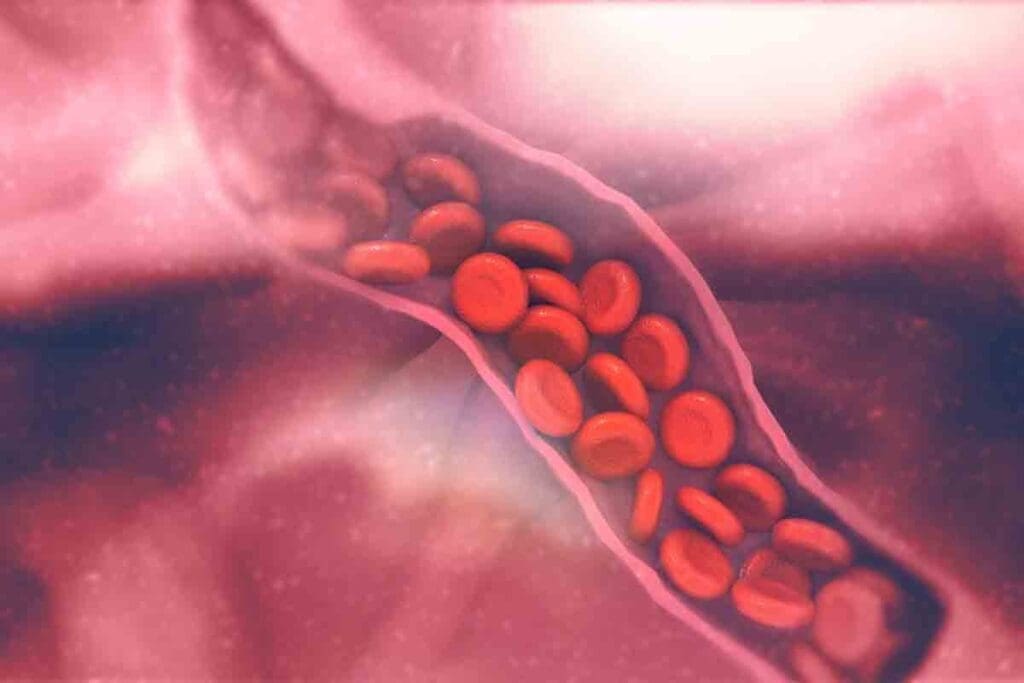
It’s important to know the symptoms of a bleeding disorder early. These conditions affect how the body clots blood.
Seeing unusual bruises or too much bleeding during your period might mean something’s wrong. LivHospital uses the latest medical methods to find and treat these issues.
Spotting bleeding disorder symptoms early is key. This article will help you know what to look for.
Key Takeaways
- Identifying abnormal bleeding is key for diagnosis.
- Bleeding disorders mess with the body’s clotting.
- LivHospital offers top care for bleeding disorders.
- Early detection is vital for managing symptoms.
- Spotting symptoms early can greatly improve health.
What Are Bleeding Disorders and Why They Matter
Bleeding disorders affect how the body makes blood clots. They can cause excessive bleeding. This bleeding can happen without reason or because of an injury.
Common Types of Bleeding Disorders
There are many types of bleeding disorders. Each has its own traits. Some common ones are:
- Acquired platelet function defects
- Congenital platelet function defects
- Von Willebrand disease
These conditions vary in how they affect people’s lives.
Prevalence and Risk Factors
Bleeding disorders can happen to anyone, at any age. Some people are more at risk because of their family history or genes.
The Importance of Early Detection
Finding bleeding disorders early is key to managing them. Spotting the symptoms of bleeding disorders, like easy bruising or heavy bleeding, helps. It can lead to getting medical help sooner.
Knowing the signs of bleeding disorders is the first step to better health.
Recognizing the Signs of a Bleeding Disorder
It’s important to know the signs of abnormal bleeding to diagnose bleeding disorders. These disorders can show up in different ways. It’s key to know what normal and abnormal bleeding look like.
How Normal Bleeding Differs from Abnormal Bleeding
Normal bleeding happens when you get hurt or have your period. It usually stops on its own. But, abnormal bleeding is different. It might happen too often, last too long, or be too much.
For example, heavy menstrual bleeding or frequent nosebleeds without a reason could mean there’s a problem.
Key Warning Signs to Monitor
There are several signs that might point to a bleeding disorder. These include easy or excessive bruising and bleeding that doesn’t stop from small cuts. Also, heavy or long-lasting menstrual bleeding is a red flag.
Any bruising during periods or abnormal bleeding during menstruation should be checked out. These signs are very important.
When to Consult a Healthcare Provider
If you notice any of these signs, see a healthcare provider. They can check your symptoms, run tests, and figure out what’s going on. Catching a bleeding disorder early is key to managing it well.
Sign #1: Easy or Excessive Bruising
Bruising easily or a lot is not just a small problem. It can mean a bigger health issue. This is a common sign of bleeding disorders. Knowing what’s normal is key to spotting problems early.
What Constitutes Abnormal Bruising
Abnormal bruising means bruises without a clear cause, bigger than usual, or in odd places. Bruising without a known injury is a big worry and needs checking.
Bruising Without Known Injury
Bruises without a memory of an injury might show blood vessel or clotting issues. Watching their size, where they are, and how long they last is important.
Size, Location, and Duration of Concerning Bruises
The look of a bruise can tell us a lot. Big bruises or in odd spots might mean a bleeding disorder. How long a bruise lasts is also a clue; if it’s slow to fade, clotting might be the problem.
| Characteristics | Normal Bruising | Abnormal Bruising |
| Size | Small to moderate | Large or extensive |
| Location | Typically on extremities | Can appear anywhere, including unusual locations |
| Duration | Heals within a few days to a week | May take longer to heal, persisting for weeks |
Spotting odd bruising is key to finding bleeding disorders. If you see unusual bruises, see a doctor for a full check-up.
Sign #2: Prolonged Bleeding from Minor Injuries
Minor cuts and scrapes are common. But if they bleed a lot, it might mean something’s wrong. This could be a sign of a bleeding disorder.
Normal Healing Timeframes
Usually, cuts and scrapes stop bleeding in a few minutes. The body’s clotting process works fast to stop the bleeding. But, if it keeps going, it’s a sign to worry.
Warning Signs of Excessive Bleeding
Excessive bleeding can show up in different ways. It might bleed slowly or quickly. If it doesn’t stop after 10-15 minutes of pressure, it’s a problem.
How to Properly Apply Pressure and Monitor Bleeding
To stop bleeding, press firmly but gently with a clean cloth or bandage. If you can, hold the injured area above your heart. Watch the bleeding closely. If it doesn’t stop after 10-15 minutes, get medical help. Knowing how long it bleeds helps doctors.
Sign #3: Frequent or Severe Nosebleeds
Having frequent or severe nosebleeds might not just be annoying. It could be a sign of a bleeding disorder. Nosebleeds, or epistaxis, are common. They can happen due to dry air, picking or blowing your nose, or injury. But, if they happen often or are very bad, it might mean something serious.
Characteristics of Abnormal Nosebleeds
Abnormal nosebleeds stand out because of how often, long, and severe they are. If your nosebleeds are hard to stop, happen more than once a week, or come with other bleeding signs, it’s time to look into it. Frequent or severe nosebleeds could point to a bleeding disorder.
Frequency Patterns That Suggest a Disorder
The way and how often nosebleeds happen can tell us a lot. For example, if you get nosebleeds more than once a week or if they last a long time, it might mean there’s a problem. Watching how often and what your nosebleeds are like can help spot any worrying patterns.
Connection Between Heavy Periods and Nosebleeds
Heavy menstrual periods and nosebleeds are often linked. Women with heavy or long menstrual bleeding are more likely to get nosebleeds. This link suggests there might be a common cause related to bleeding disorders. Knowing this can help in figuring out and managing symptoms better.
| Symptom | Normal | Abnormal |
| Frequency of Nosebleeds | Occasional, less than once a month | Frequent, more than once a week |
| Duration of Bleeding | Stops within 10-15 minutes | Lasts longer than 15-20 minutes |
| Associated Symptoms | No other bleeding symptoms | Accompanied by other bleeding symptoms like heavy periods |
Sign #4: Heavy or Abnormal Bleeding During Menstruation
Abnormal bleeding during periods is more than just a hassle. It can signal a bleeding disorder that requires medical care. Many women face heavy or abnormal bleeding, which can seriously affect their lives. It might point to a bleeding disorder.
Defining Heavy Menstrual Bleeding
Heavy menstrual bleeding means a lot of or long-lasting bleeding. It’s not just about the blood volume, but how it affects your life. Women with this issue often feel uncomfortable, anxious, and it disrupts their daily plans.
Blood Clots Larger Than a Grape
Seeing blood clots bigger than a grape during your period is a sign of heavy bleeding. Large clots mean a lot of blood loss. While some clotting is normal, big or frequent clots need a doctor’s check-up.
Soaking Through Protection Hourly
When you go through sanitary products every hour, it’s a sign of heavy bleeding. This kind of bleeding quickly fills up your pads or tampons, causing trouble and worry. If you’re experiencing this, you should talk to a healthcare provider.
The 1-in-10 Statistic: Women with Heavy Periods and Bleeding Disorders
About 1 in 10 women with heavy periods might have a bleeding disorder.
“Heavy menstrual bleeding is a common symptom among women with bleeding disorders, making it vital to look into the cause of heavy periods.”
This fact shows why it’s key to see heavy menstrual bleeding as a sign of a bleeding disorder. It’s important to get a medical check-up.
Sign #5: Gushing of Blood or Flooding During Periods
Flooding or gushing of blood during periods is not normal and needs medical attention. This symptom can be a sign of a bleeding disorder. It can greatly impact a woman’s quality of life and daily activities.
Understanding Hemorrhaging vs. Normal Flow
Hemorrhaging during periods means a lot of blood flow, often with clots. It’s different from normal menstrual flow. Hemorrhaging can lead to a lot of blood loss, causing anemia and other problems.
Physical Symptoms Accompanying Blood Flooding
Women with gushing or flooding may also have severe cramping, fatigue, and dizziness. These symptoms can be very hard to deal with and affect daily life.
Impact on Daily Activities and Quality of Life
The effects of gushing or flooding during periods can be big. It can hurt not just physical health but also emotional well-being and social activities. It’s important to understand how serious this symptom is to get the right medical care.
| Symptom | Normal Menstruation | Hemorrhaging |
| Blood Flow | Moderate | Excessive |
| Clots | Occasional small clots | Frequent large clots |
| Impact on Daily Life | Minimal disruption | Significant disruption |
It’s key to recognize the signs of gushing or flooding during periods. This is for early intervention and managing bleeding disorders.
Sign #6: Bruising Before or During Menstrual Periods
Bruising before or during your period can be a sign of a bleeding disorder. Many women experience physical symptoms during their cycle, including bruising. It’s important to understand the causes and know when it might be serious.
The Connection Between Hormones and Bruising
Hormonal changes in your cycle can affect your blood vessels and how they clot. Estrogen and progesterone levels change throughout your cycle. This can make some women more prone to bruising at certain times.
Patterns of Menstrual-Related Bruising
It’s key to notice when you bruise in relation to your cycle. Does the bruising happen at the same time every month? Are the bruises big or painful? Keeping track of this can help doctors diagnose any issues.
“Hormonal influences on hemostasis and the menstrual cycle can contribute to bruising in some women, highlighting the need for a thorough evaluation in cases of unusual or excessive bruising.”
Documenting Cyclical Bruising for Medical Evaluation
Writing down when you bruise in relation to your cycle is very helpful. Include the size, location, and how long the bruises last. Also, note any other symptoms you have. This helps doctors figure out if the bruising is due to a bleeding disorder or something else.
Sign #7: Symptoms of Blood Loss from Periods
Heavy menstrual bleeding can cause many symptoms that affect a woman’s health. These symptoms are not just about the bleeding. They also include how the body reacts to losing blood.
Recognizing Fatigue and Weakness
One key symptom of blood loss from periods is fatigue and weakness. When the body loses iron, it can lead to fewer red blood cells. This makes women feel very tired or weak.
Anemia as a Consequence of Heavy Menstrual Bleeding
Heavy menstrual bleeding often leads to iron deficiency anemia. Anemia happens when the body lacks enough red blood cells or hemoglobin. These are key for carrying oxygen. This condition makes fatigue and weakness worse.
Cognitive and Physical Effects of Chronic Blood Loss
Chronic blood loss from heavy periods affects both mind and body. Women might have trouble concentrating or remembering things. They might also feel dizzy, short of breath, or generally unwell. These symptoms can really affect a woman’s life and should be talked about with a doctor.
Sign #8: Bleeding from Multiple Sites Simultaneously
Bleeding disorders often show up in many ways. This includes bleeding from different places at once. Symptoms can be nosebleeds, bruising, and heavy menstrual bleeding, among others.
Combined Symptoms as Strong Indicators
Bleeding from multiple sites at once is a big warning sign. For example, nosebleeds and heavy menstrual bleeding together point to a bigger issue. It’s not just a simple problem.
Nosebleeds with Menstrual Bleeding
Nosebleeds and heavy menstrual bleeding together are very telling. They suggest a problem with blood clotting. This is a sign of a bleeding disorder.
Multiple Bruising Sites and Their Significance
Bruising in many places without a reason is also a warning sign. The size, location, and how often these bruises happen can tell a lot. It’s important to keep track of these symptoms and see a doctor.
In short, bleeding from multiple sites at once is a serious sign. It means you should look into bleeding disorders more closely.
Diagnosing Bleeding Disorders: Medical Tests and Procedures
The process to find out if you have a bleeding disorder involves many steps. It uses blood tests and laboratory evaluations to figure out what’s wrong.
Blood Tests and Laboratory Evaluations
Blood tests are key in finding bleeding disorders. They check the blood for clotting factors and platelets. These tests can spot problems that show you might have a disorder.
Analyzing Liquid and Cellular Blood Components
Lab tests look at both the liquid and solid parts of blood. They check the levels and how well clotting factors and platelets work. They also look at other important blood parts.
Specialized Testing for Specific Disorders
After some tests, specialized tests might be needed. These tests can find specific bleeding disorders like von Willebrand disease or hemophilia.
What to Expect During the Diagnostic Process
When you’re being tested, you’ll have many blood tests and maybe other checks. Doctors will tell you about the tests, the risks, and what they’re looking for.
Knowing what to expect can make you feel less worried. It helps you get ready for the tests and procedures to find out about bleeding disorders.
Conclusion: Taking Action for Better Health
It’s important to know the signs of a bleeding disorder to get help early. Look out for easy bruising, bleeding that doesn’t stop, and heavy periods. These signs mean it’s time to see a doctor and take charge of your health.
Bleeding disorder symptoms can really affect your life and how you feel. Knowing these signs is key. If you notice them, talk to a doctor right away.
Taking action for better health means being active about your well-being. By staying informed and watching for signs, you can work with your doctor. Together, you can find a treatment plan that improves your life.
Getting a bleeding disorder treated early can make a big difference. If you see any of these signs, don’t wait. Go see a doctor and start on the path to better health.
FAQ
What are the common signs of a bleeding disorder?
Signs include easy bruising and prolonged bleeding from small injuries. Also, frequent or severe nosebleeds and heavy menstrual bleeding are common. Heavy or abnormal bleeding during periods and bruising before or during menstruation are also signs. Blood loss from periods and bleeding from multiple sites at once are other symptoms.
How can I distinguish between normal and abnormal bleeding?
Normal bleeding stops on its own within a reasonable time. Abnormal bleeding is excessive and lasts too long. It may also cause other symptoms like bruising or fatigue. If you’re worried, talk to a healthcare provider.
What constitutes abnormal bruising?
Abnormal bruising is large, frequent, or unexplained. It often appears without injury. Long-lasting or unusual bruises are a concern.
Can heavy menstrual bleeding be a sign of a bleeding disorder?
Yes, it can. Women with heavy periods are at higher risk. About 1 in 10 women with heavy periods might have a bleeding disorder.
What is the difference between hemorrhaging and normal flow during menstruation?
Hemorrhaging is excessive bleeding that can lead to significant blood loss. Normal flow is manageable and doesn’t disrupt daily life. Gushing or flooding during periods can indicate a bleeding disorder.
How are bleeding disorders diagnosed?
They’re diagnosed through medical history, physical exam, and lab tests. Blood tests and specialized tests help determine the disorder. A healthcare provider analyzes the results to diagnose.
What are the symptoms of blood loss from periods?
Symptoms include fatigue, weakness, and anemia. Chronic blood loss can affect your mind and body. If you have these symptoms, see a healthcare provider.
Can bruising before or during menstrual periods be a sign of a bleeding disorder?
Yes, it can. Hormonal changes may cause bruising. Documenting cyclical bruising helps with medical evaluation.
Are nosebleeds a common symptom of bleeding disorders?
Yes, they are. Frequent or severe nosebleeds, along with heavy menstrual bleeding or bruising, are signs. If you have recurrent or severe nosebleeds, see a healthcare provider.
What should I expect during the diagnostic process for a bleeding disorder?
Expect a thorough medical history, physical exam, and lab tests. Be ready to discuss your symptoms and medical history. This helps determine the disorder.
Reference
- Centers for Disease Control and Prevention. (n.d.). About von Willebrand disease. U.S. Department of Health and Human Services.https://www.cdc.gov/von-willebrand/about/index.html