
Iron deficiency anemia is a common condition in young children. This is often seen in kids who don’t eat well or grow too fast. Knowing the symptoms helps parents catch it early. This is key to keeping their child healthy and growing right.
At Liv Hospital, we know how important it is to spot anemia early. Anemia happens when there aren’t enough red blood cells for a child’s age. Kids who grow fast, like in their first year or during adolescence, are at higher risk.
In this article, we’ll look at 10 important signs. These are things parents should watch for to see if their toddler has anemia.
Key Takeaways
- Iron deficiency anemia is common in young children.
- Poor dietary intake and rapid growth can contribute to anemia.
- Early detection is key to a child’s health.
- Parents should know the symptoms to spot anemia early.
- Liv Hospital offers expert care for children with anemia.
What Is Iron Deficiency Anemia in Toddlers?
It’s important to know about iron deficiency anemia in toddlers. This condition happens when the body lacks enough iron. Iron is needed to make hemoglobin, which carries oxygen to the body’s cells. Without enough iron, toddlers can face problems with their growth and brain development.
Why Iron Deficiency Anemia Is Common in Young Children
Iron deficiency anemia is common in toddlers for several reasons. Their fast growth needs a lot of iron. Also, their diet plays a big role. Toddlers who drink too much cow’s milk are at risk because cow’s milk has little iron and can block iron absorption.
Nationwide Children’s Hospital says, “Infants and toddlers who drink a lot of cow’s milk may be at risk of iron deficiency anemia.”
Dietary factors aren’t the only cause. Gastrointestinal problems, like chronic diarrhea, can also lead to iron deficiency anemia. These issues make it hard for the body to absorb iron.
Risk Factors for Developing Anemia in Toddlers
There are several risk factors for toddlers to develop iron deficiency anemia. These include:
- Premature birth: Premature babies often have less iron.
- Low birth weight: Babies born small may have less iron.
- Inadequate dietary iron: Toddlers who don’t eat enough iron-rich foods are at risk.
- Excessive cow’s milk consumption: Drinking too much cow’s milk can reduce iron absorption.
- Gastrointestinal issues: Problems like celiac disease or chronic diarrhea can also affect iron absorption.
Knowing these risk factors and watching for signs of iron deficiency anemia in toddlers is important. Early detection and treatment can prevent long-term health and development problems. Healthcare experts stress the importance of acting quickly to help a child’s health.
How Anemia Affects Toddler Development
Anemia in toddlers affects both their physical and mental growth. It can slow down a child’s growth and brain development. This is because iron is key to making hemoglobin and for brain health.
Iron helps carry oxygen and is vital for brain and nerve development. Low iron levels can slow down a child’s growth and development.
Physical Growth and Development Impacts
Anemia can slow down a toddler’s growth. Iron deficiency can make children grow more slowly and gain less weight. Iron is needed for making proteins and enzymes that help with growth.
It also causes tiredness, which can make toddlers less active. Less activity can hurt their learning and growth.
Neurodevelopment and Cognitive Performance Concerns
Iron deficiency anemia can cause brain and learning delays in toddlers. Iron is important for brain and nervous system development. Without enough iron, children may have trouble focusing, remembering, and learning.
Studies show kids with anemia do worse in school than those without. This highlights the need to catch and treat anemia early to avoid lasting brain damage.
“Iron deficiency in early childhood has been linked to long-term cognitive and behavioral problems, stressing the importance of early intervention.”
Long-Term Health Implications
Long-term iron deficiency can harm a child’s development forever. Early treatment is key to preventing lasting damage and helping a child grow normally.
Untreated anemia can affect a child’s school performance and behavior later in life. Parents and caregivers should watch for signs of anemia and get medical help if needed.
Knowing how anemia affects toddlers helps us take steps to support their healthy growth. We can ensure they get the care they need for a healthy start in life.
Signs of Anemia in Toddlers: The Physical Symptoms
Anemia in toddlers can show up in different ways. Parents need to watch for these signs. They can be hard to spot at first.
How Anemia Manifests in Children’s Appearance
Anemia can change how a toddler looks. Parents might notice pale skin, gums, and nails. This is because there are fewer red blood cells to carry oxygen.
Children with anemia might seem very tired. They might not want to play or move around as much. This tiredness is a big warning sign.
When Subtle Symptoms Might Indicate a Problem
Some signs of anemia are not obvious. A child might not look pale, but they could be irritable or weak. These small changes are important to notice.
Parents should keep an eye on any changes in their child. Spotting these signs early can help get the right treatment fast.
Here is a summary of the common physical symptoms associated with anemia in toddlers:
| Symptom | Description |
| Pale Skin | Reduced red blood cells cause paleness in the skin, gums, and nail beds. |
| Unusual Fatigue | Children may tire easily or show less interest in play. |
| Cold Hands and Feet | Poor circulation can cause extremities to feel cold. |
| Rapid Heartbeat | The heart works harder to compensate for a low red blood cell count. |
Knowing these symptoms helps parents act quickly if they think their toddler might have anemia.
Symptom #1: Pale Skin, Gums, and Nail Beds
Pale skin, gums, and nail beds can signal anemia in young children. Anemia, often due to iron deficiency, lowers hemoglobin levels. Hemoglobin is key to carrying oxygen in the body. When it’s low, these areas may lose their color, becoming pale.
Looking for paleness is a simple way to spot anemia in toddlers. But, ‘s important to know how to see it in different skin tones. The signs can change based on skin color.
How to Check for Pallor in Different Skin Tones
In kids with lighter skin, paleness is easier to see. Their skin might look washed out, and their lips and nails less pink. Kids with darker skin might show paleness differently. Look for lighter colors in their gums, eyelids, or nail beds.
To check for paleness, press gently on your child’s nail bed or skin around their eyes. In a healthy child, this area should quickly return to its normal color. If it takes longer, it could mean anemia.
What Healthy vs. Anemic Coloring Looks Like
Healthy skin, gums, and nail beds are usually vibrant and well-colored. In anemic children, these areas may look pale or washed out. For example, gums might lose their pink color and appear pale or even blue in severe cases.
Key areas to check include:
- The lining of the eyelids
- Gums
- Nail beds
By knowing these signs and how to check for them, parents can help monitor their child’s health. They can spot issues early.
Symptom #2: Unusual Fatigue and Weakness
Unusual fatigue and weakness are key signs of anemia in young children. Toddlers are naturally full of energy. A drop in their energy levels can worry parents. Anemia, like iron deficiency anemia, makes a child tired easily and less energetic.
It’s important for parents to know the difference between normal toddler tiredness and anemia fatigue. While it’s okay for kids to get tired after playing all day, anemia fatigue lasts longer and affects their vitality.
Distinguishing Normal Toddler Tiredness from Anemia
Toddlers get tired for many reasons, like not sleeping enough or being too active. But anemia fatigue is different. It’s not just being tired after a long day. It’s about always lacking energy for activities they love.
If your toddler is too weak to play or seems tired even after resting, anemia might be a possibility. Watch how long the fatigue lasts. Normal tiredness goes away with rest, but anemia fatigue stays.
Activity Level Changes That Signal Low Hemoglobin
Children with anemia might play less and run around less. They might not want to do their favorite things anymore. This change is small at first but gets clearer over time. Watching your child play and comparing it to their usual self can help spot issues.
Look out for these signs:
- Reduced participation in play
- Less enthusiasm for activities they once enjoyed
- Increased irritability or frustration due to lack of energy
- Needing more frequent rest periods
Knowing these changes and the difference between normal tiredness and anemia fatigue helps parents act fast. They can make sure their child gets the care and support they need.
Symptom #3: Irritability and Behavioral Changes
One of the key symptoms of anemia in young children is a noticeable change in their behavior and mood. Iron deficiency can significantly impact a toddler’s emotional well-being, leading to increased irritability and fussiness.
When a toddler’s body lacks sufficient iron, it can affect their brain function and development. This can cause behavioral changes. These changes can be distressing for both the child and the parents.
How Low Iron Affects Toddler Mood and Behavior
Low iron levels in toddlers can lead to a range of behavioral symptoms. This is because the brain and other tissues don’t get enough oxygen. This condition can result in:
- Increased irritability and fussiness
- Mood swings
- Decreased attention span
- Changes in appetite
These behavioral changes are often among the first signs that something is amiss. They can appear even before more severe physical symptoms become apparent.
Behavioral Symptoms of Iron Deficiency in Toddlers
Iron deficiency anemia can cause a variety of behavioral symptoms in toddlers, including:
- Becoming easily frustrated
- Exhibiting clingy behavior
- Having difficulty interacting with others
- Displaying unusual fussiness or restlessness
Parents need to recognize these symptoms. They should consult with a healthcare professional if they notice persistent changes in their toddler’s behavior.
By understanding the link between iron deficiency and behavioral changes, parents can seek appropriate medical care. This helps address these issues and support their child’s overall health and development.
Symptom #4: Decreased Appetite and Weight Issues
Anemia in toddlers can cause a drop in appetite, leading to weight problems. This can affect their eating habits and nutrition. It’s key for parents to spot these signs.
Eating Patterns That May Signal Anemia
Toddlers with anemia might not want to eat as much. This can cause them to lose weight. Look out for changes in how they eat, like:
- Reduced appetite or refusal to eat
- Slower eating pace
- Pickiness or fussiness about food
These small changes can mean a big problem, like anemia. It’s important to watch for them and talk to a doctor.
Unusual Cravings and Pica Behavior
Some kids with anemia might want to eat things they shouldn’t. This is called pica behavior. It can include:
- Eating ice or ice cubes
- Craving dirt, clay, or chalk
- Consuming paper or other non-edible materials
Pica behavior is serious because it can cause health problems. If your child does this, see a doctor right away.
Knowing these signs can help spot anemia in toddlers early. Quick action and a doctor’s help can make a big difference in their health.
Symptom #5: Rapid Heartbeat and Breathing Difficulties
As anemia gets worse in toddlers, a fast heartbeat is a key symptom to watch. It shows the body is working hard to get enough oxygen. Breathing problems also show the body is struggling to get oxygen to all parts.
Cardiovascular Signs of Low Hemoglobin in a 2-Year-Old
In toddlers, low hemoglobin makes the heart beat faster. This is because the body tries to get enough oxygen to the tissues. A fast heartbeat can be seen during play or even when the child is resting.
Anemia also causes shortness of breath or fast breathing. This happens during play or when the child is active. The body tries to take in more oxygen.
The heart works harder when hemoglobin levels are low. This can make the heart tired, weak, and cause other heart problems.
When to Be Concerned About Heart Rate and Breathing
Parents should worry if their toddler has a fast heartbeat or breathing problems. Look out for persistent tachycardia, shortness of breath at rest, or trouble breathing during normal activities.
It’s important to talk to a doctor about these symptoms. The doctor can check the child’s health, run tests, and help manage anemia and its symptoms.
Symptom #6: Cold Hands and Feet Despite Warm Environment
Cold hands and feet can be a sign of anemia in young children, even when it’s warm outside. Anemia makes it hard for the body to carry oxygen and nutrients. This can mess up how well the body keeps warm and circulates blood.
When a toddler has anemia, their body might not send enough blood to their hands and feet. This can make their hands and feet feel cold, even when it’s warm.
Poor Circulation as an Indicator of Anemia
Poor circulation is a big sign of anemia in toddlers. Without enough red blood cells or hemoglobin, the body can’t get enough oxygen to its tissues and organs. So, it might send less blood to the hands and feet, making them cold.
Key signs to look out for include:
- Cold hands and feet that stay cold even when it’s warm
- Bluish or pale skin color
- Lethargy or feeling very tired
How to Assess Temperature Differences in Extremities
To check if your toddler’s hands and feet are colder than usual, follow these steps:
- Gently touch your toddler’s hands and feet to feel their temperature.
- Compare their hand and foot temperature to other body parts, like the belly or back.
- See if they say their hands and feet are cold or if they seem uncomfortable when you touch them.
If your toddler’s hands and feet are always cold, and they have other signs of anemia, see a doctor right away.
Spotting anemia early and treating it can really help your child’s health and growth. Knowing the signs like cold hands and fever, et, helps you get your child the care they need.
Symptoms #7-10: Additional Warning Signs
As anemia gets worse, toddlers may show more symptoms. These signs can affect their health and growth. They are important clues that a child needs to see a doctor.
Symptom #7: Headaches and Dizziness
Toddlers with anemia might say they have headaches or seem dizzy. Headaches can happen when the brain doesn’t get enough oxygen because of low hemoglobin. Dizziness might look like unsteadiness or a fear of activities trequireneed balance.
Symptom #8: Shortness of Breath During Normal Play
Anemic toddlers might get winded even when playing normally. This is because their bodies don’t get enough oxygen. Seeing your child get tired easily during play could mean they have anemia.
Symptom #9: Difficulty Focusing and Developmental Delays
Anemia can make it hard for toddlers to focus and may cause developmental delays. Iron deficiency can hurt brain growth, making learning harder. Parents might see their child struggling to pay attention or show less interest in learning.
Symptom #10: Frequent Infections and Slow Recovery
Children with anemia might get sick more often and take longer to get better. Anemia weakens the immune system, making it hard to fight off infections. Watching how often and long illnesses last can help figure out if anemia is a problem.
Knowing these extra symptoms can help spot anemia in toddlers sooner. Catching it early is important to manage it and avoid long-term health problems.
When to Seek Medical Attention for Anemia
Knowing when to get medical help for anemia in toddlers is very important. Anemia means not enough healthy red blood cells to carry oxygen. This is a big health worry for young kids.
Warning Signs That Require Immediate Care
If your toddler shows any of these signs, get help right away:
- Severe pale or yellowish skin: This means a big drop in red blood cells.
- Rapid heartbeat or breathing difficulties: The body is trying to make up for not enough oxygen.
- Extreme fatigue or weakness: If your child can’t play or do normal things, it might be anemia.
- Dizziness or fainting: Not enough oxygen is getting to the brain.
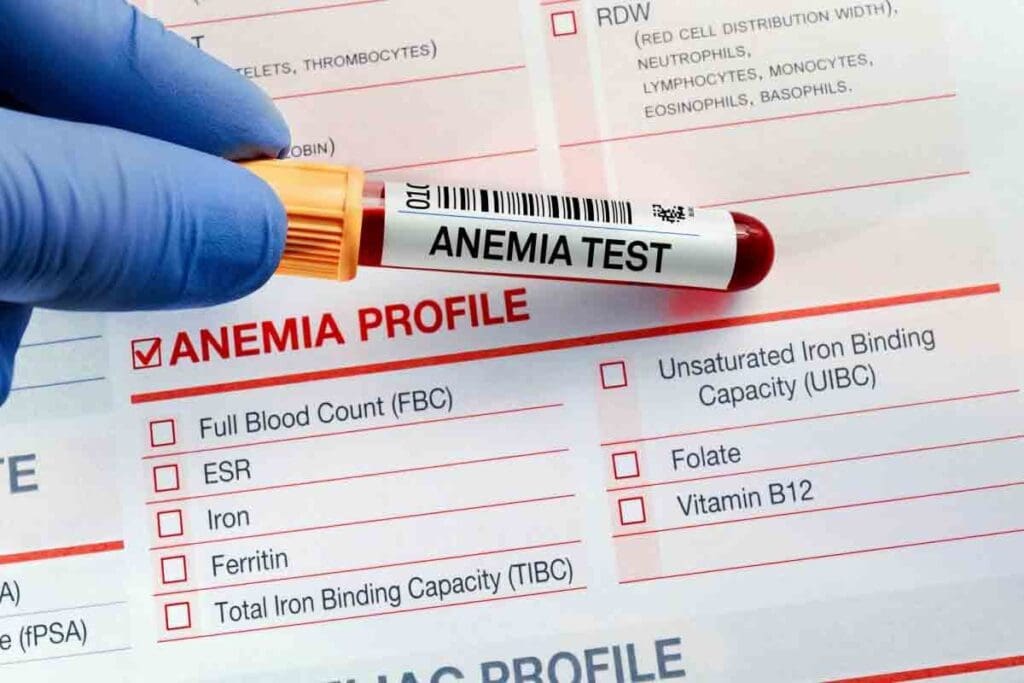
Diagnostic Tests for Anemia in Toddlers
Diagnosing anemia usually means simple blood tests. The main tests are:
- Hemoglobin test: Checks the blood’s hemoglobin level.
- Hematocrit test: Looks at the red blood cells’ share in the blood.
More tests might be needed to find why the anemia is happening, like iron deficiency.
What to Expect at Your Doctor’s Appointment
At the doctor’s, they will:
- Do a physical check for anemia signs.
- Ask about your child’s health history to find causes.
- Do blood tests to confirm anemia and how bad it is.
It’s key to do what your doctor says to treat and check up on your toddler’s anemia.
Conclusion: Protecting Your Toddler from Iron Deficiency
Keeping your toddler safe from iron deficiency is very important. We’ve talked about how to spot anemia in toddlers early. This is key to avoiding serious problems later on.
To stop anemia in kids, make sure they eat a balanced diet with lots of iron. Also, don’t let them drink too much cow’s milk. It can block iron from being absorbed. Knowing the signs of anemia, like pale skin and tiredness, helps parents get help fast.
By knowing the risks and watching for signs, parents can protect their kids from iron deficiency. Regular doctor visits and a healthy diet can greatly lower the chance of anemia.
We stress how critical early detection and prevention are for your toddler’s health. Being informed and careful helps your child grow strong and healthy.
FAQ
What are the common signs of anemia in toddlers?
Signs include pale skin, gums, and nails. Toddlers may also feel tired and weak. They might be irritable, eat less, and have a fast heartbeat. Their hands and feet can feel cold.
Why is iron deficiency anemia common in young children?
Young children often don’t eat enough iron. They might have stomach problems or other health issues. These can make it hard for their bodies to use iron.
How does anemia affect a toddler’s development?
Anemia can slow down growth and learning. It can also affect brain development. This might lead to problems with learning and behavior later on.
What are the symptoms of low hemoglobin in a 2-year-old?
Symptoms include feeling very tired and weak. Skin may look pale. They might have a fast heartbeat and get out of breath easily.
How can I distinguish between normal toddler tiredness and anemia-related fatigue?
Normal tiredness comes and goes. Anemia makes a child tired all the time. They feel weak and lack energy, even after resting.
What are the behavioral symptoms of iron deficiency in toddlers?
Toddlers with iron deficiency might get irritable. They may have mood swings. Their appetite and eating habits change, too.
When should I seek medical attention for my toddler’s anemia symptoms?
See a doctor if your child has severe symptoms. This includes trouble breathing or a fast heartbeat. Also, if they’re not developing as expected.
What diagnostic tests are used to diagnose anemia in toddlers?
Doctors use blood tests to check hemoglobin and iron levels. They also do physical exams to see how healthy your child is.
How can I protect my toddler from iron deficiency anemia?
Make sure your toddler eats a balanced diet. Include foods rich in iron and vitamin C. Also, take them for regular check-ups with their doctor.
What are the long-term health implications of untreated anemia in toddlers?
Untreated anemia can harm brain development and learning. It can also increase the risk of infections and other health issues.
References
- Centers for Disease Control and Prevention. (2023). Iron deficiency anemia and young children. U.S. Department of Health & Human Services.https://www.cdc.gov/nutrition/infantandtoddlernutrition/iron-deficiency-anemia.html



 Departments
 Related Videos
 Our Doctors
 News
News