Laser treatments, including vein ablation, are used to treat various conditions. They are generally safe but can raise concerns about blood clotting. Watch for signs of blood clot after vein ablation. Learn amazing prevention tips to ensure a safe, brilliant recovery for your legs.
We will look into how laser treatments and blood clots are connected. We will also guide you on how to spot symptoms. Studies show laser treatments don’t usually cause blood clots. In fact, some research is looking into how they can help with platelet production and improving blood flow.
Key Takeaways
- Laser treatments are generally not a cause of blood clots.
- Some research explores the use of laser treatments in improving platelet production.
- Recognizing blood clot symptoms is key after vein ablation.
- It’s important to understand the risks and benefits of laser treatments.
- Vein ablation complications are rare but can happen.
Understanding Laser Treatments in Modern Medicine
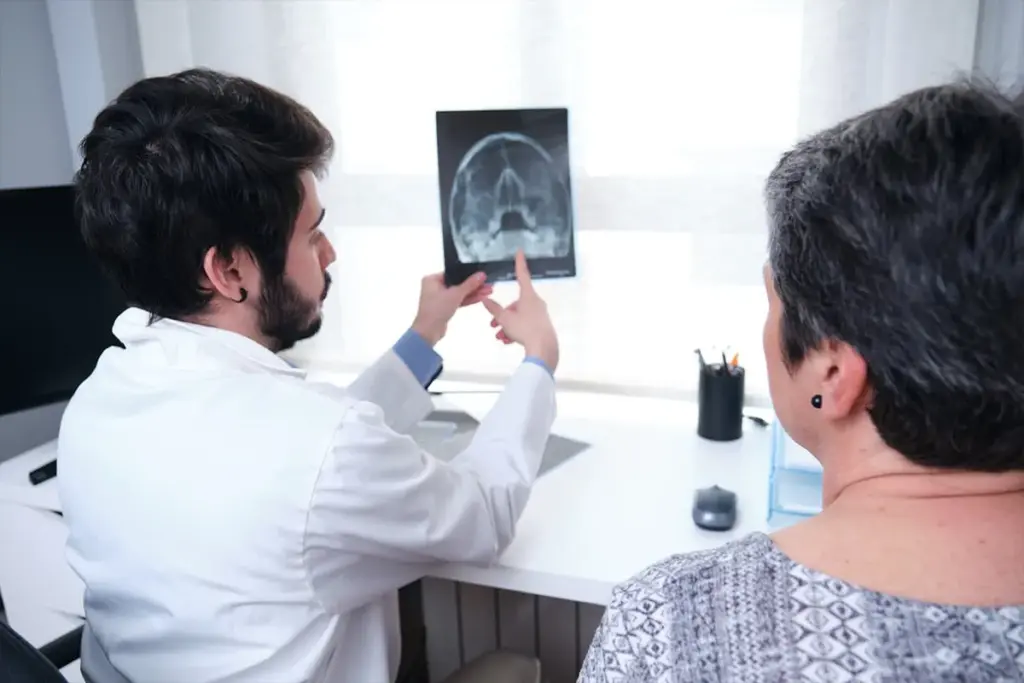
Laser treatments have changed modern medicine a lot. They provide precise and less invasive ways to treat many vascular conditions. We will look at the different laser treatments for vascular procedures and how they work with human tissue.
Types of Laser Treatments Used in Vascular Procedures
There are many laser treatments for vascular procedures. Each one is for a specific condition. Here are a few examples:
- Endovenous Laser Ablation (EVLA): This method treats varicose veins by heating them up with a laser to close them off.
- Laser-induced thrombolysis: It uses laser energy to break down blood clots.
- Cutaneous vascular lesion treatment: Lasers help remove or reduce visible vascular lesions on the skin.
Doctors choose the right treatment based on the patient’s condition and how severe the issue is.
How Laser Technology Interacts with Human Tissue
Laser technology works in complex ways with human tissue. It depends on the laser type and the condition being treated. The main way it works is by turning laser energy into heat.
- This heat can coagulate blood in a specific area, effectively closing off a vein.
- It can also break down blood clots, making it easier to remove them.
- Lastly, it can reduce the look of vascular lesions by targeting the area.
Laser treatments are precise, which means they cause less damage to nearby tissue. This reduces the chance of complications. A study in Nature shows that lasers can have big thermal effects on blood vessels. Knowing this is key to getting the best results.
Understanding how lasers work with human tissue helps doctors tailor treatments better. This improves results and lowers risks for patients.
The Relationship Between Laser Treatments and Blood Clotting
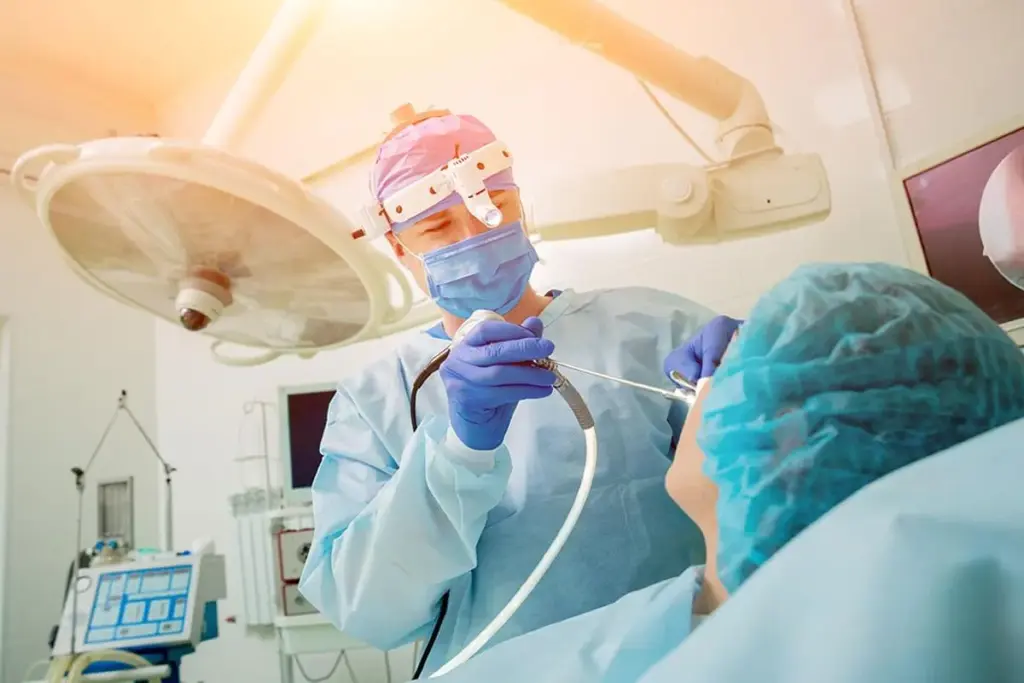
Laser treatments are getting better, but we need to know how they affect blood clotting. This is important for keeping patients safe. We look at the latest research on how lasers and blood clotting interact.
Scientific Research on Laser Therapy and Coagulation
Studies have looked into how laser therapy affects blood clotting. They found that different lasers and treatment methods can have different effects. Laser-induced coagulation happens when laser heat makes blood proteins change and clot.
The laser’s wavelength and intensity, and how long it’s used, matter a lot. For example, lasers with longer wavelengths go deeper into tissue. This can affect bigger blood vessels and increase clotting risk.
|
Laser Type |
Wavelength (nm) |
Effect on Blood Clotting |
|---|---|---|
|
Nd:YAG |
1064 |
Deep penetration, higher risk of clotting |
|
Diode |
800-980 |
Moderate penetration, moderate risk |
|
Alexandrite |
755 |
Less penetration, lower risk |
Thermal Effects of Lasers on Blood Vessels
The heat from lasers on blood vessels is key to understanding their impact on clotting. When laser energy hits a blood vessel, it warms the blood and the vessel wall. This can cause damage and lead to clotting.
How much damage happens depends on the laser’s power, how long it’s used, and cooling methods. Good cooling can help reduce thermal damage and clotting risk.
In conclusion, laser treatments can be very helpful for many health issues. But, we must think carefully about their effects on blood clotting. By studying laser therapy and coagulation, and the heat lasers cause in blood vessels, doctors can manage these risks better.
Vein Ablation Procedures: An Overview
Vein ablation procedures are a key treatment for varicose veins. They are less invasive than traditional surgery. These methods use heat to close off veins, easing symptoms.
We use different vein ablation techniques, each with its own benefits and considerations. It’s important for doctors and patients to understand these differences to choose the best treatment.
Endovenous Laser Ablation (EVLA) Explained
Endovenous Laser Ablation (EVLA) is a common method for treating varicose veins. A laser fiber is inserted into the vein under ultrasound. The laser heats the vein wall, causing it to close.
Key benefits of EVLA include:
- It’s minimally invasive, which means less recovery time
- It has a high success rate in closing veins
- It can treat large veins well
Radiofrequency Ablation and Other Techniques
Radiofrequency ablation (RFA) is another common vein ablation method. It uses radiofrequency waves to heat the vein, similar to EVLA.
Other techniques include:
- Sclerotherapy, where a solution is injected to close the vein
- Mechanochemical ablation, which combines mechanical damage with a sclerosing agent
Each technique has its own uses, benefits, and risks. The right procedure depends on the vein’s size, location, and the patient’s health.
Knowing about the different vein ablation procedures helps patients make informed choices. It’s vital to talk to a healthcare professional to find the best option for you.
Common Misconceptions About Laser Treatments and Blood Clots
Many people think laser treatments and blood clots are closely linked, causing worry. As medical experts, we face many myths that we must clear up. This helps patients feel more at ease.
Separating Fact from Fiction
One big myth is that laser treatments cause blood clots. But, studies show lasers are safe when used right. For example, endovenous laser ablation (EVLA) for varicose veins is safe, with few cases of deep vein thrombosis (DVT).
Another myth is lasers are too hot and unsafe. But, today’s lasers are made to control heat well. This keeps the area around safe and lowers clot risk.
What Current Medical Literature Indicates
Recent studies have shed light on laser treatments and blood clots. They show blood clot risks are low if safety steps are followed.
|
Study |
Procedure |
Incidence of Blood Clots |
|---|---|---|
|
Journal of Vascular Surgery, 2020 |
EVLA |
1.2% |
|
Lasers in Medical Science, 2019 |
Laser Ablation |
0.8% |
|
European Journal of Vascular and Endovascular Surgery, 2018 |
Endovenous Laser Therapy |
1.5% |
These studies highlight the need to follow safety guidelines closely. As healthcare workers, keeping up with new research is key. This ensures our patients get the best care.
By knowing the truth and debunking myths, we can help our patients. This way, they can make informed choices about their health.
Signs of Blood Clot After Vein Ablation: What to Watch For
After vein ablation, it’s key to know the signs of blood clots. This is because clots can be a complication. It’s important to watch for these signs to get help quickly.
Early Warning Symptoms
Spotting blood clots early can help a lot. Look out for these signs:
- Swelling in the affected leg
- Pain or tenderness, specially when standing or walking
- Warmth or redness in the affected area
- A feeling of heaviness or discomfort
These symptoms can be different in how bad they are. They might not show up right away. So, it’s important to watch closely and tell your doctor if you notice anything odd.
When to Seek Immediate Medical Attention
If you see any of these serious symptoms, get help right away:
- Severe pain or swelling
- Shortness of breath or trouble breathing
- Chest pain or a fast heart rate
- Confusion or trouble speaking
These could mean a serious problem, like a pulmonary embolism. It’s very important to know these signs and act fast. This keeps you safe and healthy.
Deep Vein Thrombosis (DVT) and Vein Ablation
Deep vein thrombosis (DVT) is a big worry in vascular procedures like vein ablation. We need to know how laser treatments affect blood clotting. It’s key to understand the risks of vein ablation and how they link to DVT.
Understanding DVT Risk in Vascular Procedures
DVT happens when a blood clot forms in deep veins, usually in the legs. Vein ablation is mostly safe but can raise DVT risk because of the laser or radiofrequency’s heat on the vein wall. Looking at patient-specific factors like clotting history, mobility, and varicose veins is important.
We check these factors to see who might get DVT after vein ablation. This helps us take steps to prevent it, based on each person’s risk.
DVT Prevention Strategies in Clinical Practice
Stopping DVT involves many steps, starting with finding out who’s at higher risk. Using compression stockings, moving around early after the procedure, and sometimes anticoagulant meds are part of it. The right steps depend on the patient’s health, the procedure details, and other risk factors.
We think about how long the procedure takes, the vein’s length, and the patient’s activity after it. A detailed plan can lower DVT risk in vein ablation patients a lot.
Knowing the risks and using good prevention methods makes vein ablation safe and effective for varicose veins.
Risk Factors for Developing Blood Clots Following Vascular Procedures
Knowing the risks for blood clots after vascular treatments is key to better patient care. Vascular procedures, like vein ablation, are usually safe. But, they can lead to blood clots as a complication. It’s important for doctors and patients to understand these risks.
Pre-existing Conditions That Increase Risk
Some health issues can make blood clots more likely after vascular procedures. These include deep vein thrombosis (DVT) and varicose veins. Also, conditions that affect blood clotting, like thrombophilia, raise the risk. People with heart disease, diabetes, or obesity are at higher risk too. It’s vital to check these conditions before starting vascular treatments.
Procedural Factors That May Contribute to Clotting
The type of vascular procedure can also affect clotting risk. The type of anesthesia used, the duration of the procedure, and the technique employed matter. For example, procedures that damage tissue a lot or require you to stay very long in one position may increase clotting risk. Knowing these procedural factors helps reduce risks.
Varicose Veins and Blood Clots: Understanding the Connection
It’s important to know how varicose veins and blood clots are connected. Varicose veins are enlarged, twisted veins in the legs. They are a common condition.
Varicose veins happen when the veins’ valves don’t work right. These valves stop blood from flowing backward. Without them working, blood pools, making veins stretch and become varicose.
How Varicose Veins Develop
Varicose veins develop from a mix of genetics, hormones, and lifestyle. Genetic predisposition is a big factor. If your family has varicose veins, you’re more likely to get them too.
- Prolonged standing or sitting
- Obesity
- Pregnancy
- Aging
These factors put more pressure on veins. This can cause valve problems and lead to varicose veins.
Can Varicose Veins Lead to Blood Clots?
Varicose veins themselves are not usually dangerous. But, they can increase the risk of blood clots. This risk is higher for those with severe varicose veins or other health issues.
|
Risk Factor |
Description |
Impact on Blood Clot Risk |
|---|---|---|
|
Severe Varicose Veins |
Large, prominent varicose veins |
Increased risk due to blood pooling |
|
Previous History of Blood Clots |
Individuals who have had blood clots in the past |
Higher risk of recurrent clots |
|
Immobility |
Prolonged periods of inactivity |
Increased risk due to poor circulation |
Knowing these risk factors helps manage and lower blood clot risk in people with varicose veins.
Patient Experiences: Case Studies and Outcomes
Exploring patient experiences with vein ablation gives us insight into its success. This procedure treats varicose veins and has been studied and shared by many. These stories help us understand the treatment’s effects and possible side effects.
Successful Vein Ablation Stories
Many patients have seen great results from vein ablation. A study in the Journal of Vascular Surgery showed patients felt better and lived better lives after the treatment. Successful vein ablation stories often share common factors, like following care instructions and having the right expectations.
- Minimally invasive procedure with quick recovery time
- Significant reduction in varicose vein symptoms
- Improved cosmetic appearance
One patient said: “I was hesitant at first, but after the procedure, I was back on my feet within a day. The results have been amazing; my legs look and feel so much better.” Such stories highlight the benefits of vein ablation when done right.
Managing Complications: Patient Perspectives
Vein ablation is usually safe, but some may face complications. Understanding how to manage these complications is key for the best results. Patients who faced challenges after the treatment stress the importance of a supportive team and knowing the signs of complications.
“After my vein ablation, I experienced some bruising and swelling. My doctor reassured me that these were normal side effects and provided guidance on how to manage them. It was a relief to have such a supportive team,” said a patient in a follow-up interview.
Managing complications well involves:
- Monitoring for signs of deep vein thrombosis (DVT)
- Following post-procedure care instructions
- Maintaining open communication with healthcare providers
Sharing patient experiences and case studies helps us understand vein ablation better. Whether it’s a success story or managing complications, each tale adds to our knowledge of this treatment.
Diagnostic Approaches for Suspected Blood Clots
Diagnosing blood clots requires a mix of clinical checks and advanced tests. When a clot is thought of, doctors must quickly confirm it and start treatment.
Imaging Techniques Used to Detect Clots
Imaging is key in finding blood clots. The main imaging methods are:
- Ultrasound: This method uses sound waves to see blood vessels, spotting clots.
- Computed Tomography (CT) scans: CT scans show detailed body images, helping find clots in different spots.
- Magnetic Resonance Imaging (MRI): MRI uses magnetic fields for detailed body images, great for complex clot cases.
Laboratory Tests and Their Significance
Laboratory tests are vital in diagnosing blood clots. They check the patient’s condition and clot risk.
- D-dimer test: This blood test checks D-dimer levels, a sign of clot breakdown. High levels suggest a clot.
- Complete Blood Count (CBC): A CBC shows blood health, helping spot clotting issues.
- Coagulation studies: These tests look at clotting factors, helping find coagulation disorders.
By using clinical checks and these tests, doctors can accurately find blood clots. They then create a good treatment plan.
Treatment Options for Post-Ablation Blood Clots
Managing post-ablation blood clots needs a deep understanding of treatment options. When a blood clot forms after vein ablation, quick action is key. This helps avoid complications and ensures the best results.
Medication-Based Approaches
Medicine is a big part of treating post-ablation blood clots. Anticoagulant medications are often used to stop the clot from getting bigger. They also help prevent new clots from forming.
There are two main types of anticoagulants: oral and injectable. Oral anticoagulants, like warfarin, are taken by mouth and need regular blood tests. Injectable anticoagulants, such as heparin, are given by injection and used at the start because they work fast.
Interventional Procedures When Necessary
Sometimes, just medicine isn’t enough, and interventional procedures are needed. These are considered when the clot is big, causing a lot of symptoms, or when there’s a high risk of pulmonary embolism.
Thrombectomy is one such procedure, where the blood clot is surgically removed. This can be done through catheter-directed thrombectomy, where a catheter is used to remove or dissolve the clot.
Another method is catheter-directed thrombolysis, where a drug is given directly to the clot to break it down. These procedures are done by specialists in a hospital and need careful thought about the risks and benefits for each patient.
Innovative Applications of Laser Technology in Treating Blood Clots
Laser technology is changing how we treat blood clots. Lasers are now used in more medical procedures. Their role in managing blood clots is becoming more recognized.
Laser-induced heat is a promising method for removing clots. It uses laser energy to heat the clot, making it dissolve. Research shows this technique can effectively remove clots and restore blood flow.
Laser-Induced Heat for Clot Removal
The process of using laser-induced heat is complex. It involves applying laser energy to the clot to generate heat. This heat helps dissolve the clot. Studies in medical journals suggest it’s safe for surrounding tissues.
Laser-Ultrasound Combinations for Improved Thrombolysis
Combining laser technology with ultrasound is another innovative approach. This method uses the strengths of both to break down blood clots better. The mix of laser heat and ultrasound waves could make clot removal more effective.
Exploring laser technology for blood clot treatment shows great promise. These new methods could lead to better patient care. Ongoing research and trials are key to unlocking these treatments’ full benefits.
Preventive Measures to Reduce Blood Clot Risk After Vein Procedures
To prevent blood clots after vein ablation, we take a detailed approach. This includes steps before and after the procedure. Our goal is to lower the risks linked to vein treatments.
Pre-Procedure Preparations
Before vein ablation, several steps can help lower blood clot risk. These include:
- Medication management: We check your medications to see if they might increase clotting risk.
- Hydration: Drinking plenty of water is key, as dehydration can make blood thicker and more prone to clotting.
- Pre-procedure assessment: We do a thorough check to find any conditions that might affect clotting.
Post-Procedure Care and Activities
After vein ablation, the right care and activities are vital to prevent blood clots. Key steps include:
- Compression stockings: Wearing them as advised helps improve blood flow and lowers clot risk.
- Mobilization: Moving around early after the procedure helps blood flow better.
- Monitoring: We guide you on watching for signs of blood clots and when to get medical help right away.
Let’s look at some data on how post-procedure care affects outcomes:
|
Post-Procedure Care |
Blood Clot Incidence |
Complication Rate |
|---|---|---|
|
Compression Stockings |
2.5% |
1.8% |
|
Early Mobilization |
3.1% |
2.2% |
|
Standard Care |
5.0% |
3.5% |
By taking these preventive steps, patients can greatly lower their risk of blood clots after vein procedures. We are dedicated to giving full care and advice throughout the treatment.
Conclusion: Balancing Benefits and Risks of Laser Vein Treatments
Laser vein treatments have changed how we manage varicose veins and other vascular issues. They offer a less invasive option compared to traditional surgery. We’ve looked into the good and bad sides of laser treatments to give a full picture of this technology.
The good news about laser vein treatments is they help you recover faster, leave less scarring, and ease symptoms. But, like any medical treatment, there are risks. For example, there’s a chance of blood clots. We talked about the signs of blood clots after vein ablation and why getting medical help quickly is key.
To get the best results, weighing the pros and cons of laser vein treatments is essential. This means choosing the right patients, doing a detailed check before the treatment, and following care instructions after. Knowing the benefits and risks helps us make smart choices and give the best care to those getting laser vein treatments.
FAQ
Can varicose veins cause blood clots?
Varicose veins can raise the risk of blood clots, mainly in the legs. Not all varicose veins cause clots. But, poor blood flow and high vein pressure can lead to clotting.
What are the signs of a blood clot after vein ablation?
Signs of a blood clot include swelling and pain in the leg. You might also see warmth or redness. If you have trouble walking or feel short of breath, get help right away.
How can I reduce my risk of developing blood clots after vein procedures?
To lower your risk, follow your doctor’s care instructions after the procedure. Wear compression stockings and stay active. Also, adjust your medications and drink plenty of water before the procedure.
Are blood clots in varicose veins dangerous?
Yes, they are very dangerous. Blood clots can travel to the lungs and cause a life-threatening condition. If you think you have a clot, get medical help fast.
Can laser treatment cause deep vein thrombosis (DVT)?
Laser treatments, like vein ablation, can slightly increase the risk of DVT. But, the risk is low if you follow preventive steps. Your doctor will check your risk and take steps to lower it.
What are the treatment options for post-ablation blood clots?
Treatments for blood clots after vein ablation include medicines to stop the clot from growing. Sometimes, doctors remove the clot with a procedure. The best treatment depends on the clot’s size and your health.
How are blood clots diagnosed after vein ablation?
Doctors use ultrasound and blood tests like D-dimer assays to find blood clots after vein ablation. These tests help them see if you have a clot and how serious it is.
What is the connection between varicose veins and DVT?
Varicose veins can make you more likely to get DVT because of bad circulation and high vein pressure. While not all varicose veins cause DVT, it’s important to watch them to avoid problems.
Can I prevent blood clots after vein ablation?
Yes, you can lower your risk of blood clots after vein ablation. Follow your doctor’s care instructions, stay active, and take your medicines as told.
What are the risk factors for developing blood clots after vascular procedures?
Risk factors for blood clots after vascular procedures include clotting disorders and being immobile. Certain medicines and the type of procedure can also increase your risk.
National Center for Biotechnology Information. Evidence-Based Medical Insight. Retrieved from https://pubmed.ncbi.nlm.nih.gov/38677553/