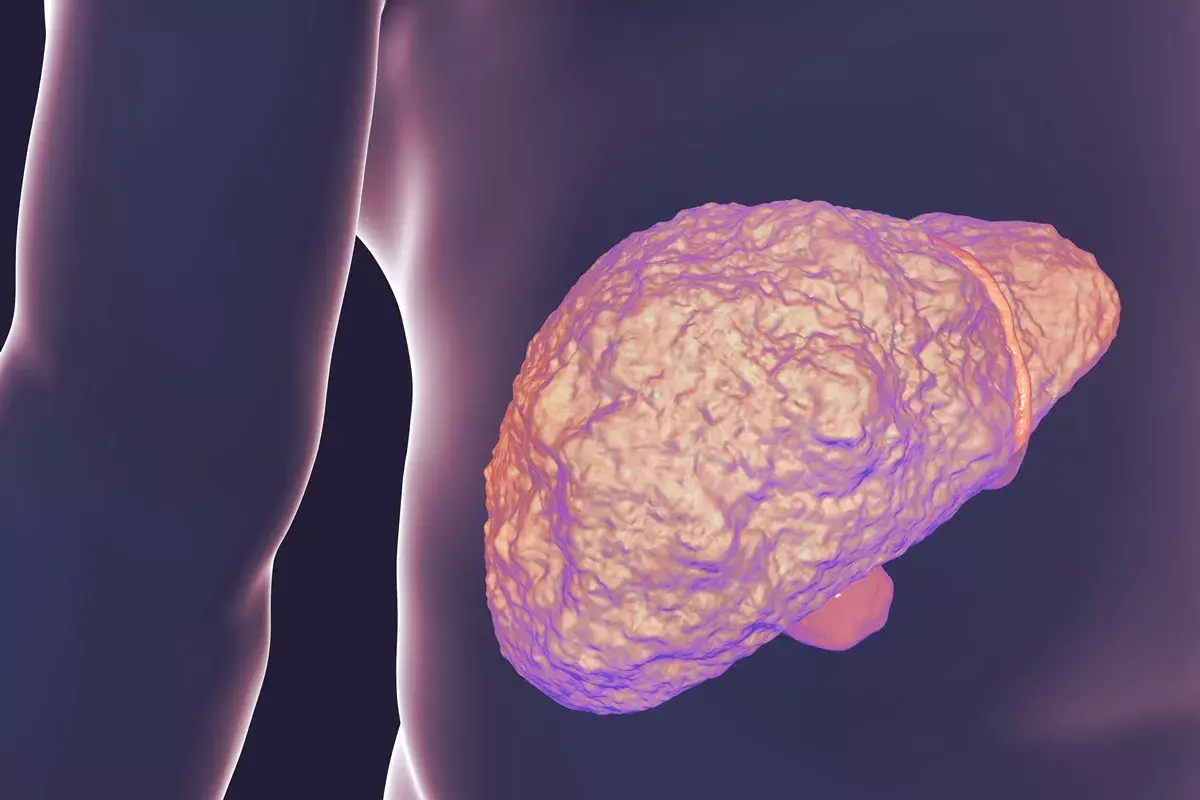

Crohn’s disease is a chronic inflammatory bowel condition that affects nearly 1 million Americans. It’s important to spot its symptoms early. This helps manage the condition better and improves life quality signs of crohn disease.
The symptoms can be subtle and gradual. This makes it hard to diagnose. They are often confused with other stomach issues, like norovirus or food poisoning. This makes diagnosis harder.
At Liv Hospital, we stress the need to know Crohn’s disease manifestations. Spotting warning signs early can greatly improve treatment results and care for patients.
Key Takeaways
- Early recognition of Crohn’s disease symptoms is vital for effective management.
- Crohn’s disease affects nearly 1 million Americans.
- Symptoms can be mistaken for other gastrointestinal issues.
- Understanding Crohn’s disease manifestations is key for timely medical care.
- Liv Hospital focuses on a patient-centered approach to healthcare.
Understanding Crohn’s Disease: A Growing Health Concern

It’s important to know about Crohn’s disease to catch it early and manage its symptoms. This can greatly improve life for those with it. Crohn’s is a inflammatory bowel disease (IBD) that makes the gut inflamed. This inflammation can cause symptoms like diarrhea, stomach pain, weight loss, and feeling tired.
What is Crohn’s Disease?
Crohn’s disease is known for its unpredictable nature. It has flare-ups and times when symptoms lessen. The exact cause is not known, but it’s thought to be due to genetics, an immune system issue, environment, and gut bacteria imbalance.
Prevalence in the United States
About 1 million Americans have Crohn’s disease. Almost 1 in 100 people in the U.S. have inflammatory bowel disease. It usually starts slowly between ages 15–30 or 40–60, but can start at any age. The number of people with Crohn’s disease has been going up, making it a big health issue.
Who is at Risk?
Some things can make you more likely to get Crohn’s disease. These include:
- A family history of IBD
- Smoking
- Using nonsteroidal anti-inflammatory drugs (NSAIDs)
- Eating a lot of processed foods and not enough fiber
- Living in the city
Knowing about these risk factors and what Crohn’s disease is can help catch it early. Recognizing symptoms early can help get medical help sooner. This might make the disease less severe.
How Crohn’s Disease Affects Your Body


It’s important to know how Crohn’s disease affects the body to manage its symptoms well. This chronic condition causes inflammation in the digestive tract. It affects people differently.
The Inflammatory Process
The inflammatory process in Crohn’s disease happens when the immune system attacks healthy gut bacteria. This leads to inflammation. The inflammation damages the digestive tract’s lining, causing symptoms like abdominal pain, diarrhea, and weight loss.
It can also cause complications like a narrowed intestine, fistulas, and abscesses. Knowing this process helps manage the disease.
Areas Commonly Affected
Crohn’s disease can hit any part of the digestive tract. But it often affects the lower small intestine, the ileum, and the colon’s start. The areas affected vary, which changes the symptoms people experience.
The disease is classified by where the inflammation is:
- Ileal Crohn’s disease: Affects the ileum.
- Colonic Crohn’s disease: Affects the colon.
- Ileocolonic Crohn’s disease: Affects both the ileum and the colon.
The Cyclical Nature of Flares and Remissions
Crohn’s disease has active periods called flares and calm periods called remissions. During flares, symptoms are worse. In remissions, symptoms lessen or go away.
This cycle means symptoms can change over time. Patients and doctors need to keep adjusting treatment plans.
Understanding the inflammation, affected areas, and flares and remissions helps manage Crohn’s disease better.
Primary Signs of Crohn’s Disease to Watch For
There are key signs of Crohn’s disease to look out for. These signs are important for getting medical help early. Early treatment can improve life quality and manage the disease better.
Persistent Diarrhea
Persistent diarrhea is a major symptom of Crohn’s disease. It’s diarrhea that lasts more than a few days, often with stomach pain and cramps. The inflammation from Crohn’s disease can cause frequent and urgent bowel movements.
Abdominal Pain and Cramping
Abdominal pain and cramping are common in Crohn’s disease. The pain can be mild or severe and is often with cramps. This pain comes from inflammation in the digestive tract.
Unexplained Weight Loss
Unexplained weight loss is another key sign of Crohn’s disease. The chronic inflammation and symptoms like diarrhea and loss of appetite can cause significant weight loss. This weight loss can be a concern as it may lead to malnutrition and other complications.
Primary Sign | Description |
Persistent Diarrhea | Diarrhea lasting more than a few days, often with abdominal pain and cramping. |
Abdominal Pain and Cramping | Pain ranging from mild to severe, often with cramping due to digestive tract inflammation. |
Unexplained Weight Loss | Significant weight loss due to chronic inflammation, diarrhea, and loss of appetite. |
Digestive Symptoms That Shouldn’t Be Ignored
Digestive symptoms are a key sign of Crohn’s disease. Spotting them early is vital for managing the condition. These symptoms can really affect a person’s life and may cause serious problems if ignored. Let’s look at the main digestive symptoms that need attention.
Loss of Appetite
Many people with Crohn’s disease lose their appetite. This happens because the disease causes inflammation, making it hard to want to eat. Malnutrition is a big worry if appetite loss goes on, as it weakens the body’s defenses.
To tackle loss of appetite, eating small, frequent meals that are full of nutrients is key. Talking to a healthcare provider or nutritionist can help create a meal plan that fits your needs.
Nausea and Vomiting
Nausea and vomiting are common signs of Crohn’s disease. They can make a person feel really unwell. These symptoms can be caused by food, medicine, or the disease itself. If they keep happening, it can lead to dehydration and imbalances in electrolytes, which need quick medical help.
Staying hydrated is very important when you’re feeling nauseous or vomiting. Drinking clear fluids like broth or electrolyte-rich drinks can help replace lost fluids. Sometimes, doctors may prescribe anti-nausea medication to help manage these symptoms.
Rectal Bleeding and Blood in Stool
Seeing blood in your stool or rectal bleeding is a serious sign that needs quick medical check-up. These signs can mean there’s inflammation or ulcers in your gut. The blood can range from a little bit of bright red to a lot of dark, tarry stools.
If you see blood in your stool or have rectal bleeding, it’s very important to get medical help right away. Your doctor might do tests like endoscopy or imaging to find out why you’re bleeding and how to treat it.
Knowing and spotting these digestive symptoms early can help people with Crohn’s disease work better with their doctors. This way, they can manage their condition and improve their life quality.
Systemic Signs of Crohn’s Disease
Crohn’s disease is more than just a gut issue. It can affect the whole body, causing a variety of symptoms. These symptoms can greatly reduce a person’s quality of life.
Persistent Fatigue
Persistent fatigue is a common sign of Crohn’s disease, affecting about 86.4% of patients. It’s not just feeling tired. It’s a deep exhaustion that makes everyday tasks hard and doesn’t go away with rest. The ongoing inflammation from Crohn’s disease causes this feeling of being drained.
Recurring Fever
Recurring fever is another sign of Crohn’s disease. It happens because the body’s inflammation response is triggered by the disease. If you keep getting fevers, it might mean the disease is active and causing problems.
Delayed Growth in Children
In kids, Crohn’s disease can cause delayed growth and development. The chronic inflammation and poor nutrient absorption can slow down growth. This can lead to issues like delayed puberty or being shorter than expected if not treated.
It’s important for both patients and doctors to understand these signs. Knowing how Crohn’s disease affects the body helps in providing better care. This can lead to better outcomes for those dealing with the disease.
Extra-Intestinal Manifestations
Crohn’s disease affects more than just the intestines. It impacts other body systems too. This means that Crohn’s disease symptoms can show up in different parts of the body. These extra-intestinal manifestations can really affect a person’s quality of life.
Joint Pain and Arthritis
Joint pain and arthritis are common in people with Crohn’s disease. This pain can be mild or very severe. It can happen in many different joints in the body.
The inflammation that damages the GI tract can also harm the joints. This can lead to conditions like peripheral arthritis and ankylosing spondylitis.
Types of Arthritis Associated with Crohn’s Disease:
- Peripheral arthritis
- Ankylosing spondylitis
- Axial arthritis
Eye Inflammation
Crohn’s disease can cause eye inflammation, which is serious. This inflammation, or uveitis, can make your eyes hurt, blur your vision, and be sensitive to light. If not treated, it can cause permanent vision loss.
Symptoms of Eye Inflammation:
- Eye pain
- Blurred vision
- Sensitivity to light
- Redness of the eye
Skin Problems Related to Crohn’s
Skin issues are another sign of Crohn’s disease. These can include conditions like erythema nodosum and pyoderma gangrenosum. These skin problems can be painful and may leave scars if not treated right.
Skin Condition | Description |
Erythema Nodosum | Painful red nodules, typically on the legs |
Pyoderma Gangrenosum | Ulcerative lesions that can appear anywhere on the body |
It’s important to understand these extra-intestinal manifestations to manage Crohn’s disease well. By knowing the full impact of the disease, doctors can provide better care. This can greatly improve a patient’s overall health and well-being.
How Symptoms Vary by Disease Location
The location of Crohn’s disease in the gut affects symptoms. Knowing these differences helps doctors diagnose and treat better.
Ileal Crohn’s Disease
Ileal Crohn’s disease is in the ileum, the small intestine’s end. Symptoms include abdominal pain and cramping in the lower right. It can also cause diarrhea and sometimes block the intestine.
Colonic Crohn’s Disease
Colonic Crohn’s disease is in the colon. It can cause bloody stools, urgent diarrhea, and abdominal pain. Patients might also feel fatigue and weight loss.
Ileocolonic Crohn’s Disease
Ileocolonic Crohn’s disease affects both the ileum and colon. Symptoms mix those of ileal and colonic Crohn’s. This includes diarrhea, abdominal pain, and weight loss.
Upper Gastrointestinal Crohn’s Disease
Upper gastrointestinal Crohn’s disease is in the mouth, esophagus, stomach, and duodenum. Symptoms are nausea, vomiting, and abdominal pain. Some may have difficulty swallowing or pain while eating.
Knowing the symptoms by location is key for treatment. It helps doctors manage the disease better. This improves patients’ lives.
When to Seek Medical Attention
Crohn’s disease needs quick medical check-ups if symptoms get worse or happen more often. Knowing the warning signs for urgent care is key.
Warning Signs That Require Immediate Care
Some symptoms mean you need to see a doctor right away. These include:
- Severe abdominal pain that doesn’t go away
- Vomiting blood or constant nausea and vomiting
- Severe diarrhea lasting more than a few days
- Rectal bleeding or blood in your stool
- High fever over 101.5°F (38.6°C)
If you have any of these symptoms, get medical help fast.
Preparing for Your Doctor’s Appointment
Before your visit, consider the following:
- Write down your symptoms, when they started, and how often they happen
- Keep a list of any medicines you’re taking
- Think of questions to ask your doctor
- Bring any important medical records or test results
Being ready will make your appointment more productive.
Diagnostic Tests You May Undergo
Your doctor might order several tests to diagnose Crohn’s disease or see how severe it is. These include:
- Endoscopy to look inside your digestive tract
- Colonoscopy to check the colon
- Imaging tests like X-rays, CT scans, or MRI scans to see your digestive tract
- Blood tests to check for inflammation or infection signs
These tests help your doctor understand the disease and plan your treatment.
Knowing when to get medical help is vital for managing Crohn’s disease. Being aware of warning signs and preparing for your doctor’s visit ensures you get the care you need.
Conclusion: Living Well Despite Crohn’s Disease
Crohn’s disease is a long-term condition, but there are ways to manage it. Understanding the disease and its symptoms is key. This knowledge helps people take steps to improve their life quality.
Managing Crohn’s disease means using a mix of treatments and lifestyle changes. This approach helps people live active lives. It also reduces the impact of symptoms and side effects.
Working with healthcare providers is essential for managing Crohn’s disease. They help create a treatment plan that fits each person. This plan might include medicines, lifestyle changes, and regular check-ups.
With the right care, people with Crohn’s disease can live happy lives. Staying informed and proactive helps them face the challenges of Crohn’s. This way, they can keep their overall well-being in check.
FAQ:
What are the common signs of Crohn’s disease?
Signs include persistent diarrhea and abdominal pain. You might also lose weight without trying. Other symptoms are loss of appetite, nausea, vomiting, and rectal bleeding.
How does Crohn’s disease affect the body?
It causes inflammation in the digestive tract. This leads to symptoms like abdominal pain and diarrhea. It can also cause systemic symptoms like fatigue and fever.
What are the extra-intestinal manifestations of Crohn’s disease?
Extra-intestinal manifestations include joint pain and eye inflammation. Skin problems can also occur. These symptoms happen outside the digestive tract and can be very debilitating.
How do symptoms vary depending on the location of Crohn’s disease?
Symptoms vary based on where the disease is in the digestive tract. For example, ileal Crohn’s disease may cause different symptoms than colonic Crohn’s disease.
When should I seek medical attention for Crohn’s disease?
Seek medical attention for severe symptoms like severe abdominal pain or vomiting blood. Also, seek help if you have fever, fatigue, or weight loss.
What diagnostic tests may I undergo to diagnose Crohn’s disease?
Tests may include endoscopy, colonoscopy, and CT scans. MRI scans and blood tests may also be used. These tests help doctors diagnose Crohn’s disease and rule out other conditions.
Can Crohn’s disease be managed effectively?
Yes, it can be managed with proper treatment and lifestyle changes. Treatment options include medications, surgery, and dietary changes.
What are the clinical manifestations of Crohn’s disease?
Symptoms include diarrhea, abdominal pain, and weight loss. Extra-intestinal symptoms like joint pain and eye inflammation also occur.
How can I prepare for my doctor’s appointment for Crohn’s disease?
Make a list of your symptoms, medical history, and questions. Discuss your symptoms, including when they started and how they’ve changed over time.
What are the signs of Crohn’s disease in adults?
Signs include persistent diarrhea, abdominal pain, and unexplained weight loss. Systemic symptoms like fatigue and fever also occur.
What are the symptoms of Crohn’s disease in women?
Symptoms in women are similar to those in men. They include diarrhea, abdominal pain, and weight loss. Extra-intestinal symptoms like joint pain and eye inflammation also occur.
References:
Government Health Resource. Evidence-Based Medical Guidance. Retrieved from https://www.gastroenterologyadvisor.com/factsheets/ibd-statistics/