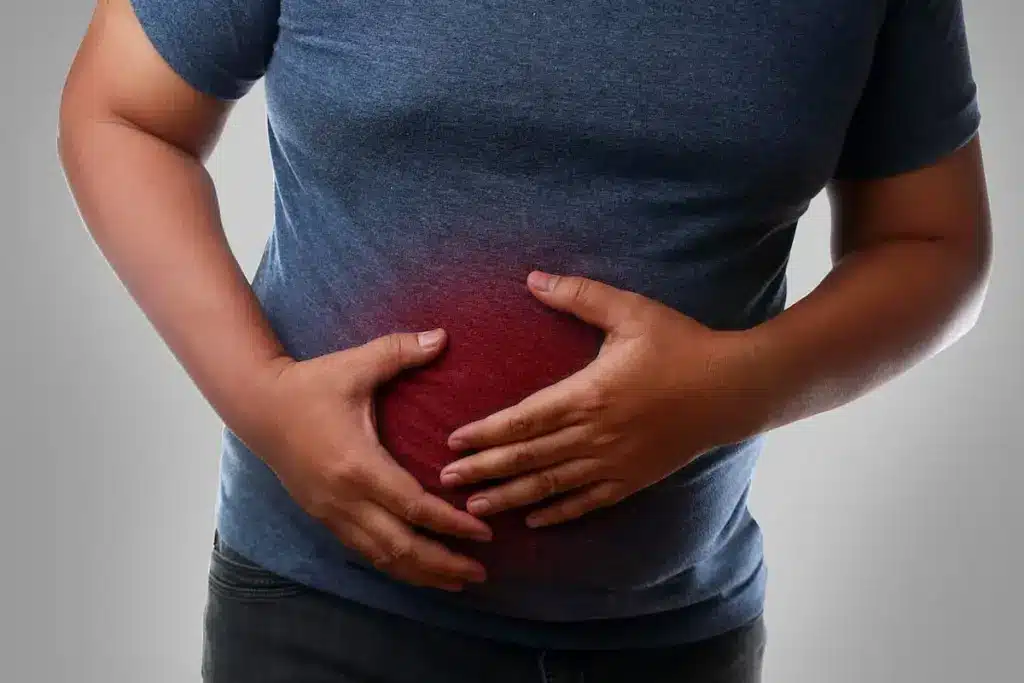
A “bad liver belly” is a sign of serious liver disease. It shows as a big, swollen belly. This happens when fluid builds up in the body, called ascites.
We offer top-notch care to patients from around the world. A swollen belly from ascites often comes with other liver issues symptoms. These include jaundice and feeling very tired.
Spotting the signs of liver damage early is crucial for better health outcomes. This can lead to better health outcomes. In this article, we’ll look at the symptoms of liver problems. We’ll focus on what a bad liver belly looks like and what it means for your liver health.
Key Takeaways
- Ascites is a condition where fluid builds up in the belly, often linked to serious liver disease.
- A swollen belly can be a sign of liver health problems.
- Spotting liver problem symptoms early is key to effective treatment.
- Liver issues symptoms include jaundice, tiredness, and abnormal liver function tests.
- Knowing the signs of liver damage helps in getting medical help on time.
The Connection Between Liver Disease and Abdominal Distension
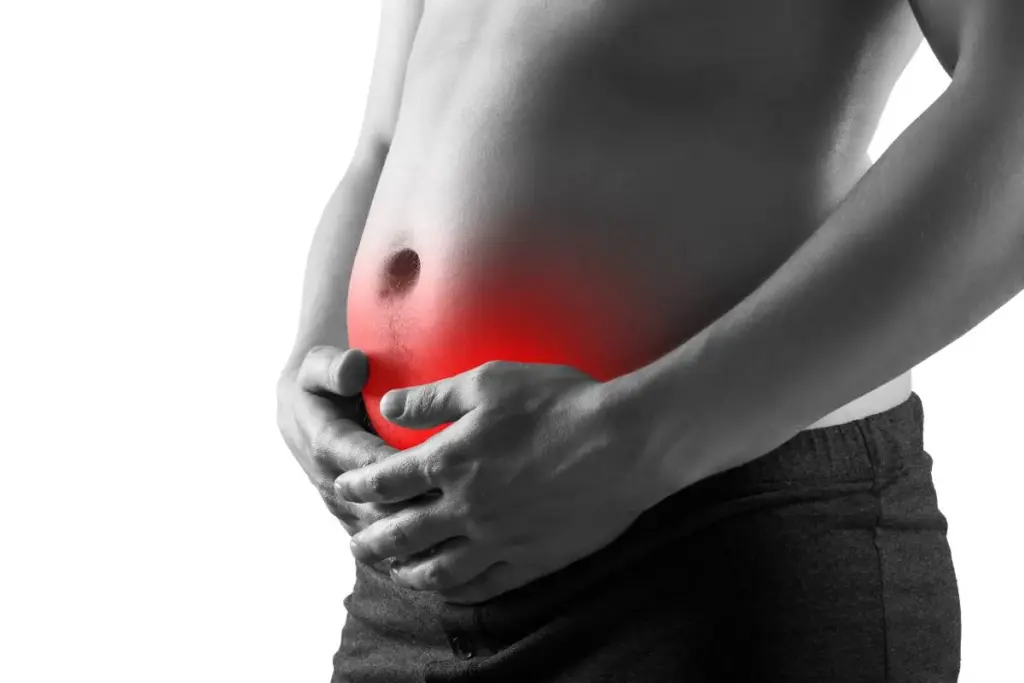
Advanced liver disease often shows as a swollen belly. This swelling, called ascites, happens when liver disease gets worse. It’s known as a “liver belly.”
We’ll look at why this happens and the medical terms for it. Knowing how liver disease and belly swelling are linked is key to spotting serious liver issues.
What Causes a “Liver Belly”
A “liver belly” comes from ascites, fluid buildup in the belly. This usually happens in cirrhosis, a severe liver disease with scarring. Cirrhosis raises pressure in the portal vein, causing fluid to leak into the belly.
Ascites is a big sign of serious liver disease. Early liver disease might just make you feel bloated. But as ascites gets worse, the belly can swell a lot.
Ascites: The Medical Term for Liver Belly
Ascites is the medical term for fluid buildup in the belly, causing it to swell. It’s a common problem in cirrhosis and other severe liver diseases. Finding ascites means liver disease is getting very bad and needs quick doctor help.
Knowing about ascites and its causes is key to handling liver disease well. We’ll explore how to diagnose and treat ascites next.
Early Visual Signs of Liver Damage
The early signs of liver damage can be hard to spot. They often show up as mild and vague symptoms. Knowing the small changes in your body can help catch problems early.
Subtle Changes in Abdominal Appearance
One early sign is a change in how your belly looks. You might feel bloated or full, which can seem like other minor issues. It’s key to watch for any lasting or odd changes in your belly.
Some people see their belly swell or feel tight. This could mean fluid is building up, a sign of liver trouble. This fluid, called ascites, happens when the liver can’t work right, causing fluid to gather in the belly.
Weight Distribution Changes
Liver damage can also affect how you weigh. You might gain weight, mostly in your belly, because of fluid. This can make your belly feel tight or uncomfortable.
- Unexplained weight gain
- Fluid retention
- Abdominal discomfort
Early Bloating and Fullness
Feeling bloated or full early on is another sign. This happens because the liver can’t detoxify blood or help with digestion. So, you might feel full after eating or have ongoing bloating.
It’s important to tell normal belly issues from signs of liver trouble. Watching how long and how bad these symptoms are can help spot liver problems early.
Advanced Liver Belly: Visual Characteristics
Liver disease can make the belly very big, a condition called ascites. As the liver gets worse, fluid builds up in the belly. This makes the belly swell a lot.
Pronounced Abdominal Distension
One big sign of liver disease is a very big belly. It can look like a pregnant belly. This is not just about looks; it’s a sign of a serious problem.
The “Pot Belly” Appearance
People with a lot of ascites often get called “pot belly.” This swelling makes it hard to move around. But, doctors can help manage this with treatment.
Visible Surface Changes on the Abdomen
As the belly gets even bigger, you can see changes. The skin stretches, veins show, and the belly wall changes. These signs show how bad the liver problem is.
|
Visual Characteristics |
Description |
Clinical Implication |
|---|---|---|
|
Pronounced Abdominal Distension |
Significant swelling of the abdomen |
Indicates advanced liver disease and ascites |
|
“Pot Belly” Appearance |
Marked enlargement resembling a “pot belly” |
Suggests significant fluid accumulation |
|
Visible Surface Changes |
Stretched skin, visible veins |
Reflects the severity of liver damage |
Knowing these signs is key to spotting liver disease early. If you see these signs, see a doctor right away.
Physical Characteristics of Liver Belly
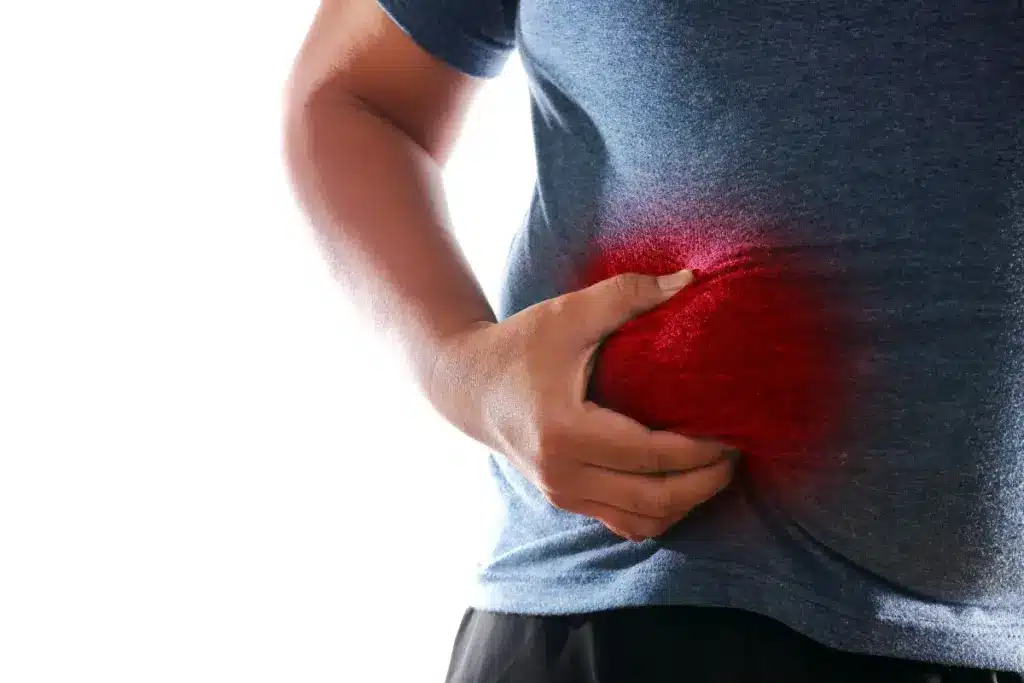
A ‘liver belly,’ also known as ascites, is when fluid builds up in the belly. It’s often linked to serious liver disease. This can cause a lot of discomfort and change how the belly looks.
How Ascites Feels to the Patient
People with ascites say their belly feels heavy or tight. This feeling can get worse as more fluid builds up. Their belly might look swollen, and they might feel full even after eating a little.
Changes in Abdominal Tension
Fluid buildup in the belly increases tension. This tension can be uncomfortable. It might also press on the diaphragm, making it hard to breathe deeply.
Weight Fluctuations and Distribution
Ascites can cause quick weight gain from fluid buildup. This weight gain is often fast and can make legs swell, known as edema. The weight can shift, with more of it in the belly.
|
Symptom |
Description |
|---|---|
|
Abdominal Distension |
Visible swelling of the abdomen due to fluid buildup |
|
Feeling of Heaviness |
Sensation of weight or pressure in the abdominal area |
|
Weight Gain |
Rapid increase in body weight due to fluid accumulation |
|
Edema |
Swelling in the legs and potentially other parts of the body |
It’s key for both patients and doctors to know about these signs. Spotting ascites and its symptoms early can help get the right treatment. This can make a big difference in how well a patient does.
Recognizing Signs of Liver Damage Beyond the Belly
There are signs of liver damage that go beyond a “liver belly.” Abdominal distension is a big sign of advanced liver disease. But, other symptoms can show liver damage before it gets worse.
Jaundice and Skin Discoloration
J jaundice is a clear sign of liver trouble. It makes the skin and eyes turn yellow. This happens when the liver can’t process bilirubin well. If you see this, you should get medical help right away.
Changes in Urine and Stool Appearance
Liver disease can change how urine and stool look. Dark urine means the liver might not be working right. Stools might look pale or clay-colored because of a lack of bile salts. These small changes are important for checking liver health.
Peripheral Edema and Swelling
Peripheral edema is swelling in the legs and ankles. It’s a sign of fluid buildup, common in severe liver disease. This swelling can be painful and might mean you need to see a doctor.
Spotting these signs early is key to managing liver disease. If you notice any of these symptoms, see a healthcare professional. They can help figure out what’s wrong and how to treat it.
Distinguishing Liver Belly from Other Conditions
It’s important to tell the difference between ascites and other causes of belly swelling. Ascites is linked to liver disease and causes fluid to build up in the belly. But, other issues can also make the belly look swollen, so it’s key to figure out what’s causing it.
Obesity vs. Ascites: Key Differences
Ascites is often mixed up with obesity. Both can make the belly bigger, but they have different reasons and signs. Obesity means more body fat, while ascites is about fluid in the belly.
Doctors look for certain signs to tell them apart. Ascites makes the belly swell more and can hurt when touched. Obesity spreads fat more evenly. Also, people with ascites might have other liver disease symptoms like jaundice or swelling in their legs.
Other Medical Causes of Abdominal Distension
Many other health problems can also make the belly swell. For women, this can include ovarian cysts or uterine fibroids. Gastrointestinal issues like IBS or IBD can also cause swelling.
Some cancers, like ovarian or pancreatic cancer, can make fluid build up in the belly, just like ascites. Heart failure can also cause fluid to gather, leading to belly swelling. Knowing these causes helps doctors find the right treatment.
In short, understanding the reasons behind belly swelling is key. By knowing the differences between ascites and other conditions, doctors can create better treatment plans for each patient.
The Progression of Liver Disease to Visible Ascites
It’s important to know how liver disease turns into visible ascites. This change happens in stages, from early liver damage to advanced cirrhosis.
Early, Middle, and Late Stages
Ascites is a big sign of liver disease getting worse, often showing advanced cirrhosis. Early stages might not show symptoms, but as it gets to the middle stages, people may feel tired, lose weight, and have belly pain.
In the late stages, the liver gets very scarred, leading to cirrhosis and possibly ascites. About 50% of those with cirrhosis get ascites within 10 years after being diagnosed. This shows how key it is to watch and care for liver health.
Timeline and Development Patterns
How fast someone gets ascites can differ a lot. Things that affect this include the liver disease cause, other health issues, and treatment success.
Research says ascites means cirrhosis has gotten worse, which is a serious sign. Regular monitoring and timely intervention are key to managing liver disease. They can help slow or stop ascites from happening.
Knowing how liver disease leads to visible ascites helps doctors give better care. This improves patients’ lives and outcomes.
Common Causes of Liver Damage Leading to Ascites
Liver damage can lead to ascites from many factors, like lifestyle choices and medical conditions. Ascites is fluid buildup in the belly, showing advanced liver damage.
Alcoholic Liver Disease
Alcohol abuse is a big reason for liver damage and ascites. Drinking too much alcohol can cause liver inflammation and scarring. This can lead to cirrhosis, as liver disease experts say.
Chronic alcohol use can damage the liver beyond repair. Alcoholic liver disease ranges from fatty liver to cirrhosis. Stopping alcohol use can slow disease progression, but severe cases need medical help.
Non-Alcoholic Fatty Liver Disease
Non-alcoholic fatty liver disease (NAFLD) is another common cause of liver damage. It’s linked to obesity, insulin resistance, and metabolic syndrome. NAFLD can turn into NASH, a more serious liver inflammation, leading to cirrhosis.
Key factors contributing to NAFLD include:
- Obesity
- Insulin resistance
- Dyslipidemia
- Hypertension
Changing lifestyle, like losing weight and exercising, is key in managing NAFLD. It helps prevent severe liver damage.
Viral Hepatitis and Other Causes
Viral hepatitis, like hepatitis B and C, can cause liver inflammation and damage. This can lead to cirrhosis and ascites. Other causes include autoimmune hepatitis, genetic disorders, and certain medications or toxins.
Knowing the causes of liver damage is vital for effective treatment. Healthcare providers can prevent further damage and manage ascites by addressing the root cause.
Complications Associated with Liver Belly
A liver belly, also known as ascites, is a serious condition. It can lead to big problems if not treated right. Ascites often means liver disease has gotten worse, and it’s a sign to see a doctor fast.
Spontaneous Bacterial Peritonitis
Spontaneous bacterial peritonitis (SBP) is a big risk with ascites. It’s a serious infection in the fluid around the liver. We need to watch for signs like pain, fever, and confusion because quick treatment is key.
Risk Factors for SBP:
- Advanced liver disease
- Previous episodes of SBP
- Low protein levels in ascitic fluid
Respiratory Difficulties
Ascites can make breathing hard because of the extra pressure on the diaphragm. This can cause shortness of breath and pain, worse when lying down. In bad cases, it might even lead to needing a machine to breathe.
|
Respiratory Complication |
Description |
|---|---|
|
Dyspnea |
Shortness of breath due to diaphragmatic pressure |
|
Orthopnea |
Breathing difficulty when lying down |
|
Respiratory Failure |
Severe breathing difficulty requiring mechanical ventilation |
Impact on Mobility and Daily Activities
Ascites makes it hard to move and do daily things. Even simple actions like walking or bending can be tough. This can cause muscle loss and lower health overall.
Managing ascites and its problems needs a full plan. This includes medical care, changes in lifestyle, and keeping an eye on things. By tackling the liver disease and managing ascites well, we can make life better for those with this condition.
Diagnosing a Bad Liver Belly
Diagnosing ascites, linked to liver disease, uses many tools. When someone has a “liver belly,” doctors must check carefully. They look for the cause and how much damage there is.
Physical Examination Techniques
A detailed physical exam is the first step. Doctors check for swelling, fluid wave, and dullness that shifts. These signs help figure out if there’s fluid and how much.
- Abdominal palpation to detect tenderness and fluid accumulation
- Checking for a fluid wave or shifting dullness to confirm ascites
- Assessing for other signs of liver disease, such as jaundice or spider angiomas
Imaging Studies for Ascites
Imaging studies are key to confirming ascites and checking liver health. Common ones are:
- Ultrasound: A non-invasive, first-line imaging technique for detecting ascites and assessing liver morphology.
- CT Scan: Provides detailed images of the liver and abdominal cavity, helping to identify the cause of ascites.
- MRI: Offers detailed liver imaging and can help in assessing liver fibrosis and cirrhosis.
Laboratory Tests for Liver Function
Laboratory tests are vital for understanding liver damage. Key tests include:
- Liver function tests (LFTs), such as ALT, AST, and alkaline phosphatase
- Serum albumin levels to assess liver synthetic function
- Coagulation studies to evaluate the liver’s role in blood clotting
- Complete blood count (CBC) to check for signs of infection or other complications
Doctors use physical exams, imaging, and lab tests together. This way, they can accurately diagnose a “bad liver belly” and plan the right treatment.
Treatment Approaches for Liver Belly
Managing ascites requires a mix of diet changes, medicines, and sometimes surgery. We’ll dive into these methods to see how they help.
Dietary Modifications and Sodium Restriction
Changing what we eat is key in managing ascites. Lowering sodium intake helps prevent fluid buildup. It’s hard to stick to a low-sodium diet, but it’s vital.
We tell patients to eat less than 2,000 mg of sodium daily. This means avoiding salty foods and watching salt in cooking.
Medications and Diuretics
Diuretics help get rid of extra fluid by making more urine. Spironolactone is a common diuretic for ascites. It fights against aldosterone, a hormone that holds onto sodium.
At times, doctors use more than one diuretic together. It’s important to watch for dehydration and imbalances in electrolytes.
Paracentesis and Surgical Interventions
For severe ascites, paracentesis might be needed. It removes fluid from the belly with a needle and syringe. It gives quick relief and can be done again when needed.
In very bad cases, a Transjugular Intrahepatic Portosystemic Shunt (TIPS) might be suggested. TIPS lowers portal pressure and helps with ascites.
|
Treatment Approach |
Description |
Benefits |
|---|---|---|
|
Dietary Modifications |
Reducing sodium intake |
Minimizes fluid accumulation |
|
Diuretics |
Increasing urine production |
Eliminates excess fluid |
|
Paracentesis |
Removing fluid from the abdominal cavity |
Provides immediate relief |
“The key to managing ascites lies in a complete treatment plan that tackles symptoms and the root liver disease.”
Expert Opinion
Managing Underlying Liver Disease
The key to treating a “liver belly” is to fix the liver damage’s root cause. Effective management of liver disease means tackling the causes of liver damage. This includes alcoholic liver disease, non-alcoholic fatty liver disease (NAFLD), or viral hepatitis.
Addressing Root Causes
To manage liver disease well, we first need to find the cause. This means doing a detailed diagnosis. We look at medical history, physical checks, and lab tests.
Alcoholic liver disease needs a different plan than NAFLD or viral hepatitis. For example, those with alcoholic liver disease must stop drinking. People with NAFLD might need to lose weight and improve insulin levels.
We use dietary changes, lifestyle adjustments, and medicines to tackle the cause. For NAFLD, losing weight and better insulin control can help. For viral hepatitis, antiviral drugs might be needed.
Liver Transplantation Considerations
In severe liver disease, liver transplantation might be the only choice. This big surgery swaps the sick liver for a healthy one from a donor. We consider it for those with very sick livers, like those with ascites, variceal bleeding, or hepatic encephalopathy.
Choosing liver transplantation means a detailed check-up. We look at medical, surgical, and psychosocial assessments. We also talk to patients and their families about the risks and benefits and what life will be like after the transplant.
Prevention Strategies for Liver Disease and Ascites
We can lower the risk of liver disease by living healthy and watching our health closely. To prevent liver disease and its problems like ascites, we need to eat right, stay active, and not drink too much alcohol.
Lifestyle Choices for Optimal Liver Health
Choosing a healthy lifestyle is key for a healthy liver. This means keeping a healthy weight, as being overweight increases the risk of NAFLD. Eating well and exercising regularly helps keep a healthy weight.
Drinking too much alcohol is also a big risk. Alcohol can cause liver disease like hepatitis and cirrhosis. Drinking less or not drinking at all can lower this risk a lot.
Regular Monitoring for At-Risk Individuals
People at risk of liver disease need to get checked regularly. This includes those who have drunk too much alcohol, are overweight or have diabetes, or have a family history of liver disease. Early detection through regular check-ups can lead to timely treatment.
Those at risk should work with their doctors to manage their health and watch their liver. This might include regular blood tests and imaging studies to check for liver problems.
By living healthy and getting regular check-ups, we can stop liver disease and its problems. This improves our overall health.
Conclusion
It’s important to know the signs of liver damage, like a “bad liver belly.” This is key for catching liver disease early. We tackle both the symptoms and the causes of liver disease. Understanding why ascites happens and managing liver disease well is vital. People can get help sooner and do better. Our team offers top-notch healthcare and support for international patients. This includes diet changes, medicines, and lifestyle adjustments to handle ascites and other issues. Handling liver disease right means tackling its causes. This includes alcohol-related liver disease, fatty liver, and viral hepatitis. With the right treatment, education, and lifestyle changes, we can make life better for those with liver disease.
FAQ
What are the early signs of liver damage?
Early signs of liver damage can be hard to spot. They might include feeling bloated or full. You might also notice changes in your weight or feel really tired.
Jaundice, or yellow skin, and abnormal liver function tests are other signs.
What does a “liver belly” look like?
A “liver belly” looks like a big belly. It’s like a “pot belly” shape. This happens when fluid builds up in the belly, often due to liver disease.
How does ascites feel to the patient?
People with ascites say their belly feels heavy. It can hurt and feel tight. They might also notice their weight changing because of the fluid.
What are the common causes of liver damage leading to ascites?
Liver damage leading to ascites often comes from drinking too much alcohol. It can also come from fatty liver disease or viral hepatitis. These can cause scarring in the liver, leading to fluid buildup.
How is a “bad liver belly” diagnosed?
Doctors use a few ways to diagnose a “bad liver belly”. They might do a physical exam, use ultrasound or CT scans, and check liver function tests. These steps help find out if there’s fluid in the belly and how damaged the liver is.
What are the treatment approaches for managing ascites?
To manage ascites, doctors might suggest eating less salt. They might also give medicines to help get rid of extra fluid. Sometimes, they need to remove fluid from the ‘s also important to treat the liver disease itself.
Can liver disease be prevented?
Yes, you can prevent liver disease by making healthy choices. Stay at a healthy weight, don’t drink too much alcohol, and manage conditions like diabetes. Regular check-ups and screenings are also key for catching problems early.
What are the complications associated with ascites?
Ascites can lead to serious problems. These include infections in the belly, breathing trouble, and a lot of pain. It can also make it hard to move around and do daily things.
How can underlying liver disease be managed?
Managing liver disease means finding and treating the cause. This could be from drinking too much, fatty liver, or viral infections. In severe cases, a liver transplant might be needed.
What is the difference between ascites and obesity-related abdominal distension?
Ascites is when fluid builds up in the belly, often from liver disease. Obesity is when you have too much body fat. Knowing the difference helps figure out why your belly is big.
References
National Center for Biotechnology Information. Evidence-Based Medical Insight. Retrieved fromhttps://pmc.ncbi.nlm.nih.gov/articles/PMC10782000/