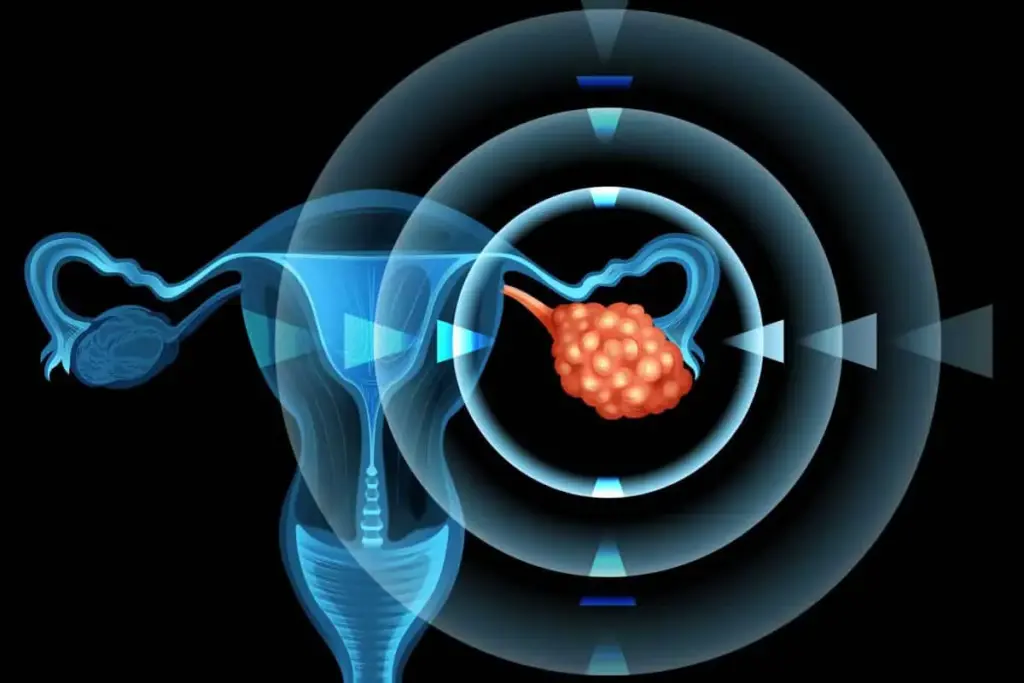
Ovarian cancer is often called a ‘silent killer’ because its symptoms are not obvious and it’s often diagnosed late. Early detection is key to better treatment outcomes. Sadly, about 70%-75% of ovarian cancer cases are found when the disease is already advanced.
New diagnostic tools, like machine learning-driven lipidomics and microRNA profiling, are showing great promise. They can spot ovarian cancer in its earliest stages with up to 88% accuracy. These advanced methods are helping doctors catch the disease much sooner.
We at our institution are dedicated to top-notch healthcare. We use the latest diagnostic technologies to help patients. Our goal is to give you all the info you need to detect ovarian cancer early. This aligns with our mission to provide international patients with comprehensive support services and high-quality medical care.
Key Takeaways
- Early detection of ovarian cancer is key to better treatment.
- Advanced tools like machine learning-driven lipidomics help detect cancer early.
- About 70%-75% of ovarian cancer cases are diagnosed too late.
- New diagnostic methods are very accurate in finding early-stage ovarian cancer.
- We’re committed to providing world-class healthcare with the latest technology.
Understanding Ovarian Cancer
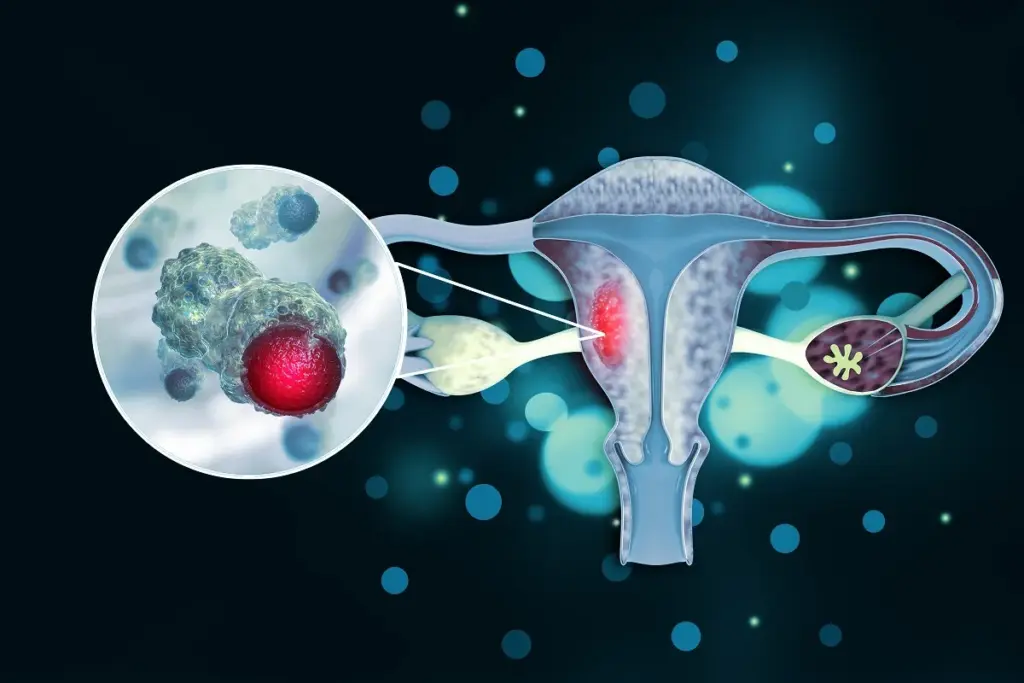
Ovarian cancer is a complex disease that affects the ovaries. Knowing its basics is key for early detection. We will explore its definition, types, and risk factors.
What is Ovarian Cancer?
Ovarian cancer starts in the ovaries, which are essential for female reproduction. They produce eggs and hormones that control the menstrual cycle and pregnancy. When abnormal cells in the ovaries grow and multiply, a tumor forms.
Symptoms of ovarian cancer can be vague. They may include vaginal bleeding after menopause, pelvic or abdominal pain, and bloating. Spotting these symptoms early is vital for effective treatment.
Types of Ovarian Cancer
There are several types of ovarian cancer, based on where the cancer starts. The main types are:
- Epithelial ovarian cancer: This is the most common type, making up about 90% of cases. It starts in the outer layer of the ovaries.
- Germ cell ovarian cancer: This type begins in the cells that produce eggs. It’s more common in younger women.
- Stromal ovarian cancer: This rare type starts in the connective tissue that holds the ovary together. It produces hormones.
Risk Factors
Knowing the risk factors for ovarian cancer can help identify those at higher risk. Key risk factors include:
- Age: The risk of ovarian cancer increases with age, after 50.
- Family history: A history of ovarian or breast cancer in first-degree relatives (mother, sister, daughter) raises the risk.
- Genetic mutations: Mutations in the BRCA1 and BRCA2 genes significantly increase the risk of ovarian cancer.
- Obesity: Being overweight or obese has been linked to an increased risk of ovarian cancer.
Knowing these risk factors can help in early detection and prevention. It’s important for those at high risk to talk to their healthcare provider about screening and preventive measures.
The Importance of Early Detection
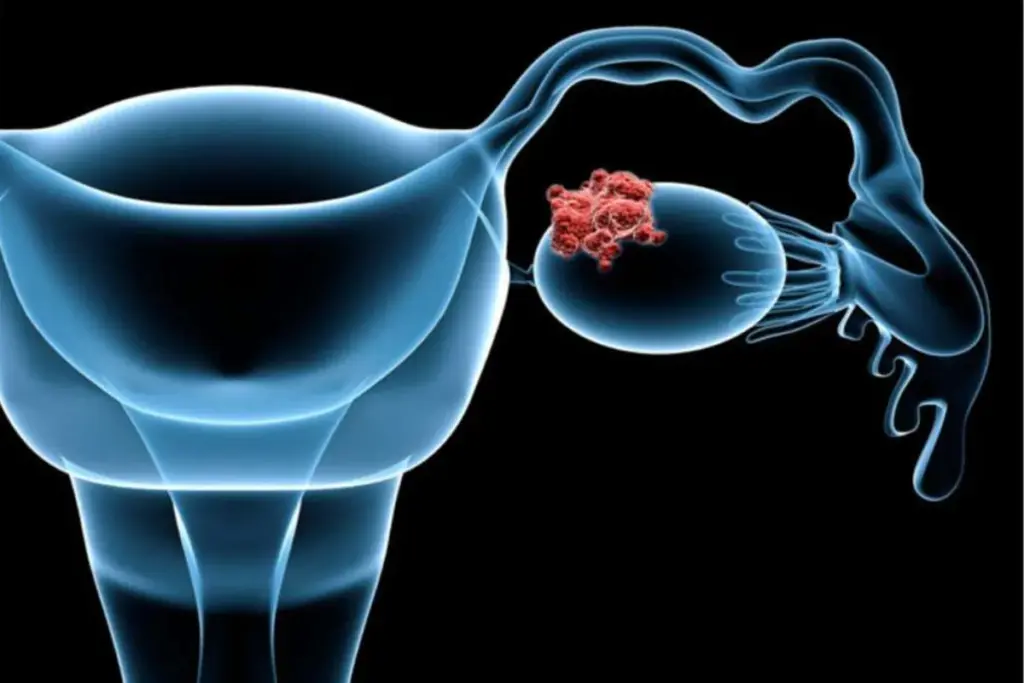
Finding ovarian cancer early is key to better treatment and survival. Early detection is the foundation of effective treatment. It greatly boosts survival chances.
Survival Rates: Early vs. Late Detection
Ovarian cancer survival rates are very different based on when it’s found. If caught early, the five-year survival rate is over 94%. But, finding it late drops this rate significantly.
|
Detection Stage |
Five-Year Survival Rate |
|---|---|
|
Early Detection |
Over 94% |
|
Late Detection |
Significantly Lower |
Why Early Detection is Challenging

Finding ovarian cancer early is hard for several reasons. Symptoms are often vague and can be mistaken for other common issues. This makes it hard for women to know when to see a doctor.
- Vague and nonspecific symptoms
- Lack of effective screening tests for the general population
- Low awareness among women and healthcare providers
The 20% Early Detection Reality
Right now, only about 20% of ovarian cancer cases are found early. This shows we need more awareness and better screening to catch more cases early.
It’s vital to raise awareness and find better screening ways to boost early detection rates.
Signs of Ovarian Cancer
Knowing the signs of ovarian cancer is the first step to early detection and treatment. Ovarian cancer often shows subtle symptoms that can be mistaken for less serious issues. It’s important to understand these signs for timely medical help.
Common Early Symptoms
The early symptoms of ovarian cancer can be vague. They often include:
- Bloating or swelling in the abdominal area
- Pelvic pain or discomfort
- Difficulty eating or feeling full quickly
- Changes in bowel habits, such as constipation
- Frequent urination
These symptoms can be persistent and long-lasting. They are different from occasional discomfort. It’s important to be aware of these ovarian cancer symptoms and not ignore them.
When to See a Doctor
If you’re experiencing any of the common early symptoms, see a healthcare provider. If you have:
- Severe or persistent bloating
- Pelvic pain that doesn’t go away
- Difficulty eating or unexplained weight loss
Your doctor can check these symptoms and decide what to do next. Early consultation can lead to early detection and better treatment.
Symptom Diary: Tracking Changes
Keeping a symptom diary helps track changes in your body. By recording your symptoms daily, you can:
- Note the frequency and severity of symptoms
- Identify any changes or progression
- Provide detailed information to your healthcare provider
This proactive approach can help in early diagnosis and ensure you get the right care. Remember, being vigilant about your health and seeking medical advice when needed is key to managing your well-being.
Traditional Screening Methods

Ovarian cancer screening has used traditional methods for a long time. These methods help find cancer early but have their own strengths and weaknesses. Knowing what they can and can’t do is key to better screening.
Pelvic Examinations
Pelvic exams are a basic part of women’s health checks. They help check for any oddities in the reproductive area. But, pelvic exams can’t confirm ovarian cancer because they miss early stages and can’t give a clear diagnosis.
“A pelvic exam is important for women’s health, but it has its limits in finding ovarian cancer,” saysa top gynecologist. “It can spot some issues, but it’s not a replacement for more detailed tests.”
Transvaginal Sonography (TVS)
Transvaginal sonography (TVS) is another traditional screening tool. It uses a probe in the vagina to get ultrasound images of the ovaries. This method is better than a pelvic exam and can spot oddities in the ovaries. Yet, TVS depends on the operator and can’t always tell if a tumor is cancerous.
TVS is great for women at high risk of ovarian cancer. It shows details about the ovaries that might suggest cancer. But, we must remember its limits when looking at results.
Limitations of Conventional Screening
Traditional methods like pelvic exams and TVS have helped find ovarian cancer. But, they have big limitations. These include:
- They’re not very good at finding early-stage ovarian cancer
- They can’t always tell if a tumor is cancer or not
- TVS depends on who is doing the test
- There’s no single test that can confirm ovarian cancer
Knowing these limits is vital for finding better ways to screen for ovarian cancer. Moving forward, combining old methods with new tech will be key to spotting cancer sooner.
The CA-125 Blood Test Explained
Understanding the CA-125 blood test is key to knowing its role in finding ovarian cancer. This test checks for a specific protein in the blood. It can show if ovarian cancer is present, but it also shows other health issues.
What is the CA-125 Test?
The CA-125 test is a blood test for checking on ovarian cancer and its treatment. It looks at the CA-125 protein in the blood. High levels might mean ovarian cancer, but they can also mean other things like benign cysts or pregnancy.
It’s important to know that the CA-125 test is not just for ovarian cancer. It can give false positives, causing worry and more tests.
Interpreting CA-125 Results
When looking at CA-125 results, many things are considered. This includes the patient’s health, past medical issues, and other tests. A high CA-125 level might suggest ovarian cancer, but it’s not proof. A normal level doesn’t mean there’s no cancer, as some cancers might not raise CA-125.
Doctors look at CA-125 results with other tests like ultrasound to understand the patient’s health fully.
Limitations and False Positives
The CA-125 test has its limits. It’s not a sure way to find ovarian cancer and can give false positives. Things like menstruation, pregnancy, and some benign conditions can raise CA-125 levels.
- False positives can happen due to conditions like ovarian cysts or endometriosis.
- CA-125 levels can change during the menstrual cycle.
- Pregnancy can also make CA-125 levels go up.
When CA-125 Testing is Recommended
CA-125 testing is suggested for women at high risk of ovarian cancer or with symptoms. It’s also used to watch for cancer coming back in women who’ve had it before.
For women at high risk, like those with a family history of ovarian or breast cancer, or with certain genetic mutations, CA-125 testing is part of a screening plan. It’s often done with ultrasound.
Combined Screening Approaches
Using different screening methods together is a promising way to find ovarian cancer earlier. This method combines various diagnostic tools. It makes finding ovarian cancer more accurate and sensitive.
CA-125 Plus TVS
One good way is to use the CA-125 blood test with Transvaginal Sonography (TVS). The CA-125 test checks for a protein in the blood that can be high in ovarian cancer. TVS gives clear pictures of the ovaries, spotting any problems.
Studies show that using both tests together finds more cases than either test alone. This makes early detection better.
|
Screening Method |
Sensitivity |
Specificity |
|---|---|---|
|
CA-125 Alone |
70% |
90% |
|
TVS Alone |
85% |
95% |
|
CA-125 + TVS |
95% |
98% |
Risk of Malignancy Index (RMI)
The Risk of Malignancy Index (RMI) combines CA-125 levels, ultrasound results, and menopausal status. It helps doctors sort patients by risk. A higher RMI score means a higher chance of cancer, leading to quicker action.
Calculating RMI: The RMI formula is: RMI = CA-125 level x Ultrasound score x Menopausal status score. For example, a postmenopausal woman with high CA-125 and suspicious ultrasound would have a high RMI score. This means a higher risk of ovarian cancer.
Increasing Detection Sensitivity

Using CA-125 plus TVS and the RMI makes finding ovarian cancer better. This multi-step approach helps doctors spot cancer early. Early detection means better treatment options and possibly better survival rates.
Early detection is key: Finding ovarian cancer early is the best way to treat it. By improving screening and using a combined approach, we can fight this disease more effectively.
Emerging Biomarkers for Early Detection
New hope for early ovarian cancer detection comes from emerging biomarkers. These biomarkers could change how we find ovarian cancer. They promise more accurate and reliable early detection.
Human Epididymis Protein 4 (HE4)
Human Epididymis Protein 4 (HE4) is a promising biomarker. HE4 has been studied a lot for its role in finding ovarian cancer. It’s better than the old CA-125 test because it’s more specific. It can tell the difference between harmless and dangerous tumors better.
ROMA (Risk of Ovarian Malignancy Algorithm)
The ROMA (Risk of Ovarian Malignancy Algorithm) is another big step. It uses HE4 and CA-125 test results with your menopausal status. ROMA is more accurate than CA-125 alone. It’s a great tool for catching ovarian cancer early.
Other Promising Biomarkers
Researchers are also looking at other biomarkers. They’re checking out proteins, metabolites, and genetic markers for early detection. This ongoing research is key to better diagnosing and treating ovarian cancer.
Advanced Detection Technologies
Advanced detection technologies are changing how we find ovarian cancer. They help doctors spot cancer early, which means better treatment and more chances to live. These new tools are a big hope for people all over the world.
Machine Learning in Cancer Detection
Machine learning is now helping find cancer, including ovarian cancer. These algorithms look at complex data like medical images or genetic information. They get better at spotting cancer as they learn from more data.
This field is growing fast. Scientists are working hard to make these tools even better. They want to find cancer sooner and tailor treatments to each person.
Lipidomics Approaches
Lipidomics is the study of lipids and their role in diseases. Lipid profiling looks at the types and amounts of lipids in samples. Some lipids are linked to ovarian cancer, making lipidomics a promising tool for diagnosis.
Researchers are studying how lipids change with ovarian cancer. They hope to use this knowledge to create new tests.
MicroRNA Profiling
MicroRNAs (miRNAs) are small RNA molecules that control gene expression. Changes in miRNA levels are seen in many cancers, including ovarian cancer. By looking at miRNA levels, scientists can find patterns linked to cancer.
Studies show that some miRNA patterns can tell ovarian cancer apart from non-cancerous conditions. This makes miRNA profiling a promising diagnostic tool.
Liquid Biopsies
Liquid biopsies check bodily fluids for cancer signs. This method is less invasive and easier for patients than traditional biopsies.
For ovarian cancer, liquid biopsies look at blood for tumor DNA or other markers. Scientists are working to make these tests reliable for finding ovarian cancer.
Diagnostic Procedures for Confirmation

When ovarian cancer is suspected, doctors use different tests to confirm it. These tests help figure out how much cancer is there and where it is. They are key to planning the right treatment.
Imaging Tests
Imaging tests are very important for diagnosing ovarian cancer. They help doctors see the ovaries and how much cancer is there.
- Ultrasound: This is often the first test done. It uses sound waves to make pictures of the ovaries. It helps find tumors and learn about them.
- Computed Tomography (CT) Scan: A CT scan makes detailed pictures of the belly and pelvis. It shows how much cancer is there and if it has spread.
- Magnetic Resonance Imaging (MRI): MRI uses magnetic fields to make detailed pictures inside the body. It’s great for seeing how much cancer is there and planning surgery.
Surgical Procedures
Surgery is often needed to confirm ovarian cancer and plan treatment.
- Laparoscopy: This is a small surgery where a laparoscope is used. It lets doctors see inside the belly and get tissue samples for biopsy.
- Laparotomy: Sometimes, a bigger surgery called laparotomy is needed. It involves a bigger cut in the belly to see the ovaries and other organs.
These tests are very important. They help confirm ovarian cancer, understand how much is there, and plan the best treatment.
How to Check for Ovarian Cancer at Home
Learning about ovarian cancer symptoms is key to early detection. While doctors are vital for diagnosis, knowing the signs can help you get medical help when needed.
Self-Monitoring Techniques
Self-monitoring means knowing your body’s normal and any changes. Watch for symptoms like bloating, pelvic pain, or trouble eating. Keeping a diary of your symptoms can track when and how bad they are.
Remember, self-monitoring is not a replacement for a doctor’s check-up. If symptoms last or are severe, see a healthcare professional for a proper check-up.
Digital Symptom Tracking Tools
Digital tools help track symptoms and spot patterns. Symptom tracking apps let you log your symptoms and see changes. Some apps also offer info on ovarian cancer.
When using these tools, pick apps that are backed by solid medical info. While helpful, they can’t replace a doctor’s diagnosis.
Limitations of Home Monitoring
Self-monitoring and digital tools have big limits. They can’t replace a doctor’s diagnosis. Diagnosing ovarian cancer needs physical exams, imaging, and lab tests.
Don’t rely only on home monitoring or you might miss getting diagnosed early. If symptoms worry you, get medical help right away.
High-Risk Groups: Special Considerations
People at high risk, like those with BRCA1 or BRCA2 mutations, need close watch for ovarian cancer. These genes raise the chance of getting ovarian cancer a lot. So, finding it early is key.
Genetic Predisposition (BRCA1/BRCA2)
Women with BRCA1 or BRCA2 gene changes face a higher risk of ovarian cancer. These genes can make the risk so high that doctors might suggest more tests. If you know you have these genes, talk to your doctor about how often you should get checked.
Family History
A big family history of ovarian or breast cancer also raises your risk. We look at family history as important if many close relatives have had these cancers. If this is your case, seeing a genetic counselor is a good idea. They can help figure out your risk and what tests you should get.
Recommended Screening Protocols
For those at high risk, we suggest a mix of tests. This might include:
- Annual or biennial transvaginal sonography (TVS) to check on the ovaries.
- CA-125 blood tests to see if CA-125 protein levels are high, which can mean ovarian cancer.
- Risk of Malignancy Index (RMI) assessment, which uses TVS, CA-125 levels, and if you’ve gone through menopause to guess the risk of ovarian cancer.
These plans are made just for you, based on your risk. They aim to catch ovarian cancer early, when it’s easier to treat.
Common Myths About Ovarian Cancer Detection
Ovarian cancer detection is filled with myths that can cause delays in diagnosis. Many women are not correctly informed about how to detect it, its symptoms, and screening advice. We want to clear up these myths and give women the right information to take charge of their health.
Pap Smears and Ovarian Cancer
One myth is that Pap smears can find ovarian cancer. But, Pap smears are meant to find cervical cancer, not ovarian cancer. This mistake can make women think they’re safe if their Pap smear is normal, which can delay finding the cancer.
Symptom Misconceptions
Many people, including some doctors, think ovarian cancer symptoms are always clear and strong. But, early symptoms can be mild and mistaken for other, less serious issues. Signs like bloating, pelvic pain, and trouble eating are often early signs.
Screening Recommendations Myths
There’s a belief that all women should get screened for ovarian cancer regularly. But, guidelines say no routine screening for women at average risk. Screening is advised for those with a big family history or genetic risk.
Research and Clinical Trials

Ongoing research and clinical trials are key to understanding and detecting ovarian cancer. They help us find new ways to spot the disease early. These studies are vital for improving how we diagnose and treat ovarian cancer.
Current Research Directions
Research is focusing on several areas. These include finding new biomarkers, improving imaging, and looking into liquid biopsies. The goal is to make detecting ovarian cancer more accurate and sensitive.
Key Areas of Research:
- Development of novel biomarkers for early detection
- Enhancements in imaging technologies for better tumor visualization
- Investigations into the role of genetic mutations in ovarian cancer
Researchers are also using machine learning algorithms. These algorithms can spot ovarian cancer early by analyzing data patterns.
Participating in Clinical Trials
Joining clinical trials is important for ovarian cancer research. These trials help find new ways to diagnose and treat the disease. People at high risk or with ovarian cancer can get access to new treatments.
Benefits of Participating in Clinical Trials:
- Access to cutting-edge treatments and technologies
- Contribution to the advancement of ovarian cancer research
- Close monitoring and care from a team of specialists
Future Detection Methods
The future of detecting ovarian cancer looks bright. New technologies and methods are emerging. These include multi-marker panels, advanced imaging, and artificial intelligence in diagnosis.
|
Detection Method |
Description |
Potential Impact |
|---|---|---|
|
Multi-marker Panels |
Combining multiple biomarkers to enhance detection accuracy |
Improved sensitivity and specificity in early detection |
|
Advanced Imaging |
Technologies such as MRI and PET scans for better tumor visualization |
Enhanced ability to detect tumors at an early stage |
|
Artificial Intelligence |
Using AI algorithms to analyze complex data for diagnostic purposes |
Increased accuracy and speed in diagnosing ovarian cancer |
Conclusion
Early detection is key in fighting ovarian cancer. Knowing the risks and signs helps a lot. It also improves survival chances.
We’ve seen how new screening methods and biomarkers are important. They help us find ovarian cancer early. This is a big step forward.
Our team is dedicated to top-notch healthcare for our patients worldwide. We focus on the latest in ovarian cancer research. Our goal is to help those affected.
Let’s wrap up by saying awareness and early detection save lives. We urge everyone to look after their health. If you notice any symptoms, don’t hesitate to see a doctor.
FAQ
What is ovarian cancer and how is it detected?
Ovarian cancer starts in the ovaries. Doctors use pelvic exams, imaging tests like ultrasound, and blood tests like CA-125 to find it.
What are the early signs of ovarian cancer?
Early signs include bloating, pelvic pain, trouble eating, and needing to pee a lot. See a doctor if these symptoms last.
How accurate is the CA-125 blood test in detecting ovarian cancer?
The CA-125 test checks for a protein in the blood linked to ovarian cancer. It’s not perfect but helps when used with other tests.
Can ovarian cancer be detected through self-monitoring at home?
Home monitoring and digital tools can spot symptoms. But, they can’t replace a doctor’s check-up and diagnosis.
Are there any new technologies being developed for ovarian cancer detection?
Yes, new tech includes machine learning, lipidomics, microRNA profiling, and liquid biopsies. They aim to find cancer early.
How does a diagnosis of ovarian cancer get confirmed?
Doctors use ultrasound or CT scans first. Then, they might do surgery to look at the ovaries directly.
What are the risk factors for ovarian cancer?
Risk factors include genetic issues, family history of cancer, and other factors. People at risk might need more tests.
Can ovarian cancer be prevented or is early detection the best strategy?
Prevention isn’t always possible. But, finding cancer early can save lives. Knowing your risk and symptoms is key.
How often should high-risk individuals be screened for ovarian cancer?
At-risk people might need tests more often. This could include CA-125 blood tests and ultrasound. A doctor will decide the best schedule.
Are there any clinical trials for new ovarian cancer detection methods?
Yes, trials are looking at new biomarkers and detection tech. Joining a trial can offer access to new treatments.
Refrence
American Association for Cancer Research (AACR). Shining a Light on New Approaches for Ovarian Cancer Treatment and Detection. https://www.aacr.org/blog/2025/09/18/shining-a-light-on-new-approaches-for-ovarian-cancer-treatment-and-detection/
Not These Ovaries. Ovarian Cancer. https://www.nottheseovaries.org/ovarian-cancer/
PubMed. Research. https://pubmed.ncbi.nlm.nih.gov/40810606/
American Cancer Society (ACS). Key Statistics for Ovarian Cancer. https://www.cancer.org/cancer/types/ovarian-cancer/key-statistics.html
Cancer Research Communications. Lipidomics: Ovarian Cancer Detection. https://cancerrescommun.andover.edu/latest-research/lipidomics-ovarian-cancer-detection
ScienceDirect. Research Article. https://www.sciencedirect.com/science/article/pii/S2211124723004995