
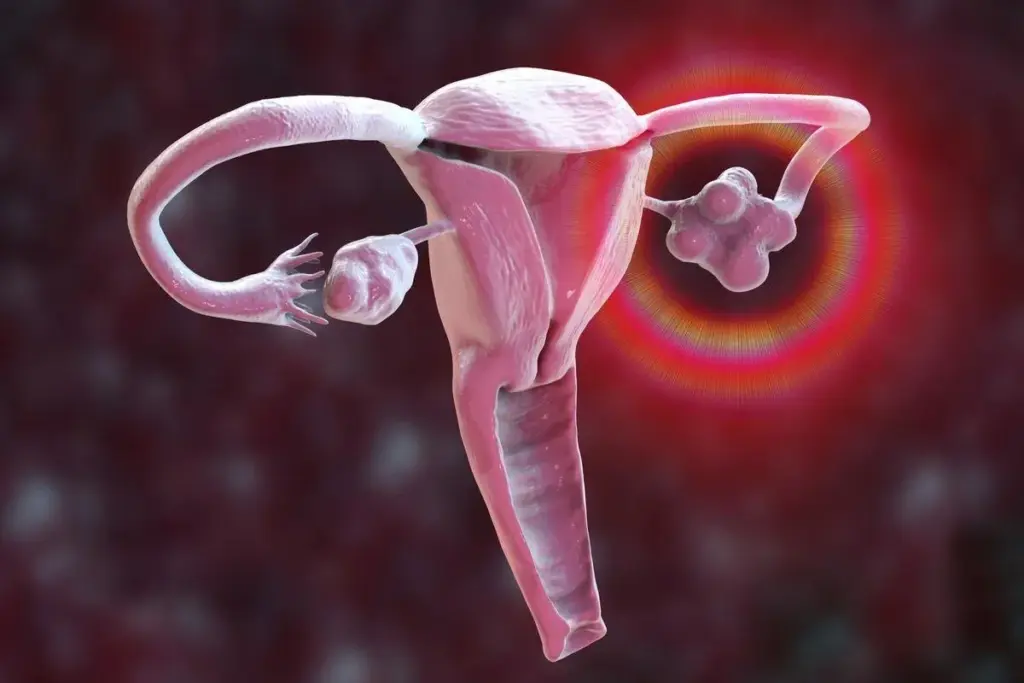
Ovarian cancer is often found late because its symptoms are vague. These symptoms can be like those of common illnesses. But, catching it early can greatly improve survival chances. If found early, the five-year survival rate can be as high as 80-93%.
Recognizing the warning signs is key. Signs like persistent bloating, abdominal pain, and changes in bathroom habits might point to ovarian cancer.
It’s vital to know these symptoms and get medical help if they don’t go away. Early diagnosis can make a big difference in health outcomes for those at risk.
Spot early signs of ovarian cancer today. Discover amazing scary warnings and find powerful, vital ways to ensure your essential gut health.
Key Takeaways
- Ovarian cancer symptoms can be similar to those of common conditions, making early detection challenging.
- Early detection significantly improves survival rates.
- Symptoms like persistent bloating and abdominal pain should not be ignored.
- Severe symptoms require immediate medical attention.
- Awareness and timely medical intervention are key to better health outcomes.
Understanding Ovarian Cancer: A Silent Threat

Ovarian cancer is a serious health issue that originates in the ovaries and can be life-threatening if not diagnosed early. We’ll look at what ovarian cancer is and why finding it early is key to survival.
What is Ovarian Cancer?
Ovarian cancer starts in the ovaries, which make eggs. There are different types, but the most common is epithelial ovarian cancer. It begins in the outer layer of the ovaries. For more info, check out.
The Impact of Early vs. Late Detection
Finding ovarian cancer early can greatly improve your chances of survival. At an early stage, the survival rate can be up to 93%. But, most women are diagnosed too late, with a survival rate of only 28-40%.
In 2025, there will be about 20,890 new cases and 12,730 deaths in the U.S. This shows how critical early detection is.
The main points about early detection are:
- Early-stage diagnosis: 80-93% five-year survival rate
- Late-stage diagnosis: 28-40% five-year survival rate
- Expected new cases in 2025: 20,890
- Expected deaths in 2025: 12,730
These numbers highlight the importance of being aware and seeking medical help early. Knowing about ovarian cancer and its signs can help save lives.
The Challenge of Early Detection
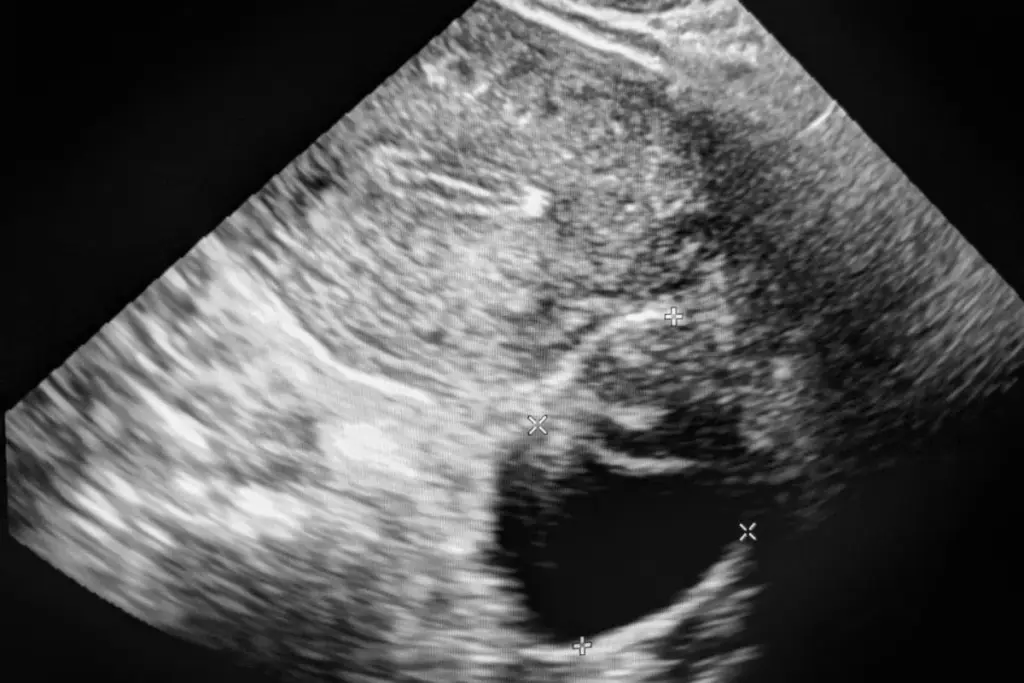
Ovarian cancer is often called a ‘silent killer’ because it’s hard to detect early. This is because its symptoms are not clear. It’s tough for both patients and doctors to spot it when it starts.
Why Ovarian Cancer Often Goes Undetected
The symptoms of ovarian cancer are vague and similar to other common conditions. For example, bloating, abdominal pain, and trouble eating can be mistaken for other issues. This makes it hard to catch ovarian cancer early.
There isn’t a simple test for ovarian cancer in healthy women. This makes finding it early even harder. Knowing the symptoms and risk factors is key.
Current Statistics on Diagnosis and Mortality
Only about 20% of ovarian cancers are caught early. This shows we need to do more to raise awareness. Health groups like the American Cancer Society stress the importance of knowing the signs and risk factors.
Early detection of ovarian cancer leads to better survival rates. So, we must work on better ways to find it early. This will help lower death rates from ovarian cancer.
By understanding the early detection challenges, we can improve diagnosis and treatment for ovarian cancer patients. Awareness is the first step.
Recognizing the Signs of Ovarian Cancer

It’s important to know the early signs of ovarian cancer to get medical help quickly. The symptoms can be hard to spot and might seem like other, less serious issues. We’ll look at the common signs and symptoms of ovarian cancer. This will help you know when to see a doctor.
Persistent Abdominal and Pelvic Symptoms
One key sign of ovarian cancer is ongoing bloating and pelvic pain. These symptoms can be confusing because they’re also seen in more common problems. But, if you keep feeling pain or discomfort in your lower belly or pelvis, you should talk to a doctor.
Common abdominal and pelvic symptoms include:
- Persistent bloating or swelling in the abdomen
- Pelvic pain or pressure
- Difficulty eating or feeling full quickly
Gastrointestinal Changes
Changes in your bowel habits or other stomach issues might point to ovarian cancer. These could be constipation, diarrhea, or other bowel changes. Harvard Medical School says severe stomach pain and pelvic pain need quick help from doctors.
|
Gastrointestinal Symptoms |
Description |
|---|---|
|
Constipation |
Difficulty passing stools or infrequent bowel movements |
|
Diarrhea |
Frequent or loose bowel movements |
|
Feeling Full Quickly |
Difficulty eating or feeling full after consuming small amounts of food |
Urinary Symptoms
Urinary symptoms can also hint at ovarian cancer. These might include needing to pee more often or feeling a strong need to pee. If these symptoms keep happening, it’s important to talk to your doctor.
Remember, these symptoms can mean ovarian cancer, but they’re also common in many other conditions. The important thing is if these symptoms keep happening and seem to go together.
First-Person Perspectives: “My First Symptoms of Ovarian Cancer”
Ovarian cancer survivors often talk about the early signs they noticed. These stories stress the need to catch these signs early and get medical help.
Common Initial Symptoms Reported by Survivors
Many survivors mention feeling bloated, having pelvic pain, and feeling full quickly. For example, one survivor said,
“I thought I had just gained weight, but it turned out to be fluid buildup in my abdomen.”
These symptoms can be tricky to understand, making it key to know the common signs.
Other symptoms include changes in bowel movements and needing to urinate often. These can be confusing and might lead to wrong diagnoses.
How Symptoms Were Initially Misinterpreted
Survivors often say their symptoms were first thought to be something else. For instance, some were told they had IBS or were going through menopause. “I was diagnosed with IBS, but my symptoms persisted and worsened,” one survivor shared.
This misunderstanding can cause delays in getting the right treatment. It’s vital for both patients and doctors to know how ovarian cancer symptoms can be mistaken for other issues.
The Moment That Prompted Medical Attention
For many, it was when their symptoms got too much to handle. It was when symptoms didn’t go away with initial treatments that they sought more help.
One survivor mentioned,
“It wasn’t until I couldn’t fit into my clothes anymore due to the swelling and I experienced severe pain that I sought a second opinion.”
This moment shows how important it is to listen to your body and push for answers when symptoms don’t make sense.
We share these stories to spread the word about ovarian cancer symptoms. We want to encourage women to get checked if they notice anything unusual or persistent.
When Everyday Symptoms Become Warning Signs

Ovarian cancer often has symptoms that look like other, less serious issues. It’s key to know when these symptoms are warning signs. Many women have symptoms that could be ovarian cancer, but they’re often vague and similar to common problems.
Harvard Medical School says symptoms like pelvic pain and severe stomach pain need quick doctor visits. It’s vital to watch how long and often these symptoms last.
Duration and Persistence of Symptoms
How long and often symptoms last is key to figuring out if they might be ovarian cancer. While some bloating or mild stomach pain is normal, long-lasting and severe symptoms are not. They need to be checked out.
- Symptoms that last more than a few weeks
- Symptoms that get worse over time
- Symptoms that happen more often
If you notice these patterns, seeing a doctor is a must.
Symptom Combinations That Raise Concern
Some symptoms together can mean ovarian cancer. For example, bloating and pelvic pain together are signs to check out. Knowing these combinations can help catch cancer early.
Some symptom combos to watch for include:
- Bloating with abdominal or pelvic pain
- Hard time eating or feeling full fast, with weight loss
- Urinary issues like urgency or frequency with pelvic pain
Knowing these symptom combos and how long they last helps women and doctors decide on tests and diagnosis.
High-Risk Factors for Developing Ovarian Cancer
Several factors can increase a woman’s risk of developing ovarian cancer. Knowing these factors is key to managing risks. It helps individuals and their healthcare providers make informed decisions about screening and preventive measures.
Genetic Predispositions and BRCA Mutations
Genetic predispositions play a big role in ovarian cancer risk. Mutations in the BRCA1 and BRCA2 genes are well-known risk factors. Women with these mutations have a higher risk of ovarian cancer than those without.
BRCA mutations not only increase the risk of ovarian cancer but also breast cancer. This highlights the importance of genetic testing for women with a family history of these cancers.
Genetic testing can identify mutations that may increase ovarian cancer risk. If you’re found to have a mutation, your healthcare provider may recommend enhanced screening or preventive measures.
Family History Considerations
A family history of ovarian, breast, or other cancers can increase an individual’s risk. The presence of these cancers in first-degree relatives (parents, siblings, or children) is significant. A detailed family history can help healthcare providers assess the need for genetic testing or earlier screening.
Understanding your family history is key. If there’s a pattern of ovarian or related cancers, discussing this with your healthcare provider can lead to personalized advice on managing your risk.
Age and Reproductive Factors
Age is a critical factor, with the risk of ovarian cancer increasing after the age of 50. Reproductive factors, including never having children or having children after the age of 35, can also influence risk. Also, fertility treatments may affect ovarian cancer risk, though more research is needed to understand this relationship fully.
|
Risk Factor |
Description |
Impact on Risk |
|---|---|---|
|
BRCA1 & BRCA2 Mutations |
Genetic mutations that increase cancer risk |
Significantly increases ovarian and breast cancer risk |
|
Family History |
History of ovarian, breast, or other cancers in relatives |
Increases risk, specially with first-degree relatives |
|
Age |
Risk increases with age, specially after 50 |
Increases risk |
|
Reproductive Factors |
Never having children or having children after 35 |
May increase risk |
Understanding these high-risk factors can empower individuals to take proactive steps towards their health. If you’re concerned about your risk, consulting with a healthcare provider is a key first step.
How to Check for Ovarian Cancer at Home

Learning about ovarian cancer symptoms is key to early detection. While only a doctor can confirm it, knowing your body’s signs can help you act fast.
Self-Assessment Techniques
Self-assessment means knowing your body’s usual state and spotting any changes. For ovarian cancer, watch for ongoing bloating, pelvic pain, or trouble eating.
- Keep an eye out for unusual abdominal or pelvic pain.
- Notice any changes in your bowel habits or how often you need to pee.
- Be on the lookout for unexplained weight changes.
These signs might seem small but can mean a lot. If they keep happening or come together, it’s time to see a doctor.
Symptom Diary Keeping
Keeping a symptom diary is a smart move. It helps track your health by noting when symptoms happen, how bad they are, and what makes them better or worse.
- Write down the date and time of any symptoms.
- Describe the symptom in detail, including how severe it is.
- Record any activities or factors that affect the symptom.
This diary can show patterns. It might also make you realize when it’s time to see a doctor.
When to Seek Medical Attention
Knowing when to see a doctor is important. If you have any of these symptoms, it’s time to act:
- Persistent bloating or swelling in your belly.
- Pelvic pain or pressure that doesn’t go away.
- Trouble eating or feeling full too quickly.
- Unusual urinary urgency or frequency.
If you’re seeing these symptoms together or they keep coming back, talk to your doctor. Early detection is critical for better treatment.
The Diagnostic Journey: From Suspicion to Confirmation
Diagnosing ovarian cancer involves physical exams, imaging tests, and blood tests. When doctors suspect ovarian cancer, they start a detailed diagnostic process. This is key for early detection and treatment.
Initial Consultation and Physical Examination
The journey begins with a visit to a healthcare provider. They take a detailed medical history and perform a physical exam. A pelvic exam might be done to check the reproductive organs for any issues.
Key components of the initial consultation include:
- Detailed medical history to identify risk factors and symptoms
- Pelvic examination to check for abnormalities
- Discussion of symptoms and their duration
Imaging Tests for Ovarian Cancer
Imaging tests are vital for diagnosing ovarian cancer. They help doctors see the ovaries and surrounding areas. This allows them to spot any problems.
Common imaging tests used include:
- Transvaginal ultrasound to closely examine the ovaries
- CT scans to assess the extent of the disease
- MRI scans to provide detailed images of the pelvic region
The Role of Blood Tests
Blood tests are also important in diagnosis. The CA-125 test is often used. It measures the CA-125 protein in the blood.
The CA-125 test is used:
- To monitor the response to treatment
- To check for cancer recurrence
- As part of the diagnostic process, mainly in postmenopausal women
While the CA-125 test is not definitive alone, it’s very helpful. It’s used with imaging tests and physical exams.
Understanding the CA-125 Blood Test
The CA-125 blood test checks for a protein in the blood linked to ovarian cancer. It’s key for diagnosing and tracking the disease.
What CA-125 Levels Indicate
High CA-125 levels might mean ovarian cancer, but they can also show other issues like endometriosis or pregnancy. It’s important to look at the whole picture when reading these levels.
Normal levels are usually under 35 U/mL. But, this can change slightly from lab to lab. If levels go over this, more tests might be needed.
Limitations of the CA-125 Test
The CA-125 test is helpful but has its limits. Not all ovarian cancer shows up in these tests, and they can also be high in other conditions.
So, the test is used with other methods like imaging and clinical checks, not alone.
When CA-125 Testing is Recommended

Doctors suggest CA-125 tests for women with symptoms or other signs of ovarian cancer. It helps see how well treatment is working and if the cancer comes back.
Women at high risk, like those with BRCA1 or BRCA2 genes, might also get tested. But, how useful it is for them is being looked into.
|
CA-125 Level |
Interpretation |
Next Steps |
|---|---|---|
|
Below 35 U/mL |
Normal |
Continue with routine care; consider repeat testing if symptoms persist. |
|
35 U/mL or higher |
Elevated; may indicate ovarian cancer or other conditions. |
Further evaluation with imaging tests (e.g., ultrasound) and clinical assessment. |
It’s key for both doctors and patients to understand the CA-125 blood test. It’s not a single solution but is vital in diagnosing and tracking ovarian cancer.
Ovarian Cancer Ultrasound and Imaging Techniques
Imaging techniques are key in diagnosing ovarian cancer. They help doctors see the ovaries and nearby tissues. This lets them spot any tumors or abnormalities.
Transvaginal Ultrasound Procedure
A transvaginal ultrasound is a common test for the ovaries. A small probe is put into the vagina. It sends sound waves to create images of the ovaries and uterus.
This test is great for finding ovarian tumors and checking their size and details. The procedure is safe and quick. It’s important for patients to follow their doctor’s prep instructions for the best results.
Other Imaging Techniques Used
Other tests are also used to diagnose ovarian cancer. These include:
- Computed Tomography (CT) scans: CT scans use X-rays to show detailed images of the abdomen and pelvis. They help find tumors or abnormalities.
- Magnetic Resonance Imaging (MRI): MRI uses a magnetic field and radio waves to create detailed images of the ovaries and other organs.
- Positron Emission Tomography (PET) scans: PET scans involve injecting a small amount of radioactive material. A scanner then detects it, showing the metabolic activity of tissues.
What Doctors Look For in Imaging Results
Doctors look for specific things in imaging results. They check for:
|
Feature |
Description |
|---|---|
|
Tumor size and location |
Doctors look at the size and location of tumors to assess their impact. |
|
Tumor characteristics |
The appearance and details of the tumor are evaluated to see if it’s cancerous. |
|
Spread to surrounding tissues |
Imaging tests show if the cancer has spread to nearby tissues or organs. |
By using these imaging techniques, doctors can make a precise diagnosis. They can then plan an effective treatment for ovarian cancer.
Biopsy and Surgical Assessment: Confirming Diagnosis

When doctors think you might have ovarian cancer, they do a biopsy and surgery. These steps help find out if you have cancer. They also tell how serious it is.
The Biopsy Process
A biopsy takes a piece of tissue from your ovary or tumor. A microscope checks it for cancer. For ovarian cancer, biopsies often happen during surgery.
The biopsy process typically involves:
- Preparation for surgery, which includes standard pre-operative tests and assessments.
- Surgical removal of the tumor or a sample of the ovarian tissue.
- Examination of the removed tissue by a pathologist to check for cancer cells.
Understanding Surgical Staging
Surgical staging is key in fighting ovarian cancer. It looks at how far the cancer has spread. This helps plan your treatment.
The goals of surgical staging include:
- Assessing the spread of cancer within the abdominal cavity.
- Removing as much of the tumor as possible (debulking).
- Obtaining tissue samples for further pathological examination.
Interpreting Pathology Results
After surgery, your tissue samples go to a lab. A pathologist checks them. They confirm if you have cancer, what type, and how serious it is.
Understanding the pathology report is key because it:
- Confirms the diagnosis of ovarian cancer.
- Provides information on the cancer’s type and grade, which influences treatment decisions.
- Helps in determining the stage of cancer, guiding further treatment.
Knowing the biopsy and surgery results helps you and your doctor decide what to do next.
Ovarian Cancer Staging and Prognosis
Knowing the stage of ovarian cancer is key to planning treatment. It shows how far the cancer has spread. This helps doctors create a treatment plan that fits each patient.
The Four Stages of Ovarian Cancer
Ovarian cancer is divided into four stages. These stages are based on the International Federation of Gynecology and Obstetrics (FIGO) system.
- Stage I: Cancer is in one or both ovaries.
- Stage II: Cancer has spread to other parts of the pelvis.
- Stage III: Cancer has spread to the abdomen outside the pelvis.
- Stage IV: Cancer has spread to distant organs outside the abdomen.
A leading oncologist notes,
“The stage of ovarian cancer at diagnosis is a critical determinant of treatment success and patient survival.”
How Stage Affects Treatment Options
The stage of ovarian cancer affects treatment choices. Early-stage cancer might just need surgery. But advanced stages often require surgery, chemotherapy, and targeted therapy.
Treatment options by stage:
|
Stage |
Primary Treatment |
Additional Therapies |
|---|---|---|
|
Stage I |
Surgery |
Observation or chemotherapy |
|
Stage II-III |
Surgery and chemotherapy |
Targeted therapy |
|
Stage IV |
Chemotherapy and targeted therapy |
Palliative care |
Survival Rates by Stage
Survival rates for ovarian cancer depend on the stage at diagnosis. Early detection leads to better outcomes.
Five-year survival rates by stage:
- Stage I: About 90% survival rate.
- Stage II: Around 70% survival rate.
- Stage III: About 39% survival rate.
- Stage IV: Approximately 17% survival rate.
Understanding ovarian cancer stages is vital for patients and doctors. Early detection and accurate staging can improve outcomes. Let’s work together to fight this disease.
Multidisciplinary Treatment Approaches
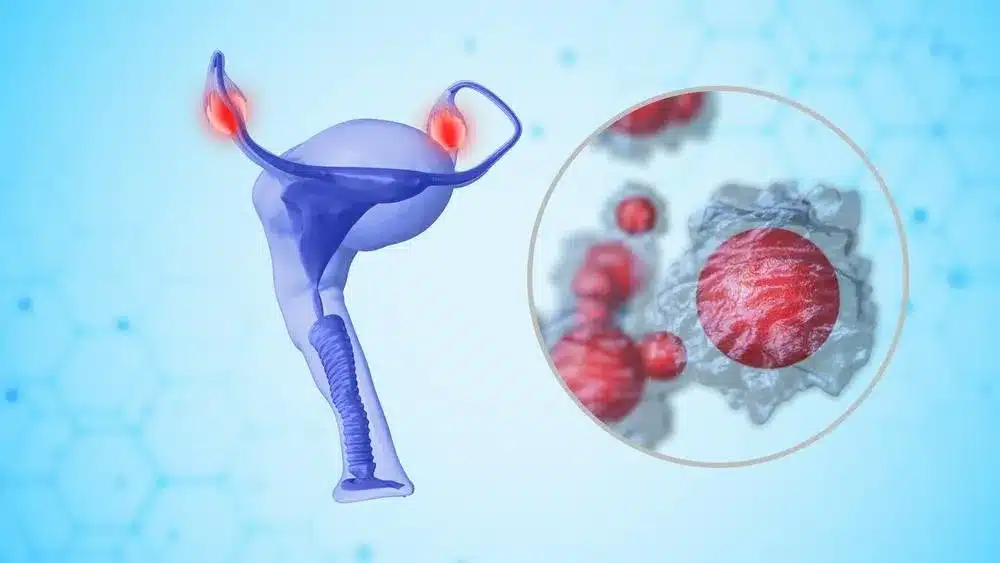
Ovarian cancer treatment now includes many disciplines. This gives patients a care plan that’s both holistic and tailored to them. It’s not just about fighting the cancer. It’s about making sure the patient feels whole again.
The Importance of a Specialized Team
A team of experts is key in fighting ovarian cancer. This team has gynecologic oncologists, medical oncologists, and more. Together, they make sure every part of the patient’s health is looked after. This leads to better diagnoses and treatment plans.
Having a team work together is a big plus. It means sharing knowledge and skills. This helps create a treatment plan that really meets the patient’s needs.
Treatment Protocols and Innovations
Ovarian cancer treatment is always getting better. New research and ideas are making treatments more effective. These include targeted therapies and better surgery techniques. Our doctors keep up with these changes to give patients the best care.
Some new ways to fight ovarian cancer include:
- Genetic treatments that match the treatment to the patient’s genes
- Immunotherapy, which uses the body’s immune system to fight cancer
- Less invasive surgery to help patients recover faster and better
Patient-Centered Care Approaches
Our focus is on patient-centered care in ovarian cancer treatment. We listen to what our patients need and want. This way, we offer care that’s not just effective but also caring and supportive.
Patient-centered care means:
- Telling patients everything they need to know about their treatment
- Helping with the emotional and mental side of cancer
- Working together with all healthcare providers
We aim to make a care space that’s both caring and empowering for our patients.
Conclusion: Taking Action When You Suspect Ovarian Cancer
It’s vital to know the signs of ovarian cancer for early detection and treatment. We’ve talked about common symptoms like persistent pain in the abdomen and pelvis, changes in the stomach, and issues with urination. If you notice any of these, it’s important to act fast.
Early detection of ovarian cancer can greatly improve treatment results. If your symptoms don’t go away, see a doctor. They can check your symptoms and suggest tests like a CA-125 blood test or an ultrasound.
Being proactive about your health and knowing the signs of ovarian cancer can help you stay well. Don’t ignore symptoms that last and seek medical help if you’re worried about ovarian cancer.
Acting quickly if you think you might have ovarian cancer can save your life. Stay alert and talk to a healthcare professional if you have any concerns about early detection of ovarian cancer.
FAQ
What are the common signs and symptoms of ovarian cancer?
Signs include persistent pain in the abdomen and pelvis. You might also notice changes in your bowel movements or have trouble with urination. If these symptoms last, it’s important to see a doctor.
How is ovarian cancer typically diagnosed?
Doctors use a physical exam, ultrasound, and blood tests like the CA-125 test to diagnose ovarian cancer. Sometimes, a biopsy and surgery are needed to confirm the diagnosis.
What is the CA-125 blood test, and what does it indicate?
The CA-125 test checks for a protein in your blood. High levels might mean ovarian cancer, but it’s not the only cause. It’s used with other tests to help diagnose.
What are the high-risk factors for developing ovarian cancer?
High-risk factors include genetic conditions, BRCA mutations, and family history of cancer. Age and reproductive history also play a role. Knowing these risks helps you take steps to prevent it.
How can I check for ovarian cancer at home?
You can’t diagnose ovarian cancer at home, but being body-aware helps. Keep a symptom diary. Knowing when to see a doctor is key.
What is the role of ultrasound in diagnosing ovarian cancer?
Ultrasound, like transvaginal ultrasound, is key for seeing the ovaries. It helps doctors check their size, shape, and any abnormalities.
How is ovarian cancer staged, and why is staging important?
Ovarian cancer is staged based on how far it has spread. Staging affects treatment and survival chances. Knowing the stage helps plan the best treatment.
What is the importance of a multidisciplinary team in treating ovarian cancer?
A team approach ensures you get the best care. It combines different specialties for a tailored treatment plan. This way, you get care focused on your needs.
How can I assess my individual risk for ovarian cancer?
Understanding your genetic and family history helps assess your risk. Talking to a healthcare provider can guide you on managing your risk.
What are the treatment options for ovarian cancer, and how are they determined?
Treatment depends on the cancer’s stage, your health, and other factors. A team creates a plan that might include surgery, chemotherapy, or other treatments.
Can ovarian cancer be detected early, and what are the benefits of early detection?
Yes, early detection can greatly improve survival chances. Knowing the signs, understanding your risk, and seeing a doctor quickly are key to early detection.
Reference
Rush University Medical Center. 5 Early Signs of Ovarian Cancer. https://www.rush.edu/news/5-early-signs-ovarian-cancer
Healthline. Silent Signs of Ovarian Cancer. https://www.healthline.com/health/ovarian-cancer/silent-signs-ovarian-cancer
Ovarian Cancer Research Alliance (OCRA). About Ovarian Cancer. https://ovarian.org/about-ovarian-cancer/
American Cancer Society (ACS). About Ovarian Cancer. https://www.cancer.org/cancer/types/ovarian-cancer/about/ovarian-cancer.html
Centers for Disease Control and Prevention (CDC). Ovarian Cancer Risk Factors. https://www.cdc.gov/cancer/ovarian/basic_info/risk_factors.htm