

Prostate cancer is a big worry for men all over the world.says it’s the second biggest killer of men in the U.S. This shows how vital it is to know about this disease and its effects on families.signs you are dying of prostate cancerRecognizing the Cognitive Impact: What Are the Signs of brain fog?
Getting a prostate cancer diagnosis is very tough. Understanding the risks and future implications of a prostate cancer diagnosis is crucial. While many men get good treatment, some face tougher times. It’s important to understand what makes the disease worse.
Key Takeaways
- Prostate cancer is a leading cause of cancer death in men in the United States.
- Understanding the disease’s risks and consequences is vital for patients and their families.
- A diagnosis of prostate cancer can have a big emotional and psychological impact.
- Many men with prostate cancer can get effective treatment.
- Certain factors can make the disease worse and more deadly.
Understanding Prostate Cancer Stages
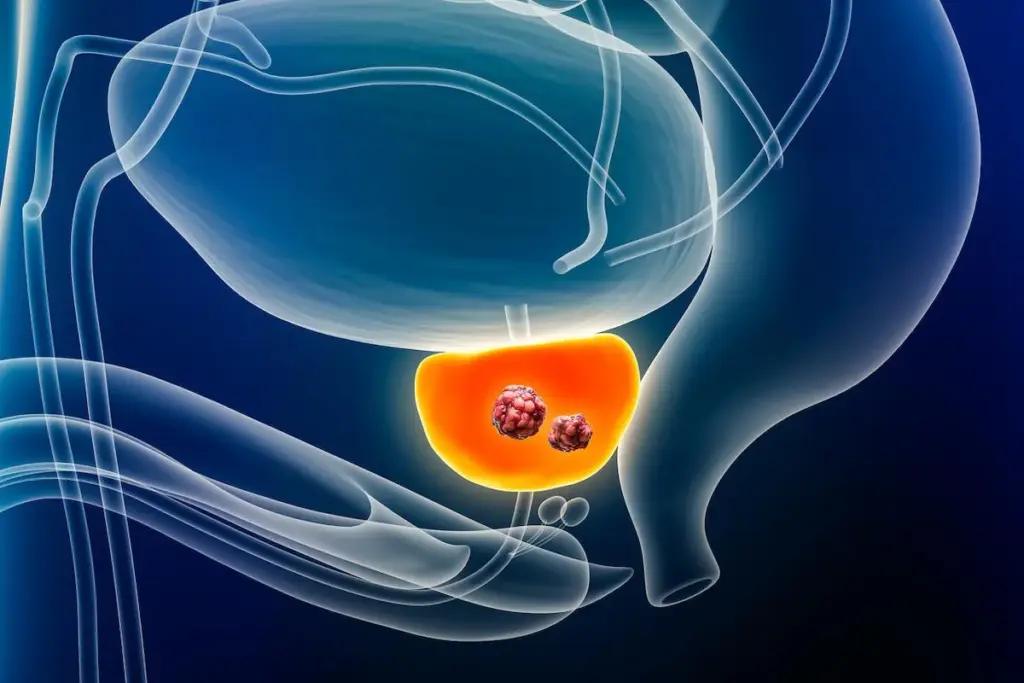
Prostate cancer is staged based on how big the tumor is, if it’s in lymph nodes, and if it has spread. This helps doctors decide the best treatment. The stage shows how serious the cancer is and guides treatment choices.
What Are the Stages of Prostate Cancer?
Prostate cancer is divided into four stages, from stage I to stage IV. The stage depends on the tumor size, Gleason score, PSA levels, and if it has spread. This information helps doctors plan the treatment.
- Stage I: Early-stage cancer, often localized within the prostate gland.
- Stage II: The cancer is within the prostate but may be more advanced.
- Stage III: The cancer has spread beyond the prostate to nearby tissues.
- Stage IV: The most advanced stage, where the cancer has metastasized to distant parts of the body.
Knowing these stages is key for patients to understand their diagnosis and treatment options.
How Stage 4 Differs from Earlier Stages
Stage 4 prostate cancer has spread to distant parts of the body, like bones or lymph nodes. It’s much different from earlier stages, where the cancer is more treatable.
|
Stage |
Cancer Location |
Treatment Focus |
|---|---|---|
|
Stage I-III |
Localized within or near the prostate |
Curative treatments, such as surgery or radiation |
|
Stage IV |
Metastasized to distant parts of the body |
Palliative care, focusing on symptom management and quality of life |
A study in the4 prostate cancer has a poor prognosis. This highlights the need to understand the stage and its impact on treatment and prognosis.
“The staging of prostate cancer is a complex process that involves assessing multiple factors to determine the extent of the disease.”
Getting a prostate cancer diagnosis can be scary. Knowing the stage is a big step in understanding treatment options and planning for the future.
Common Symptoms of Advanced Prostate Cancer

Advanced prostate cancer can cause many symptoms. These symptoms affect not just the body but also the mind. It’s important to know how these symptoms impact a patient’s life.
Physical Symptoms to Watch For
Advanced prostate cancer can cause several physical symptoms. Some common ones include:
- Pain: This can occur in the prostate, back, hips, or other areas where the cancer has spread.
- Fatigue: A persistent feeling of tiredness that doesn’t improve with rest.
- Urinary problems: Difficulty urinating, weak urine flow, or frequent urination.
These symptoms can greatly affect a patient’s daily life. It’s key to understand them to manage the disease well.
Emotional and Psychological Effects
Advanced prostate cancer also has emotional and psychological effects. Patients may feel:
- Anxiety: Fear about the future and the progression of the disease.
- Depression: Feelings of sadness, hopelessness, and loss of interest in activities.
- Fear: Concerns about how the disease will impact their life and loved ones.
Healthcare providers must address these emotional and psychological effects. This helps improve the quality of life for patients with advanced prostate cancer.
As prostate cancer advances, it’s vital to understand its effects. This knowledge helps provide the right support and care. It answers the question of how does prostate cancer kill you in the end by focusing on the quality of life left.
Diagnostic Tests for Prostate Cancer
Several key tests help diagnose prostate cancer. These tests are vital for finding the disease and figuring out the best treatment. We’ll cover the main tests used to spot and keep an eye on prostate cancer.
PSA Levels and Their Significance
The Prostate-Specific Antigen (PSA) test checks PSA levels in the blood. High PSA levels might mean prostate cancer, but they can also show other issues. We use the PSA test to see if someone might need more tests.
PSA Levels: A PSA level over 4 ng/mL is high. Levels between 4-10 ng/mL are mildly high. Levels above 10 ng/mL are very high.
Imaging Techniques Used for Diagnosis
Imaging tests let us see the prostate gland and find any problems. The main imaging methods for prostate cancer are:
- MRI (Magnetic Resonance Imaging): Gives detailed pictures of the prostate and nearby tissues.
- CT (Computed Tomography) Scan: Shows if cancer has spread to other parts of the body.
- Bone Scan: Checks if cancer has reached the bones.
|
Diagnostic Test |
Purpose |
Key Findings |
|---|---|---|
|
PSA Test |
Measures PSA levels in the blood |
Elevated levels may indicate prostate cancer |
|
MRI |
Provides detailed images of the prostate |
Identifies tumors and assesses their size and location |
|
CT Scan |
Checks for cancer spread |
Identifies cancer spread to lymph nodes or other organs |
|
Bone Scan |
Checks for bone metastasis |
Identifies areas of increased bone activity indicative of metastasis |
These tests are key for accurately finding prostate cancer and knowing its stage. By looking at the results of these tests, we can make a treatment plan that fits the person’s needs.
Metastasis: When Prostate Cancer Spreads
Prostate cancer spreading to other parts of the body makes treatment harder. It can reach different areas, causing various symptoms. Knowing how and where it spreads is key to managing the disease.
How Prostate Cancer Spreads to Other Organs
Prostate cancer can spread to bones, lymph nodes, and sometimes lungs, liver, and brain. The spine, pelvis, and ribs are often affected. Bone metastasis can cause pain, fractures, and high calcium levels.
Lymph node metastasis leads to swelling and discomfort. Spread to organs like lungs or liver can cause different symptoms based on the location and extent.
Signs of Metastatic Prostate Cancer
The symptoms of metastatic prostate cancer depend on where and how much it spreads. Common signs include bone pain in the back, hips, or ribs. Neurological symptoms can occur if the cancer presses on nerves.
Other signs include feeling tired, losing weight, and trouble urinating or bowel issues in advanced cases. Spotting these signs early is vital for effective treatment.
Treatment Options for Late-Stage Prostate Cancer
Patients with late-stage prostate cancer have several treatment options. These can help ease symptoms and slow the disease’s spread. It’s important to talk to a healthcare provider to find the best treatment.
Possible Treatments for Stage 4
Treatment for late-stage prostate cancer may include several therapies. Hormone therapy is used to lower male hormones that help cancer grow. Chemotherapy targets cancer cells that have spread.
- Targeted therapy, which focuses on specific molecules involved in cancer growth
- Immunotherapy, designed to stimulate the immune system to fight cancer
- Bone-modifying medications to reduce the risk of fractures and other bone-related complications
Palliative Care and Supportive Measures
Palliative care is key in managing late-stage prostate cancer. It aims to ease symptoms, pain, and stress. We help patients create personalized care plans to improve their quality of life.
- Pain management through medication and other interventions
- Nutritional counseling to maintain strength and overall health
- Emotional and psychological support for patients and their families
Prognosis and Life Expectancy
The outlook for stage 4 prostate cancer changes a lot based on several important factors. Knowing these factors helps patients and their families make better choices about their care.
Understanding Life Expectancy in Stage 4
Life expectancy for those with stage 4 prostate cancer varies a lot. Things like how far the cancer has spread, overall health, and how well treatment works are key. We’ll look at these in more detail to help you understand what to expect.
Stage 4 prostate cancer means the cancer has spread to other parts of the body, like bones, lymph nodes, or organs. The speed at which the cancer grows and the success of treatments greatly affect how long someone can live.
Factors Influencing Prognosis
Many things affect the outlook for stage 4 prostate cancer. These include:
- Overall Health: People with fewer health problems and better overall health usually have a better chance of survival.
- Extent of Cancer Spread: How far the cancer has spread impacts treatment choices and results.
- Response to Treatment: How well the cancer reacts to treatments like hormone therapy, chemotherapy, or radiation is very important.
- Genetic Factors: Some genetic changes can make the cancer more aggressive or affect how well it responds to treatment.
Understanding these factors helps doctors create treatment plans that are just right for each person. This can lead to better results. We stress the need for personalized care and support for those dealing with stage 4 prostate cancer.
By looking at these points, patients and their families can get a clearer picture of what to expect. This helps them make choices that improve their quality of life and life expectancy.
Recognizing End-of-Life Signs
As prostate cancer gets worse, it’s key to know when the end is near. This knowledge helps in giving the right care and support. It’s a critical time for patients and their families.
Declining Physical Condition
A drop in physical health is a big sign of the end of life. This can show in many ways, like:
- Feeling very tired and weak, making simple tasks hard.
- Not wanting to eat, leading to losing a lot of weight.
- Having trouble swallowing or feeling pain when eating.
- Needing to sleep or rest a lot more.
These changes can upset both the patient and their loved ones. It’s vital to manage these symptoms well. Healthcare experts can help make sure the patient is comfortable.
Withdrawal from Social Interactions
Another sign is when a patient starts to pull away from others. This might mean:
- Not wanting to do things they used to enjoy.
- Being less interested in spending time with family and friends.
- Not responding as much to what’s going on around them.
This pulling away is a part of dying. Knowing this can help families deal with the changes they see.
The question of “does prostate cancer kill you” is complex. It depends on when the cancer was found and how well treatment worked. But knowing these signs can help families prepare for what’s coming.
This time can be tough, but with the right support, patients can be comfortable. Doctors and nurses are key in managing symptoms. They help improve the quality of life in the final days.
Importance of Early Detection
Finding prostate cancer early can change its course. Early detection means better treatment options and higher survival rates.
Survival Benefits of Early Detection
Regular screenings help catch prostate cancer early. Men diagnosed early have a much better chance of survival than those found later.
Early detection does more than just save lives. It also means less aggressive treatments, improving quality of life.
The Role of Regular Screenings
Screenings are key to finding prostate cancer early. They can spot cancer before symptoms show. Men at high risk should get screened regularly.
- PSA tests are a common screening method.
- Digital Rectal Exams (DRE) are also important.
- Knowing your risk helps decide how often to get screened.
Understanding early detection and screenings is vital. Men should talk to their doctors about the best screening plan for them.
Coping with a Prostate Cancer Diagnosis
Getting a prostate cancer diagnosis can be tough for patients and their families. We know the challenges of this disease. We’re here to offer full support.
Support for Patients and Families
Patients with prostate cancer, including those in the last stage, need many resources. These include support groups, counseling, and online info. We help patients find these resources to face the disease’s challenges.
Counseling and Support Options
Dealing with prostate cancer isn’t just about treatment. It’s also about emotional and mental support. Counseling and support groups are key. They help patients and families deal with the diagnosis and manage the disease.
With these resources, patients can understand their condition better. They can make informed choices about their care. Our goal is to provide top-notch healthcare and support for patients worldwide.
FAQ
References
Is prostate cancer deadly, and can it be fatal?
Yes, prostate cancer can be fatal if caught late. If not treated early, it can spread and cause serious health issues.
What are the signs that indicate a patient is dying from prostate cancer?
Signs include a decline in physical health, pulling away from friends and family, and more pain or discomfort.
How does prostate cancer progress to stage 4, and what are its characteristics?
Stage 4 prostate cancer spreads to other body parts like bones, lymph nodes, or organs. It’s advanced and needs palliative care.
What are the common physical symptoms of advanced prostate cancer?
Symptoms include pain, tiredness, weight loss, and trouble with urination or bowel movements.
How is prostate cancer diagnosed, and what diagnostic tests are used?
Doctors use PSA levels, MRI or CT scans, and biopsies to diagnose prostate cancer.
Can prostate cancer be treated in its late stages, and what are the available treatment options?
Late-stage prostate cancer can’t be cured, but treatments like palliative care can manage symptoms and improve life quality.
How does metastasis occur in prostate cancer, and what are the signs of metastatic prostate cancer?
Metastasis happens when cancer cells spread. Signs include bone pain, trouble walking, and leg or foot swelling.
What factors influence the prognosis and life expectancy of patients with stage 4 prostate cancer?
Life expectancy depends on cancer spread, overall health, and treatment response.
Why is early detection important in improving survival rates for prostate cancer patients?
Early detection leads to timely treatment, reducing cancer spread and improving outcomes.
What resources are available to patients and families coping with a prostate cancer diagnosis?
There are support groups, counseling, and online resources for information and guidance.
How quickly can prostate cancer progress, and what are the final stages like?
Progression varies. Final stages include physical decline, increased pain, and social withdrawal.
Can you die from prostate cancer, and what are the last stages like?
Yes, prostate cancer can be fatal. Last stages include significant physical decline, pain, and emotional distress.
National Center for Biotechnology Information. Evidence-Based Medical Insight. Retrieved from https://pmc.ncbi.nlm.nih.gov/articles/PMC3551883/