

We often think of heart attacks as having clear signs. But many heart attacks, mainly in women, are not so obvious. Dr. John Perry, a cardiothoracic surgeon, says women are more likely to have a silent heart attack. The symptoms can seem minor, making them easy to overlook.
At Liv Hospital, we know how critical it is to spot the signs of a silent heart attack early. This can prevent serious heart damage. We’ll dive into the 9 key symptoms in women that should never be ignored.
Key Takeaways
- Understanding the symptoms of a silent heart attack is vital for early detection and treatment.
- Women are more prone to silent heart attacks, which can lead to significant heart damage if not recognized promptly.
- Recognizing the key symptoms can help prevent serious heart damage.
- Liv Hospital is committed to delivering world-class healthcare with support for international patients.
- Knowing the symptoms of a silent heart attack can save lives.
What Is a Silent Heart Attack and Why Women Are at Higher Risk
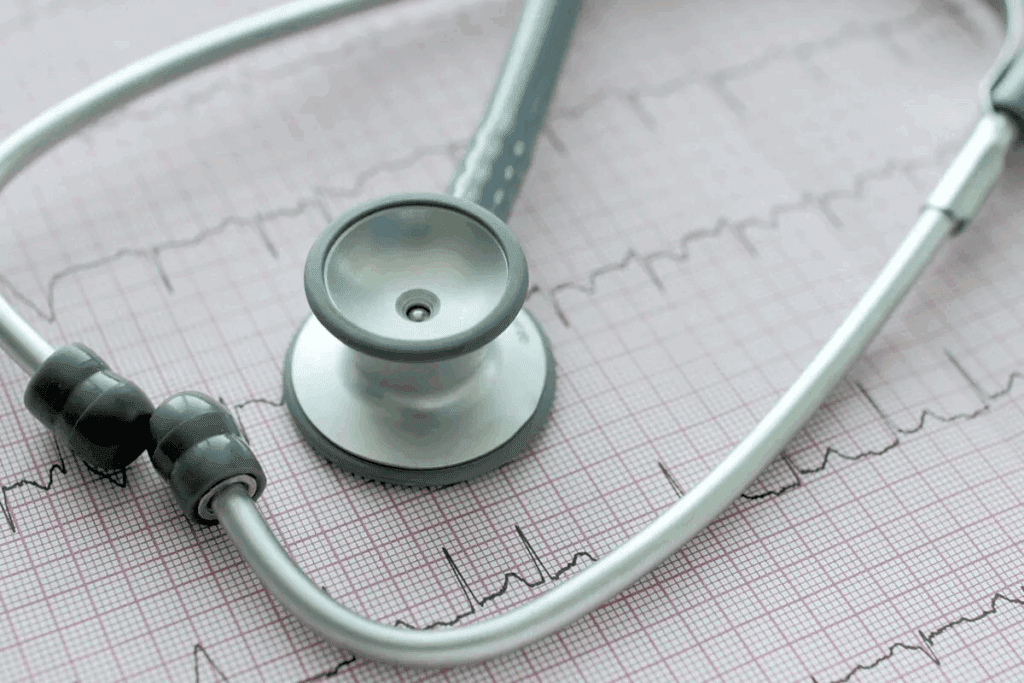
A silent heart attack happens when blood flow to the heart is blocked. This is a big risk for women because of their body’s unique factors. Unlike usual heart attacks, silent ones don’t show clear symptoms, making them hard to spot.
The Definition and Mechanism of Silent Heart Attacks
Silent heart attacks, or silent myocardial infarctions, occur when heart blood flow is blocked. This damage is often caused by a blood clot on atherosclerosis (plaque) in a coronary artery. The symptoms are mild or not there at all, unlike regular heart attacks.
Key factors contributing to silent heart attacks include:
- High blood pressure
- High cholesterol
- Smoking
- Diabetes
- Family history of heart disease
Gender Differences in Heart Attack Presentation
Studies show big differences in how heart attacks show up in men and women. Women often have silent heart attacks or symptoms like neck, jaw, or back pain, or feeling weak. These differences can cause delays in getting the right treatment.
Dr. Perry says women are at higher risk because of their size, hormones, and fewer red blood cells. Knowing these differences is key for both patients and doctors to spot the risk and act fast.
The Alarming Statistics for Women
Women are hit hard by silent heart attacks. Studies show women are more likely to have silent heart attacks and get late or wrong treatment.
| Category | Men | Women |
| Silent Heart Attack Incidence | Lower | Higher |
| Typical Symptoms | More Common | Less Common |
| Delayed Diagnosis | Less Likely | More Likely |
It’s vital to know the risks and how heart attacks show up differently in women. By being aware and taking steps to prevent, women can lower their risk of silent heart attacks.
Symptom #1: Unexplained Fatigue and Weakness
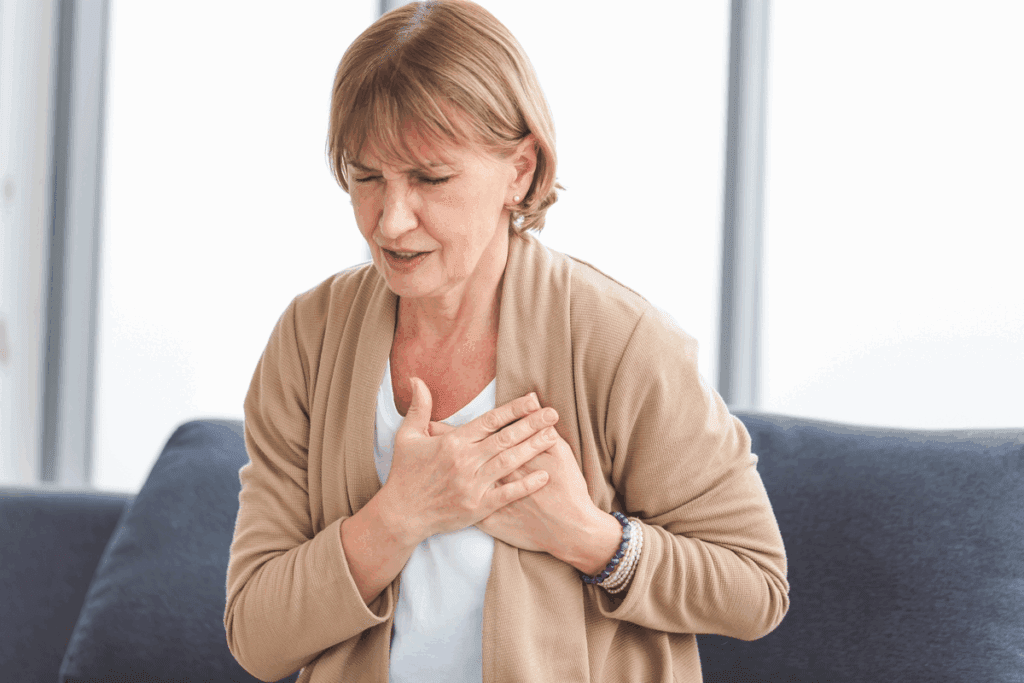
Feeling extremely tired is a common sign of silent heart attacks in women. Many women think it’s just stress or a stomach issue. Dr. Robert Greenfield, a cardiologist, says feeling very tired is a common sign of a silent heart attack.
How Heart-Related Fatigue Differs from Normal Tiredness
Normal tiredness comes after we’ve worked hard or thought a lot. It goes away when we rest. But heart-related fatigue is different. It’s a deep, lasting tiredness that doesn’t get better with rest. This could mean the heart is not working right, possibly showing a silent heart attack.
Real-Life Examples and Warning Signs
Imagine a woman who’s always tired, even after resting well. She feels weak and tired, even for simple tasks like shopping or cooking. This could be a sign of a silent heart attack.
When to Take Fatigue Seriously
If you’re always tired and can’t shake it, even with rest, see a doctor. If you also feel short of breath or dizzy, it’s even more important. A doctor can check if your symptoms are from a heart problem.
| Characteristics | Normal Tiredness | Heart-Related Fatigue |
| Duration | Temporary, relieved by rest | Persistent, not relieved by rest |
| Triggers | Follows physical or mental exertion | Not necessarily related to activity level |
| Impact on Daily Life | Minimal impact, manageable with rest | Significant impact, interferes with daily activities |
Symptom #2: Discomfort in the Jaw, Neck, and Upper Back
Discomfort in the jaw, neck, and upper back might signal a silent heart attack in women. This is different from the usual chest pain of heart attacks. These symptoms can be mistaken for other issues.
Dr. Perry says women often feel jaw or neck pain. They might think it’s just normal postmenopausal discomfort. This can delay getting the right treatment.
Understanding Referred Pain Patterns
Referred pain happens when the brain gets pain signals wrong. In silent heart attacks, pain can go to the jaw, neck, and upper back. This is because of shared nerve paths.
The nerves for the heart also cover the jaw, neck, and upper back. When the heart doesn’t get enough blood, it sends pain signals. This can cause discomfort in these areas.
Distinguishing Features of Heart-Related Pain
Heart pain in these areas has its own signs. It can get worse with activity or stress and feel better with rest.
This pain is different from muscle pain. It’s not changed by moving the area or touching it. Knowing these differences helps doctors diagnose correctly.
| Characteristics | Heart-Related Pain | Musculoskeletal Pain |
| Triggered by | Physical activity or stress | Movement or palpation |
| Relieved by | Rest | Rest or specific movements |
| Nature of Pain | Often described as discomfort or pressure | Can be sharp or dull |
Why Women Experience These Symptoms More Often
Studies show women are more likely to feel jaw, neck, and upper back pain during a heart attack. Hormones, pain perception, and other health issues might play a role.
“Women are more likely to experience atypical symptoms during a heart attack, which can make diagnosis more challenging. Being aware of these differences is critical for timely intervention.”
Seeing jaw, neck, and upper back pain as heart attack signs can help women get help faster. This could lead to better health outcomes.
Symptom #3: Unusual Pain or Discomfort in the Arms and Shoulders
Silent heart attacks in women can cause pain in the arms and shoulders. This symptom is often missed or thought to be something else. It’s key to know it’s linked to heart health.
The Cardiovascular Connection to Upper Extremity Pain
Pain in the arms and shoulders during a silent heart attack comes from the heart’s nerves. The cardiovascular connection to upper extremity pain is through shared nerve paths. When the heart is stressed or damaged, it can send pain signals to these areas.
Bilateral vs. Unilateral Symptoms
It’s important to know if the pain is in one arm (unilateral) or both (bilateral). Bilateral symptoms are often more strongly associated with cardiac issues. But, any unusual or lasting pain in the arms or shoulders should be checked.
Commonly Misdiagnosed as Muscle Strain
Dr. Olujimi Ajijola, a cardiologist, says women might feel pain in their arms and shoulders, thinking it’s muscle strain. This can cause a delay in treatment. It’s vital to tell the difference between muscle pain and heart pain, if other symptoms of a silent heart attack are present.
Knowing these subtle symptoms can help in early detection and treatment. If you feel unusual pain or discomfort in your arms or shoulders, along with other heart attack symptoms, get medical help right away.
Symptom #4: Shortness of Breath and Respiratory Distress
Shortness of breath is a key sign of a silent heart attack in women. It can happen even when a woman is just sitting or lying down. This is a serious sign that needs quick attention.
Breathing Difficulties as Heart Attack Indicators
Shortness of breath, or dyspnea, is a common sign of heart trouble. Dr. Adriana Quinones-Camacho, a cardiologist, says it can signal a silent heart attack. When the heart doesn’t pump well, fluid can build up in the lungs, causing breathing problems.
Key factors to consider:
- Difficulty breathing at rest or with minimal exertion
- Waking up with shortness of breath or feeling the need to prop oneself up with pillows
- Shortness of breath accompanied by other symptoms like fatigue or dizziness
The Link Between Heart Function and Breathing
The heart and lungs are closely linked to supply oxygen to the body. When the heart is not working right, it can affect breathing. A silent heart attack can lead to lung congestion, causing breathing trouble.
It’s important to know that shortness of breath isn’t always a heart problem. But if it’s ongoing or severe, getting medical help is key.
When Breathing Changes Warrant Immediate Attention
If you or someone you know has sudden or severe shortness of breath, get help right away. This is very important if other symptoms like chest pain, dizziness, or nausea are present too.
Immediate action is required if:
- You experience sudden shortness of breath without an obvious cause.
- Shortness of breath is accompanied by other concerning symptoms.
- You have a history of heart disease or risk factors for heart attacks.
Symptom #5: Digestive Symptoms – Nausea, Indigestion, and Abdominal Discomfort
Symptoms of a silent heart attack can look like stomach problems. This can confuse people and delay getting help. It’s very dangerous because it might mean not getting medical care on time.
Why Silent Heart Attacks Mimic Gastrointestinal Issues
Dr. Greenfield says nausea and indigestion can be signs of a silent heart attack. These symptoms are often thought to be stomach problems. But, it’s important to know they can also mean heart trouble, not just bad food or stress.
Some women feel like they have indigestion, with a burning or discomfort in their stomach. This can be very misleading. It might seem like a small stomach problem, not a heart issue.
Distinguishing Features from Common Digestive Problems
Nausea and indigestion are common, but some signs might mean a silent heart attack. If these symptoms happen without a clear reason, like bad food, it’s a sign to think about heart problems. Also, if you feel short of breath or have arm pain, it’s a big warning sign to see a doctor right away.
The Danger of Misattribution to Stress or Diet
Thinking stomach problems are just from stress or bad food can be risky. It might mean missing a silent heart attack. It’s key to know heart symptoms can look like minor issues.
“Recognizing the subtle signs of a silent heart attack is key for getting help quickly,” says Dr. Greenfield.
By staying informed and alert, women can better understand their bodies. They can get the right medical care when they need it.
Symptoms #6-7: Dizziness, Lightheadedness, and Cold Sweats
Silent heart attacks can show up as dizziness, lightheadedness, and cold sweats. These signs are often missed or thought of as something else. It’s key to spot them as they might mean a heart problem that needs quick help.
The Relationship to Compromised Blood Flow
Dizziness and lightheadedness in a silent heart attack usually mean blood flow issues. When the heart doesn’t pump well, it can’t send enough blood to the brain. This leads to these symptoms, says Dr. Ajijola. He stresses how important it is to see the heart’s role.
Autonomic Nervous System Responses
The autonomic nervous system kicks in during a heart attack, releasing stress hormones like adrenaline. This can cause cold sweats and other signs. It’s important to see these reactions as the body’s emergency response, not just stress or anxiety.
When These Symptoms Signal a Cardiovascular Emergency
We must know when dizziness, lightheadedness, and cold sweats mean a heart emergency. If these happen suddenly, are very bad, or with other heart attack signs, get help fast. Taking these warnings seriously can stop more heart damage.
In short, spotting dizziness, lightheadedness, and cold sweats as heart attack signs is key for women’s heart health. By linking these symptoms to heart issues, we can act early and treat them better.
Symptoms #8-9: Sleep Disturbances and Anxiety or Sense of Doom
The link between heart health and sleep is complex. Sleep problems can signal a silent heart attack. It’s key to see how sleep issues and anxiety tie to heart health.
The Heart-Sleep Connection
Sleep is essential for heart health. Our body fixes and refreshes the heart and blood vessels while we sleep. Disruptions in sleep patterns can cause inflammation and stress hormones, harming the heart. Dr. Quinones-Camacho says sleep problems can hint at heart issues.
Studies show sleep disorders, like sleep apnea, raise heart problem risks. This includes silent heart attacks.
Psychological Manifestations of Heart Problems
Anxiety and a sense of doom can signal heart issues, like silent heart attacks. These feelings can be intense and overwhelming. The body’s stress response is triggered during a heart attack, releasing stress hormones like adrenaline.
This can cause anxiety and panic. It’s vital to see these symptoms as serious signs of a heart problem.
Why These Subtle Symptoms Matter
Sleep issues and anxiety might seem minor, but they’re important warning signs of a silent heart attack. Ignoring them can delay diagnosis and treatment. Early recognition of these symptoms can greatly improve outcomes for women with silent heart attacks.
By understanding the connection between these symptoms and heart health, women can get medical help quickly. This could save lives.
Recognizing and Responding to Silent Heart Attack Symptoms in Women
It’s important for women to know about silent heart attacks and their symptoms. These attacks can be dangerous because they often don’t show symptoms. Yet, they can harm your heart health a lot.
Risk Factors That Increase Vulnerability
There are several things that make a woman more likely to have a silent heart attack. These include:
- Age: The risk goes up after 55.
- Family History: Heart disease in your family is a big risk.
- Diabetes: Women with diabetes are at higher risk.
- High Blood Pressure: High blood pressure is a major risk.
- High Cholesterol: Too much bad cholesterol is risky.
- Smoking: Smoking is very bad for your heart.
- Obesity: Being overweight or obese raises heart disease risk.
Dr. Perry says knowing these risks is key. “Awareness is key,” she notes. “Women need to understand their risk profile and work with their healthcare providers to mitigate these risks.”
Diagnostic Approaches and Challenges
Finding silent heart attacks can be hard because they don’t show symptoms. But, some tests can spot people at risk:
| Diagnostic Test | Purpose |
| Electrocardiogram (ECG) | Measures the electrical activity of the heart |
| Echocardiogram | Uses sound waves to create images of the heart |
| Stress Test | Evaluates heart function under stress |
| Cardiac MRI | Provides detailed images of the heart structure |
Treatment Options and Recovery Expectations
Treatment for silent heart attacks usually means managing risks and preventing more damage. This might include:
- Medications: To manage conditions like high blood pressure, high cholesterol, and diabetes.
- Lifestyle Changes: Eating healthy, exercising, and quitting smoking.
- Cardiac Rehabilitation: A program to help recover from heart disease.
Prevention Strategies and Heart-Healthy Choices
Preventing silent heart attacks means making healthy choices. “Prevention is always better than cure,” as the saying goes. This includes staying at a healthy weight, exercising, eating well, and managing stress.
By knowing the risks and taking steps to prevent them, women can lower their risk of silent heart attacks. It’s important to work with healthcare providers to keep an eye on heart health and address any concerns quickly.
Conclusion: Taking Action for Heart Health
Knowing the signs of silent heart attacks in women is key to getting help fast. Symptoms like unexplained tiredness, jaw, neck, and upper back pain, and shortness of breath can mean a silent heart attack. It’s vital to recognize these signs and take steps to keep your heart healthy.
Experts like Dr. Greenfield say making lifestyle changes can greatly help your heart. Eating well, exercising often, and handling stress well can lower your risk of a silent heart attack. Learning about these symptoms early helps women get medical help quickly.
Preventing heart problems is a team effort. It involves individuals, doctors, and communities working together. By focusing on heart health and knowing the signs of silent heart attacks in women, we can lower the risk of heart issues. This improves our overall health and well-being.
FAQ
What is a silent heart attack?
A silent heart attack happens when the heart’s blood flow is blocked. This causes damage to the heart muscle. But, it doesn’t have the usual heart attack symptoms like chest pain.
Why are women at higher risk for silent heart attacks?
Women face a higher risk of silent heart attacks. This is due to hormonal differences, smaller heart arteries, and a higher chance of microvascular disease.
What are the symptoms of a silent heart attack in women?
The symptoms of a silent heart attack in women can be different. They might include feeling very tired, jaw, neck, or upper back pain. They might also feel unusual pain in the arms and shoulders, or have trouble breathing.
Other symptoms include digestive issues, feeling dizzy, cold sweats, trouble sleeping, and feeling anxious or like something bad is going to happen.
How does a silent heart attack differ from a typical heart attack?
A silent heart attack is different because it often doesn’t have the usual chest pain. This makes it harder to diagnose.
Can a silent heart attack be prevented?
While some risk factors can’t be changed, like age and family history, others can. You can manage them with a healthy diet, regular exercise, reducing stress, and not smoking.
How is a silent heart attack diagnosed?
Diagnosing a silent heart attack is tricky. It often involves looking at your medical history, doing a physical exam, and using tests like an electrocardiogram (ECG). Blood tests and imaging tests like echocardiography or cardiac MRI are also used.
What are the treatment options for a silent heart attack?
Treatment for a silent heart attack includes medicines to manage risk factors. This includes antiplatelet therapy, beta-blockers, ACE inhibitors, and statins. Lifestyle changes and sometimes procedures like angioplasty or CABG are also used.
Can a silent heart attack cause long-term damage?
Yes, a silent heart attack can cause long-term damage. This can lead to heart failure or other serious problems if not treated properly.
How can women reduce their risk of having a silent heart attack?
Women can lower their risk by living a healthy lifestyle. This includes eating well, staying active, not smoking, managing stress, and controlling conditions like high blood pressure, diabetes, and high cholesterol.
What should I do if I suspect I’ve had a silent heart attack?
If you think you’ve had a silent heart attack, get medical help right away. Talk to your doctor, who may suggest tests to check your heart’s health.
References
- White, H. J. (2023). Anatomy, Thorax, Superior Vena Cava. In StatPearls. National Center for Biotechnology Information. https://www.ncbi.nlm.nih.gov/books/NBK545255/