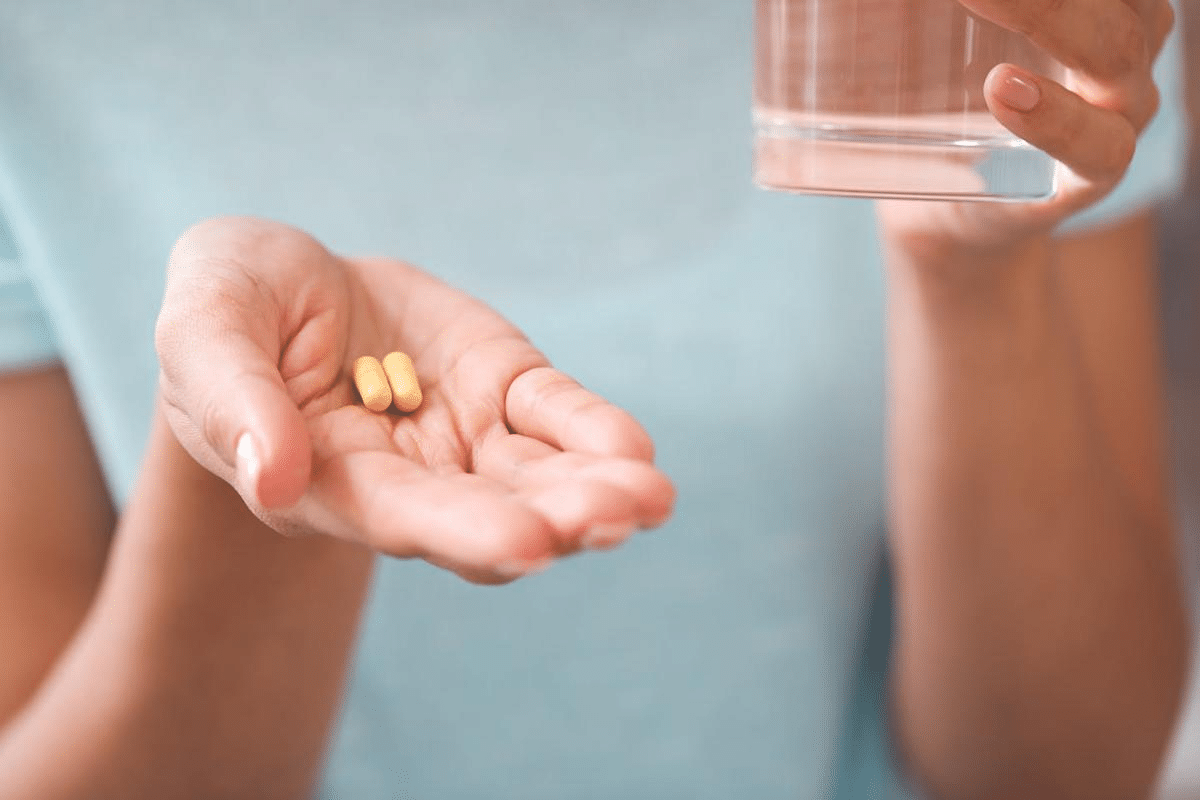
Gout is a painful form of arthritis that affects millions. It can cause severe attacks and damage joints over time. Managing gout well is key to avoid these problems. We use medicines to prevent gout.preventative gout medicationTendonitis Treatment: The Ultimate 5-Step Home Relief Plan Now
Allopurinol is a uric acid-lowering tablet often given to prevent gout attacks. It works by lowering uric acid levels in the blood. This stops crystals from forming, which can trigger attacks.
Learning how allopurinol works helps us manage gout better. Studies show it lowers uric acid levels well. This makes it a top choice for preventing gout.
Key Takeaways
- Allopurinol is a commonly prescribed medication for preventing gout attacks.
- It works by lowering serum uric acid levels.
- Uric acid-lowering tablets like allopurinol are key in managing chronic gout.
- Preventing gout attacks can help avoid chronic joint damage.
- Effective gout management involves understanding and using preventative medications.
Understanding Gout and the Need for Preventative Treatment

To understand the importance of preventative treatment, we need to know what gout is. Gout is a type of arthritis caused by uric acid crystals in the joints. It leads to severe pain and discomfort. Knowing how gout works is key to managing it well.
The Pathophysiology of Gout
Gout happens when uric acid builds up in the blood, forming crystals in joints. This causes inflammation and the symptoms of gout. It’s often linked to having too much uric acid in the blood.
The way gout works involves uric acid production, how it’s removed by the kidneys, and other metabolic factors. Chronic hyperuricemia is a major factor in gout. It causes urate crystals to form in joints and tissues.
Impact of Chronic Hyperuricemia
Chronic hyperuricemia greatly affects people with gout. It leads to more frequent attacks and can damage joints over time. It also raises the risk of kidney disease and heart problems.
|
Comorbidity |
Association with Gout |
Clinical Implication |
|---|---|---|
|
Kidney Disease |
Reduced uric acid excretion |
Increased risk of gout attacks |
|
Cardiovascular Disease |
Shared risk factors with hyperuricemia |
Higher risk of cardiovascular events |
When Preventative Medication Becomes Necessary
Preventative medication is needed when gout attacks keep coming back or when joints show damage. Uric acid-lowering therapy is key in preventing gout attacks and managing chronic hyperuricemia.
Doctors decide on preventative medication based on how often gout attacks happen, the presence of tophi, and joint damage. Understanding the need for preventative treatment helps doctors create long-term plans for gout patients.
How Preventative Gout Medication Works in the Body

It’s important to know how preventative gout medication works. It helps manage uric acid levels in the body. This reduces the number and severity of gout attacks.
Uric Acid Production and Excretion
Uric acid comes from breaking down purines in the body. It’s usually dissolved in blood, then passed through the kidneys and out in urine. But, some people make too much uric acid or can’t get rid of it well, leading to high levels.
Urate-lowering therapy tries to fix this problem. It does this by either making less uric acid or helping the kidneys get rid of it better. Xanthine oxidase inhibitors like allopurinol cut down uric acid production. Uricosuric agents, like probenecid, help the kidneys remove more uric acid.
Mechanism of Urate-Lowering Therapy
Urate-lowering therapy is key in treating gout. It lowers serum uric acid levels. This stops urate crystals from forming, which cause gout attacks. The main treatments are xanthine oxidase inhibitors and uricosuric agents.
Choosing the right treatment depends on several things. These include the patient’s kidney health, how high their uric acid levels are, and any other health issues. Monitoring serum uric acid levels is key to see if the treatment is working and to make changes if needed.
Target Uric Acid Levels for Effective Prevention
The goal of urate-lowering therapy is to keep uric acid levels low. The target is usually below 6 mg/dL. Keeping levels this low can greatly reduce gout attacks and improve life quality for those with gout.
It’s important to regularly check and adjust the medication. This ensures the uric acid levels stay low. This not only manages gout but also prevents damage from high uric acid levels over time.
Allopurinol: The First-Line Preventative Gout Medication
Allopurinol is a key player in managing gout. It works by blocking the enzyme xanthine oxidase. This action helps lower serum uric acid levels.
Mechanism of Action
Allopurinol stops the enzyme xanthine oxidase from working. This enzyme is key in making uric acid. By stopping it, allopurinol cuts down uric acid production.
This is important because high uric acid levels cause gout attacks. By reducing uric acid, allopurinol stops crystals from forming. These crystals are what lead to gout flares.
Dosage Guidelines and Titration Protocol
The starting dose of allopurinol is usually 100 mg a day. The dose is then slowly increased every few weeks. This helps reach the right serum uric acid levels.
It’s important to check serum uric acid levels while adjusting the dose. This ensures the dose is right and keeps side effects low. The goal is to keep uric acid levels below 6 mg/dL to prevent gout attacks.
Clinical Efficacy in Lowering Serum Uric Acid
Many studies show allopurinol is effective in lowering serum uric acid levels. It also reduces the number of gout attacks. It works well in both short and long-term use.
|
Study |
Sample Size |
Duration |
Outcome |
|---|---|---|---|
|
Study 1 |
100 |
6 months |
Significant reduction in gout attacks |
|
Study 2 |
200 |
1 year |
Effective in maintaining low uric acid levels |
|
Study 3 |
150 |
2 years |
Long-term safety and efficacy established |
By lowering serum uric acid levels, allopurinol reduces gout flares. It also helps dissolve urate crystals over time. This leads to better outcomes for patients.
Febuxostat: An Alternative Xanthine Oxidase Inhibitor
Febuxostat is a strong xanthine oxidase inhibitor for managing gout. It helps lower uric acid levels. This makes it a good choice for those who can’t take allopurinol or don’t respond well to it.
Comparison to Allopurinol in Efficacy and Safety
Febuxostat and allopurinol both block xanthine oxidase. But they work differently. Febuxostat might be better for some patients, like those with kidney problems.
Both drugs can cause side effects. But febuxostat might raise heart disease risk. So, doctors need to pick patients carefully and watch them closely.
|
Characteristics |
Febuxostat |
Allopurinol |
|---|---|---|
|
Mechanism of Action |
Xanthine Oxidase Inhibitor |
Xanthine Oxidase Inhibitor |
|
Efficacy in Renal Impairment |
Effective |
Less Effective |
|
Cardiovascular Risk |
Potential Increased Risk |
Generally Lower Risk |
Appropriate Patient Selection Criteria
Choosing the right patients for febuxostat is key. Look at kidney problems, allopurinol intolerance, and gout severity.
- Patients with kidney issues might do well on febuxostat.
- Those who can’t take allopurinol might try febuxostat.
- People with heart disease need careful consideration due to febuxostat’s heart risks.
Dosing Considerations and Monitoring Requirements
Start febuxostat at 40 mg a day. If uric acid is too high, increase to 80 mg. It’s important to check uric acid, liver, and kidney function regularly.
Regular check-ups are vital. They help adjust the treatment as needed.
Probenecid: Uricosuric Agent for Uric Acid Excretion
Probenecid helps the kidneys remove more uric acid from the body. This gives relief to those with gout. It works by making the kidneys better at getting rid of uric acid.
Mechanism of Enhanced Renal Excretion
Probenecid stops the kidneys from reabsorbing uric acid. This means more uric acid is excreted. Lowering uric acid levels in the blood helps prevent gout attacks.
Key aspects of probenecid’s mechanism include:
- Inhibition of URAT1, a key transporter involved in uric acid reabsorption
- Enhanced excretion of uric acid through the kidneys
- Reduction in serum uric acid levels
Patient Selection and Contraindications
Not everyone with gout can take probenecid. It’s important to choose the right patients and know who should avoid it. Patient selection criteria include:
- Normal renal function or mild impairment
- No history of kidney stones
- Uric acid underexcretion
Don’t use probenecid if you have kidney problems, have had kidney stones, or take certain other medicines.
Combination Therapy with Xanthine Oxidase Inhibitors
Probenecid can be used with xanthine oxidase inhibitors like allopurinol or febuxostat. This combo helps control uric acid levels better. It’s good for those who don’t get enough help from one medicine alone.
Benefits of combination therapy include:
- Enhanced uric acid lowering
- Potential reduction in the dosage of individual medications
- Improved management of gout symptoms
Lesinurad: Targeting URAT1 for Improved Uric Acid Clearance
Lesinurad is a big step forward in treating gout. It focuses on the URAT1 transporter. This new method helps clear uric acid better in gout patients.
Novel Mechanism of Action
Lesinurad blocks the URAT1 transporter in the kidneys. This is where most uric acid is reabsorbed. By doing this, it increases uric acid excretion and lowers serum uric acid levels.
This action is a good match with xanthine oxidase inhibitors. So, lesinurad is a great addition to treatment plans.
Combination Therapy Approach
Lesinurad is often paired with a xanthine oxidase inhibitor like allopurinol or febuxostat. This combination therapy approach is more effective than using one drug alone. It leads to a bigger drop in uric acid levels, helping control gout better.
Safety Profile and Monitoring Requirements
Lesinurad is usually safe but can cause renal-related adverse events. It’s key to watch kidney function closely in lesinurad users. Also, it’s not for those with severe kidney problems.
Regular checks of serum creatinine and urine output are advised. This ensures lesinurad is used safely.
In summary, lesinurad is a new way to treat gout by focusing on the URAT1 transporter. Used with xanthine oxidase inhibitors, it offers a complete treatment plan for gout.
Pegloticase: Biological Therapy for Refractory Gout
Refractory gout is hard to treat, but pegloticase offers hope. It’s a biological therapy that lowers uric acid levels. Pegloticase is a special enzyme that changes uric acid into allantoin, which is easier to get rid of.
Mechanism of Enzymatic Uric Acid Reduction
Pegloticase breaks down uric acid into allantoin. This is good for people with refractory gout. It quickly lowers uric acid levels in the blood.
Key Benefits of Pegloticase:
- Rapid reduction of uric acid levels
- Effective for patients with refractory gout
- Potential to reduce or eliminate gout flares
Administration Protocol and Monitoring
Pegloticase is given through an IV every two weeks. It’s important to watch for infusion reactions. These can happen during or after the treatment.
|
Monitoring Parameter |
Frequency |
|---|---|
|
Serum Uric Acid Levels |
Regularly, during treatment |
|
Infusion Reactions |
During and after infusion |
|
Immunogenicity |
Regularly, during treatment |
Managing Infusion Reactions and Immunogenicity
Infusion reactions can be treated with antihistamines and corticosteroids before the infusion. It’s also important to watch for signs of the body making antibodies against pegloticase. This can affect how well the drug works and its safety.
“The introduction of pegloticase has been a game-changer for patients with refractory gout, providing a new hope for managing this condition.”
— Expert in Rheumatology
Pegloticase is a big step forward in treating gout, and it’s a big help for those with refractory gout. Its unique way of working and how it’s given make it a good choice for those who haven’t found relief with other treatments.
Managing Side Effects and Optimizing Preventative Gout Treatment
Managing gout well means more than just using medicine. It’s also about dealing with side effects. We need to know how to lessen these effects to keep gout under control for good.
Common Adverse Reactions and Mitigation Strategies
Medicines for gout can have side effects. These might include stomach problems, allergic reactions, and issues with the liver. For example, allopurinol can cause rashes and allergic reactions in some people.
To lessen these side effects, we suggest:
- Start with a small dose and slowly increase it to avoid harsh side effects.
- Keep an eye on liver function and blood counts.
- Use stomach protectors for those with stomach side effects.
Drug Interactions and Polypharmacy Considerations
People with gout often take many medicines, which can lead to drug interactions. For instance, allopurinol can make azathioprine more toxic. We must check all the medicines a patient is taking to avoid bad interactions.
Here are some ways to handle many medicines:
- Regularly check and change the patient’s medicine list.
- Try to avoid medicines that could react with gout treatments.
- Choose treatments with fewer risks of interaction when possible.
Monitoring Protocol for Long-term Therapy
Using gout medicines for a long time needs a good monitoring plan. This plan includes checking uric acid levels, liver, and kidney function regularly.
A good monitoring plan might include:
- Checking uric acid levels to keep them in target range.
- Testing liver function for those on certain medicines.
- Monitoring kidney function, mainly for those on certain types of gout medicines.
By understanding and managing side effects of gout medicines, we can improve treatment results. A good plan includes ways to reduce side effects, careful handling of drug interactions, and regular monitoring. This is key for managing gout well over time.
Conclusion: Developing an Effective Long-Term Gout Management Plan
Managing gout well means using many strategies. This includes changing your lifestyle, diet, and taking medicine to prevent gout. It’s important to have a plan that fits each person’s needs.
Medicine that lowers uric acid is key in treating gout. It helps stop gout attacks and slows the disease. It’s vital to follow the treatment plan and make lifestyle changes to manage gout long-term.
A good gout plan involves regular checks and changes as needed. This might include checking uric acid levels and kidney function. Working with doctors helps create a plan that suits each person’s health goals.
Combining medicine with lifestyle and diet changes can help manage gout. We aim to help patients create long-term plans that improve their health and life quality.
FAQ
What is the primary medication used to prevent gout attacks?
Allopurinol is the main treatment for stopping gout attacks. It lowers the body’s uric acid levels.
How does allopurinol work to prevent gout?
Allopurinol blocks the production of uric acid in the body. This helps prevent gout attacks by keeping uric acid levels low.
Are there alternative medications to allopurinol for gout prevention?
Yes, febuxostat is another option for preventing gout. It’s used when allopurinol doesn’t work well.
What is the role of uric acid tablets in managing gout?
Uric acid tablets, like probenecid, help get rid of uric acid in the urine. They are used to prevent gout attacks.
Can lesinurad be used for gout treatment?
Lesinurad is used with a xanthine oxidase inhibitor to clear more uric acid. It’s for patients who need more help lowering uric acid.
What is pegloticase used for in gout management?
Pegloticase is a biological treatment for severe gout. It breaks down uric acid and is given through an infusion.
How can side effects from preventative gout medications be managed?
Side effects can be managed by adjusting doses or switching medications. It’s important to watch for side effects to keep therapy safe.
Are there any drug interactions to be aware of with gout medications?
Yes, gout medications can interact with other drugs. It’s key to consider these interactions when prescribing treatments.
What is the target uric acid level for effective gout prevention?
The goal is to lower uric acid levels to prevent gout. The target level depends on the patient’s condition and medication.
Can lifestyle and dietary changes complement preventative gout medication?
Yes, adding lifestyle and dietary changes to medication is important for managing gout long-term. Dietary changes can help lower uric acid levels.
How is the effectiveness of uric acid lowering medication monitored?
The effectiveness is monitored by checking uric acid levels and gout attack frequency.
What are the benefits of using a combination therapy approach for gout management?
Using a combination of treatments, like a xanthine oxidase inhibitor with lesinurad, can be more effective. It helps manage gout better.
References
National Center for Biotechnology Information. Evidence-Based Medical Guidance. Retrieved from https://www.ncbi.nlm.nih.gov/pmc/articles/PMC7256907/.