

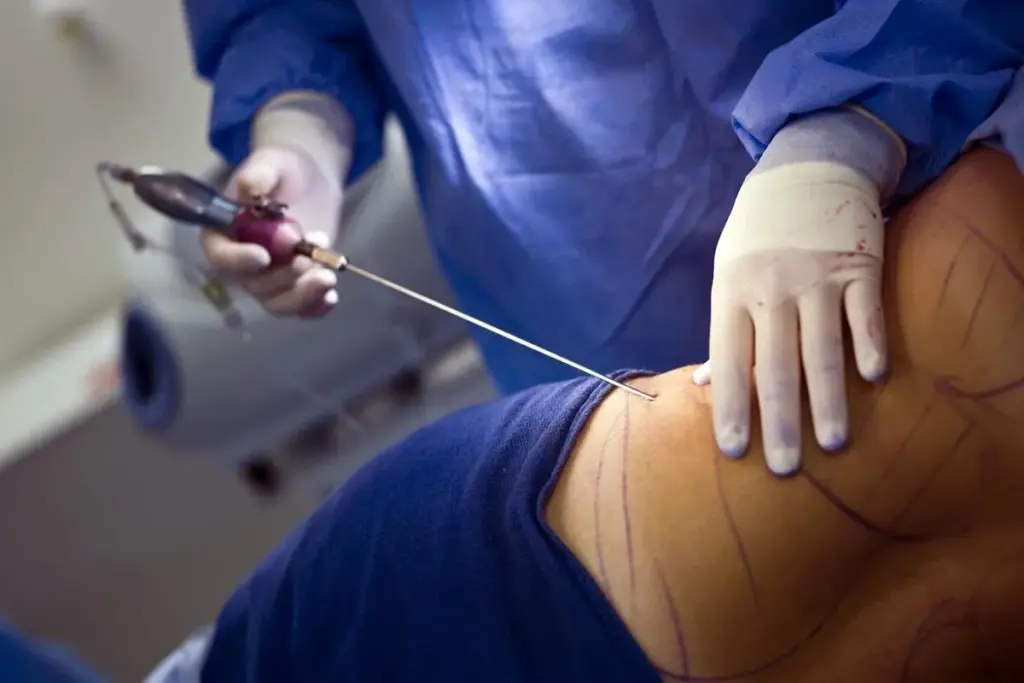
Answering are ablation and embolization the same (no, different mechanisms) and summarizing the ablation vs embolization distinction. Embolization is a medical procedure that stops blood flow to a specific blood vessel. It does this by placing a substance inside it. This treatment stops blood from flowing through the targeted vessel. After an embolization procedure, patients often wonder what to expect during their recovery.
Knowing the recovery process after embolization is key. It helps manage expectations and ensures a smooth healing. Patients can expect some symptoms after the procedure, but these are usually temporary.
Key Takeaways
- Embolization involves stopping blood flow to a targeted vessel.
- The procedure is used to treat various medical conditions.
- Patients may experience temporary symptoms post-procedure.
- Understanding the recovery process can help manage expectations.
- A smooth recovery is typically expected with proper care.
Understanding the Immediate Post-Embolization Period

Knowing what to expect right after an embolization can make recovery easier. The first 24 hours are key for watching for side effects or problems.
First 24 Hours After the Procedure
The first 24 hours are very important. Patients are watched closely in the recovery room for hours after the procedure.
Initial Recovery Room Monitoring
In the recovery room, doctors watch for any quick reactions or issues. Vital signs like blood pressure, heart rate, and oxygen levels are checked.
Managing Initial Discomfort
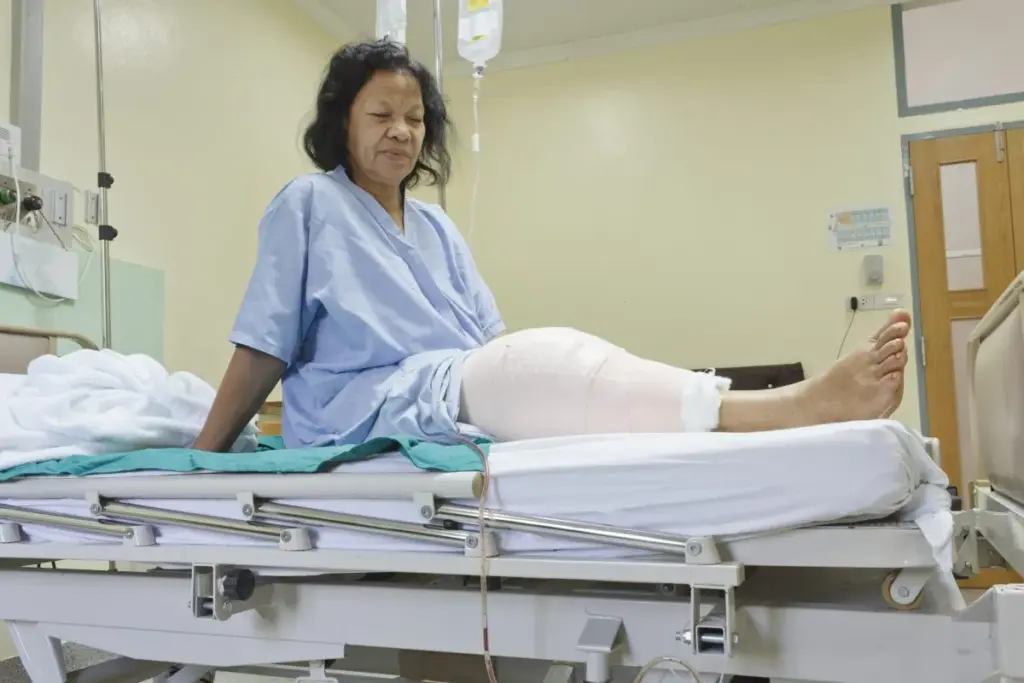
Patients might feel pain or discomfort after the procedure. This can be helped with medicine. How much pain varies by person and the type of embolization.
Monitoring Vital Signs and Recovery
Watching vital signs is a big part of care after embolization. Doctors track important signs to help recovery go smoothly.
Important Indicators Healthcare Providers Track
They look at blood pressure, heart rate, and signs of trouble. Finding problems early helps them act fast.
Patient Self-Monitoring Techniques
Patients should also watch their own health. They should track their symptoms and tell their doctor about any worries. This includes watching temperature, pain, and any odd feelings.
|
Vital Sign |
Normal Range |
Action if Abnormal |
|---|---|---|
|
Blood Pressure |
90/60 – 120/80 mmHg |
Contact healthcare provider |
|
Heart Rate |
60 – 100 bpm |
Seek medical attention if persistently abnormal |
|
Body Temperature |
97.7 – 99.5°F (36.5 – 37.5°C) |
Monitor closely, report high fever |
Hospital Stay Duration and Care
Embolization procedures usually require a short stay in the hospital. This is for monitoring and care after the procedure. The exact length of stay depends on your health and the procedure’s complexity.
Typical Length of Hospitalization
Most patients go home within a day or two after embolization. The stay’s length can change based on your health and if any complications arise.
Medical Monitoring During Your Stay
Medical staff keep a close eye on your vital signs while you’re in the hospital. They watch for any signs of complications. This is key to keeping you safe and handling any issues quickly.
Nursing Care and Assessments
Nurses are very important in your care. They check on you regularly to see how you’re doing and manage any pain. They also give you medications as your doctor orders.
Physician Evaluations
Your doctor will check in on you often. They’ll look at how you’re doing, talk about any worries, and change your treatment if needed. These visits are important to make sure you’re getting better.
Pain Management Strategies
Managing your pain is a big part of your hospital care. The medical team will work with you to find a pain plan. This might include medicines and other ways to reduce pain.
By watching your condition closely and fixing any problems fast, healthcare providers help you recover smoothly.
Common Side Effects and Post-Embolization Syndrome
It’s important for patients to know about common side effects and post-embolization syndrome after embolization. These reactions show how the body is responding to the treatment. They can vary in how severe and how long they last.
Understanding Post-Embolization Syndrome
Post-embolization syndrome is a mix of symptoms like pain, fever, and nausea. It happens to many people after embolization.
Symptoms and Duration
The symptoms of post-embolization syndrome can be mild or severe. They usually last a few days to a couple of weeks. Pain management is key in treating this condition.
Prevalence and Risk Factors
Many patients get post-embolization syndrome after embolization. The risk can depend on the type of embolization and the patient’s health.
|
Symptom |
Prevalence |
Typical Duration |
|---|---|---|
|
Pain |
Common |
3-7 days |
|
Fever |
Moderate |
2-5 days |
|
Nausea |
Moderate |
2-4 days |
Managing Pain and Discomfort
Managing pain and discomfort well is important for recovery. This can be done with medication and non-medical methods.
Medication Options
Doctors can prescribe different medications for pain, like analgesics and anti-inflammatory drugs. The choice depends on the pain’s severity and the patient’s health history.
Non-Pharmaceutical Approaches
Other than medication, rest, staying hydrated, and using heat or cold packs can help. Relaxation techniques and gentle exercise, as advised by doctors, are also helpful.
When Side Effects Require Medical Attention
While many side effects go away on their own, some need immediate medical help. Severe pain, high fever, or signs of infection are examples. These need quick attention from a healthcare provider.
The Discharge Process and Going Home
The discharge process is key in the recovery after embolization. It makes sure patients are ready to heal at home. A thorough check is done to confirm the patient’s health is stable and they can go home.
Discharge Criteria and Evaluation
Patients must meet certain criteria before they can go home. They need to have stable vital signs and manageable pain. The medical team checks the patient’s condition to make sure they are ready for discharge.
Physical Assessments Before Release
Physical checks are done to see if patients can safely do their daily activities. These checks look for any complications and make sure patients can take care of themselves.
Understanding Discharge Instructions
Patients get detailed instructions on caring for themselves at home after discharge. It’s important they understand these to recover smoothly. The instructions cover medication, follow-up appointments, and what to watch for.
Transportation Arrangements
Safe transport home is a big part of the discharge process. Patients should not drive themselves due to anesthesia or pain medication effects. It’s best if a friend or family member drives them home.
Essential Items for Home Recovery
Patients need certain items for a comfortable recovery at home. These include:
- Comfortable clothing
- Prescribed medications and any necessary administration tools
- Ice packs or heating pads for pain management
- Easy-to-prepare meals or snacks
- A list of emergency contact numbers, including their healthcare provider
|
Essential Items |
Purpose |
|---|---|
|
Comfortable clothing |
Ease of movement and comfort during recovery |
|
Prescribed medications |
Management of pain and prevention of complications |
|
Ice packs or heating pads |
Pain relief and comfort |
Understanding the discharge process and being prepared helps patients have a safe and effective recovery at home after embolization.
Post-Embolization Recovery Timeline and Milestones
Recovering from embolization is a journey that needs patience and care. Everyone heals at their own pace. But most people see big improvements in a few weeks.
First Week After Procedure
The first week is all about rest and healing. Doctors tell patients to avoid hard work and focus on getting better.
Day-by-Day Expectations
Right after the procedure, you might feel tired, sore, and have some side effects. It’s key to listen to your doctor and tell them about any issues.
- Day 1-2: Rest at home, with some discomfort and bruising at the catheter site.
- Day 3-4: You’ll start to feel better, with less pain and more energy.
- Day 5-7: Keep getting better, and you might start doing light activities.
Managing Common Challenges
During the first week, you might face pain, side effects, and sticking to your meds.
- Use the pain meds as directed.
- Drink plenty of water and eat well.
- Watch for and tell your doctor about any odd symptoms.
Weeks 2-4 Recovery Expectations
By weeks 2-4, you’ll likely see big changes. Your body will keep healing, and you’ll have more energy.
|
Week |
Expected Progress |
|---|---|
|
Week 2 |
Noticeable improvement, increased energy |
|
Week 3-4 |
Further recovery, resumption of normal activities |
Long-term Healing Process
The healing journey doesn’t stop after a few weeks. You’ll keep getting better and more stable. Regular check-ups with your doctor are important to track your progress and tackle any issues.
Knowing your recovery timeline and milestones helps you heal smoothly and effectively.
Activity Restrictions and Returning to Normal Life
Knowing what activities to avoid after embolization is key to a good recovery. Patients should not do strenuous activities for a few weeks. This helps prevent problems and aids in healing.
Physical Activity Limitations
For the first few weeks, you should limit physical activity. Avoid heavy lifting, bending, or any exercise that strains your body.
Gradual Exercise Reintroduction
You can start with light exercises like walking as you get back into shape. Always listen to your body and don’t overdo it.
Activities to Avoid
- Heavy lifting (more than 20 pounds)
- Strenuous exercise or bending
- Activities that involve sudden movements or jarring
Healthwise advises, “Gradually reintroducing exercise and resuming daily activities should be done with caution.”
Returning to Work Guidelines
When you can go back to work depends on your job and how fast you recover. People with desk jobs might return sooner than those with jobs that require a lot of physical activity.
Resuming Daily Activities Safely
Start slowly when getting back to daily tasks. You can do simple things like cooking or light cleaning quickly. But wait on more demanding tasks.
Always follow the advice from your healthcare provider. They can give you specific guidance based on your situation and the embolization details.
Medication and Dietary Recommendations
Understanding the role of medication and diet in your recovery is key after an embolization procedure. Proper care can greatly affect your recovery and health.
Post-Procedure Medications
Your healthcare provider may give you medications after an embolization. These help manage pain, prevent issues, and aid in recovery. They are chosen based on your needs and medical history.
Prescription Medications
Prescription meds might include pain relievers and antibiotics to stop infections. It’s important to take them as directed to work well and avoid side effects.
Over-the-Counter Options
OTC meds might be suggested for mild pain or discomfort. But, always check with your doctor before using them to avoid bad reactions with other meds.
Dietary Guidelines for Optimal Recovery
Eating a balanced diet is essential for recovery after an embolization. You should eat lots of fruits, veggies, whole grains, and lean proteins.
Hydration and Nutrition Importance
Drinking enough water is just as important as eating right. It helps with healing and prevents problems. Your doctor might give you specific advice on how much water to drink.
By sticking to your medication and diet plan, you can improve your recovery and reduce risks.
Potential Complications and When to Seek Help
Knowing about possible problems after an embolization can help your recovery. Though rare, issues can happen. It’s important to know the signs and when to get medical help.
Recognizing Serious Complications
Certain symptoms mean serious problems. Look out for severe pain, fever, and signs of infection.
Warning Signs and Symptoms
Watch for these warning signs:
- Severe abdominal or pelvic pain
- Fever above 101.5°F (38.6°C)
- Heavy vaginal bleeding
- Signs of infection, such as redness, swelling, or pus
Emergency vs. Non-Emergency Situations
It’s key to know when to rush to the hospital. Severe symptoms like trouble breathing, chest pain, or severe belly pain need emergency care.
Contacting Healthcare Providers
If you’re worried about symptoms, call your doctor. They can check you out and tell you what to do next.
Documentation for Medical Visits
Be ready when you see your doctor. Write down your symptoms, when they started, and how bad they are. This helps your doctor figure out and treat any problems.
|
Symptom |
Action |
|---|---|
|
Severe pain |
Seek immediate medical attention |
|
Mild pain |
Contact healthcare provider for guidance |
|
Fever above 101.5°F |
Contact healthcare provider |
Conclusion: Living Well After Embolization
After an embolization procedure, patients slowly get back to normal with the right care. Monitoring after the procedure is key for a good recovery. This shows how important embolization and long-term care are together.
It’s vital to make lifestyle changes after embolization for the best healing. This means taking medicine as told, eating right, and not doing too much. These steps help avoid problems and keep you feeling good.
Studies show many patients do well and get back to their usual lives with proper care. To live well after embolization, you need to follow up and make lifestyle changes. Knowing about recovery and caring for yourself helps you smoothly get back to your daily routine.
FAQ
What is the typical recovery process after an embolization procedure?
After an embolization, you might feel some pain and tiredness. These can be helped with medicine and rest. You’ll likely stay in the hospital for a few hours or overnight.
What can I expect during the first 24 hours after embolization?
In the first 24 hours, you’ll be watched for signs of health issues. You might feel pain, discomfort, or nausea. Your doctors will help you manage these feelings.
How long does the hospital stay after an embolization procedure?
Hospital stays vary, but usually last from a few hours to a few days. Your doctors will decide when it’s time to go home.
What are the common side effects of embolization, and how are they managed?
Side effects like post-embolization syndrome, pain, and discomfort are common. They can be treated with medicine, rest, and drinking water. Sometimes, you might need more medical help.
What are the activity restrictions after an embolization procedure?
You might need to avoid hard work and take breaks to rest. Your doctors will tell you when you can start doing normal things again.
What medications are typically prescribed after an embolization procedure?
You might get pain medicine to help with discomfort. Your doctors might also give you other medicines to prevent problems.
What dietary recommendations are suggested for optimal recovery after embolization?
Eating a balanced diet with lots of water and nutrients is key. Your doctors might give you specific food advice to help you recover.
What are the signs of potentially complications after an embolization procedure, and when should I seek medical help?
Watch for signs like severe pain, fever, or trouble breathing. If you see these, get medical help right away.
How long does it take to fully recover from an embolization procedure?
Recovery time varies, but most people can get back to normal in a few weeks. It might take a few months to fully recover.
What follow-up care is necessary after an embolization procedure?
You’ll need to check in with your doctors to make sure everything is okay. They’ll help you manage any side effects and see if the procedure worked.
Are there any long-term care instructions after an embolization procedure?
Your doctors might give you advice on long-term care. This could include lifestyle changes, managing medicine, and follow-up visits to ensure a good recovery.

























