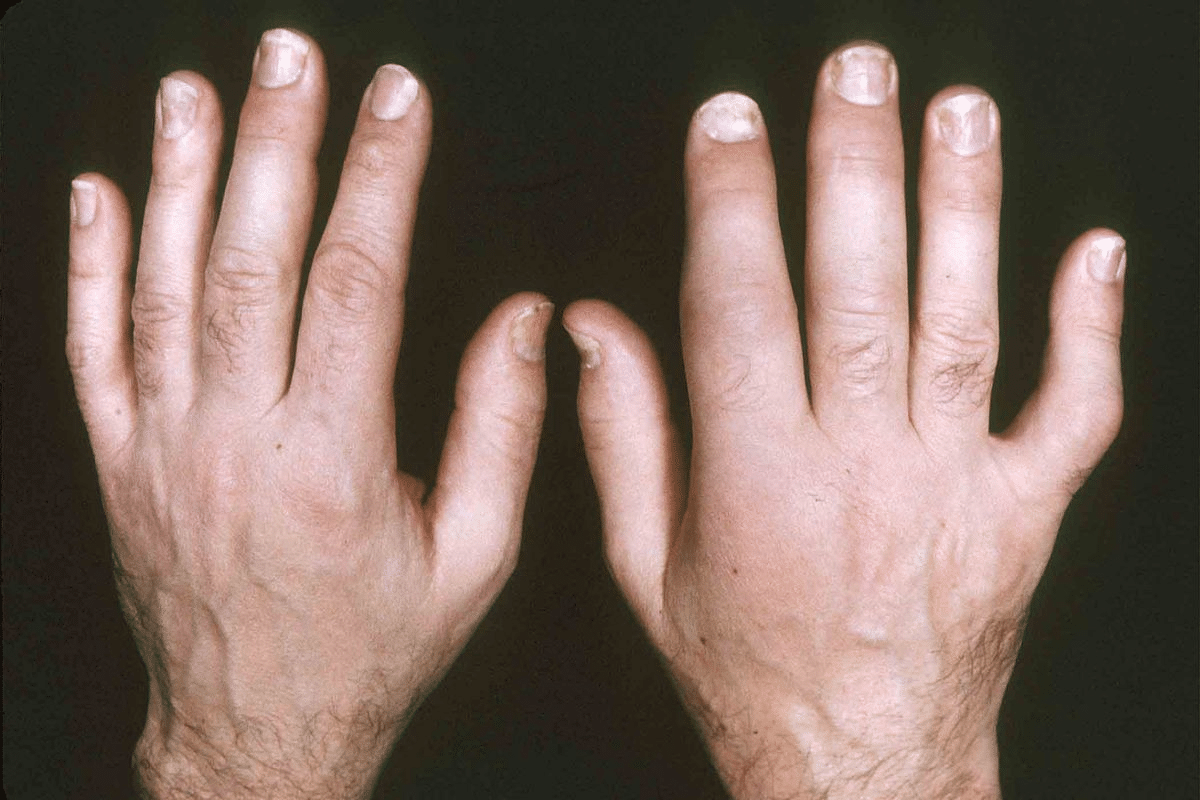
Providing the medical arthropathy definition (disease of a joint) and its broad application in rheumatology.
Keeping your joints healthy is key to a good life. Joint problems can make everyday tasks hard, leading to pain, stiffness, and swelling. Arthropathy is a term for any disease or condition that affects the joints.
The word “arthropathy” comes from Greek. “Arthro” means joint, and “pathy” means disease or suffering. In medicine, it covers many conditions, from common arthritis to rare disorders like crystal deposition diseases or neuropathic joint disorders.
We will dive into what arthropathy is, giving you a clear and simple explanation. By explaining arthropathy in detail, we hope to make it easy for everyone to understand, no matter their medical knowledge.
Key Takeaways
- Arthropathy refers to any disease or abnormal condition affecting the joints.
- The term encompasses a wide range of joint disorders.
- Understanding arthropathy is essential for recognizing joint health issues.
- Arthropathy can cause significant pain, stiffness, and swelling.
- Various conditions fall under the category of arthropathy, including inflammatory arthritis and crystal deposition diseases.
Arthropathy Def: Understanding the Medical Term

Arthropathy is a condition that affects joints in many ways. To understand this term, we need to look at its roots and how to say it correctly.
Etymology and Origin of the Word
The word “arthropathy” comes from Greek. ‘Arthron’ means joint and ‘pathos’ means suffering. So, arthropathy means joint suffering or disease of the joints. Knowing this helps us understand the different joint conditions.
Let’s break down the term further:
|
Greek Word |
Meaning |
English Derivation |
|---|---|---|
|
Arthron |
Joint |
Arthro- |
|
Pathos |
Suffering |
-pathy |
Correct Pronunciation of Arthropathy
The right way to say arthropathy is /arˈθrɒpəθi/ (ar-THROP-uh-thee). Getting medical terms right is key for clear talk between doctors and patients. Knowing how to say “arthropathy” helps us talk about joint issues better.
To help with the pronunciation, here are some tips:
- Break the word into syllables: arthro-pathy.
- Focus on the second syllable: ar-THROP-athy.
- Practice saying it to feel more confident.
Distinguishing Arthropathy from Arthritis

The terms arthropathy and arthritis are often mixed up, but they mean different things in medicine. Arthropathy covers any disease or disorder affecting the joints. This includes many conditions, from inflammatory diseases to degenerative joint disorders.
It’s important to know what arthropathy includes. Arthritis is a specific term for inflammatory joint diseases. The main difference is that arthritis involves inflammation.
Scope of Joint Conditions Under Arthropathy
Arthropathy includes many joint disorders, like osteoarthritis and rheumatoid arthritis. It also includes rarer conditions like reactive arthropathy and crystal arthropathy. Each condition has its own unique features and symptoms.
Understanding arthropathy helps doctors diagnose and treat joint diseases better. This approach leads to more effective treatments and better patient care.
When Inflammation Defines the Difference
Inflammation is key to telling arthritis apart from other arthropathies. For example, rheumatoid arthritis has a lot of joint inflammation. Osteoarthritis, on the other hand, is more about wear and tear with little inflammation.
Knowing if a condition is inflammatory or degenerative is vital. It helps doctors choose the right treatments for each patient.
Pathophysiology of Joint Diseases in Arthropathy
It’s important to know how arthropathy works to treat joint diseases well. Arthropathy is a group of conditions that harm joints, causing pain and making it hard to move.
Structural Changes in Affected Joints
Joints change a lot in arthropathy. This is because of different reasons. These changes can be cartilage loss, bone erosion, and inflammation. These changes cause the symptoms we see in arthropathy.
Key structural changes include:
- Cartilage loss and degradation
- Bone erosion and cyst formation
- Inflammation and synovial hyperplasia
|
Structural Change |
Description |
Impact on Joint |
|---|---|---|
|
Cartilage Degradation |
Loss of cartilage due to enzymatic breakdown |
Pain and reduced mobility |
|
Bone Erosion |
Erosion of bone due to inflammatory processes |
Joint deformity and instability |
|
Synovial Inflammation |
Inflammation of the synovial membrane |
Swelling, pain, and warmth around the joint |
Cellular and Molecular Mechanisms
The way arthropathy works is complex. It involves cells and molecules. Cytokines, enzymes, and other factors are key in making joint diseases worse.
Key cellular and molecular mechanisms include:
- Cytokine-mediated inflammation
- Enzymatic degradation of cartilage and bone
- Immune cell activation and infiltration
Knowing these details helps us make better treatments for arthropathy.
Major Categories of Arthropathies
We see three main types of arthropathies: inflammatory, degenerative, and metabolic. Each needs a unique way to manage it. Knowing these types is key for diagnosing and treating.
Inflammatory Joint Conditions
Inflammatory arthropathies cause joint swelling due to the body’s immune system attacking itself. Rheumatoid arthritis is a prime example. It makes the lining of the joints swell, leading to pain and damage.
Key features of inflammatory joint conditions include:
- Persistent joint inflammation
- Autoimmune pathogenesis
- Potential for significant joint damage if left untreated
Degenerative Joint Diseases
Degenerative arthropathies, like osteoarthritis, happen when joints wear out. This can be due to aging, injury, or other reasons.
The main characteristics of degenerative joint diseases are:
- Progressive loss of cartilage
- Bony changes, including osteophyte formation
- Symptoms worsening over time
Metabolic Joint Disorders
Metabolic arthropathies come from metabolic problems affecting joints. Gout is a classic case, where crystals in joints cause sudden inflammation. Treating these conditions often means fixing the metabolic issue.
Notable aspects of metabolic joint disorders include:
- Association with systemic metabolic disturbances
- Crystal deposition in joints (e.g., urate or calcium pyrophosphate crystals)
- Potential for acute inflammatory attacks
Common Types of Arthropathy
We will look at the main types of arthropathy. Each has its own special traits and effects. Arthropathy covers many joint problems, each with its own cause and symptoms.
Reactive Arthropathy: Post-Infection Joint Disease
Reactive arthropathy is a joint disease caused by an infection elsewhere in the body. This often happens in the gut or the urethra. It leads to arthritis, mainly in the lower limbs, and is linked to the HLA-B27 gene.
Key Features:
- Occurs after a gastrointestinal or genitourinary infection
- Associated with HLA-B27
- Affects lower limb joints
Crystal Arthropathy: Gout and Pseudogout
Crystal arthropathy is caused by crystals in the joints. Gout is caused by monosodium urate crystals, and pseudogout by calcium pyrophosphate dihydrate crystals.
|
Characteristics |
Gout |
Pseudogout |
|---|---|---|
|
Crystal Type |
Monosodium Urate |
Calcium Pyrophosphate Dihydrate |
|
Commonly Affected Joints |
Big toe, ankles, knees |
Knees, wrists, hips |
Diabetic Arthropathy: Joint Complications of Diabetes
Diabetic arthropathy is about joint problems in people with diabetes. It includes limited joint mobility and neuropathic arthropathy. It’s caused by metabolic and vascular issues.
Key Considerations:
- Associated with long-standing diabetes
- Involves metabolic and vascular changes
- Can lead to significant joint dysfunction
Neuropathic Arthropathy: Charcot Joints
Neuropathic arthropathy, or Charcot joint, is a severe joint degeneration. It happens when there’s no feeling in the affected limb, often due to diabetes or other neuropathies. It causes the joint to get worse over time.
Managing neuropathic arthropathy means stabilizing the joint and treating the underlying neuropathy.
Specialized Forms of Arthropathy
Arthropathy comes in many forms, each with its own challenges. These conditions need a deep understanding of their unique traits. We’ll look at three key types: enteropathic arthropathy, spondylarthropathy, and psoriatic arthropathy.
Enteropathic Arthropathy and Inflammatory Bowel Disease
Enteropathic arthropathy is closely tied to inflammatory bowel disease (IBD). This includes Crohn’s disease and ulcerative colitis. It affects the joints and often comes with stomach problems.
The exact cause is not known, but it’s thought that the gut and joints share an inflammatory pathway.
Spondylarthropathy: Affecting the Vertebral Column
Spondylarthropathy affects the spine and sacroiliac joints. It includes diseases like ankylosing spondylitis. These conditions cause inflammation in the spinal joints.
This can lead to long-term pain and discomfort.
Psoriatic Arthropathy: Joint Disease with Skin Manifestations
Psoriatic arthropathy is a type of arthritis linked to psoriasis. It combines joint inflammation with skin issues.
Without proper care, it can cause serious joint damage.
|
Condition |
Primary Affected Area |
Associated Conditions |
|---|---|---|
|
Enteropathic Arthropathy |
Joints |
Inflammatory Bowel Disease (IBD) |
|
Spondylarthropathy |
Axial Skeleton (Spine and Sacroiliac Joints) |
Ankylosing Spondylitis |
|
Psoriatic Arthropathy |
Joints and Skin |
Psoriasis |
Clinical Presentation and Symptoms
Arthropathy is a group of joint disorders with different symptoms. Each one needs a careful diagnosis and treatment plan. Knowing the symptoms helps improve a patient’s life quality.
Common Signs Across Different Arthropathies
Many symptoms are shared among various arthropathies. These include joint pain, stiffness, and swelling. Joint pain is the most severe symptom, making it hard to move and do daily tasks.
Stiffness, often felt in the morning or after rest, is another common issue. Swelling around the joints can also happen due to inflammation.
Other symptoms include limited movement, warmth or redness, and sometimes joint deformity. These symptoms can change in severity. They depend on the cause, inflammation level, and the patient’s health.
Unique Manifestations by Type
Each type of arthropathy has its own symptoms. For example, reactive arthropathy often comes after infections and can include eye and urinary issues. Crystal arthropathy, like gout, causes sudden, severe pain and swelling in joints.
Diabetic arthropathy leads to joint problems due to diabetes-related nerve and blood vessel damage. Neuropathic arthropathy, or Charcot joint, happens because of nerve damage, causing joint degeneration. Knowing these specific symptoms is key to diagnosing and treating the right type of arthropathy.
In summary, arthropathy symptoms vary and need a detailed approach for diagnosis and treatment. Recognizing both common and unique symptoms helps healthcare providers give better care and improve patient results.
Diagnostic Approaches for Arthropathy
We use a detailed plan to find arthropathy. This includes checking the patient, lab tests, and imaging. Finding arthropathy right is key for good treatment.
Clinical Assessment and Physical Examination
The first step is a clinical assessment and physical check. We look at the patient’s health history and symptoms. We also check how well the joints move and if there’s inflammation or deformity.
Knowing the patient’s medical history helps us find the cause. This includes past injuries, infections, or family history of joint problems.
Laboratory Tests and Biomarkers
Laboratory tests are vital for diagnosing arthropathy. They help find signs of inflammation, infection, or autoimmune diseases. Some common tests are:
- Complete Blood Count (CBC) to check overall health and find signs of infection or inflammation
- Erythrocyte Sedimentation Rate (ESR) or C-Reactive Protein (CRP) to measure inflammation
- Rheumatoid Factor (RF) and Anti-Citrullinated Protein Antibody (anti-CCP) for rheumatoid arthritis
- Uric acid levels for gout
Imaging Studies: X-rays, MRI, and Beyond
Imaging studies are key for seeing joint damage. They help track the disease and decide on treatment. Common ones are:
X-rays show initial joint damage, like narrowing or erosion.
Magnetic Resonance Imaging (MRI) gives detailed views of soft tissues. It helps spot early changes and disease activity.
Other tools like ultrasound and CT scans may also help diagnose and track the disease.
Treatment Strategies and Management
Managing arthropathy well needs a detailed plan that fits each case. We know every patient is different. So, treatment plans must be made just for them.
Pharmacological Interventions by Arthropathy Type
The right medicine depends on the type of arthropathy. For example, nonsteroidal anti-inflammatory drugs (NSAIDs) help with pain and swelling in inflammatory types like rheumatoid arthritis. On the other hand, disease-modifying antirheumatic drugs (DMARDs) help slow down psoriatic arthritis.
For gout, colchicine and uricosuric agents are good for quick relief and preventing future attacks. Biologic agents have changed treatment by targeting inflammation and joint damage.
Non-Pharmacological Approaches and Physical Therapy
Non-medical ways are also key in treating arthropathy. Physical therapy helps keep joints moving and muscles strong. This reduces pain and boosts function. Lifestyle changes like losing weight and exercising regularly help a lot, too.
Teaching patients is important. It helps them make smart choices about their care. They learn about joint protection techniques and assistive devices for daily tasks.
Surgical Options for Advanced Cases
When arthropathy gets worse, surgery might be needed. Options include arthroscopy to joint replacement, based on damage and health. These surgeries aim to ease pain, improve function, and enhance life quality.
Choosing surgery should be a careful decision after talking to doctors. A good plan often mixes different treatments, fitting each patient’s needs.
Conclusion: The Importance of Early Recognition and Proper Management
Early recognition and proper management of arthropathy are key to avoiding complications and improving patient care. We’ve looked at what arthropathy is, its types, how it presents, and how to treat it.
It’s vital to spot arthropathy early. This allows for quick treatment, which helps prevent long-term damage to joints. It also improves a person’s quality of life. Managing arthropathy well means using both medicine and other treatments that fit the condition’s type and severity.
Healthcare providers need to understand arthropathy well to give the best care. This knowledge helps patients get better results. We stress the importance of ongoing education and awareness about arthropathy. This is to ensure the best care and support for those dealing with this condition.
FAQ
What is the definition of arthropathy?
Arthropathy is a term for many joint problems. It includes inflammatory, degenerative, and metabolic disorders.
How is arthropathy pronounced?
The correct way to say arthropathy is /ɑrˈθrɒpəθi/ (ar-THROP-uh-thee).
What is the difference between arthropathy and arthritis?
Arthropathy is a broad term for many joint issues. Arthritis, on the other hand, is about inflammatory joint diseases.
What are the major categories of arthropathies?
Arthropathies are mainly divided into three types. These include inflammatory, degenerative, and metabolic joint disorders.
What is reactive arthropathy?
Reactive arthropathy happens as a body’s reaction to an infection. It causes joint pain and inflammation.
How is arthropathy diagnosed?
Doctors use several methods to diagnose arthropathy. These include clinical assessment, physical exams, lab tests, and imaging like X-rays and MRI.
What are the treatment options for arthropathy?
Treatment for arthropathy varies. It can include medicines, non-medical approaches, or surgery, depending on the condition.
What is diabetic arthropathy?
Diabetic arthropathy is joint problems linked to diabetes. It causes pain, stiffness, and limited movement.
What is neuropathic arthropathy?
Neuropathic arthropathy, or Charcot joint, is a condition. It happens when a joint degenerates due to nerve damage.
Can arthropathy be managed without surgery?
Yes, many arthropathy cases can be treated without surgery. This includes medicines, physical therapy, and lifestyle changes.
References
National Center for Biotechnology Information. Evidence-Based Medical Guidance. Retrieved from https://www.ncbi.nlm.nih.gov/pmc/articles/PMC5372453/