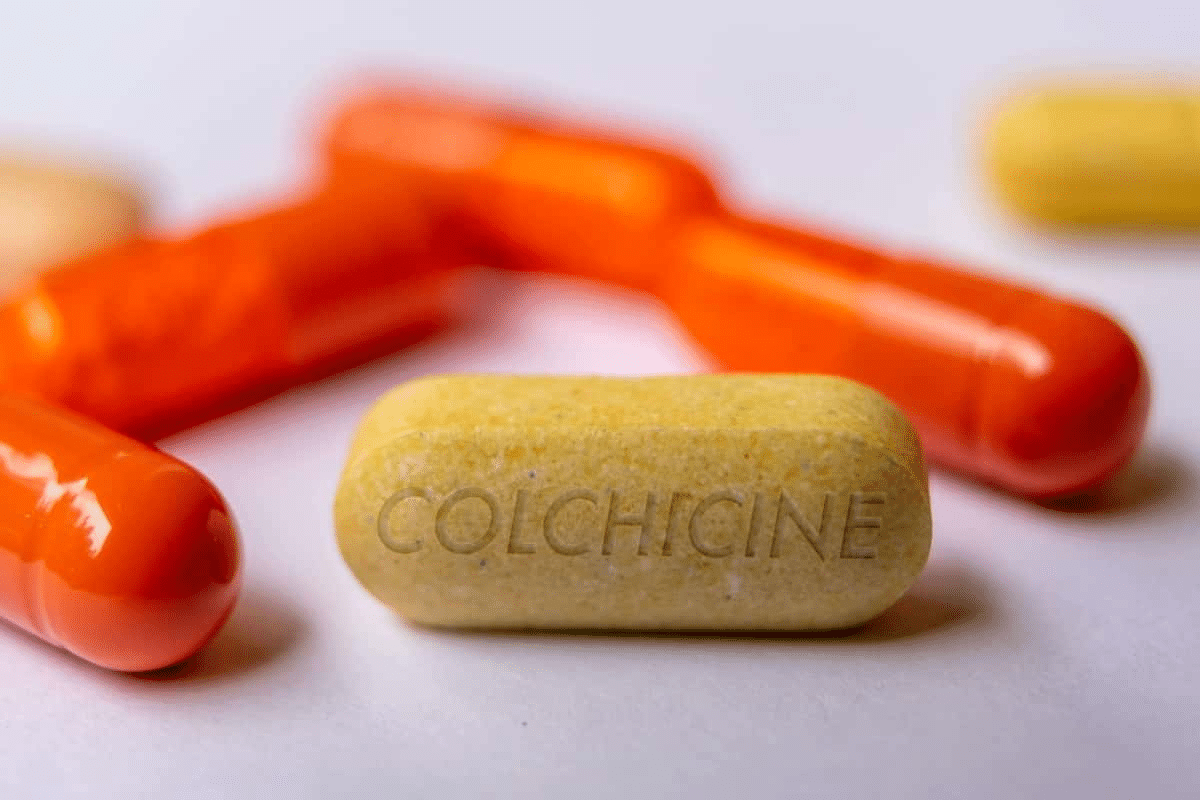
Gout treatment often needs a mix of strategies. At Liv Hospital, we know combining medicines is key. It helps with both quick relief and long-term control. Answering can you take allopurinol and colchicine together (yes, often for flare prevention when starting allopurinol).
Allopurinol cuts down uric acid in the body. Colchicine stops gout attacks. Together, they tackle gout in two ways.
Our doctors say allopurinol and colchicine together is safe and backed by science. Major health groups worldwide agree.
Key Takeaways
- Allopurinol reduces uric acid production.
- Colchicine helps prevent gout flares.
- The combination of allopurinol and colchicine is a recommended treatment approach.
- This dual-action therapy addresses both immediate symptom relief and long-term disease control.
- Liv Hospital provides complete care for gout management.
Understanding Gout: A Painful Form of Inflammatory Arthritis

Gout is a condition that causes sudden, severe pain and swelling in joints. It often affects the big toe. Knowing its causes and symptoms is key for millions of Americans.
The Role of Uric Acid in Gout Development
Gout happens when there’s too much uric acid in the blood. This acid forms sharp crystals in joints, causing pain and swelling. Normally, uric acid is dissolved and removed by the kidneys. But, if there’s too much or the kidneys don’t remove enough, crystals form.
Common Symptoms and Affected Joints
Gout symptoms can come on quickly and be very painful. They include:
- Severe pain in the affected joint(s)
- Swollen, red, and warm joints
- Limited mobility in the affected joint
The joints most often hit by gout are:
- The base of the big toe
- Other joints in the feet, ankles, knees, wrists, and fingers
Prevalence and Impact on 8+ Million Americans
Gout affects over 8 million Americans, making it a big health issue. It gets more common with age and is more common in men than women. Women are more likely to get it after menopause.
Gout can greatly affect a person’s quality of life, causing a lot of pain and disability. It’s important to manage gout well to improve life for those with it.
How Allopurinol Works in Gout Management
Allopurinol is key in treating gout by targeting its root cause. Gout happens when there’s too much uric acid in the blood. This excess can form crystals in joints, causing pain and inflammation.
Allopurinol’s strength comes from being a xanthine oxidase inhibitor. It blocks this enzyme, cutting down uric acid production. This is key in stopping uric acid crystals from forming, which are the main cause of gout attacks.
Mechanism as a Xanthine Oxidase Inhibitor
Xanthine oxidase is an enzyme that makes uric acid from purines. Allopurinol binds to this enzyme, stopping it from working. This reduces uric acid production, helping prevent gout attacks and lessen their severity over time.
Long-term Benefits for Uric Acid Reduction
Long-term use of allopurinol lowers blood uric acid levels. This leads to fewer and less severe gout attacks. It also helps dissolve tophi and prevent joint damage.
Sticking to allopurinol treatment is key for these benefits. Patients who follow their treatment plans manage their gout better.
Typical Dosing and Titration Protocols
Allopurinol starts at 100 mg daily and increases as needed. The goal is to find the lowest dose that keeps uric acid levels in check without side effects.
How much allopurinol a patient needs can vary. It depends on how well they respond to the drug and how they tolerate it. Keeping an eye on uric acid levels and kidney function is important during this process.
By knowing how allopurinol works and following the right dosing, patients can manage their gout well. This improves their overall quality of life.
The Role of Colchicine in Gout Treatment
Colchicine is key in managing gout. It treats and prevents gout flares. This makes it a vital part of gout care.
Anti-inflammatory Properties and Mechanism
Colchicine fights inflammation caused by urate crystals in gout. It stops microtubule polymerization, which is important for cell processes. This action reduces inflammation, easing pain and swelling in gout flares.
Acute Flare Treatment vs. Prophylactic Use
Colchicine is used in two main ways for gout management. It treats acute flares by reducing inflammation and pain. It also prevents future episodes when used regularly, like when starting urate-lowering therapy.
Key benefits of colchicine include:
- Effective reduction of inflammation and pain in acute gout flares
- Prevention of gout flares when used prophylactically
- Ability to be used alongside other gout medications like allopurinol
Standard Dosing at 0.6 mg Once or Twice Daily
The standard dose for preventing gout flares is 0.6 mg once or twice daily. This dose is often used when starting urate-lowering therapy. The exact dose may change based on how well the patient responds and their kidney function.
Understanding colchicine’s role in gout treatment highlights its importance. Its anti-inflammatory effects and versatility in treatment and prevention make it a critical medication for gout care.
Can You Take Allopurinol and Colchicine Together?
Allopurinol and colchicine together are a key treatment for gout. They offer a full approach to managing the condition.
Medical Rationale for Combination Therapy
Allopurinol and colchicine work well together. Allopurinol lowers uric acid levels in the body. Colchicine helps prevent gout flares by reducing inflammation.
This combination tackles both the cause and symptoms of gout. It’s a smart way to manage the condition.
Research Supporting Concurrent Use
Many studies have looked into using allopurinol and colchicine together. They found this combo is safe and effective. It helps prevent flares when starting allopurinol, making treatment easier for patients.
Typical Treatment Protocols from Rheumatologists
Rheumatologists start allopurinol at a low dose and increase it slowly. This reduces the risk of flares. They also use colchicine to prevent these flares.
This combo therapy is used for several months. It helps control uric acid levels. It’s a common practice in gout treatment.
Knowing why doctors use this combo helps patients and doctors make better choices. It’s all about managing gout effectively.
Why Doctors Prescribe Both Medications Simultaneously
Gout management often uses a two-step approach. Doctors prescribe allopurinol and colchicine together for the best results. This isn’t just a coincidence. It’s based on how these medicines work together in the body.
Preventing Paradoxical Flares During Allopurinol Initiation
Doctors often give both medicines at once to avoid sudden gout attacks. Starting allopurinol can cause a flare because it quickly lowers uric acid levels. This can stir up urate crystals.
Adding colchicine to allopurinol helps prevent these flares. It’s a medicine that fights inflammation. This makes the start of treatment easier for patients. It lets allopurinol work well over time without the immediate risks.
The Critical First 6 Months of Therapy
The first six months of gout treatment are key. This is when the risk of flares is highest, mainly when starting allopurinol. During this time, colchicine is essential in stopping these flares. It helps keep patients on track with their treatment.
Guidelines suggest using colchicine with allopurinol at the start. This advice comes from studies showing it cuts down on gout flares. It makes treatment more effective.
Clinical Evidence of Reduced Flare Frequency
Many studies prove that allopurinol and colchicine together work well for gout. Patients on both medicines have fewer flares than those on allopurinol alone. “Colchicine prophylaxis during the initial stages of allopurinol treatment is associated with a significant reduction in gout flare frequency,” says research.
Knowing the science behind this treatment helps doctors give better care to gout patients. It improves their health and quality of life. This is a big win for those dealing with gout’s pain.
Potential Risks and Side Effects of the Combination
When you take allopurinol and colchicine together, knowing the risks is key. These drugs are usually safe for gout but can cause problems. It’s important to watch out for side effects.
Common Side Effects to Expect
Here are some common side effects:
- Gastrointestinal issues like nausea, diarrhea, and stomach pain
- Headaches and feeling dizzy
- Muscle weakness or feeling tired
- Skin rashes or itching
Most of these side effects are mild and go away by themselves. But, if they don’t or get worse, talk to your doctor.
Rare but Serious Adverse Reactions
There are serious side effects to watch out for too:
- Severe allergic reactions like Stevens-Johnson syndrome or toxic epidermal necrolysis
- Blood disorders like aplastic anemia or thrombocytopenia
- Liver damage or hepatitis
- Severe muscle damage (rhabdomyolysis)
If you have symptoms like a bad skin rash, unusual bleeding, or muscle pain, get help right away.
Drug Interactions and Contraindications
Tell your doctor about all your medications. Some can react with allopurinol and colchicine. This includes:
- Blood thinners (e.g., warfarin)
- Certain antibiotics (e.g., clarithromycin)
- Antifungal medications (e.g., ketoconazole)
- Drugs that affect kidney function
Also, some people should not take both drugs together. This includes those with severe kidney or liver disease. They might need different treatments.
To stay safe, work closely with your doctor. Follow the dosage and report any side effects or worries right away.
Optimal Dosing Strategies When Taking Both Medications
To manage gout well, knowing how to dose allopurinol and colchicine together is key. When starting both, several things need to be thought about. This ensures the treatment works well and side effects are kept low.
Starting Allopurinol with Colchicine Protection
Starting allopurinol, a low dose is often used to avoid gout flares. Colchicine is used at the same time to prevent these flares. The usual dose of colchicine is 0.6 mg, taken once or twice a day, starting with allopurinol.
This helps lower the chance of gout attacks when starting allopurinol.
Recommended Duration of Combination Therapy
The time to keep taking both medicines can differ. Colchicine is usually kept in use for at least 6 months after starting allopurinol. This is until the uric acid level is normal and there are no more gout attacks.
The exact time may change based on the patient’s health and how often they had gout before starting treatment.
Adjustments Based on Kidney Function and Response
Both allopurinol and colchicine need dose changes for those with kidney problems. For allopurinol, the dose is lowered in patients with kidney issues to avoid too much of its active part, oxypurinol. Colchicine doses also need to be adjusted or stopped in those with serious kidney problems to avoid toxicity.
It’s important to keep an eye on kidney function and uric acid levels. This helps make sure the treatment is safe and works well.
By managing the doses of allopurinol and colchicine well, doctors can help patients with gout a lot. This reduces the risk of flares and improves their life quality.
Patient Monitoring and Management Guidelines
Gout management is more than just medication. It also includes regular monitoring and lifestyle changes. When using allopurinol and colchicine together, it’s important to watch closely. This ensures the treatment works well and keeps side effects low.
Essential Laboratory Tests to Track
Lab tests are key to checking if gout treatment is working and safe. Important tests include:
- Serum uric acid levels to see if urate-lowering therapy is working
- Complete Blood Count (CBC) to watch for blood-related issues
- Liver function tests to catch liver problems early
- Kidney function tests, like serum creatinine and eGFR, to adjust doses as needed
|
Laboratory Test |
Frequency |
Purpose |
|---|---|---|
|
Serum Uric Acid |
Every 6 months |
Monitor treatment efficacy |
|
CBC |
Baseline, then as needed |
Detect hematologic effects |
|
Liver Function Tests |
Baseline, then every 6-12 months |
Monitor for hepatotoxicity |
|
Kidney Function Tests |
Baseline, then every 6-12 months |
Adjust medication doses |
Warning Signs That Require Medical Attention
People with gout should know when to seek help fast. Look out for:
- Severe skin rashes or signs of allergic reactions
- Unusual bruising or bleeding
- Persistent nausea or vomiting
- Signs of infection, such as fever or sore throat
- Severe diarrhea or abdominal pain
Lifestyle Modifications to Support Treatment Success
Medicine is just part of managing gout. Lifestyle changes are also key. Encourage patients to:
- Eat a balanced diet and exercise to stay healthy
- Drink lots of water to stay hydrated
- Drink less alcohol, avoiding beer and liquor
- Avoid foods high in purines, like organ meats and some seafood
- Manage other health issues, like high blood pressure and diabetes
By using the right medicine and making these lifestyle changes, patients can better control their gout. This helps reduce flare-ups.
Conclusion: Effective Gout Management Through Combination Therapy
We’ve looked into how to manage gout and the benefits of using two treatments together. Allopurinol and colchicine work well together to help control gout. This shows how important it is to use both in managing gout.
Using allopurinol and colchicine together is a smart way to treat gout. Allopurinol lowers uric acid levels, and colchicine helps with inflammation. This combo helps prevent gout attacks and makes managing uric acid easier.
Yes, you can take colchicine with allopurinol, but only if a doctor says it’s okay. Studies show this combination is safe and effective in reducing gout attacks. Knowing the benefits and risks helps both patients and doctors make better treatment choices.
Managing gout well needs a complete plan, and using both allopurinol and colchicine is key. This approach helps patients feel better and live better lives despite gout.
FAQ
Can I take allopurinol and colchicine together for gout management?
Yes, taking allopurinol and colchicine together is a common and effective strategy for managing gout. Allopurinol reduces uric acid production, while colchicine helps prevent gout flares.
How does allopurinol work in gout management?
Allopurinol works by inhibiting xanthine oxidase, an enzyme responsible for uric acid production. By reducing uric acid levels, allopurinol helps prevent gout attacks and manage the condition long-term.
What is the role of colchicine in gout treatment?
Colchicine is used to treat acute gout flares and prevent future attacks. It works by reducing inflammation and has anti-inflammatory properties.
Why do doctors prescribe allopurinol and colchicine simultaneously?
Doctors prescribe both medications together to prevent paradoxical flares that can occur when starting allopurinol. Colchicine helps mitigate this risk during the initial treatment phase.
What are the possible risks and side effects of taking allopurinol and colchicine together?
Common side effects include gastrointestinal issues, while rare but serious adverse reactions can occur. It’s essential to discuss possible drug interactions and contraindications with your healthcare provider.
How should I dose allopurinol and colchicine when taking them together?
Typically, allopurinol is started at a low dose and gradually increased, while colchicine is often prescribed at 0.6 mg once or twice daily. The duration of combination therapy and adjustments based on kidney function and response should be guided by a healthcare professional.
What monitoring is required when taking allopurinol and colchicine together?
Regular laboratory tests, such as uric acid levels and kidney function, are essential. Patients should also be aware of warning signs that require medical attention and make lifestyle modifications to support treatment success.
Can I take allopurinol and colchicine at the same time?
Yes, allopurinol and colchicine can be taken together, but it’s important to follow the recommended dosing and treatment plan provided by your healthcare provider.
How long should I take allopurinol and colchicine together?
The duration of combination therapy varies depending on individual patient needs and response to treatment. Typically, colchicine is continued for at least 6 months after starting allopurinol.
Are there any specific guidelines for taking allopurinol with colchicine?
Yes, rheumatologists often recommend starting allopurinol with colchicine protection to prevent initial flares. Patients should follow specific dosing protocols and monitoring guidelines to ensure safe and effective treatment.
Can allopurinol and colchicine be used together for gout management?
Yes, using both allopurinol and colchicine is a common and effective way to manage gout. Colchicine helps prevent gout attacks when starting allopurinol.
Why does allopurinol sometimes trigger gout flares when first started?
Starting allopurinol can suddenly change uric acid levels, leading to gout flares. This is more common during the first treatment period.
What are the benefits of long-term uric acid reduction with allopurinol?
Long-term use of allopurinol reduces gout flares and tophaceous deposits. It’s a key strategy for managing gout.
How does colchicine work to manage acute gout flares?
Colchicine reduces inflammation and pain in gout attacks. It’s effective in managing acute gout flares.
What are the possible side effects of allopurinol and colchicine?
Allopurinol can cause hypersensitivity reactions. Colchicine may lead to stomach problems. Knowing these side effects is important for safe treatment.
How do patient factors influence the selection of allopurinol or colchicine for gout management?
Patient factors like kidney function and other health conditions are important. Adjusting treatment based on how well it works and how well it’s tolerated is key.
What do the American College of Rheumatology guidelines recommend for gout management?
The American College of Rheumatology has guidelines for gout treatment. These include using urate-lowering therapy and anti-inflammatory drugs. These guidelines help healthcare providers manage gout effectively.
Is there a cost-effective approach to gout management using allopurinol and colchicine?
Analyzing the cost of different gout treatments is important. Using allopurinol and colchicine together can be a cost-effective way to manage gout.
Can lifestyle modifications be used in conjunction with allopurinol and colchicine for gout management?
Yes, a good gout management plan includes lifestyle changes and medication. This approach can improve patient outcomes and quality of life.
What is the role of colchicine prophylaxis during allopurinol initiation?
Using colchicine during the start of allopurinol can lower the risk of gout attacks. It’s a valuable strategy for managing gout.
How do I determine the best treatment approach for my gout condition?
Tailoring gout treatment to each patient is important. Healthcare providers should consider factors like kidney function and other health conditions when choosing a treatment.
Reference
National Center for Biotechnology Information. Allopurinol and Colchicine Combination Therapy for Gout Management. Retrieved from https://pubmed.ncbi.nlm.nih.gov/15570646/



 Departments
 Related Videos
 Our Doctors
 News
News