Are you having trouble finding a diet plan that fits your body and lifestyle? Personalized nutrition science shows that tailored diet plans can work much better. They take into account your metabolism, food likes, and health goals.simple diet planSimple Orthopedic Surgery Recovery
Creating a personalized eating plan can feel overwhelming. There’s so much conflicting info out there. But, by focusing on whole foods and figuring out your daily calorie needs, you can create a diet that helps you reach your health goals.
Key Takeaways
- Personalized nutrition approaches lead to better health outcomes.
- Understanding your unique nutritional needs is key.
- Focusing on whole foods is a smart strategy.
- Figuring out your daily calorie needs is vital.
- A well-designed nutrition plan is highly individualized.
The Science of Personalized Nutrition
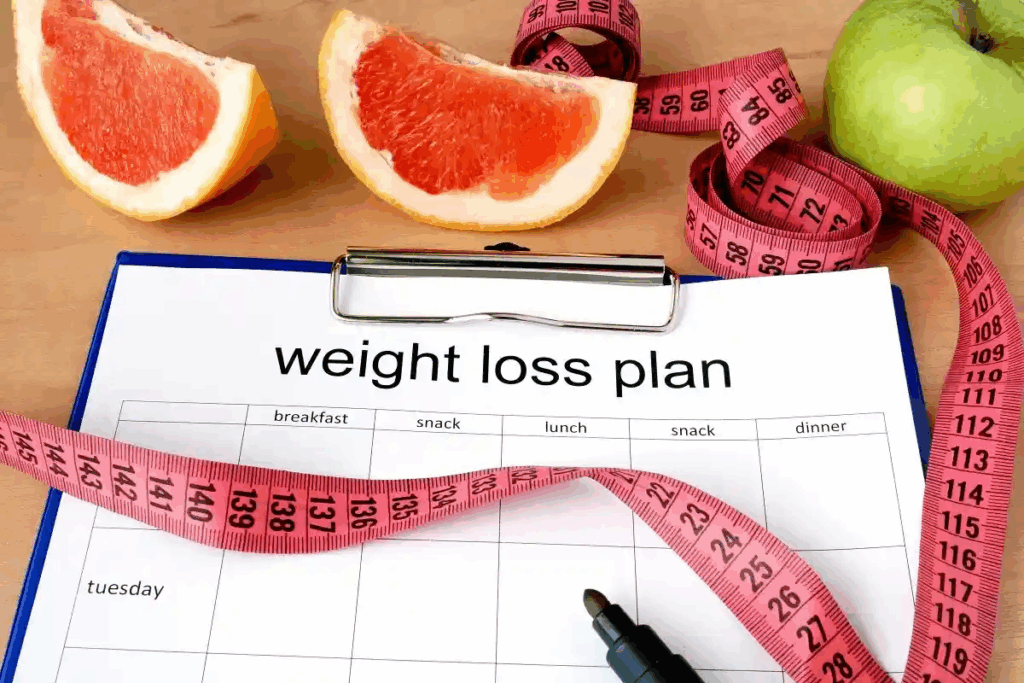
Personalized nutrition is based on how different things affect how we react to food. It’s about recognizing that everyone’s body is different. This means a diet that works for one person might not work for another.
Research Evidence Supporting Tailored Dietary Approaches
Many studies show that diets tailored to each person can greatly improve health. For example, research in nutritional genomics has found that our genes play a big role in how we process nutrients. Knowing this, doctors can suggest diets that are more likely to work for us.
“The future of nutrition lies in tailoring dietary recommendations to the individual, taking into account their unique genetic, metabolic, and lifestyle factors.”
Clinical Trial Results on Personalized vs. Standard Diets
Studies comparing personalized diets to standard ones have shown good results. For example, a study found that people on a personalized diet lost more weight and had better heart health than those on a standard diet.
“Personalized nutrition interventions have been shown to be more effective than generic dietary advice in achieving and maintaining weight loss and improving overall health markers.”
Individual Responses to Food Types
It’s important to know how each person reacts to different foods. Things like our genes, gut bacteria, and lifestyle can affect how we react to food. For instance, some people might have bad reactions to certain foods because of their genes or sensitivities.
Using this knowledge, we can create diets that are better for each person. This approach makes diets more effective and easier to stick to. It’s all about making recommendations that fit each person’s needs.
Assessing Your Current Dietary Habits

Understanding your eating habits is key to a good diet plan. You need to know what you usually eat to make changes.
Effective Food Journaling Techniques
Food journaling is a great way to check your eating habits. It helps you see patterns and what needs work. Here are some tips for good food journaling:
- Record everything: Log every meal, snack, and drink all day.
- Be detailed: Note portion sizes and how food is prepared.
- Note the time: Tracking when you eat can show patterns, like late-night snacks.
- Emotional context: Write down how you feel when you eat, as emotions play a big role.
Identifying Nutritional Gaps and Excesses
After seeing your eating habits, find out what’s missing or too much. Look at your journal to see if you’re getting the right nutrients. Think about these:
- Are you eating enough fruits and veggies?
- Do you get enough whole grains?
- Are you missing nutrients like protein or healthy fats?
- Are you eating too much sugar or saturated fats?
Knowing your eating habits and what needs work helps you make a better diet plan. This not only helps you reach your health goals but also improves your relationship with food.
Determining Your Unique Nutritional Needs
Finding out what you need nutritionally is key to reaching your health goals. This involves several steps to make a nutrition plan just for you.
Calculating Your Daily Caloric Requirements
First, figuring out how many calories you need daily is important. You can use the Mifflin-St. Jeor equation for this. It looks at your age, sex, weight, and height. Your activity level and health goals also matter.
If you want to lose weight, you might eat fewer calories. But if you’re trying to build muscle, you might need more.
Understanding Macronutrient Balance
Knowing how much of each macronutrient you need is also key. Carbs give you energy, proteins help muscles, and fats support hormones. The right mix depends on your goals, how active you are, and what you like.
For example, athletes need more proteins for muscle repair. People with health issues might need to change their macronutrient intake.
Accounting for Health Conditions and Goals
Your health and goals also affect your nutritional needs. For example, people with diabetes need to watch their carbs to keep blood sugar in check. Those with high blood pressure might need to eat less sodium.
By thinking about these things and talking to health experts, you can make a personalized nutrition plan. This plan will meet your dietary needs and help your health and well-being.
Understanding and meeting your nutritional needs is a big step towards a healthier life. By looking at your daily calorie needs, macronutrient balance, and health, you can make a nutrition plan that fits you perfectly.
Setting Realistic Dietary Goals
To make a diet plan that works, you need to set goals that are realistic and measurable. Having clear objectives is key to planning your nutrition journey. It’s important to balance your goals with what you can sustain for long-term success.
Defining Clear and Measurable Objectives
First, define clear and measurable goals. This means saying what you want to achieve, like losing weight or improving health. Clear objectives help you focus your plan. For example, instead of “I want to be healthier,” say “I aim to reduce my body fat by 5% in 3 months.”
To make your goals measurable, use specific numbers like weight or body fat percentage. This lets you track your progress and adjust your diet plan as needed.
Creating a Timeline for Your Nutrition Journey
Having a timeline is key to reaching your dietary goals. A timeline breaks down big goals into smaller, achievable steps. For example, if you want to lose 20 pounds in 6 months, aim to lose 3-4 pounds each month at first.
A timeline keeps you motivated. Reaching each milestone boosts your motivation. Remember, your timeline should be flexible because life can throw surprises.
Balancing Ambition with Sustainability
Setting ambitious goals is important, but they must be sustainable. A goal that’s too ambitious and not sustainable can lead to giving up. Aim for goals that challenge you but fit your lifestyle.
For example, cutting calories too much might work short-term but isn’t sustainable. Focus on balanced eating and gradual changes for better, lasting results. Remember, “It’s not about perfect. It’s about effort. And when you bring that effort every single day, that’s where consistency comes from.”
“The greatest wealth is health.” – Virgil
By setting realistic goals, planning a timeline, and balancing ambition with sustainability, you can create a diet plan that works for you. This approach helps you achieve your goals and maintain a healthy lifestyle.
Creating a Simple Diet Plan That Works for Your Lifestyle
To succeed in your dietary journey, it’s vital to craft a simple diet plan that fits seamlessly into your daily life. We will guide you through the process of creating a diet plan that is tailored to your nutritional needs and lifestyle.
First, we need to focus on
Selecting the Right Foods for Your Nutritional Profile
. Understanding your nutritional profile is key. It helps identify the foods that will benefit you the most. This involves considering your age, gender, activity level, and any dietary restrictions or preferences.
If you’re highly active, you may need more protein for muscle repair and energy. If you have a slower metabolism, watch your carb intake. By choosing foods that align with your nutritional profile, you can create a diet that is both effective and enjoyable.
Next, we need to consider
Structuring Meals and Portion Sizes
. A well-structured meal plan helps maintain consistency and makes healthy eating more manageable. This involves deciding on the frequency of your meals, the balance of macronutrients, and appropriate portion sizes.
For example, some people find that eating smaller, more frequent meals helps control hunger and maintain energy levels. Others might prefer three main meals with balanced macronutrients. It’s also essential to be mindful of portion sizes to avoid overeating. Using measuring cups or a food scale can be helpful until you develop a good sense of portion control.
Lastly,
Building Flexibility for Long-Term Success
is critical. A diet plan that is too rigid can be difficult to maintain over time. Allowing for flexibility means you can enjoy social events, travel, or special occasions without feeling deprived or like you’ve failed.
This can be achieved by having a few “treat” meals or snacks planned within your diet. It’s also helpful to have a variety of foods in your diet plan, so you don’t get bored. By incorporating flexibility, you can make your diet plan a sustainable part of your lifestyle.
Meal Planning Strategies to Save Time and Reduce Stress
Meal planning can make your life easier and less stressful. It lets you enjoy healthy meals without the daily struggle of deciding what to eat. Just spend a few hours each week planning and preparing your meals.
Weekly Meal Preparation Techniques
Weekly meal prep is key to good meal planning. It means planning your meals, making a shopping list, and getting ingredients ready early. This makes cooking faster and easier, even when you’re busy.
To start weekly meal prep, do the following:
- Plan your meals for the week, thinking about your schedule and what you need to eat.
- Create a detailed shopping list so you have everything you need.
- Set aside time, like on the weekend, to prep ingredients like chopping veggies or cooking proteins.
Smart Grocery Shopping for Your Diet Plan
Smart shopping is vital for meal planning success. It means buying the right foods in the right amounts for your diet. This way, you avoid buying things you don’t need, waste less food, and save money.
Here’s how to shop smart:
- Stay true to your shopping list to avoid impulse buys.
- Start with the store’s outer aisles for fresh foods, meats, and dairy.
- Buy in bulk for items that won’t spoil quickly.
Batch Cooking and Storage Solutions
Batch cooking saves time by making large amounts of one thing or meal. It’s great for people with busy lives, as it makes quick, healthy meals easy to make.
For effective batch cooking, use these storage tips:
- Use containers that keep food fresh.
- Mark containers with the date and what’s inside.
- Divide cooked meals into portions for easy reheating.
By using meal planning strategies, you can enjoy healthy eating without the usual stress and time it takes. These methods work for anyone, whether you’re cooking for yourself or a family. They help you save time, reduce waste, and meet your dietary goals.
Digital Tools for Diet Success
Using the right digital tools can make a big difference in your diet. Today, there are many apps and platforms to help you track and reach your diet goals.
Online Diet Calculators and Food Tracking Apps
Online diet calculators and food tracking apps are very helpful. They let you log what you eat, track calories, and see your macronutrient balance. These apps help you understand your eating habits and make better diet choices.
Key Features of Food Tracking Apps:
- Comprehensive food databases
- Barcode scanning for easy tracking
- Personalized nutritional insights
- Customizable meal planning
Meal Balancer Applications
Meal balancer apps help you plan meals that are balanced and nutritious. They offer recipe ideas, guide on portion sizes, and nutritional facts. This ensures your meals are healthy and filling.
Feature | Description | Benefit |
Recipe Suggestions | Provides healthy meal ideas | Diversity in meal planning |
Portion Control | Guides appropriate serving sizes | Maintains calorie balance |
Nutritional Information | Details on macronutrients and micronutrients | Informed dietary choices |
Personalized Nutrition Platforms
Personalized nutrition platforms give you diet advice based on your health, genes, and lifestyle. They use AI and expert advice to create diet plans just for you.
The benefits of personalized nutrition include:
- Targeted nutritional advice
- Integration with wearable health devices
- Ongoing support from nutrition experts
By using these digital tools, you can take charge of your diet. It makes it easier to reach and keep your health goals.
Overcoming Common Challenges When Following Your Diet Plan
A good diet plan is key, but knowing how to handle obstacles is just as important. As you aim for your dietary goals, you’ll face challenges that test your willpower. You’ll need to plan carefully to overcome them.
Managing Cravings and Social Eating Situations
Controlling cravings is a big part of sticking to your diet. Find out what makes you crave certain foods. Then, have healthy options ready, like fruit or dark chocolate, to satisfy those cravings.
Social eating can also be tough. To handle it, plan ahead. Eat a small, healthy meal before going out. Or, pick healthier options from the menu.
Strategies for When Progress Plateaus
Hit a plateau? It’s normal. But it can be tough. To get past it, review your diet plan and make changes. You might need to adjust your calorie intake, change your diet balance, or try new exercises.
Strategy | Description | Benefit |
Reassess Caloric Needs | Recalculate daily caloric requirements based on current weight and activity level. | Ensures you’re fueling your body appropriately for weight loss or maintenance. |
Adjust Macronutrient Balance | Modify the ratio of proteins, carbohydrates, and fats to optimize your diet. | Can help restart weight loss or improve overall health markers. |
Incorporate New Exercises | Add variety to your workout routine to challenge your body in new ways. | Boosts metabolism and can help overcome a plateau. |
Adapting Your Plan During Travel or Busy Periods
Travel and busy times can mess up your diet plan. Stay flexible and choose healthy options when you can. Look up healthy places to eat, pack snacks, and watch your portion sizes.
With the right preparation, you can keep your diet plan on track, even when life gets busy.
Fine-Tuning Your Diet Based on Personal Response
Fine-tuning your diet means watching how your body reacts to changes. This helps you make better choices for your nutrition.
Monitoring Physical and Mental Changes
Pay attention to how your body and mind change. Physical changes might be in weight, energy, or comfort. Mental changes could be better mood, thinking, or feelings.
Keeping a health journal helps track these changes. Write down what you eat, how active you are, and how you feel. This helps spot patterns and how your diet affects you.
“The key to a successful diet is not just about cutting out certain foods, but understanding how your body responds to different nutrients and adjusting according.”
Making Data-Driven Adjustments
After collecting data, start making data-driven adjustments to your diet. Look at your journal to find trends and areas to improve. If some foods make you feel bad, change your meals to avoid them.
Symptom | Possible Cause | Adjustment |
Low Energy | Insufficient Protein | Increase Protein Intake |
Bloating | Dairy Sensitivity | Reduce or Eliminate Dairy |
Mood Swings | High Sugar Consumption | Reduce Sugar Intake |
When to Consult with Nutrition Professionals
Self-monitoring and adjusting are key, but sometimes you need a pro. If health issues persist, weight changes are big, or you’re stuck, get help.
Nutrition experts can give personalized guidance based on your needs. They help sort through nutrition info and create a diet plan that works for you.
By fine-tuning your diet, you can get a better nutritional plan. This involves ongoing monitoring, adjustments, and sometimes, getting help from experts.
Transforming Your Simple Diet Plan into a Lifestyle
Changing your diet into a lifestyle is more than just following rules. It’s about making healthy eating a natural part of your day.
To make this change, we need to focus on a few key areas. First, we must move away from the “diet” mindset. This mindset often means feeling restricted and only changing temporarily. Instead, we aim to have a positive relationship with food that is both good for us and enjoyable.
Moving Beyond the “Diet” Mindset
The idea of a diet often has negative meanings, like feeling deprived and only changing for a short time. To really change your diet into a lifestyle, we need to focus on making it sustainable.
This means adopting a mindset that values long-term health and happiness over quick fixes. By doing this, we can create a balanced and healthy lifestyle. This lifestyle is good for our body and mind.
Building Sustainable Eating Habits
To build sustainable eating habits, we need a long-term view and a commitment to healthy choices every day. This can be done by:
- Focusing on whole, nutrient-dense foods
- Developing a varied eating pattern to ensure nutritional balance
- Being mindful of portion sizes and overall caloric intake
- Staying hydrated and limiting processed foods
By adding these habits to our daily lives, we can create a sustainable eating pattern. This pattern supports our health and well-being.
Integrating Nutrition with Other Health Practices
It’s important to integrate nutrition with other health practices for a balanced lifestyle. This includes:
Health Practice | Description | Benefits |
Regular Physical Activity | Engaging in exercise that you enjoy, such as walking, cycling, or swimming | Improves cardiovascular health, boosts mood, and increases energy levels |
Stress Management | Practicing mindfulness, meditation, or yoga to manage stress | Reduces anxiety, improves mental clarity, and enhances overall well-being |
Adequate Sleep | Ensuring 7-9 hours of sleep per night to aid in recovery and rejuvenation | Improves physical health, enhances cognitive function, and supports mental health |
By combining nutrition with these health practices, we can take a holistic approach to health. This approach supports our overall well-being and helps us commit to healthy living for the long term.
Conclusion
Creating a simple diet plan is a journey. It involves understanding your nutritional needs and setting realistic goals. Adopting sustainable eating habits is key.
By following the steps in this article, you can make a personalized nutrition plan. This plan will support your health goals and become a part of your lifestyle.
We looked at the importance of assessing your current diet and setting achievable goals. Using meal planning strategies and digital tools can make healthy eating easier and fun. It’s important to fine-tune your diet and make it a lifestyle change.
By adopting a simple diet plan, you can achieve a balanced and healthy lifestyle. Start your journey towards personalized nutrition and sustainable eating. Make healthy choices that will benefit you in the long term.
FAQ
What is a personalized eating plan, and how can it support my health goals?
A personalized eating plan is made just for you. It considers your nutritional needs, lifestyle, and health goals. By focusing on whole foods and calculating your daily calorie needs, it can help you improve your health and weight.
How do I assess my current dietary habits to create a simple diet plan?
To assess your diet, use food journaling to track what you eat. This helps you see nutritional gaps and excesses. Knowing your current diet lets you make smart changes to support your health goals.
What are the key steps in determining my unique nutritional needs?
To find your nutritional needs, first calculate your daily calorie needs. Then, understand the balance of macronutrients. Also, consider any health conditions or goals you have. This helps create a diet plan that meets your specific needs.
How can I set realistic dietary goals that I can maintain?
Setting realistic goals means defining clear, measurable objectives. Create a timeline for your nutrition journey. Balance ambition with what you can sustainably do. This way, you stay motivated and make progress towards a healthier diet.
What are some effective meal planning strategies to save time and reduce stress?
Effective meal planning includes weekly meal prep, smart grocery shopping, and batch cooking. These strategies make healthy eating easier, even when you’re busy.
How can digital tools support my diet success?
Tools like online diet calculators and food tracking apps help you understand your nutrition. They also help plan balanced meals. Personalized nutrition platforms offer advice tailored to your needs and goals.
How can I overcome common challenges when following my diet plan?
Managing cravings and social eating situations requires planning and flexibility. Having strategies for when you hit a plateau or need to adapt your plan helps you stay on track.
How do I fine-tune my diet based on my personal response?
Fine-tuning your diet means monitoring how your body and mind react to changes. Make adjustments based on what you observe. Knowing when to seek nutrition advice can also help.
How can I transform my simple diet plan into a sustainable lifestyle?
To make your diet a sustainable lifestyle, adopt a long-term approach to eating. Focus on health, not just dieting. This way, you create a balanced and healthy lifestyle.
What is a nutrition plan, and how is it different from a diet plan?
A nutrition plan focuses on overall health and wellness, tailored to your needs. It’s different from a diet plan, which might focus on quick weight loss or specific goals.
How can I create a personalized nutrition plan?
To create a personalized plan, assess your diet, determine your nutritional needs, and set realistic goals. Use online tools or consult a nutrition professional for guidance.
Government Health Resource. Tailored Diet Plans: Personalized Nutrition for Better Results. Retrieved from https://www.dietaryguidelines.gov/sites/default/files/2020-12/Dietary_Guidelines_for_Americans_2020-2025.pdf