Işıl Yetişkin is a versatile Content Writer with 9 years of professional…
View author profile →We review our content at regular intervals and update it whenever new research or a change in clinical guidelines requires it.


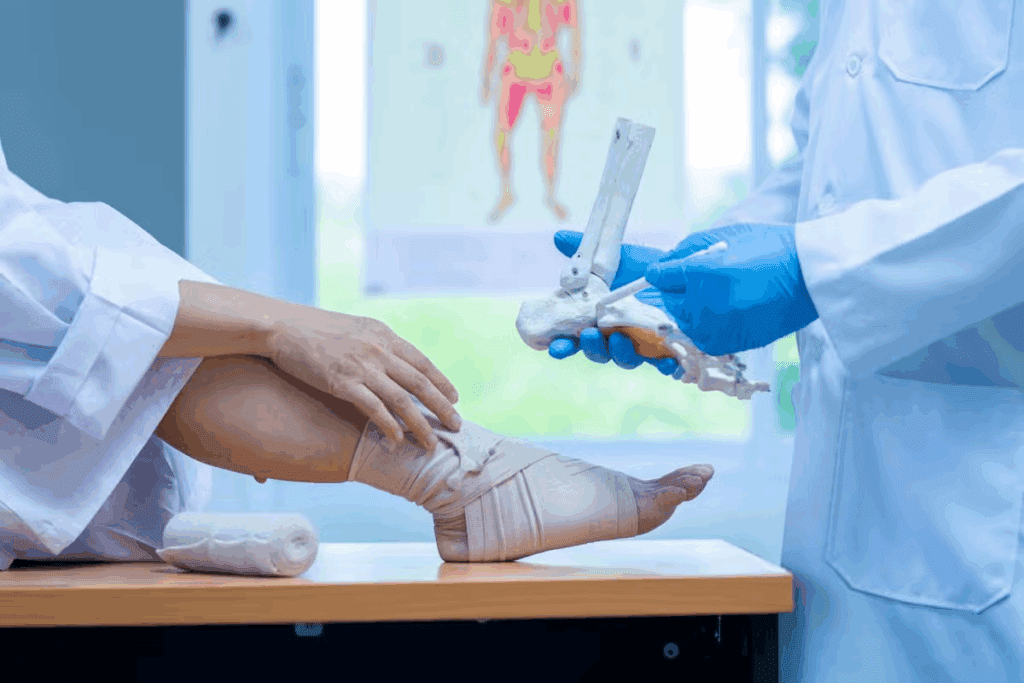
Nearly 1 in 5 adults in the United States face orthopedic issues needing surgery each year.
Thinking about minor orthopedic procedures can be scary. But, some surgeries heal quickly. These easy recovery surgeries aim to keep downtime short. This lets patients get back to their usual lives faster.
Choosing a simple orthopedic surgery means less chance of problems and less pain after surgery.
Key Takeaways
- Orthopedic surgeries vary in complexity and recovery time.
- Some procedures are considered minor and have shorter recovery periods.
- Understanding the recovery process can help manage expectations.
- Patients should discuss their options with an orthopedic specialist.
- Recovery times can vary based on individual health and the type of surgery.
Understanding Orthopedic Surgery Recovery

Recovering from orthopedic surgery has changed a lot. New medical tech and techniques have made it easier. Knowing what helps a smooth recovery is key for patients.
What Defines “Easy” Recovery
An “easy” recovery means little pain, a short hospital stay, and getting back to normal fast. Many things affect this, like the surgery type, the patient’s health, and after-care.
Key factors influencing easy recovery:
- Minimally invasive surgical techniques
- Effective pain management strategies
- Comprehensive post-operative care
Evolution of Surgical Techniques
Orthopedic surgery has changed a lot. Now, we use minimally invasive procedures instead of old open surgeries. This makes recovery faster and causes less damage.
| Surgical Technique | Recovery Time | Tissue Damage |
| Traditional Open Surgery | Several months | Significant |
| Minimally Invasive Surgery | Several weeks | Minimal |
Recovery Expectations vs. Reality
Patients often have different ideas about recovery than what really happens. Things like age, health, and following doctor’s orders play a big role.
Knowing these things can help manage what patients expect. By using proven methods and tailoring care, doctors can make recovery smoother and more predictable.
Simple Orthopedic Surgery: Types and Characteristics
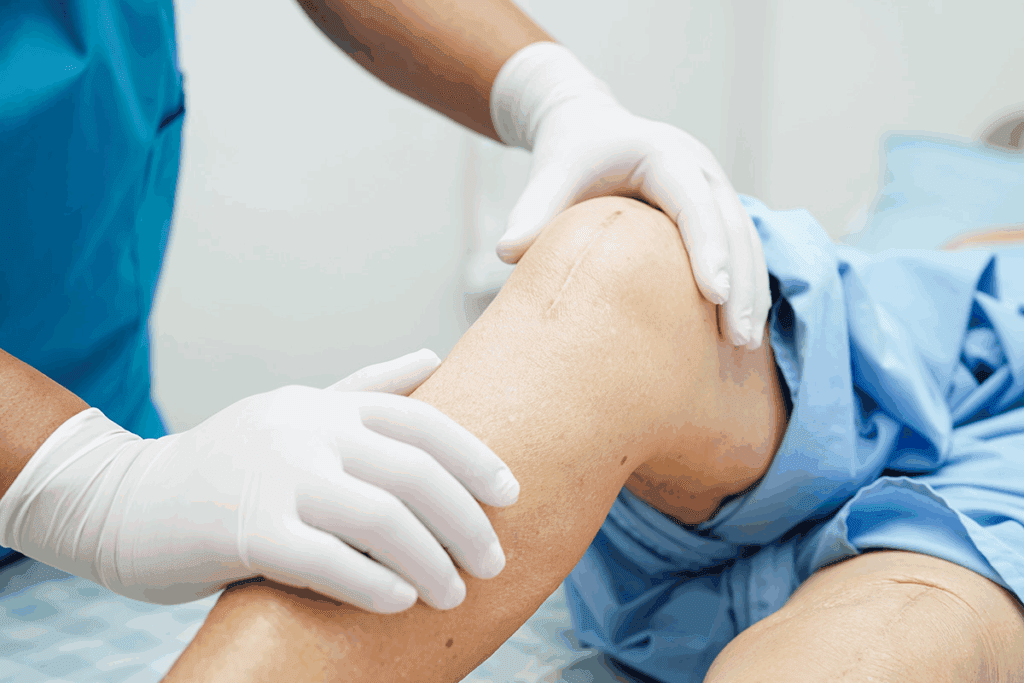
Simple orthopedic surgeries are gaining popularity. They are known for being less invasive and leading to quicker recovery. These surgeries aim to cause less damage, reduce pain, and speed up healing.
Minimally Invasive Procedures
These procedures use small incisions and advanced tools. They also rely on detailed imaging. This method causes less harm to tissues, leading to less pain and faster healing.
They offer many benefits. These include less scarring, a lower chance of infection, and shorter hospital stays. These reasons make them a good choice for many patients.
Outpatient vs. Inpatient Surgeries
Simple orthopedic surgeries can be done as outpatient or inpatient procedures. Outpatient surgeries let patients go home the same day. Inpatient surgeries require a hospital stay.
The choice depends on the surgery’s complexity, the patient’s health, and their recovery needs. Outpatient surgeries are often chosen for simpler cases. They save on costs and lower the risk of infections.
Technological Advancements
Technology has greatly improved simple orthopedic surgeries. New imaging tools, like 3D imaging and arthroscopy, improve accuracy and precision.
Robotic-assisted surgery is another big leap. It allows surgeons to do complex tasks with more accuracy and control. This leads to better results and quicker recovery times.
Factors That Influence Orthopedic Surgery Recovery
Many important factors affect how well a patient recovers from orthopedic surgery. Knowing these can help both patients and doctors make the recovery better.
Patient-Related Factors
Things about the patient can really change how they heal. These include:
- Age: Older people might take longer to get better because they have less energy and might have other health issues.
- Overall Health: If someone has health problems like diabetes or heart disease, it can make recovery harder.
- Nutritional Status: Eating well is key for healing. Not getting enough nutrients can slow down recovery.
Surgical Technique Considerations
The way the surgery is done also matters. Newer surgical methods can lead to:
- Minimally Invasive Procedures: These use smaller cuts and cause less damage, leading to less pain and faster healing.
- Technological Advancements: Better tools and images help doctors do more precise surgeries, which might make recovery faster.
| Surgical Technique | Recovery Time Impact | Patient Benefits |
| Minimally Invasive | Reduced | Less pain, quicker return to activities |
| Traditional Open Surgery | Standard | More tissue damage, longer recovery |
| Robot-Assisted Surgery | Potentially Reduced | Enhanced precision, less blood loss |
Post-Operative Care Quality
How well a patient is cared for after surgery is very important. This includes:
- Pain Management: Good pain control makes patients more comfortable and helps them get back to normal faster.
- Rehabilitation Protocols: Custom physical therapy helps patients regain strength and function.
- Follow-Up Care: Regular check-ups with doctors help track progress and catch any problems early.
By understanding and working on these areas, patients and doctors can make the recovery from orthopedic surgery better.
Arthroscopic Procedures: Leading the Way in Easy Recovery
Arthroscopic procedures are making recovery easier than ever before. They cause less damage to tissues. This method is key in orthopedic surgery, providing a less invasive option compared to open surgery.
How Arthroscopy Works
Arthroscopy uses a small camera, called an arthroscope, to see inside joints. It’s inserted through a small cut. This lets surgeons diagnose and treat joint problems with great accuracy.
The arthroscope is linked to a monitor showing clear images. This helps the surgeon work with less harm to the surrounding tissues.
Benefits Over Traditional Open Surgery
Arthroscopic procedures have many advantages over open surgery. Smaller incisions mean less damage and trauma. This leads to less pain after surgery and quicker recovery times.
Arthroscopy also causes less scarring and lowers the chance of complications. Patients can usually get back to their daily activities sooner. This makes arthroscopy a popular choice for those looking for an easy recovery.
Common Applications in Orthopedics
Arthroscopy is used in many orthopedic treatments. It’s used for knee, shoulder, elbow, and ankle issues. Procedures include fixing meniscus tears, repairing ACLs, fixing rotator cuffs, and removing damaged tissue.
Its wide range of uses makes arthroscopy a vital tool for orthopedic surgeons. It allows them to treat various conditions with minimally invasive techniques and achieve the best results.
Understanding arthroscopic procedures helps patients make better choices for their orthopedic care. They can then look forward to easier and faster recoveries.
Knee Arthroscopy: The Gold Standard for Quick Recovery
Knee arthroscopy is a top choice in orthopedic surgery. It’s known for being minimally invasive and quick to heal. This method lets doctors fix knee issues with small cuts, less damage, and faster recovery.
Meniscus Repair and Trimming
Knee arthroscopy is great for fixing meniscus problems. The meniscus is a cartilage in the knee that can tear. Surgeons use arthroscopy to either mend the tear or remove the damaged part. Meniscus repair helps keep the cartilage healthy, which can stop osteoarthritis from starting.
ACL Debridement
ACL injuries are common, mainly in athletes. Arthroscopy helps by removing damaged ACL tissue. This reduces pain and swelling, making it easier to get back to sports. Sometimes, it’s paired with ACL reconstruction for a full fix.
Post-Operative Protocol and Timeline
Recovery from knee arthroscopy is quick, with most back to normal in weeks. The post-operative protocol includes:
- Pain management through medication
- Physical therapy to regain strength and mobility
- Gradual return to activities, avoiding high-impact stress on the knee
The recovery time varies based on the surgery and the patient. Usually, it takes 4 to 6 weeks before you can do everything again.
Shoulder Arthroscopy: Minimizing Recovery Time
Shoulder arthroscopy has made recovery time much shorter for those needing shoulder surgery. This method is less invasive, allowing for more precise treatments with less damage to tissues.
Rotator Cuff Procedures
Rotator cuff injuries are common, affecting athletes and those who do overhead activities often. Shoulder arthroscopy helps fix torn tendons and reduces swelling, leading to quicker healing. Arthroscopic rotator cuff repair involves attaching the tendon back to the humerus, using anchors for support.
Labral Repairs
The labrum is a cartilage ring around the shoulder socket, key to its stability. Tears in the labrum can cause pain and limit movement. Shoulder arthroscopy allows surgeons to fix or remove damaged labrum, easing symptoms and improving joint function. Labral repairs are great for those with shoulder instability or labral tears from injury.
Rehabilitation Process
The recovery after shoulder arthroscopy is key to good results. A good rehab plan includes rest, physical therapy, and strengthening exercises. Patients start with gentle exercises soon after surgery to keep movement and avoid stiffness. Physical therapy is essential, helping patients regain shoulder strength and function.
Shoulder arthroscopy reduces recovery time by causing less damage and making repairs more precise. This advanced surgery, paired with a detailed rehab plan, helps people get back to their activities faster and with less pain.
Hand and Wrist Surgeries with Rapid Healing
Hand and wrist surgeries are getting faster, thanks to new techniques. These advancements mean patients heal quicker. This is because of better surgery methods and care after surgery.
Carpal Tunnel Release
Carpal tunnel release is a common surgery. It helps relieve pressure on the median nerve. This surgery is often done without staying overnight in the hospital.
Minimally invasive techniques make recovery faster. Patients can usually go back to their daily activities in a few weeks.
- Relieves pressure on the median nerve
- Often performed on an outpatient basis
- Quick recovery with minimally invasive techniques
Trigger Finger Release
Trigger finger release is another common surgery. It fixes the tendon sheath to stop trigger finger symptoms. This surgery is quick, and most people can get back to normal in a few days to a week.
Post-operative care includes exercises to keep the finger flexible and strong. Patients should avoid heavy lifting or bending for a few weeks.
Ganglion Cyst Removal
Ganglion cysts are non-cancerous lumps near joints or tendons, often on the wrist. Removing them is a simple surgery done under local anesthesia. Recovery is fast, with little pain after surgery.
- Surgical removal under local anesthesia
- Minimal post-operative discomfort
- Quick return to normal activities
In conclusion, surgeries like carpal tunnel release, trigger finger release, and ganglion cyst removal heal quickly. This is thanks to new surgery methods and better care after surgery. Patients can quickly get back to their daily lives, making these surgeries very effective and quick.
Foot and Ankle Procedures: Walking Your Way to Recovery
Modern foot and ankle surgeries aim to get patients moving quickly. New surgical methods and care plans have cut down recovery times. This means people can get back to their daily lives sooner.
Ankle Arthroscopy
Ankle arthroscopy is a small surgery for ankle problems. It uses a tiny camera and tools through small cuts. This way, it causes less damage and heals faster.
Benefits of ankle arthroscopy include less pain, smaller scars, and a quicker recovery. People can usually get back to their usual activities in a few weeks.
Bunion Correction
Bunion surgery fixes the big toe joint’s deformity. It relieves pain and improves foot movement. Today, there are many surgical options, from small cuts to more detailed repairs.
- Minimally invasive bunion correction uses smaller cuts and might have less recovery time.
- Complex bunion reconstructions are for severe cases and take longer to recover from.
Hammertoe Repair
Hammertoe surgery fixes the toe’s deformity, easing pain and improving alignment. The surgery type depends on the hammertoe’s severity and flexibility.
The recovery process starts with rest, followed by exercises to improve toe flexibility and strength.
Foot and ankle surgeries, like ankle arthroscopy, bunion correction, and hammertoe repair, are getting better. They help patients get back to their activities faster. Knowing about each procedure helps patients make better choices for their care.
Outpatient Orthopedic Surgeries: Home the Same Day
Orthopedic surgery has changed a lot. Now, many surgeries can be done without staying in the hospital. This is thanks to better surgery methods, anesthesia, and care after surgery.
Selection Criteria for Outpatient Surgery
Not everyone can have surgery as an outpatient. Selection criteria include the patient’s health, the surgery’s complexity, and if they can get care at home.
- People with serious health issues might not qualify.
- The surgery must be simple and quick to recover from.
- Having someone to help at home is key.
Benefits of Going Home the Same Day
Outpatient surgeries have many benefits. They reduce the risk of infections, save money, and let you recover in your own bed.
- Less chance of getting sick from hospital germs.
- It’s cheaper because you don’t need a hospital bed.
- Being at home can make you feel more comfortable.
Safety Considerations
Even though outpatient surgery is safe, there are safety considerations. You need to manage pain well and watch for any problems at home.
- Learn to spot any signs of trouble.
- Have a plan for managing pain.
- Make sure you have a follow-up appointment set.
Minor Fracture Treatments with Easier Recovery
There are many ways to treat minor fractures, some of which make recovery faster. These treatments help patients heal quicker and spend less time off their feet.
Percutaneous Pinning
Percutaneous pinning is a new, less invasive surgery for some fractures. It uses pins or wires through the skin to hold the bone together. This method works well for simple fractures that aren’t badly out of place.
Benefits of Percutaneous Pinning:
- Less invasive than open surgery
- Lower risk of infection
- Smaller scars
- Quicker recovery
Closed Reduction Techniques
Closed reduction is a method where bones are put back in place without cutting. It’s for fractures that can be fixed by moving them back into place.
Closed reduction is typically performed under:
- Local anesthesia
- Sedation
- Fluoroscopy guidance for accurate alignment
Recovery Expectations
Recovery times for minor fracture treatments vary. It depends on the treatment, the patient’s health, and following doctor’s orders. Most patients can get back to normal in a few weeks.
Here’s a general guide to recovery times for these treatments:
| Treatment Method | Immediate Post-Procedure | Short-Term Recovery (1-4 weeks) | Long-Term Recovery (4-12 weeks) |
| Percutaneous Pinning | Rest, pain management | Gradual mobilization, physical therapy | Return to normal activities, pin removal |
| Closed Reduction | Immobilization, pain management | Cast or splint removal, physical therapy | Full recovery, strengthening exercises |
Spine Procedures with Shorter Recovery Periods
Spinal surgery has made big strides, leading to quicker healing times. New spine procedures are less invasive. This means less damage to tissues and faster healing.
Microdiscectomy
Microdiscectomy is a minimally invasive surgery for herniated discs. It removes the damaged disc material that’s pressing on nerves. This causes pain and discomfort.
The procedure uses a small incision and a microscope or special tools to see the area.
Benefits of Microdiscectomy include less tissue damage, lower infection risk, and quicker recovery than traditional surgery.
Minimally Invasive Decompression
Minimally invasive decompression relieves nerve pressure. It involves a small incision and special tools to remove tissue or bone. The goal is to ease pain and improve mobility without big surgery.
The advantages of minimally invasive decompression include smaller scars, less pain, and a quicker return to normal activities.
Recovery Timeline Comparison
Knowing the recovery times for different spine procedures is key. It helps manage patient expectations. Here’s a table comparing recovery times for microdiscectomy and minimally invasive decompression.
| Procedure | Immediate Recovery | Short-Term Recovery (1-3 months) | Long-Term Recovery (6-12 months) |
| Microdiscectomy | 1-2 weeks of rest | Gradual return to normal activities | Full recovery, with some patients experiencing continued improvement |
| Minimally Invasive Decompression | 1-3 weeks of rest | Progressive strengthening and flexibility exercises | Complete recovery, with ongoing improvement |
Both microdiscectomy and minimally invasive decompression offer shorter recovery times than traditional surgeries. Knowing the details of each procedure helps patients make better choices.
Preparing for Surgery: Setting Yourself Up for Success
Getting ready for orthopedic surgery can greatly affect your outcome. Being prepared can make a big difference in your recovery.
Pre-Surgical Conditioning
Pre-surgical conditioning is key. Doing exercises specific to your surgery can help your recovery. For example, if you’re having knee surgery, working on your upper body and heart health is good.
It’s important to listen to your surgeon’s advice on exercises before surgery. They might suggest certain activities to get you ready for the surgery and recovery.
Home Preparation
Getting your home ready is also essential. Clearing clutter and organizing your space can prevent accidents and make it easier to move around. Think about rearranging your furniture to make a safe path.
Also, getting groceries, medications, and comfy clothes ready can reduce the need for help during recovery. Having a cozy spot to rest can also help your healing.
Mental Readiness
Mental preparation is just as important as physical. Knowing what to expect from the surgery and recovery can lower your stress. Learning about your surgery can help you feel more in control.
Using relaxation methods like meditation or deep breathing can help manage stress and keep a positive outlook. Having a support system, like family or friends, can offer emotional support during this time.
Post-Operative Strategies for Optimal Recovery
After orthopedic surgery, it’s key to follow good post-operative strategies. A well-thought-out recovery plan helps heal smoothly and avoids complications.
Pain Management Approaches
Managing pain well is vital after surgery. There are many ways to do this, like using medicine, trying alternative therapies, and changing your lifestyle. Multimodal analgesia is a method that uses different pain relief medicines together. This helps control pain and cuts down on opioid use.
- Medication: Using a mix of opioids and non-opioids for pain.
- Alternative therapies: Trying things like acupuncture or physical therapy to lessen pain.
- Lifestyle adjustments: Changing daily habits to feel less pain.
Physical Therapy Importance
Physical therapy is very important for recovery. It helps get function, strength, and flexibility back. A physical therapy plan made just for you can greatly improve your recovery.
A good physical therapy plan helps you move better and lowers the chance of getting hurt again. It’s important to listen to your physical therapist to recover safely and effectively.
| Physical Therapy Benefits | Description |
| Restores Function | Helps you get back to normal movement and function. |
| Reduces Pain | Helps lessen pain with specific exercises. |
| Prevents Future Injuries | Makes muscles stronger and improves flexibility to avoid getting hurt again. |
Nutrition and Lifestyle Factors
Nutrition and lifestyle choices greatly affect recovery. Eating a balanced diet full of important nutrients helps healing. Some lifestyle choices can slow down or speed up recovery.
Nutritional Considerations include eating enough protein, vitamins, and minerals. Drinking plenty of water is also key for a good recovery.
Changing your lifestyle, like quitting smoking and drinking less, can also help recovery. Making smart choices can greatly improve your recovery.
Conclusion: Making Informed Decisions About Orthopedic Surgery
It’s important to know about different orthopedic surgeries and how to recover. Simple surgeries like arthroscopic procedures and outpatient surgeries heal faster. They also don’t disrupt your daily life as much.
Thinking about what affects recovery is key. This includes your health, the surgery type, and care after surgery. Knowing this helps you prepare for a good recovery. Simple surgeries can fix many common problems, letting you get back to your routine sooner.
Understanding your options and what simple surgeries offer is vital. Knowing what to expect during recovery helps too. With this knowledge, you can work with your doctor to get the best results.
FAQ
What is considered a simple orthopedic surgery?
Simple orthopedic surgeries are small procedures with quick recovery times. They use smaller cuts, causing less damage and pain. Examples include arthroscopic surgeries and carpal tunnel release.
How long does it take to recover from simple orthopedic surgery?
Recovery times vary. It depends on the surgery, your health, and aftercare. Simple surgeries can take a few days to weeks to recover.
What are the benefits of minimally invasive orthopedic surgery?
These surgeries have many benefits. They cause less pain, have smaller cuts, and heal faster. They also leave less scarring and lower the risk of complications.
Can I go home the same day as my orthopedic surgery?
Yes, many surgeries are done on an outpatient basis. This means you can go home the same day. The decision depends on the surgery, your health, and aftercare needs.
How can I prepare my home for post-operative recovery?
Make your home safe and comfy for recovery. Set up a recovery area and get help with daily tasks. Have all needed supplies ready.
What role does physical therapy play in orthopedic surgery recovery?
Physical therapy is key in recovery. It helps you regain strength and mobility. A physical therapist will create a plan tailored to your needs.
How can I manage pain after orthopedic surgery?
Manage pain with medication, rest, and alternative therapies like ice or heat. Always follow your doctor’s post-operative instructions.
What are some common applications of arthroscopy in orthopedics?
Arthroscopy is used to diagnose and treat joint problems. It’s used for knee, shoulder, ankle, and wrist issues. It can repair tissues, remove loose fragments, and reduce inflammation.
Are there any specific nutrition and lifestyle factors that can aid in orthopedic surgery recovery?
Yes, a balanced diet and healthy lifestyle help recovery. Foods rich in protein, vitamin C, and omega-3 fatty acids are important for healing.
Can orthopedic surgery be performed using laser technology?
Yes, laser technology is used in some surgeries. It reduces bleeding, causes less damage, and speeds up healing. Its use depends on the procedure and surgeon’s judgment.
References
- Wang, F., Liu, Y., & Li, R. (2020). Arthroscopic vs. open carpal tunnel release: A systematic review and meta-analysis of short-term outcomes. Journal of Orthopaedic Surgery and Research, 15(1), 14.https://pubmed.ncbi.nlm.nih.gov/31920256/