Orthopedics focuses on the musculoskeletal system. Learn about the diagnosis, treatment, and rehabilitation of bone, joint, ligament, and muscle conditions.
Send us all your questions or requests, and our expert team will assist you.
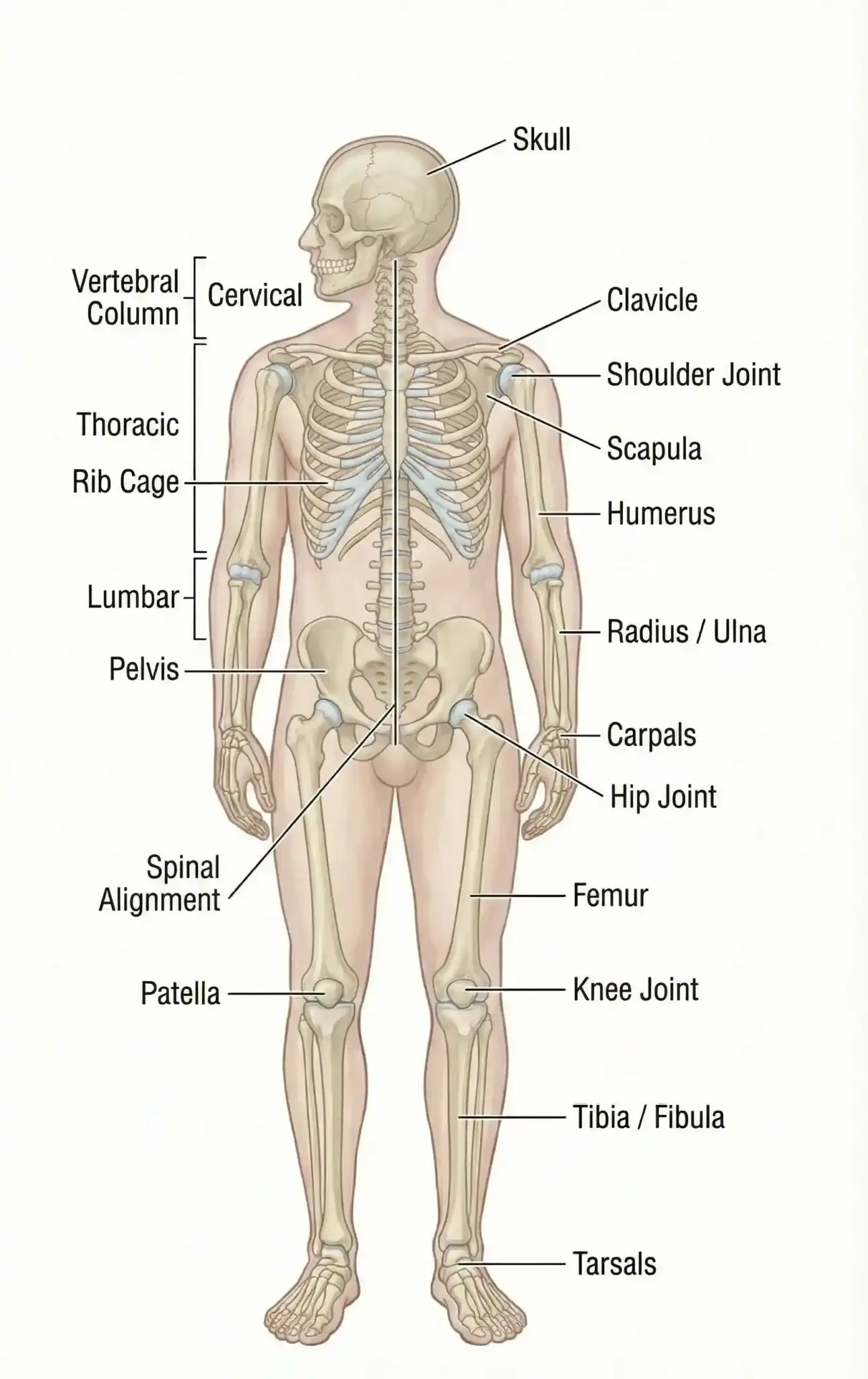
Orthopedics, formally known as Orthopaedic Surgery, is the branch of medicine dedicated to the diagnosis, treatment, rehabilitation, and prevention of injuries and diseases of the musculoskeletal system. This complex system provides form, stability, and movement to the human body. While many people associate orthopedics primarily with broken bones, the field is far more expansive, covering a vast network of tendons, ligaments, muscles, nerves, and joints. An orthopedic surgeon or orthopedist is a medical doctor with specialized training to manage these conditions through both surgical and non-surgical means.
To understand orthopedics, one must understand the intricate machinery of the body that allows for motion. The musculoskeletal system is an engineering marvel composed of several distinct tissue types that must function in harmony.
Orthopedics is a broad field that addresses conditions present from birth (congenital), those caused by injury (traumatic), and those that develop over time due to aging or wear and tear (degenerative).
The field is often divided into specialized areas of focus, allowing physicians to develop high-level expertise in specific parts of the body or types of conditions:
Mobility is central to quality of life. Orthopedic conditions are the leading cause of disability worldwide. They can range from acute, short-term injuries like a sprained ankle to chronic, progressive diseases like osteoarthritis. The goal of orthopedic care is not just to fix a broken part, but to restore function, alleviate pain, and help patients return to their daily activities, whether that involves high-performance sports or simply walking without pain.
Musculoskeletal symptoms are among the most common reasons patients seek medical attention. Because the system involves so many moving parts, symptoms can present in various ways. Recognizing early warning signs is crucial for preventing minor issues from becoming chronic, debilitating conditions.
Pain is the most universal symptom in orthopedics, but the nature of the pain and accompanying signs provide vital clues to the underlying problem.
Send us all your questions or requests, and our expert team will assist you.
The causes of orthopedic disorders generally fall into three main categories: acute trauma, overuse/wear and tear, and systemic or congenital factors.
Accurate diagnosis in orthopedics relies on a combination of clinical skills and advanced technology. The goal is to not only identify what is wrong but also to quantify the severity, often referred to as grading or staging, to determine the most appropriate treatment pathway. At Liv Hospital, we utilize a comprehensive diagnostic approach to ensure no detail is overlooked.
The diagnostic process begins with a thorough consultation. The physician will take a detailed medical history, asking about the onset of pain, the mechanism of injury (how it happened), and what makes symptoms better or worse.
The Physical Examination is critical. The doctor will evaluate:
Imaging allows orthopedic specialists to “see” inside the body. Different technologies are used depending on the suspected tissue involved.
In orthopedics, “staging” helps classify the severity of an injury or disease.
Orthopedic treatment has evolved significantly. The modern philosophy emphasizes the idea that “motion is life.” Treatment plans are designed to restore mobility as safely and quickly as possible. At Liv Hospital, we follow a ladder of care, typically starting with conservative (non-surgical) measures and reserving surgery for cases where conservative therapy fails or the injury is severe.
The majority of orthopedic conditions can be treated effectively without surgery.
When surgery is necessary, the goal is to be as minimally invasive as possible to speed up recovery.
For end-stage arthritis where the joint cartilage is completely worn away, joint replacement is the gold standard treatment.
When facing musculoskeletal issues, the choice of a medical center determines not just the success of a surgery but the quality of the entire recovery journey. Liv Hospital stands as a leader in orthopedic excellence, combining the precision of robotic technology with the artistry of experienced surgical teams. We offer a holistic environment where surgeons, physiotherapists, and pain specialists work together to help you get back to the life you love.
Our Orthopedics and Traumatology department is designed to handle the full spectrum of musculoskeletal health, from high-performance sports injuries to complex degenerative diseases.
We understand that surgery is only half the battle. Our approach integrates rehabilitation into the treatment plan from day one.
At Liv Hospital, we prioritize the patient experience.
Whether you are an elite athlete dealing with a ligament tear or a senior seeking relief from arthritis pain, Liv Hospital provides the expertise, technology, and compassionate care required to restore your movement and your freedom.
An Orthopedic specialist, or orthopedist, diagnoses, treats, and prevents diseases and injuries of the musculoskeletal system (bones, joints, muscles, tendons, and ligaments).
Orthopedics treats a wide range of conditions, including fractures, severe joint pain, chronic arthritis, ligament and tendon tears, back pain, and complex sports injuries.
The main types are degenerative diseases (like osteoarthritis), traumatic injuries (like fractures), congenital problems (like scoliosis), and chronic conditions (like tendonitis).
You should see a specialist if you have pain, stiffness, or limited movement that lasts for more than a few weeks, or if you have a traumatic injury like a broken bone or severe sprain.
Orthopedics focuses on the physical repair of musculoskeletal issues (often through surgery), while rheumatology focuses on medical management of systemic inflammatory joint conditions using medication.
Shoulder pain is a big problem for many adults. Over 1 million people in the United States go to the doctor for shoulder issues every
Nearly 25% of adults over 55 deal with knee pain. This greatly affects their life quality. As we get older, knee pain becomes more common.
Knee bursitis is a painful condition that affects millions of people worldwide. It causes discomfort and limits mobility. Inflammation of the bursae around the knee
Scoliosis affects millions, causing back pain and lowering quality of life. It’s key to manage scoliosis well to ease pain and avoid more problems. We’ll
Shoulder tendonitis is a common issue that affects millions globally. It causes a lot of pain and makes it hard to move. Inflammation of the
Did you know ignoring Achilles tendonitis can cause chronic problems? These issues can affect your daily life. Untreated, it can turn into chronic achilles tendonitis