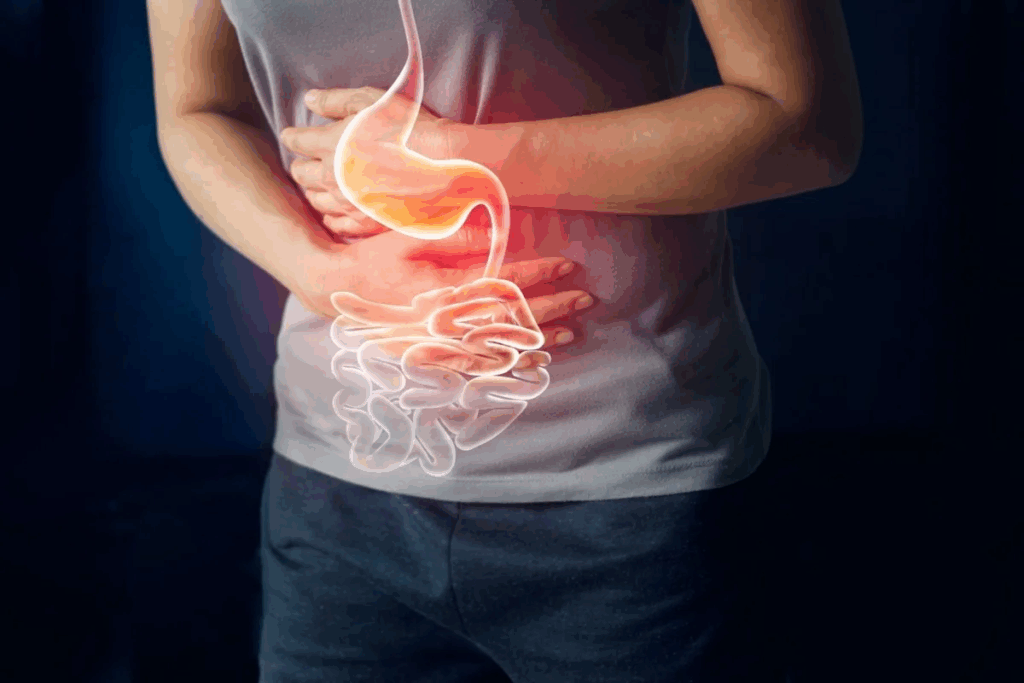
Do you often feel discomfort, bloating, or pain in your lower belly? Trapped gas in the pelvic area is a common problem. It can really disrupt your daily life.
Understanding why gas trapped in pelvic area causes discomfort and offering immediate relief strategies.
At Liv Hospital, we know how tough it is to deal with this issue. Our team is here to help you find relief. We’ll look into why gas gets trapped and how to fix it. Simple changes or special therapy can make a big difference.
Key Takeaways
- Understanding the causes of trapped gas in the pelvic area.
- The role of pelvic floor dysfunction in gas entrapment.
- Effective relief strategies, including lifestyle adjustments and pelvic floor therapy.
- The importance of seeking expert guidance from healthcare providers.
- How addressing the root cause can lead to significant relief.
Understanding the Problem of Trapped Gas

It’s important to understand trapped gas to find relief from its discomfort. Trapped gas can cause pain and make it hard to pass gas. This is a big problem when it happens in the pelvic area.
How Gas Normally Moves Through the Digestive System
Gas is a natural part of digestion. It moves through the digestive system without trouble. Food breakdown produces gas, which is usually released through belching or flatulence.
But, when gas gets trapped, it can cause discomfort and pain. The pelvic floor muscles are key in gas passage. They form a sling around the rectum and anal sphincters. Their proper function is vital for gas release.
What Happens When Gas Gets Trapped
Trapped gas in the pelvic area leads to symptoms like discomfort and pain. It also makes it hard to pass gas or have a bowel movement. This can be very distressing, making it hard to fart or have a bowel movement.
Trapped gas can also cause pelvic pain. This pain can be mild or severe. It may also come with bloating or abdominal distension. Knowing that trapped gas can cause pelvic pain is key to finding the right treatment.
Symptoms | Causes | Effects |
Discomfort, pain, difficulty passing gas | Pelvic floor muscle dysfunction, digestive issues | Trapped gas, pelvic pain, bloating |
Bloating, abdominal distension | Gas buildup, poor digestion | Discomfort, pain, difficulty with bowel movements |
Anatomy of the Pelvic Floor and Its Role in Gas Passage

The pelvic floor is made up of muscles and ligaments. It plays a big role in how gas moves and our digestive health. The muscles form a sling around the rectum and anal sphincters. This helps control gas passage.
Structure of the Pelvic Floor Muscles
The pelvic floor has several layers of muscles. These include the pubococcygeus, iliococcygeus, and puborectalis muscles. They work together to support the pelvic organs and keep things in place.
The puborectalis muscle is key for controlling gas and stool. It forms a muscular sling around the anorectal junction. This helps keep the anorectal angle in place.
How These Muscles Affect Gas Movement
The pelvic floor muscles are important for gas passage. When they work right, they let gas out in a controlled way. But if they don’t work right, gas can get trapped.
“Pelvic floor dysfunction can manifest as either overactive or underactive muscles, both of which can disrupt normal gas passage.”
Knowing about the pelvic floor’s anatomy is key for fixing gas issues. Here’s a table that shows the main muscles and what they do:
Muscle | Function |
Pubococcygeus | Supports the pelvic organs |
Iliococcygeus | Assists in maintaining continence |
Puborectalis | Controls the passage of gas and stool |
Understanding the pelvic floor’s muscles helps us see how they affect gas movement. It also shows their role in pelvic health.
Common Symptoms of Gas Trapped in Pelvic Area
Gas trapped in the pelvic area can cause bloating, pain, and trouble passing gas. This issue can lead to uncomfortable symptoms that interfere with daily life. It’s important to know these symptoms to find relief.
Physical Symptoms and Discomfort
Bloating and discomfort are common signs of trapped gas in the pelvic area. You might feel full or have pressure in your lower abdomen and pelvis. The pain can be mild or severe and might feel like sharp pains or cramps.
In some cases, the pain can spread to your hips or lower back. This makes it key to find the cause of the problem.
Difficulty Passing Gas and Related Issues
Another symptom is difficulty passing gas, which can cause more discomfort and bloating. When gas is trapped, it’s hard to release, leading to a feeling of pressure building up. This can be very uncomfortable.
It might also cause abdominal distension or discomfort during bowel movements.
Symptom | Description |
Bloating and Discomfort | Feeling of fullness or pressure in the lower abdomen and pelvic region |
Pain and Cramps | Sharp pains or cramps in the lower abdomen and pelvic area |
Difficulty Passing Gas | Feeling of pressure building up due to trapped gas |
In conclusion, trapped gas in the pelvic area can cause many symptoms that affect daily life. Recognizing these symptoms is the first step to finding relief and solving the problem.
Primary Causes of Gas Trapped in Pelvic Area
Gas trapped in the pelvic area can be uncomfortable. Knowing what causes it is key to feeling better. Problems with the pelvic floor, digestive health, and bowel habits can all play a role.
Pelvic Floor Dysfunction
Pelvic floor dysfunction is a big reason for trapped gas. The pelvic floor muscles help control gas movement. If these muscles are weak or not working right, passing gas can be hard, causing pain.
“Pelvic floor dysfunction can manifest as either overactive or underactive pelvic floor muscles, both of which can lead to issues with gas passage.”
Symptoms of pelvic floor dysfunction include trouble starting or stopping urine flow, painful urination, and hard gas passage. We’ll see how fixing pelvic floor issues can help with gas.
Digestive Disorders
Different digestive problems can also cause gas to get stuck in the pelvic area. Issues like irritable bowel syndrome (IBS), gastroparesis, and motility disorders can mess with gas movement. IBS, for example, can change bowel habits and gas production, leading to trapped gas.
It’s important to know the digestive issue to manage trapped gas. We’ll look at how various digestive conditions affect gas movement and build-up in the pelvic area.
Constipation and Bowel Issues
Constipation is another major cause of trapped gas. When stool stays in the intestines, it slows gas movement, trapping it. Chronic constipation can cause ongoing discomfort and is linked to pelvic floor problems.
Changing diet, staying hydrated, and improving bowel habits can help reduce trapped gas. We’ll dive into how bowel habits and gas build-up are connected.
Dietary Factors Contributing to Pelvic Gas
The food we eat and drinks we drink can really affect gas in our belly. Looking into how diet affects gas, we see some foods make it worse.
High-Fiber Foods and Gas Production
High-fiber foods are good for our gut but can make more gas. Foods like beans, cabbage, and broccoli have carbs that aren’t fully broken down. These carbs get fermented in the colon, making gas.
Examples of high-fiber foods that may increase gas production include:
- Legumes (beans, lentils)
- Certain vegetables (broccoli, cauliflower, cabbage)
- Whole grains (wheat, oats, barley)
A gastroenterology expert says, “Eating a lot of fiber can make more gas. This can be a problem for people with pelvic floor issues or other gut problems.”
Carbonated Beverages and Artificial Sweeteners
Drinks with carbonation, like soda and beer, can also cause gas. The carbon dioxide in these drinks can make us feel bloated and uncomfortable.
Artificial sweeteners in sugar-free foods can also lead to gas. Some people have trouble digesting these sweeteners, causing bloating and discomfort.
Food Intolerances and Sensitivities
Food intolerances and sensitivities can really affect gas and cause trapped gas. Common ones include lactose intolerance and gluten sensitivity.
Lactose intolerance happens when we can’t digest lactose, a sugar in milk and dairy. This can cause gas, bloating, and discomfort.
Managing food intolerances through diet changes can help with trapped gas. Knowing and avoiding trigger foods is key to reducing gas and discomfort.
“Understanding and managing food intolerances can significantly reduce symptoms of trapped gas and improve overall digestive health.”
Being aware of how our diet affects gas can help us feel better. Making smart choices about what we eat can lessen the discomfort of trapped gas in the pelvic area.
When to See a Doctor About Trapped Gas
Trapped gas can usually be handled at home. But, some situations need a doctor’s help. Knowing when to seek medical attention is key for your health and comfort.
Warning Signs That Require Medical Attention
There are warning signs that mean you should see a doctor for trapped gas. These include:
- Severe pain: Severe or worsening pain is a sign to see a doctor.
- Difficulty passing gas: Trouble passing gas or changes in bowel habits need medical check-up.
- Bloating and swelling: Persistent bloating or swelling in the pelvic area may indicate an issue.
- Vomiting or fever: Vomiting, fever, or signs of infection with trapped gas require immediate medical help.
- Blood in stool: Blood in stool is a serious symptom that needs immediate medical attention.
Seeing a doctor for these symptoms doesn’t always mean a severe condition. But, it’s wise to be cautious. As one doctor said,
“It’s always better to be safe than sorry when it comes to abdominal pain and other related symptoms.”
What to Expect During Your Medical Visit
Visiting your doctor for trapped gas involves a detailed evaluation. Here’s what you can expect:
- Medical history: Your doctor will ask about your medical history, including any digestive issues or surgeries.
- Physical examination: A physical exam will be done to check for tenderness, bloating, or other signs of distress in the pelvic area.
- Diagnostic tests: Depending on your symptoms, your doctor may order tests like X-rays, ultrasound, or endoscopy to find the cause of your trapped gas.
- Treatment plan: After diagnosing the issue, your doctor will suggest a treatment plan. This may include dietary changes, medications, or other interventions.
It’s important to be honest with your doctor about your symptoms and any concerns. This ensures you get the right care for your condition.
Effective Relief Methods for Trapped Pelvic Gas
There are many ways to get relief from trapped pelvic gas. You can try immediate relief techniques, exercises, and medical treatments. Finding the right method can make a big difference in how you feel.
Immediate Relief Techniques
When you feel discomfort from trapped pelvic gas, there are quick fixes. Here are a few:
- Deep Breathing Exercises: Slow, deep breaths can relax your pelvic muscles and help release gas.
- Position Changes: Try lying down or getting into a knee-chest position to help release gas.
- Over-the-Counter Medications: Medications like simethicone can ease gas discomfort.
Pelvic Floor Exercises and Physical Therapy
Exercises and physical therapy are key in managing trapped pelvic gas. They help strengthen the pelvic floor muscles. This can improve gas passage and reduce discomfort.
- Pelvic Floor Physical Therapy: A physical therapist can teach you exercises to improve pelvic floor function.
- Kegel Exercises: Doing Kegel exercises can strengthen the pelvic floor muscles. This helps manage gas and improves pelvic health.
Medical Treatments and Medications
At times, medical treatments and medications are needed for trapped pelvic gas. It’s best to talk to a healthcare professional to find the right treatment.
- Prescription Medications: Some medications can help manage conditions that cause trapped gas.
- Dietary Changes: A healthcare professional might suggest changes in your diet to reduce gas and symptoms.
By trying these relief methods and getting help from healthcare professionals, you can manage trapped pelvic gas. This can greatly improve your quality of life.
Lifestyle Changes to Prevent Gas Accumulation
Making lifestyle changes can help prevent gas buildup and discomfort. Simple daily habits can greatly reduce trapped gas in the pelvic area.
Dietary Modifications
Changing what we eat is key to avoiding gas. Some foods make more gas than others. Knowing which ones can help manage symptoms.
- Avoid high-fiber foods like beans and cabbage that are hard to digest.
- Drink less carbonated drinks and artificial sweeteners.
- Eat more foods that are easy to digest, like bananas and rice.
Keeping a food diary helps track which foods cause gas. This way, we can adjust our diet to feel better.
Food Type | Examples | Effect on Gas Production |
High-Fiber Foods | Beans, Broccoli, Cabbage | High gas production |
Carbonated Beverages | Soda, Beer, Sparkling Water | Increased gas |
Easily Digestible Foods | Bananas, Rice, Applesauce | Low gas production |
Physical Activity and Stress Management
Regular exercise and stress control are also important. Exercise helps digestion and stress relief, which lowers gas buildup.
Good activities include:
- Yoga and Pilates for better flexibility and stress reduction.
- Brisk walking or jogging to aid digestion.
- Deep breathing exercises for stress management.
By making dietary changes and staying active, we can lessen gas and discomfort. This approach helps manage trapped gas effectively.
Conclusion
Trapped gas in the pelvic area is a common issue that can be quite uncomfortable. Understanding the pelvic floor’s role in gas movement is key. Knowing the causes, like pelvic floor problems and what we eat, helps us start to feel better.
There are many ways to find relief, like pelvic floor therapy, changing our diet, and adjusting our lifestyle. These steps can greatly improve our pelvic health and overall happiness. We suggest trying these methods to ease symptoms and stop gas buildup.
By actively managing trapped gas, we can improve our lives. If you’re always feeling uncomfortable, it’s important to see a doctor. They can check for other health issues that need attention. With the right steps, we can feel better and live a healthier life.
FAQ
What is trapped gas in the pelvic area?
Trapped gas in the pelvic area is when gas builds up in the pelvic area. It’s hard to pass and causes pain and discomfort.
Can trapped gas cause pelvic pain?
Yes, trapped gas can lead to pelvic pain and discomfort. It can affect your daily life and overall well-being.
Why is it hard to pass gas sometimes?
Passing gas can be hard for many reasons. This includes pelvic floor dysfunction, digestive disorders, and constipation.
How does pelvic floor dysfunction contribute to trapped gas?
Pelvic floor dysfunction can make it hard for gas to move through the digestive system. This leads to trapped gas.
What dietary factors can contribute to pelvic gas?
Certain foods can cause gas in the pelvic area. These include high-fiber foods, carbonated drinks, and foods you’re intolerant to.
When should I see a doctor about trapped gas?
See a doctor if you have persistent or severe symptoms. This includes abdominal pain, bloating, or trouble passing gas.
What can I expect during a medical visit for trapped gas?
At a medical visit, your doctor will check your symptoms and do a physical exam. They might also suggest tests to find the cause of trapped gas.
What are some effective relief methods for trapped pelvic gas?
Relief methods include immediate techniques, pelvic floor exercises, and medical treatments. This includes medications or physical therapy.
Can lifestyle changes help prevent gas accumulation?
Yes, making lifestyle changes can help. This includes changing your diet, staying active, and managing stress. These can prevent gas buildup.
How can I manage trapped gas in the pelvic area?
Managing trapped gas involves making dietary changes, doing pelvic floor exercises, and managing stress. Also, seek medical help if symptoms don’t get better or worsen.
Is trapped gas in the pelvic area a common issue?
Yes, trapped gas in the pelvic area is common. It can affect anyone, regardless of age or background.
Can trapped gas be a sign of an underlying medical condition?
Yes, trapped gas can be a sign of a medical condition. This includes digestive disorders or pelvic floor dysfunction. You should get medical attention.
References
https://pmc.ncbi.nlm.nih.gov/articles/PMC3816178