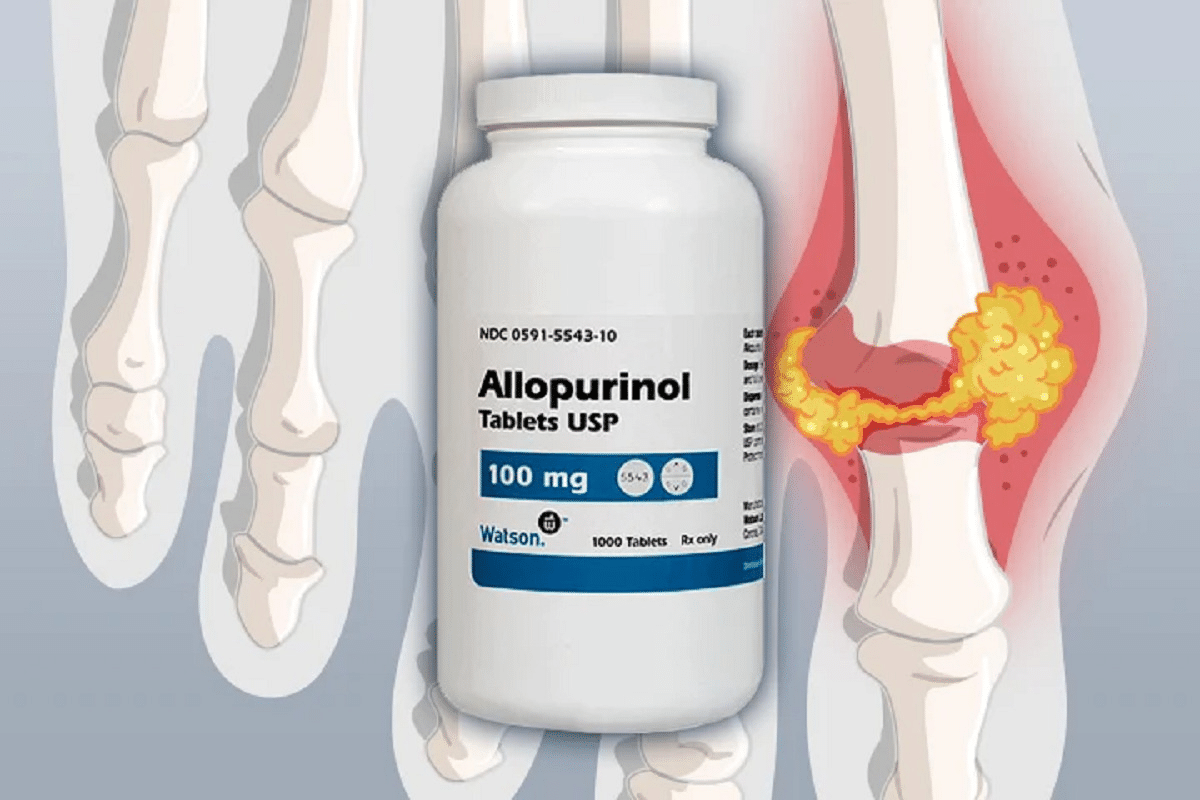
Allopurinol is a common drug for treating gout and other issues linked to too much uric acid. But, it’s not safe for everyone. Some people should not take it because of possible bad reactions. Listing the mainallopurinol contraindications, including hypersensitivity reactions and specific concurrent medications.
At Liv Hospital, we think it’s key to know the contraindications of Allopurinol for safe use. This means looking at past allergic reactions, other medicines being taken, and genetic factors.
Key Takeaways
- Allopurinol is not good for people who have had allergic reactions to it before.
- It’s not safe to take with certain drugs like azathioprine and 6-mercaptopurine.
- Genetic markers are important in deciding if Allopurinol is safe to use.
- Knowing a patient’s medical history is important before giving them Allopurinol.
- Safe prescribing is key to avoid serious side effects.
Understanding Allopurinol: Mechanism and Clinical Uses

Allopurinol works by reducing uric acid in the body. This is key for treating gout, where too much uric acid causes pain.
How Allopurinol Works as a Xanthine Oxidase Inhibitor
Allopurinol stops the enzyme xanthine oxidase from making uric acid. This helps manage conditions caused by too much uric acid. Its xanthine oxidase inhibition makes it effective against many disorders.
The indication of allopurinol includes treating gout. It also helps prevent tumor lysis syndrome and recurrent kidney stones.
Common Therapeutic Applications
Doctors often prescribe allopurinol for gout, tumor lysis syndrome, and kidney stones. Its ability to lower uric acid makes it vital for these conditions. It’s known by brands like Zyloprim, showing its importance in medicine.
Knowing how allopurinol works and its uses helps us understand its role. This knowledge is vital for safe and effective treatment.
The Importance of Recognizing Allopurinol Contraindications

It’s key to know when Allopurinol shouldn’t be used. This drug helps with gout and high uric acid levels. But, it can be dangerous if not used right. Knowing when to avoid it is important for safety and effectiveness.
Safety Considerations in Clinical Practice
When giving Allopurinol, safety comes first. Doctors must watch out for side effects and drug interactions. Careful patient screening helps find those at risk.
Looking at a patient’s past health is important. This includes any allergies or past reactions to Allopurinol. Also, patients with kidney problems need special care because their doses might need to be changed.
Consequences of Inappropriate Allopurinol Prescription
Using Allopurinol wrong can be very dangerous. It can cause serious allergic reactions. So, checking patients carefully before starting treatment is critical.
Allopurinol can also mix badly with other drugs. This can lead to serious problems. Knowing these risks helps avoid bad outcomes.
Risk-Benefit Assessment Before Initiating Therapy
Before starting Allopurinol, weighing risks and benefits is key. This means looking at the patient’s health, past, and current meds. This helps decide if the treatment is right for them.
|
Factors to Consider |
Benefits |
Risks |
|---|---|---|
|
Medical History |
Effective gout management |
Hypersensitivity reactions |
|
Current Medications |
Reduced uric acid levels |
Drug interactions |
|
Renal Function |
Prevention of kidney stones |
Dose adjustment necessary |
By carefully looking at these points, doctors can make smart choices. This helps keep patients safe and gets the most out of treatment.
Critical Drug Interactions: Medications to Avoid
When prescribing Allopurinol, it’s key to watch out for drug interactions. Allopurinol helps with gout and high uric acid levels. But, mixing it with other drugs can be dangerous.
One big concern is with azathioprine and 6-mercaptopurine. Taking Allopurinol with these can cause severe myelosuppression. This is when the body makes fewer blood cells.
Azathioprine and 6-Mercaptopurine Interaction
Azathioprine and 6-mercaptopurine are used for organ transplants and autoimmune diseases. Allopurinol blocks an enzyme needed for these drugs’ breakdown. This means more of these drugs in the body, which can harm blood cell production.
|
Drug |
Interaction Effect |
Clinical Implication |
|---|---|---|
|
Azathioprine |
Increased levels due to xanthine oxidase inhibition |
Severe myelosuppression |
|
6-Mercaptopurine |
Increased levels due to xanthine oxidase inhibition |
Severe myelosuppression |
Other Significant Drug Interactions
Allopurinol also interacts with anticoagulants, chemotherapy agents, and diuretics. These interactions can cause bleeding risks, increased toxicity, or lower drug effectiveness.
Doctors must check a patient’s current medications before starting Allopurinol.
Knowing these drug interactions helps keep Allopurinol safe and effective in treatment.
Hypersensitivity and Prior Allergic Reactions
Allopurinol should not be given to patients who have had allergic reactions to it before. These reactions can be mild or very serious. Doctors need to know about these risks and take care of their patients.
Identifying Allopurinol Allergy
To find out if someone is allergic to Allopurinol, doctors look at their medical history. Signs of an allergy include rashes, itching, and in rare cases, serious skin problems. People who have had these reactions should not take Allopurinol.
Cross-Reactivity Concerns
There’s a chance that someone allergic to one drug might also react to Allopurinol. Even though we don’t know all the reasons, it’s wise to be careful with patients who have allergies to other drugs. Doctors must weigh the benefits against the risks carefully.
Management of Patients with Previous Reactions
Dealing with patients who have had allergic reactions to Allopurinol requires a few steps. First, look for other treatments. If Allopurinol is needed, watch for signs of an allergy closely. Teaching patients about allergy symptoms is key. It’s important to tell them what to do in an emergency.
By knowing the risks of Allopurinol allergies and taking the right steps, doctors can keep their patients safe. This ensures that treatment is effective and safe.
Genetic Factors and Allopurinol Contraindications
When using Allopurinol, it’s important to think about genetics. The genes a person has can affect how they react to the drug. Some genes can make side effects worse.
HLA-B*5801 Genotype: A Major Risk Factor
The HLA-B*5801 gene is linked to serious skin reactions from Allopurinol. These reactions can be life-threatening. People with this gene are more likely to get these severe side effects.
Key findings on HLA-B*5801 and Allopurinol risk:
- The HLA-B*5801 allele is strongly associated with an increased risk of SCAR.
- Screening for HLA-B*5801 before initiating Allopurinol therapy can help prevent severe adverse reactions.
- The prevalence of HLA-B*5801 varies among different ethnic populations.
Ethnic Variations in Risk
Where you come from affects your risk of having the HLA-B*5801 gene. People from Han Chinese, Korean, and Thai backgrounds are more likely to have this gene. This means they face a higher risk of bad reactions to Allopurinol.
Ethnic variations in HLA-B*5801 prevalence:
- Han Chinese: High prevalence of HLA-B*5801.
- Korean: Significant association between HLA-B*5801 and Allopurinol-induced SCAR.
- Thai: Higher frequency of HLA-B*5801 compared to other populations.
Genetic Testing Recommendations
Genetic testing is advised for some groups before starting Allopurinol. This helps find out who should not take the drug. It’s a way to keep patients safe.
Knowing how genetics affect Allopurinol reactions helps us make better choices. This improves patient safety and treatment results.
Pregnancy and Breastfeeding Considerations
Using Allopurinol during pregnancy and breastfeeding is a big decision. It’s important to think about the good it can do and the possible risks. Doctors must carefully decide if Allopurinol is needed during these times.
Potential Risks to the Unborn Child
There’s not much research on Allopurinol and pregnancy. But, animal studies suggest it could harm a fetus. Allopurinol is usually not recommended during pregnancy unless it’s really needed.
Allopurinol Transfer in Breast Milk
Allopurinol and its active part, oxypurinol, can get into breast milk. We don’t know how it affects babies. It’s best to avoid breastfeeding while taking Allopurinol.
Alternative Treatment Options for Pregnant and Breastfeeding Women
Women who are pregnant or breastfeeding and need treatment have other options. These include:
- Colchicine, for managing acute gout attacks
- Corticosteroids, for their anti-inflammatory effects
- Non-pharmacological approaches, such as lifestyle modifications and dietary changes
|
Treatment Option |
Pregnancy Considerations |
Breastfeeding Considerations |
|---|---|---|
|
Allopurinol |
Contraindicated unless benefits outweigh risks |
Not recommended |
|
Colchicine |
Use with caution, limited human data |
Excreted in breast milk, use with caution |
|
Corticosteroids |
Can be used, but with careful monitoring |
Generally considered safe |
In summary, using Allopurinol during pregnancy and breastfeeding is a big decision. Doctors must think about the risks and benefits. They should talk to patients about other options to protect both mother and child.
Renal and Hepatic Impairment
Using Allopurinol in patients with kidney or liver problems needs careful handling. Allopurinol is used to treat gout and high uric acid levels. It’s mainly removed by the kidneys and processed by the liver. So, any kidney or liver issues can change how the drug works.
Chronic Kidney Disease Precautions
For those with chronic kidney disease (CKD), adjusting the Allopurinol dose is key. This prevents too much of the drug and its byproducts from building up. It’s important to start with a smaller dose and keep an eye on kidney function and uric acid levels.
Checking the patient’s creatinine clearance regularly helps find the right dose.
- Reduce the initial dose of Allopurinol in patients with CKD.
- Monitor renal function regularly.
- Adjust the dose based on the patient’s creatinine clearance.
Liver Disease Considerations
Liver disease can slow down how Allopurinol is broken down. This might lead to higher drug levels in the body. We suggest keeping a close eye on liver function tests in patients with liver issues. For severe liver problems, other treatments might be better.
It’s important to balance the benefits of Allopurinol against the risks for patients with kidney or liver issues. This ensures safe and effective treatment for these patients.
Severe Cutaneous Adverse Reactions (SCAR) Risk
Severe cutaneous adverse reactions (SCAR) are a big worry for those taking Allopurinol. These reactions can be very serious, like Stevens-Johnson syndrome and toxic epidermal necrolysis.
Stevens-Johnson Syndrome
Stevens-Johnson syndrome is a rare but serious skin and mucous membrane disorder. It causes painful rashes, blisters, and skin shedding. Early recognition is key to prevent it from getting worse.
Toxic Epidermal Necrolysis
Toxic epidermal necrolysis (TEN) is a severe SCAR, even worse than Stevens-Johnson syndrome. It causes widespread skin death and peeling. Quickly stopping the drug and supportive care are vital for TEN.
Risk Factors and Monitoring Protocols
There are certain risk factors for SCAR in Allopurinol users, like genetic predispositions. It’s important to watch for early signs of SCAR, like rashes or mucosal lesions. Regular check-ups and educating patients about SCAR risks are recommended.
|
Risk Factor |
Description |
Monitoring Strategy |
|---|---|---|
|
Genetic Predisposition (HLA-B*5801) |
Increased risk of SCAR |
Genetic testing before initiating Allopurinol |
|
Previous History of SCAR |
High risk of recurrence |
Avoid re-exposure to Allopurinol |
|
Concomitant Medications |
Potential drug interactions |
Careful medication review |
Knowing the risk factors and using the right monitoring can help lower SCAR rates in Allopurinol patients.
Conclusion: Safe Prescribing Practices for Allopurinol
Safe prescribing of Allopurinol requires a deep understanding of its risks and how to manage them. We must know the serious side effects and drug interactions. This knowledge helps us choose the right patients and watch for any problems.
Teaching patients about Allopurinol’s benefits and risks is key. We should tell them about possible side effects and the need to report any issues. This education helps make Allopurinol safer and more effective.
By following these steps, we can make sure Allopurinol is used safely and effectively. This helps our patients with gout and other conditions get better. Safe prescribing practices are essential for providing top-notch care and support.
FAQ
What are the main contraindications for allopurinol?
Allopurinol should not be used by those who have had allergic reactions to it before. It’s also not safe with certain medications like azathioprine or 6-mercaptopurine. People with the HLA-B*5801 genotype or certain health issues should avoid it too.
Can I take allopurinol if I have a history of allergic reactions to the medication?
No, if you’ve had an allergic reaction to allopurinol before, you shouldn’t take it again. This is because of the risk of serious allergic reactions.
Is allopurinol safe during pregnancy and breastfeeding?
Allopurinol is not safe for pregnant or breastfeeding women. It could harm the baby. Look for other treatments instead.
What are the risks associated with taking allopurinol with azathioprine or 6-mercaptopurine?
Taking allopurinol with azathioprine or 6-mercaptopurine can cause severe myelosuppression. This is a serious condition that could be life-threatening.
How do genetic factors influence the risk of adverse reactions to allopurinol?
The HLA-B*5801 genotype increases the risk of severe skin reactions. These include Stevens-Jsonson syndrome and toxic epidermal necrolysis. Some ethnic groups are more at risk.
What precautions should be taken when prescribing allopurinol to patients with renal or hepatic impairment?
Patients with kidney or liver disease need careful consideration when given allopurinol. These conditions can affect how the drug is processed and excreted, leading to bad reactions.
What are the signs of severe cutaneous adverse reactions (SCAR) associated with allopurinol?
SCARs include Stevens-Johnson syndrome and toxic epidermal necrolysis. These are serious and can be deadly. It’s important to watch for early signs.
Can genetic testing help determine the safety of allopurinol for a patient?
Yes, genetic testing for the HLA-B*5801 genotype is recommended before starting allopurinol. This is important for people from certain ethnic groups at higher risk.
What should patients be educated about when taking allopurinol?
Patients should know about the risks of allergic reactions and SCARs. They should also report any bad effects to their doctor.
Are there alternative treatments for managing gout and other conditions in pregnant or breastfeeding women?
Yes, there are other ways to manage gout and related conditions in pregnant and breastfeeding women. These options should be explored to avoid allopurinol’s risks.
Reference
National Center for Biotechnology Information. Allopurinol Dosing: Guidelines, Monitoring, and Side Effects. Retrieved from https://www.ncbi.nlm.nih.gov/pmc/articles/PMC3845316/