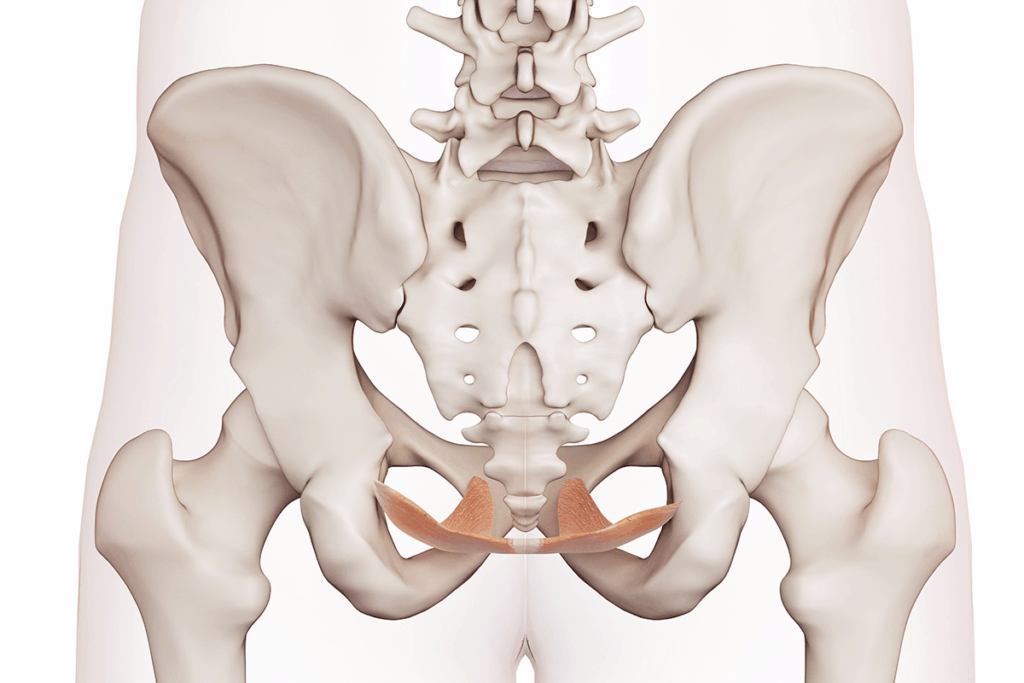
Many men don’t know they have a pelvic floor. This important muscle group helps with continence, sexual function, and pelvic health. We believe it’s key to understand this often-missed area. Explaining the anatomy of the male pelvic floor muscles and their essential functions in continence and support.
The male pelvic floor is a complex, dome-shaped muscle. It supports many functions, like continence and sexual health. At Liv Hospital, we focus on treating male pelvic floor issues with care and evidence.
Knowing about the pelvic floor’s anatomy and issues is a big step for men. It helps them keep their quality of life. We aim to offer innovative, team-based care for men’s health.
Key Takeaways
- The male pelvic floor is a complex muscular structure critical for continence and sexual health.
- Understanding pelvic floor anatomy is essential for addressing possible dysfunction.
- Liv Hospital provides thorough care for male pelvic floor conditions.
- Early understanding and action can greatly improve quality of life.
- Men’s pelvic health is a vital part of their overall well-being.
The Truth About Male Pelvic Floor Anatomy
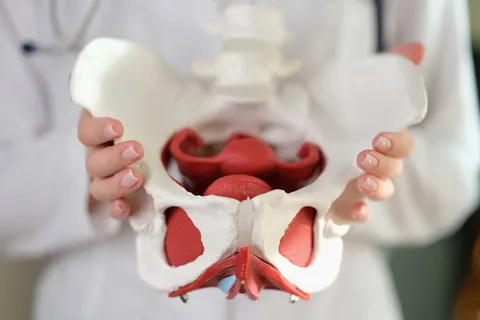
The male pelvic floor anatomy is often misunderstood. This leads to neglect of this critical area. The pelvic floor is made up of muscles, ligaments, and connective tissues at the pelvis base. It supports functions like continence, sexual performance, and core stability.
Debunking Common Misconceptions
Many think men don’t have pelvic floor muscles or they’re not important. But, men do have these muscles, and they’re key for continence and sexual health. The male pelvic floor has two-thirds slow twitch muscle fibers and one-third fast twitch fibers. These fibers provide essential support and control.
- The slow twitch fibers help with long-term support and endurance.
- The fast twitch fibers are for quick, intense actions like during sexual activity.
Another myth is that pelvic floor issues are rare in men. But, problems like urinary incontinence and erectile dysfunction can stem from pelvic floor issues.
Why Men’s Pelvic Health Is Often Overlooked
Men’s pelvic health is often ignored due to societal stigma and lack of awareness. Many men are shy about discussing pelvic health issues. This leads to delayed diagnosis and treatment.
We need to talk openly about these issues and educate men about pelvic floor health. This can greatly improve their well-being and quality of life.
Key aspects of male pelvic floor health include:
- Understanding the anatomy and function of the pelvic floor.
- Recognizing the signs and symptoms of pelvic floor dysfunction.
- Seeking appropriate medical care when issues arise.
Structure and Location of the Male Pelvic Floor

The male pelvic floor is a complex structure important for many bodily functions. It’s a dome-shaped muscular layer that stretches from the pubic bone to the coccyx. This layer supports the pelvic organs.
The Hammock-Like Configuration
The male pelvic floor muscles form a hammock-like shape. This shape is key for supporting the pelvic organs. It’s made up of muscles and fascia that help with continence and sexual function.
The main muscles are the pubococcygeus muscle, transverse perineal muscle, and external anal sphincter.
Key Anatomical Landmarks
Several landmarks define the male pelvic floor. These include:
- The pubic bone at the front, which serves as an anterior attachment point.
- The coccyx at the back, providing a posterior attachment.
- The ischial tuberosities on either side, which are vital for weight-bearing and support.
The male pelvic floor also has other important muscles. These include the bulbospongiosus muscle and ischiocavernosus muscle. They play roles in sexual function and urethral support.
Understanding these landmarks and muscles is key. It helps us see the complexity and function of the male pelvic floor.
Visualizing the male pelvic floor muscle structure is helpful. Diagrams or illustrations, like a pelvic floor muscles male diagram, make its anatomy clearer.
Composition of Male Pelvic Floor Muscles
The male pelvic floor is made up of several key muscle groups. These muscles are vital for keeping things in place and supporting the pelvic organs. They help with urination, bowel movements, and sexual activities.
Levator Ani Complex
The levator ani complex is a big part of the male pelvic floor. It plays a key role in supporting the pelvic organs and keeping things in place. This complex includes several muscles that work together to help with these functions.
- The pubococcygeus muscle is a key part of the levator ani complex, contributing to the support of pelvic organs.
- The iliococcygeus muscle also plays a role in maintaining the position of the pelvic organs.
- The puborectalis muscle is very important for controlling the passage of feces and urine.
Perineal Muscle Group
The perineal muscle group, including the superficial and deep perineal muscles, supports the pelvic floor and helps with sexual function. These muscles are key to keeping the pelvic floor strong.
External and Internal Sphincters
The external and internal sphincters are very important for controlling the openings of the urethra and anus. The external urethral sphincter helps with voluntary control over urination. The internal urethral sphincter helps with involuntary control.
- The external anal sphincter controls the anal opening, helping with continence.
- The internal anal sphincter provides involuntary control over the anal opening.
Knowing about the male pelvic floor muscles is key to understanding their role. They are important for continence, supporting pelvic organs, and sexual function. By understanding their importance, we can take steps to keep them healthy and prevent problems.
Muscle Fiber Types and Their Significance
The male pelvic floor has its own special muscle fibers. It has about two-thirds slow twitch fibers and one-third fast twitch fibers.
Slow Twitch Fibers
Slow twitch fibers make up about two-thirds of the male pelvic floor muscles. They help with endurance and keeping the muscles tight for a long time. These fibers are key for continence and supporting pelvic organs.
Fast Twitch Fibers
Fast twitch fibers, about one-third of the male pelvic floor muscles, are for quick, strong contractions. They help in quick responses to sudden pressure, like when you cough or sneeze.
Functional Implications
The mix of slow twitch and fast twitch fibers in the male pelvic floor is very important. It allows for both long-lasting support and fast action. This makes the pelvic floor very adaptable.
Knowing about the muscle fiber types in the male pelvic floor helps us understand its complexity. It shows why keeping it healthy is so important through the right exercises and treatments.
Primary Functions of the Male Pelvic Floor
The male pelvic floor has several key functions. These include continence, sexual health, and core stability. Let’s dive into each of these to see why they’re important.
Continence Control Mechanisms
The male pelvic floor is key in keeping urine and feces in. It uses muscles and sphincters to control these flows. Effective continence control is vital for our dignity and quality of life.
Pelvic Organ Support
The pelvic floor supports the bladder, prostate, and rectum. This support is key for their proper function. Proper pelvic organ support helps avoid issues like prolapse and discomfort.
Sexual Function Facilitation
The male pelvic floor is also vital for sexual function. It helps with erectile function, ejaculatory control, and orgasm. Sexual health depends on the strength and coordination of these muscles.
Core Stability Contribution
The male pelvic floor also aids in core stability. It works with other muscles to support movement and posture. Core stability is key for fitness and preventing lower back pain.
In summary, the male pelvic floor is essential for many aspects of health. It impacts continence, sexual function, and core stability. Keeping this area healthy is vital for our overall well-being.
The Male Pelvic Floor and Urinary Health
The male pelvic floor is key to keeping urine healthy. It supports the bladder and urethra, helping urine flow right. A strong pelvic floor keeps urine in and prevents problems.
Bladder Support and Control
The pelvic floor muscles are vital for bladder support. Effective bladder control depends on these muscles’ strength and how well they work together. Weak muscles can cause urine leaks.
Bladder support isn’t just about muscle strength. It also depends on the pelvic floor’s overall health. Age, prostate health, and surgeries can affect bladder control. So, keeping the pelvic floor healthy is very important.
Prevention of Urinary Incontinence
Urinary incontinence is a big worry for many men, often after prostate surgery. Strengthening the pelvic floor muscles through exercises like Kegels can help. These exercises make the muscles better at supporting the bladder and urethra.
- Improved bladder control
- Reduced risk of urinary leakage
- Enhanced overall pelvic health
By focusing on pelvic floor health, men can lower their risk of incontinence. It’s important to make pelvic floor exercises a part of daily life, even more so for those who’ve had prostate surgery or are experiencing incontinence symptoms.
Post-Void Dribble Management
Post-void dribbling (PVD) is when men leak urine after they’ve finished. Pelvic floor muscle training can help manage PVD. It makes the muscles better at emptying the urethra. Squeezing the pelvic floor muscles after urinating can also help reduce dribbling.
Men with PVD should talk to a healthcare provider for a personalized plan. This might include pelvic floor physical therapy, lifestyle changes, and other treatments based on their needs.
Role in Bowel Function and Digestive Health
The male pelvic floor is key to keeping bowel function and digestive health in check. It helps with controlling feces, managing bowel movements, and preventing issues like hemorrhoids and prolapse.
Fecal Continence Mechanisms
Fecal continence relies on muscles and nerves in the pelvic floor working together. The levator ani complex and external anal sphincter control the anal opening. This allows for control over when you go to the bathroom.
Coordination During Defecation
When you need to go, the pelvic floor muscles relax and then contract. This helps move stool out. This process is important for normal bowel function and is controlled by both the autonomic nervous system and voluntary control.
Prevention of Hemorrhoids and Prolapse
A strong pelvic floor helps prevent hemorrhoids and prolapse by supporting pelvic organs. Weak muscles can lead to rectal prolapse or make hemorrhoids worse.
Understanding the male pelvic floor’s role in bowel function requires looking at its anatomy and function. The table below highlights its importance in digestive health.
Function | Description | Clinical Significance |
Fecal Continence | Control over bowel movements through levator ani and external anal sphincter | Prevents incontinence, improves quality of life |
Coordination During Defecation | Relaxation and contraction of pelvic floor muscles for stool passage | Facilitates normal bowel movements, prevents constipation |
Prevention of Hemorrhoids and Prolapse | Support to pelvic organs by strong pelvic floor muscles | Reduces risk of rectal prolapse and hemorrhoid exacerbation |
The Prostate and Pelvic Floor Relationship
The prostate and pelvic floor are closely connected. Their health affects overall well-being. The prostate gland is near the bladder and surrounds the urethra. Changes in prostate health can impact pelvic floor function.
Anatomical Proximity and Interactions
The prostate gland is surrounded by nerves, muscles, and fascia. These are linked to the pelvic floor. The pelvic floor muscles support the prostate and help with urinary control. Conditions like prostatitis or prostate cancer can affect pelvic floor function.
How Prostate Health Affects Pelvic Floor Function
Prostate issues, like BPH or cancer, can change pelvic floor function. An enlarged prostate can press on the urethra, causing urinary problems. Treatments for these conditions can also harm pelvic floor muscles and nerves.
Good prostate health is key to a healthy pelvic floor. Men with prostate problems should talk to their doctor about the impact on their pelvic floor.
Post-Prostatectomy Pelvic Floor Considerations
After prostate surgery, men often face pelvic floor challenges. Urinary incontinence is common due to nerve and muscle damage. Pelvic floor physical therapy can help regain bladder control.
Men after prostate surgery should work with their healthcare team. They can develop a plan to manage pelvic floor issues. This may include exercises, biofeedback, and other therapies to improve pelvic floor function.
Impact on Male Sexual Health and Performance
The pelvic floor muscles are key for male sexual function. They affect erectile strength, ejaculatory control, and orgasmic experience. A strong pelvic floor is vital for great sexual performance.
Erectile Function and Pelvic Floor Strength
The pelvic floor muscles are important for erectile function. They help keep blood flowing to the penis and support erection structures. Weak muscles can cause erectile dysfunction.
Key aspects of pelvic floor strength and erectile function:
- Improved blood flow due to muscle contractions
- Enhanced erectile stability
- Better control over erectile function
Ejaculatory Control Mechanisms
Ejaculatory control is a key part of male sexual health, influenced by the pelvic floor. These muscles help control the timing and force of ejaculation.
Mechanism | Description | Benefit |
Pelvic floor contractions | Help control the ejaculatory process | Improved ejaculatory control |
Muscle relaxation | Facilitates normal ejaculation | Reduced risk of premature ejaculation |
Coordination with other muscles | Ensures synchronized ejaculatory response | Enhanced sexual performance |
Orgasmic Function Enhancement
The pelvic floor muscles also play a role in orgasmic function. Strengthening these muscles can lead to more intense and satisfying orgasms.
The connection between pelvic floor strength and orgasmic experience is significant. Men with stronger pelvic floors often report improved sexual satisfaction.
Addressing Premature Ejaculation
Premature ejaculation is a common issue that can be addressed through pelvic floor exercises and other treatments. Strengthening the pelvic floor can help men gain better control over ejaculation.
By understanding the role of the pelvic floor in sexual health, men can take proactive steps to improve their sexual function and overall well-being.
Common Male Pelvic Floor Dysfunctions
Pelvic floor issues in men can take many forms, from tightness to weakness. These problems can greatly affect a man’s life, impacting his ability to urinate, have bowel movements, and engage in sex. We will look at the different types of pelvic floor dysfunctions men may face.
Hypertonic (Tight) Pelvic Floor Syndrome
Hypertonic pelvic floor syndrome happens when the pelvic floor muscles are too tight. This can cause pain, discomfort, and make it hard to urinate or have bowel movements. Men with this issue might feel chronic pain, pain during ejaculation, or discomfort in the pelvic area.
A study in the Journal of Urology found a link between hypertonic pelvic floor dysfunction and chronic prostatitis/chronic pelvic pain syndrome (CP/CPPS). 1 Treatment often includes pelvic floor physical therapy, relaxation techniques, and sometimes biofeedback.
Hypotonic (Weak) Pelvic Floor Issues
Hypotonic pelvic floor issues occur when the muscles are too weak. This weakness can cause urinary or fecal incontinence and pelvic organ prolapse. Men with this problem might leak urine during coughing, sneezing, or lifting heavy things.
A study in the European Urology journal showed that pelvic floor muscle training (PFMT) helps improve urinary incontinence in men, after prostate surgery. 2 Exercises like Kegels can strengthen the muscles and improve continence and pelvic health.
Incoordination and Dyssynergia
Incoordination and dyssynergia mean the pelvic floor muscles don’t work right during certain activities. This can make it hard to urinate or have bowel movements. Men with this issue might strain during bowel movements or feel like they’re not fully emptying their bladder.
Medical Expertø’s research highlights the importance of proper muscle coordination for continence and normal functions. 3 Biofeedback therapy is often used to help men control their pelvic floor muscles better.
Chronic Pelvic Pain Syndrome
Chronic pelvic pain syndrome (CPPS) is long-lasting pain in the pelvic area, lasting over three months. It can be linked to both tight and weak pelvic floor muscles. Men with CPPS might feel pain in the perineum, penis, or testicles, and during ejaculation.
“Chronic pelvic pain syndrome is a complex condition that requires a multidisciplinary approach to management, including urology, pain management, and physical therapy.”— Medical Expert. Krieger, Journal of Urology
Treatment for CPPS includes pelvic floor physical therapy, pain management medications, and lifestyle changes.
Dysfunction Type | Common Symptoms | Typical Treatments |
Hypertonic Pelvic Floor | Pelvic pain, pain during ejaculation, difficulty urinating | Pelvic floor physical therapy, relaxation techniques, biofeedback |
Hypotonic Pelvic Floor | Urinary or fecal incontinence, pelvic organ prolapse | Pelvic floor muscle training (PFMT), Kegel exercises |
Incoordination and Dyssynergia | Difficulty urinating or having bowel movements, straining | Biofeedback therapy, pelvic floor rehabilitation |
Chronic Pelvic Pain Syndrome | Chronic pelvic pain, pain during ejaculation | Multidisciplinary approach including physical therapy, pain management, lifestyle changes |
Exercises and Treatments for Male Pelvic Floor Health
Managing male pelvic floor health requires various exercises and treatments. We can strengthen our pelvic floor muscles and reduce symptoms of different dysfunctions. This is done through dedicated practices and professional guidance.
Kegel Exercises for Men
Kegel exercises are key for maintaining and improving pelvic floor health. They help control the bladder, enhance sexual function, and support pelvic stability. To do Kegel exercises right, first find the right muscles. This can be done by stopping urine flow midstream.
After finding the muscles, contract them for a few seconds and then release. Start with short contractions and increase the time as the muscles get stronger. It’s important to practice regularly, aiming for several sets a day.
Relaxation Techniques for Hypertonic Dysfunction
Men with hypertonic pelvic floor dysfunction can find relief with relaxation techniques. Deep breathing, progressive muscle relaxation, and myofascial release can help relax tense muscles.
Deep breathing helps calm the pelvic floor muscles with slow, deep breaths. Progressive muscle relaxation involves tensing and relaxing muscles, including the pelvic floor. Myofascial release, often done with a healthcare professional, targets specific tension areas.
Physical Therapy Approaches
Physical therapy is essential for addressing male pelvic floor dysfunctions. A trained physical therapist provides personalized exercises, manual therapy, and education on pelvic floor function. They help correct muscle strength, flexibility, and coordination issues.
Physical therapy may include stretching, strengthening exercises, and advanced techniques like electrical stimulation. The goal is to restore function, reduce pain, and improve quality of life.
Biofeedback and Electrical Stimulation
Biofeedback and electrical stimulation are advanced therapies for pelvic floor rehabilitation. Biofeedback uses sensors to show real-time muscle activity, helping men control their pelvic floor muscles better.
Electrical stimulation uses gentle currents to strengthen pelvic floor muscles. Both methods are great for men with pelvic floor dysfunctions, providing a precise and controlled way to rehabilitate.
Conclusion: Prioritizing Male Pelvic Floor Awareness
It’s key for men to focus on their pelvic floor health. This focus helps keep them healthy and happy. The pelvic floor is important for many things, like controlling urine, bowel movements, and sex.
Men can do exercises like Kegels to help their pelvic floor. They should also get help when they need it. Knowing the risks of ignoring pelvic floor health is important too.
By making pelvic floor health a priority, we can help men feel more comfortable talking about it. This can lead to better health and a better life for them.
FAQ
Do men have a pelvic floor?
Yes, men have a pelvic floor. It’s a complex muscular structure. It supports continence, sexual function, and core stability.
What is the male pelvic floor anatomy?
The male pelvic floor anatomy includes muscles like the levator ani complex and the perineal muscle group. There are also external and internal sphincters. These muscles work together to support the pelvic organs and maintain continence.
Can men have pelvic floor issues?
Yes, men can have pelvic floor issues. These include urinary incontinence, erectile dysfunction, and chronic pelvic pain syndrome. These problems can be caused by prostate health issues, injury, or poor pelvic floor muscle tone.
What is the relationship between the prostate and pelvic floor?
The prostate gland is near the pelvic floor muscles. Prostate health affects pelvic floor function. Issues like prostatitis or prostate cancer can cause pelvic floor dysfunction. Pelvic floor exercises can help alleviate symptoms.
How do Kegel exercises help men’s pelvic floor health?
Kegel exercises strengthen the pelvic floor muscles. This improves continence, sexual function, and overall pelvic floor health. Regular Kegel exercises can also alleviate symptoms of pelvic floor dysfunction.
Can men benefit from pelvic floor physical therapy?
Yes, men can benefit from pelvic floor physical therapy. It can address issues like urinary incontinence, erectile dysfunction, and chronic pelvic pain syndrome.
What is the role of the male pelvic floor in urinary health?
The male pelvic floor supports the bladder and urethra. It helps maintain continence. Weak or dysfunctional muscles can lead to urinary incontinence.
How does the male pelvic floor impact sexual health?
The male pelvic floor is key to sexual health. It supports erectile function, ejaculatory control, and orgasmic function. Strong pelvic floor muscles improve sexual performance and health.
Can men experience pelvic floor dysfunction after prostate surgery?
Yes, men can experience pelvic floor dysfunction after prostate surgery. This includes urinary incontinence and erectile dysfunction. Pelvic floor exercises and physical therapy can help alleviate these symptoms.
Are there any relaxation techniques for hypertonic pelvic floor dysfunction?
Yes, relaxation techniques can help. These include deep breathing, progressive muscle relaxation, and pelvic floor relaxation exercises. They can alleviate hypertonic pelvic floor dysfunction.
What is the significance of slow twitch and fast twitch fibers in the male pelvic floor?
The male pelvic floor muscles have slow twitch and fast twitch fibers. Slow twitch fibers provide endurance, while fast twitch fibers allow for rapid contractions. This mix supports various bodily functions, including continence and sexual function.
Can men have a tight pelvic floor?
Yes, men can have a tight or hypertonic pelvic floor. This can cause pelvic pain, urinary issues, and sexual dysfunction. Relaxation techniques and physical therapy can help alleviate symptoms.
Is it common for men to have pelvic floor issues after childbirth or pregnancy?
No, men do not experience childbirth or pregnancy. But, they can have pelvic floor issues due to prostate health issues, injury, or poor pelvic floor muscle tone.
References
National Center for Biotechnology Information. Evidence-Based Medical Guidance. Retrieved from https://www.ncbi.nlm.nih.gov/pmc/articles/PMC1324914/