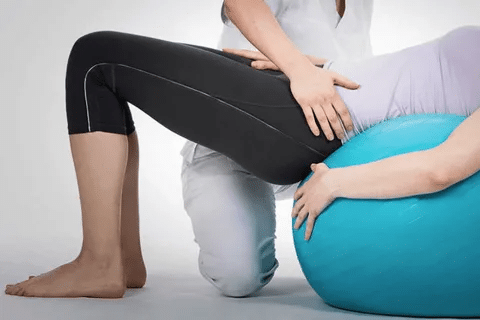
Pelvic floor dysfunction is a big health issue for millions of women around the world. It’s a treatable condition that can really affect how well you live, causing problems like leaking urine, pelvic pain, and issues with sex pfpt urology.
We know how important it is to tackle this issue with care and skill. Pelvic Floor Physical Therapy (PFPT) is a proven, evidence-based way to help. It focuses on the patient and uses new, team-based methods to treat it.
Almost 32 percent of women deal with some kind of pelvic floor dysfunction. This shows it’s a big problem that needs a detailed solution. Our guide will show how PFPT can help fix these issues and make life better.
Key Takeaways
- Pelvic floor dysfunction is a common condition affecting millions of women worldwide.
- Symptoms include urinary leakage, pelvic pain, and sexual dysfunction.
- Pelvic Floor Physical Therapy (PFPT) is a proven, evidence-based treatment.
- Patient-centered care is key in treating pelvic floor dysfunction.
- Modern PFPT techniques can greatly improve quality of life.
Understanding Pelvic Floor Dysfunction
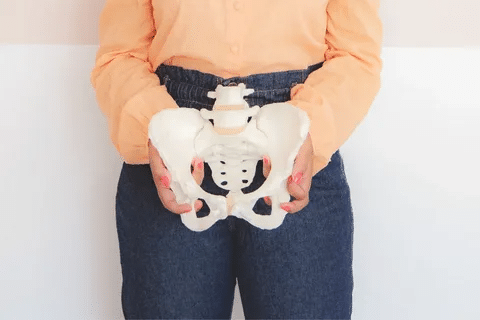
The pelvic floor is a group of muscles, nerves, and tissues that support our pelvic organs. Dysfunction here can cause serious health problems. Pelvic floor dysfunction (PFD) affects these muscles and tissues, leading to uncomfortable symptoms.
Definition and Anatomical Overview
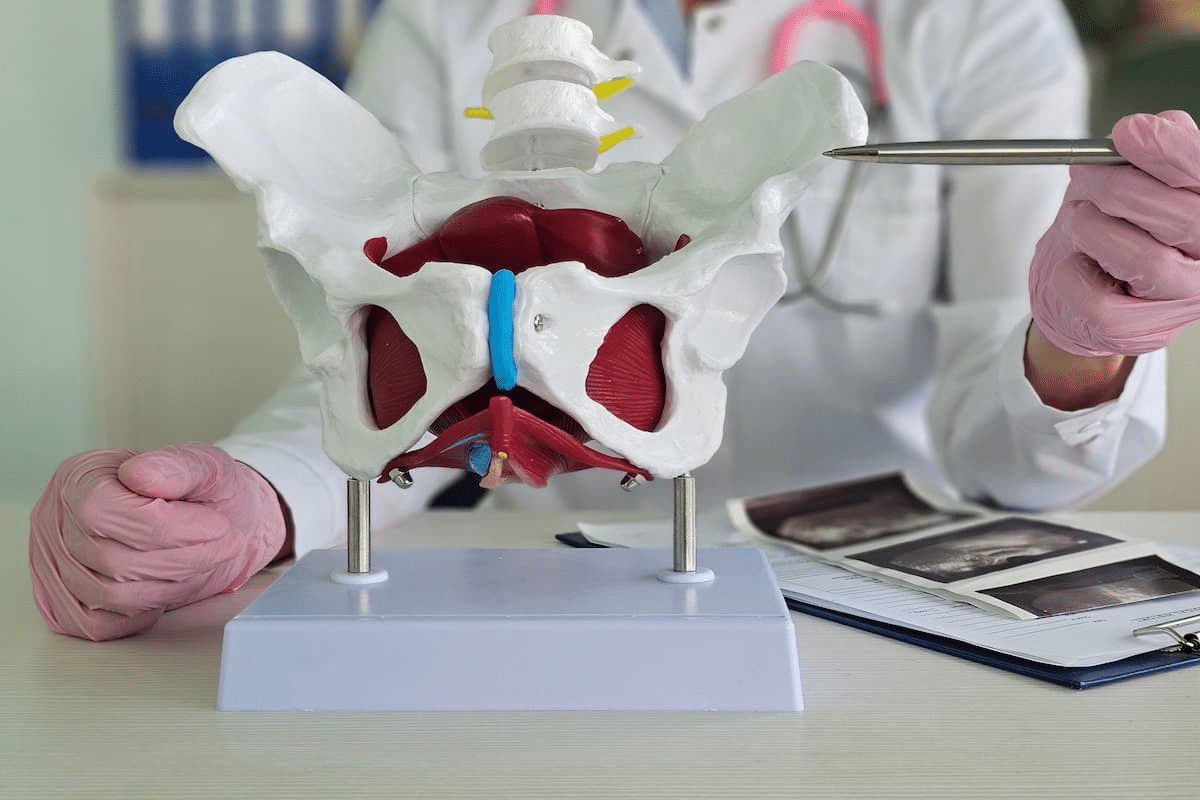
Pelvic floor dysfunction is a condition that affects the muscles and tissues in the pelvic area. This area has layers of muscles, fascia, and ligaments that support the pelvic organs. When these are weakened or damaged, it can cause various disorders.
The anatomy of the pelvic floor is complex. It involves muscles, nerves, and connective tissues that work together. They help maintain continence, support pelvic organs, and facilitate normal bowel and urinary functions. Knowing this anatomy is key to diagnosing and treating pelvic floor dysfunction.
Common Types of Pelvic Floor Disorders
Pelvic floor dysfunction can show up in several ways, including:
- Urinary incontinence: Loss of bladder control, leading to involuntary leakage of urine.
- Pelvic organ prolapse: Displacement of pelvic organs into the vagina, causing discomfort and other complications.
- Chronic pelvic pain: Persistent pain in the pelvic region, often associated with muscle tension or other underlying conditions.
- Bowel dysfunction: Difficulty with bowel movements, including constipation or fecal incontinence.
These conditions can greatly affect a person’s quality of life. They can cause discomfort, emotional distress, and limit daily activities. Physical therapy for prolapse and other pelvic floor disorders is often recommended by healthcare providers.
The Growing Recognition of Pelvic Floor Health
Pelvic floor dysfunction is no longer ignored. It’s now a big deal because it affects how well people live. We’re learning more about how important it is for women’s health.
Statistical Prevalence in Women
Research shows many women worldwide face pelvic floor disorders. Up to 50% of women might deal with these issues at some point. This highlights the need for better awareness and treatments.
More women are now looking for help for pelvic floor problems. This is because they know more about it and there are good treatments available. Pelvic floor physiotherapy is one of them.
Recent Research Developments
New studies have really helped us understand and treat pelvic floor issues better. From just 13 articles in 2000, we now have 145 in 2023. This shows how much more we know and how important pelvic floor health is.
Today, we treat pelvic floor disorders in a more complete way. We use physical therapy, lifestyle changes, and sometimes surgery. This mix of treatments is making a big difference in how well patients do.
- Increased awareness of pelvic floor health issues
- Advancements in pelvic floor physiotherapy techniques
- Growing recognition of the need for complete treatment plans
Looking ahead, we need to keep researching and spreading the word about pelvic floor health. By working together, we can make a real difference in the lives of women with these issues.
Recognizing Symptoms That Require Treatment
It’s important to know the signs of pelvic floor dysfunction to get the right treatment. These disorders can show up in many ways, affecting health and happiness.
Urinary Symptoms and Incontinence
Urinary symptoms are common signs of pelvic floor issues. Urinary incontinence is when you can’t control your urine. It happens when you cough, sneeze, or lift things.
Other symptoms include needing to pee a lot, feeling urgent, or not being able to empty your bladder fully. These problems can really disrupt your life.
It’s key to tackle these symptoms to live better and avoid bigger problems.
Bowel Dysfunction Indicators
Bowel issues are also part of pelvic floor disorders. You might have trouble with constipation, passing stools, or losing control of your bowels. Weak or uncoordinated pelvic muscles can cause these problems.
|
Symptom |
Description |
|---|---|
|
Constipation |
Difficulty passing stools or infrequent bowel movements |
|
Fecal Incontinence |
Involuntary leakage of fecal matter |
|
Straining |
Excessive effort during bowel movements |
Pain Patterns and Sexual Discomfort
Pain and discomfort are common signs of pelvic floor issues. You might feel pain in your pelvis, lower back, or during sex. Dyspareunia, or painful sex, is a big problem for many.
“Physical therapy can play a big role in treating dyspareunia by fixing the muscle problems and improving pelvic floor function.”
Expert Opinion
Talking about sexual health can be tough, but it’s vital for your well-being. Getting help for these symptoms can really improve your life.
Spotting these symptoms is the first step to getting help. Knowing the signs of pelvic floor dysfunction helps you take action to get better.
The Role of PFPT in Urology: Evidence-Based Approaches
PFPT is key in treating urological issues. It uses a multidisciplinary approach that’s backed by solid evidence. This shows its clinical effectiveness.
Integration with Urological Care
PFPT has changed how we treat urinary problems. It focuses on the pelvic floor’s role in health. This makes treatment plans more complete.
Working together, urologists and PFPT therapists get better results. This multidisciplinary treatment covers all parts of a patient’s health.
Clinical Effectiveness and Research Findings
Many studies prove PFPT’s worth in treating urinary issues. It’s often the first choice for many patients. This boosts their quality of life.
|
Condition |
Treatment Outcome |
Improvement Rate |
|---|---|---|
|
Urinary Incontinence |
Significant reduction in symptoms |
85% |
|
Pelvic Organ Prolapse |
Improved pelvic floor strength |
75% |
|
Chronic Pelvic Pain |
Reduced pain levels |
80% |
Multidisciplinary Treatment Models
A multidisciplinary treatment approach is better. It combines urology and PFPT for full care. This leads to better results for patients.
By adding PFPT to urology, we give patients a full treatment. It tackles symptoms and the root causes of their issues.
What to Expect During Pelvic Floor Assessment
The pelvic floor assessment starts with a first meeting. Then, a physical check-up and tests might follow. This detailed method helps doctors fully grasp the patient’s situation.
Initial Consultation Process
In the first meeting, we collect important details. We look at the patient’s health history, symptoms, and daily life. This is key to finding out why pelvic floor problems might be happening.
Key components of the initial consultation include:
- Medical history review
- Symptom assessment
- Lifestyle and behavioral evaluation
Physical Examination Components
The physical check-up is a big part of the assessment. It focuses on the pelvic floor muscles and nearby areas. We check the muscle’s strength, tone, and any pain spots.
The physical examination may include:
- External observation and palpation
- Internal examination (if necessary)
- Assessment of muscle function
Diagnostic Tools and Measurements
At times, we use special tools to check pelvic floor function more closely. These might be urodynamic tests, ultrasound, or electromyography (EMG).
|
Diagnostic Tool |
Purpose |
|---|---|
|
Urodynamic Tests |
Assess bladder function and urine flow |
|
Ultrasound |
Visualize pelvic organ structure and movement |
|
Electromyography (EMG) |
Evaluate pelvic floor muscle activity |
By combining what we learn from the first meeting, physical check-up, and tests, we get a full picture. This helps us make a good plan to help the patient.
Core Pelvic Floor Therapy Techniques
Treating pelvic floor dysfunction needs a mix of different techniques. Pelvic Floor Physical Therapy (PFPT) focuses on several key methods. These methods help patients with pelvic floor disorders.
Manual Therapy and Soft Tissue Mobilization
Manual therapy is a key part of PFPT. It involves hands-on techniques to improve tissue health. This includes soft tissue mobilization to reduce scar tissue and adhesions.
Benefits of Manual Therapy:
- Reduces pain and discomfort
- Improves tissue elasticity
- Enhances blood flow to affected areas
Biofeedback Training Methods
Biofeedback training helps patients control their pelvic floor muscles. It uses sensors to monitor muscle activity. This way, patients can learn to strengthen their muscles better.
Key Aspects of Biofeedback Training:
- Real-time feedback on muscle activity
- Improved muscle coordination
- Enhanced patient awareness and control
Electrical Stimulation Protocols
Electrical stimulation uses gentle currents to stimulate the pelvic floor muscles. It helps strengthen and relax muscles. This is great for patients who find it hard to contract their muscles.
|
Therapeutic Goal |
Electrical Stimulation Parameter |
|---|---|
|
Muscle Strengthening |
Higher frequency currents |
|
Muscle Relaxation |
Lower frequency currents |
Therapeutic Exercise Progression
Therapeutic exercises are made for each patient’s needs. They start with simple exercises and move to more complex ones. This helps patients keep improving and adapting.
Examples of Therapeutic Exercises:
- Kegel exercises for pelvic floor strengthening
- Core stability exercises
- Stretching exercises for flexibility
Specialized Treatment for Urinary Dysfunction
Patients with urinary dysfunction have many effective treatments to choose from. These treatments can greatly improve their life quality. Conditions like stress incontinence and urge incontinence need specific management plans.
Stress Incontinence Rehabilitation
Stress incontinence happens when urine leaks during physical activities. It can be managed with pelvic floor rehabilitation. This includes Kegels to strengthen muscles and improve bladder control.
Biofeedback therapy also helps. It teaches patients to control their pelvic floor muscles.
Urge Incontinence Management Strategies
Urge incontinence causes sudden urine leaks. Management includes bladder training and lifestyle changes. Patients learn to void less often to increase bladder capacity and reduce urgency.
Bladder Training Protocols
Bladder training is key in managing urinary issues. It involves scheduled voiding and techniques to fight urgency. By increasing time between voids, patients can better control their bladder and reduce symptoms.
These treatments offer hope and relief for those with urinary dysfunction. Understanding the condition and using the right treatment can greatly improve life quality.
Physical Therapy for Pelvic Organ Prolapse
Physical therapy is key in managing pelvic organ prolapse. It offers many non-surgical treatments. Pelvic organ prolapse happens when the muscles and tissues supporting the pelvic organs weaken. This causes the organs to drop or protrude into the vagina.
This condition can greatly affect a woman’s life. It can impact her physical comfort, emotional well-being, and sexual health.
Conservative Management Approaches
Conservative management is often the first treatment for pelvic organ prolapse. It focuses on non-surgical methods to ease symptoms and improve pelvic floor function. Pelvic floor physical therapy is a big part of this, helping to strengthen the pelvic floor muscles and improve stability.
We create a personalized exercise program for each patient. This program may include Kegel exercises to strengthen the pelvic floor. It also includes exercises to improve core stability and reduce pressure on the pelvic organs.
Supportive Devices and Pessaries
Supportive devices, like pessaries, are another conservative management strategy. A pessary is a removable device inserted into the vagina to support the prolapsed organ. This reduces symptoms and improves comfort.
We help patients choose the right pessary and teach them how to use and maintain it. Supportive devices are great for women who don’t want surgery or are not good candidates for it. They can also be a temporary solution for women experiencing prolapse during pregnancy or postpartum.
Pre and Post-Surgical Rehabilitation
For some women, surgery may be needed to repair pelvic organ prolapse. Physical therapy is vital before and after surgery. Pre-surgical rehabilitation aims to improve pelvic floor function and prepare the patient for recovery.
Post-surgical rehabilitation is also critical. It helps with healing, restores pelvic floor function, and reduces the risk of complications or recurrence. We provide a rehabilitation program tailored to the individual’s surgery and needs, ensuring a safe and effective recovery.
By adding physical therapy to the treatment plan for pelvic organ prolapse, women can see big improvements. Whether through conservative management, supportive devices, or pre and post-surgical rehabilitation, physical therapy offers a supportive and effective approach to care.
Addressing Postpartum Pelvic Floor Dysfunction
Childbirth can really affect a woman’s pelvic floor, causing many problems. As healthcare providers, we know how important it is to help new moms. We make sure they get the care they need after having a baby.
Common Postpartum Complications
Women after childbirth might face issues like urinary incontinence and pelvic pain. These problems come from the physical strain of giving birth, hormonal shifts, and the stress of caring for a baby. It’s key to understand these challenges and offer the right support.
Some common issues include:
- Urinary incontinence
- Pelvic organ prolapse
- Pain during intercourse
- Bowel dysfunction
Recovery Timeline and Expectations
The time it takes for the pelvic floor to heal after childbirth varies. Usually, the first six weeks are the most critical. But, for those with serious damage, it can take months to fully recover.
We tell new moms to be patient and keep working on their recovery. It’s important to stick to a personalized treatment plan and keep up with follow-up visits to track progress.
Specialized Postpartum PFPT Protocols
Our physical therapy plans for postpartum pelvic floor issues are made just for new moms. These plans might include:
- Pelvic floor exercises tailored to the individual’s condition
- Manual therapy to improve tissue health and reduce pain
- Biofeedback training to enhance muscle control
- Lifestyle modifications to support overall pelvic health
By using these special protocols, we help postpartum women regain their strength. We also help them reduce symptoms and improve their life quality.
Pelvic Floor Therapy for Dyspareunia and Sexual Dysfunction
Sexual health is key to our overall well-being. Pelvic floor physical therapy (PFPT) is vital in treating dyspareunia and related issues. Dyspareunia, or painful sex, can greatly affect a person’s life. It impacts not just their physical health but also their emotional and mental well-being.
PFPT is a valuable treatment for those with dyspareunia and sexual dysfunction. It tackles the musculoskeletal issues that cause these problems. This helps reduce pain and improve sexual function.
Assessment of Pain During Intercourse
The first step in treating dyspareunia with PFPT is a detailed assessment. This includes understanding the patient’s symptoms, medical history, and pain during sex. A thorough physical exam, including an internal check of the pelvic floor muscles, is key to finding the cause of dyspareunia.
Our therapists work with patients to create a treatment plan that fits their needs. This plan might include manual therapy, biofeedback training, and exercises specific to their condition.
Treatment Approaches for Hypertonicity
Hypertonicity, or muscle tension, often causes dyspareunia. PFPT uses various techniques to relax the pelvic floor muscles. Manual therapy, like soft tissue mobilization and trigger point release, helps reduce tension.
Biofeedback training and electrical stimulation may also be used. These help patients control their muscle tension. By reducing hypertonicity, these treatments can greatly lessen pain during sex.
Restoring Functional Sexual Health
The main goal of PFPT for dyspareunia and sexual dysfunction is to improve sexual health. This involves treating the physical aspects of sexual dysfunction and considering emotional and psychological factors.
Through physical therapy, education, and counseling, patients can see big improvements in their sexual health. Our therapists work with other healthcare professionals for a complete treatment plan.
PFPT tackles the complex factors behind dyspareunia and sexual dysfunction. It offers a holistic approach to recovery. This empowers individuals to take control of their sexual health and well-being.
Home-Based Pelvic Floor Rehabilitation
Improving pelvic floor health starts at home. Simple exercises and lifestyle changes can make a big difference. By adding these to your daily routine, you can support your treatment and see better results.
Essential Daily Exercises
Daily exercises are key for pelvic floor health. Pelvic floor muscle training, or Kegel exercises, are vital. They help strengthen the muscles that support your pelvic organs.
- Contract and release your pelvic floor muscles 10-15 times, three times a day.
- Gradually increase the duration of contractions as your muscles strengthen.
- Practice deep breathing exercises to enhance relaxation and muscle control.
Lifestyle Modifications for Pelvic Health
Changing your lifestyle can also help your pelvic floor health. These changes can lessen symptoms and boost your overall well-being.
|
Lifestyle Change |
Benefit |
|---|---|
|
Maintaining a healthy weight |
Reduces pressure on the pelvic floor |
|
Avoiding heavy lifting |
Minimizes strain on pelvic muscles |
|
Quitting smoking |
Improves overall pelvic health and reduces risk of complications |
Supportive Tools and Technology
There are many tools and technologies to help with home-based rehabilitation. They offer guidance, motivation, and tracking to keep you on track.
- Pelvic floor exercise apps that guide you through workouts and track progress.
- Biofeedback devices that help you identify and control your pelvic floor muscles.
- Supportive devices like pessaries or pelvic floor supporters for additional stability.
Tracking Progress and Adjusting Programs
It’s important to track your progress for successful rehabilitation. By monitoring symptoms, exercise adherence, and overall well-being, you can make needed adjustments.
Keep a symptom journal to record your experiences and identify patterns. This information is valuable when talking to your healthcare provider to refine your treatment plan.
By using these strategies, you can create a strong home-based rehabilitation program. It will support your pelvic floor health and improve your quality of life.
Conclusion: Long-Term Management and Future Directions
Managing pelvic floor dysfunction well requires a mix of techniques we’ve talked about. This includes manual therapy, biofeedback, and exercises. These methods help a lot.
Looking ahead, more research and new therapy methods are key. They will help make treatments better. We need to make plans that fit each patient’s needs, including lifestyle changes and tools for support.
By taking a broad and team-based approach to pelvic floor health, we can make a big difference. Our aim is to offer top-notch care and support. We hope this guide has given you useful insights into managing pelvic floor issues.
FAQ
What is pelvic floor dysfunction?
Pelvic floor dysfunction is a group of disorders. They affect the muscles and tissues that support the pelvic organs. Symptoms include incontinence, constipation, and pelvic pain.
What is PFPT and how does it help with pelvic floor dysfunction?
PFPT stands for Pelvic Floor Physical Therapy. It’s a special kind of physical therapy. It uses manual therapy, biofeedback, and exercises to help with symptoms and improve life quality.
What are the common symptoms of pelvic floor dysfunction?
Symptoms include urinary incontinence, bowel issues, pelvic pain, and sexual discomfort. These can really affect daily life and well-being.
How is pelvic floor dysfunction diagnosed?
Diagnosis involves a detailed assessment. This includes a physical exam, medical history, and tools like ultrasound or electromyography. These help find the cause of symptoms.
What techniques are used in PFPT to treat pelvic floor dysfunction?
PFPT uses manual therapy, biofeedback, electrical stimulation, and exercises. These are tailored to each person’s needs and symptoms.
Can PFPT help with urinary incontinence?
Yes, PFPT can treat urinary incontinence. It uses muscle training, bladder training, and behavioral changes.
How does PFPT address pelvic organ prolapse?
PFPT manages pelvic organ prolapse through muscle training, supportive devices, and lifestyle changes.
Is PFPT beneficial for postpartum women?
Yes, PFPT helps postpartum women. It addresses incontinence, pelvic pain, and dysfunction with special protocols.
Can PFPT help with dyspareunia and sexual dysfunction?
Yes, PFPT can help with dyspareunia and sexual dysfunction. It addresses muscle hypertonicity, pain, and other factors.
How can I continue pelvic floor rehabilitation at home?
At home, practice essential exercises and make lifestyle changes. Use supportive tools and technology. Get ongoing guidance from a healthcare provider.
What is the role of biofeedback in PFPT?
Biofeedback training in PFPT helps individuals control their pelvic floor muscles. It improves muscle function and symptom management.
How does PFPT integrate with urological care?
PFPT works with urological care by treating pelvic floor disorders. It combines the skills of urologists and physical therapists for better treatment.
Reference
Government Health Resource. Evidence-Based Medical Guidance. Retrieved from https://www.acog.org/clinical/clinical-guidance/practice-bulletin/articles/2020/05/urinary-incontinence-in-women