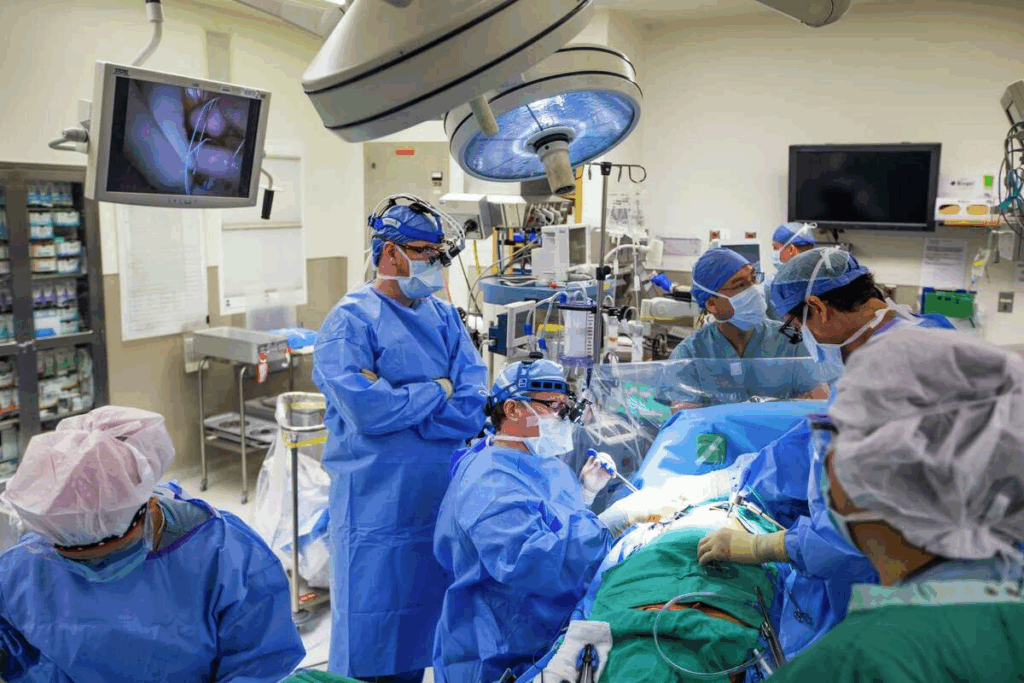
Recovering from heart surgery needs careful activity management for healing and recovery. Sternal precautions are key for patients after open-heart surgery. They help the breastbone heal properly. Simple Upper Body Exercises After Heart Surgery: Sternal Guide
Cardiac rehab programs help patients get better after heart surgery. They improvehealth overall. We offer a detailed guide on exercising after heart surgery. It focuses on sternal precautions and safe exercises for recovery and better health.
Key Takeaways
- Understanding sternal precautions is key for safe recovery after heart surgery.
- Cardiac rehabilitation programs are vital for recovery.
- Safe exercises can boost health and well-being after heart surgery.
- Sternal precautions exercises aid in optimal healing.
- Following a detailed guide aids in effective recovery.
Understanding Sternal Precautions After Heart Surgery
Sternal precautions are key to healing after heart surgery. Your sternum is split during surgery to reach your heart. Knowing how it heals and the precautions needed is important for a good recovery.
What is a Sternotomy and How Your Chest Heals
A sternotomy is a cut through the sternum, a common step in heart surgeries. It allows surgeons to access your heart. After the surgery, your sternum is closed with wires. Healing takes time and requires careful precautions to avoid problems.
The healing of your sternum involves not just the bone but also the tissues around it. It’s important to avoid heavy lifting and bending to help it heal right. This prevents strain on your chest.
The Sternal Healing Timeline: 6-8 Weeks to Recovery
The time it takes for your sternum to heal can vary. But usually, it takes 6 to 8 weeks. It’s important to follow precautions during this time to prevent any issues.
Knowing the healing timeline helps you plan your recovery. At first, your sternum is very fragile. As you get closer to the end of the healing period, you can slowly start doing more. But always follow your doctor’s advice, as they know what’s best for you.
Traditional vs. Contemporary Sternal Precautions
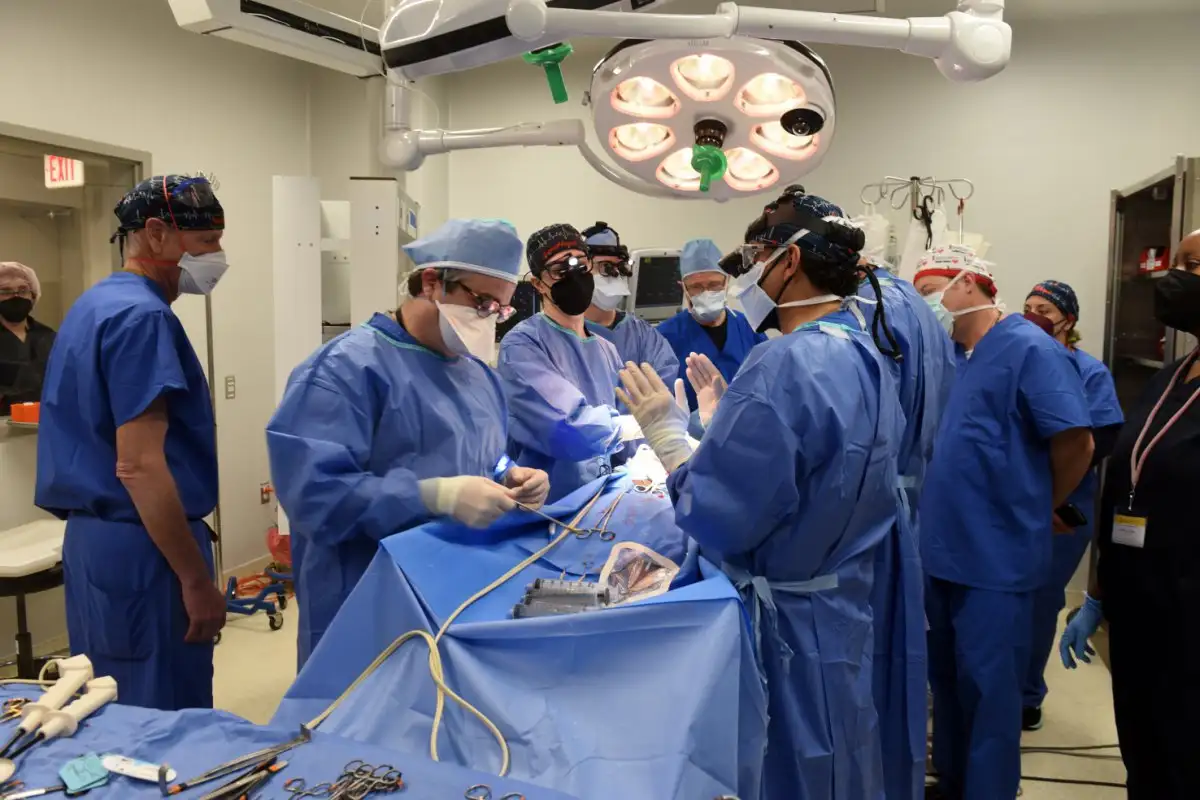
Sternal precautions are key after heart surgery. There are different ways to do them. Old methods were strict, but new research has brought more flexible options.
Traditionally, patients were told to avoid lifting, bending, and reaching. One big rule was to lift no more than 5-8 pounds.
Conventional Restrictions: The 5-8 Pound Lifting Limit
The 5-8 pound rule was a big part of old sternal precautions. It tried to keep the sternum safe during healing. But, it might have been too strict, limiting patients too much.
Activity | Traditional Precautions | Contemporary Precautions |
Lifting | Limit to 5-8 pounds | Use shortened lever arms |
Reaching | Avoid overhead reaching | Use “Keep Your Move in the Tube” method |
Bending | Minimize bending at the waist | Encourage bending with support |
“Keep Your Move in the Tube” Method Explained
The “Keep Your Move in the Tube” method is a new way to protect the sternum. It lets you move more freely. You imagine a tube from your shoulders to hips and stay inside it to avoid straining.
This method is a big change towards better, less strict sternal precautions. It helps patients recover more easily and safely.
Looking at old and new sternal precautions, we see a shift towards better methods. The “Keep Your Move in the Tube” method is a great option. It makes recovery easier and less strict.
Your Recovery Timeline: What to Expect Week by Week
Knowing your recovery timeline after heart surgery is key for a smooth healing. As you move through the weeks, knowing the milestones and activities that help is vital.
Weeks 1-2: Initial Recovery Phase
In the first two weeks, your body is healing. You might feel tired and your energy can change. Start with short walks and increase the distance as you get stronger. Cardiac rehab starts with low-intensity exercises during this time.
Key Activities for Weeks 1-2:
- Short walks (5-10 minutes) multiple times a day
- Gentle stretching exercises
- Gradual increase in daily activities
Weeks 3-6: Progressive Movement Introduction
Weeks 3-6 bring more movement to your routine. You can do more vigorous walking, light chores, and exercises to improve your flexibility. Always listen to your body and don’t push too hard.
Sample Exercise Progression:
Week | Walking Duration | Additional Activities |
3 | 15-20 minutes | Light stretching |
4 | 20-25 minutes | Simple household chores |
5-6 | 30 minutes or more | Progressive strengthening exercises |
Weeks 7-12: Advanced Recovery and Activity Expansion
By weeks 7-12, you’ve made a lot of progress. You can walk more and do more intense exercises. It’s also a good time to start doing things you loved before surgery, with your doctor’s okay.
Tips for Advanced Recovery:
- Continue to progress your walking routine
- Introduce more complex exercises with proper form
- Gradually return to pre-surgery activities
Safe Movements and Positions After Heart Surgery
After heart surgery, it’s key to move safely to heal well and feel less pain. Paying attention to how you sit and stand can really help your recovery.
Proper Techniques for Getting In and Out of Bed
Getting in and out of bed can be tough after heart surgery. To do it safely, use a log roll technique when turning in bed. Keep your shoulders and hips together, and roll onto your side smoothly. When getting out, swing your legs over the side while keeping your upper body straight. This reduces pressure on your sternum.
Safe Sitting, Standing, and Sleeping Positions
Good posture is key to feeling better and healing faster. When sitting, keep your back straight and use support if needed. Avoid leaning forward or slouching. When standing, make sure your weight is evenly on both feet. For sleeping, sleep on your back with a pillow under your knees to ease your lower back.
- Use pillows to support your back and legs for added comfort.
- Avoid crossing your legs or ankles, which can restrict blood flow.
- Consider using a recliner for additional support during the initial recovery phase.
Protecting Your Sternum During Coughing and Sneezing
Coughing and sneezing can strain your sternum. To lessen this, use a splinting technique: hold a pillow against your chest for support and comfort when coughing or sneezing.
By sticking to these safe movement tips after heart surgery, you can lower the chance of problems and help your recovery go smoothly.
Walking Program: Your First Exercise After Surgery
A walking program is key after heart surgery. It helps with healing and keeps your heart healthy. Walking is part of a bigger plan to get you strong and mobile again.
Starting a Structured Walking Routine
Start with a simple walking plan after surgery. Begin with short walks to avoid hurting your sternum and heart. Try walks of 5-10 minutes, a few times a day, indoors or outdoors.
As you get better, walk more and longer. But always listen to your body. If you feel pain or get dizzy, stop and rest.
Gradually Increasing Duration and Intensity
As you heal, you can walk more and faster. Add a few minutes each day or every other day. Aim for 30-60 minutes of walking, several times a week.
To make walks harder, try walking uphill or faster. But don’t push too hard. It’s important to keep your recovery in mind.
Monitoring Your Heart Rate and Exertion Levels
It’s important to watch your heart rate and how hard you’re working. Use a heart rate monitor or check your pulse often. Your doctor will tell you what heart rate is safe for you.
Also, notice how hard you’re working. You should be able to talk while walking. If you can’t breathe well enough to speak, slow down.
Upper Body Exercises After Heart Surgery: The Safe Approach
After heart surgery, safe upper body exercises can greatly improve your health. It’s key to follow a gentle and structured plan. This helps you regain strength and flexibility without hurting your sternum. We’ll show you the right exercises and precautions for your recovery.
Gentle Range of Motion Exercises for Shoulders and Arms
In the early stages of recovery, gentle exercises are vital. They keep your shoulders and arms flexible and prevent stiffness. Here are some examples:
- Shoulder rolls: Roll your shoulders forward and backward in a circular motion.
- Arm circles: Hold your arms straight out to the sides and make small circles.
- Elbow bends: Gently bend and straighten your elbows.
Progressive Strengthening with Shortened Lever Arms
As you get better, you can start strengthening exercises with shorter arms. This method reduces strain on your sternum while working your upper body. Here are some examples:
- Wall push-ups: Stand with your feet shoulder-width apart and perform push-ups against a wall.
- Seated arm raises: Sit comfortably and raise your arms to shoulder height.
A study in the Journal of Thoracic and Cardiovascular Surgery found benefits. Patients who did these exercises got stronger without harming their sternum.
“Early mobilization and exercise are critical components of cardiac rehabilitation, contributing to improved outcomes and reduced morbidity.” Journal of Thoracic and Cardiovascular Surgery
Exercises to Avoid During Sternal Healing
It’s also important to know which exercises to skip during healing. Avoid activities that strain your chest too much. These include heavy lifting, bending, or stretching. Here are some examples:
Exercise/Activity | Reason to Avoid |
Heavy lifting | Puts direct strain on the sternum |
Bending or twisting | Can cause discomfort and stress on the healing sternum |
Contact sports or high-impact activities | Increases the risk of injury to the chest area |
Knowing which exercises are safe and which to avoid helps you recover smoothly after heart surgery.
Lower Body Exercises to Maintain Strength
Keeping your lower body strong is key after heart surgery. We’ll show you safe and effective exercises. These can help a lot with your recovery and moving around.
Seated Leg Exercises Without Chest Strain
Seated leg exercises are great for keeping your lower body strong without hurting your chest. Start with simple moves like ankle rotations and toe lifts. These help your blood flow and stop your legs from getting stiff.
- Lift your legs one at a time, keeping them straight
- Do seated leg raises, slowly going higher
- Try seated marching, like you’re marching in place
Standing Lower Body Movements with Proper Support
When you’re ready, move to standing exercises. Make sure you have support to stay safe and avoid falls. Hold onto something stable, like a chair or walker, while you do these.
- Stand with your feet shoulder-width apart and hold onto a support
- Do heel raises, slowly lifting your heels
- Try standing leg swings, gently swinging one leg forward and backward
Incorporating Balance Activities for Fall Prevention
Balance exercises are important for staying steady and preventing falls. Start with easy ones like single-leg stands (with support) and heel-to-toe walks. These improve your balance and coordination.
- Practice standing on one leg while holding a support
- Walk along a straight line, placing the heel of one foot directly in front of the toes of the other foot
- Do balance exercises that make you feel unstable, like standing on a soft surface
Adding these exercises and balance activities to your daily routine will help you recover stronger and more balanced after heart surgery.
Managing Common Physical Challenges During Recovery
Recovering from heart surgery can be tough, with many physical issues to deal with. Patients may face shoulder pain, back discomfort, and breathing problems. We’ll help you tackle these common challenges, focusing on shoulder pain, back issues, and breathing exercises.
Addressing Shoulder Pain After Heart Surgery
Shoulder pain is common after heart surgery. It can come from the surgery or changes in how you sit or stand. To ease shoulder pain, try gentle stretching and keeping a good posture. Gentle range of motion exercises can also help.
Start with small movements and slowly increase them as you get more comfortable. Avoid heavy lifting and bending to protect your shoulders.
Techniques for Relieving Back Discomfort
Back pain is another common issue after heart surgery. It might be due to how you sit or stand, or from avoiding certain movements. To ease back pain, it’s key to sit and stand correctly. Using pillows or cushions can help keep your spine’s natural curve.
Doing gentle exercises that strengthen your back without hurting your sternum is good. Talk to a healthcare provider or physical therapist to get a plan that’s right for you.
Breathing Exercises for Improved Lung Function
Breathing exercises are key for better lung function after heart surgery. Deep breathing helps your lungs expand fully, improving oxygen intake and reducing risks. Diaphragmatic breathing is very effective. To do it, breathe deeply through your nose, letting your belly rise while your chest stays steady.
- Practice deep breathing exercises several times a day.
- Use incentive spirometry if your healthcare provider suggests it.
- Avoid shallow breathing, as it can cause your lungs to not expand enough.
By adding these exercises to your recovery routine, you can manage common physical challenges better. This will help improve your overall recovery experience.
The Psychological Aspects of Exercise Recovery
Recovering from heart surgery is not just about the body. It also involves the mind. Patients face physical, emotional, and mental challenges during their rehabilitation.
Overcoming Fear and Anxiety About Movement
Many patients worry about moving after heart surgery. They fear it might hurt their sternum or mess up their healing. We get it and suggest talking to a doctor about these fears.
To ease anxiety, start with small, guided movements. A healthcare professional can help. This helps both the body and the mind.
Setting Realistic Expectations and Goals
Setting goals is key in recovery. Clear, reachable milestones help patients see their progress. It keeps them motivated.
Week | Physical Activity Level | Psychological Milestones |
1-2 | Gentle stretching, short walks | Understanding the recovery process |
3-6 | Progressive walking, light exercises | Building confidence in movement |
7-12 | Increased intensity and duration of exercises | Achieving independence in daily activities |
Building Confidence Through Gradual Progress
Slow progress builds confidence. As patients reach their goals, they feel more capable of recovery and activity.
We stress patience and persistence. Recovery is a journey. Celebrating small wins boosts mental health.
Transitioning to Regular Activities and Exercise
Recovering fully means slowly getting back to normal activities and exercise. It’s key to find a balance between getting back to your routine and not doing too much too soon. Cardiac rehab programs offer great help in this process, guiding you safely back to your daily life.
When Can You Safely Climb Stairs and Drive?
Climbing stairs is a big step in your recovery. Start with short walks and gradually increase your efforts. You can usually start climbing stairs a few weeks after surgery, but always check with your doctor first.
“Listen to your body and don’t overdo it,” says Medical Expert, a cardiologist. “If you feel pain or discomfort, stop right away and talk to your doctor.”
Driving is another important activity to get back to. You should wait at least 1-2 weeks after surgery, or until you’re off pain meds and can react quickly. Make sure you feel comfortable and confident while driving.
Returning to Household Chores and Work
Getting back to household chores and work is a big step. Start with light tasks and gradually take on more. Avoid heavy lifting, bending, or hard work that could hurt your chest or slow healing. “Be patient,” says a cardiac rehab expert. “Going back too fast can cause problems.”
If you’re going back to work, talk to your boss about your recovery plan. You might need to change your job duties or work hours for a while.
Guidelines for Lifting Heavier Objects (10-30 pounds)
Lifting heavy objects needs careful thought during your recovery. Start by avoiding anything over 10 pounds. As you get better, you can lift more, but don’t go over 30 pounds until your chest is fully healed, usually 6-8 weeks after surgery.
When lifting, bend at the knees, keep the object close, and avoid twisting. “It’s safer to make many small trips than to risk hurting your chest,” says a physical therapist.
Conclusion: Building a Lifelong Heart-Healthy Exercise Routine
As we wrap up this guide on exercising after heart surgery, it’s key to see how vital a lifelong heart-healthy routine is. Cardiac rehab programs stress the need for regular exercise and healthy habits. These are key to keeping overall health and well-being in check.
By sticking to the safety tips and exercise advice in this guide, patients can recover safely and effectively. We urge patients to keep up their exercise, making changes as their health improves.
Living a heart-healthy lifestyle needs commitment and dedication, but the rewards are big. Regular exercise can lower the risk of heart issues later on. It also boosts physical and mental health, and improves life quality.
By making exercise a part of daily life, people can actively work on keeping their health in top shape. This supports a lifelong dedication to staying healthy and active.
FAQ
What are sternal precautions, and why are they important after heart surgery?
Sternal precautions are guidelines to protect the sternum after heart surgery. They help prevent complications and ensure a safe recovery.
How long does it take for the sternum to heal after heart surgery?
The sternum usually heals in 6-8 weeks. Following sternal precautions is key during this time.
What is the “Keep Your Move in the Tube” method, and how does it help with upper body exercises?
The “Keep Your Move in the Tube” method helps guide upper body exercises. It ensures exercises are done safely, reducing sternum strain and aiding healing.
When can I start a walking program after heart surgery?
Walking programs can start soon after surgery. Gradually increase duration and intensity as you recover.
How can I manage shoulder pain after heart surgery?
Manage shoulder pain with gentle exercises, proper positioning, and breathing. Always consult your healthcare provider for advice.
When can I lift heavier objects (10-30 pounds) after heart surgery?
Lifting heavier objects varies by recovery. Avoid heavy lifting for the first 6-8 weeks.
Can I climb stairs after heart surgery, and when is it safe to do so?
Climbing stairs is possible after surgery. Wait for your healthcare provider’s okay. Start a few weeks post-surgery, increasing frequency and intensity.
How can I relieve back discomfort during the recovery period?
Relieve back discomfort with proper posture, gentle stretching, and breathing exercises. Consult your healthcare provider for guidance.
When can I return to household chores and work after heart surgery?
Returning to work or chores varies by recovery and type of activity. Gradually resume as your healthcare provider advises.
How can I maintain a heart-healthy exercise routine after recovery?
Keep a heart-healthy routine by adding regular physical activity, like walking. Work with your healthcare provider to create a personalized plan.
References
https://baptisthealth.net/baptist-health-news/6-best-workouts-for-cardiac-rehab



 Departments
 Related Videos
 Our Doctors
 News
News