Getting a stent can change your life. But knowing how it affects your long-term health is key.Discussing what is life expectancy after a stent placement and how lifestyle changes affect life expectancy after stent.
Survival rates after a stent depend on several things. These include heart disease and the patient’s health overall.
It’s important to understand these factors. This helps you know about stent longevity and what to expect after the procedure.
Key Takeaways
- Stent survival rates vary based on individual health conditions.
- Underlying heart disease plays a significant role in determining life expectancy after stent.
- Age and overall medical condition are key factors.
- Understanding stent longevity helps in managing expectations.
- Regular medical check-ups are vital for maintaining health after stent placement.
Understanding Coronary Stents and Their Purpose

Coronary stents are key for those with coronary artery disease. They help manage the condition by keeping arteries open. This improves heart health.
What is a Stent and How Does it Work?
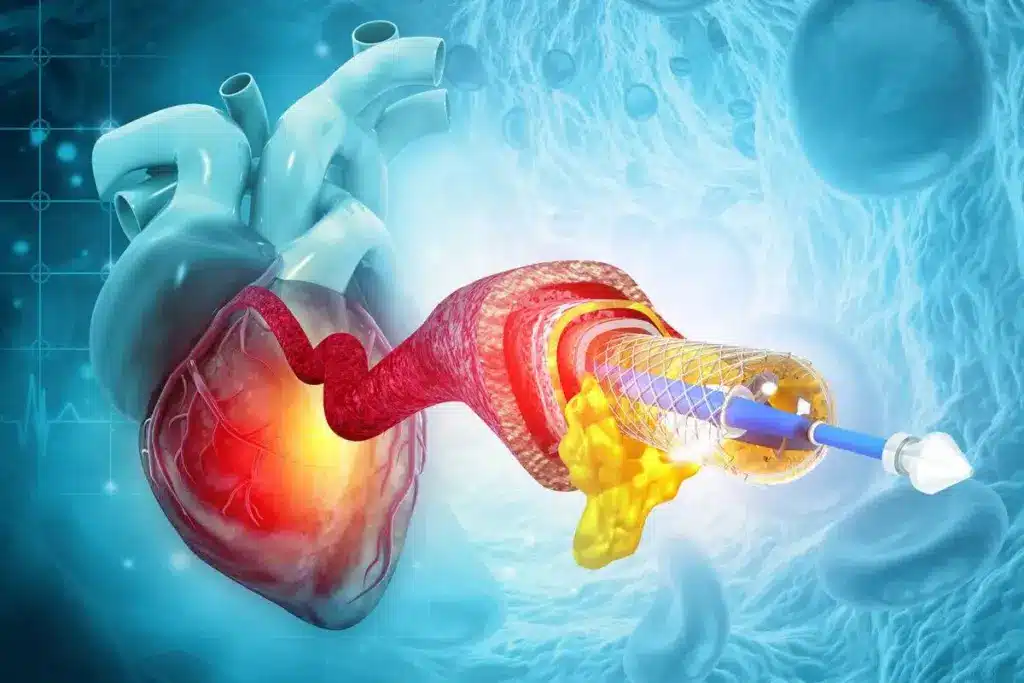
A coronary stent is used during a PCI to widen narrowed arteries. It’s mounted on a balloon catheter. When inflated, the stent expands and pushes plaque against the artery walls, improving blood flow.
Common Conditions Requiring Stent Placement
Stents are often used for coronary artery disease (CAD). This is when plaque builds up and narrows arteries. They’re also used for angina or myocardial infarction to improve blood flow and reduce symptoms.
Types of Stents Available
There are different types of coronary stents. Bare-metal stents (BMS) and drug-eluting stents (DES) are two main types. The choice depends on the patient’s risk of restenosis and the need for antiplatelet therapy.
|
Stent Type |
Description |
Advantages |
|---|---|---|
|
Bare-Metal Stents (BMS) |
Simple metal mesh |
Shorter antiplatelet therapy |
|
Drug-Eluting Stents (DES) |
Coated with medication to prevent restenosis |
Lower risk of restenosis |
The impact of stents on life expectancy varies. It depends on the stent type and patient care after the procedure. Knowing these factors is important for the best stent outcomes and heart health after stent placement.
Life Expectancy After Stent: Statistical Overview
Knowing how long you might live after getting a stent is key for both patients and doctors. This statistical overview sheds light on survival chances. It helps in making better choices.
Short-term Survival Rates
Research shows that stent patients do well in the short term. For example, a 2015 study found an 85% five-year survival rate for STEMI patients treated quickly with a stent.
- High survival rates in the first year after getting a stent
- Big improvement in survival for those with acute coronary syndrome (ACS)
Long-term Survival Rates
Looking at long-term survival rates gives a clearer picture of stent success. Studies show stenting’s benefits last long after the procedure.
“The long-term outcomes of patients with coronary stents are generally positive, with many living for 10 to 20 years or more after the procedure.”
Comparing Outcomes to Non-stent Treatments
It’s important to compare stent placement to other treatments. This depends on the patient’s condition and how severe their heart disease is.
Stent placement can greatly improve life expectancy for some patients, like those with acute coronary syndrome.
By looking at these statistics and comparisons, patients and doctors can understand the stent’s impact on life expectancy better.
Immediate Recovery Process Following Stent Placement
Knowing what to expect after stent placement can make recovery easier. This time is key for long-term health and getting the most from the stent.
Hospital Stay Duration
How long you stay in the hospital after stent placement varies. Most leave within a day or two. This lets doctors check for any quick problems and make sure the stent works right.
Early Physical Limitations
After stent placement, you might need to slow down. You should avoid heavy lifting, bending, or hard work for a few days to a week. How long depends on your health and the procedure’s complexity.
Managing Discomfort and Initial Symptoms
After stent placement, you might feel some pain or symptoms. These can include chest pain, bruising, or tiredness. It’s important to manage these symptoms well for a smooth recovery.
Doctors often suggest using over-the-counter pain meds and resting. This helps ease the initial symptoms. By understanding the recovery process, patients can better handle this time. This sets them up for success with their stent, improving their life expectancy after stent placement and quality of life.
The First Year After Receiving a Stent
Getting a stent is just the start. The first year is key for healing and adjusting to new health rules. During this time, patients go through big changes that affect their health and life expectancy after a stent.
Physical Recovery Milestones
Recovering physically takes time. Most people can start doing normal things again in a few weeks. But, it’s important to listen to the doctor about exercise and physical limits. Key milestones include:
- Returning to light physical activities within 1-2 weeks
- Gradually increasing exercise intensity over 4-6 weeks
- Achieving full recovery and resuming strenuous activities by 3-6 months
Essential Medication Regimen
Following the doctor’s medication plan is key to avoid problems and keep the stent working right. Patients usually take antiplatelet therapy to stop blood clots. This therapy lasts at least a year.
|
Medication Type |
Purpose |
Duration |
|---|---|---|
|
Antiplatelet Therapy |
Prevent blood clots |
At least 1 year |
|
Statins |
Lower cholesterol |
Ongoing |
|
Beta Blockers |
Reduce heart workload |
Varies |
Follow-up Appointments and Testing
Regular check-ups are important to see how the stent is doing and the heart’s health. These visits might include stress tests, echocardiograms, or angiograms to check the stent’s work.
Returning to Normal Activities
As patients get better, they can slowly go back to their usual life, like work, exercise, and social events. But, it’s important to listen to your body and not push too hard.
Understanding the first year after getting a stent helps patients manage their recovery better. This improves their stent prognosis and quality of life.
Factors Affecting Life Expectancy After a Stent
Many things can change how long someone lives after getting a stent. It’s important for both patients and doctors to know these factors. This helps manage hopes and improve results.
Age and Overall Health Status
How old you are and your health matter a lot for life expectancy after a stent. Older people or those in poor health might live shorter lives. Keeping a healthy lifestyle is key to living longer.
Extent of Coronary Artery Disease
The severity of coronary artery disease (CAD) when you get a stent also affects life expectancy. Those with more severe CAD might have a harder time surviving. Getting treatment early can help a lot.
Comorbidities and Their Impact
Having other health issues like diabetes, high blood pressure, or kidney disease can make things harder for stent patients. It’s important to manage these conditions well to live longer.
Adherence to Medical Recommendations
Following doctor’s advice, including taking medicines and making lifestyle changes, is very important. Staying on track with treatment can greatly improve stent success and life expectancy.
- Eating a heart-healthy diet
- Staying active
- Not smoking
- Following medication instructions
Understanding and tackling these factors can help patients aim for a longer life after a stent.
Lifestyle Changes for Maximizing Stent Longevity
After getting a stent, it’s key to live healthier to make it last longer. This means eating right, exercising, quitting smoking, and managing stress well.
Heart-Healthy Dietary Modifications
Eating well is important for your stent’s success. Eat lots of fruits, veggies, whole grains, and lean meats. Try to avoid foods high in bad fats and salt. The DASH diet or Mediterranean diet are great choices.
Appropriate Exercise Recommendations
Exercise is a must for your heart after a stent. Aim for 150 minutes of moderate activity, 75 minutes of vigorous activity, or a mix of both weekly. Brisk walking, cycling, and swimming are great options.
Smoking Cessation Importance
Stopping smoking is a big step for better heart health and stent life. Look into smoking cessation programs and support groups for help.
Stress Management Techniques
Managing stress is also key. Try meditation, yoga, and deep breathing to lower stress. As one expert says, “Stress management is not just about relaxing; it’s about living well.”
“The way to get started is to quit talking and begin doing.” – Walt Disney
Potential Complications and Their Effect on Survival Rates
Stents help treat coronary artery disease, but there are risks. These risks can affect how long you live and your quality of life.
Restenosis: Causes, Prevention, and Treatment
Restenosis is when arteries narrow again after a stent is placed. It happens because the body reacts to the stent. This can lead to in-stent restenosis. To prevent it, doctors use drug-eluting stents that release medicine to stop cell growth.
If restenosis happens, treatments like angioplasty or another stent might be needed.
Stent Thrombosis: Risk Factors and Prevention
Stent thrombosis is a serious problem where a blood clot forms in the stent. It’s rare but deadly. Risks include stopping antiplatelet therapy early, smoking, and some health issues. To avoid it, follow your doctor’s advice and make healthy lifestyle choices.
Talk to your doctor about your risk factors to lower the chance of stent thrombosis.
Recognizing Warning Signs of Complications
Knowing the signs of trouble is key. Look out for chest pain, shortness of breath, or feeling very tired. These could mean serious problems like stent thrombosis or in-stent restenosis that need quick medical help.
Emergency Response Protocol
If you have severe chest pain or trouble breathing, call for help right away. Having a plan for emergencies, like knowing where the nearest hospital is, can save lives.
Knowing about stent complications can help you live better after surgery. By understanding the risks and taking steps to prevent them, you can improve your health and life quality.
Long-term Medication Requirements After Stent Placement
After a stent is placed, it’s key to follow the doctor’s medication plan. This helps keep your heart healthy. Taking your medicine as directed is vital to avoid problems and to live longer.
Antiplatelet Therapy Duration and Importance
Antiplatelet therapy is a main part of care after a stent. It usually includes aspirin and a P2Y12 inhibitor like clopidogrel. You’ll likely need to take these medicines for at least 12 months. This depends on the stent type and your health risks.
Statins and Other Cardiovascular Medications
Statins are also used to control cholesterol. They help lower the chance of more heart problems. You might also take beta-blockers and ACE inhibitors. These help control blood pressure and heart function.
Managing Medication Side Effects
These medicines work well but can cause side effects. It’s important to talk to your doctor about any issues. They can adjust your treatment plan if needed.
Medication Compliance and Survival Outcomes
Medication compliance is linked to living longer. Research shows that sticking to your medication plan boosts survival chances. It also cuts down on stent-related issues.
Different Types of Stents and Their Impact on Lifespan
The type of stent used can greatly affect how long a patient lives. New technologies have created many stent types. Each has its own benefits and features.
Bare Metal Stents vs. Drug-Eluting Stents: Survival Differences
Bare metal stents (BMS) and drug-eluting stents (DES) are two main types. BMS are made of metal and keep the artery open. DES releases medicine to stop cell growth, which lowers restenosis risk.
Research shows drug-eluting stents have less restenosis than bare metal stents. This could mean better survival rates for patients. Here’s a comparison:
|
Stent Type |
Restenosis Rate |
Long-term Survival |
|---|---|---|
|
Bare Metal Stents |
Higher |
Lower |
|
Drug-Eluting Stents |
Lower |
Higher |
Bioresorbable Stents: Long-term Outcomes
Bioresorbable stents dissolve over time after they’re needed. Scientists are studying their long-term effects on patients’ lives.
Specialized Stents for Complex Cases
For tough coronary cases, specialized stents are made. They’re designed for specific problems like bifurcations or chronic total occlusions. These stents can help improve outcomes in hard cases.
How Stent Technology Affects Prognosis
Stent technology keeps getting better, which helps patients more. New materials and designs make stents work better. This leads to better survival rates over time.
Living With Multiple Stents: Special Considerations
People with multiple stents face special challenges that affect their heart and life quality. It’s important to understand how these stents work together and how to stay healthy.
Cumulative Effects on Heart Function
Having multiple stents can weaken the heart over time. Each stent changes how blood flows, affecting the heart’s function.
How well the heart adapts depends on several things. These include the heart’s health, other heart problems, and lifestyle choices.
Adjusted Life Expectancy Projections
Life expectancy with multiple stents depends on several factors. These include the heart disease’s severity, overall health, and other health issues.
|
Health Factor |
Impact on Life Expectancy |
|---|---|
|
Extent of Coronary Artery Disease |
Significant disease can reduce life expectancy |
|
Overall Health Status |
Better overall health correlates with higher life expectancy |
|
Presence of Comorbidities |
Comorbidities can negatively affect life expectancy |
Quality of Life Considerations
Managing life with multiple stents is key to a good quality of life. This means following medication, eating right, and watching for complications.
Psychological Aspects of Multiple Procedures
The mental impact of multiple stent placements is significant. Anxiety, depression, and stress can greatly affect a person’s well-being.
Support systems, like counseling and support groups, are vital for coping with these mental challenges.
Latest Research on Improving Stent Outcomes
Recent years have seen big steps forward in stent research. This is key for better lives and longer lives for those getting stents.
Recent Clinical Trials and Findings
Many recent studies have looked at making stents better. For example, they’ve compared drug-eluting stents with bare-metal stents. The results show drug-eluting stents cut down on restenosis a lot.
- Trials have shown the newer drug-eluting stents work well.
- Studies on bioresorbable stents look promising for fewer long-term problems.
Emerging Stent Technologies
New stent technologies are being worked on to fix current stent issues. These include stents with novel coating materials and improved scaffold designs.
Complementary Treatments Enhancing Stent Effectiveness
Along with new stent tech, other treatments are being looked at to make stents better. This includes antiplatelet therapy and statins.
Future Directions in Extending Post-Stent Lifespan
Looking ahead, research will focus on personalized stent solutions for each patient. It will also explore regenerative medicine to help the blood vessels heal.
Conclusion: Optimizing Your Life After a Stent
Living well after a stent means making healthy choices, taking your meds, and getting regular check-ups. Knowing how to boost your heart health after a stent is key. This helps you live a longer, healthier life.
Good stent care means taking your meds, eating right, exercising, and seeing your doctor often. Eating well, staying active, and not smoking can greatly improve your health and life span after a stent.
Focus on your heart health and stick to your treatment plan. This way, you can make the most of life after a stent. Regular check-ups and adjusting your treatment as needed are important for the best results.
FAQ
How long can you live with a stent?
Living with a stent’s lifespan varies. It depends on your health, the disease’s extent, and following medical advice. Many people live 10 to 20 years or more after getting a stent.
What is the stent survival rate?
Stent survival rates are high. Most people live many years after the procedure. Short-term survival rates are above 90%. Long-term rates can be 70% to 90% or more, based on individual factors.
How does a stent impact life expectancy?
A stent can greatly improve life expectancy. It restores blood flow to the heart, reduces symptoms, and prevents heart attacks. The impact varies based on your health and disease severity.
What lifestyle changes are necessary after stent placement?
To keep your stent working well, adopt a heart-healthy lifestyle. Eat well, exercise regularly, quit smoking, and manage stress. Also, follow your medication and attend follow-up appointments.
What are the possible complications of stent placement?
Complications include artery narrowing and blood clot formation. Watch for signs like chest pain or shortness of breath. Having an emergency plan is key.
How long do I need to take antiplatelet therapy after stent placement?
Antiplatelet therapy duration varies. It depends on the stent type and your risk factors. Usually, it’s 6 to 12 months, then long-term aspirin therapy.
Can I live a normal life with a stent?
Yes, many people can live normally after stent placement. You can exercise and do physical activities. But, follow your doctor’s advice and make lifestyle changes to keep your stent working well.
How do different types of stents affect lifespan?
Stent type can affect lifespan. Drug-eluting stents often have better outcomes than bare metal stents. Bioresorbable stents are new, and their long-term effects are being studied.
What are the latest advancements in stent technology?
New advancements include bioresorbable stents and improved drug-eluting stents. There are also specialized stents for complex cases. Research aims to make stents more effective and improve patient outcomes.
How does having multiple stents affect life expectancy?
Multiple stents can affect heart function and life expectancy. But, the impact varies based on your health and disease severity.
What is the role of medication adherence in stent longevity?
Adhering to medication is key for stent longevity and heart health. Following your medication regimen helps prevent complications and keeps your stent working well.
References
National Center for Biotechnology Information. Evidence-Based Medical Insight. Retrieved from https://pubmed.ncbi.nlm.nih.gov/30342590/



 Departments
 Related Videos
 Our Doctors
 News
News