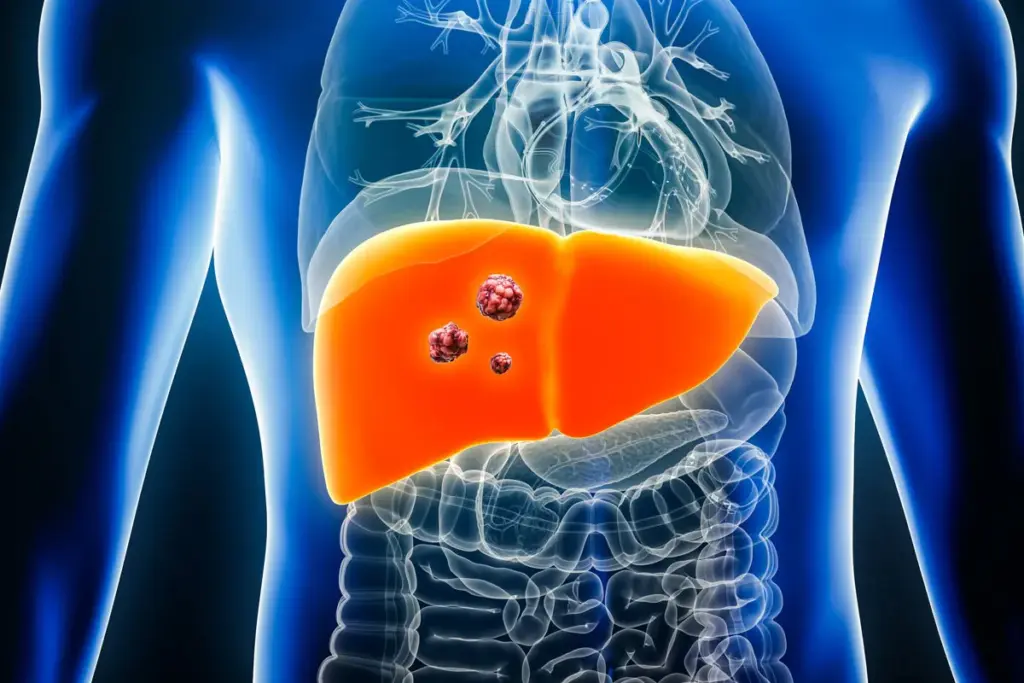
Defining what is liver embolization (blocking blood supply to tumors) and describing the liver embolization procedure. Liver cancer treatment has seen big changes with new therapies. One of these is liver embolization. It’s a method that looks promising for handling liver tumors.
So, what’s this revolutionary treatment? Simply put, it’s about putting substances into an artery. This blocks or cuts down blood flow to a tumor. It starves the tumor of what it needs to grow.
This procedure is a big step in treating liver issues, like liver cancer.
Key Takeaways
- Liver embolization is a treatment that involves blocking or reducing blood flow to a liver tumor.
- The procedure is minimally invasive and has shown promising results in managing liver tumors.
- It involves injecting substances directly into an artery to starve the tumor of necessary nutrients.
- This treatment is a significant step forward in treating liver-related conditions.
- Liver embolization is an effective option for patients with liver cancer.
Understanding Liver Embolization
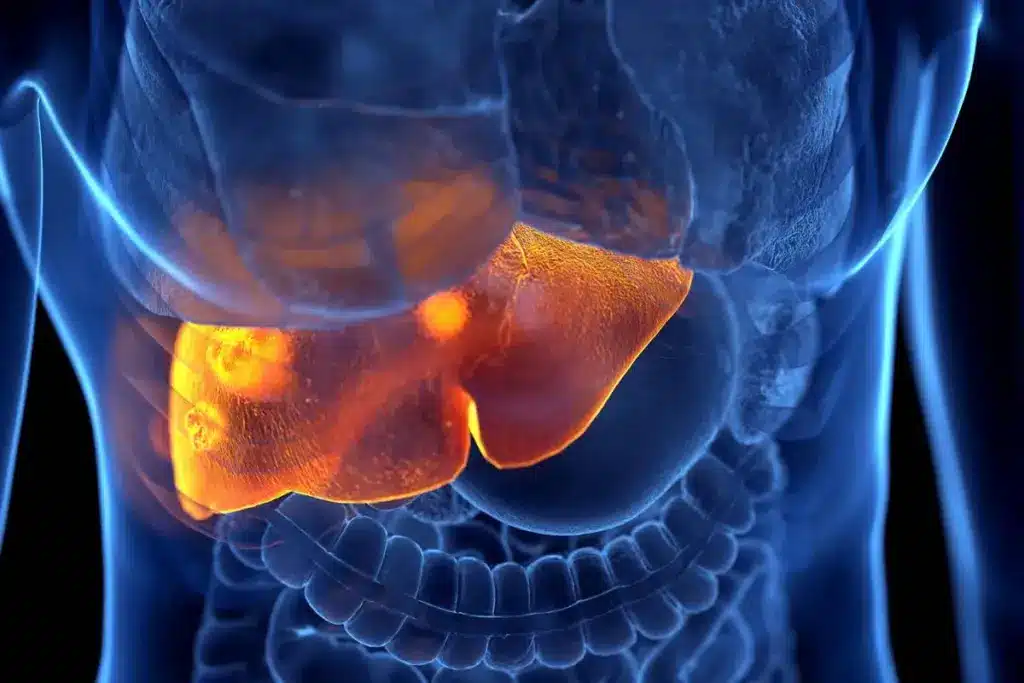
Liver embolization is a complex procedure that stops blood flow to liver tumors. The liver gets blood from two sources. Normal liver cells get blood from the portal vein. Liver tumors get blood from the hepatic artery.
Definition and Basic Concept
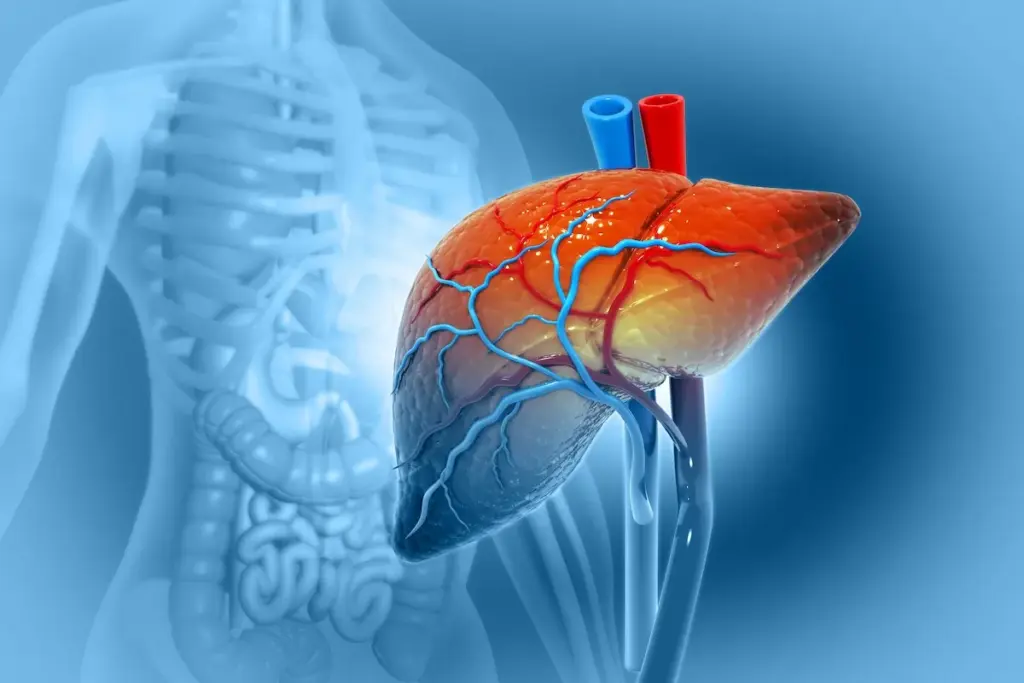
Liver embolization, or liver artery embolization, is a minimally invasive treatment. It aims to cut off the blood supply to liver tumors. This is done by injecting embolic material into the hepatic artery, which supplies the tumor.
This method works because liver tumors rely heavily on the hepatic artery for blood. By cutting off this supply, the tumor starts to die.
Historical Development of the Procedure
The history of liver embolization goes back decades. It was first used to treat liver tumors that couldn’t be removed surgically. Over the years, it has evolved a lot.
New techniques like chemoembolization and radioembolization have been added. These advancements have made liver embolization more effective. Now, it’s used to treat many different liver conditions.
|
Technique |
Description |
Application |
|---|---|---|
|
Bland Embolization |
Blocking blood supply to tumors using embolic agents |
Treating liver tumors |
|
Chemoembolization |
Combining embolization with chemotherapy |
Treating liver cancer |
|
Radioembolization |
Delivering radiation directly to tumors via embolic agents |
Managing metastatic liver disease |
The Purpose of Liver Embolization
Liver embolization is a treatment for many liver issues, like tumors that can’t be cut out. It’s key in fighting liver cancer and other diseases.
Treating Primary Liver Tumors
Primary liver tumors, like hepatocellular carcinoma, can be treated with liver embolization. It blocks the blood supply to these tumors. This makes them smaller and grow slower. It’s great for those who can’t have surgery.
Managing Metastatic Liver Cancer
Liver embolization also helps with metastatic liver cancer. This is when cancer spreads to the liver from other places. It can ease symptoms and improve life quality for these patients.
Other Liver Conditions Treated
Liver embolization treats more than just cancer. It’s used for vascular malformations and bleeding disorders too. Its ability to target and block abnormal blood vessels makes it a powerful treatment.
How the Liver Embolization Procedure Works
Liver embolization is a way to block blood to tumors while keeping healthy liver tissue safe. It’s a key method for treating liver issues like primary tumors and metastatic liver cancer. This approach is less invasive.
Blocking Blood Supply to Tumors
A catheter is inserted through a small incision in the thigh. It’s then guided to the liver’s hepatic artery. The main goal is to stop blood flow to the tumor. This stops the tumor from growing and getting smaller.
By cutting off blood flow, the tumor can’t get the oxygen and nutrients it needs. This makes it harder for the tumor to survive.
Embolic agents are used to block the blood vessels that feed the tumor. These agents are made to stop blood flow. They come in different types, like particles, microspheres, and coils, each with its own use.
The Role of Embolic Agents
Embolic agents are key to the success of liver embolization. The right agent depends on the tumor type, size, location, and the patient’s health.
Temporary vs. Permanent Embolic Materials
Embolic materials can be either temporary or permanent. Temporary materials are used to block blood flow temporarily. This allows for future treatments. Permanent materials block blood flow forever, providing a lasting solution.
Selection Criteria for Embolic Agents
Choosing the right embolic agent involves several factors:
- The size and type of the tumor
- The tumor’s blood supply
- The patient’s health and medical history
- The desired outcome of the procedure
By picking the right agent, doctors can make the liver embolization procedure more effective. This improves patient results.
Types of Liver Embolization Techniques
Liver embolization uses several methods to treat liver cancer and other conditions. These methods are designed to be less invasive. This helps patients recover faster and improves their outcomes.
Bland Embolization (TAE)
Bland embolization, or Transarterial Embolization (TAE), blocks blood flow to liver tumors without using chemotherapy. It treats liver cancer by cutting off the tumor’s blood supply. This causes the tumor to shrink or die.
Chemoembolization (TACE)
Chemoembolization, or Transarterial Chemoembolization (TACE), combines embolization with chemotherapy. Chemotherapy drugs are delivered to the tumor, then the blood supply is blocked. This method makes treatment more effective by focusing the chemotherapy on the tumor.
Medical experts say, “TACE is a big step forward in treating liver cancer. It offers a more precise approach.”
Radioembolization (Y-90)
Radioembolization uses tiny beads with Yttrium-90 (Y-90) to treat liver cancer. These beads are sent to the tumor via the hepatic artery. They release radiation that kills cancer cells. This method is great for tumors that don’t respond to other treatments.
Liver embolization techniques, like bland, chemoembolization, and radioembolization, provide various treatment options. Each method has its own use and benefits. The right technique depends on the patient’s condition and medical history.
The Role of Interventional Radiology in Liver Embolization
Interventional radiology is key in liver embolization. Liver embolization is a complex treatment. It needs precision and expertise, which interventional radiology provides.
Specialized Training and Expertise
Interventional radiologists get a lot of training. They learn about the liver’s vascular anatomy and how to use embolic agents. Our Liver Tumor Program’s experts can do portal vein embolization. This grows parts of the liver before surgery, making it work better.
|
Procedure |
Description |
Benefits |
|---|---|---|
|
Liver Embolization |
Minimally invasive procedure to block blood supply to liver tumors |
Reduces tumor size, improves symptoms, and enhances quality of life |
|
Portal Vein Embolization |
Procedure to occlude the portal vein to induce hypertrophy of the future liver remnant |
Improves liver function before surgery, potentially increasing resectability |
Advanced Imaging Guidance Techniques
Advanced imaging is vital for liver embolization success. Fluoroscopy and cone-beam CT help interventional radiologists see the liver’s blood vessels in real-time. This ensures the embolic agents are placed correctly.
Preparing for a Liver Embolization Procedure
To get the best results from liver embolization, you need to prepare well. This means going through several steps and tests. These help your healthcare team understand your situation and plan the treatment.
Pre-Procedure Testing and Evaluation
Before the procedure, you’ll have many tests to check your health. These might include blood work, CT scans, MRI, and liver function tests. These tests help your doctor figure out the best treatment for you and spot any risks.
It’s very important to follow your doctor’s advice about medications before the procedure. Some medicines, like blood thinners, might need to be stopped. This is to lower the chance of bleeding during and after the treatment.
Dietary and Medication Guidelines
Your healthcare provider might give you special diet advice before liver embolization. It’s key to stick to these guidelines to stay safe and ensure the procedure works well. You might need to fast or change your diet in other ways.
Also, tell your healthcare team about all the medicines, vitamins, and supplements you’re taking. They’ll tell you which ones to keep taking or stop before the procedure.
What to Expect During the Liver Embolization Procedure
Knowing what to expect during a liver embolization can ease worries and prepare patients. This procedure is used to treat liver conditions like tumors. It’s a minimally invasive method.
Anesthesia and Sedation Options
Patients usually get conscious sedation or local anesthesia. This makes them comfortable during the procedure. Conscious sedation relaxes the patient, while local anesthesia numbs the area.
The choice between these options depends on the patient’s health and the procedure’s complexity. The doctor’s preference also plays a role.
Step-by-Step Procedure Process
The liver embolization procedure has several steps:
- Accessing the hepatic artery through a small incision in the groin or arm.
- Guiding a catheter through the blood vessels to the liver using imaging technology.
- Delivering embolic agents or chemotherapy directly to the tumor site.
- Monitoring the procedure’s progress and adjusting as necessary.
This process allows for precise targeting of the tumor. It minimizes damage to healthy tissue.
Procedure Duration and Hospital Stay
The procedure’s length varies, usually between 1 to 3 hours. It depends on the case’s complexity and the technique used.
|
Procedure Type |
Average Duration |
Typical Hospital Stay |
|---|---|---|
|
Bland Embolization |
1-2 hours |
Same-day discharge |
|
Chemoembolization |
2-3 hours |
Same-day discharge |
|
Radioembolization |
1-2 hours |
Same-day discharge |
Recovery After Liver Embolization
Knowing what to expect after liver embolization can help reduce anxiety and complications. The procedure is minimally invasive but needs time for the body to heal and adjust.
Immediate Post-Procedure Care
Right after the procedure, patients are watched in a recovery area for a few hours. They often feel tired and a bit uncomfortable. It’s like having the flu, with symptoms like a low fever and upset stomach.
Rest is key in the first 24 hours. Avoid heavy lifting, bending, or hard activities. Drinking plenty of water and eating well also helps the healing process.
Long-term Recovery Timeline
The recovery time varies, but most people can get back to normal in one to two weeks. Always follow your healthcare provider’s specific instructions. They may have extra advice based on your health and the procedure.
During recovery, some side effects are common but usually go away as you heal. Regular check-ups with your healthcare provider are important. They help track your progress and answer any questions.
Follow-up Care and Monitoring
The success of liver embolization depends a lot on follow-up care and monitoring after the procedure. This ongoing care is key to check if the treatment is working well. It also helps to quickly address any issues that might arise.
Imaging Studies and Assessment
Imaging studies are very important for liver embolization follow-up care. CT scans or MRI are used to see how the treated tumor is doing. These tests help doctors understand if the treatment is effective and if there are any changes in the tumor or nearby tissues.
Additional Treatment Sessions
More treatment sessions might be needed based on the first liver embolization and imaging studies. These could be to shrink the tumor further, handle new tumors, or manage symptoms. The choice to have more treatments depends on the patient’s health and how they reacted to the first procedure.
Regular follow-up appointments are key to keep an eye on the patient’s health. They help adjust the treatment plan as needed. This proactive approach to follow-up care helps make liver embolization more effective and improves patient results.
Potential Risks and Complications
It’s important for patients to know about the risks of liver embolization. This treatment is usually safe, but there are possible complications to be aware of.
Common Side Effects
Side effects of liver embolization include abdominal pain, fever, and nausea. These symptoms are usually short-term and can be treated with medicine. Managing these side effects well is key to a quick recovery.
Post-Embolization Syndrome
Post-embolization syndrome (PES) can happen after liver embolization. It brings symptoms like fever, abdominal pain, and nausea. PES is usually not serious but can sometimes need hospital care. It’s the body’s reaction to the treatment.
Serious Complications and Their Management
Though rare, serious complications can include liver infections and blood clots in liver vessels. Seeking medical help right away is critical if severe symptoms appear. Treating these complications might involve antibiotics for infections.
|
Complication |
Description |
Management |
|---|---|---|
|
Abdominal Pain |
Pain in the abdominal region |
Medication, rest |
|
Fever |
Elevated body temperature |
Antipyretic medication |
|
Infection |
Infection in the liver |
Antibiotics, hospitalization |
Benefits and Effectiveness of Liver Embolization
Liver embolization is a top choice for treating liver issues. It cuts off blood to liver tumors, making them smaller and less harmful. This helps the liver work better.
The benefits and effectiveness of liver embolization are many. It stops tumors from getting bigger and spreading cancer. This is a big plus for patients.
Success Rates for Different Liver Conditions
How well liver embolization works varies by condition. For example, chemoembolization keeps chemotherapy close to tumors for weeks. This makes the treatment more effective.
|
Condition |
Success Rate |
Average Survival Benefit |
|---|---|---|
|
Primary Liver Cancer |
70-80% |
12-18 months |
|
Metastatic Liver Cancer |
60-70% |
9-15 months |
|
Other Liver Conditions |
50-60% |
6-12 months |
Quality of Life Improvements
Liver embolization does more than just extend life. It also makes patients feel better. By shrinking tumors, it reduces pain and discomfort.
In summary, liver embolization is a key treatment for liver cancer. It greatly improves patient outcomes and quality of life.
Conclusion
Liver embolization is a key treatment for liver issues, including cancer. It helps patients and doctors make smart choices about treatment. This is because they understand the procedure’s benefits and risks.
There are different ways to do liver embolization, like bland, chemoembolization, and radioembolization. Each method is chosen based on what the patient needs. The skill of interventional radiologists is vital in these procedures.
Liver embolization will keep being a big part of treating liver cancer. It can make life better and even help people live longer. This makes it a very important option for both patients and doctors.
In short, liver embolization is a big step forward in treating liver problems. It marks a new chapter in how we care for patients.
FAQ
What is liver embolization?
Liver embolization is a minimally invasive procedure. It blocks the blood supply to liver tumors or conditions. It treats primary and metastatic liver cancer and other issues.
How does liver embolization work?
It blocks the blood supply to liver tumors through the hepatic artery. This artery is the main blood source for most liver tumors. Embolic agents block the artery, cutting off oxygen and nutrients to the tumor.
What are the different types of liver embolization techniques?
There are three main types: bland embolization (TAE), chemoembolization (TACE), and radioembolization (Y-90). Each has its own use and benefits for treating liver cancer and conditions.
What is the role of interventional radiology in liver embolization?
Interventional radiology is key in liver embolization. It requires special training and expertise. Advanced imaging helps ensure the procedure’s accuracy and safety.
How do I prepare for a liver embolization procedure?
Patients prepare with pre-procedure tests and evaluation. This includes imaging studies and lab tests. Dietary and medication guidelines are given to prepare for the procedure and recovery.
What can I expect during the liver embolization procedure?
Patients are given anesthesia and sedation for comfort. The procedure involves accessing the hepatic artery through a small groin incision. Embolic agents are then delivered to block the tumor’s blood supply.
What is the recovery process like after liver embolization?
Recovery involves immediate post-procedure care. This includes monitoring for side effects and managing pain. The recovery time varies based on the patient’s condition and treatment response.
What are the possible risks and complications of liver embolization?
Risks include common side effects and post-embolization syndrome. Serious complications like infection, bleeding, or tissue damage can occur. These are managed through monitoring and follow-up care.
How effective is liver embolization in treating liver cancer?
Liver embolization is effective in treating liver cancer. Success rates vary by cancer type and stage. It can also improve quality of life by reducing symptoms and tumor burden.
Will I need additional treatment sessions after liver embolization?
The need for more treatment sessions depends on the patient’s response and disease extent. Follow-up care and monitoring are used to assess treatment success and determine if more sessions are needed.
How does liver embolization impact overall health and organ preservation?
Liver embolization is a targeted treatment that aims to preserve liver function. It selectively blocks tumor blood supply, helping to preserve healthy liver tissue and maintain organ function.
Reference
Nature. Evidence-Based Medical Insight. Retrieved from https://www.nature.com/articles/s41572-021-00314-8