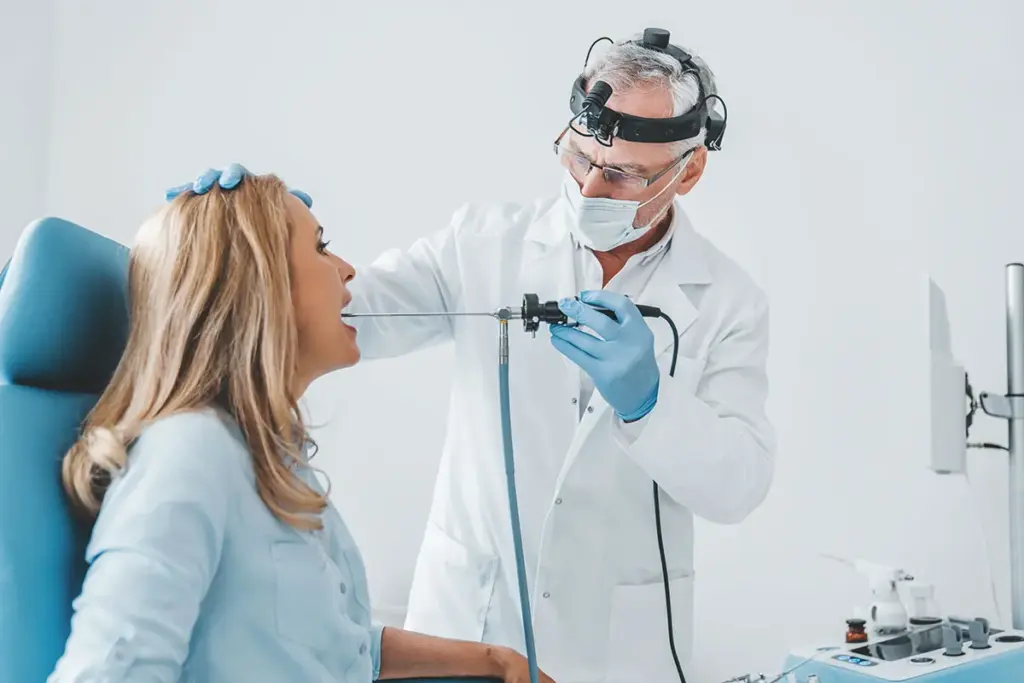
A specific doctor is trained to do nasal endoscopy for nasal and sinus problems. This method uses a flexible or rigid endoscope to see inside the nasal passages and sinuses.
Otolaryngologists, or ENT specialists (Ear, Nose, and Throat doctors), are the ones who do this. They know a lot about ear, nose, and throat issues. So, they are the best doctors for nasal endoscopy.
Key Takeaways
- Nasal endoscopy is typically performed by an otolaryngologist or ENT specialist.
- These specialists have advanced training in disorders of the ear, nose, and throat.
- Nasal endoscopy is used to diagnose and treat nasal and sinus conditions.
- ENT specialists are qualified to perform sinus surgery when necessary.
- Centers of excellence with ENT specialists offer advanced care for nasal and sinus conditions.
Understanding Nasal Endoscopy

Nasal endoscopy is a simple procedure that lets doctors see inside the nasal cavity and sinuses. It’s key for spotting different nasal and sinus problems. Knowing about nasal endoscopy helps patients understand its role in keeping sinuses healthy.
Definition and Purpose
Nasal endoscopy uses a flexible or rigid endoscope to look at the nasal passages, sinuses, and nearby areas. Its main goal is to find and sometimes treat issues in these spots. It’s great for getting a close look at the nasal cavity and sinuses, something you can’t do with just the outside view.
Doctors trained in otolaryngology or ENT perform this procedure. They use nasal endoscopy to check for chronic sinusitis, find nasal polyps, and figure out why the nose might be blocked.
Common Indications for the Procedure
Nasal endoscopy is often needed for conditions like chronic rhinosinusitis, nasal polyps, and nasal blockage. Studies show that in U.S. hospitals, ENT doctors do over 150,000 nasal endoscopies each year for these reasons.
|
Condition |
Description |
Role of Nasal Endoscopy |
|---|---|---|
|
Chronic Rhinosinusitis |
Inflammation of the sinuses lasting more than 12 weeks |
Diagnosis and assessment of disease severity |
|
Nasal Polyps |
Soft, painless, noncancerous growths on the lining of the nasal passages or sinuses |
Identification and sometimes removal during the procedure |
|
Nasal Obstruction |
Blockage of one or both nasal passages |
Investigation of the cause, such as deviation of the nasal septum or tumors |
Nasal endoscopy is a key tool for diagnosing and treating sinus and nasal issues. Its ability to give a detailed look at the nasal cavity and sinuses makes it essential in otolaryngology.
Otolaryngologists: The Primary Specialists for Nasal Endoscopy
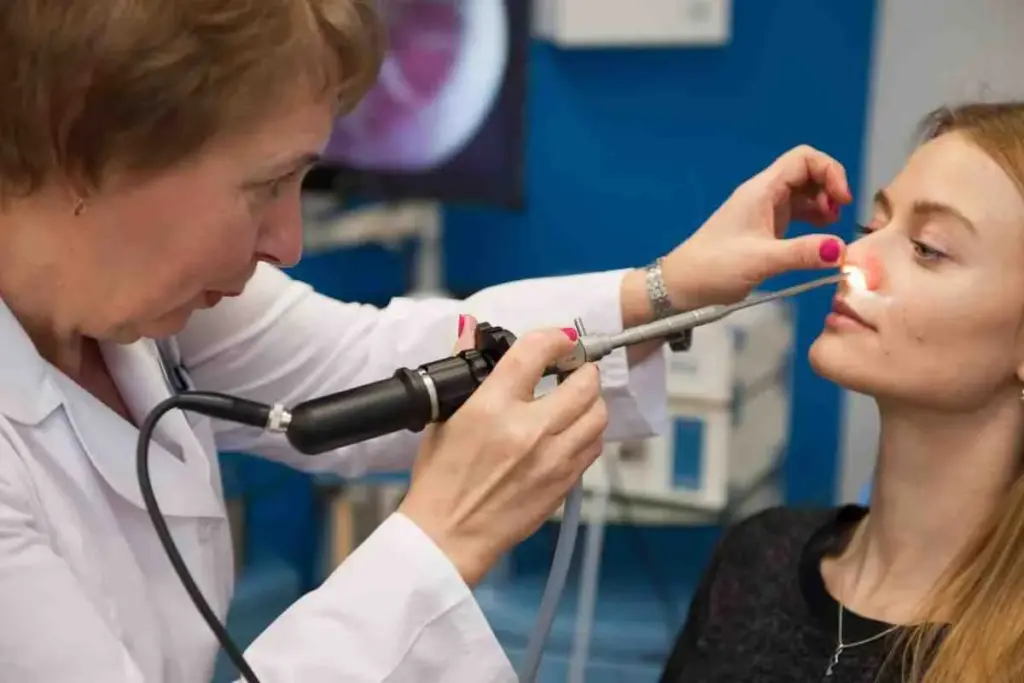
ENT specialists, also known as otolaryngologists, are experts in nasal endoscopies. They are board-certified doctors with advanced training in ear, nose, and throat disorders. This makes them the go-to doctors for nasal endoscopy.
What is an Otolaryngologist?
An otolaryngologist, or ENT specialist, is a doctor who focuses on ear, nose, and throat issues. They manage sinus health and perform nasal endoscopies. This is key for diagnosing and treating complex nasal and sinus problems.
We count on otolaryngologists for detailed care of these sensitive areas. Their training lets them handle a wide range of issues, from simple to complex.
Training and Certification Requirements
To become an otolaryngologist, one must go through tough training and certification. This includes medical school and several years of residency in otolaryngology. After residency, they must pass a certification exam from a medical board, like the American Board of Otolaryngology.
Key components of their training include:
- Completing a recognized residency program in otolaryngology
- Gaining hands-on experience in diagnosing and treating ENT conditions
- Passing a certification exam to demonstrate expertise
This extensive training and certification ensure otolaryngologists can provide top-notch care for nasal endoscopy and other ENT procedures.
ENT Specialists: Experts in Ear, Nose, and Throat Care
Nasal health is key to our overall well-being. ENT specialists are vital in keeping it healthy. They help diagnose and treat issues in the nasal cavity, sinuses, and upper airway.
The Role of ENT Doctors in Nasal Health
ENT doctors are experts in treating nasal and sinus problems. They use tools like nasal endoscopy to find the cause of issues. This helps them create treatment plans that fit each patient’s needs.
They handle many nasal conditions, from chronic sinusitis to nasal polyps. Their skills cover both medical and surgical treatments. This ensures patients get the best care possible.
Subspecialties Within ENT Practice
ENT specialists can choose from various subspecialties. Some focus on rhinology, dealing with nose and sinus issues. Others specialize in otology, handling ear problems.
This variety means patients get specialized care. Whether it’s a complex sinus issue or a simple nasal problem, ENT specialists are ready to help.
The Prevalence of Nasal Endoscopy in Medical Practice
Nasal endoscopy is key in diagnosing and treating sinus problems. It’s used a lot in medical care. This shows how important it is in ENT treatment.
Statistics on Procedure Frequency
In U.S. hospitals, ENT doctors do over 150,000 nasal endoscopies every year. This number shows how often the procedure is done. It also shows its big role in keeping sinus health good.
More and more nasal endoscopies are being done. This is because they work well for many nasal and sinus problems. As sinus conditions become more common, this trend is likely to keep going.
Common Settings for the Procedure
Nasal endoscopy happens in many places like hospitals, clinics, and ENT centers. Where it happens depends on the case’s complexity and the patient’s health.
In hospitals, it’s for more complicated cases or when more medical help is needed. Clinics and ENT centers are better for simpler procedures. They offer easy access and specialized care.
Nasal endoscopy can be used in many places. This makes sure patients get the right care for their needs.
Chronic Sinus Conditions Requiring Endoscopic Evaluation
For those with ongoing sinus problems, endoscopic evaluation can lead to a correct diagnosis and treatment. Chronic sinus issues can really affect your life, causing pain, discomfort, and breathing troubles.
Chronic Sinusitis: Symptoms and Diagnosis
Chronic sinusitis means the sinuses are inflamed for more than 12 weeks. Symptoms include:
- Nasal congestion and discharge
- Facial pain and pressure
- Loss of smell
- Persistent cough
To diagnose chronic sinusitis, doctors look at your medical history, do a physical exam, and run tests like nasal endoscopy. Nasal endoscopy lets doctors see inside the nasal passages and sinuses. This helps them understand how bad the inflammation is and if there are any structural problems.
Nasal Polyps and Structural Abnormalities
Nasal polyps are growths in the nasal passages that can happen with chronic sinusitis. They can block airflow and make breathing and smelling harder. Issues like a deviated septum can also cause sinus problems by blocking drainage and leading to infections.
Nasal endoscopy is key in finding and checking the size and location of nasal polyps and other structural issues. It helps doctors plan the best treatment, which might include medicine or surgery.
It’s important to know what’s causing chronic sinus problems to manage them well. Nasal endoscopy helps doctors give tailored care. This can greatly improve the lives of those with these tough conditions.
The Nasal Endoscopy Procedure: What to Expect
Many patients wonder about the nasal endoscopy procedure. We’re here to explain it to you. It’s a quick and simple way for ENT specialists to find and fix nasal and sinus problems.
Pre-Procedure Preparation
Before the procedure, your ENT specialist will give you instructions. You might need to stop taking certain medicines to avoid bleeding. It’s important to follow these instructions to make the procedure go well.
On the day of the procedure, arrive a bit early to fill out paperwork. Getting a nasal endoscopy can seem scary, but our team is here to help and reassure you.
During the Procedure
The procedure is quick and usually lasts under 10 minutes. The doctor will use a local anesthetic or decongestant to make you comfortable. Then, a flexible or rigid endoscope is inserted into your nose to look at your nasal passages and sinuses.
The doctor might take a biopsy or remove blockages like nasal polyps. Our ENT specialists are very skilled and careful in doing these procedures, aiming for the best results for you.
Post-Procedure Care
After the procedure, you can usually go back to your normal activities soon. But, it’s best to rest for a few hours to let any sedation or anesthesia wear off.
You might feel a bit of nasal congestion or sore throat afterward. But these symptoms usually go away quickly. We’ll give you specific instructions to help with any discomfort and make sure you recover well.
Diagnostic Applications of Nasal Endoscopy
<SEP-12176_image_5>
Nasal endoscopy lets doctors see inside the nasal cavity and sinuses. It’s key for finding nasal blockages and infections. This way, ENT specialists can see what’s going on and plan the best treatment.
Identifying Sources of Nasal Obstruction
Nasal endoscopy helps find why the nose is blocked. It can spot deviated nasal septum, nasal polyps, and turbinate bone abnormalities. Doctors can then fix the problem with the right treatment.
Doctors look closely at the nasal area. They see how bad the blockage is and plan what to do next. This might mean surgery or medicine to shrink swelling.
Evaluating Sinus Infections and Inflammation
Nasal endoscopy is also great for checking sinus infections and swelling. It lets doctors see the sinuses and find infections or swelling. They might take samples for more tests.
Doctors can spot chronic sinusitis and plan a good treatment. This could be antibiotics, anti-inflammatory meds, or surgery. These help clear out sinuses and prevent more infections.
In summary, nasal endoscopy is a powerful tool. It helps doctors find and treat nasal and sinus problems better.
Therapeutic Uses of Nasal Endoscopy
Nasal endoscopy is more than just a tool for diagnosis. It has many uses in treating different nasal and sinus problems. This makes it a key part of ENT care.
Removal of Foreign Bodies
One big use of nasal endoscopy is taking out foreign objects from the nose. This often happens in kids but can also affect adults. The endoscope lets doctors see inside the nose clearly. They can then safely remove the object without hurting the nose’s lining.
Treatment of Epistaxis (Nosebleeds)
Nasal endoscopy also helps treat nosebleeds. Doctors can see where the bleeding is coming from. They can then use special treatments to stop the bleeding.
Biopsy Collection
Another use is taking biopsies from the nose or sinuses. This is important for finding out about tumors or long-term infections. The samples are then checked to confirm the diagnosis and plan treatment.
|
Therapeutic Application |
Description |
Benefits |
|---|---|---|
|
Removal of Foreign Bodies |
Precise removal of objects from the nasal cavity |
Minimally invasive, reduces risk of further trauma |
|
Treatment of Epistaxis |
Direct visualization and treatment of nosebleeds |
Effective control of bleeding, reduces recurrence |
|
Biopsy Collection |
Sampling of tissue for histological examination |
Provides definitive diagnosis, guides treatment |
In summary, nasal endoscopy has many benefits. It helps remove foreign objects, treat nosebleeds, and collect biopsies. Its ability to help with various nasal and sinus issues makes it a vital tool in ENT care.
Advanced Sinus Procedures Performed by ENT Specialists
ENT specialists can do advanced sinus procedures to greatly improve patients’ lives. These treatments help with complex sinus issues that other methods can’t fix.
Functional Endoscopic Sinus Surgery (FESS)
Functional Endoscopic Sinus Surgery (FESS) is a less invasive way to fix sinus problems. FESS is great for those with chronic sinusitis, nasal polyps, or other issues that block sinus flow. An ENT specialist uses an endoscope to see inside the sinuses and clear out any blockages or diseased tissue.
FESS helps by improving sinus drainage, reducing pressure and pain, and lowering the chance of sinus infections. It’s designed to keep the sinus mucosa intact and avoid removing too much tissue, leading to quicker recovery and fewer complications.
Balloon Sinuplasty
Balloon sinuplasty is another advanced method for treating chronic sinusitis. It uses a small balloon to open up blocked sinus passages, helping them drain properly. Balloon sinuplasty is less invasive than traditional surgery and can be done under local anesthesia, appealing to many patients.
The process involves putting a catheter with a balloon through the nostril into the sinus. The balloon is then inflated to open the passage, and the catheter is taken out. This method keeps the sinus mucosa intact and lowers the risk of complications from more invasive surgeries.
FESS and balloon sinuplasty are big steps forward in treating sinus problems. ENT specialists use these techniques to effectively help patients with chronic sinus issues.
When to See an ENT for Sinus Problems
Sinus issues can really get in the way of your life. Knowing when to see an ENT specialist is important for getting better. We’ll help you figure out when it’s time to get specialist care.
Persistent Symptoms Requiring Specialist Attention
If you have ongoing sinus symptoms, it’s important to know when to see an ENT. Some symptoms that mean you should see an ENT include:
- Prolonged nasal congestion or discharge
- Recurring sinus infections
- Facial pain or pressure
- Loss of smell or taste
- Persistent cough or sore throat
If these symptoms keep coming back, even after trying to treat them, it’s time to see an ENT. They can find out what’s really going on with your sinuses.
Referral Process from Primary Care
Usually, your primary care doctor is the first one you see for sinus problems. If your symptoms are bad or don’t go away, they might send you to an ENT. The process usually goes like this:
|
Step |
Description |
|---|---|
|
Initial Consultation |
You visit your primary care physician, who checks your symptoms. |
|
Diagnostic Tests |
Your primary care doctor might do some tests or treatments first. |
|
Referral Decision |
If your symptoms don’t get better, they’ll send you to an ENT specialist. |
|
SPECIALIST CARE |
You’ll see an ENT specialist, who will check you out and make a treatment plan. |
Knowing when to see an ENT can really help you get better. If you have ongoing sinus problems, don’t wait to get help. We’re here to help you take care of your sinus health.
Patient Experiences and Recovery After Nasal Endoscopy
Learning about the recovery time and hearing from others who had nasal endoscopy can help a lot. Everyone’s experience is different, but there are common things and tips to ease worries.
Typical Recovery Timeline
The recovery from nasal endoscopy is usually quick. Most people can go back to their usual activities in a few days. Right after, you might feel some stuffiness and a bit of discomfort, but these feelings usually go away in 24 to 48 hours. It’s important to follow the care instructions after the procedure to recover smoothly.
Patient Testimonials and Outcomes
What others say about nasal endoscopy can give you peace of mind and insight. Many people say they feel much better after the procedure, like they can breathe easier. We’ve seen many cases where nasal endoscopy helped a lot.
For example, someone might say, “I was worried about nasal endoscopy, but it was explained well and I recovered faster than I thought.” These stories highlight the value of clear communication and care. Also, studies show that nasal endoscopy is very safe, with a complication rate under 1%.
Knowing about the typical recovery and hearing from others can help you prepare. We’re here to help our patients at every step, aiming for the best results.
Risks and Complications of Nasal Endoscopy
Nasal endoscopy is generally safe but comes with some risks. It’s important for patients to know about these risks. This knowledge helps in making informed decisions.
Common Side Effects
Most people have little to no side effects after nasal endoscopy. You might feel some nasal discomfort, see a bit of bleeding, or have congestion. These issues usually go away quickly without needing more treatment.
To make you more comfortable, we use special creams and sprays during the procedure. Our skilled ENT doctors take all steps to keep you safe and comfortable.
Rare but Serious Complications
Though rare, serious problems can happen. These include heavy bleeding, infection, or damage to the nasal area. In very rare cases, there’s a chance of spreading infection or damaging the nasal septum.
The chance of serious complications is less than 1%. Our doctors follow strict rules to keep risks low and ensure a safe procedure.
Safety Profile and Statistics
Nasal endoscopy is safe, with a low complication rate. Studies show its benefits far outweigh the risks for most patients.
We follow strict safety standards and guidelines. This way, we ensure our patients get the best results from their procedures.
In summary, nasal endoscopy is safe when done by experts. We aim to provide a safe and comfortable experience for all our patients.
Insurance Coverage and Cost Considerations
Insurance for nasal endoscopy can be tricky to understand. It’s key for planning your finances. We’re here to help you through the costs of medical procedures.
Typical Insurance Coverage for Nasal Endoscopy
Most insurance plans cover nasal endoscopy if it’s needed for health reasons. This includes diagnosing or treating chronic sinusitis, nasal polyps, or nosebleeds. It’s important to check with your insurance provider about your coverage. This includes deductibles, copays, and coinsurance.
- Verify if your insurance plan covers nasal endoscopy.
- Understand the out-of-pocket costs associated with the procedure.
- Check if there are any specific requirements or restrictions.
Out-of-Pocket Expenses
Even with insurance, you might have to pay for nasal endoscopy. This includes deductibles, copays, and coinsurance. The cost can vary based on your insurance and the doctor’s fees.
For example, if you have a deductible, you’ll pay it before insurance kicks in. Some plans also have copays or coinsurance for the procedure.
“Understanding your insurance benefits can significantly reduce your financial stress when undergoing medical procedures like nasal endoscopy.”
— Expert in Healthcare Finance
To lower your costs, consider these steps:
- Choose an in-network healthcare provider.
- Review your insurance plan’s coverage details.
- Discuss any financial concerns with your healthcare provider.
Knowing about insurance and costs for nasal endoscopy helps you prepare. We’re here to help you understand these aspects for a smoother experience.
Finding the Right ENT Specialist for Your Nasal Endoscopy
Finding the right ENT specialist is the first step in your nasal endoscopy journey. This choice greatly affects your care. It’s important to look at several factors to get the best care.
Qualifications to Look For
When searching for an ENT specialist, board certification is key. It shows the doctor has the right training and skills in otolaryngology. Also, check if they have experience with nasal endoscopy. An experienced doctor will handle any issues better.
Look for doctors who work with well-known medical institutions or have received awards. Questions to Ask Before Your Procedure
Before your nasal endoscopy, ask important questions. This ensures you’re in good hands. Some questions to ask include:
- What experience do you have with nasal endoscopy?
- What are the possible risks and complications?
- How will you make sure I’m comfortable during the procedure?
- What kind of follow-up care can I expect after?
These questions can help ease your worries and make you feel confident in your specialist.
Reading Reviews and Getting Recommendations
Reading patient reviews and getting recommendations can help. Look for reviews on trusted healthcare sites to see how patients feel. Also, ask your primary care doctor or friends who have had similar procedures for advice.
By considering these points and doing your research, you can find a great ENT specialist. Remember, your comfort and safety are the most important. Take your time to make a good choice.
Conclusion
It’s key to understand nasal endoscopy and the role of ENT specialists for good sinus health. Nasal endoscopy helps diagnose and treat sinus issues. ENT specialists are experts in this area.
Medical centers like those on livhospital.com focus on top-notch ENT care. They show how important specialized care is for sinus health. Choosing an experienced ENT specialist means getting the best care for your sinus problems.
This article shows how vital ENT care is for healthy sinuses. The right care can ease symptoms and boost your life quality. As you deal with sinus health, look for qualified ENT specialists. They offer personalized care and treatment.
FAQ
What type of doctor performs nasal endoscopy?
Otolaryngologists, or ENT specialists, are the doctors who do nasal endoscopy. They have special training in ear, nose, and throat issues.
What is nasal endoscopy used for?
It helps diagnose and treat nasal and sinus problems. This includes chronic sinusitis, nasal polyps, and nasal blockage.
What are the benefits of nasal endoscopy?
It lets ENT specialists see inside the nasal cavity and sinuses. This helps them make accurate diagnoses and treatment plans. It’s also used to remove foreign objects, treat nosebleeds, and take biopsies.
How long does it take to recover from nasal endoscopy?
Recovery from nasal endoscopy is usually quick. Most people can go back to normal activities soon after. The exact recovery time can vary.
Are there any risks or complications associated with nasal endoscopy?
Nasal endoscopy is generally safe. But, there are risks like nasal congestion and rare complications like bleeding or infection.
How do I find the right ENT specialist for my nasal endoscopy?
Look for board-certified ENT specialists with experience in nasal endoscopy. Ask your primary care doctor for a referral or read patient reviews to find a good specialist.
Will my insurance cover nasal endoscopy?
Insurance coverage for nasal endoscopy varies. Many plans cover it. Check with your insurance to know what you’ll pay out of pocket.
What are the advanced sinus procedures performed by ENT specialists?
ENT specialists can do advanced sinus surgeries. This includes Functional Endoscopic Sinus Surgery (FESS) and balloon sinuplasty. These procedures help treat complex sinus issues and improve drainage.
When should I see an ENT specialist for sinus problems?
See an ENT specialist for ongoing sinus issues. This includes chronic sinusitis, nasal polyps, or structural problems. Your primary care doctor can refer you for further evaluation and treatment.
References
- National Center for Biotechnology Information (NCBI). Endoscopic sinus surgery: indications, outcomes, and complications.
https://www.ncbi.nlm.nih.gov/pmc/articles/PMC6488879/