
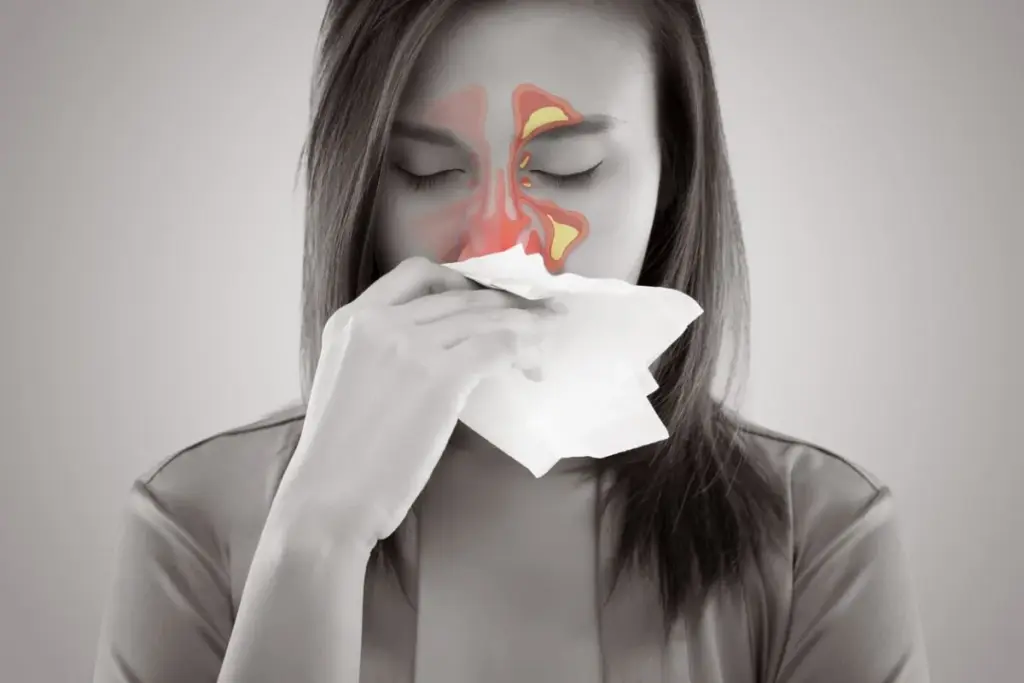
Did you know millions of Americans are misdiagnosed with sinus infections every year? Their symptoms might actually be from COVID-19, migraines, or allergies.
Symptoms like facial pain and nasal congestion can be tricky. They make it hard to figure out what’s really wrong. Getting the right diagnosis is key to feeling better.
Misdiagnosis can mean taking the wrong medicine for too long. It’s important for both patients and doctors to know what can look like a sinusitis but isn’t.
Sinus headache is often mistaken. Migraines mimic it. Get best diagnosis. Knowing the difference is vital for amazing pain management.
Key Takeaways
- Misdiagnosis of sinus infections is common.
- Other conditions like COVID-19, migraines, and allergies can mimic sinus infection symptoms.
- Accurate diagnosis is key for the right treatment.
- Symptoms like facial pain and nasal congestion can be misleading.
- Knowing why misdiagnosis happens can help ease suffering.
Understanding Sinus Infections: Symptoms and Causes
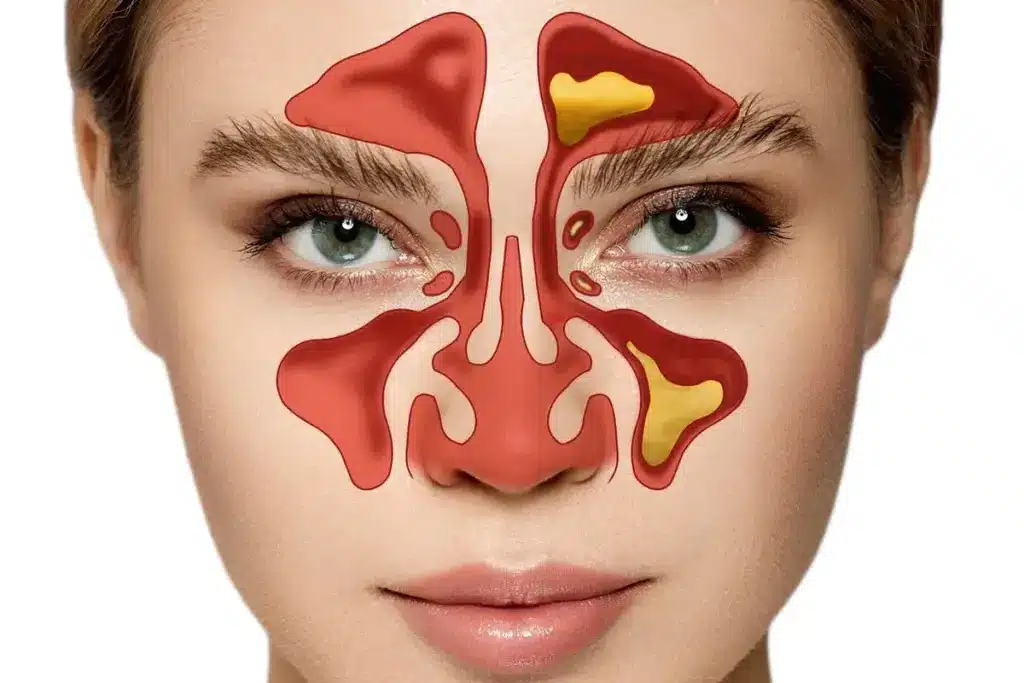
It’s important to know the symptoms and causes of sinus infections. Sinusitis happens when the sinuses get inflamed. This can be due to an infection or allergies.
Common Symptoms of Sinusitis
Sinusitis shows symptoms like sinus pressure and sinus pain. You might also feel nasal congestion, headache, and facial pain. These symptoms can make everyday tasks hard.
What Causes Sinus Infections
There are many reasons for sinus infections. They can be caused by viruses, bacteria, allergies, or environmental factors. Knowing the cause helps in finding the right treatment.
|
Cause |
Description |
Common Symptoms |
|---|---|---|
|
Viral Infection |
Common cold or flu |
Nasal congestion, headache |
|
Bacterial Infection |
Infection of the sinuses |
Severe sinus pain, thick nasal discharge |
|
Allergies |
Allergic reactions to pollen, dust, etc. |
Nasal congestion, sinus pressure |
Types of Sinusitis: Acute vs. Chronic
Sinusitis can be acute or chronic. Acute sinusitis is usually caused by a virus or bacteria and doesn’t last long. Chronic sinusitis lasts longer and might need more treatment, including sinus infection headache cure options.
The Sinus Headache Dilemma: When It’s Not What You Think

Sinus headaches are often misunderstood, leading to misdiagnosis and ineffective treatment. It’s important to understand the true nature of sinus headaches for relief from pain.
Characteristics of True Sinus Headaches
True sinus headaches are linked to sinusitis, an inflammation or infection of the sinus passages. Symptoms include pain and pressure in the face, mainly in the cheeks and forehead, along with nasal congestion. The pain gets worse when leaning forward or lying down. Knowing these sinus headache symptoms is essential for correct diagnosis.
Why Misdiagnosis Is Common
Misdiagnosis happens often because sinus headache symptoms can look like other conditions, like migraines or tension headaches. A headache at the base of the skull can be confusing, as it might be caused by different things. It’s important to understand each condition well to make the right diagnosis.
Self-Assessment: Is It Really a Sinus Headache?
To figure out if your headache is sinus-related, look for other sinusitis symptoms like nasal discharge or loss of smell. If your pain comes with these signs, it might be a sinus headache. Over-the-counter medication for sinus headaches can help, but if symptoms don’t go away, you should see a doctor.
Migraines: The Great Impostor
Migraines and sinus infections often look the same, leading to wrong diagnoses. Migraines are a brain disorder that causes severe headaches and sensitivity to light and sound. They can also make you feel sick to your stomach.
These symptoms are similar to those of sinus infections, which include facial pain and headaches. This makes it hard to tell them apart.
How Migraines Mimic Sinus Pain
Migraines can make your face and head hurt, just like sinus pain. This pain can be very bad and might make your nose stuffy or your eyes water. But migraines aren’t caused by an infection; they’re a brain issue.
Key characteristics of migraines that mimic sinus pain include:
- Pain on one side of the head or face
- Sensitivity to light and sound
- Nausea and vomiting
- Nasal congestion or stuffiness
Key Differences Between Migraines and Sinus Headaches
Both migraines and sinus headaches can hurt your face and head. But, there are big differences. Sinus headaches usually come with thick nasal discharge and fever. Migraines often have neurological symptoms like aura and sensitivity to light.
A study showed that “most patients diagnosed with sinus headaches actually had migraines”. This shows how hard it is to tell them apart.
The “Sinus Migraine” Phenomenon
Some people get a mix of migraine and sinus symptoms, called a “sinus migraine.” This makes it even harder to figure out what’s going on. It’s important to understand the cause to treat it right.
Treatment Approaches for Migraines vs. Sinus Pain
Treating migraines and sinus pain is very different. Migraines are usually treated with special medicines. Sinus pain might need decongestants, antibiotics, or pain relievers. Getting the right diagnosis is key to the right treatment.
If you have a sinus pressure headache or sinus infection headache, knowing the cause is key. Figuring out how to get rid of a sinus headache instantly can make a big difference.
Tension Headaches vs. Sinus Pressure
It’s important to know the difference between tension headaches and sinus pressure. Both can cause pain in the face, but they have different causes and symptoms.
Identifying Tension Headache Symptoms
Tension headaches feel like a tight band around your forehead, neck, and scalp. They don’t usually cause your nose to get blocked or your face to swell. Key symptoms include dull pain on both sides of your head, tender muscles in your scalp, neck, and shoulders, and pain that doesn’t get worse with activity.
Stress, Muscle Tension, and Facial Pain
Stress and tight muscles are big causes of tension headaches. Tight muscles in your neck and scalp can send pain to your face, making it feel like sinus pressure. Poor posture, too much screen time, and not relaxing enough can make this pain worse, leading to headaches.
Relief Strategies for Tension Headaches
To ease tension headaches, you need to make lifestyle changes and try specific treatments. Effective strategies include using relaxation techniques like deep breathing or meditation, improving your posture, and taking breaks when you’re doing something for a long time. Applying heat or cold packs to tight muscles and exercising regularly can also help reduce stress.
By understanding what causes tension headaches, you can tell them apart from sinus pressure. This helps you find the right ways to feel better.
Allergic Rhinitis: The Sinus Infection Lookalike
Allergic rhinitis often looks like a sinus infection, making it hard to tell them apart. The symptoms of allergic rhinitis are very similar to those of sinus infections. This makes it tough for both patients and doctors to figure out what’s going on.
It’s important to know the difference between allergic rhinitis and sinus infections. Both affect the nasal passages, but they have different causes and effects.
Seasonal vs. Perennial Allergies
Allergic rhinitis can be either seasonal or perennial. Seasonal allergies are caused by outdoor allergens like pollen. On the other hand, perennial allergies are triggered by indoor allergens like dust mites, pet dander, or mold. Knowing if symptoms come and go with the seasons or are always there can help figure out the cause.
Distinguishing Allergies from Infections
There are a few ways to tell allergic rhinitis apart from sinus infections. The main differences are in the type of nasal discharge and how long symptoms last.
Nasal Discharge Differences
Allergic rhinitis usually has clear and watery nasal discharge. Sinus infections, on the other hand, have thick, yellow or green nasal discharge. This can be a big clue about what’s causing the symptoms.
Duration and Pattern of Symptoms
Allergic rhinitis symptoms can last as long as you’re exposed to the allergen. Sinus infections, though, have a more set time frame and might include other symptoms like facial pain or fever.
When Allergies Lead to Sinusitis
Allergic rhinitis can sometimes lead to sinusitis. This happens when nasal congestion and swelling block the sinuses, causing infection. It’s key to manage allergies well to avoid this problem.
Other Conditions That Mimic Sinus Infections
Many health problems can look like sinus infections, making it hard to diagnose. TMJ disorders, dental issues, and trigeminal neuralgia can all cause symptoms similar to sinusitis. This can lead to confusion and wrong diagnoses.
Temporomandibular Joint (TMJ) Disorders
TMJ disorders can cause pain in the face, ears, and jaw, which might seem like sinus pressure. These issues often come from grinding teeth, jaw misalignment, or TMJ problems. Symptoms include jaw clicking or locking, ear pain, and headaches.
- Pain or tenderness in the jaw
- Clicking or grating sounds when opening or closing the mouth
- Locking of the jaw
- Earaches or headaches
Dental Problems and Referred Pain
Dental problems like abscessed teeth, gum disease, or impacted molars can cause pain that feels like sinus pressure. This pain can spread to the face, ears, and head, making diagnosis tricky. Regular dental visits are key to spotting and treating these issues.
Common dental issues that can cause referred pain include:
- Tooth abscesses
- Gum disease
- Impacted wisdom teeth
Trigeminal Neuralgia
Trigeminal neuralgia affects the trigeminal nerve, causing intense facial pain. This pain can be triggered by simple actions like eating, talking, or even a light touch. Though not directly linked to sinus infections, the facial pain can be mistaken for sinusitis symptoms.
Cluster Headaches and Headache at Base of Skull
Cluster headaches are severe, one-sided headaches that can occur in clusters or cycles. They can cause pain around the eye and may be accompanied by nasal congestion or tearing. Headaches at the base of the skull can also be mistaken for sinus pressure, if other symptoms like facial pain are present.
Key characteristics of cluster headaches include:
- Severe, one-sided pain
- Nasal congestion or tearing
- Redness or swelling around the eye
Common Cold vs. Sinusitis
The common cold can sometimes be confused with sinusitis because of similar symptoms like nasal congestion and sinus pressure. But sinusitis usually has more severe and lasting symptoms, including facial pain and thick nasal discharge.
For those with sinus headache symptoms, over-the-counter medications can help. Yet, it’s important to find the real cause of the headache for the best treatment. For a sinus infection headache cure, seeing a healthcare professional is wise to get the right treatment.
Serious Conditions That Require Immediate Attention
While sinus infections are common, some serious conditions can look like sinusitis and need quick medical help. It’s key to know the signs that show a sinus infection is not just a simple one.
Warning Signs of Meningitis
Meningitis is a serious condition that can look like a sinus infection. It includes symptoms like headache, fever, and neck stiffness. If you have these symptoms, and they’re bad or you feel confused, get help right away.
How to Tell if Sinus Infection Has Spread to Brain
It’s rare, but a sinus infection can spread to the brain. This can cause meningitis or a brain abscess. Look out for severe headache, confusion, fever, and weakness or numbness in your face or limbs.
Symptoms Requiring Emergency Care
Some symptoms need you to go to the emergency room right away. These include:
- Severe headache or facial pain
- Confusion or altered mental state
- Fever above 103°F (39.4°C)
- Neck stiffness or pain upon bending the neck
Complications of Untreated Sinusitis
Not treating sinusitis can lead to serious problems. These include:
|
Complication |
Description |
|---|---|
|
Meningitis |
Inflammation of the protective membranes covering the brain and spinal cord |
|
Brain Abscess |
A collection of pus in the brain tissue |
|
Osteomyelitis |
Infection of the bone |
Tumors and Other Rare Causes of Facial Pain
Facial pain or pressure can sometimes be from rare conditions like tumors. These are not common, but it’s important to know they exist, mainly if your symptoms don’t get better or get worse.
Finding Relief: Treatment Options for Various Conditions
Understanding the cause of sinus-like symptoms is the first step to effective treatment. Conditions like migraines, tension headaches, and allergic rhinitis need different solutions.
Over-the-Counter Medications for Sinus Headache
For sinus headaches, over-the-counter (OTC) meds can offer quick relief. Pain relievers like acetaminophen or ibuprofen can ease headache pain. Decongestants help if your nose is stuffy.
When picking an OTC medication, always read the label. Follow the instructions to avoid side effects or interactions with other drugs.
Prescription Treatments for Different Causes
If OTC meds don’t work, you might need prescription treatments. For migraines, triptans are often effective. Allergic rhinitis might need antihistamines or nasal corticosteroids.
In cases of bacterial sinusitis, antibiotics are prescribed. Knowing the cause of your symptoms is key to choosing the right treatment.
Non-Medication Approaches to Pain Relief
Non-medication methods can also help with sinus-like headaches. Techniques like nasal irrigation, warm or cold compresses, and relaxation methods can offer relief. For tension headaches, improving posture and stretching can reduce muscle tension.
When to Try Home Remedies vs. Seeking Medical Care
Home remedies are good for mild symptoms. But, knowing when to see a doctor is important. If symptoms get worse, you have a fever, severe headache, or confusion, seek medical help.
It’s vital to understand when home remedies are enough and when you need professional care. This ensures effective treatment.
Conclusion: Getting the Right Diagnosis for Effective Treatment
Getting a correct diagnosis is essential for effective treatment. Misdiagnosis can cause long-term suffering and complications. Symptoms like sinus pain and headaches can point to different issues, such as infections or allergies.
It’s important to understand the cause of these symptoms. This helps choose the best treatment. Whether it’s over-the-counter meds, prescription drugs, or other methods, the right diagnosis is key.
Knowing the difference between sinus infections and other conditions is vital. This helps get the right medical care. It not only relieves pain but also prevents serious problems.
FAQ
What are the common symptoms of a sinus infection?
Symptoms of sinusitis include nasal congestion and facial pain. You might also have headaches, thick yellow or green discharge, and a loss of smell. Fever, cough, and sore throat can also happen.
How can I tell if my sinus headache is caused by a sinus infection or another condition?
Check for nasal congestion, facial pain, and thick discharge to see if it’s a sinus infection. If you have these symptoms, it might be a sinus infection. But, if you just have a headache without them, it could be something else like a migraine.
Can migraines be mistaken for sinus headaches?
Yes, migraines can look like sinus headaches. They both can cause facial pain and pressure. But migraines also bring sensitivity to light and sound, nausea, and vomiting.
What is the difference between a sinus headache and a tension headache?
Sinus headaches come with nasal congestion, facial pain, and thick discharge. Tension headaches feel like a band around your head. They’re often from muscle tension and stress.
Can allergic rhinitis be mistaken for a sinus infection?
Yes, allergic rhinitis can look like a sinus infection. It causes nasal congestion, runny nose, and sinus pressure. But, it also brings itchy eyes, sneezing, and clear discharge.
How can I relieve sinus pressure and headache?
Use over-the-counter decongestants, pain relievers, and nasal sprays to help. Steam inhalation, saline nasal irrigation, and warm compresses on your face can also help.
What are the warning signs that a sinus infection has spread to the brain?
Severe headache, fever, confusion, stiff neck, and vomiting are warning signs. If you have these, get medical help right away.
Can a sinus infection be treated with over-the-counter medications?
Mild sinus infections can be treated with over-the-counter meds. But, if your symptoms don’t get better or get worse, you might need prescription antibiotics or other treatments.
When should I seek medical care for a sinus headache or infection?
See a doctor if you have severe symptoms like trouble breathing, severe facial pain, or a high fever. Also, seek medical care if your symptoms don’t get better or get worse, or if you have a weakened immune system.
Reference
National Center for Biotechnology Information. Evidence-Based Medical Insight. Retrieved from https://pubmed.ncbi.nlm.nih.gov/17938315/