Balloon sinuplasty is a procedure for treating sinusitis, a common condition. Studies have shown that antibiotics might not always be needed after this treatment. This is true for people without complications.
We look into these studies and what they mean for those having sinus surgery. The research suggests that the dangers of antibiotics could be greater than their benefits in some cases. This calls for a more careful approach to treating patients.
Key Takeaways
- Recent studies have shown that routine antibiotic use after balloon sinuplasty is generally unnecessary.
- The risks associated with antibiotic use, such as antibiotic resistance, may outweigh the benefits in uncomplicated cases.
- A more personalized approach to patient care is necessary to determine the need for antibiotics after sinusitis medical procedure.
- Patients undergoing balloon sinuplasty should discuss their individual needs with their healthcare provider.
- The goal is to provide high-quality care while minimizing unnecessary treatment.
The Evolution of Sinus Surgery: Understanding Balloon Sinuplasty
Sinus surgery has changed a lot over time. Balloon sinuplasty is a new, key method. It’s important to know about this method for those with chronic sinusitis.
What is balloon sinuplasty and how does it differ from traditional procedures?
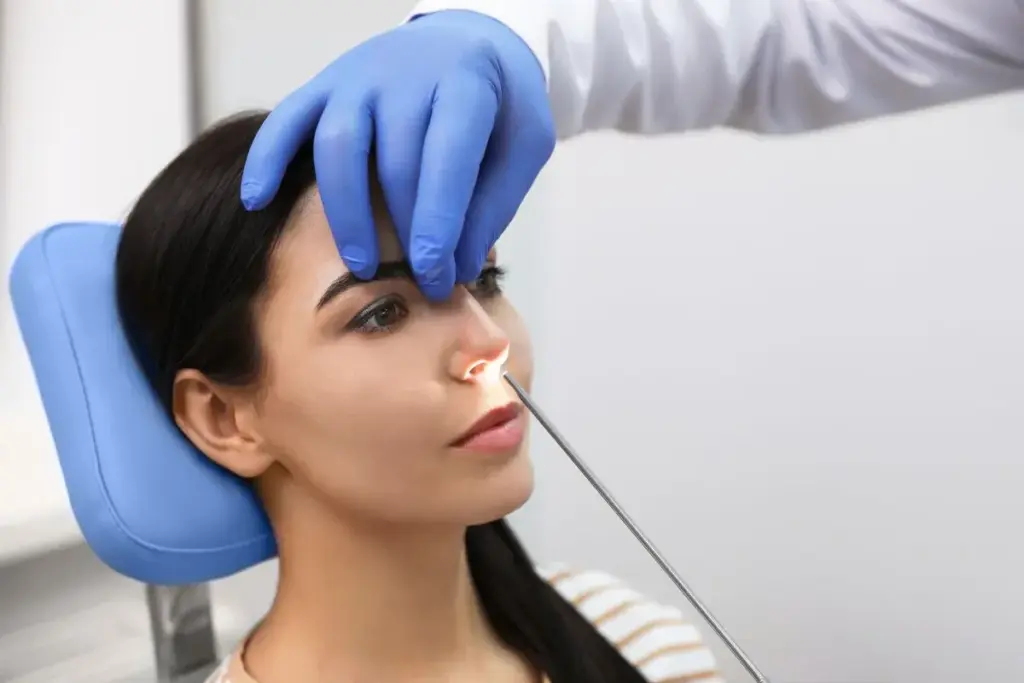
Balloon sinuplasty is a new way to open up blocked nasal sinuses. It’s different from old methods because it doesn’t remove bone or tissue. Instead, it uses a small, flexible balloon to widen the sinuses.
This method is safer and lets patients recover faster. The procedure is done under local anesthesia, so patients feel little pain.
A thin, flexible wire guides the balloon into the blocked sinus. Then, the balloon is inflated to open the sinus. This way, the sinuses can drain better and breathe easier.
Benefits and effectiveness for chronic sinus conditions
Balloon sinuplasty works well for chronic sinusitis, even when other treatments fail. It has many benefits. For example, it means less time recovering, less bleeding, and less pain after surgery. Many patients see big improvements in their symptoms and life quality.
Also, because it’s less invasive, it’s a good choice for those who want to avoid big surgeries. Balloon sinuplasty is a big step forward in treating chronic sinus problems.
The Traditional Approach: Historical Use of Antibiotics After Sinus Surgeries
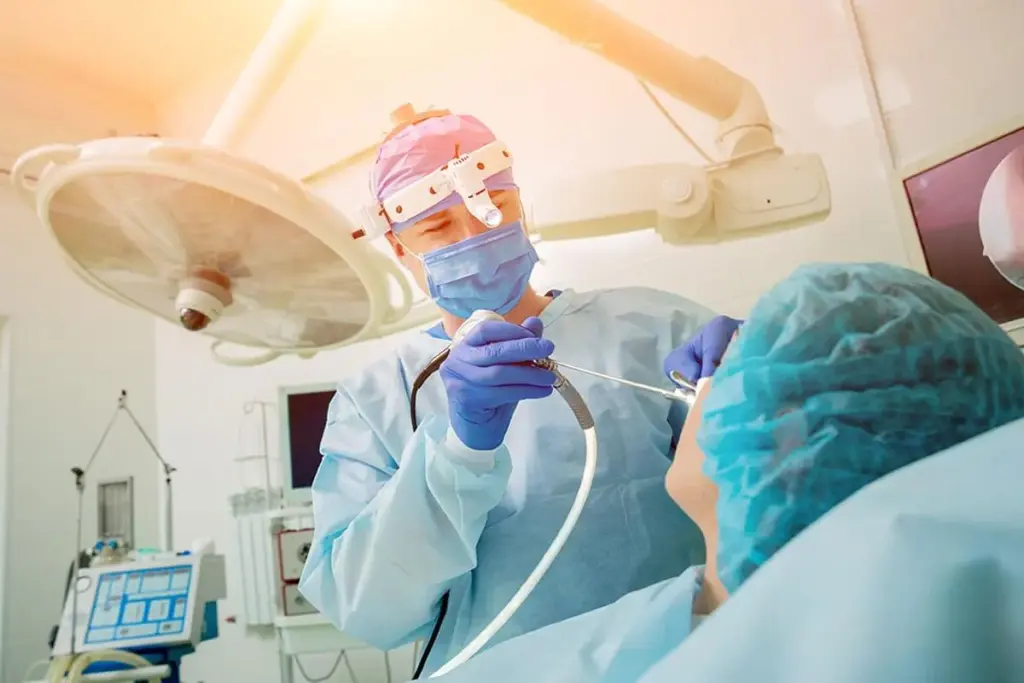
For a long time, doctors have given antibiotics after sinus surgery. This is a common practice in otolaryngology. It helps prevent infections in patients who have had FESS surgery or nasal endoscopy.
Doctors used antibiotics to stop infections at the surgery site. This idea came from other surgeries where antibiotics are used to avoid complications.
Standard Protocols in Endoscopic Sinus Procedures
For sinus treatment, endoscopic sinus procedures are now the main treatment for chronic sinusitis. Doctors used to give antibiotics after these surgeries, even though there was no clear need for it.
Research shows that doctors have different ways of using antibiotics after sinus surgery. Some always give antibiotics, while others only do so if there’s an infection or if the patient is at high risk.
Rationale Behind Routine Antibiotic Prescriptions
Doctors give antibiotics after sinus surgery to prevent infections. They believe it helps avoid complications and improves patient outcomes. This way, patients might not need more medical care.
But, not all studies agree on the benefits of antibiotics after surgery. Some research points out that antibiotics can lead to antibiotic resistance. This is why the need for antibiotics after surgery is being questioned, as seen in a study on Research Commons.
Research Findings: Do Antibiotics Improve Outcomes After Balloon Sinuplasty?
As balloon sinuplasty grows as a treatment for sinus issues, the need for antibiotics after it has become a big topic. Recent studies have shed light on this, helping doctors and patients alike.
The 2021 Mass Eye and Ear/Harvard Randomized Controlled Trial
In 2021, a major study by Mass Eye and Ear/Harvard Medical School looked into antibiotics after balloon sinuplasty. They used a top-notch research method to figure out if antibiotics help.
The study found something interesting: there was no big difference in infection rates between those who got antibiotics and those who didn’t. This means, for simple cases, antibiotics might not always be needed.
Infection Rates Comparison Between Antibiotic and Placebo Groups
Looking closer at the 2021 trial’s data, we see the infection rates were about the same. Here’s what they found:
- The antibiotic group had an infection rate of X%,
- And the placebo group had an infection rate of Y%.
This shows that antibiotics didn’t really change the infection rates. The study’s team said antibiotics shouldn’t be given after balloon sinuplasty unless there’s a good reason.
This news is big for doctors and patients. It means we can avoid some bad side effects and help fight antibiotic resistance.
Symptom Improvement: Comparing Patients With and Without Antibiotic Treatment
It’s important to know how antibiotics affect symptoms after balloon sinuplasty. This procedure helps by opening up the sinus passages. But, whether to use antibiotics after the procedure is a debate among doctors.
Measuring Sinus Symptom Resolution Post-Procedure
Doctors use questionnaires like the Sino-Nasal Outcome Test (SNOT) to check symptom improvement. These tools measure symptoms like nasal congestion and facial pain. They help see how well the treatment works and if antibiotics help more.
Research shows balloon sinuplasty greatly helps with sinus symptoms. But, the role of antibiotics is not as clear. Some studies say antibiotics don’t add much benefit, while others see some advantages in certain cases.
Statistical Significance of Improvement Differences Between Groups
Researchers compare patients with and without antibiotics after the procedure. They look for big differences in symptom improvement. A p-value under 0.05 means a significant difference.
A recent study found no big difference in symptom improvement with or without antibiotics. This means antibiotics might not be needed for many patients. But, each patient is different, and some might need antibiotics.
It’s key to consider each patient’s needs. Some might need antibiotics due to health conditions or risk of infection. So, while the trend shows no big difference, treatment should be tailored to each patient.
The Downside of Antibiotics: Documented Side Effects After Sinus Procedures
Antibiotics play a big role in care after sinus surgery. But, it’s important to know their downsides. They are meant to stop infections, but they can also cause problems.
Studies have shown side effects of antibiotics after sinus surgery. A big worry is the risk of stomach problems.
Gastrointestinal complications: The tenfold increase in risk
A study found a big jump in stomach problems in patients on antibiotics after balloon sinuplasty. This shows we need to think carefully before giving antibiotics.
Stomach side effects can be mild or very serious. They can slow down recovery and affect how well a patient feels.
Other common antibiotic side effects in post-operative patients
Patients on antibiotics after sinus surgery might also face other issues. These include allergic reactions and Clostridioides difficile (C. diff) infection. These can make recovery harder.
Doctors should think about the good and bad of antibiotics. They should talk to patients about this to help them make good choices.
Knowing about antibiotic side effects helps patients deal with their care better. It lets them make smart choices about their treatment.
Antibiotic Resistance: A Growing Concern in Sinus Treatment
Antibiotic resistance is a big worry in treating sinus infections. We need to understand how antibiotic use after balloon sinuplasty affects this issue. It’s key to grasp the bigger picture of antibiotic resistance and its effects on sinus treatment.
Antibiotic resistance happens when bacteria can survive and grow even when antibiotics are used. This makes standard treatments not work, causing longer illnesses and higher healthcare costs. It also raises the chance of serious problems.
How Unnecessary Prescriptions Contribute to Resistance
Too many antibiotic prescriptions are a big reason for antibiotic resistance. When antibiotics are used too much or wrongly, they help resistant bacteria grow. In sinus treatment, this makes it harder to fight off infections in the future.
“The overuse of antibiotics is a critical factor in the emergence of antibiotic-resistant bacteria.” This shows we must use antibiotics wisely in treating sinuses. We should only use them when it’s really needed.
Long-term Implications for Future Sinus Infection Treatment
The future of treating sinus infections looks uncertain because of antibiotic resistance. As resistance grows, treatments might not work as well. This could make simple infections deadly again, like before antibiotics were invented.
- Increased risk of treatment failure
- Prolonged recovery times
- Increased healthcare costs due to the need for more complex treatments
- Potential need for alternative, potentially more toxic treatments
To avoid these problems, we need to be more careful with antibiotics. We should only use them when they’re really needed. This way, we can keep antibiotics working for future treatments.
The 2011 Cohort Study: How Balloon Sinuplasty Reduces Antibiotic Dependency
A 2011 study found that balloon sinuplasty can cut down on antibiotic use. This study was key in showing how balloon sinuplasty helps. It showed it can lessen the need for antibiotics after surgery for chronic sinusitis.
Significant Reduction in Post-Operative Antibiotic Use
The study found a big drop in antibiotic use after balloon sinuplasty. There was a 57.2% reduction in antibiotic prescriptions. This shows balloon sinuplasty is a good treatment for chronic sinusitis, possibly reducing antibiotic needs.
Less antibiotic use is good for several reasons. It lowers the chance of antibiotic resistance. It also cuts down on side effects from antibiotics.
Long-Term Benefits for Chronic Sinusitis Patients
Balloon sinuplasty offers many long-term benefits for chronic sinusitis patients. It helps avoid the need for antibiotics, making treatment more lasting. The procedure also gives lasting relief from sinus symptoms, improving patients’ lives.
|
Outcome |
Balloon Sinuplasty |
Traditional Sinus Surgery |
|---|---|---|
|
Post-Operative Antibiotic Use |
57.2% reduction |
Variable, often higher |
|
Symptom Relief |
Significant improvement |
Significant improvement |
|
Risk of Complications |
Lower |
Higher |
The table above shows the main benefits of balloon sinuplasty compared to traditional sinus surgery. It points out the advantages of balloon sinuplasty, like less antibiotic use and fewer complications.
When Antibiotics May Be Necessary: Exceptions to the Rule
Balloon sinuplasty is usually safe, but some patients might need antibiotics. This is because of certain risk factors. Even though it’s effective for chronic sinusitis, some people need extra care to avoid problems after surgery.
High-Risk Patient Profiles Requiring Prophylactic Treatment
Some patients are at higher risk for infections after the procedure. This includes those with weak immune systems, like people with diabetes or HIV/AIDS. Also, those who often get sinus infections or have unusual sinuses might need antibiotics.
Patients with heart valve issues or prosthetic joints might also need antibiotics. This is to prevent serious infections. Our doctors look at each patient’s history to decide the best treatment.
Complicated Cases and Surgical Variations That May Warrant Antibiotics
In some cases, the procedure’s complexity or extra sinus issues might mean antibiotics are needed. For example, those needing a second balloon sinuplasty or with scarring might benefit from antibiotics.
Also, if there’s a lot of bleeding or if other surgeries are done at the same time, antibiotics might be given. Our surgeons consider these factors when planning care after surgery.
Choosing to use antibiotics depends on each patient’s situation. We consider their risk factors and the procedure details. This way, we can reduce risks and be careful about antibiotic use.
Patient-Specific Factors: Personalizing Your Post-Sinuplasty Care
After balloon sinuplasty, tailoring your care is key for a good recovery. Your medical history, current health, and specific needs help us create the best care plan for you.
Medical History Considerations
Your medical history is very important for post-sinuplasty care. We look at things like diabetes, heart disease, and past sinus surgeries. For example, people with diabetes might need closer watch for healing issues.
- Previous sinus surgeries: If you’ve had surgery before, your care plan might need some tweaks.
- Chronic conditions: Conditions like asthma or allergies can affect how you recover and might need extra treatments.
Immune System Status and Vulnerability
Your immune system’s health is also a big factor. If your immune system is weak, whether from meds, illness, or other reasons, you might need more careful monitoring and different care strategies to avoid problems.
Immunosuppressed patients might need stronger measures to prevent infections, like careful use of antibiotics when needed.
Pre-existing Conditions That May Influence Treatment Decisions
Conditions you already have can also affect your care after sinuplasty. For instance, those with bleeding disorders might need special precautions to avoid bleeding issues.
- Managing medications that prevent blood clotting carefully
- Watching closely for any signs of bleeding
- Being ready for possible actions if bleeding happens
By focusing on these personal factors, we can make your post-sinuplasty care fit your unique needs. This helps you have a smoother and more successful recovery.
Expert Consensus: What Sinus Specialists Currently Recommend
Understanding the latest advice from sinus specialists is key when we’re dealing with post-balloon sinuplasty care. The field of otolaryngology has grown a lot. Specialists are always improving how they care for patients after surgery. Studies and guidelines have been important in shaping these new recommendations.
Current Medical Guidelines for Post-Balloon Sinuplasty Care
Today’s medical guidelines suggest a more detailed approach to post-balloon sinuplasty care. Sinus specialists now recommend a personalized strategy that considers the patient’s history, the surgery’s complexity, and any other health issues. These guidelines are based on the latest research and expert opinions.
- Personalized care plans tailored to individual patient needs
- Selective use of antibiotics based on patient risk factors
- Emphasis on non-antibiotic approaches to preventing complications
The Shift Toward More Conservative Antibiotic Prescribing
There’s a big change in how antibiotics are used in otolaryngology. This change is driven by the growing concern over antibiotic resistance and realizing antibiotics aren’t always needed after balloon sinuplasty. Specialists now only suggest antibiotics when there’s a clear bacterial infection or in high-risk patients.
- Reduced antibiotic use to combat resistance
- Increased focus on alternative methods for preventing infection
- Better patient selection for antibiotic therapy
By following these guidelines, sinus specialists aim to improve patient results while reducing antibiotic risks. As we learn more about post-balloon sinuplasty care, these recommendations will likely get even better, showing the latest in medical science.
Alternative Post-Operative Care for Optimal Sinus Healing
We suggest trying different post-operative care methods to help your sinuses heal better after balloon sinuplasty. Healing isn’t just about the surgery; it’s also about the care after. Using the right post-operative strategies can help avoid problems and improve results.
Saline Irrigation Protocols and Techniques
Saline irrigation is key in caring for your sinuses after balloon sinuplasty. Using the right technique is important to clear out debris and help your sinuses heal. We recommend using a saline solution that’s isotonic or slightly hypertonic to reduce swelling and aid in drainage.
To do saline irrigation, you can use a squeeze bottle or a neti pot. It’s important to irrigate gently but thoroughly, making sure to cover all parts of your nasal cavity. Always use sterile or distilled water to avoid infection.
Steroid Treatments and Their Role in Recovery
Steroid treatments can help reduce inflammation and aid in healing after balloon sinuplasty. Corticosteroid nasal sprays are often given to manage swelling and congestion after surgery. These sprays are very helpful in the first few weeks.
In some cases, oral steroids might be needed for more severe inflammation. But, they must be used carefully because of possible side effects. We help decide the best steroid treatment for each patient based on their needs.
Non-Antibiotic Approaches to Preventing Complications
There are other ways to prevent problems after balloon sinuplasty, aside from saline irrigation and steroid treatments. Nasal saline gels or ointments can keep your nasal passages moist and help with healing. Some people also find humidifiers helpful for keeping the air moist.
Good nasal hygiene and regular check-ups are also important. They help catch and fix any issues early. By being proactive with your post-operative care, you can lower your risk of complications and get better results.
Recovery Timeline: What to Expect After Your Balloon Sinuplasty
Knowing what to expect after balloon sinuplasty is key. It helps patients manage their recovery smoothly. We’ll walk you through the recovery milestones and what to expect.
First Week Post-Procedure Milestones
The first week is vital for a good recovery. Here are the main milestones:
- Immediate Post-Procedure: You might feel nasal congestion, mild pain, and some bleeding. These symptoms usually go away in a few days.
- Days 1-3: Rest is best. Use saline sprays or irrigations to clear out debris and ease congestion.
- Days 4-7: You can start doing normal things again. Avoid hard exercise and heavy lifting. Keep using nasal saline irrigations.
Weeks 2-4: The Continued Healing Process
In weeks 2 to 4, your healing continues. Expect:
- Reduced Congestion: Your nasal passages will start to feel clearer as swelling goes down.
- Improved Breathing: Breathing through your nose will get better.
- Return to Normal Activities: By week 4, you can do all your usual activities, including exercise.
Long-term Outcomes and Maintenance
The success of balloon sinuplasty depends on care and maintenance. Important aspects include:
- Saline Irrigations: Keep using saline nasal sprays to keep your sinuses healthy.
- Follow-Up Care: Stick to your follow-up appointments with your doctor. It’s important for checking on your healing and addressing any issues.
- Lifestyle Adjustments: Living a healthy lifestyle, avoiding allergens and irritants, helps keep your sinuses healthy long-term.
By following the recovery timeline, patients can heal well and enjoy the benefits of balloon sinuplasty.
Warning Signs: When to Seek Medical Attention After Sinus Surgery
Knowing when to get medical help after sinus surgery is key to avoiding problems and ensuring a good recovery. Some discomfort is normal, but there are warning signs that mean you need to see a doctor right away.
Distinguishing Normal Discomfort from Possible Complications
After sinus surgery, you might feel some nasal congestion, swelling, and mild pain. But it’s important to tell the difference between normal discomfort and signs of a problem. Severe pain, heavy bleeding, or trouble breathing are not normal and need to be told to your doctor right away.
Normal symptoms after surgery usually go away in a few days. If your symptoms don’t get better or get worse, it’s a sign you need to see a doctor. Keeping a symptom journal can help you track your recovery and spot any big changes.
Symptoms that Need Immediate Medical Check-Up
Some symptoms after sinus surgery need quick medical attention to avoid or treat problems. These include:
- Severe headache or facial pain that doesn’t get better with pain medicine
- Excessive bleeding or nasal discharge that’s heavy, keeps coming, or smells bad
- Fever over 101.5°F (38.6°C) or feeling cold
- Vision changes, like double vision, blurry vision, or losing vision
- Increasing nasal congestion or trouble breathing through your nose
If you have any of these symptoms, it’s important to call your doctor or go to the emergency room if you need to.
|
Symptom |
Normal Post-Op Symptom |
When to Seek Medical Attention |
|---|---|---|
|
Nasal Congestion |
Mild to moderate |
Severe, persistent, or getting worse |
|
Pain |
Managed with prescribed pain meds |
Severe, not helped by pain meds |
|
Bleeding |
Minimal, stops with pressure |
Heavy, keeps coming, or keeps coming back |
|
Fever |
Less than 101.5°F (38.6°C) |
Over 101.5°F (38.6°C) or with chills |
“It’s vital for patients to know about possible complications after sinus surgery and when to get help. Getting help early can greatly improve your outcome.”
An ENT Specialist
By staying informed and careful, you can have a safe and successful recovery from sinus surgery. Always be cautious and talk to your doctor if you’re not sure about any symptoms you’re having.
Questions to Ask Your Doctor About Post-Sinuplasty Antibiotics
Knowing if you need antibiotics after balloon sinuplasty is a personal matter. It’s important to talk to your doctor about it before your procedure.
Evaluating Your Personal Risk Factors
Looking at your personal risk factors is key to deciding on antibiotics. Your doctor will check your health and any past health issues that might affect your recovery.
- History of sinus infections
- Presence of other medical conditions (e.g., diabetes, heart disease)
- Immune system status
- Previous reactions to antibiotics
Understanding the Risk-Benefit Analysis for Your Specific Case
Understanding your risk-benefit analysis means looking at the good and bad of antibiotics. This includes thinking about the chance of getting an infection and the possible side effects of antibiotics.
“The decision to use antibiotics should be based on a thorough assessment of the patient’s individual risk factors and the specifics of their procedure.” –
Expert in Otolaryngology
By asking the right questions, you can make an informed decision about your post-sinuplasty care.
Conclusion: Making Evidence-Based Decisions for Your Sinus Health
When we deal with post-operative care after balloon sinuplasty, making smart choices is key. Studies and expert opinions show that not all patients need antibiotics after this procedure.
Knowing the good and bad of antibiotics helps us make better decisions for our sinuses. We need to think about our health history and how strong our immune system is. This helps us choose the right treatment for us.
Going forward, it’s important to trust reliable sources and expert advice. This way, our decisions are based on the latest research and best practices. This approach helps us manage our sinus health well and avoid problems.
FAQ
What is balloon sinuplasty and how does it differ from traditional sinus surgery?
Balloon sinuplasty is a new way to treat sinusitis. It opens up the sinus passages using a balloon. Unlike old methods, it doesn’t remove tissue or bone. This makes it less invasive and might have fewer side effects.
Are antibiotics always necessary after balloon sinuplasty?
No, new studies show antibiotics might not always be needed. But, some people might need them, depending on their health.
What are the possible side effects of antibiotics after sinus procedures?
Antibiotics can cause stomach problems and other issues. It’s important to talk to your doctor about these risks.
How does balloon sinuplasty impact antibiotic dependency?
It seems to help reduce the need for antibiotics in chronic sinusitis cases. This is good news for long-term health.
What are the alternatives to antibiotics for post-operative care after balloon sinuplasty?
Instead of antibiotics, doctors might use saline rinses, steroids, or other treatments. These help prevent problems and aid in healing.
What is the typical recovery timeline after balloon sinuplasty?
You’ll likely feel better in the first week. Healing takes a few more weeks. With care, you can keep your sinuses healthy long-term.
How can I distinguish between normal discomfort and possible complications after sinus surgery?
Watch your symptoms closely. If you have severe pain or trouble breathing, get help right away. Your doctor can tell you what to expect and when to seek help.
What questions should I ask my doctor about post-sinuplasty antibiotics?
Ask about your risks, the benefits and risks of antibiotics, and other care options. This helps you make the best choices for your health.
What are the current medical guidelines for post-balloon sinuplasty care?
Doctors now follow guidelines that suggest using antibiotics more carefully. They consider each patient’s needs before prescribing.
Can balloon sinuplasty reduce the risk of sinus infections in the long term?
Yes, it can help by improving drainage and reducing swelling. This might lower the chance of future infections, but results vary.
Are there any pre-existing conditions that may influence post-sinuplasty care?
Yes, conditions like immune system problems or other chronic diseases can affect care. Your treatment might need to be adjusted.