
Did you know that over 30 million adults in the United States are diagnosed with sinusitis each year? It’s one of the most common health complaints.
This condition, known as inflammation or infection of the sinus passages, causes many uncomfortable symptoms. These include sinus pressure and blocked sinuses, making daily life tough.
When sinuses can’t drain, mucus builds up. This leads to congestion, facial pain, and trouble breathing. It’s important to understand the causes and find ways to get sinus relief.
Key Takeaways
- Sinusitis affects millions of adults in the US annually.
- It is characterized by inflammation or infection of the sinus passages.
- Symptoms include sinus pressure and blocked sinuses.
- Proper drainage is key to managing sinusitis.
- Understanding the causes is vital for effective sinus relief.
Understanding Your Sinuses and Their Function
It’s important to know about the sinuses and their role in our health. The sinuses are a complex system that plays a vital role in our overall health.
Anatomy of the Sinuses
The sinuses are air-filled cavities inside the nose’s passages. There are four pairs: frontal, maxillary, ethmoid, and sphenoid. Each sinus has a mucous membrane that makes mucus. This mucus helps humidify the air and filters out dust, bacteria, and other pathogens.
The frontal sinuses are in the forehead, and the maxillary sinuses are in the cheeks. The ethmoid sinuses are between the nose and eyes, and the sphenoid sinuses are behind the nasal cavity. Knowing the sinus anatomy helps us understand how they work.
Normal Sinus Drainage Process
The normal sinus drainage process moves mucus from the sinuses to the nasal cavity. Tiny hair-like structures called cilia help move the mucus. They push it out of the sinuses and into the nasal passages, where it can be expelled or swallowed.
In a healthy person, the sinuses drain well, and mucus is cleared efficiently. But when the sinuses get inflamed or infected, drainage problems can occur. This can lead to sinusitis.
Common Causes of Sinus Drainage Problems
It’s important to know why sinus drainage issues happen. These problems can come from many sources. They include structural issues, environmental factors, and health conditions.
Structural Issues
Problems with the sinuses’ shape can affect how they drain. A deviated nasal septum can block the way. Also, nasal polyps can grow in the nasal passage and block the sinuses.
Other problems include enlarged turbinate bones. These can block airflow and drainage. Sometimes, surgery is needed to fix these issues and help the sinuses drain properly.
Environmental Factors
Things around us can affect our sinuses. Pollutants, cigarette smoke, and strong odors can irritate them. Weather changes, like cold or dry air, can make sinus problems worse.
Allergens like dust, pollen, and pet dander can cause allergic reactions. This leads to nasal congestion and sinus pressure. It’s important to avoid these triggers to keep the sinuses healthy.
Health Conditions
Many health issues can lead to sinus problems. Respiratory infections like the common cold and flu can cause inflammation and congestion. Allergies can also cause sinus issues.
Gastroesophageal reflux disease (GERD) can irritate the nasal passages and sinuses. This can lead to drainage problems. Some medications, like decongestants, can have rebound effects that make congestion worse over time.
A specialist says, “Finding and managing health conditions is key to solving sinus drainage problems.”
“The relationship between sinus health and overall well-being is complex, and addressing sinus issues often requires a broad approach that looks at many factors.”
The Connection Between Allergies and Sinus Drainage
It’s important to know how allergies affect our sinuses. This knowledge helps us manage sinusitis symptoms and live better. Allergies, whether they come and go with the seasons or stick around all year, can really mess with our sinuses. They can cause nasal congestion and sinus pressure.
Seasonal Allergies
Seasonal allergies are often caused by pollen from trees, grasses, and weeds. This pollen can make our nasal passages inflamed. This inflammation can block the normal flow of mucus, leading to sinus drainage problems. Symptoms include:
- Nasal congestion
- Runny nose
- Sneezing
- Sinus pressure
To avoid sinusitis symptoms during peak pollen seasons, it’s important to manage seasonal allergies. Stay indoors when pollen counts are high. Also, use antihistamines to control allergic reactions.
Perennial Allergies
Perennial allergies happen all year and are often caused by indoor allergens. These can include dust mites, pet dander, and mold. They can also cause nasal inflammation and sinus drainage problems. To manage perennial allergies, try:
- Using allergen-proof bedding
- Keeping pets out of bedrooms
- Regularly cleaning and reducing humidity to prevent mold growth
By controlling exposure to these allergens, we can lower our risk of sinusitis symptoms.
In conclusion, both seasonal and perennial allergies can affect our sinuses. Understanding their causes and managing them can help us avoid sinusitis symptoms. This improves our overall quality of life.
Sinus Infection: Types, Causes, and Complications
It’s key to know about sinus infections to avoid complications. These infections happen when the sinuses get inflamed or infected. This usually comes from viruses, bacteria, or fungi.
Viral vs. Bacterial Infections
Sinus infections can be viral or bacterial. Viral sinusitis is common and often comes from a cold or flu. It usually gets better in a few weeks.
Bacterial sinusitis needs antibiotics because it’s caused by bacteria. Knowing the difference is important for the right treatment.
Telling viral from bacterial sinusitis can be hard because symptoms are similar. But, bacterial infections might need treatment if symptoms get worse or if the nasal discharge is thick and colored.
Fungal Sinus Infections
Fungal sinusitis is rare but serious, mainly for those with weak immune systems. It might need special medicine or surgery.
People with weakened immune systems, like those with HIV/AIDS or on chemotherapy, are at higher risk. Quick diagnosis and treatment are vital to avoid serious problems.
Potential Complications
Untreated sinus infections can cause big problems. These include chronic sinusitis lasting over 12 weeks. Rarely, they can lead to meningitis or osteomyelitis by spreading to the brain or bones.
Another risk is nasal polyps, which block the nasal passages and sinuses. This makes symptoms worse. It’s important to see a doctor if symptoms don’t get better or get worse.
Recognizing Symptoms of Blocked Sinuses
It’s important to know the signs of sinusitis to manage it well. Blocked sinuses can cause a lot of discomfort and pain. These symptoms can really affect your daily life.
Common Symptoms
The signs of blocked sinuses include sinus congestion, sinus headache, and facial pain. These happen because of mucus buildup and pressure in the sinuses.
Look out for these symptoms:
- Persistent nasal congestion
- Thick nasal discharge
- Facial pressure and pain
- Headaches, mainly in the forehead and cheeks
- Coughing and sore throat
- Fatigue and feeling unwell
These symptoms can really lower your quality of life. It’s important to find and fix the cause.
Differentiating from Other Conditions
It’s key to tell sinusitis symptoms from other conditions. Migraines, allergies, and the common cold can have similar signs. This makes it hard to diagnose.
|
Symptom |
Sinusitis |
Common Cold/Allergies |
Migraine |
|---|---|---|---|
|
Nasal Congestion |
Common |
Common |
Rare |
|
Facial Pain |
Common |
Rare |
Sometimes |
|
Headache |
Common |
Sometimes |
Common |
|
Fever |
Sometimes |
Sometimes |
Rare |
Knowing these differences helps find the right treatment. If symptoms last or are severe, see a doctor for a proper diagnosis.
Understanding Chronic Sinusitis and Its Impact
Chronic sinusitis is more than just a long-term version of acute sinusitis. It deeply affects the lives of those who have it. It’s a condition that changes how people live every day.
Defining Chronic Sinusitis
Chronic sinusitis means the sinuses are inflamed for over 12 weeks. It causes symptoms like nasal congestion, facial pain, and a bad sense of smell. The American Academy of Allergy, Asthma, and Immunology says it affects many adults in the U.S.
“Chronic sinusitis affects not just the sinuses but the whole body,” says an expert. It’s linked to other respiratory diseases, like asthma. This shows we need to treat it in a complete way.
Causes of Persistent Inflammation
Many things can cause chronic sinusitis. These include:
- Anatomical abnormalities, like a deviated septum
- Allergies and allergic reactions
- Respiratory infections and immune system disorders
- Exposure to pollutants and irritants
It’s important to find and fix these causes to manage chronic sinusitis well. Treatment often includes medicine and changes in how we live.
Quality of Life Implications
Chronic sinusitis can really hurt a person’s quality of life. It can make it hard to focus, disrupt sleep, and cause emotional problems. A study found it can make life as hard as diseases like diabetes or heart disease.
Managing chronic sinusitis well is key to improving daily life. This means not just medicine but also making lifestyle changes and practicing self-care to lessen symptoms and boost well-being.
The Impact of Nasal Congestion on Sinus Health
It’s important to understand how nasal congestion affects sinus health. This knowledge helps in managing it effectively.
How Congestion Blocks Drainage
Nasal congestion can block the normal drainage of sinuses. When the nasal passages are blocked, mucus can’t drain well. This leads to a buildup.
This buildup causes pressure and discomfort. If it lasts too long, it can lead to serious problems.
The Cycle of Congestion and Infection
Nasal congestion and sinus infections are linked in a cycle. Congestion makes it hard for mucus to drain, raising the risk of infection.
When an infection happens, it makes congestion worse. This creates a cycle that’s hard to stop without the right treatment.
|
Factors Contributing to Nasal Congestion |
Impact on Sinus Health |
|---|---|
|
Anatomical Issues (e.g., deviated septum) |
Increased risk of sinus infection due to impaired drainage |
|
Allergies and Environmental Factors |
Inflammation and congestion leading to sinus pressure |
|
Infections (viral, bacterial, fungal) |
Direct cause of sinusitis, potentially leading to chronic conditions |
To break this cycle, we need to tackle both congestion and its causes. This might involve medical treatments, lifestyle changes, or a mix of both.
Diagnosing Sinus Drainage Problems
Getting a correct diagnosis for sinusitis is key to treating it well. It involves a physical check-up, looking at your medical history, and doing tests. Knowing the causes and symptoms of sinus drainage issues is important.
Physical Examination
A doctor’s first step is usually a physical check-up. They look at your nasal passages and sinuses for signs of trouble. They might use a nasal endoscope to see inside your sinuses.
Imaging Tests
Imaging tests help confirm the diagnosis and see how bad the sinus problem is. Here are some common ones:
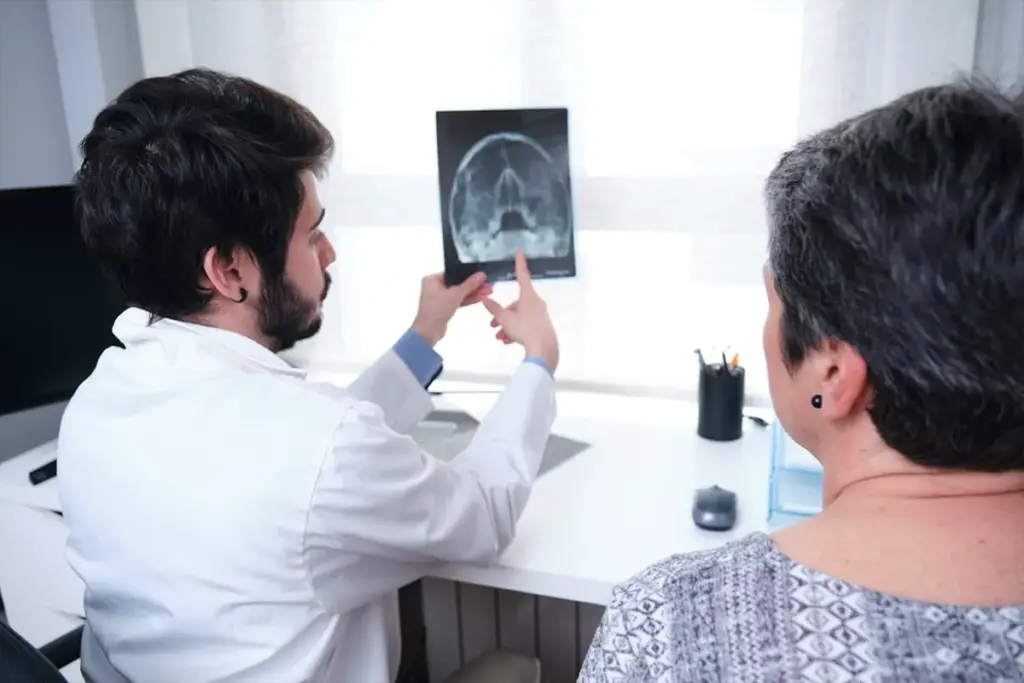
- X-rays: Show if there’s inflammation or fluid in the sinuses.
- CT scans: Give detailed pictures of the sinuses to spot any problems.
- MRI: Helps check soft tissue issues in some cases.
|
Imaging Modality |
Use in Sinusitis Diagnosis |
Key Benefits |
|---|---|---|
|
X-rays |
Initial assessment of sinus inflammation |
Quick, widely available |
|
CT scans |
Detailed evaluation of sinus structure and complications |
High resolution, thorough assessment |
|
MRI |
Evaluation of soft tissue abnormalities |
Great for soft tissue, no radiation |
Allergy Testing
If allergies might be causing sinusitis, you might get tested for them. This could be a skin prick test or a blood test. Knowing if allergies play a part helps doctors plan your treatment.
By using these methods, doctors can figure out what’s wrong with your sinuses. Then, they can make a treatment plan that works for you.
Medical Treatments for Sinusitis and Drainage Issues
It’s important to know the medical treatments for sinusitis and drainage problems. These treatments include medicines to manage symptoms and therapies to reduce inflammation. They help improve how well the sinuses drain.
Antibiotics for Bacterial Infections
For bacterial sinusitis, antibiotics are often needed. They kill or slow down bacteria, helping to lessen the infection. It’s key to use antibiotics wisely to avoid resistance.
Decongestants and Expectorants
Decongestants reduce swelling in the nose, making breathing easier. Expectorants thin mucus, making it simpler to cough up. These medicines can greatly ease sinus pressure and congestion.
Corticosteroids
Corticosteroids are strong anti-inflammatory drugs. They’re good for chronic sinusitis or when allergies play a part. They can be used as nasal sprays or pills, depending on the situation.
Antihistamines
Antihistamines help with allergy-related sinusitis. They block histamine, a body chemical that causes allergy symptoms. This can reduce sneezing, runny nose, and itchy eyes.
Knowing the medical treatments helps people work with their doctors. Together, they can create a treatment plan that fits the individual’s needs.
Effective Methods to Relieve Sinus Pressure
There are many ways to ease sinus pressure. You can try medical treatments or home remedies. Both can help improve your sinus health and reduce discomfort.
Over-the-Counter Options
Over-the-counter (OTC) medicines are a good start. They include decongestants, pain relievers, and saline nasal sprays. Decongestants help you breathe easier by reducing nasal congestion. Pain relievers can help with headaches and facial pain caused by sinus pressure.
Popular OTC choices are pseudoephedrine (Sudafed) and phenylephrine (Sudafed PE) for decongestants. Acetaminophen (Tylenol) or ibuprofen (Advil, Motrin) are good for pain. Saline nasal sprays or drops keep your nasal passages moist and help drainage.
Prescription Medications
For serious sinus pressure, you might need prescription meds. These include stronger decongestants, corticosteroids to reduce swelling, and antibiotics for bacterial infections.
Corticosteroids like fluticasone (Flonase) can lessen nasal inflammation. Antibiotics, such as amoxicillin, fight bacterial sinus infections. Always talk to a doctor to find the right medicine and dosage.
Physical Techniques
There are also physical ways to ease sinus pressure. Try steam inhalation, nasal irrigation, and warm compresses on your face.
Steam inhalation helps loosen mucus and eases congestion. You can use a bowl of hot water or a steam inhaler. Nasal irrigation with a saline solution removes mucus and debris. Warm compresses on your face can also help loosen mucus and ease pressure.
|
Method |
Description |
Benefits |
|---|---|---|
|
Steam Inhalation |
Breathing in warm, moist air |
Loosens mucus, reduces congestion |
|
Nasal Irrigation |
Flushing nasal passages with saline solution |
Clears mucus and debris, promotes drainage |
|
Warm Compresses |
Applying heat to the face |
Eases sinus pressure, loosens mucus |
Surgical Options for Chronic Sinus Problems
Surgical treatments for chronic sinus issues have improved a lot. Now, patients have more choices than ever. For those with ongoing sinus drainage problems, surgery can really help.
Endoscopic Sinus Surgery
Endoscopic sinus surgery is a new, less invasive method. It uses a flexible or rigid endoscope to see inside the sinuses. Surgeons can:
- Remove diseased tissue or bone blocking the sinuses
- Make the sinus passages bigger for better drainage
- Fix any anatomical issues causing sinus problems
This surgery has smaller cuts, less pain after, and faster healing than old methods.
Balloon Sinuplasty
Balloon sinuplasty is another way to treat chronic sinusitis. It involves:
- Putting a small balloon catheter into the blocked sinus passage
- Expanding the passage with the balloon
- Flushing the sinus with saline to remove debris
This procedure is often done under local anesthesia. It’s good for patients with mild sinus disease. It’s known for being:
- Very minimally invasive
- Having fewer risks
- Leading to quick recovery
Both endoscopic sinus surgery and balloon sinuplasty are effective for chronic sinus problems. The right choice depends on the patient’s condition and the severity of their sinus disease. An ear, nose, and throat (ENT) specialist will decide based on these factors.
Home Remedies for Sinus Relief and Improved Drainage
For those with sinus congestion, home remedies can help a lot. Simple methods can improve how your sinuses work. This makes it easier to breathe and feel better.
Nasal Irrigation Methods
Nasal irrigation clears out mucus and debris. It uses a neti pot or a squeeze bottle with saline. Doing this regularly can lessen sinus pressure and congestion.
Steam Inhalation
Steam inhalation is great for sinus relief. It loosens mucus, making it easier to get rid of. You can use a bowl of hot water, a steam humidifier, or a hot shower. Adding eucalyptus oil to the water makes it even better because it’s a natural decongestant.
Warm Compresses
Warm compresses on your face can ease sinus pain. The warmth increases blood flow and loosens mucus. Just soak a cloth in warm water, wring it out, and apply it to your face for a few minutes. Do this as often as you need to.
Hydration and Nutrition
Drinking lots of water is key for healthy sinuses. It makes mucus thinner, making it easier to drain. Eating foods full of antioxidants and omega-3 fatty acids also helps. A balanced diet and enough water keep your sinuses in good shape.
Adding these home remedies to your daily routine can really help. You’ll feel better and enjoy life more.
Lifestyle Changes to Prevent Sinus Inflammation
Our lifestyle choices greatly affect our sinus health. Making smart changes can stop inflammation. Knowing what causes sinusitis helps us keep our sinuses healthy.
Environmental Modifications
Changing our environment is key. We can use air purifiers to clean the air. Keeping our homes clean reduces dust and mold. And, we should avoid strong chemicals and fragrances.
Tips for Environmental Modifications:
- Use HEPA filters in air conditioning and vacuum cleaners
- Regularly clean and inspect areas prone to moisture
- Avoid strong odors and chemicals
Dietary Considerations
What we eat is important for our sinuses. Eating fruits, vegetables, and whole grains boosts our immune system. Some foods even fight inflammation.
|
Food |
Benefit |
|---|---|
|
Omega-3 rich foods (salmon, walnuts) |
Anti-inflammatory effects |
|
Vitamin C rich foods (oranges, bell peppers) |
Boosts immune system |
|
Antioxidant-rich foods (berries, green tea) |
Reduces oxidative stress |
Sleep Position Adjustments
How we sleep affects our sinuses. Sleeping with our head elevated helps mucus drain better.
Tips for Better Sleep:
- Use an extra pillow to elevate your head
- Avoid sleeping on your back to reduce congestion
- Consider using a wedge pillow for support
By making these lifestyle changes, we can lower our risk of sinus inflammation. This improves our overall well-being.
When to See a Doctor for Sinus Symptoms
Knowing when to see a doctor for sinus symptoms is key. Many sinus problems can be treated at home. But, some need a doctor’s help to avoid serious issues or find the root cause.
Warning Signs of Serious Complications
Some sinus symptoms mean you need to see a doctor right away. These include:
- Severe headache or facial pain that doesn’t get better
- High fever (usually above 102°F) that lasts
- Swelling or redness around the eyes
- Nasal discharge that is thick, green, or bloody
- Difficulty breathing or feeling short of breath
- Confusion or disorientation, which can mean the infection is spreading
Persistent Symptoms Requiring Medical Attention
Even mild sinus problems can affect your life a lot. They might show a deeper issue that needs treatment. See a doctor if you have:
- Prolonged sinusitis that lasts more than 7-10 days
- Recurring sinus infections all year
- Chronic nasal congestion or constant postnasal drip
- Loss of smell or taste that doesn’t go away
A doctor can figure out what’s wrong and suggest the right treatment. This could be antibiotics, antihistamines, or other steps to help you feel better and prevent future problems.
Special Considerations for Different Populations
Sinusitis affects people in different ways, needing special treatment plans. It impacts various age groups and health conditions differently. This means each person needs a treatment plan that fits their needs.
Children and Sinus Issues
Children often get sinus infections because their immune systems are not fully developed. Recurrent sinusitis in children might point to allergies or other issues. It’s important to find out why.
- It’s hard to diagnose sinusitis in kids because they can’t explain their symptoms well.
- Treatment for kids usually includes antibiotics, nasal sprays, and rinsing their noses with salt water.
Elderly Patients
Older adults face more risks from sinusitis because their immune systems weaken with age. Chronic sinusitis can make breathing problems like COPD worse.
- Doctors might use stronger antibiotics and watch for serious problems in older patients.
- Drinking more water and using nasal sprays with salt can help too.
Individuals with Compromised Immune Systems
People with weak immune systems, like those with HIV/AIDS or on chemotherapy, are more likely to get sinusitis. They also face serious complications.
- It’s key to avoid allergens and keep clean to prevent infections.
- They might need antifungal meds for fungal sinusitis, which is common in them.
Healthcare providers need to understand these special needs. This helps them create treatment plans that really work for each group.
Conclusion: Managing Sinus Health for Better Quality of Life
Keeping your sinuses healthy is key to feeling good and avoiding serious problems. Knowing what causes sinus issues, spotting symptoms early, and trying different treatments can help. This way, you can take charge of your sinus health.
Handling sinusitis well means using medicine, changing your lifestyle, and trying home remedies. This includes taking decongestants and steroids, rinsing your nose, and avoiding things that make your sinuses worse. These steps can help you feel better and prevent infections from coming back.
By following these tips, you can make your life better. It’s important to talk to a doctor for advice, though. This is true if you have chronic sinusitis or other health issues.
Being proactive about your sinus health can really make a difference. It lets you breathe easier, feel less pain, and enjoy better health overall.
FAQ
What is sinusitis and how does it affect daily life?
Sinusitis is when the sinuses get inflamed or infected. This can cause nasal congestion, headaches, and facial pain. It makes everyday activities hard and affects your overall health.
How do sinuses normally drain, and what can go wrong?
Sinuses drain mucus into the nasal passages through small channels. Problems like anatomical issues, allergies, or infections can block this. This leads to sinus problems.
Can allergies cause sinus drainage problems?
Yes, allergies can cause sinus drainage issues. They lead to nasal congestion and more mucus. This can cause sinusitis symptoms.
What are the different types of sinus infections, and what are their causes?
There are viral, bacterial, and fungal sinus infections. Viral infections are common. Bacterial infections are more severe and may need antibiotics. Fungal infections are rare but serious, mainly in people with weak immune systems.
How can I tell if I have a sinus infection or just a cold?
Look for signs like persistent nasal congestion, thick yellow or green discharge, facial pain, and headaches. If these last more than a week or are severe, it might be a sinus infection.
What is chronic sinusitis, and how is it different from acute sinusitis?
Chronic sinusitis lasts more than 12 weeks. It’s not just from a viral or bacterial infection. It can be caused by allergies, anatomical issues, and ongoing inflammation.
How is sinusitis diagnosed?
Doctors use a physical exam, nasal endoscopy, imaging tests like CT scans, and sometimes allergy testing. This helps find the cause.
What are the treatment options for sinusitis and drainage issues?
Treatments include antibiotics for bacterial infections, decongestants, corticosteroids, and antihistamines for allergies. Sometimes, surgery like endoscopic sinus surgery or balloon sinuplasty is needed.
How can I relieve sinus pressure at home?
Use over-the-counter decongestants, steam inhalation, nasal irrigation with saline, and warm compresses on the face. These can help relieve sinus pressure.
Are there lifestyle changes that can help prevent sinus inflammation?
Yes, avoid allergens, use a humidifier, stay hydrated, and adjust your sleep position. These can help prevent sinus inflammation.
When should I see a doctor for sinus symptoms?
See a doctor for severe symptoms, symptoms lasting more than a week, or signs of complications like severe headache or fever.
Are there special considerations for managing sinus health in different populations?
Yes, children, the elderly, and those with weak immune systems need special care. They face unique challenges and vulnerabilities in managing sinus health.
Can sinusitis be managed without surgery?
Many cases of sinusitis can be managed with medical treatments and lifestyle changes. But, some cases, like those with significant anatomical issues or chronic conditions, may need surgery.
References
National Center for Biotechnology Information. Evidence-Based Medical Insight. Retrieved from https://www.ncbi.nlm.nih.gov/books/NBK547701/