
Millions of people worldwide suffer from chronic sinusitis. It causes ongoing discomfort and affects daily life. If you’re struggling with recurring sinus issues, finding the right doctor for sinusitis treatment is key sinus infection treatment.
Choosing the right doctor for chronic sinusitis can be tough. There are many treatment options. This article will help you find the right doctor and learn about sinus infection treatment options.
Key Takeaways
- Understanding the causes and symptoms of chronic sinusitis
- Knowing the different types of doctors to consult for sinusitis treatment
- Exploring various treatment options for chronic sinusitis
- Learning about the importance of seeking professional help for sinusitis remedies
- Discovering the benefits of consulting a specialist for chronic sinusitis
Understanding Chronic Sinusitis
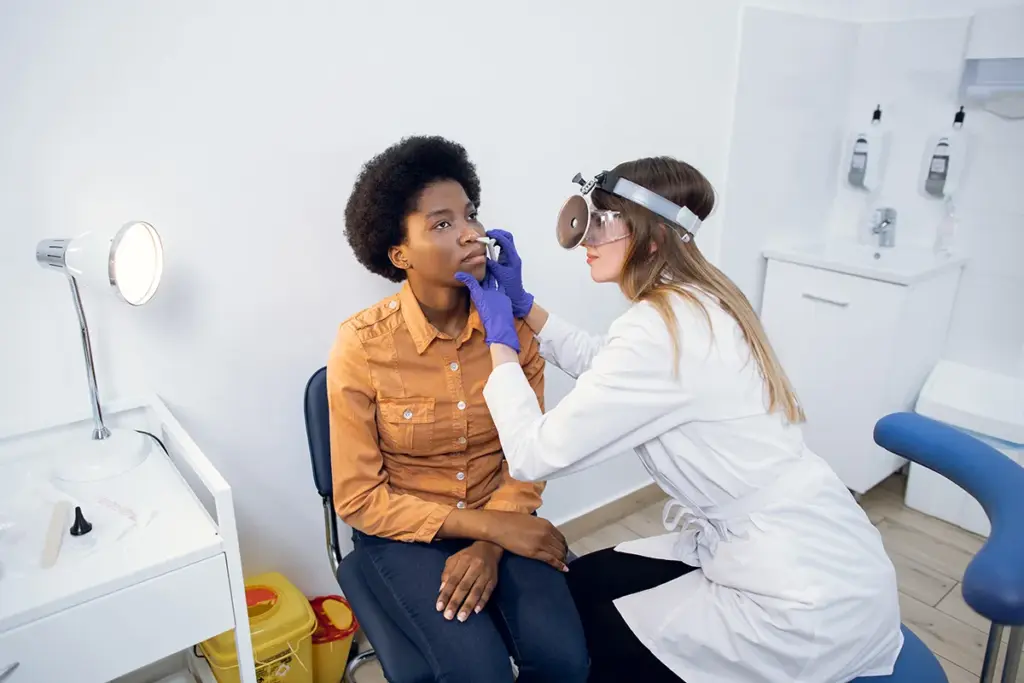
Chronic sinusitis is more than just a cold or allergy. It’s a serious condition that can really affect your life. Knowing about it is key for those dealing with its tough symptoms.
What is Chronic Sinusitis?
Chronic sinusitis means your sinuses are inflamed for over 12 weeks. This can cause many symptoms that hurt your nose and overall health.
The sinuses are air-filled spaces in your face, around your nose and eyes. If they get inflamed or infected, you might feel pressure, pain, and congestion.
Causes of Chronic Sinusitis
There are many reasons for chronic sinusitis. Infections like viruses, bacteria, or fungi can cause it. If not treated, they can lead to long-term inflammation.
Allergies also play a big role. They can make sinusitis symptoms worse. Problems like a deviated septum or nasal polyps can also cause it.
|
Cause |
Description |
Impact on Sinusitis |
|---|---|---|
|
Infections |
Viral, bacterial, or fungal infections |
Can lead to chronic inflammation if not properly treated |
|
Allergies |
Allergic reactions to substances like pollen or dust |
Can trigger or worsen sinusitis symptoms |
|
Anatomical Issues |
Deviated septum, nasal polyps, etc. |
Can obstruct sinus drainage, contributing to chronic sinusitis |
Common Symptoms and Warning Signs
Knowing the symptoms of chronic sinusitis is important. Symptoms include nasal congestion, facial pain, loss of smell, and thick discharge.
Other signs are headaches, bad breath, feeling tired, and coughing. These can really mess up your day and how you feel.
Understanding chronic sinusitis is the first step to managing it. By knowing the causes and symptoms, you can get the right help. This can help you feel better and live better.
Primary Care Physicians: Your First Stop

If you have chronic sinusitis, start by seeing your primary care physician. They can do the first check-up and tell you what to do next.
When to Consult Your Family Doctor
See your family doctor if you have long-lasting sinus pressure, congestion, or keep getting sinus infections. They will check your symptoms and decide the best action.
Common scenarios that warrant a visit to your primary care physician include:
- Prolonged sinus congestion or pressure
- Recurring sinus infections
- Failure of over-the-counter medications to alleviate symptoms
What to Expect During Your Initial Visit
Your primary care physician will do a full check-up. They will look at your medical history and do a physical exam. They might also order tests to find out why you have sinusitis.
A typical initial visit may involve:
- A detailed medical history to identify any underlying conditions
- A physical examination, focusing on the nasal passages and sinuses
- Discussion of your symptoms and their impact on your daily life
Referral Process to Specialists
If your primary care physician thinks you need more specialized care, they will send you to the right specialist. This could be an ENT specialist, allergist, or another expert.
|
Condition |
Potential Specialist |
|---|---|
|
Chronic or severe sinusitis |
Otolaryngologist (ENT) |
|
Allergy-related sinusitis |
Allergist |
|
Respiratory complications |
Pulmonologist |
It’s important to know how primary care physicians help with chronic sinusitis. They are the first to treat and guide you to see specialists if needed.
Otolaryngologists (ENT): Specialists for Sinus Problems
Otolaryngologists, or ENT specialists, are key in diagnosing and treating sinusitis. They are vital for complex cases or when initial treatments fail. Their expertise helps patients with severe symptoms.
Why ENT Doctors Are Crucial for Sinusitis Treatment
ENT doctors are vital for sinusitis treatment. They know a lot about the ear, nose, and throat. They can find and treat problems like nasal polyps or anatomical issues.
Key benefits of consulting an ENT specialist include:
- Accurate diagnosis through advanced diagnostic tools
- Personalized treatment plans tailored to the patient’s condition
- Expertise in both medical and surgical treatments for sinusitis
Specialized Training and Expertise
Otolaryngologists get a lot of training. They go to medical school and then do specialized residency programs. This training helps them handle complex sinusitis cases.
|
Specialization |
Description |
|---|---|
|
Otolaryngology |
Study of ear, nose, and throat disorders |
|
Sinus Surgery |
Surgical procedures to correct sinus issues |
|
Allergy Treatment |
Management of allergies contributing to sinusitis |
When Your Primary Care Physician Should Refer You to an ENT
If your primary care doctor thinks your sinusitis isn’t getting better, they might send you to an ENT. This is a big step towards getting the right care.
Knowing when to see an otolaryngologist helps patients manage their sinusitis better. It improves their quality of life.
Allergists: Addressing Underlying Allergic Causes
Managing chronic sinusitis starts with finding and treating allergies. Allergists are key in this process. They help patients find their allergy triggers and treat them to ease symptoms.
The Connection Between Allergies and Chronic Sinusitis
Allergies and chronic sinusitis are closely related. When someone with allergies breathes in allergens like pollen or pet dander, their immune system gets upset. This leads to swelling in the nasal passages and sinuses, making sinusitis symptoms worse.
Common allergens that may cause sinusitis include:
- Pollen from trees, grasses, and weeds
- Dust mites and their waste products
- Pet dander
- Mold spores
Allergy Testing Procedures
To find out what allergens are causing symptoms, allergists use allergy testing procedures. These include:
|
Testing Method |
Description |
|---|---|
|
Skin Prick Test |
A small amount of an allergen is placed on the skin, and the skin is pricked with a small needle to observe the reaction. |
|
Intradermal Test |
A small amount of allergen is injected just beneath the skin to assess the reaction. |
|
Blood Tests |
Measures the level of allergy-related antibodies in the blood. |
Immunotherapy and Other Allergy Treatments
After finding the allergens, immunotherapy and other treatments start. Immunotherapy, or allergy shots, involves regular injections of small amounts of the allergen. This helps the patient get used to it over time.
Other treatments might include sublingual immunotherapy (under-the-tongue tablets or drops) and medicines to control symptoms. By tackling the root cause of allergies, patients can see a big improvement in their sinusitis symptoms.
Pulmonologists: For Related Respiratory Issues
Pulmonologists are key in handling respiratory problems linked to chronic sinusitis. They help manage issues that chronic sinusitis can cause or make worse. Their expertise is essential for a complete care plan.
When Sinusitis Affects Your Lungs
Chronic sinusitis can sometimes cause lung problems, like bronchitis or worsening asthma. A pulmonologist can take care of these issues. They make sure both the sinusitis and lung problems are treated.
Pulmonary Function Tests
Pulmonologists use tests like pulmonary function tests (PFTs) to check lung health. These tests help find lung diseases. They guide treatment and check if it’s working.
Coordinating Care Between Specialists
Managing chronic sinusitis and lung issues needs a team effort. Pulmonologists work with otolaryngologists and allergists. They make sure all parts of a patient’s health are treated well.
Adding pulmonologists to a patient’s care team helps a lot. It leads to a more complete treatment plan. This plan tackles both the sinus infection and its impact on overall health.
Rheumatologists: For Autoimmune-Related Sinusitis
Autoimmune disorders can sometimes cause chronic sinusitis. This means you might need to see a rheumatologist for the right diagnosis and treatment. Rheumatologists are experts in treating conditions where the body’s immune system attacks its own tissues.
Autoimmune Conditions That Can Cause Sinusitis
Several autoimmune diseases can lead to sinusitis, including:
- Granulomatosis with Polyangiitis (GPA): A condition that inflames blood vessels and can affect the sinuses.
- Rheumatoid Arthritis (RA): Though mainly affecting joints, RA can also cause sinusitis in some patients.
- Sjögren’s Syndrome: An autoimmune disorder that can lead to dryness in the eyes and mouth, and sometimes sinusitis.
Diagnostic Approaches for Autoimmune Sinusitis
Diagnosing autoimmune-related sinusitis involves a combination of clinical evaluation, laboratory tests, and sometimes imaging studies. Key diagnostic approaches include:
|
Diagnostic Method |
Description |
|---|---|
|
Blood Tests |
To detect specific antibodies associated with autoimmune diseases. |
|
Imaging Studies |
CT scans or MRIs to assess the extent of sinus involvement and possible damage to surrounding structures. |
|
Biopsy |
In some cases, a tissue biopsy may be necessary to confirm the presence of an autoimmune condition affecting the sinuses. |
Treatment Strategies for Underlying Autoimmune Disorders
Treatment for autoimmune-related sinusitis focuses on managing the underlying autoimmune condition. This may involve:
- Immunosuppressive Medications: To reduce the immune system’s abnormal response.
- Corticosteroids: To decrease inflammation in the sinuses and other affected areas.
- Biologic Therapies: Targeted treatments that can help control specific aspects of the autoimmune response.
By addressing the root cause of sinusitis, rheumatologists can help alleviate symptoms and improve the quality of life for patients with autoimmune-related sinusitis.
Infectious Disease Specialists: For Complicated Infections
Infectious disease specialists are key in treating tough sinus infections. They know how to handle complex infections, even those from rare pathogens.
When Standard Treatments Fail
Patients with chronic sinusitis try many treatments, like antibiotics. But if these don’t work, seeing an infectious disease specialist is a good idea. Antibiotic resistance is a big problem, and these experts find the best treatments.
Studies show antibiotics like Fod CV 200mg/125mg Tablet help with bacterial sinus infections. But, how well they work depends on the bacteria.
Identifying Unusual Pathogens
Infectious disease specialists can find rare causes of sinus infections. They use detailed tests, like cultures and sensitivity tests, to find the infection’s source.
- Advanced lab tests to find the specific pathogen
- Looking at the patient’s history to find where the infection came from
- Working with other doctors, like ear, nose, and throat specialists, to create a full treatment plan
Specialized Antibiotic Therapies
After finding the pathogen, specialists create a treatment plan. This might include specialized antibiotic therapies that work best against the infection-causing bacteria or fungus.
“The key to successful treatment is identifying the underlying cause of the infection and selecting the most appropriate therapy,” says Dr. John Smith, an infectious disease specialist.
In conclusion, infectious disease specialists are essential for managing hard sinus infections. They find rare pathogens and create specific treatment plans. This helps patients find relief from chronic sinusitis.
Diagnostic Procedures for Chronic Sinusitis
To find out what’s causing chronic sinusitis, doctors use different tools. These tools help figure out the root cause. This information helps create the best treatment plans.
Physical Examination Techniques
Doctors start by doing a detailed physical check-up. They use nasal endoscopy to look inside the nasal passages and sinuses. They look for signs of inflammation, infection, or any unusual shapes.
They also check if the sinuses are tender and examine the nasal discharge.
Imaging Studies: CT Scans, MRIs, and X-rays
Imaging studies are very important for diagnosing chronic sinusitis. Computed Tomography (CT) scans give detailed pictures of the sinuses. They help spot problems like a deviated septum or nasal polyps.
Magnetic Resonance Imaging (MRI) is used to check soft tissue. X-rays help find issues with the sinuses or bones.
Nasal Endoscopy and Maxillary Sinus Examination
Nasal endoscopy is a key tool for doctors. It lets them see inside the nasal passages and sinuses. They use a flexible or rigid endoscope to look at the maxillary sinus.
This helps them find signs of infection, inflammation, or other problems.
Laboratory Tests and Cultures
Doctors also do lab tests, like cultures and sensitivity tests. These tests help find out if a bacterial or fungal infection is causing the sinusitis. They guide the choice of antibiotics or antifungal meds.
Effective Sinus Infection Treatment Options
Sinus infection treatment can vary a lot. It depends on the cause and how bad the infection is. Knowing how to manage sinus infections is key to feeling better.
Antibiotics for Sinus Infection: When They’re Necessary
Antibiotics are often used for bacterial sinus infections. Cefpodoxime Proxetil and Clavulanic Acid, found in Fod CV 200mg/125mg Tablet, are good against bacteria. But, antibiotics don’t work on viral infections.
Always talk to a doctor before taking antibiotics. They’ll check the infection to decide if you need them.
Nasal Corticosteroids and Nasonex
Nasal corticosteroids, like Nasonex, reduce swelling in the nose. They’re great for allergic sinusitis. They help with congestion and pressure.
These steroids make breathing easier by shrinking the nasal passages. You can get them by prescription or over-the-counter.
Nasal Rinse Techniques and NeilMed Sinus Rinse
Nasal rinses are simple and effective. They clear out mucus and debris. Using NeilMed Sinus Rinse can moisturize and help drainage.
To rinse your nose, mix the solution as directed. Tilt your head and pour it into one nostril. It will come out the other.
Decongestants and Pain Relievers
Decongestants quickly reduce nasal swelling. Pain relievers, like acetaminophen or ibuprofen, help with pain and discomfort.
Use these medicines as directed. Always check with a doctor first, if you have other health issues or take other meds.
|
Treatment Option |
Purpose |
Example |
|---|---|---|
|
Antibiotics |
Treat bacterial sinus infections |
Cefpodoxime Proxetil and Clavulanic Acid |
|
Nasal Corticosteroids |
Reduce nasal inflammation |
Nasonex |
|
Nasal Rinse |
Clear mucus and debris |
NeilMed Sinus Rinse |
|
Decongestants |
Relieve nasal congestion |
Over-the-counter decongestants |
|
Pain Relievers |
Manage pain and discomfort |
Acetaminophen or Ibuprofen |
Surgical Interventions for Chronic Sinusitis
For those with chronic sinusitis, surgery might be a good option when other treatments don’t work. This condition can really affect your life, making it hard to live normally. When other treatments don’t help, surgery becomes a key choice.
Endoscopic Sinus Surgery
Endoscopic sinus surgery is a small procedure. It lets surgeons see and clean the sinuses through the nose with an endoscope. This helps remove blockages and clear out infected tissue, improving how the sinuses drain.
The surgery is done under general anesthesia or sedation. The surgeon uses the endoscope to see the sinuses on a screen. This way, they can remove diseased tissue and bone carefully. It’s safer and leads to quicker healing than old-fashioned surgery.
Balloon Sinuplasty
Balloon sinuplasty is another surgery for chronic sinusitis. It uses a small balloon to open up the blocked sinus passage. This helps with drainage and reduces swelling.
This procedure is often done with endoscopic sinus surgery. It’s a gentler option for some patients. It means less pain and quicker recovery.
Post-Surgical Care and Recovery
After sinus surgery, patients need to take care of themselves to heal well. This includes using nasal saline to clean the nose, managing pain, and seeing the surgeon for check-ups.
Recovery times differ, but most people can get back to normal in a few days to a week. It’s important to follow the surgeon’s advice to avoid problems and help healing.
When Surgery Becomes Necessary
Surgery is usually considered when other treatments don’t work and the condition really affects your life. This might be due to nasal polyps, a deviated septum, or frequent sinus infections.
Seeing an otolaryngologist (ENT specialist) is key to deciding if surgery is needed. They will check how bad the sinus disease is and suggest the best treatment.
Natural Remedies and Home Treatments
Medical treatments are key, but natural remedies and home treatments help too. They can work alongside traditional treatments to offer more relief.
Steam Inhalation and Humidifiers
Steam inhalation is a simple yet effective way to loosen mucus and reduce sinus congestion. Using a humidifier keeps the nasal passages moist, easing dryness and irritation. It’s essential to clean humidifiers regularly to prevent bacterial growth.
Adding eucalyptus oil or menthol to the water can make steam inhalation even more beneficial. The menthol in these products helps thin mucus, making it easier to expel.
Dietary Modifications That May Help
Diet can greatly impact sinus health. Eating foods rich in antioxidants, like berries and leafy greens, can help reduce inflammation. Avoiding dairy products may also help, as they can increase mucus production.
|
Food |
Benefit |
|---|---|
|
Berries |
Rich in antioxidants, reduces inflammation |
|
Leafy Greens |
High in vitamins, supports immune function |
|
Fatty Fish |
Omega-3 fatty acids, reduces inflammation |
Herbal Supplements and Natural Sinus Infection Relief
Certain herbal supplements can help with sinusitis symptoms. Sinusitis sufferers often turn to natural products like eucalyptus, peppermint, and ginger for their anti-inflammatory properties.
- Eucalyptus: Helps to decongest and reduce inflammation
- Peppermint: Contains menthol, which thins mucus
- Ginger: Anti-inflammatory properties
“Herbal remedies can be a valuable addition to conventional treatments, providing a more holistic approach to managing sinusitis.”
Environmental Adjustments for Sinus Congestion Relief
Making environmental adjustments can also help with sinus congestion. Using HEPA filters can reduce exposure to airborne irritants. Avoiding strong odors and pollutants can also prevent sinus irritation.
By adding these natural remedies and home treatments to their daily routine, people with chronic sinusitis may find significant relief from their symptoms.
When to Seek Emergency Care
Knowing when to seek emergency care for chronic sinusitis can save lives. Most sinusitis cases can be treated well. But, some can lead to serious complications that need immediate help.
Warning Signs of Serious Complications
Some symptoms mean you need to go to the emergency room. These include:
- Severe headache or facial pain that gets worse
- High fever that doesn’t go away or is very high (over 102°F)
- Swelling or redness around the eyes
- Confusion or changes in how you think
- Difficulty swallowing or speaking
- Shortness of breath or trouble breathing
If you or someone you know has these serious sinus infection symptoms, get emergency care right away.
Potential Spread of Infection to Nearby Structures
Sinusitis can spread to nearby areas, like the eyes or brain. This can cause serious problems. These issues can include:
- Ocular complications, such as orbital cellulitis or abscess
- Intracranial complications, including meningitis or brain abscess
Orbital cellulitis is an eye tissue infection that can cause vision loss if not treated quickly. Intracranial complications can be deadly.
Emergency Treatment Approaches
When you go to the emergency room for severe sinusitis symptoms, doctors will check you thoroughly. They might use imaging studies and physical exams. Treatment could be:
- Intravenous antibiotics for severe infections
- Corticosteroids to lessen inflammation
- Surgery in some cases to drain abscesses or relieve pressure
Quick treatment can greatly improve outcomes for serious sinusitis complications.
Living with Chronic Sinusitis: Long-Term Management
For those with chronic sinusitis, a good management plan is key to a better life. This condition makes the sinuses inflamed, causing nasal blockage, facial pain, and breathing trouble. To manage it well, you need medical treatments, lifestyle changes, and coping strategies.
Creating an Effective Treatment Plan
Managing chronic sinusitis means a team effort. Start by seeing an otolaryngologist (ENT specialist) to find out why you have it. Your treatment might include antibiotics, nasal sprays, or allergy shots, based on your symptoms.
It’s important to work with your doctor to make a plan that fits you. Regular check-ups help adjust the plan to keep your symptoms under control.
Preventing Sinusitis Flare-ups
Stopping flare-ups is a big part of managing chronic sinusitis. Here are some ways to do it:
- Use nasal saline irrigations to clean and moisten your nasal passages.
- Stay away from things that can make symptoms worse, like allergens and irritants.
- Keep your environment clean and free of dust.
- Use a humidifier to add moisture to the air, which is helpful in dry weather.
Coping Strategies for Chronic Symptoms
Dealing with chronic sinusitis can be tough, but there are ways to cope. Here are some strategies:
- Keep a symptom diary to track when symptoms happen and what might cause them.
- Try stress-reduction techniques like meditation or yoga.
- Stay physically active to boost your health and strength.
Also, making some dietary changes can help. Some people find that avoiding dairy or sugary foods helps reduce sinus inflammation.
Support Groups and Resources
Connecting with others who have chronic sinusitis can be really helpful. Support groups, online or in-person, are great for sharing experiences and learning from others.
There are also many online resources and educational materials that can give you more information and tips on managing chronic sinusitis.
|
Management Strategy |
Description |
Benefits |
|---|---|---|
|
Nasal Saline Irrigations |
Using saline solution to rinse nasal passages |
Reduces congestion, removes allergens and irritants |
|
Humidifier Use |
Adding moisture to the air |
Helps to thin mucus, reduces sinus dryness |
|
Dietary Modifications |
Avoiding certain foods that can trigger inflammation |
Can reduce frequency and severity of flare-ups |
Conclusion
Chronic sinusitis is a condition that can be managed. Understanding its causes and getting the right medical care helps a lot. People can find relief from symptoms and feel better overall.
Effective sinus infection treatment combines medical care and lifestyle changes. This approach helps a lot.
There are many sinusitis remedies out there. These include nasal sprays, antibiotics, and natural methods like steam inhalation. They can really help with sinus pain relief.
Dealing with chronic sinusitis needs a full plan. This includes medical help, making lifestyle changes, and sometimes surgery. Working with doctors and trying different treatments helps manage the condition well.
FAQ
What type of doctor should I see for chronic sinusitis?
Start with your primary care doctor. They can check your condition and send you to a specialist if needed. Otolaryngologists (ENT specialists) are key for sinusitis treatment, mainly for surgery.
What are the common symptoms of chronic sinusitis?
Symptoms include nasal blockage, facial pain, and loss of smell. Knowing these symptoms helps you find the right doctor.
How is chronic sinusitis diagnosed?
Doctors use many methods to diagnose it. This includes physical exams, imaging, and lab tests. These steps help prepare for your diagnosis.
What are the treatment options for sinus infections?
Treatments include antibiotics, nasal sprays, rinse techniques, and decongestants. Knowing when and how to use them is key for relief.
When is surgical intervention necessary for chronic sinusitis?
Surgery might be needed if other treatments don’t work. Procedures like endoscopic sinus surgery and balloon sinuplasty can help.
Are there any natural remedies for sinusitis?
Yes, natural remedies and home treatments can help. These include steam inhalation, diet changes, and adjusting your environment.
How can I prevent sinusitis flare-ups?
To prevent flare-ups, create a treatment plan and avoid allergens. Using nasal rinse techniques, like NeilMed Sinus Rinse, can also help.
What are the warning signs of serious complications from sinusitis?
Watch for severe symptoms like trouble breathing or facial pain. If you see these signs, get emergency care.
Can allergies contribute to chronic sinusitis?
Yes, allergies can cause chronic sinusitis. An allergist can find out what allergens you have and treat them.
What is the role of a pulmonologist in treating sinusitis?
A pulmonologist helps if sinusitis affects your lungs. They do lung tests and work with other doctors for treatment.
How can I manage chronic sinusitis in the long term?
Long-term management involves a treatment plan, preventing flare-ups, and coping with symptoms. Support groups and resources can also help.
References
National Center for Biotechnology Information. Evidence-Based Medical Insight. Retrieved from https://pubmed.ncbi.nlm.nih.gov/40742114/