

Did you know that over 30 million adults in the United States suffer from chronic sinusitis? This condition can really affect your daily life.
Finding a good sinus infection treatment guide is key for those looking to ease sinusitis symptoms.
There are many sinusitis medication and sinusitis treatments out there. It’s important to know what options are available for chronic sinusitis.
Key Takeaways
- Understanding the causes of chronic sinusitis is key for effective treatment.
- There are many sinusitis treatments, including medicine and lifestyle changes.
- A detailed sinus infection treatment guide can help you find the right path.
- Managing chronic sinusitis needs a multi-faceted approach.
- With the right treatment plan, you can find relief from sinusitis symptoms.
Understanding Sinusitis: Causes and Types

It’s important to know the causes and types of sinusitis to treat it well. Sinusitis happens when the sinuses get inflamed or infected. This leads to uncomfortable symptoms.
Acute vs. Chronic Sinusitis
Sinusitis can be acute or chronic. Acute sinusitis is short-term, usually from a viral infection, and goes away in a few weeks. On the other hand, chronic sinusitis lasts more than 12 weeks, even with treatment. It can be caused by allergies, anatomical issues, or ongoing infections.
Knowing if you have acute or chronic sinusitis helps decide how to treat it. Acute sinusitis might just need symptom management. But chronic sinusitis needs a more detailed treatment plan.
Common Causes of Sinus Infections
Many things can cause sinus infections. Common causes include:
- Viral infections, such as the common cold
- Bacterial infections, which can develop after a viral infection
- Allergies, like pollen or dust mites
- Anatomical abnormalities, like a deviated septum or nasal polyps
- Environmental factors, like pollutants or tobacco smoke
Finding out why you got sinusitis is key to managing it and preventing future episodes.
Risk Factors for Developing Sinusitis
Some people are more likely to get sinusitis because of certain risk factors. These include:
- Having allergies or asthma
- Being around cigarette smoke or pollutants
- Having a weak immune system
- Having nasal polyps or a deviated septum
- Gastric reflux disease (GERD)
Knowing these risk factors helps in preventing and managing sinusitis better.
Recognizing the Symptoms of Sinus Infections
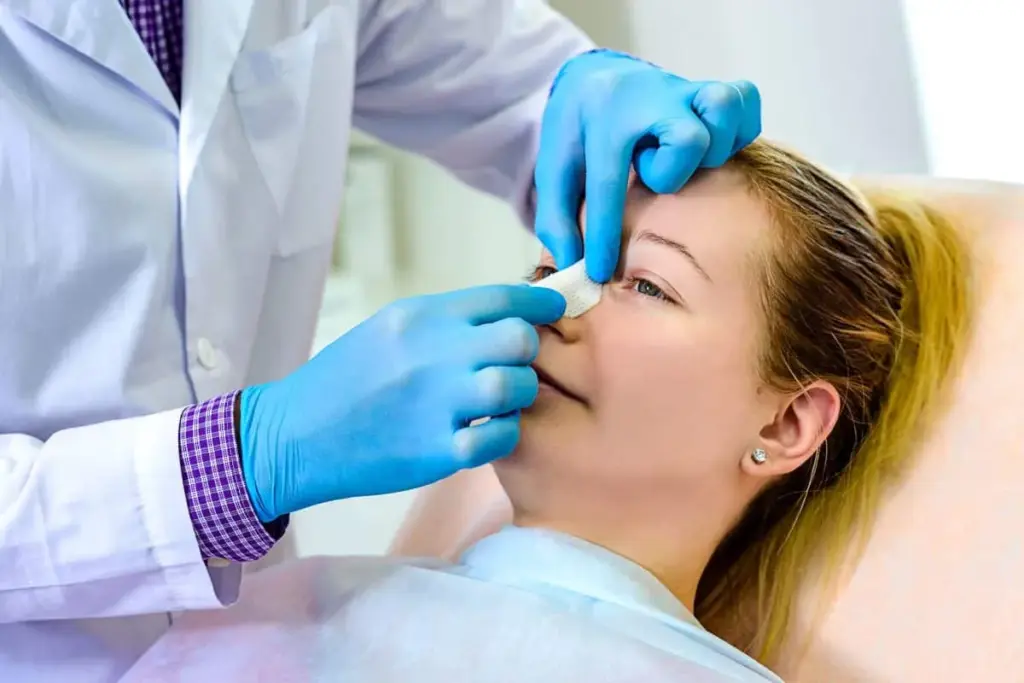
Knowing the signs of sinusitis is the first step to getting better. Sinus infections, or sinusitis, can cause many symptoms. These symptoms can be mild or very severe.
Common Symptoms of Acute Sinusitis
Acute sinusitis starts suddenly. Symptoms include facial pain, nasal congestion, and thick discharge. You might also have headaches, coughs, and bad breath. Sometimes, you might feel feverish.
Key symptoms to watch for in acute sinusitis:
- Facial pain or pressure
- Nasal congestion or stuffiness
- Thick, discolored nasal discharge
- Cough or sore throat
- Headache or ear pain
Signs of Chronic Sinusitis
Chronic sinusitis lasts for 12 weeks or more. Symptoms are similar to acute sinusitis but are often milder. Common signs include persistent nasal congestion, loss of smell, and chronic cough.
Chronic sinusitis symptoms can significantly impact quality of life, making it essential to seek medical attention if symptoms persist.
When to Seek Medical Attention
Knowing when to see a doctor for sinusitis is important. If you have severe symptoms like high fever, severe headache, or swelling around the eyes, get help right away. For ongoing or recurring symptoms, a healthcare provider can guide you on the best treatment.
Seek medical help if you experience:
- Severe symptoms or difficulty breathing
- Symptoms that worsen over time
- Fever above 102°F (39°C)
- Persistent or recurring sinusitis
Medical Diagnosis of Sinus Problems
To find out if you have sinusitis, doctors use different methods. They do physical exams and imaging studies. It’s important to get a correct diagnosis to find the right treatment and ease symptoms.
Physical Examination Procedures
A detailed physical exam is the first step in diagnosing sinusitis. Doctors use nasal endoscopy to look inside the nasal passages and sinuses. They check for signs of inflammation, infection, or any unusual shapes.
Nasal endoscopy uses a flexible or rigid endoscope to see inside the nasal cavity. It helps find nasal polyps, discharge, or blockages that might be causing sinus problems.
Imaging Tests for Sinusitis
Imaging tests are key in diagnosing sinusitis, mainly when symptoms don’t go away or are very bad. The most common tests are:
|
Imaging Test |
Description |
Use in Sinusitis Diagnosis |
|---|---|---|
|
CT Scan |
Provides detailed cross-sectional images of the sinuses |
Helps identify structural abnormalities, complications, and extent of disease |
|
X-ray |
Offers a basic view of the sinuses |
Limited use; may show significant sinus opacification or air-fluid levels |
|
MRI |
Provides detailed images of soft tissues |
Useful in evaluating complications or when suspecting tumors or fungal infections |
The American Academy of Otolaryngology says, “Imaging studies are essential for evaluating the extent of sinus disease and planning surgical interventions when necessary.”
Allergy Testing and Its Importance
Allergy testing is very important for diagnosing and managing sinusitis, mainly for those with recurring or chronic infections. Allergic rhinitis can make sinusitis symptoms worse. Knowing what allergens you have helps in creating a treatment plan.
Doctors use skin prick tests and blood tests to find out if you have IgE antibodies to certain allergens. This information helps decide on treatments like avoiding allergens, medications, or immunotherapy.
Effective Sinus Infection Treatment Options
Managing sinus infections involves knowing the different treatments. These include medicines and non-medical options. The right treatment depends on the cause, how severe it is, and how long it lasts.
Antibiotics for Bacterial Infections
For bacterial sinus infections, antibiotics are often prescribed. These medicines kill the bacteria causing the infection. It’s important to take all the antibiotics as told to make sure the infection is gone.
Corticosteroids and Anti-inflammatory Medications
Corticosteroids are strong anti-inflammatory medicines. They help reduce swelling in the nasal passages, making it easier to breathe. They are good for chronic sinusitis and can be taken by mouth or as a nasal spray.
Decongestants and Antihistamines
Decongestants help by reducing swelling in the nasal passages. They come in pills and nasal sprays. Antihistamines treat allergic sinusitis by stopping histamine, a substance that causes allergy symptoms.
Nasonex and Other Nasal Sprays
Nasal sprays like Nasonex (mometasone furoate) are used for nasal polyps and allergic rhinitis. These conditions often go with sinusitis. They reduce inflammation and help with drainage.
A healthcare expert says, “The key to treating sinus infections is to find the cause and choose the right treatment.” This way, patients get the best care for their specific needs.
“The treatment of sinus infections requires a multifaceted approach, considering the various factors that contribute to the condition.”
Nasal Irrigation Techniques for Sinus Relief
Nasal irrigation is a simple yet effective method for relieving sinus pressure and promoting sinus health. This technique involves rinsing the nasal passages with a saline solution. It clears out debris, excess mucus, and allergens.
NeilMed Sinus Rinse and Similar Products
The NeilMed Sinus Rinse is a popular device for nasal irrigation. It delivers a gentle, effective rinse daily. Other similar products include squeeze bottles and neti pots, which can also be used for nasal irrigation.
When choosing a nasal irrigation device, consider ease of use, material, and any additional features. Look for pre-mixed saline packets.
Proper Technique for Nasal Irrigation
To get the most out of nasal irrigation, it’s important to use the correct technique. Start by preparing the saline solution according to the manufacturer’s instructions or by mixing your own. Use sterile or distilled water and salt.
Lean over a sink, tilt your head to one side, and gently insert the spout into the top nostril. Let the solution flow through your nasal passages and out the other nostril. Repeat on the other side.
Benefits and Precautions of Nasal Rinses
Nasal irrigation offers several benefits, including reduced sinus pressure, improved breathing, and a decrease in sinus infections. But, there are precautions to be taken. Always use sterile or distilled water to avoid introducing bacteria into your nasal passages.
“Nasal irrigation can be a valuable tool in managing sinusitis, but it must be done correctly to avoid complications.” – Dr. Sinus Specialist
Regularly cleaning your irrigation device is also key to prevent bacterial growth. Some users may experience initial discomfort or a sensation of water in the ears. But, these issues usually resolve as you get used to the practice.
|
Benefits |
Precautions |
|---|---|
|
Reduces sinus pressure |
Use sterile or distilled water |
|
Improves breathing |
Clean the device regularly |
|
Decreases sinus infections |
Follow proper technique |
By incorporating nasal irrigation into your daily routine, you can experience significant relief from sinus symptoms. It can also improve your overall sinus health.
Natural Remedies for Sinusitis Relief
Natural remedies can help manage sinusitis without drugs. They work well with traditional treatments to improve results.
Steam Inhalation and Humidification
Steam inhalation is a simple way to loosen mucus and ease sinus congestion. Inhaling steam can be done by leaning over a bowl of hot water. Cover your head with a towel and breathe deeply. Adding eucalyptus oil or menthol to the water can make it even better.
Keeping the air humid is also key in managing sinusitis. Dry air can make symptoms worse. A humidifier in your home, like your bedroom, can really help.
Essential Oils for Sinus Health
Essential oils like eucalyptus, peppermint, and lavender can help with sinusitis. They have natural decongestant and anti-inflammatory properties. You can use them in a diffuser, mix with steam, or apply them to your chest or nose (diluted).
- Eucalyptus oil: Known for its decongestant properties.
- Peppermint oil: Provides a cooling sensation and can help ease sinus pressure.
- Lavender oil: Can help reduce stress and promote better sleep.
Herbal Supplements and Their Effectiveness
Some herbal supplements can help with sinusitis. Elderberry and garlic boost the immune system. Turmeric has curcumin, which fights inflammation.
Always talk to a healthcare provider before taking new supplements. They can interact with other drugs or have side effects.
Dietary Changes to Reduce Inflammation
Eating an anti-inflammatory diet can help reduce sinus inflammation. Foods like salmon and flaxseeds are good because they have omega-3 fatty acids. Also, eating lots of fruits, vegetables, and whole grains is good for your sinuses.
Stay away from foods that can make sinusitis worse. For example, if you’re sensitive to dairy, avoid it.
Addressing Chronic Sinusitis: Long-term Strategies
Managing chronic sinusitis needs a mix of treatments. It’s important to tackle the root causes and use long-term plans. This can greatly improve life quality for those dealing with it.
Managing Underlying Conditions
Chronic sinusitis often stems from allergies, anatomical problems, or immune issues. It’s key to handle these problems for lasting relief.
If allergies play a role, immunotherapy can help. This treatment involves regular shots or tablets to lessen allergic reactions.
Immunotherapy for Allergic Sinusitis
Immunotherapy is a long-term fix that aims to lessen allergic reactions. It’s great for those with allergic sinusitis. It can make sinus infections less frequent and less severe.
|
Treatment |
Benefits |
Duration |
|---|---|---|
|
Immunotherapy |
Reduces allergic response, decreases sinus infection frequency |
3-5 years |
|
Lifestyle Modifications |
Improves overall sinus health, reduces symptoms |
Ongoing |
|
Rhino Pills |
Supplements with ingredients beneficial for sinus health |
Varies |
Lifestyle Modifications for Sinus Health
Changing your lifestyle can greatly help your sinuses. Keep your environment clean, avoid irritants, and use humidifiers to keep air moist.
Eating more anti-inflammatory foods can also help reduce sinus inflammation.
Rhino Pills and Other Supplements
Supplements like Rhino Pills support sinus health. They contain natural ingredients that ease sinus pressure and aid in healing.
Always talk to a healthcare provider before trying new supplements. This ensures they’re safe and right for you.
Surgical Interventions for Persistent Sinus Problems
When sinus problems don’t go away, surgery can help. Many people turn to sinus surgery after other treatments don’t work.
Endoscopic Sinus Surgery
Endoscopic sinus surgery is a small procedure. It uses a thin, flexible tube with a camera and light. This lets surgeons see and clear out blockages, like nasal polyps, and help with drainage.
Benefits of Endoscopic Sinus Surgery:
- Less recovery time than traditional surgery
- Less pain after the surgery
- Better drainage and lower chance of infections
Balloon Sinuplasty Procedure
Balloon sinuplasty is another surgery for sinusitis. It uses a small balloon to open up the sinus passages. This improves drainage without removing bone or tissue.
“Balloon sinuplasty has emerged as a safe and effective alternative to traditional sinus surgery for many patients.” – Dr. [Last Name], ENT Specialist
Recovery and Post-Surgical Care
Recovery from sinus surgery depends on the type. Patients usually have some nasal congestion and discomfort. These can be managed with pain meds and saline nasal sprays.
Following post-surgical care is key. It helps with healing and lowers the risk of problems.
When Surgery is Necessary
Surgery is usually considered when other treatments don’t work. It’s also needed for complications like big nasal polyps or anatomical issues that block drainage.
Key indicators for sinus surgery include:
- Chronic sinusitis that doesn’t get better with medicine
- Nasal polyps causing big symptoms
- Anatomical problems that block drainage
Talking to an ENT specialist is important. They can decide if surgery is the best option.
Treating Specific Sinus Conditions: Maxillary Sinus Issues
Understanding the maxillary sinus and its issues is key to addressing related health problems. The maxillary sinus, one of the paranasal sinuses, is vital for our respiratory health.
Anatomy of the Maxillary Sinus
The maxillary sinus is the largest of the paranasal sinuses and is located within the maxillary bone. Its anatomical structure is significant because it can influence the drainage and ventilation of the sinus.
The maxillary sinus is lined with mucous membranes that produce mucus. This mucus helps to trap dust, bacteria, and other pathogens. Knowing its anatomy is key for diagnosing and treating maxillary sinusitis.
Common Maxillary Sinus Problems
Maxillary sinusitis is a common condition characterized by inflammation of the maxillary sinus. This can be caused by infections, allergies, or anatomical issues.
- Infections: Bacterial, viral, or fungal infections can cause maxillary sinusitis.
- Allergies: Allergic reactions can lead to inflammation and increased mucus production.
- Anatomical Issues: Deviated septum, nasal polyps, or other structural abnormalities can obstruct drainage.
Targeted Treatments for Maxillary Sinusitis
Treatment for maxillary sinusitis depends on the underlying cause and severity. Targeted treatments aim to reduce symptoms, eliminate infection, and improve sinus drainage.
- Antibiotics: For bacterial infections, antibiotics are prescribed to eliminate the causative bacteria.
- Nasal Decongestants: These help reduce nasal congestion and improve sinus drainage.
- Corticosteroids: In cases of significant inflammation, corticosteroids may be used to reduce swelling.
For chronic or severe cases, further interventions such as balloon sinuplasty or endoscopic sinus surgery may be considered. These aim to improve sinus drainage and ventilation.
Environmental Modifications to Prevent Sinus Infections
Making your home a sinus-friendly space is key to avoiding sinus infections. This means making a few important changes. These changes help cut down on irritants and allergens that can cause sinus issues.
Air Quality Improvements
Boosting your home’s air quality is a big step in stopping sinus infections. Using HEPA filters can get rid of tiny particles in the air that bother your sinuses. Also, make sure your home has good airflow, like in kitchens and bathrooms. This helps stop mold and mildew from growing.
Allergen Reduction Strategies
It’s important to cut down on allergens at home for your sinuses. Clean surfaces often, wash your bedding in hot water, and use allergen-proof covers. Keeping pets out of your bedroom and using a dehumidifier can also help keep allergens away.
|
Allergen Reduction Method |
Effectiveness |
|---|---|
|
Regular Cleaning |
High |
|
Allergen-Proof Bedding |
High |
|
Removing Pets from Bedrooms |
Medium |
|
Using Dehumidifiers |
High |
Humidity Control in Your Home
Keeping the right humidity levels is key for your sinuses. A humidifier stops your nasal passages from getting too dry. On the other hand, a dehumidifier fights mold growth. Aim for humidity between 30-50%. Watch humidity levels, as they can change a lot in winter and summer.
By making these changes, you can lower your risk of getting sinus infections. This will also help keep your sinuses healthy.
Dietary Approaches to Reduce Sinus Inflammation
Eating the right foods can help reduce sinus inflammation. This can improve your overall health. By choosing wisely, you might not need as much medicine.
Anti-inflammatory Foods
Adding anti-inflammatory foods to your diet can help. Here are some great options:
- Fatty Fish: Salmon and mackerel are full of omega-3s, which fight inflammation.
- Turmeric: It has curcumin, which is good for fighting inflammation and protecting against damage.
- Ginger: It naturally reduces sinus pressure and inflammation.
- Leafy Greens: Spinach and kale are packed with antioxidants and nutrients that fight inflammation.
Foods to Avoid with Sinusitis
Some foods can make sinusitis worse. It’s smart to limit these:
- Dairy Products: For some, dairy can make mucus thicker, making symptoms worse.
- Processed Foods: They often have preservatives that can trigger or worsen inflammation.
- Refined Sugars: Too much sugar can cause inflammation in the body.
- Gluten: If you’re gluten intolerant, it can cause inflammation and pressure in the sinuses.
Hydration and Its Impact on Sinus Health
Drinking enough water is key for healthy sinuses. It makes mucus thinner, making it easier to get rid of. This helps prevent blockages.
By eating a diet full of anti-inflammatory foods, avoiding bad foods, and drinking plenty of water, you can manage sinusitis better. This approach can help reduce inflammation.
Alternative Therapies for Sinus Health
Alternative therapies can help with sinusitis. They offer relief from sinus pressure and improve health. Exploring these options can lead to a better management plan for sinusitis.
Acupuncture and Acupressure
Acupuncture and acupressure come from traditional Chinese medicine. They stimulate body points to heal and relieve symptoms. For sinusitis, they can reduce inflammation and improve drainage.
Acupressure, which uses manual pressure, can also help. Points on the face and neck are key for sinus relief. Regular sessions can manage chronic symptoms.
Yoga and Breathing Exercises
Yoga and breathing exercises are good for the lungs and sinus symptoms. Yoga poses like forward bends or inversions can drain sinuses. Breathing exercises, like nasal breathing, clear the nasal passages.
- Kapalabhati breathing: This involves quick nasal exhalations to clear nasal passages.
- Bhastrika breathing: Also known as the “bellows breath,” it stimulates sinuses and improves breathing.
Massage Techniques for Sinus Pressure
Massage can relieve sinus pressure. Gently massaging the nasal area, forehead, and cheeks can help. It boosts blood flow and drainage, giving relief to those with sinusitis.
Some good massage techniques include:
- Massaging the area between the eyebrows with circular motions.
- Applying pressure to the sides of the nostrils to clear congestion.
- Massaging the temples and the base of the neck to relieve tension.
Adding these therapies to a sinus plan can lessen reliance on traditional treatments. It can also improve life quality.
Creating a Sinus Management Plan
A good sinus management plan is key to feeling better and keeping your sinuses healthy. It involves working with doctors, trying different treatments, and keeping an eye on how things go. This way, you can adjust your plan as needed.
Working with Healthcare Providers
Working with doctors is very important for a good sinus plan. They can find out what’s causing your sinus problems, suggest treatments, and help you manage symptoms. Regular visits and talking openly with your doctor help make sure your plan fits you best.
Key aspects of working with healthcare providers include:
- Regular consultations to monitor progress
- Discussing treatment options and their side effects
- Adjusting the treatment plan based on feedback and symptom changes
Combining Treatment Approaches
Using different treatments together can make your plan work better. This might include medicine, lifestyle changes, and other therapies. For example, using a nasal spray with a saline rinse can help more than either one alone.
Some effective combinations include:
- Nasal irrigation with saline solution and corticosteroid nasal sprays
- Antibiotics for bacterial infections alongside anti-inflammatory medications
- Steam inhalation and humidification to moisturize the nasal passages
Monitoring and Adjusting Your Plan
It’s important to keep an eye on how your symptoms and treatments are doing. Writing down your symptoms can help you see patterns. This way, you can change your plan to make it work better.
Steps to monitor and adjust your plan include:
- Keeping a detailed symptom journal
- Regularly reviewing the journal with your healthcare provider
- Making necessary adjustments to the treatment plan
Preventing Recurrence of Sinus Infections
Stopping sinus infections from coming back is a big part of a good plan. This means finding and fixing what causes them, keeping your sinuses clean, and living a healthy lifestyle.
Preventive measures include:
- Avoiding allergens and irritants
- Using air purifiers to improve indoor air quality
- Maintaining a healthy diet rich in anti-inflammatory foods
By following these steps and working with doctors, you can make a plan that helps now and prevents problems later.
Conclusion: The Path to Permanent Sinus Relief
To get permanent sinus relief, you need a full plan to handle sinusitis. Knowing what causes and types of sinus infections are key. This is the first step to finding the right treatment.
Using medical checks, treatments, and changes in your daily life can help. Techniques like nasal irrigation, natural remedies, and what you eat can really help. They offer a lot of sinus relief.
If you have chronic sinusitis, you’ll need long-term plans. This includes things like immunotherapy and managing other health issues. Sometimes, surgery is needed to fix the problem and get a sinus infection cure.
By teaming up with doctors and trying different approaches, you can find a sinusitis remedy that fits you. The right plan can lead to lasting sinus relief and a better life.
FAQ
What is the best treatment for sinus infection?
The best treatment for sinus infection varies based on the cause and severity. For bacterial infections, antibiotics are often needed. For viral infections, over-the-counter medications like decongestants and pain relievers can help. Using a saline solution for nasal irrigation, like NeilMed Sinus Rinse, can also ease symptoms.
How can I cure sinusitis permanently?
To cure sinusitis permanently, you need to tackle the root causes. This might include allergies, anatomical issues, or environmental factors. Medical treatments, lifestyle changes, and alternative therapies can help. Managing allergies and avoiding allergens are key. Sometimes, surgery is needed to fix anatomical issues or remove nasal polyps.
What are the symptoms of chronic sinusitis?
Chronic sinusitis symptoms include long-lasting nasal congestion and thick discharge. You might also feel facial pressure, headache, and loss of smell. Cough, sore throat, or bad breath can also occur. If these symptoms last more than 12 weeks, it’s chronic sinusitis.
Can sinusitis be treated with natural remedies?
Yes, natural remedies can help with sinusitis symptoms. Steam inhalation, humidification, and nasal irrigation with saline can offer relief. Essential oils like eucalyptus and peppermint can also help. Turmeric and ginger have anti-inflammatory properties. Eating anti-inflammatory foods and staying hydrated can also manage symptoms.
When should I seek medical attention for sinusitis?
Seek medical help if your symptoms get worse, you have severe facial pain or swelling, or a high fever. Also, if you have persistent or bloody nasal discharge. If symptoms keep coming back, see a doctor to find the cause and get a treatment plan.
What is the role of antibiotics in treating sinus infections?
Antibiotics treat bacterial sinus infections by killing the bacteria. They don’t work on viral infections. Your doctor might prescribe antibiotics if they think it’s a bacterial infection or if your symptoms are severe.
Can sinus surgery help with chronic sinusitis?
Sinus surgery, like endoscopic sinus surgery or balloon sinuplasty, can help chronic sinusitis. It improves drainage and reduces inflammation. Surgery is considered when other treatments fail and the condition is severe or affects your quality of life.
How can I prevent sinus infections?
Preventing sinus infections requires lifestyle changes and environmental adjustments. Good hygiene, avoiding allergens, and using a humidifier are key. Regular nasal irrigation and staying hydrated also help. Managing allergies is important in preventing sinus infections.
References
Centers for Disease Control and Prevention. Evidence-Based Medical Insight. Retrieved from https://www.cdc.gov/nchs/fastats/sinuses.html



 Departments
 Related Videos
 Our Doctors
 News
News