If you’re dealing with constant nasal blockage, trouble breathing, or frequent infections, sinus surgery might offer a glimmer of hope. Recent studies from around the world show that new nasal surgeries can make breathing easier and lessen symptoms.
These surgeries, when done right, can really change a person’s life. They fix physical problems and tackle underlying issues. This way, nasal surgery can bring lasting relief.
Key Takeaways
- Modern sinus surgical procedures can improve nasal airflow.
- Evidence-based protocols guide successful surgical interventions.
- Nasal surgery can enhance quality of life for patients.
- Correcting anatomical issues provides long-term relief.
- Appropriately selected patients benefit from these medical procedures.
The Relationship Between Sinus Health and Breathing
Our nasal sinuses are key to breathing well. They are air-filled spaces around our nose. These spaces help moisten the air and filter out harmful particles.
Anatomy of Nasal Sinuses
The nasal sinuses are complex. They include four main pairs: maxillary, frontal, ethmoid, and sphenoid. Each is important for draining and ventilating the nose. Knowing about them helps in treating sinus problems.
- The maxillary sinuses are the largest and are located under the eyes.
- The frontal sinuses are located in the forehead.
- The ethmoid sinuses are between the nose and the eyes.
- The sphenoid sinuses are located behind the nasal cavity.
How Sinus Problems Affect Respiratory Function
Sinus issues like chronic sinusitis can hurt breathing. When sinuses get inflamed, it’s hard to breathe through the nose. These problems can also lead to asthma or worsen breathing conditions.
Studies show that Functional Endoscopic Sinus Surgery (FESS) can help. A study in the American Journal of Rhinology & Allergy found that FESS improved breathing and quality of life for patients.
“Surgical treatment of sinus disease can lead to significant improvements in respiratory function and overall quality of life for patients suffering from chronic sinusitis and related conditions.”
It’s important to understand how sinuses affect breathing. Treating sinus problems can greatly improve breathing and overall health.
Common Sinus Conditions That Impair Breathing
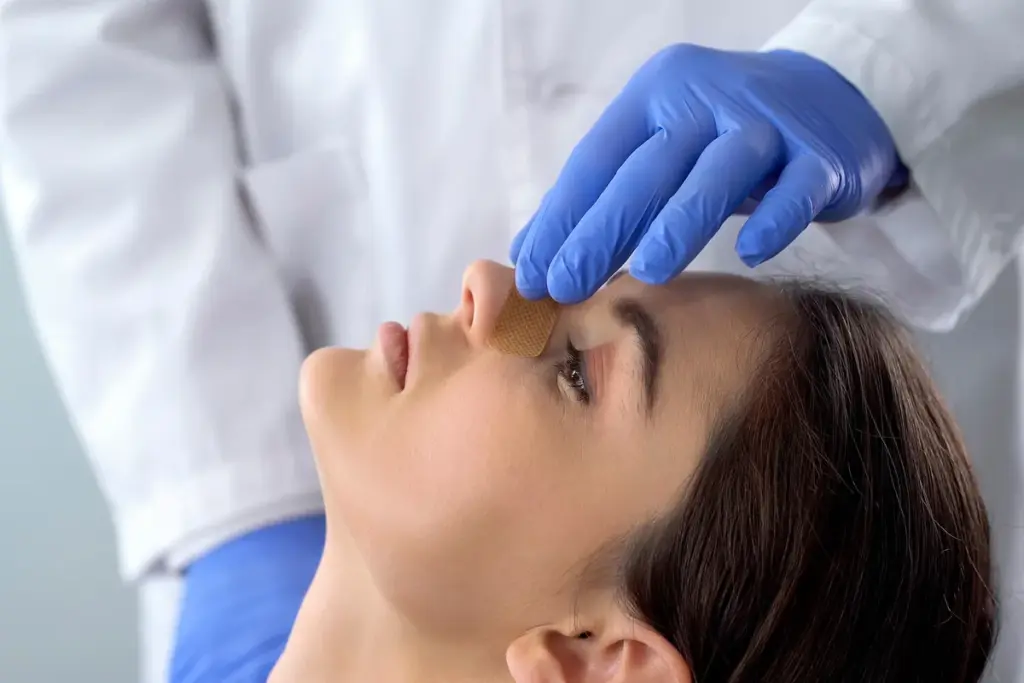
Sinus health is key to breathing well. Some conditions make it hard to breathe. Knowing about these is important for treatment.
Chronic Sinusitis: Causes and Symptoms
Chronic sinusitis lasts over 12 weeks. It’s caused by infections, allergies, or the environment. Symptoms include blocked nose, facial pain, and trouble breathing. About 1 in 7 adults in the U.S. have it, says the American Academy of Otolaryngology.
Nasal Polyps and Tissue Overgrowth
Nasal polyps are non-cancerous growths in the nose and sinuses. They often come with chronic inflammation. They can block airways, making breathing hard. Nasal endoscopy helps find nasal polyps.
Structural Issues: Deviated Septum and Turbinate Hypertrophy
A deviated septum is when the nasal wall is off-center. It can make breathing tough. Turbinate bones getting bigger can also block air. Septoplasty and turbinate reduction surgery can fix these problems.
Allergic and Non-Allergic Rhinitis
Rhinitis is when the nasal passages get inflamed. It can be allergic or not. Symptoms include sneezing, runny nose, and blocked nose, all affecting breathing.
“Allergic rhinitis affects an estimated 8% of adults in the United States, making it a significant contributor to breathing difficulties.”
It’s important to know about these sinus issues for the right treatment. This might include endoscopic sinus surgery or nasal endoscopy.
Conservative Treatment Options Before Surgery
First, doctors try non-surgical ways to handle sinus problems. These methods aim to ease symptoms and boost life quality. They help with sinus pressure, inflammation, and drainage.
Medical Management Approaches
Doctors often start with nasal corticosteroids to fight inflammation. They might also use antibiotics for infections and antihistamines or decongestants for allergies and stuffiness. Sometimes, oral corticosteroids are given for quick, strong inflammation relief.
A study in the Journal of Allergy and Clinical Immunology shows nasal corticosteroids help. They make sinus symptoms better and might avoid surgery. The right medicine depends on the sinus problem’s cause.
Nasal Irrigation Techniques
Nasal irrigation is a simple way to clear sinuses and improve drainage. It uses a saline solution to remove debris, mucus, and allergens. It’s great for chronic sinusitis or nasal polyps.
To do nasal irrigation, you can use a neti pot or a squeeze bottle with a nasal spray tip. Always use sterile or distilled water and keep things clean to avoid infections.
When Non-Surgical Treatments Fail
While many find relief with non-surgical treatments, some don’t get better. Severe or ongoing symptoms, infections, or blockages might need surgery.
Knowing when to move to surgery is key. Issues like nasal polyps, a deviated septum, or chronic sinusitis that won’t improve with medicine might need surgery. An ear, nose, and throat (ENT) specialist should check to find the best solution.
Types of Sinus Surgery Procedures
Sinus surgery is tailored to each patient’s condition, symptoms, and overall health. Each procedure is chosen based on these factors.
Functional Endoscopic Sinus Surgery (FESS)
Functional Endoscopic Sinus Surgery (FESS) is a common treatment for chronic sinusitis. It uses an endoscope to see inside the sinuses and remove blockages. A study in the Journal of Laryngology and Otology found FESS improves symptoms in over 80% of patients.
“FESS has revolutionized the treatment of sinus disease, providing a minimally invasive solution with high patient satisfaction rates.”ENT Specialist
Balloon Sinuplasty
Balloon Sinuplasty is a less invasive option compared to traditional sinus surgery. It uses a balloon to widen the sinus passages, improving drainage. Research shows it can be as effective as FESS, with the advantage of quicker recovery.
Septoplasty for Deviated Septum Correction
A deviated septum can make breathing hard and lead to sinusitis. Septoplasty corrects this by adjusting the nasal septum. Studies have found septoplasty improves nasal breathing and quality of life significantly.
Turbinate Reduction Procedures
Turbinate reduction is used to shrink the turbinate bones in the nose. These bones can grow large and block airflow. Techniques like radiofrequency ablation and surgical reduction are used. These procedures can be done alone or with other surgeries to improve breathing.
Diagnosing Sinus Issues That Require Surgical Intervention
To figure out if surgery is needed, a detailed check-up is done. This includes both clinical checks and tests to see how bad the sinus disease is.
Comprehensive Physical Examination
The first step is a thorough physical check-up. Doctors look at your medical history and check for symptoms like stuffy nose, facial pain, and loss of smell. This can show if you have sinusitis or other problems.
Nasal Endoscopy Evaluation
Nasal endoscopy is a key tool for looking inside the nasal passages and sinuses. A flexible or rigid endoscope is used to see for things like nasal polyps or infections. Nasal endoscopy helps doctors see the inside of the sinuses and find out if surgery like ethmoidectomy is needed.
Advanced Imaging Studies
CT scans and MRI are used to get detailed pictures of the sinuses. These tests help see how bad the sinus disease is and plan for surgery. CT scans are good for looking at the bones, while MRI helps spot soft tissue issues.
Allergy and Immunology Testing
Tests for allergies and the immune system might be suggested. These tests help find out if allergies or immune problems are making sinus symptoms worse. Knowing the cause helps doctors plan the best treatment, which might include surgery like sinusitis medical procedure.
|
Diagnostic Approach |
Description |
Clinical Utility |
|---|---|---|
|
Comprehensive Physical Examination |
Review of medical history and symptom assessment |
Identifies signs indicative of sinusitis or other sinus-related problems |
|
Nasal Endoscopy |
Visual examination of nasal passages and sinuses |
Detects abnormalities such as nasal polyps or signs of infection |
|
Advanced Imaging Studies |
CT scans and MRI for detailed sinus imaging |
Assesses extent of sinus disease and anatomical variations |
|
Allergy and Immunology Testing |
Identification of allergens or immune system dysfunctions |
Helps develop an effective treatment plan |
By using these tests together, doctors can find out if surgery is needed. The right tests depend on the patient’s situation and what’s causing their sinus problems.
The Science of Sinus Surgery and Breathing Improvement
It’s important to understand the science behind sinus surgery for better breathing. This surgery can help with chronic sinusitis, nasal polyps, or a deviated septum. It can make breathing easier.
Airflow Dynamics Before and After Surgery
Airflow is key to seeing how sinus surgery can help breathing. Before surgery, people with sinus problems often have hard-to-breathe air. This is because of blockages or swelling.
After surgery, these problems are fixed. This leads to smoother airflow. Studies show that people breathe better after surgery, feeling less nasal resistance.
Clinical Research on Breathing Outcomes
Many studies have looked at how sinus surgery affects breathing. They check things like nasal resistance and how symptoms change. They also look at how surgery affects quality of life.
A big review of these studies found that most people breathe better after surgery. They also feel better overall. This shows that surgery can really help with breathing problems.
|
Study Parameter |
Pre-Surgery Average |
Post-Surgery Average |
|---|---|---|
|
Nasal Resistance |
0.8 cm H2O/L/min |
0.4 cm H2O/L/min |
|
Symptom Score |
18/20 |
6/20 |
|
Quality of Life Metric |
40/100 |
80/100 |
Objective Measurements of Nasal Function
Tests like rhinomanometry and acoustic rhinometry give us important info. They show how nasal function changes before and after surgery. This helps us see how well the surgery worked.
Rhinomanometry measures air pressure and flow in the nose. It shows how nasal resistance changes after surgery. These changes match up with what patients say about their breathing.
Preparing for Your Sinus Surgery
Getting ready for sinus surgery is very important. It involves several key steps. Knowing what to do can make your experience better and the results more successful.
Pre-Surgical Consultations and Evaluations
Before your sinus surgery, like Functional Endoscopic Sinus Surgery (FESS), you’ll have meetings with your surgeon. These talks are important. They help your surgeon check your condition, talk about the surgery plan, and answer any questions you have.
Medication Adjustments
Your surgeon might tell you to change or stop some medicines before your nasal surgery. This includes blood thinners and some supplements. They can make bleeding more likely during or after surgery.
Day-of-Surgery Instructions
On the day of your FESS surgery, you’ll get specific instructions. You’ll learn about fasting, what to wear, and who should drive you home. It’s important to follow these directions for a safe and smooth experience.
Setting Realistic Expectations
It’s important to know what sinus surgery can do. Your surgeon will talk about what you can expect and any limits. This helps you understand your recovery and how your symptoms might change.
By following these steps and talking openly with your healthcare provider, you can get ready well for sinus surgery. This can help make your surgery and recovery better.
Inside the Operating Room: The Sinus Surgery Procedure
Endoscopic sinus surgery is a big change in treating sinus problems. It’s a less invasive method with many benefits. It’s often suggested for those with chronic sinusitis, nasal polyps, and breathing issues.
Anesthesia Options and Considerations
Sinus surgery is usually done under general anesthesia or conscious sedation. This makes sure the patient is comfortable. The choice depends on the patient’s health, the surgery’s complexity, and the surgeon’s choice. General anesthesia makes the patient sleep through it, while conscious sedation keeps them relaxed and awake.
A study in the American Journal of Rhinology & Allergy found general anesthesia leads to better results and fewer problems than local anesthesia with sedation.
Surgical Techniques and Instrumentation
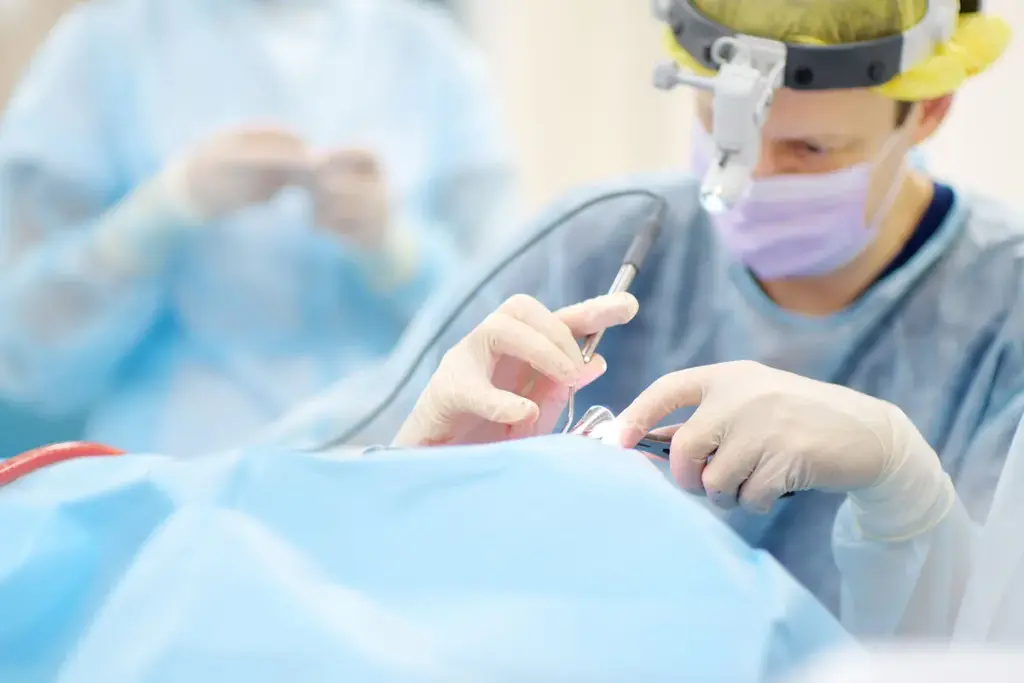
The surgery uses an endoscope, a thin, flexible tube with a camera and light. It lets the surgeon see the sinus passages on a screen. The goal is to remove diseased tissue and clear blocked passages for better drainage and airflow.
Duration and Intraoperative Care
The surgery’s length varies, usually from 1 to 3 hours. The surgical team watches the patient’s vital signs closely. They make sure the operating room is set up for the best results.
What Surgeons Do to Improve Airflow
During ethmoidectomy, surgeons remove diseased ethmoid cells. This improves drainage and lowers infection risk. Fixing structural problems, like a deviated septum, also helps nasal airflow.
“The goal of sinus surgery is not only to alleviate symptoms but to restore normal sinus function, improving the patient’s quality of life.”
|
Procedure |
Typical Duration |
Anesthesia Used |
|---|---|---|
|
Endoscopic Sinus Surgery |
1-3 hours |
General Anesthesia or Conscious Sedation |
|
Ethmoidectomy |
Part of Endoscopic Sinus Surgery |
General Anesthesia |
Knowing about sinus surgery helps patients prepare for it and recovery. This leads to better breathing and a better life quality.
Recovery and Post-Operative Care for Sinus Surgery
Sinus surgery is just the first step. A well-planned recovery is key to getting the most from the surgery. Knowing the recovery process and following post-operative care can greatly affect the surgery’s success.
Immediate Post-Operative Experience
After sinus surgery, patients often feel nasal congestion, swelling, and discomfort. These symptoms are temporary and can be managed with medication and nasal care. It’s important to follow the surgeon’s post-operative care instructions to avoid complications.
Managing Pain and Discomfort
Pain management is a big part of recovery. Patients are usually given pain medication to help with discomfort. Using saline nasal sprays can also help moisturize the nasal passages and reduce irritation.
Nasal Care and Cleaning Protocols
Proper nasal care is essential for a smooth recovery. This includes using saline irrigations to clear out sinuses and aid in healing. Patients should start nasal irrigation a day or two after surgery, once the bleeding has stopped.
|
Day |
Nasal Care Activity |
Expected Outcome |
|---|---|---|
|
1-2 |
Saline nasal spray |
Moisturizes nasal passages |
|
2-3 |
Nasal irrigation |
Clears out sinuses, promotes healing |
|
7-10 |
Gradual return to normal nasal hygiene |
Normal sinus function resumes |
Timeline for Breathing Improvement
The time it takes to notice breathing improvements varies. Generally, patients start to feel better within a few weeks. Significant improvements in sinus drainage and breathing usually occur within 3 to 6 months.
By following post-operative care instructions and attending follow-up appointments, patients can ensure a successful recovery. This leads to improved breathing and reduced sinus problems.
Potential Risks and Complications of Sinus Procedures
It’s important to know the risks and complications of sinus surgery. This is true for anyone thinking about getting this treatment. Sinus surgery, like Functional Endoscopic Sinus Surgery (FESS), is usually safe. But, like any surgery, it can have risks.
Common Side Effects and Their Management
After sinus surgery, you might feel nasal congestion, swelling, or minor bleeding. These symptoms are usually short-lived. They can be treated with medicine and taking care of your nose.
Management of Common Side Effects:
|
Side Effect |
Management Strategy |
|---|---|
|
Nasal Congestion |
Nasal saline irrigations, decongestants |
|
Swelling |
Corticosteroid nasal sprays |
|
Minor Bleeding |
Nasal packing, observation |
Serious Complications
Though rare, serious problems can happen. These include big bleeding, infection, or harm to nearby areas like the eye or brain.
Incidence of Serious Complications:
|
Complication |
Incidence Rate |
|---|---|
|
Significant Bleeding |
1-3% |
|
Infection |
2-5% |
|
Ocular Complications |
<1% |
Long-term Considerations
After surgery, you might face issues like sinusitis or nasal polyps coming back. You’ll also need to keep up with care to keep your sinuses healthy.
Long-term Management Strategies:
- Nasal saline irrigations
- Regular follow-up appointments
- Medical therapy as needed
Knowing the risks and complications of sinus surgery helps patients make better choices. It’s key to talk to a healthcare provider about any worries. This way, you can get the best results from your treatment.
Success Rates and Clinical Outcomes for Breathing Improvement
Many patients see big improvements in breathing after sinus surgery. This is thanks to lots of research on different surgery methods.
Statistical Evidence from Clinical Studies
Many studies show sinus surgery works well for breathing. For example, a study in the Journal of Otolaryngology-Head and Neck Surgery found endoscopic sinus surgery helps a lot with breathing for those with chronic sinusitis.
“The success rate of sinus surgery in improving symptoms, including breathing difficulties, is high, with studies indicating improvement in up to 80-90% of patients.”
Looking at many studies, we see that how well surgery works can change. But most studies show it helps a lot with breathing.
Factors Affecting Success Rates
Many things can affect how well sinus surgery works. These include why the sinusitis started, if there are nasal polyps, and the patient’s health.
- The severity of sinus disease
- The presence of comorbid conditions such as asthma
- The surgical technique used
- Post-operative care and follow-up
Patient Satisfaction Metrics
Most patients are very happy with the results of sinus surgery. They say it makes their life better. They breathe easier and feel less pain and discharge.
Studies and surveys show sinus surgery really helps with breathing. Knowing what affects success and what to expect helps patients make good choices.
How to Clear Out Sinuses and Maintain Results After Surgery
Clearing out sinuses after surgery needs the right care and long-term plans. Keeping your sinuses clear helps you breathe better and stay healthy.
Long-term Maintenance Strategies
To keep your surgery results, follow some long-term steps. These include:
- Regular nasal irrigation to remove debris and reduce the risk of infection.
- Using a humidifier to maintain optimal humidity levels in your home, which can help prevent sinus dryness.
- Avoiding allergens and irritants that can trigger sinus inflammation.
Adding these habits to your daily life can help avoid future sinus issues.
Medical Therapy After Surgery
Post-operative medical therapy is key to successful sinus surgery. This may include:
|
Therapy Type |
Purpose |
Duration |
|---|---|---|
|
Nasal Steroids |
Reduce inflammation |
Several months |
|
Antibiotics |
Prevent infection |
As prescribed |
|
Saline Nasal Sprays |
Moisturize nasal passages |
Ongoing |
Your doctor will create a plan just for you, based on your surgery and needs.
When to Contact Your Doctor
Knowing when to call your doctor after surgery is important. Reach out if you notice:
- Increased pain or swelling.
- Excessive bleeding or discharge.
- Fever or signs of infection.
- Deterioration of symptoms.
Talking to your doctor quickly can help fix problems before they get worse.
Alternative and Emerging Approaches to Sinus Treatment
The field of sinus treatment is changing fast. New methods are coming up to tackle sinus problems. Thanks to better technology, more options are available for those with sinus issues.
Minimally Invasive Innovations
Less invasive treatments are becoming more popular. They promise quicker recovery times and fewer side effects. Balloon sinuplasty is one such method that helps clear sinuses without big surgery.
Benefits of Minimally Invasive Sinus Treatments:
- Less post-operative pain
- Shorter recovery periods
- Fewer complications compared to traditional surgery
Drug-Eluting Stents and Implants
Drug-eluting stents and implants are new in sinus treatment. They release medicine right into the sinuses. This helps keep the sinuses open and reduces swelling.
|
Device Type |
Primary Function |
Benefits |
|---|---|---|
|
Drug-Eluting Stents |
Maintain sinus patency |
Reduces need for repeat procedures |
|
Implants |
Deliver localized medication |
Minimizes systemic side effects |
Combination Therapies
Combining different treatments is being looked into. This could mix surgery with medicine. It might lead to better results for sinus patients.
Example of Combination Therapy: Using a drug-eluting stent with nasal corticosteroids. This combo aims to improve drainage and cut down on swelling.
Future Directions in Sinus Care
The future of treating sinuses looks bright. More research and tech advancements are on the horizon. New, targeted treatments and bioengineering in sinus care are areas to watch.
These new methods hold promise for better sinus care. They could lead to better lives for those with sinus problems.
Conclusion
Understanding sinus health and its effects on breathing is key for those thinking about sinus surgery. Procedures like Functional Endoscopic Sinus Surgery (FESS) and nasal endoscopy help diagnose and treat sinus issues. These issues can affect how we breathe. At our institution, we focus on patient care. We aim to be leaders in otolaryngology, known for innovation and quality. Choosing sinus surgery here means getting a detailed evaluation, a treatment plan made just for you, and care after surgery. Thinking about sinus surgery? It’s important to consider the good and bad sides. This way, you can make a choice that improves your life. If a doctor suggests it, sinus surgery can really help with breathing and sinus health.
FAQ
What is sinus surgery and how can it improve my breathing?
Sinus surgery, like Functional Endoscopic Sinus Surgery (FESS), removes blockages. It helps drain the nasal sinuses better. This can make breathing easier by letting more air through and reducing congestion.
What are the common sinus conditions that can impair breathing?
Issues like chronic sinusitis, nasal polyps, and a deviated septum can block airways. So can turbinate hypertrophy and allergic or non-allergic rhinitis. These problems can make it hard to breathe through the nose.
What are the conservative treatment options available before considering sinus surgery?
Before surgery, doctors might use antibiotics and corticosteroids. They also recommend nasal irrigation. This helps clear sinuses and reduce swelling.
How is sinusitis diagnosed, and what tests are used to determine if surgery is needed?
Doctors use a physical exam, nasal endoscopy, and CT scans to diagnose sinusitis. They also do allergy tests. These help figure out if surgery is needed.
What is the difference between FESS and balloon sinuplasty?
FESS is a traditional surgery that removes bone and tissue. It aims to improve sinus drainage. Balloon sinuplasty, on the other hand, uses a balloon to widen the sinus passages. It’s less invasive.
What are the possible risks and complications of sinus surgery?
Risks include nasal bleeding and swelling. Serious problems like infection or orbital injury can also happen. There’s also a chance you might need more surgery later.
How long does it take to recover from sinus surgery, and when can I expect to breathe better?
Recovery usually takes a few weeks. Most people see big improvements in breathing within a few weeks to months after surgery.
What are the long-term strategies for maintaining sinus health after surgery?
Keeping sinuses healthy long-term involves nasal irrigation and medical therapy as needed. Regular check-ups with your doctor are also important.
Can sinus surgery be combined with other procedures, such as septoplasty or turbinate reduction?
Yes, sinus surgery can be done with other procedures. This can help with issues like a deviated septum or turbinate hypertrophy. It might improve breathing and nasal function.
What are the emerging approaches to sinus treatment, and how might they impact the future of sinus care?
New treatments include minimally invasive methods and drug-eluting stents. These innovations might offer better options for patients and improve sinus care outcomes.
How do I know if I’m a candidate for sinus surgery, and what are the next steps if I decide to pursue surgery?
Talk to an ENT specialist or sinus surgeon to see if you need surgery. They’ll discuss the next steps, including any tests or preparations needed for the surgery.
References
JAMA Network. Evidence-Based Medical Insight. Retrieved from https://jamanetwork.com/journals/jamaotolaryngology/fullarticle/408456[2