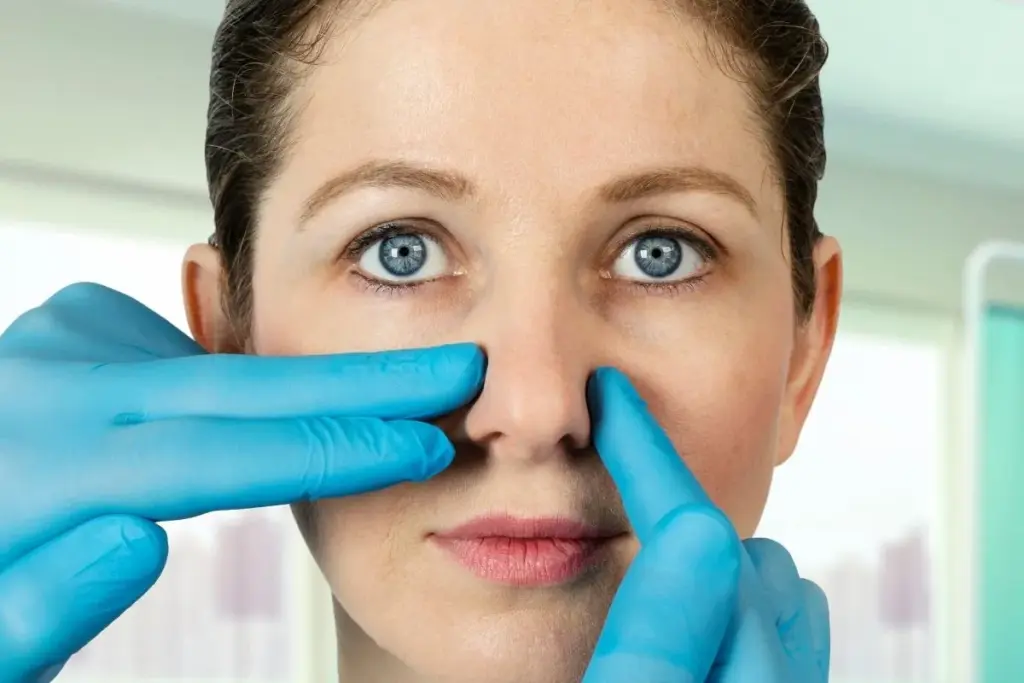
Many people with sinus issues worry about surgery. They fear the pain it might bring. But how bad is the pain during sinus surgery, and what’s the recovery like?
Recent studies have given us a better understanding. They show that endoscopic sinus surgery is effective and safe. A phase 4 trial proved its success in treating chronic rhinosinusitis. You can read more about it.
Thinking about surgery can be scary, mainly because of the pain. We’ll look into what makes the pain during and after surgery different. This will help you understand what to expect.
Key Takeaways
- Sinus surgery is a common procedure for treating chronic sinusitis.
- Recent clinical trials have confirmed the efficacy of endoscopic sinus surgery.
- The procedure is considered relatively safe and effective.
- Pain management is a key part of recovery.
- Knowing what to expect can ease your pain worries.
Understanding Sinus Surgery

It’s important to know about sinus surgery if you’re thinking about it. Sinus surgery covers many procedures to help with sinus problems.
What is Endoscopic Sinus Surgery?
Endoscopic sinus surgery is a small procedure. It uses a endoscope to see inside the sinuses. This method helps doctors treat sinus issues more accurately and with less pain.
“The use of endoscopic sinus surgery has changed otolaryngology,” says a top ENT specialist. “It offers a precise and less invasive way to treat sinusitis and other sinus problems.”
Common Types of Sinus Procedures
Sinus surgery includes many procedures for different sinus issues. Here are some common ones:
- Functional Endoscopic Sinus Surgery (FESS): This aims to open up sinus ventilation and drainage.
- Nasal endoscopy: It’s a tool for looking into the nasal passages and sinuses.
- Sinus treatment: This includes many medical and surgical options.
FESS surgery is often used to alleviate chronic sinusitis. It removes blockages and improves drainage. Knowing about these procedures helps patients understand the benefits and risks of sinus surgery.
Why Patients Undergo Sinus Surgery

Chronic sinusitis can really hurt your quality of life. If regular treatments don’t help, surgery might be the next step. It’s a big decision, and understanding why it’s needed is key.
Chronic Sinusitis and Its Impact
Living with chronic sinusitis is tough. It causes sinus pressure, congestion, and infections that won’t go away. These symptoms make breathing hard, cause facial pain, and mess with your sense of smell. When these problems last, surgery might be the answer.
When Conservative Treatments Fail
First, doctors try medicines and nasal sprays to fight chronic sinusitis. But if these don’t work, sinus surgery is considered. We help patients decide when other treatments have failed.
Structural Issues Requiring Surgical Intervention
Sometimes, structural issues like nasal polyps or a deviated septum cause chronic sinusitis. Surgery can fix these problems. It helps with drainage and lowers the chance of infections. Fixing these issues can bring lasting relief from sinus symptoms.
The Pain Factor: What to Realistically Expect
The pain from sinus surgery can vary a lot. It’s important to know this to have the right expectations for getting better.
Pain Scales and Individual Variations
How we feel pain is very personal. That’s why it’s hard to measure. But, pain scales help us understand the level of pain.
These scales range from simple to more detailed. They help both patients and doctors talk about pain levels better. For example, the Numeric Rating Scale (NRS) asks patients to rate their pain from 0 to 10.
|
Pain Level |
NRS Score |
Description |
|---|---|---|
|
No Pain |
0 |
No discomfort or pain |
|
Mild Pain |
1-3 |
Minimal discomfort, easily manageable |
|
Moderate Pain |
4-6 |
Noticeable pain, but manageable with meds |
|
Severe Pain |
7-10 |
Significant discomfort, might need stronger meds |
Comparing Sinus Surgery Pain to Other Procedures
It’s useful to compare sinus surgery pain to other surgeries. Many say it’s similar to or less than other facial surgeries.
Some feel it’s like a bad cold or sinus infection. They might feel pressure and congestion. But, the pain is usually manageable with the right meds.
Knowing what to expect from sinus surgery pain helps prepare for recovery. Always follow your doctor’s advice to reduce discomfort.
Pain During the Procedure
Understanding anesthesia in sinus surgery can ease worries about pain. Anesthesia is key in reducing discomfort. The type used depends on the surgery’s complexity and the patient’s health.
Anesthesia Options for Sinus Surgery
There are many anesthesia options for sinus surgery. These range from local to general anesthesia. The choice depends on the surgery’s extent and the patient’s health history.
Local anesthesia numbs the nasal sinuses area. This lets the patient stay awake during surgery. It’s often used for simpler surgeries.
General anesthesia makes the patient unconscious. This ensures they feel no pain during surgery. It’s used for more complex surgeries or when anxiety is high.
What You Might Feel During Surgery
Patients usually don’t feel pain during sinus surgery, no matter the anesthesia option. Those under local anesthesia might feel some pressure or mild discomfort. But this is usually manageable.
Those under general anesthesia won’t feel pain during surgery. Afterward, managing post-operative pain is the main focus.
Talking to your healthcare provider about anesthesia options and concerns is key. This helps find the best approach for you.
Immediate Post-Operative Pain Experience
It’s key for patients to know about the pain after sinus surgery. The time right after surgery is when pain management is most important. It helps ensure a smooth recovery.
The First 24 Hours After Surgery
The first 24 hours after surgery are tough. Pain levels can differ a lot, based on the person and the surgery type. Patients might feel pain, swelling, and stuffiness in their nose.
Managing pain well during this time is very important. Doctors tell patients to take their pain meds as directed. They also advise resting a lot to help heal.
Hospital vs. Outpatient Recovery Differences
Where you recover can affect your pain experience. Recovering at home, after an outpatient surgery, can be less stressful. It’s also more comfortable.
|
Recovery Aspect |
Hospital Recovery |
Outpatient Recovery |
|---|---|---|
|
Monitoring |
Continuous monitoring by medical staff |
Initial monitoring, then self-monitoring at home |
|
Comfort |
Less personal comfort, more formal environment |
Greater personal comfort, familiar environment |
|
Pain Management |
Immediate access to pain management options |
Self-management of pain with initial guidance |
Knowing these differences helps patients get ready for recovery. It lets them make better choices about their care.
Pain Management Following Sinus Surgery
Managing pain after sinus surgery is a big deal for everyone involved. It’s key to a smooth and comfy recovery. We help patients create a pain plan that fits their needs.
Prescribed Medications and Their Effectiveness
Medications are a big help in managing pain after surgery. Pain relievers are often given to ease discomfort. They help reduce pain and swelling, making recovery easier.
It’s important to take the meds as directed. We also talk about possible side effects and how they might interact with other drugs. This ensures they’re used safely.
Non-Pharmaceutical Pain Relief Methods
There are also non-medical ways to feel better. Nasal saline irrigations are a top choice for easing congestion and aiding healing. Doing this often can help a lot.
Other non-medical options include using humidifiers and warm face compresses. Gentle nasal blowing is also helpful. These can be used with meds for better pain control.
By mixing meds with non-medical methods, patients can feel more relief. We help patients find a pain plan that works for them.
The Recovery Timeline and Pain Progression
After sinus surgery, your body starts to heal in different stages. Knowing these stages helps you manage your recovery better.
Days 1-3: Peak Discomfort Period
The first few days after surgery are usually the toughest. You might feel swollen, have trouble breathing, and be in pain. Resting and avoiding hard activities is key during this time.
Days 4-7: Gradual Improvement Phase
As healing starts, you’ll begin to feel better. Swelling goes down, and breathing gets easier. Though you might not be pain-free, the discomfort will lessen.
Weeks 2-4: Residual Discomfort and Healing
By the second week, many notice big improvements. But, some might feel lingering pain or pressure. These feelings are normal and will fade as your sinuses heal.
Everyone recovers at their own pace, but most see symptoms get better over the first few weeks. Here’s what you can expect:
|
Recovery Stage |
Typical Symptoms |
Expected Improvement |
|---|---|---|
|
Days 1-3 |
Swelling, nasal congestion, pain |
Rest, pain management |
|
Days 4-7 |
Reducing swelling, improving congestion |
Gradual improvement in symptoms |
|
Weeks 2-4 |
Residual sinus pressure, mild headaches |
Continued healing, reduction in discomfort |
Knowing about the recovery and pain stages helps you prepare. The first days are hard, but things get better over time. This leads to lasting relief and a better life.
Common Sources of Pain After Sinus Procedures
Knowing why pain happens after sinus surgery is key to managing it. After surgery, patients might feel pain for several reasons. We’ll look at these reasons to help with recovery.
Nasal Packing and Removal Discomfort
Nasal packing is used after surgery to stop bleeding and help healing. But, it can be very uncomfortable. The removal of nasal packing also causes pain, but it’s usually short-lived.
Many patients find nasal packing very uncomfortable. A study found that about 70% of patients felt some discomfort from it after surgery.
“The removal of nasal packing was quite painful, but it was over quickly.”
A patient testimonial
Sinus Pressure and Headaches
Sinus pressure and headaches are common after surgery. Swelling and inflammation can cause pain and pressure. Effective pain management strategies can help ease these symptoms.
|
Symptom |
Frequency |
Severity |
|---|---|---|
|
Sinus Pressure |
80% |
Moderate |
|
Headaches |
60% |
Mild to Moderate |
Referred Pain to Teeth and Ears
Pain in teeth and ears is also common after surgery. The nerves in our face and head are connected, so pain can spread. For example, some people might feel pain or discomfort in their teeth or ears even if the pain is in the sinuses.
Knowing these pain sources helps us manage pain better. By understanding why pain happens, we can make recovery easier for patients after sinus surgery.
Understanding the Healing Process of Nasal Sinuses
The journey to full recovery from sinus surgery is unique for everyone. It’s important to know what to expect and how to manage the healing process well.
Normal Healing Sensations vs. Concerning Pain
Patients may feel a range of sensations during healing, from mild discomfort to severe pain. It’s key to tell normal healing sensations from signs of complications. Normal healing sensations include mild nasal congestion, slight bleeding, or pressure in the sinus area. But, concerning pain that’s severe, getting worse, or with fever or heavy bleeding needs doctor’s attention.
Common healing experiences include:
- Mild nasal discharge or congestion
- Slight facial pressure or pain
- Temporary changes in sense of smell
These symptoms are most noticeable in the first few days after surgery. They usually get better as the nasal sinuses heal.
Timeline for Internal Tissue Recovery
The time it takes for internal tissues to recover after sinus surgery varies. Generally, the first healing phase lasts about 1-2 weeks. Following post-operative instructions carefully is key to support this process and avoid complications.
The recovery can be divided into several phases:
- Initial Healing (0-2 weeks): The body’s first response to surgery, including swelling and bleeding.
- Early Recovery (2-4 weeks): Symptoms start to improve as the nasal passages get back to normal.
- Late Recovery (4-6 weeks): Continued healing and improvement, with most patients seeing significant recovery.
Knowing the healing process and what to expect can reduce anxiety and improve recovery. By recognizing normal healing sensations and concerning pain, patients can confidently navigate their recovery.
FESS Surgery: Specific Pain Considerations
FESS surgery is a key treatment for chronic sinusitis. It has its own pain aspects that patients need to know. Understanding FESS and how it compares to other surgeries is vital. This helps patients know what to expect in terms of pain.
How FESS Differs from Other Sinus Procedures
FESS stands out because it’s less invasive. It uses an endoscope to see inside the sinuses. This method allows for careful removal of diseased tissue and bone. It might lead to less pain and quicker recovery compared to traditional surgeries.
Unlike more invasive traditional sinus surgeries, FESS tries to keep the sinuses working well. It focuses on fixing the problems without causing too much damage.
Typical Pain Patterns After FESS
After FESS, patients might feel anything from a little discomfort to more pain. The pain is usually managed well with medicine. It’s usually at its worst in the first few days after surgery. Knowing about these pain patterns helps patients get ready for their recovery.
“The pain after FESS is typically manageable, and most patients are back to their normal activities within a week or two.”
— A Specialist
Potential Complications That May Increase Pain
Complications after sinus surgery are rare but can happen. It’s important to know the signs and symptoms. This knowledge helps patients get medical help quickly, making recovery smoother.
Infection Signs and Symptoms
Infection is a possible complication. Look out for increased nasal discharge, fever, or feeling unwell. Vigilance is key; if you notice these signs, call your healthcare provider right away.
- Persistent or worsening nasal congestion
- Fever above 100.4°F (38°C)
- Purulent discharge or foul odor from the nose
- Increasing pain or swelling around the eyes or face
Bleeding Complications
Bleeding can also happen after sinus surgery. Some bleeding is normal, but excessive or heavy bleeding is not. Know the difference and get medical help if you have heavy bleeding that doesn’t stop with gentle pressure.
- Gently apply pressure to the nose if bleeding occurs
- Avoid blowing your nose or strenuous activities
- Contact your doctor if bleeding is heavy or persistent
Nerve Damage and Unusual Pain Patterns
Nerve damage is rare but can cause unusual pain or numbness. If you have persistent or severe pain, talk to your healthcare provider. They can check for nerve damage.
Knowing about these complications and their signs can help your recovery. If you have concerns or questions, contact your healthcare provider.
When to Contact Your Doctor About Post-Surgical Pain
Recovering from sinus surgery can be tough. It’s key to know when to call your doctor. Some pain is normal, but other signs mean you need help fast.
Red Flags That Require Immediate Attention
Keep an eye on your symptoms after surgery. Some signs are serious and need quick doctor visits. These include:
- Severe Pain: If your pain doesn’t get better with meds or gets worse.
- Difficulty Breathing: Trouble breathing or feeling short of breath.
- Signs of Infection: Fever, more redness, swelling, or discharge from the surgery area.
- Excessive Bleeding: Bleeding that won’t stop or is a lot.
Distinguishing Normal Recovery Pain from Complications
It’s important to tell normal pain from signs of trouble. Normal pain:
- Gets better over time.
- Is controlled with the pain meds you’re given.
- Comes with expected recovery signs like some swelling or bruising.
Pain that might mean trouble looks different. It might:
|
Symptom |
Normal Recovery |
Potential Complication |
|---|---|---|
|
Pain Level |
Gradually decreases |
Increases or remains severe |
|
Bleeding |
Mild, stops with pressure |
Heavy, doesn’t stop with pressure |
|
Fever |
Low-grade, resolves quickly |
High, persists |
If you’re worried about your symptoms, it’s better to be safe and call your doctor. We know dealing with pain after surgery is hard. We’re here to help you get better.
Patient Experiences: Real Stories About Sinus Surgery Pain
People thinking about sinus surgery often want to know what to expect. Hearing from others can give valuable insights. Everyone’s experience is different, showing a range of pain levels.
Varied Pain Experiences and Coping Strategies
Those who have had sinus surgery talk about different levels of pain. Some felt only mild discomfort, while others had more severe pain. Knowing this can help others prepare for their own surgery.
One patient said, “I was surprised by the pain in the first 24 hours after surgery. But my doctor’s pain management plan really helped.”
“The recovery was tougher than I expected, but the pain was manageable with medication. I was back to normal within a week.”
How to cope with pain is key. Patients suggest using both medicine and non-medical methods. Rest, staying hydrated, and using saline nasal sprays are often recommended.
|
Coping Strategy |
Effectiveness |
Patient Feedback |
|---|---|---|
|
Prescribed Pain Medication |
High |
“Very effective in managing pain during the initial recovery phase.” |
|
Saline Nasal Sprays |
Moderate |
“Helped reduce nasal congestion and discomfort.” |
|
Rest and Hydration |
High |
“Essential for a smooth recovery; helped alleviate fatigue and headache.” |
What Most Patients Wish They Had Known
Many patients look back and wish they knew more before surgery. They stress the importance of following doctor’s orders and being ready for changes in daily life.
Learning from others can help prepare for recovery. Real stories and tips can make the process clearer. This way, people can make better choices for their care.
Preparing Mentally and Physically for Sinus Surgery
Getting ready for sinus surgery means getting your mind and body ready. Knowing what to expect can help you deal with the challenges. It’s all about being prepared.
Setting Realistic Pain Expectations
It is crucial to understand the potential pain you might experience before surgery. Everyone feels pain differently. Talking to your doctor about your pain worries can help you know what to expect.
Knowing about pain can make you feel more in control. Having realistic expectations can lower your anxiety. This makes the whole experience less scary.
“Understanding the possible pain and having a plan for it can greatly improve your recovery.”
Pre-Surgery Preparations to Minimize Discomfort
There are steps you can take before surgery to feel less pain and recover better. These include:
- Following your doctor’s advice on medication and lifestyle changes before surgery.
- Getting someone to drive you home and stay with you for the first 24 hours after surgery.
- Setting up a recovery area at home with things like pain meds, saline sprays, and comfy places to rest.
Also, living a healthy life before surgery can help your recovery. This means:
|
Pre-Surgery Preparation |
Benefits |
|---|---|
|
Staying hydrated |
Helps with healing and lowers the chance of problems |
|
Eating a balanced diet |
Boosts your health and recovery |
|
Avoiding smoking and alcohol |
Lessens the risk of problems and helps healing |
By following these steps and setting realistic expectations, you can make your sinus surgery better. Remember, your healthcare team is there to help. Don’t be afraid to ask them anything.
Long-Term Benefits: Is the Temporary Pain Worth It?
Research shows that sinus surgery greatly improves life for those with chronic sinusitis. The initial pain is a big concern, but the long-term gains usually make it worth it.
Quality of Life Improvements After Recovery
Patients often see big improvements in their life after sinus surgery. They notice less nasal congestion, better smell, and fewer sinus infections. These changes make daily life easier and more enjoyable.
Also, they sleep better, feel happier, and have more energy. Sinus surgery fixes the root problems of chronic sinusitis. This leads to lasting relief and better health.
Patient Satisfaction Statistics
Many patients are very happy with sinus surgery. High satisfaction rates show that the surgery works well. Most patients say their life quality and symptoms have greatly improved.
Looking at others’ experiences helps those thinking about surgery. The data shows that the initial pain is often worth it for better health and happiness in the long run.
Conclusion: Weighing the Temporary Pain Against Long-Term Relief
Sinus surgery is a last resort for chronic sinusitis. It comes with temporary pain. But, many find the long-term benefits worth the short-term discomfort.
The thought of surgery can be scary. But knowing what to expect can help. The pain is a big deal, but so is the chance for lasting relief.
Considering both sides helps patients feel more confident. The aim is to ease symptoms and improve life quality. Many see big improvements after they recover.
In short, while there’s pain upfront, many find lasting relief. Knowing what’s ahead can make the journey less daunting.
FAQ
What is sinus surgery and how is it performed?
Sinus surgery is done to solve sinus problems. It uses a thin, flexible tube with a camera to look inside the sinuses. This is called Endoscopic Sinus Surgery. Another common method is Functional Endoscopic Sinus Surgery (FESS), which helps with breathing and drainage.
What are the reasons for undergoing sinus surgery?
People get sinus surgery to fix chronic sinusitis. This condition makes life hard and uncomfortable. Surgery is needed when other treatments don’t work, to fix structural issues or remove nasal polyps.
How painful is sinus surgery?
Pain from sinus surgery varies. Knowing what to expect can help. It’s good to compare it to other surgeries to understand the recovery better.
What kind of anesthesia is used during sinus surgery?
Patients are usually under anesthesia to avoid pain. The type used depends on the surgery’s complexity and the patient’s health.
What can I expect during the first 24 hours after sinus surgery?
The first 24 hours are key for managing pain. Knowing what to expect can help prepare for recovery.
How is pain managed after sinus surgery?
Pain after surgery is managed with medicines and other methods. These help make recovery more comfortable.
What are the common sources of pain after sinus procedures?
Pain can come from nasal packing, sinus pressure, and even teeth and ears. These are common after surgery.
How long does it take to recover from sinus surgery?
Knowing the recovery time and how pain changes helps. The first days are tough, but symptoms get better over time.
What are the signs of complications after sinus surgery?
Complications like infection, bleeding, and nerve damage can happen. Knowing the signs helps get medical help when needed.
When should I contact my doctor about post-surgical pain?
Knowing when to get help is important. It helps to know the difference between normal pain and serious issues.
Is the temporary pain of sinus surgery worth the long-term benefits?
Looking at how surgery improves life and patient satisfaction helps. It shows if the short-term pain is worth the long-term benefits.
How can I prepare for sinus surgery to minimize discomfort?
Preparing mentally and physically helps. Setting pain expectations and making pre-surgery plans can make recovery easier.
What is the difference between FESS surgery and other sinus procedures?
FESS surgery has its own pain aspects. Knowing how it differs and its pain patterns helps manage expectations and recovery.
How can I manage sinus pressure and headaches after sinus surgery?
Sinus pressure and headaches are common. Understanding how to manage them helps in creating a pain plan with healthcare providers.
What are the non-pharmaceutical methods for pain relief after sinus surgery?
Methods like nasal saline irrigations and humidifiers can help with pain. They are non-pharmaceutical options.
Reference
National Center for Biotechnology Information. Evidence-Based Medical Insight. Retrieved from https://pubmed.ncbi.nlm.nih.gov/17572643/