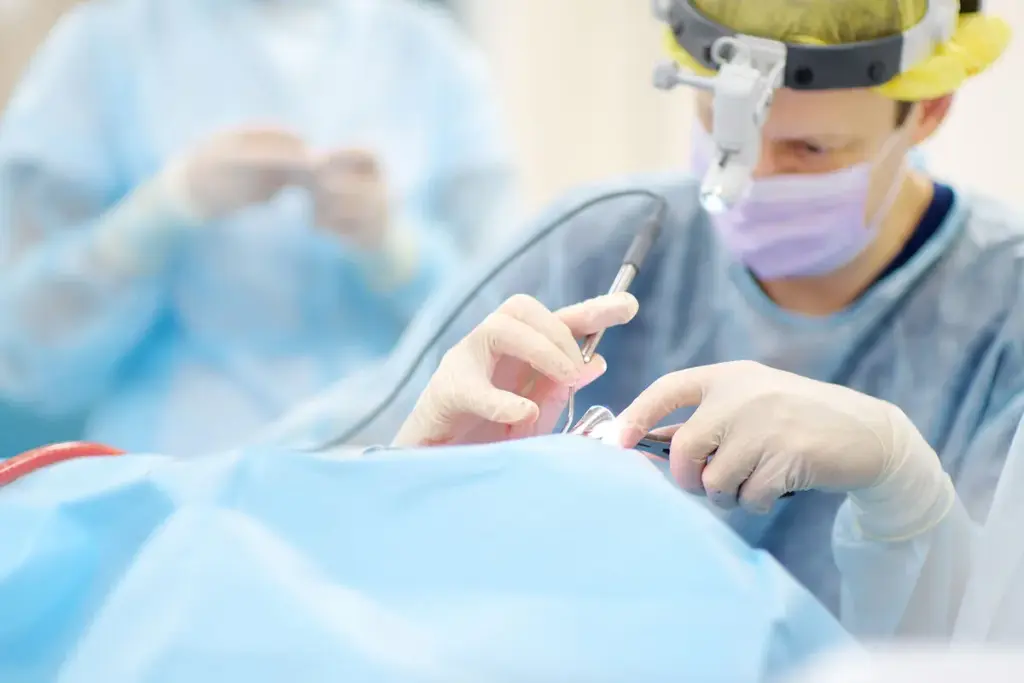
Functional endoscopic sinus surgery (FESS) is a common treatment for chronic sinusitis. At LIV Hospital, we know patients worry about the pain it might cause.
Studies show FESS leads to low-to-moderate pain after surgery. Most people feel only mild discomfort that goes away quickly. Our team focuses on top-notch healthcare and support for international patients, aiming for the best patient experience.
Key Takeaways
- FESS is a common procedure for treating chronic sinusitis.
- Postoperative pain is typically low-to-moderate.
- Most patients experience mild discomfort after FESS.
- Pain decreases rapidly after surgery.
- LIV Hospital provides extensive support for international patients.
Understanding Functional Endoscopic Sinus Surgery (FESS)
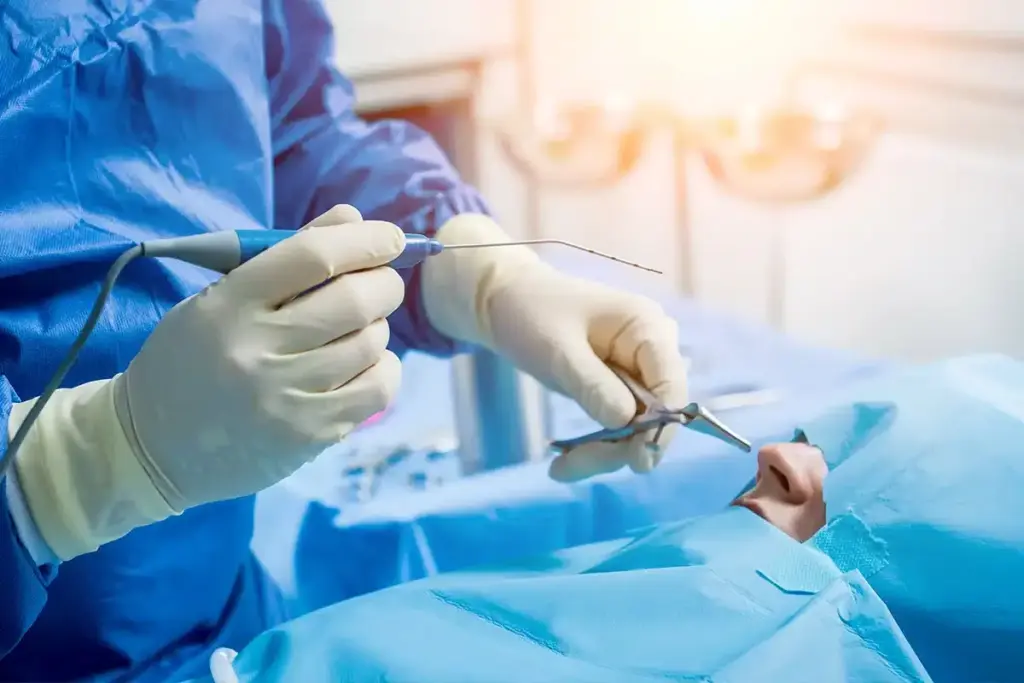
FESS, or Functional Endoscopic Sinus Surgery, is a new way to fix sinus problems. It’s a small surgery that helps sinuses breathe and drain better. This method is key in treating many sinus issues, giving patients a quick and safe fix.
Definition and Purpose of FESS
FESS utilizes a thin, flexible tube equipped with a camera and light to visualize the interior of the nose and sinuses. This method is less invasive, which means less pain and quicker healing. The main goal of FESS is to fix sinus problems by removing blockages and improving drainage.
The surgery is done under local or general anesthesia, based on the patient’s needs. With modern endoscopic tools, surgeons can get to the right spots without harming the good tissue around it.
Common Sinus Conditions Treated with FESS
FESS is great for treating many sinus problems, like:
- Chronic rhinosinusitis
- Nasal polyps
- Sinusitis with nasal polyposis
- Recurrent sinus infections
- Ethmoid sinus disease
These issues can cause stuffy nose, facial pain, and trouble breathing. FESS tackles these problems, making life better for those who suffer from them.
At LIV Hospital, our team offers top-notch treatments, including FESS, for international patients. We work with each patient to create a treatment plan that fits their needs.
The FESS Procedure: Step-by-Step Overview
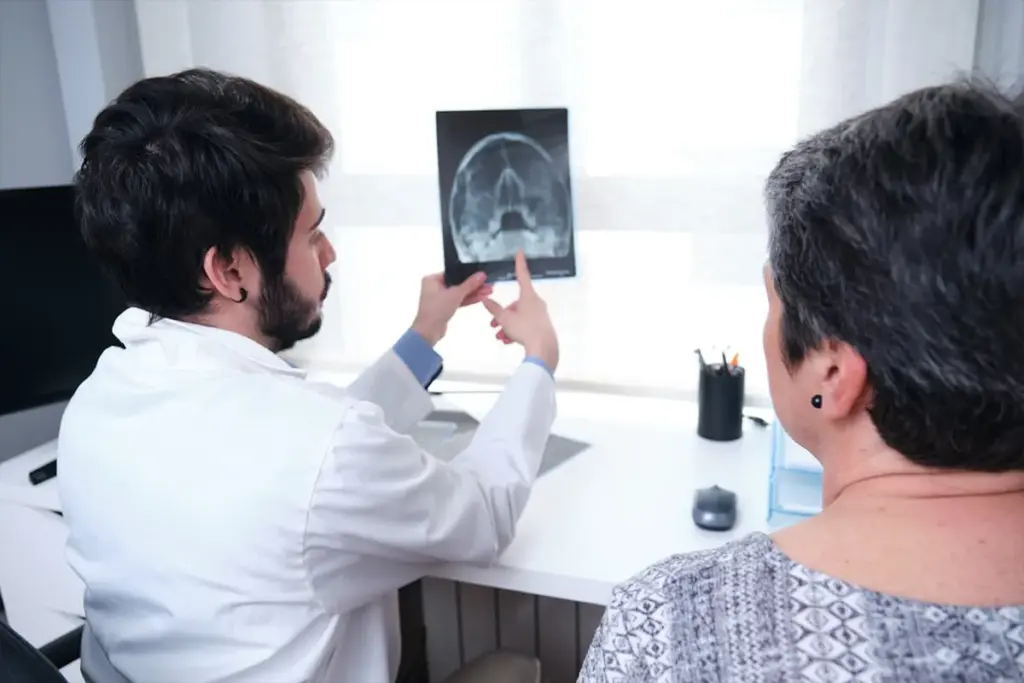
FESS is a common surgery inside the nose. It’s a detailed procedure that our skilled surgeons at LIV Hospital do with great care. They make sure the sinuses drain well.
Surgical Technique and Approach
The FESS procedure starts with a detailed look at the nasal passages and sinuses. An endoscope, a thin, flexible tube with a camera and light, is used. This lets us see what needs to be treated.
Then, we use special tools to remove any blockages. This could be polyps or infected tissue. We also make the sinus drainage pathways wider.
They aim to get the sinuses working right again. This improves the patient’s life quality.
Duration and Anesthesia Types
The FESS procedure can last from 1 to 3 hours. It depends on how complex the case is. The surgery is done under local or general anesthesia to keep the patient comfortable.
Local anesthesia numbs the inside of the nose. General anesthesia makes the patient sleep through it. The choice depends on the patient’s health, the surgery’s extent, and the surgeon’s opinion.
|
Anesthesia Type |
Description |
Typical Use in FESS |
|---|---|---|
|
Local Anesthesia |
Numbness in the nasal area |
Less complex cases or in combination with general anesthesia |
|
General Anesthesia |
Induces unconsciousness |
Most FESS procedures, specially complex cases |
At LIV Hospital, we focus on making patients comfortable and safe. Our team will talk about the procedure and anesthesia during the pre-surgery meeting.
Pain Perception During FESS Surgery
Understanding pain during Functional Endoscopic Sinus Surgery (FESS) is key. FESS treats many sinus issues. Effective pain management is vital for a good outcome.
Effectiveness of Local and General Anesthesia
Local and general anesthesia are used in FESS. They both help reduce pain. Local anesthesia numbs the area of surgery, keeping patients awake. It’s safer and leads to quicker recovery.
General anesthesia makes patients unconscious, so they don’t feel pain. The choice between them depends on the patient’s health, the surgery’s complexity, and the surgeon’s choice.
What Patients Feel During the Procedure
Patients with local anesthesia might feel some pressure or mild discomfort. But it’s not painful. With general anesthesia, patients are unaware of the surgery and feel no pain.
Improvements in surgery and anesthesia have made FESS better for patients. Talking to their healthcare provider helps them know what to expect.
Good pain management is essential for FESS patients. The right anesthesia and a good care plan help reduce discomfort. This leads to a smoother recovery.
Immediate Post-Operative Sinus Pain Experience
The time right after Functional Endoscopic Sinus Surgery (FESS) is key to knowing how patients feel. As they get better from the FESS surgery, it’s important to manage their pain well.
First 24 Hours After Surgery
The first 24 hours after FESS are very important for how comfortable patients feel. During this time, some pain from the sinusitis medical procedure is normal. It’s vital to follow the doctor’s post-operative instructions to avoid problems.
Patients should rest and not do too much in the early days of recovery. Taking pain medicine as the doctor says can help with the pain. Also, using saline nasal sprays and keeping the air moist can help with healing after nasal endoscopy procedures.
Average Pain Scores on Day One (4/10)
Research shows that on the first day after FESS, the average pain is about 4 out of 10. This means some pain is usual, but it’s mostly manageable with the right care. How much pain someone feels can differ, depending on the surgery and how they handle pain.
It’s good to know that pain usually gets better as time goes on. Knowing what to expect right after surgery helps patients prepare for recovery. This makes the healing process smoother and more comfortable.
Pain Timeline: Day-by-Day Recovery Expectations
Recovery from FESS is a gradual process. Pain levels usually go down over the days after surgery. Knowing this timeline helps patients get ready for their recovery journey.
Days 1-3 After Surgery
The first days after FESS surgery are often the most painful. Pain is usually highest on the first day, with an average score of 4 out of 10. It’s important for patients to follow their pain management plan to control discomfort.
In these early days, patients might feel nasal congestion, pressure, and sinus drainage. These are signs of healing. Following post-operative instructions, including nasal irrigation and medication, is key to reducing pain.
Days 4-7 After Surgery
By the 4-7 day mark, pain levels start to drop. The average pain score goes down, showing the body’s healing progress. Patients find it easier to do daily tasks.
During this time, symptoms can change, with occasional pain increases. This might happen due to weather changes or more activity. But, these can usually be managed with the right pain management plan.
“The first week after sinus surgery is critical. Patients should be prepared to adjust their activities and follow a strict regimen to ensure optimal recovery.”
—ENT Specialist
Week 2 and Beyond
By the second week, most patients feel much less pain, with some feeling none at all. The focus now is on healing the sinus tissues and getting back to normal sinus function.
|
Post-Operative Period |
Average Pain Score |
Common Symptoms |
|---|---|---|
|
Days 1-3 |
4/10 |
Nasal congestion, pressure, drainage |
|
Days 4-7 |
2-3/10 |
Occasional pain fluctuations, improving congestion |
|
Week 2+ |
<2/10 |
Mild discomfort, improving sinus function |
Guiding patients through their FESS recovery shows the importance of understanding the pain timeline. It helps set realistic expectations and ensures a smooth recovery.
Statistical Analysis of FESS Pain Levels
Looking into FESS pain levels gives us important insights. It helps us understand how patients feel after the surgery.
Patient Reported Pain Levels in the First Five Days
Many patients say they feel little to no pain after FESS. About 39% of patients report mild pain. And 28% experience no pain in the first five days. This info is key for both patients and doctors to know what to expect.
Comparison to Other Common Surgeries
It’s useful to compare FESS pain to other surgeries. Here’s a table showing average pain scores for different procedures:
|
Surgery Type |
Average Pain Score (1-10) |
|---|---|
|
FESS |
4 |
|
Tonsillectomy |
6 |
|
Septoplasty |
5 |
|
Ethmoidectomy |
4.5 |
The table shows FESS has lower pain scores than some surgeries. This helps patients and doctors plan better for managing pain.
Understanding FESS pain levels helps us improve care. It leads to better outcomes and happier patients.
Factors Affecting Pain Intensity After Sinus Surgery
The pain after sinus surgery varies from person to person. Several factors play a role in how much pain someone feels. Knowing these can help both patients and doctors manage pain better.
Bilateral vs. Unilateral Procedures
Whether the surgery is on both sinuses (bilateral) or just one (unilateral) matters. Research shows bilateral surgeries cause more pain. This is because more tissue is affected.
|
Procedure Type |
Average Pain Score |
|---|---|
|
Bilateral FESS |
5.2/10 |
|
Unilateral FESS |
4.5/10 |
Age-Related Pain Perception Differences
Age also affects how much pain someone feels after surgery. Younger people tend to report more pain than older ones. This might be because of different pain thresholds and expectations.
“Pain is a complex phenomenon influenced by biological, psychological, and social factors. Understanding these factors can lead to more effective pain management strategies.”
—Pain Management Specialist
Impact of Pre-existing Conditions
Conditions like chronic sinusitis or allergies can also affect pain levels. People with these issues might feel pain differently because of their ongoing health problems.
Key Factors Influencing Pain After Sinus Surgery:
- Type of procedure (bilateral vs. unilateral)
- Patient age
- Pre-existing medical conditions
Understanding these factors helps doctors create better pain management plans. This makes recovery easier for everyone.
Non-Narcotic Pain Management for FESS Patients
Functional Endoscopic Sinus Surgery (FESS) is a common treatment for sinus issues. It’s important to manage pain well for a smooth recovery. We look at non-narcotic pain management options for FESS patients.
FESS patients have many non-narcotic pain management options. Most find comfort with these options, making recovery easier.
Acetaminophen and NSAIDs Effectiveness
Acetaminophen and NSAIDs are key for pain after FESS. Acetaminophen works for mild to moderate pain. NSAIDs like ibuprofen help with inflammation and pain. Studies show these meds can lower pain in the first few days after surgery.
It’s important to follow the dosage and talk to your doctor before taking any medication. Mixing acetaminophen and NSAIDs can be effective, but do it under a doctor’s watch to avoid side effects.
Topical Treatments and Nasal Irrigation
Topical treatments and nasal irrigation are key for post-FESS comfort. Nasal saline irrigations clear sinuses, reducing congestion and aiding healing. Topical decongestants can also help with nasal congestion.
Nasal irrigation with saline solution is a simple yet effective way to clear nasal passages. You can use a neti pot or a squeeze bottle with a nasal spray tip. Regular irrigation can help reduce sinus pressure and promote drainage.
Cold Therapy and Other Non-Pharmaceutical Approaches
Cold therapy is another non-pharmaceutical way to manage pain after FESS. A cold compress on the face can reduce swelling and numb pain. Also, resting with your head elevated can help reduce sinus pressure.
Other non-pharmaceutical methods include using a humidifier to keep indoor humidity right. This helps prevent dryness and irritation in the nasal passages. Drinking plenty of fluids is also key for healing.
The Truth About Opioid Prescriptions After FESS
The medical world is looking closely at pain management after FESS. Opioid prescriptions are a big part of this. There’s a growing worry about opioid misuse, leading to changes in how doctors prescribe after sinus surgeries.
Evidence of Overprescription Patterns
Research shows opioids are often overprescribed after FESS. Many patients don’t use all the opioids they’re given. This can lead to more opioid misuse and harm to patients.
Research on Actual Patient Usage
Most patients use non-narcotic pain relievers to manage pain after FESS. Studies show that a lot of opioids go unused by patients.
Balancing Pain Control and Medication Risks
It’s important to find the right balance in pain management. Doctors are now focusing on personalized pain management plans. These plans take into account each patient’s needs after FESS.
By understanding how opioids are prescribed and used after FESS, we can improve pain management. This approach puts the focus on patient safety and health.
Common Discomforts Beyond Pain After Endoscopic Sinus Surgery
After FESS, patients often face more than just pain. They might deal with nasal congestion, breathing troubles, and headaches. These issues can really affect how well they recover and their daily life.
Nasal Congestion and Breathing Difficulties
Nasal congestion is a big problem after FESS. It makes breathing through the nose hard. This is because the body is healing and swelling.
Here are some important things to know about nasal congestion and breathing troubles:
- Nasal congestion usually gets worse in the first few days after surgery.
- Using nasal saline irrigations can help clear out congestion.
- Keeping the head of the bed up can help reduce swelling and make breathing easier.
Pressure Sensations and Headaches
Patients might feel pressure or headaches after FESS. These can be because of swelling or packing material used to stop bleeding.
Here are some key points about pressure and headaches:
- Pressure feelings usually go away as swelling decreases.
- Headaches can be treated with pain meds given by the doctor.
- Staying away from hard activities can help lessen these issues.
Sinus Drainage and Throat Discomfort
Sinus drainage is common after FESS. It can be bloody or clear and may irritate the throat because of postnasal drip.
Here are some important things to know about sinus drainage and throat discomfort:
- Drinking lots of water helps thin out mucus, making it easier to drain.
- Gargling with salt water can soothe the throat.
- Using a humidifier can keep the nasal passages and throat moist.
Knowing about these common issues can help patients prepare for their FESS recovery. By understanding what to expect, they can take steps to manage their symptoms and have a better recovery.
Patient Satisfaction Rates Following FESS
Many patients are happy after FESS, thanks to good pain management. We look at how pain control affects happiness, long-term satisfaction, and what makes outcomes better.
Effective Pain Management and Satisfaction
Managing pain well is key to making patients happy after FESS. Research shows that those with little pain are more satisfied. “Pain management is a critical component of post-operative care, and its effectiveness significantly influences patient satisfaction,” as noted in recent research.
Using a mix of pain treatments, like non-narcotic meds and non-drug methods, helps a lot. This way, patients feel less pain and are more likely to follow their care plans.
Long-term Satisfaction Metrics
Long-term happiness after FESS depends on many things. These include better sinus health, a better quality of life, and no big problems. Studies show most patients see big improvements in their health and life, making them very happy in the long run.
A study on long-term results after FESS found that over 80% of patients were very happy with their surgery. They said better sinus health and fewer symptoms were key reasons.
Factors Contributing to Positive Outcomes
Several things help make FESS outcomes and patient happiness better. These include:
- Effective pain management strategies
- Minimally invasive surgical techniques
- Comprehensive pre-operative counseling
- Personalized post-operative care plans
Healthcare providers can make patients happier and outcomes better by focusing on these areas. As one study said, “A patient-centered approach to care, including effective pain management and personalized support, is essential for achieving high satisfaction rates after FESS.”
Preparing for FESS: Managing Pain Expectations
Getting ready for FESS means managing your pain expectations. This helps you feel more confident during your recovery. Knowing how to prepare can make a big difference in how you feel after the surgery.
Pre-Surgical Counseling Importance
Pre-surgical counseling is key. Your doctor will explain the FESS procedure, risks, and what to expect after. It’s also a chance to ask questions and learn about pain management.
Key aspects covered in pre-surgical counseling include:
- Understanding the FESS procedure and its benefits
- Discussing possible risks and complications
- Learning about pain management options
- Setting realistic recovery timelines
Setting Realistic Recovery Timelines
Knowing when you’ll recover is important. Most people can get back to normal in a couple of weeks. This helps manage your expectations.
|
Recovery Stage |
Timeline |
Expectations |
|---|---|---|
|
Immediate Recovery |
1-3 days |
Nasal congestion, mild pain |
|
Early Recovery |
4-7 days |
Gradual improvement, reduced pain |
|
Full Recovery |
1-2 weeks |
Return to normal activities |
Preparing Your Home Environment
Getting your home ready can make recovery more comfortable. Simple changes can help a lot.
Tips for preparing your home:
- Stock up on supplies: saline nasal sprays, pain medications, and easy-to-eat foods
- Create a recovery zone: a quiet, comfy spot to rest
- Arrange for help: have someone to help with daily tasks
Advanced Protocols for Minimizing FESS Pain
At LIV Hospital, we’re all about making Functional Endoscopic Sinus Surgery (FESS) as comfy as can be. We focus on reducing pain and discomfort. This is shown in our cutting-edge surgical methods and post-op care.
Surgical Techniques That Reduce Discomfort
We use the newest surgical methods to lessen harm to the nasal passages and sinuses. This helps cut down on pain after surgery. Our surgeons are experts in the latest techniques, including:
- Micro-debrider technology for precise tissue removal
- Balloon sinuplasty for gentle sinus dilation
- Image-guided surgery for enhanced accuracy
These methods not only lessen pain right away but also help with a quicker recovery.
Post-Operative Care Innovations
Our post-op care is all about lessening pain and helping you heal. This includes:
- Personalized pain management plans
- Advanced nasal dressings that reduce discomfort
- Early mobilization and saline irrigations to prevent crusting
We customize our care to meet each patient’s needs. This helps lower the chance of problems and makes recovery more comfortable.
LIV Hospital’s Approach to Patient Comfort
At LIV Hospital, comfort is our top priority. Our team works together to make sure your FESS experience is as comfortable as possible. This includes everything from preparation to recovery.
|
Aspect of Care |
Description |
Benefit |
|---|---|---|
|
Surgical Technique |
Advanced, minimally invasive methods |
Less tissue trauma, reduced pain |
|
Pain Management |
Personalized plans using various modalities |
Effective pain control, reduced opioid use |
|
Post-Operative Care |
Innovative dressings, early mobilization |
Faster healing, less discomfort |
Our focus on advanced protocols and patient care makes LIV Hospital a top choice for FESS. We ensure our patients get the best results with as little discomfort as possible.
When to Contact Your Doctor About Post-FESS Pain
Recovering from functional endoscopic sinus surgery (FESS) means knowing what pain is normal and what’s not. It’s important to know when to see a doctor for a smooth recovery.
Normal vs. Abnormal Pain Patterns
After FESS, some pain is okay, but it’s key to tell normal from abnormal pain. Normal pain is usually mild and can be managed with medicine. It should get better over time. But, abnormal pain is severe, doesn’t go away, or gets worse.
Normal Pain Characteristics:
- Mild to moderate pain
- Managed with prescribed medication
- Gradually decreases over time
Abnormal Pain Characteristics:
- Severe or sharp pain
- Not relieved by prescribed medication
- Increasing pain over time
Warning Signs of Complications
Some symptoms after FESS might mean you need to see a doctor. These include:
|
Symptom |
Description |
|---|---|
|
Increased Pain |
Severe pain not managed by medication |
|
Excessive Bleeding |
Bleeding that doesn’t stop with nasal pressure |
|
Fever |
High temperature indicating possible infection |
|
Nasal Congestion |
Severe congestion not relieved by nasal saline |
A medical expert says, “Spotting these signs early can greatly improve your surgery’s success and recovery.”
“The key to a successful recovery from FESS lies in the patient’s ability to recognize and respond to possible complications quickly.”
– Medical Expert
Emergency Symptoms Requiring Immediate Attention
Some symptoms need you to go to the emergency room right away. If you have any of these, get help fast:
- Severe headache or facial pain
- Vision changes or double vision
- Severe nasal bleeding
- High fever or chills
Knowing about post-FESS pain and when to get help is key for a safe recovery. By spotting normal and abnormal pain and knowing the signs of trouble, you can help your recovery.
Conclusion: The Reality of Pain After Functional Endoscopic Sinus Surgery
Functional endoscopic sinus surgery (FESS) is a common treatment for sinus problems. It’s important for patients to know about the pain levels after this surgery. Our study found that most patients have low-to-moderate pain after FESS and recover well with the right pain care.
Research shows that patients usually use pain meds for about 1.34 ± 0.99 days after FESS. This is a short time. Another study found that FEDS patients used pain meds for 0.80 ± 0.72 days. This shows that pain can vary from person to person. For more info, check out the.
To lessen pain, patients can learn about what affects pain levels and use good pain management. Getting ready for surgery, taking care after it, and managing pain well are key. These steps help ensure a smooth recovery from sinus surgery.
FAQ
What is Functional Endoscopic Sinus Surgery (FESS)?
FESS is a surgery for sinus problems. It removes blockages and infected tissue. This improves how the sinuses drain and breathe.
How painful is FESS surgery?
Most people feel mild to moderate pain after FESS. The pain is usually a 4/10 on the first day. It gets better over the next few days.
What type of anesthesia is used during FESS?
FESS can use local or general anesthesia. Local anesthesia numbs the area. General anesthesia makes you sleep.
How long does it take to recover from FESS?
Recovery from FESS takes 1-2 weeks. Most people see big improvements in a few days.
What are the common discomforts after FESS?
After FESS, you might feel nasal congestion, pressure, sinus drainage, and throat discomfort. These usually go away in a few days.
How is pain managed after FESS?
Pain after FESS is managed with acetaminophen, NSAIDs, and other non-narcotic meds. Topical treatments, nasal irrigation, and cold therapy also help.
Are opioids necessary after FESS?
No, opioids are not always needed after FESS. Most patients need little to no opioid for pain.
When should I contact my doctor about post-FESS pain?
Call your doctor for severe pain, pain that gets worse, or pain not helped by meds. Also, seek help for complications like heavy bleeding, severe headache, or trouble breathing.
How can I prepare for FESS to minimize pain?
To lessen pain after FESS, follow pre-surgery instructions and set realistic recovery goals. Make your home comfortable. Have pain meds ready and a cozy place to rest.
What advanced protocols are used at LIV Hospital to minimize FESS pain?
At LIV Hospital, we use precise endoscopic sinus surgery to reduce discomfort. Our post-op care includes personalized pain plans. These help with pain and smooth recovery.
National Center for Biotechnology Information. Evidence-Based Medical Insight. Retrieved from https://pubmed.ncbi.nlm.nih.gov/22526577/