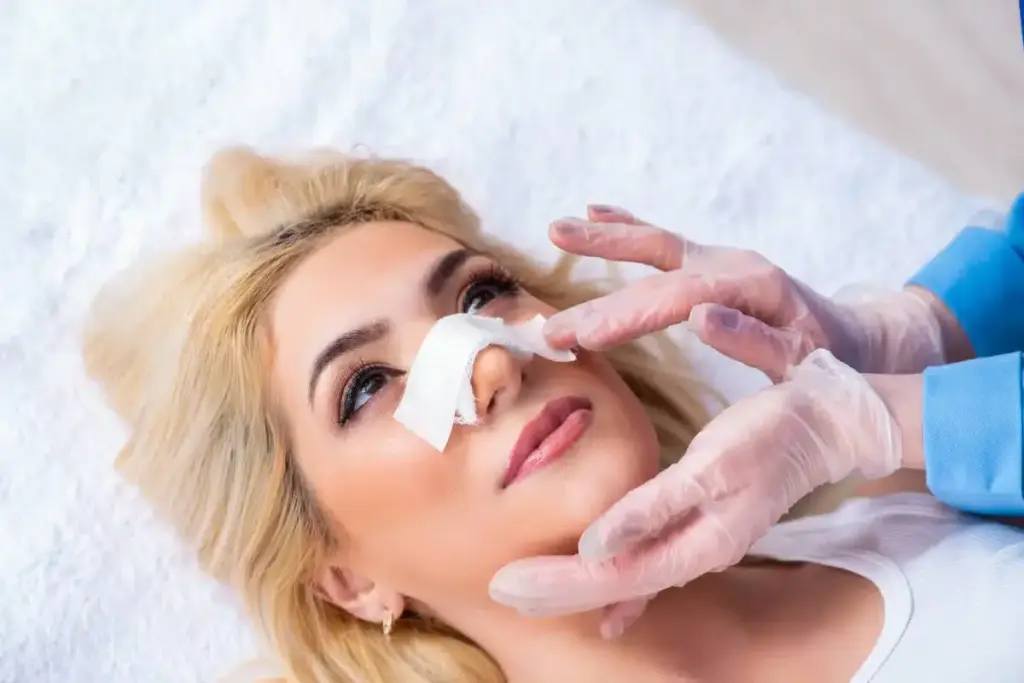
Having sinus surgery is a big step for those with chronic sinusitis. As the body heals, patients go through many symptoms. At Liv Hospital, we offer care tailored to each patient’s needs.
Nasal congestion is a common symptom, affecting up to 86% of patients. Some may also feel mild pain or discomfort, and minor nasal bleeding. These symptoms typically resolve within one week.
Studies show that postnasal drip affects 95% of patients before surgery. But, 84% see a big improvement after surgery. This is based on a study published on.
Knowing these symptoms helps manage what to expect and makes recovery smoother. Our team is committed to top-notch healthcare and support for international patients.
Key Takeaways
- Nasal congestion is a common symptom after sinus surgery.
- Mild pain or discomfort is typically experienced during the recovery process.
- Minor nasal bleeding usually resolves within the first week.
- Postnasal drip improves significantly in 84% of patients after surgery.
- Personalized care is essential for a smooth recovery.
Understanding Sinus Conditions and Surgical Interventions
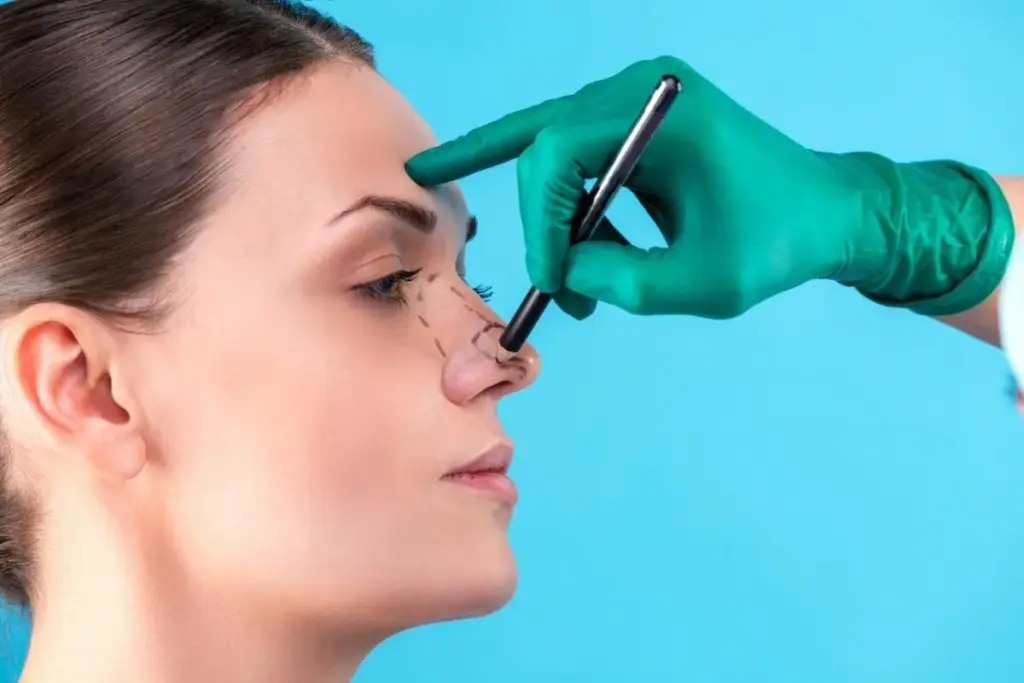
It’s key to know what’s causing the sinus problem to pick the right surgery and recovery plan. Often, surgery is needed for chronic inflammation or blockages in the sinuses.
Common Sinus Disorders Requiring Surgery
Chronic sinusitis and nasal polyps are common reasons for surgery. These issues can cause long-lasting nasal congestion and sinus pressure. This can really affect a person’s life. For more info on surgery side effects, check.
Types of Endoscopic Sinus Procedures
Endoscopic sinus surgery is a small procedure for many sinus problems. Our skilled surgeons use the newest methods for the best results. They use an endoscope to see inside the sinuses, removing bad tissue or blockages.
Expected Outcomes and Success Rates
Endoscopic sinus surgery works well for many sinus issues, easing nasal congestion and sinus pressure. Most patients see better sinus drainage and fewer sinus infections after surgery. Knowing the problem and the surgery helps patients prepare for recovery.
Preparing for Post-Sinus Surgery Recovery
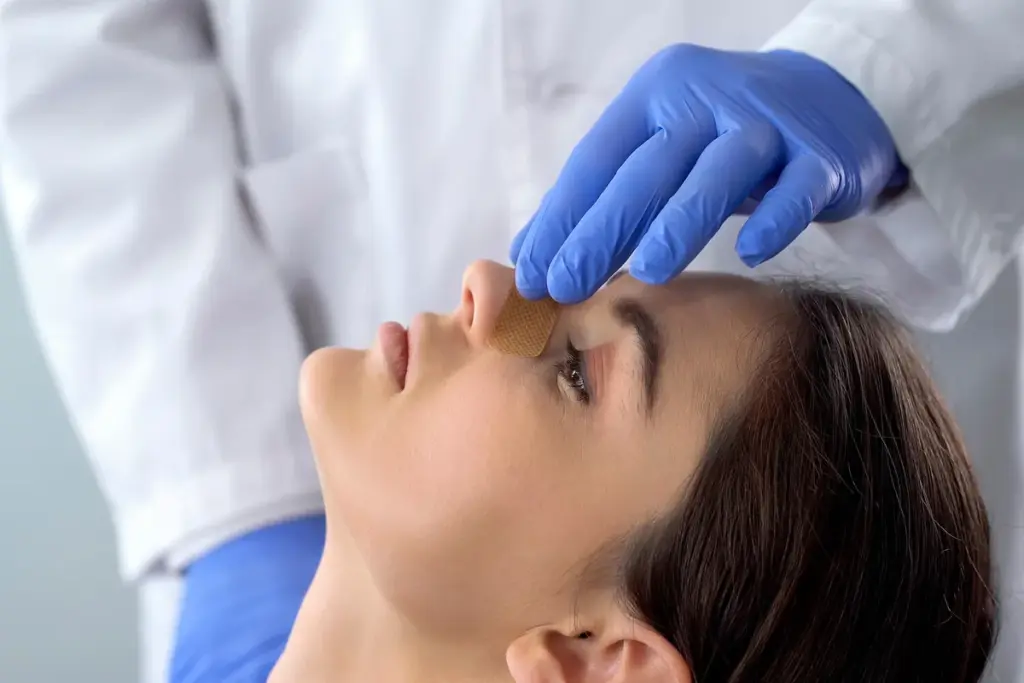
Before your sinus surgery, making your home ready for recovery is key. At Liv Hospital, we help our patients get ready for their recovery. We make sure they have everything needed to heal well after FESS or other sinus surgeries.
Setting Up Your Home Environment
Creating a cozy recovery spot at home is vital. You’ll want a quiet, comfy area for resting. Rearrange your furniture to make a space that helps you heal.
Make sure your recovery spot is easy to get to. It should have everything you need close by. This includes a phone, TV remote, and other things for entertainment or staying in touch.
Essential Supplies for Recovery
Having the right stuff is important for a smooth recovery after surgery inside the nose. You’ll need saline nasal sprays, pain meds as your doctor says, and comfy clothes that won’t bother your face or nose.
- Saline nasal sprays
- Prescribed pain medication
- Comfortable clothing
- Humidifier to keep the air comfy
Medication Preparation and Planning
Knowing and getting ready for your meds is key for sinuses surgery recovery. Make sure you know what meds you’re taking, how much, and any side effects.
Fill your prescriptions before surgery and plan how to remember to take your meds. Having someone help you with your meds at first can be a big help.
By doing these things, you can make your recovery after sinus surgery easier and less stressful. At Liv Hospital, we’re here to support you. We’ll guide you through your recovery, helping you get the best results from your FESS procedure.
The First 48 Hours: Immediate Post-Operative Experience
After nasal surgery, the first 48 hours are key. They help manage symptoms and ensure a smooth recovery. Patients are watched for any complications and symptoms are kept in check.
Hospital Recovery and Discharge Process
After sinus surgery, like ethmoidectomy, patients go to a recovery area. Medical staff keep a close eye on them. Most patients leave the hospital a few hours after surgery.
Before leaving, they get instructions on managing symptoms. This includes pain and nasal care.
Key Instructions for Discharge:
- Follow the prescribed pain management regimen.
- Use nasal saline irrigations as directed.
- Avoid strenuous activities and heavy lifting.
- Attend follow-up appointments as scheduled.
Initial Symptoms and Management
In the first 48 hours, patients might feel nasal congestion, discomfort, and mild bleeding. These symptoms are managed with medication and other methods. Effective pain management is key to ensure comfort and a smooth recovery.
|
Symptom |
Management Strategy |
|---|---|
|
Nasal Congestion |
Nasal saline irrigations, decongestants |
|
Pain |
Prescribed pain medication |
|
Mild Bleeding |
Nasal packing, gentle nasal blowing |
First Night at Home Expectations
The first night home can be tough, but being ready helps. It’s good to have someone with you. Sleeping with your head elevated can also help with congestion.
Knowing what to expect in the first 48 hours after surgery can ease anxiety. By following instructions and managing symptoms, patients can drain their sinuses. This leads to relief and a successful recovery.
Nasal Congestion After Sinus Surgery
Sinus surgery often leads to nasal congestion, affecting up to 86% of patients. This congestion is usually temporary and gets better as the sinuses heal.
Why 86% of Patients Experience Congestion
Nasal congestion after surgery is due to the body’s natural healing response. The sinuses swell and produce more mucus, causing congestion.
Key factors contributing to nasal congestion include:
- Post-surgical swelling
- Increased mucus production
- Temporary changes in sinus drainage pathways
Normal Duration and Progression
Congestion usually gets better with time and proper care. How long it lasts varies, but it follows a common pattern.
Timeline of Congestion Improvement:
- Immediate post-surgery: Congestion is at its peak due to swelling and initial healing processes.
- First few weeks: Congestion begins to decrease as swelling reduces and sinus drainage improves.
- Several months: Most patients experience significant improvement in nasal congestion.
Effective Congestion Management Techniques
At Liv Hospital, we suggest several ways to manage nasal congestion. These include using saline nasal sprays, humidifiers, and nasal saline irrigations.
Recommended Congestion Management Strategies:
|
Method |
Description |
Benefits |
|---|---|---|
|
Saline Nasal Sprays |
Moisturize the nasal passages |
Reduces congestion, promotes healing |
|
Humidifiers |
Add moisture to the air |
Helps to thin mucus, eases congestion |
|
Nasal Saline Irrigations |
Rinse nasal passages with saline solution |
Clears mucus, reduces congestion |
Using these methods, patients can greatly reduce nasal congestion and aid in their recovery.
Pain and Discomfort: Patterns and Management
Understanding pain patterns after sinus surgery can make recovery better. At Liv Hospital, we focus on managing pain well to help patients feel better.
Typical Pain Locations and Intensity
Pain after sinus surgery can be different for everyone. It often hurts in the face, around the sinuses, and can cause headaches. The pain is usually strongest in the first few days and gets better as you heal.
A study found that most patients have moderate pain that can be managed with the right pain relief.
|
Day Post-Surgery |
Average Pain Level |
Common Pain Locations |
|---|---|---|
|
1-3 |
Moderate to Severe |
Facial area, around sinuses, headaches |
|
4-7 |
Mild to Moderate |
Sinus areas, mild headaches |
|
After 7 |
Mild |
Occasional sinus discomfort |
Prescribed Pain Management Approaches
We mix different medicines to manage pain well. The medicines and how much you take depend on your needs and surgery details.
Our team at Liv Hospital works with you to keep an eye on your pain. We adjust your pain plan as needed.
Non-Pharmaceutical Pain Relief Strategies
There are also non-medical ways to ease pain and discomfort. These include:
- Using saline nasal sprays to keep the nasal passages moist
- Applying warm compresses to the face to reduce sinus pressure
- Elevating the head while sleeping to minimize congestion
- Engaging in gentle exercises as recommended by healthcare providers
These methods can work well with the medicines we give you. They help you feel more comfortable during recovery.
By using medicines and non-medical strategies together, recovery can be more comfortable. At Liv Hospital, we aim to give you the best care for a smooth recovery.
Nasal Bleeding: Expected Patterns and Warning Signs
Nasal bleeding is common after sinus surgery. Knowing the patterns is key. Minor bleeding is normal in the first week. Learning how to handle it can help your recovery.
Bleeding Patterns During the Initial Recovery Phase
In the first week after surgery, some nasal bleeding is normal. It can be a little oozing or more. Knowing what’s okay is important.
Our team at Liv Hospital stresses watching nasal bleeding. Ways to reduce it include avoiding hard work, using saline sprays, and resting with your head up.
Techniques to Minimize Nasal Bleeding
There are ways to control nasal bleeding. Saline nasal sprays keep your nose moist and help prevent bleeding. Also, avoid heavy lifting and hard exercise to lessen bleeding risk.
- Use saline nasal sprays as directed by your healthcare provider.
- Avoid strenuous activities and heavy lifting.
- Elevate your head while resting to reduce nasal congestion.
When Nasal Bleeding Requires Medical Attention
While some bleeding is normal, some needs medical help. If bleeding is heavy, won’t stop, or with pain or trouble breathing, get help right away.
|
Symptom |
Action Required |
|---|---|
|
Minor oozing or spotting |
Monitor and use saline sprays |
|
Heavy or persistent bleeding |
Seek immediate medical attention |
|
Bleeding accompanied by severe pain or difficulty breathing |
Seek immediate medical care |
At Liv Hospital, we guide you on managing nasal bleeding after sinus surgery. Knowing the signs and patterns helps your recovery. It makes the post-surgery care smoother and safer.
Postnasal Drip and Drainage Following Sinus Procedures
Changes in postnasal drip are common after sinus procedures. At Liv Hospital, we’ve seen many patients see an improvement in postnasal drip after surgery.
Improvement Statistics
Studies show that 84% of patients see a big improvement in postnasal drip after surgery. Before surgery, about 95% of patients had symptoms. This shows how effective sinus surgery can be in solving chronic sinus problems.
“The improvement in postnasal drip after sinus surgery is a significant relief for many of our patients,” says our team. This highlights the positive results from advanced surgical treatments.
Color and Consistency Changes Over Time
The color and consistency of nasal drainage change as the sinuses heal. At first, it might be bloody or thick. But as healing goes on, it gets clearer and less thick. This is a good sign of healing.
It’s important for patients to know these changes are normal during recovery. By watching the color and consistency of nasal drainage, patients can track their healing progress.
Management Strategies for Comfort
There are ways to manage postnasal drip and feel more comfortable during recovery. Using saline nasal sprays, staying hydrated, and using humidifiers are good strategies.
- Saline nasal sprays help keep the nasal passages moist and reduce postnasal drip.
- Drinking plenty of water helps thin out mucus and aids in healing.
- Humidifiers add moisture to the air, keeping the nasal mucosa healthy and comfortable.
Using these strategies can greatly improve comfort during recovery.
Fatigue and Energy Conservation During Sinus Recovery
Managing fatigue well is key to a smooth recovery after sinus surgery. Fatigue is a normal response to surgery. Knowing its causes and how to manage it can greatly improve your recovery.
Physiological Causes of Post-Surgical Fatigue
Post-surgical fatigue comes from many factors. Anesthesia can make you feel very tired. Pain and discomfort can also disrupt sleep, making fatigue worse.
As we heal, our bodies use energy for recovery. This can leave us feeling very tired. It’s important to remember this is a normal part of healing.
Activity Pacing and Energy Management
It’s important to pace activities and manage energy during recovery. We suggest resting a lot and slowly increasing activity as you get better.
- Start with short, manageable tasks to avoid exhaustion.
- Take regular breaks to rest and recharge.
- Prioritize essential activities over less important tasks.
By following these tips, patients can better manage their energy. This helps reduce fatigue’s impact on daily life.
Normal Timeline for Energy Restoration
The time it takes to regain energy varies. Most patients start to feel better in a few weeks after surgery. It’s not uncommon for full energy levels to return within 4-6 weeks. This can depend on your health and the surgery’s extent.
“Rest is not idleness, and to lie sometimes on the couch is to be in sequence with the rest of the world.” – Madeleine L’Engle
This quote highlights the importance of rest during recovery. Resting and recovering helps us follow a natural sequence that supports our wellbeing.
Facial Pressure, Swelling, and Bruising
After sinus surgery, patients often face facial pressure, swelling, and bruising. These side effects usually go away with time and proper care.
Distribution and Patterns of Facial Symptoms
Facial pressure, swelling, and bruising can vary. Swelling often shows up most around the eyes and cheeks.
Effective Remedies for Comfort
To ease these symptoms, cold compresses and head elevation help a lot. Following your pain management plan is also key.
Expected Resolution Timeline
Most people see swelling and bruising lessen in a week or two. It can take a few weeks for them to fully go away.
|
Symptom |
Peak Intensity |
Significant Improvement |
Full Resolution |
|---|---|---|---|
|
Facial Swelling |
2-3 days post-op |
1 week |
2-3 weeks |
|
Bruising |
3-5 days post-op |
1-2 weeks |
2-4 weeks |
|
Facial Pressure |
Immediate post-op |
1-2 weeks |
4-6 weeks |
Changes in Sensory Function: Smell and Taste
Many people notice changes in smell and taste after sinus surgery. At Liv Hospital, we tell our patients about this in about 56% of cases. We help them understand and recover from these changes.
Mechanisms Behind Sensory Changes
Smell and taste can be affected by sinus surgery. This is because the surgery is near the olfactory receptors. Swelling, congestion, and packing can block these senses. But, these changes are usually temporary and can get better.
Rehabilitation Techniques for Sensory Recovery
There are ways to help recover these senses. Smell training involves smelling different smells regularly. Keeping the nose clean and following doctor’s orders also helps.
- Smell training with various odors
- Nasal saline irrigations
- Adherence to post-operative care instructions
When to Expect Improvement
When smell and taste get better varies by person. Usually, people start to feel better a few weeks to months after surgery. Being patient and sticking to the recovery plan helps a lot.
At Liv Hospital, we watch how our patients are doing closely. We give them advice tailored to their needs. If smell or taste changes don’t go away, see your doctor.
Psychological Aspects of Sinus Surgery Recovery
Recovering from sinus surgery is more than just healing physically. It also involves dealing with emotional challenges. At Liv Hospital, we know that handling these emotional aspects is as important as treating physical symptoms.
Managing Anxiety About Symptoms
It’s normal to feel worried about symptoms after sinus surgery. Support from healthcare providers and loved ones is key in easing this worry. We advise our patients to keep in touch with their healthcare team and to ask for help when needed.
Learning about what to expect during recovery can help. By understanding the process, patients can feel more in control and less anxious.
|
Anxiety Management Techniques |
Description |
Benefits |
|---|---|---|
|
Education and Preparation |
Understanding the recovery process |
Reduced anxiety, increased sense of control |
|
Support Networks |
Healthcare providers and loved ones |
Emotional support, reassurance |
Sleep Disruption and Mood Effects
Sleep problems are common during recovery from sinus surgery. They can really affect how you feel. Adequate rest is key for both physical and emotional healing.
To improve sleep, try relaxation techniques like deep breathing or meditation before bed. Also, make sure your sleep area is comfy.
Strategies for Emotional Wellbeing
Keeping your emotional health up during recovery involves several steps. Staying connected with loved ones and doing things that make you happy are important.
Also, practicing mindfulness and focusing on the now can help with emotional challenges. We encourage our patients to explore these methods to find what works for them.
By tackling the emotional side of sinus surgery recovery, patients can make their journey easier. At Liv Hospital, we aim to support our patients fully, covering both physical and emotional needs.
Rare but Serious Complications After Sinus Surgery
Rare but serious complications can happen after sinus surgery. It’s important to watch for signs and seek help right away. At Liv Hospital, we teach our patients about these risks and how to act quickly.
Infection Recognition and Prevention
Infection is a risk in about 8% of cases after sinus surgery. Spotting infection early is key. Look out for thick discharge, fever, and facial pain.
We tell patients to finish all antibiotics and keep their nose clean. This helps prevent infection.
|
Symptom |
Description |
Action |
|---|---|---|
|
Increased Nasal Discharge |
Thick, colored discharge |
Contact your doctor if persistent |
|
Fever |
Elevated body temperature |
Monitor and report to your doctor |
|
Facial Pain |
Severe or worsening pain |
Seek immediate medical attention |
Cerebrospinal Fluid Leaks: Symptoms and Response
CSF leaks are rare but serious after sinus surgery. Look out for clear discharge, headaches, and a salty taste. Quick action is needed to avoid meningitis.
Key symptoms to watch for:
- Clear nasal discharge
- Headache
- Salty taste
If you notice these signs, call your doctor right away.
Orbital Complications: Identification and Action
Orbital complications are rare but serious. They include swelling, double vision, and eye movement issues. Seeing an eye specialist quickly is important.
At Liv Hospital, we stress the importance of post-op care. Knowing the risks and acting fast can greatly improve recovery after sinus surgery.
Follow-Up Care and Healing Milestones
At Liv Hospital, we stress the need for follow-up care after sinus surgery. It’s key to track healing and address any issues for a smooth recovery.
We set up regular post-op visits to check on healing and answer any questions. This helps patients feel supported and informed.
Typical Post-Operative Appointment Schedule
First, we see patients within a week after surgery. Then, we schedule more visits as needed. The number of visits depends on the patient’s situation and the surgery’s complexity.
“The care I got from Liv Hospital was outstanding,” says a patient. “They were always ready to help with my questions and worries.”
Debridement Procedures and Expectations
Debridement removes debris, crusting, or infected tissue from the nose. It aids in healing and lowers the chance of complications. Patients might feel some discomfort, but it’s usually mild and short-lived.
- Debridement happens during post-op visits.
- It helps with healing and prevents infections.
- Patients might feel some discomfort, but it’s usually mild.
Monitoring Progress and Healing Indicators
We watch for signs of healing like less nasal congestion and better sinus drainage. We also look for the absence of complications. This way, we can spot and fix any issues early.
Our team at Liv Hospital is dedicated to giving top-notch follow-up care. Together, we aim for the best results and better lives for our patients.
Returning to Normal Activities After Sinus Surgery
Knowing how to get back to normal after sinus surgery is key. At Liv Hospital, we guide patients to safely get back to their daily lives.
Work and School Resumption Guidelines
Most patients need a few days off work or school to heal. The exact time depends on health and surgery type. We suggest taking at least 5-7 days off before going back. It’s important to avoid hard work and lifting during this time.
Exercise and Physical Activity Progression
Starting with light exercises is important for recovery. Light exercises like walking can begin soon after surgery. But, avoid hard activities like running or weightlifting for 2-3 weeks. Always listen to your body and don’t overdo it.
Travel and Environmental Considerations
When planning to travel after surgery, think about the environment. Avoid places with bad air pollution and extreme weather. Also, check with your doctor before traveling, like flying or long trips.
By following these tips, patients can safely get back to their routines. At Liv Hospital, we’re here to support you for a smooth recovery.
Conclusion
Recovering from sinus surgery means managing symptoms and following care instructions. At Liv Hospital, we aim to give top-notch healthcare to our international patients. We focus on giving you the best care.
Knowing the common symptoms and recovery steps helps patients feel more confident. With the right care and support, patients can have a successful recovery. Our team is ready to guide and care for you, making your recovery smooth.
Getting better after sinus surgery needs a full plan. This includes managing symptoms, following care steps, and getting help from doctors. We’re here to help you at every step, ensuring you get the best care possible.
FAQ
What are the most common symptoms after sinus surgery?
Symptoms include nasal congestion, mild pain, and minor bleeding. These usually go away in the first week.
How long does nasal congestion last after sinus surgery?
Nasal congestion is usually short-term and gets better as the sinuses heal. It affects up to 86% of patients. Using saline sprays and humidifiers can help manage it.
What can I do to manage pain after sinus surgery?
We use a mix of pain meds and non-medical methods to reduce pain. Knowing how to handle pain can make recovery easier.
Is nasal bleeding normal after sinus surgery?
Yes, minor bleeding is common in the first week. Avoiding hard activities and using saline sprays can help reduce it.
Will I experience changes in my sense of smell and taste after sinus surgery?
Changes in smell and taste are common and often temporary. Understanding these changes and using rehabilitation techniques can help recover your senses.
How can I manage postnasal drip after sinus surgery?
Postnasal drip often gets better after surgery. Using certain strategies can make you more comfortable during recovery.
What are the signs of possible complications after sinus surgery?
Serious complications are rare but can happen. Watch for signs like infection and cerebrospinal fluid leaks. Seek help right away if you notice these symptoms.
When can I resume normal activities after sinus surgery?
Start returning to normal activities slowly for a smooth recovery. Follow guidelines for work, exercise, and travel to avoid complications.
What follow-up care is required after sinus surgery?
You’ll need regular check-ups to monitor healing. Knowing what to expect during these visits can help you prepare.
How can I manage fatigue after sinus surgery?
Fatigue is normal after surgery. Resting and pacing yourself can help you regain energy over time.
What can I expect during the first 48 hours after sinus surgery?
The first 48 hours are key for a good recovery. You’ll be closely watched in the hospital before going home. Symptoms are managed with medication and other strategies.
References
National Center for Biotechnology Information. Evidence-Based Medical Insight. Retrieved from https://pubmed.ncbi.nlm.nih.gov/8344182/[1



 Departments
 Related Videos
 Our Doctors
 News
News