Patients thinking about endoscopic sinus surgery (ESS) often wonder how long it lasts. They want to know what to expect during the surgery.
Endoscopic sinus surgery is a quick and easy way to treat sinusitis. It usually takes 1 to 3 hours. This method utilizes a camera inserted through the nose, eliminating the need for large incisions. This means many patients can go home the same day.
At Liv Hospital, we stick to the best international standards. Our team works hard to give you the best care and support. We’re here for you every step of the way.
Key Takeaways
- Endoscopic sinus surgery typically lasts between 1 and 3 hours.
- The procedure is minimally invasive, using a camera through the nose.
- Many patients can return home the same day.
- Liv Hospital follows international standards and care pathways.
- Comprehensive care and support are provided throughout the process.
The Fundamentals of Sinus Surgery
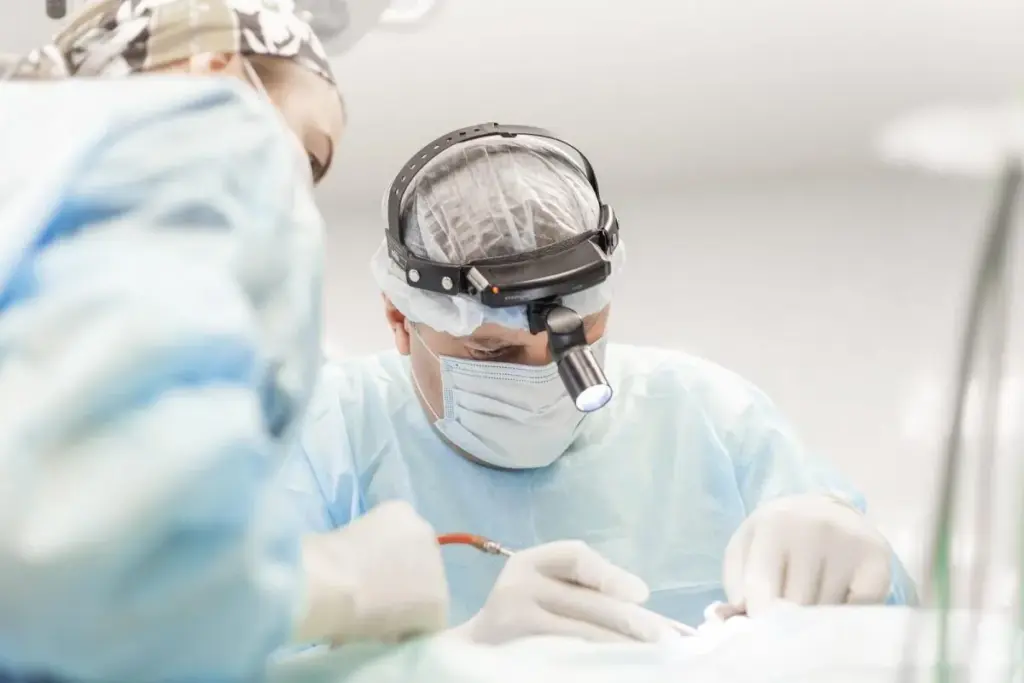
Sinus surgery has changed a lot over the years. Now, we have less invasive methods. These changes help patients recover faster and feel better sooner.
What Defines Sinus Surgery
Sinus surgery is used to treat sinusitis. Functional Endoscopic Sinus Surgery (FESS) is a key method. It’s a less invasive option compared to old surgeries.
FESS uses an endoscope to see inside the sinuses. Surgeons can then remove blockages or diseased tissue. This method is less damaging and leads to quicker recovery times.
Common Conditions Requiring Surgical Intervention
Some conditions need sinus surgery, including:
- Chronic sinusitis that doesn’t get better with medicine
- Nasal polyps that cause big symptoms
- Sinusitis with fungal infections
- Abnormalities in the sinuses that block them
These issues can really affect a person’s life. Surgery can help improve their quality of life.
Evolution of Sinus Surgery Techniques
Sinus surgery has become more advanced. Image-guided surgery has made procedures more precise. This allows for treating even more complex cases.
|
Technique |
Description |
Benefits |
|---|---|---|
|
FESS |
Functional Endoscopic Sinus Surgery |
Minimally invasive, less tissue damage |
|
Balloon Sinuplasty |
A technique using balloons to dilate sinus passages |
Less invasive, quicker recovery |
|
Image-Guided Surgery |
Surgery assisted by imaging technology |
Enhanced precision, better outcomes |
A leading otolaryngologist says, “Advances in sinus surgery have changed how we treat sinusitis. Now, we have more effective and less invasive options.” Many studies agree, showing the benefits of new techniques.
Types of Sinus Surgery Procedures

Sinus surgery includes many procedures, each for different sinus problems. The right procedure depends on the problem’s severity and the patient’s health.
Endoscopic Sinus Surgery (ESS)
Endoscopic Sinus Surgery (ESS) is a less invasive method. It uses an endoscope to see inside the sinuses. This helps remove diseased tissue and improve drainage.
Benefits of ESS: It has a shorter recovery time, less pain after surgery, and little scarring.
Balloon Sinuplasty
Balloon Sinuplasty is a minimally invasive procedure. It uses a balloon to widen the sinus passages. It’s often for patients with mild sinus issues.
Advantages: It’s less invasive than traditional surgery, has fewer complications, and quicker recovery.
Traditional Open Sinus Surgery
For more serious cases, traditional open sinus surgery is needed. This method involves making an incision to directly access the sinuses.
Indications: It’s for severe sinus disease, complex anatomy, or when other methods won’t work.
Image-Guided Sinus Surgery
Image-Guided Sinus Surgery uses advanced imaging for real-time feedback. This improves precision and lowers the risk of complications.
Benefits: It’s more accurate, reduces damage to surrounding areas, and leads to better results.
|
Procedure |
Minimally Invasive |
Recovery Time |
Indications |
|---|---|---|---|
|
Endoscopic Sinus Surgery (ESS) |
Yes |
Short |
Chronic sinusitis, nasal polyps |
|
Balloon Sinuplasty |
Yes |
Short |
Mild sinus disease |
|
Traditional Open Sinus Surgery |
No |
Longer |
Severe sinus disease, complex cases |
|
Image-Guided Sinus Surgery |
Varies |
Varies |
Complex anatomy, revision surgery |
How Long Does Sinus Surgery Take?
Knowing how long sinus surgery lasts is key for those about to have it. The time needed can change based on the surgery’s complexity and the patient’s health.
Average Duration of 1-3 Hours
Endoscopic Sinus Surgery (ESS), a common surgery, usually takes 1 to 3 hours. This can change if the surgery is on one or both sinuses.
A study in the Journal of Otolaryngology-Head and Neck Surgery found ESS takes about 2 hours on average.
Clinical Research Supporting Timeframes
Many studies agree that sinus surgery lasts 1 to 3 hours. The disease’s extent, the patient’s anatomy, and the surgeon’s skill can affect the time.
Procedure-Specific Duration Expectations
Each sinus surgery type has its own time frame. For example:
|
Procedure |
Average Duration |
|---|---|
|
Endoscopic Sinus Surgery (ESS) |
1-3 hours |
|
Balloon Sinuplasty |
30 minutes to 1 hour |
|
Traditional Open Sinus Surgery |
1-2 hours |
It’s vital for patients to talk to their surgeon about their specific surgery and expected time. This helps them know what to expect.
Factors That Influence Sinus Surgery Duration
Many things can affect how long sinus surgery lasts. Each surgery is different. Knowing these factors helps patients understand what to expect.
Extent of Sinus Disease
The severity of sinus disease is key. More serious cases need longer surgery times. This is because they require more cleaning or removal of diseased tissue.
- Chronic Sinusitis: More severe cases can prolong surgery.
- Polyps and Growth: Presence of nasal polyps or other growths can add to the surgical time.
Anatomical Variations
Everyone’s body is different. These differences can make surgery more complex. The size, shape, and structure of the sinuses affect how easy it is to access and treat them.
Surgeon Experience and Technique
The surgeon’s skill and the techniques used matter a lot. More experienced surgeons work faster. Newer techniques might take longer.
- Surgeon expertise can reduce complications and potentially shorten surgery time.
- Advanced techniques, such as balloon sinuplasty, may offer quicker recovery but can vary in duration.
Additional Procedures Performed Simultaneously
At times, other procedures are done during sinus surgery. For example, septoplasty or turbinate reduction. These extra steps make the surgery longer.
- Septoplasty: Correcting a deviated septum can add to the surgical time.
- Turbinate Reduction: Reducing the size of turbinate bones can also impact the overall duration.
Understanding these factors helps patients prepare for their surgery. They can better anticipate the surgery’s length and the possible variations.
Preparing for Sinus Surgery
Getting ready for surgery is very important. At Liv Hospital, we help our patients get ready for their sinus surgery.
Pre-surgical Consultations
Before functional endoscopic sinus surgery, patients meet with their surgeon. They talk about the sinusitis medical procedure. They also share their medical history and any worries.
Required Medical Tests
Patients need to do some medical tests before surgery. These tests include blood work and CT scans. They help make sure the patient is healthy enough for surgery.
Medication Adjustments
Patients must tell their surgeon about their medicines. Some medicines might need to be changed or stopped before surgery. This is to keep the patient safe.
Day-Before Preparations
The day before sinus surgery, patients get special instructions. They might need to fast or avoid certain medicines. This helps them get ready for the surgery.
By following these steps and working with their healthcare team, patients get ready for their sinus surgery. This makes the surgery successful and helps with a smooth sinus surgery recovery.
The Complete Timeline of Sinus Surgery Day
Understanding what to expect on your sinus surgery day can alleviate anxiety. We’ll guide you through each stage of your procedure.
Arrival and Check-in Process
When you arrive, you’ll start with the check-in. This is where you confirm your personal and medical details. Our team will help you with this, making sure everything is ready.
Pre-operative Preparation (1-2 Hours)
Next, you’ll head to the pre-operative area. Here, you’ll get ready for surgery. You’ll change into a gown, have an IV inserted, and meet your surgical team.
The Surgery Itself (1-3 Hours)
The surgery’s length depends on its complexity and if it’s your first or second time. Usually, it takes between 1 to 3 hours for endoscopic sinus surgery (ESS) or FESS surgery.
Recovery Room Monitoring (1-2 Hours)
After surgery, you’ll go to the recovery room. Here, our team will watch over you. They’ll manage any pain and check for any issues.
Here’s a quick overview of what to expect:
|
Stage |
Approximate Duration |
Description |
|---|---|---|
|
Arrival and Check-in |
30 minutes |
Confirming personal and medical information |
|
Pre-operative Preparation |
1-2 hours |
Preparing for surgery, IV insertion, meeting with surgical team |
|
The Surgery |
1-3 hours |
Endoscopic sinus surgery or FESS surgery |
|
Recovery Room Monitoring |
1-2 hours |
Post-operative care and monitoring |
By knowing this timeline, you can prepare better for your surgery. This can help you feel more at ease and comfortable.
Anesthesia for Sinus Surgery
Effective anesthesia is key for sinus surgery, making the process less painful. We’ll look at the different types, like general and local anesthesia with sedation. We’ll see how they impact surgery time and recovery.
General Anesthesia: The Standard Approach
General anesthesia is often used for Endoscopic Sinus Surgery (ESS). It keeps patients comfortable and motionless during the surgery. This anesthesia puts patients in a controlled, reversible sleep state.
Benefits of General Anesthesia:
- Complete pain relief during surgery
- Patient remains steady, lowering complication risks
- Enables more detailed surgeries
Local Anesthesia with Sedation Options
Local anesthesia with sedation is sometimes used for sinus surgery. It numbs the surgery area while keeping the patient awake but calm.
Advantages of Local Anesthesia with Sedation:
- Shorter recovery time than general anesthesia
- Less chance of general anesthesia side effects
- Quicker leave from the recovery room
How Anesthesia Type Affects Surgery Duration
Anesthesia choice can change surgery time. General anesthesia needs more time for setup and recovery, extending the surgery.
|
Anesthesia Type |
Average Time for Induction |
Average Recovery Time |
|---|---|---|
|
General Anesthesia |
15-30 minutes |
1-2 hours |
|
Local Anesthesia with Sedation |
5-15 minutes |
30 minutes to 1 hour |
Waking Up From Anesthesia
After surgery, the anesthesia team will slowly reverse the anesthesia. This lets patients wake up. The recovery room team will watch over them, managing any pain or discomfort.
Knowing about anesthesia in sinus surgery helps patients make better choices. Talking with their healthcare provider can help find the best anesthesia for their needs.
The Endoscopic Sinus Surgery Procedure
The endoscopic sinus surgery procedure is a modern method to fix sinus problems. We’ll explore what this surgery involves.
Step-by-Step Surgical Process
The ESS procedure starts with an endoscope being put into the nasal cavity. The endoscope gives a clear view of the sinuses, helping the surgeon spot any issues.
Next, the surgeon uses special tools to remove bad tissue or polyps. This is key to getting the sinuses to drain properly again.
Minimally Invasive Techniques
ESS is known for being minimally invasive. The endoscope means no big cuts are needed, making recovery faster and safer.
Thanks to these techniques, patients feel less pain and can get back to their daily life sooner.
What Happens During Each Hour of Surgery
In the first hour, the patient gets ready, and the endoscope is inserted. The surgeon then finds and fixes any sinus problems. The second hour is for the actual surgery, like removing blockages or bad tissue.
The surgery time can change based on how complex the case is. But most take one to three hours.
Completion and Immediate Post-Procedure Care
Once the surgery is done, the patient goes to the recovery room. Here, they’re watched closely and any pain is managed.
Patients usually go home the same day. They must be fully awake and comfortable from the anesthesia.
Hospital Stay After Sinus Surgery
The time you spend in the hospital after sinus surgery depends on a few things. These include the surgery type and your health. Some people go home the same day, while others need to stay overnight.
Same-Day Discharge Protocols
Most patients who have Functional Endoscopic Sinus Surgery (FESS) can go home the same day. This is thanks to better surgery and anesthesia methods. These advancements have made recovery faster.
When Overnight Observation Is Necessary
Some cases need a longer hospital stay. This includes:
- Patients with serious health issues
- Those who face complications during or after surgery
- People having more complex sinus surgeries
Our medical team watches each patient closely. They decide if an extended stay is needed.
Monitoring Parameters Before Release
Before you leave, doctors check a few important things. These are:
|
Parameter |
Description |
|---|---|
|
Vital Signs |
Stable blood pressure, heart rate, and oxygen levels |
|
Pain Management |
Enough pain control with pills |
|
Nasal Bleeding |
Little to no bleeding from the surgery area |
Discharge Instructions
When you leave, you get clear instructions on caring for yourself. This includes:
- Using nasal saline rinses
- Managing your medications
- Scheduling follow-up visits
- Watching for signs of complications
Following these instructions is key for a smooth sinus surgery recovery.
Knowing what to expect in the hospital after FESS surgery helps prepare you. It makes the sinusitis medical procedure and recovery easier to handle.
Recovery Timeline Following Sinus Surgery
Knowing what to expect after sinus surgery is key. It helps manage hopes and aids in healing. Everyone recovers differently, but there are general guidelines to follow.
First 24 Hours: Immediate Recovery
The first day after surgery is vital for healing. Rest and avoid hard work. You might feel:
- Nasal congestion and swelling
- Mild discomfort or pain
- Nasal discharge or bleeding
It’s important to listen to your surgeon about pain, nasal care, and follow-ups. This ensures a smooth recovery.
Days 2-7: Early Healing Phase
In the early healing phase, you might start to feel better. But, keep following your surgeon’s advice. Key points include:
- Gradual reduction in nasal congestion
- Improvement in breathing
- Possible increase in nasal discharge as the sinuses start to clear
Use saline nasal sprays and irrigations as directed to help heal.
Weeks 2-4: Progressive Improvement
In the second to fourth week, you’ll see big improvements. These may include:
- Further reduction in nasal congestion
- Enhanced sense of smell
- Continued healing of the sinus passages
Keep up with follow-up appointments to track your healing and address any issues.
Complete Recovery Expectations
Recovery from sinus surgery can take weeks to months. The surgery’s extent, your healing rate, and post-op care affect recovery time. Most see big improvements in 4-6 weeks, but full recovery may take longer.
By knowing the recovery timeline, you can prepare better. This helps achieve the best results from your surgery.
Success Rates of Sinus Surgery
Studies show that sinus surgery can greatly improve life for those with chronic sinusitis. Endoscopic sinus surgery (ESS) is popular because it works well and is less invasive.
Statistical Outcomes
ESS success rates range from 76% to 97.5%. This wide range comes from different disease severities, surgeon skills, and techniques. Most patients see big symptom improvements after surgery.
Symptom Relief Expectations
Patients often see less nasal congestion, facial pain, and smell loss after surgery. The relief varies, but most feel much better. This leads to a better life, with easier breathing and more enjoyment of daily activities.
Revision Surgery Rates
Even with success, some need more surgery. About 16% of patients need a second surgery. This is due to disease return or not removing all diseased tissue the first time. Regular check-ups with an ENT specialist help catch and fix these issues early.
Long-term Quality of Life Improvements
Sinus surgery not only relieves symptoms but also improves life long-term. It helps manage chronic sinusitis, reducing medication needs and infections. Studies show these benefits last for years, making it a good choice for chronic sinusitis sufferers.
Potential Complications and Risks
Understanding the risks of sinus surgery is key. Like any surgery, it can have complications. These can range from mild to serious.
Common Minor Complications
Minor issues are common and usually don’t last long. These might include:
- Nasal congestion or swelling
- Mild bleeding or discharge
- Temporary loss of smell
- Discomfort or pain
These problems often go away within a few days to weeks after sinus surgery.
Serious but Rare Complications
Though rare, serious problems can happen. These might include:
- Significant bleeding needing a transfusion
- Infection spreading to other areas
- Damage to nearby structures (e.g., eyes, brain)
- Adverse reactions to anesthesia
Talking to your surgeon about these risks is vital. They can explain the specific risks for your sinusitis medical procedure.
How Surgery Duration Correlates with Risk
The length of sinus surgery affects risk. Longer surgeries might raise the risk. This is because of longer anesthesia time and more tissue work.
|
Surgery Duration |
Risk Level |
Factors Influencing Risk |
|---|---|---|
|
1-2 hours |
Low to Moderate |
Anesthesia time, tissue manipulation |
|
2-3 hours |
Moderate |
Increased anesthesia time, more bleeding risk |
|
More than 3 hours |
Higher |
Longer anesthesia, more complex procedure |
Warning Signs During Recovery
Knowing warning signs during recovery is important. These signs might mean a complication. Look out for:
- Severe pain or swelling
- Heavy bleeding or discharge
- Fever or chills
- Difficulty breathing
If you see these signs, call your healthcare provider right away after your operate sinus surgery.
Cost Considerations for Sinus Surgery
It’s important for patients to know the costs of sinus surgery. The price can change based on the surgery type, how long it takes, and insurance.
Operating Time and Total Cost
The surgery’s length affects the total cost. Longer surgeries mean more time in the operating room, more anesthesia, and possibly more care. This can make the surgery more expensive. For example, a complex endoscopic sinus surgery (ESS) might cost more than a simple one.
The cost isn’t just for the surgery. It also includes pre-op checks, post-op care, and any follow-up treatments.
Insurance Coverage for Sinus Surgery
Insurance is a big factor in the cost of sinus surgery. Most plans cover surgeries needed for chronic sinusitis or serious conditions. But, how much is covered can differ a lot.
Patients should check their insurance before surgery. They need to know what’s covered, what’s not, and any costs they’ll have to pay themselves.
Additional Expenses to Anticipate
There are costs beyond the surgery itself. Patients might need to pay for:
- Pre-operative tests and consultations
- Post-operative medications and follow-up appointments
- Potential complications or revisions
- Time off work for recovery
Knowing these extra costs helps patients plan their finances better for surgery.
Financial Planning for Sinus Surgery
Good financial planning is essential for sinus surgery costs. Patients should:
- Consult with their insurance provider to understand their coverage
- Discuss possible costs with their healthcare provider
- Look into financing options or assistance programs
- Plan for time off work and other indirect costs
By following these steps, patients can handle the financial side of surgery. This lets them focus on getting better and improving their health.
Selecting a Qualified Sinus Surgeon
Finding the right sinus surgeon is key to a good outcome. The surgeon’s skill is very important. Look for certain qualities to get the best care.
Credentials and Specializations
A good sinus surgeon has the right credentials and special training. They should be board-certified in ENT and have sinus surgery training. Being part of professional groups shows they keep up with new methods.
Key Credentials to Look For:
- Board certification in otolaryngology
- Specialized training in sinus surgery
- Membership in professional ENT organizations
Experience with Specific Procedures
Experience matters a lot in sinus surgery. A surgeon with lots of experience in ESS or balloon sinuplasty can handle tough cases better. Ask about their experience and success rates.
|
Procedure |
Experience Level |
Success Rate |
|---|---|---|
|
Endoscopic Sinus Surgery (ESS) |
High |
95% |
|
Balloon Sinuplasty |
Moderate |
90% |
|
Revision Sinus Surgery |
High |
85% |
Questions About Surgical Approach and Duration
Knowing the surgery plan and how long it will take helps you prepare. Ask about the steps, anesthesia, and recovery time. This info can ease your worries and get you ready for surgery.
“The way to get started is to quit talking and begin doing.” – Walt Disney. This quote emphasizes the importance of taking action and being prepared for your sinus surgery journey.
Patient Reviews and Success Rates
Looking at patient reviews and success rates can give you insight. Check different sources and ask about success with similar procedures. High satisfaction and success rates mean the surgeon is skilled.
By looking at a surgeon’s credentials, experience, and patient feedback, you can make a smart choice. Choose a qualified sinus surgeon who fits your needs.
Technological Advancements in Sinus Surgery
Medical technology has changed sinus surgery a lot. Now, procedures are faster and better. This has helped patients recover faster and feel better sooner.
Modern Equipment Reducing Procedure Time
New tools have made sinus surgery shorter. High-definition endoscopes and advanced tools help doctors work more precisely. This means patients are under anesthesia for less time.
Tools like microdebriders make removing bad tissue easier. This cuts down on the time needed for surgery and lowers the chance of complications after.
- Improved visualization through high-definition imaging
- Precision instruments for delicate procedures
- Reduced operating times due to streamlined processes
Image-Guided Navigation Systems
Image-guided systems have changed sinus surgery a lot. They use pre-operative CT scans to show surgeons exactly where they are. This helps them do the surgery more accurately.
This tech is really helpful in tricky cases or when the anatomy is different.
Robotic Assistance in Sinus Procedures
Robotic help is becoming more common in sinus surgery. It gives doctors more control and precision. This could mean patients recover faster and have better results.
Robotic surgery is new, but it’s showing a lot of promise. It could lead to even more improvements in the future.
- Enhanced precision through robotic manipulation
- Potential for reduced recovery times
- Increased complexity of procedures that can be performed
Emerging Technologies on the Horizon
New tech is coming that will change sinus surgery even more. Things like augmented reality and artificial intelligence could make surgery even more precise. They could also improve how we care for patients.
By using these new technologies, we’re not just improving surgery. We’re also setting the stage for even more advancements that will help patients even more.
Living with Chronic Sinusitis: When Is Sinus Surgery Worth It?
Living with chronic sinusitis is tough. Knowing when to consider sinus surgery is key. It can greatly improve your life quality, helping you manage daily tasks and feel better overall.
Quality of Life Considerations
Chronic sinusitis can cause persistent nasal congestion, facial pain, and loss of smell. These symptoms can really affect your life. If these issues don’t get better with treatment, surgery might be an option.
Thinking about surgery means looking at how sinusitis affects your life. Consider how symptoms impact your daily activities, social life, and health.
Medical Management vs. Surgical Intervention
Before surgery, you’ll try treatments like antibiotics, nasal decongestants, and corticosteroids. If these don’t help, surgery might be needed.
Choosing between treatment and surgery depends on several things. These include how bad your symptoms are, any physical issues, and your overall health.
|
Considerations |
Medical Management |
Surgical Intervention |
|---|---|---|
|
Symptom Severity |
Manages mild to moderate symptoms |
Addresses severe and persistent symptoms |
|
Treatment Approach |
Pharmacological treatments |
Surgical procedures like ESS or balloon sinuplasty |
|
Recovery Time |
Minimal downtime |
Varies depending on the procedure |
Patient Satisfaction Statistics
Many patients who have sinus surgery see improved symptoms and quality of life. Satisfaction rates vary, but most see a big improvement after surgery.
Looking at patient satisfaction can help you decide. It’s important to know about different surgeries and what others have experienced.
Making an Informed Decision
Deciding on sinus surgery involves many factors. You should talk to your doctor and think about the benefits, risks, and other options. It’s about finding what’s best for you based on your situation and the latest research.
By carefully considering the pros and cons, you can make a choice that meets your needs and expectations.
Conclusion
Sinus surgery, like endoscopic sinus surgery (ESS), is a good option for many with chronic sinusitis. We’ve looked at the basics, types, and how long it takes and how well it works.
At Liv Hospital, we aim to give top-notch care and support to our patients. Knowing about sinus surgery helps patients make smart choices. They can look forward to feeling better from chronic sinusitis symptoms.
Our team focuses on personalized care, using the newest sinus surgery techniques. We want our patients to be well-informed. This way, they can make the best health choices for themselves.
FAQ
How long does sinus surgery typically take?
Sinus surgery, like endoscopic sinus surgery (ESS), usually lasts 1 to 3 hours. This depends on how complex the surgery is and the patient’s health.
What is the difference between endoscopic sinus surgery and traditional sinus surgery?
Endoscopic sinus surgery (ESS) is a less invasive method. It uses a camera and tools inserted through the nose. Traditional sinus surgery, on the other hand, requires external cuts and is more invasive.
How long does it take to recover from sinus surgery?
Recovery from sinus surgery can take 2-4 weeks. Most people see big improvements in their symptoms and life quality during this time.
What are the possible complications of sinus surgery?
Sinus surgery is usually safe. But, you might face minor issues like nasal congestion. Rare but serious complications include orbital injury or cerebrospinal fluid leak.
Will I need to stay in the hospital overnight after sinus surgery?
Many patients go home the same day after surgery. But, some might need to stay overnight. This depends on the surgery’s complexity and your health.
How does the extent of sinus disease affect the duration of surgery?
The more severe the sinus disease, the longer the surgery. This is because complex cases need more time to treat properly.
What type of anesthesia is used for sinus surgery?
You can have sinus surgery under general anesthesia or local anesthesia with sedation. This choice depends on your health and the surgeon’s preference.
How do I prepare for sinus surgery?
Preparing for surgery includes pre-surgery talks, medical tests, adjusting medications, and following specific instructions before the surgery day.
What are the success rates of sinus surgery?
Sinus surgery, like ESS, has high success rates. They range from 76% to 97.5%. Many patients see big improvements in symptoms and life quality.
How much does sinus surgery cost?
The cost of sinus surgery varies. It depends on the surgery time, surgeon’s fees, and insurance. You should also expect extra costs for post-operative care.
What are the benefits of choosing a qualified sinus surgeon?
A skilled sinus surgeon can greatly improve surgery success and reduce risks. Their experience in specific procedures matters a lot.
Is sinus surgery worth it for chronic sinusitis?
For many with chronic sinusitis, surgery can be a good choice. It offers significant symptom relief and improves life quality. Patients should weigh their options and consider their health.