We often meet patients who are surprised to learn that Functional Endoscopic Sinus Surgery (FESS) is not just a ‘minor surgery.’
FESS is a minimally invasive procedure for treating various chronic sinus conditions. The procedure is performed using endoscopes inserted through the nostrils, eliminating the need for external incisions. This method has a great safety record and meets the highest international standards.
Exploring FESS surgery and its classification shows why it’s key for patients thinking about sinusitis surgery.
Key Takeaways
- FESS is a minimally invasive procedure treating chronic sinus conditions.
- It is performed using endoscopes through the nostrils without external incisions.
- FESS has an impressive safety record and high success rate.
- The procedure is critical for patients with severe sinusitis.
- Understanding FESS helps patients make informed decisions about their treatment.
What is Functional Endoscopic Sinus Surgery (FESS)?
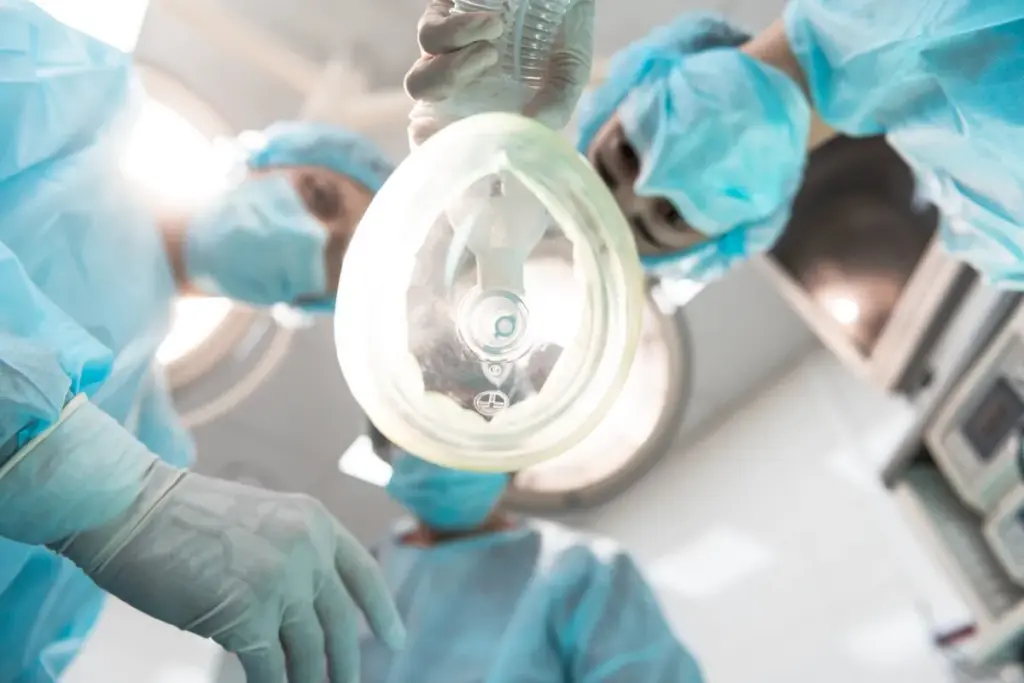
FESS, or Functional Endoscopic Sinus Surgery, is a modern surgical method. It helps restore sinus ventilation and drainage. This technique has significantly enhanced the treatment of sinusitis and other related nasal conditions.
Definition and Core Principles
FESS aims to restore normal sinus function by removing blockages and diseased tissue. It uses an endoscope, a thin, flexible tube with a camera and light. This lets surgeons see the sinuses on a monitor.
This method allows for precise surgery with little harm to nearby tissues.
The main ideas of FESS are:
- Keeping the normal sinus anatomy intact
- Removing diseased tissue and blockages
- Fixing the normal sinus drainage paths
Common Conditions Treated with FESS
FESS helps with many sinus problems, including:
- Chronic sinusitis
- Nasal polyps
- Deviated nasal septum
- Recurring sinus infections
By treating these issues, FESS can greatly enhance patients’ lives. It reduces symptoms like nasal congestion, facial pain, and loss of smell.
Minor vs. Minimally Invasive: Understanding Surgical Classifications
When we talk about surgery, ‘minor’ and ‘minimally invasive’ sound similar but mean different things. It’s important to know the difference, like when we’re talking about Functional Endoscopic Sinus Surgery (FESS).
What Makes a Surgery “Minor”?
A minor surgery is simple, has low risk, and doesn’t hurt the body much. These surgeries are often done with local anesthesia and heal quickly. But, calling a surgery ‘minor’ might make it seem less important than it is.
Minor surgeries are those with little risk and don’t harm much tissue. They treat simple problems and leave little to no scar. Plus, they heal fast.
Why FESS is Considered Minimally Invasive Instead of Minor
FESS is a minimally invasive surgery because it uses endoscopes. This lets surgeons work through the nose without making big cuts. It causes less damage and heals faster.
Even though FESS is not ‘minor’, it’s called minimally invasive. This means it’s less invasive and heals quicker. It’s a complex surgery that needs a lot of skill and knowledge.
In short, FESS is not just a minor surgery because of its complexity and impact. But, it’s minimally invasive, which means it’s less invasive and heals faster. Patients should know this to make the best choice for their care.
Types of Sinus Surgery Procedures
Sinus surgery includes many techniques, from old open surgery to new endoscopic methods. The right procedure depends on the sinus problem’s severity and the patient’s health.
Traditional Open Sinus Surgery Approaches
Older sinus surgery makes cuts outside to reach the sinuses. This method used to be common but is now less used. It’s needed for some complex or severe cases.
Key aspects of traditional open sinus surgery include:
- External incisions to access the sinuses
- Potential for more tissue damage and longer recovery times
- Reserved for complex or severe cases where endoscopic techniques are not feasible
Modern Endoscopic Techniques
Modern sinus surgery, like Functional Endoscopic Sinus Surgery (FESS), is now the top choice for sinusitis. These surgeries go through the nostrils, using an endoscope to see the sinuses.
Advantages of modern endoscopic techniques include:
- Minimally invasive with no external incisions
- Less tissue damage and quicker recovery times
- Ability to precisely target the affected sinuses
How FESS Compares to Other Sinusitis Treatments
FESS is often compared to other sinusitis treatments, like medicine and old surgery. The choice depends on the problem’s severity and how well the patient responds to first treatments.
|
Treatment Option |
Invasiveness |
Recovery Time |
Effectiveness |
|---|---|---|---|
|
FESS |
Minimally Invasive |
Short |
High |
|
Traditional Open Surgery |
Invasive |
Long |
Variable |
|
Medication |
Non-Invasive |
Varies |
Dependent on Condition Severity |
Otolaryngology experts say, “FESS has changed sinusitis treatment by being effective and less invasive for those not helped by other treatments.”
“The advent of endoscopic sinus surgery has significantly improved patient outcomes by reducing recovery times and minimizing complications.”
Knowing about different sinus surgery types helps patients make better choices. By looking at each method’s benefits and drawbacks, patients can work with their doctors to find the best treatment.
The FESS Classification System Explained
The FESS classification system is key for figuring out how complex sinus surgery is. It helps standardize treatments for sinusitis and other sinus issues. It does this by grouping surgeries based on how much work is needed.
Type I and Type II Procedures: Limited Interventions
Type I and Type II FESS procedures are less invasive. Type I is a simple drainage method for isolated sinus disease. Type II is more detailed, including ethmoidectomy, maxillary antrostomy, and sometimes sphenoidotomy. It’s for patients with localized sinus issues.
Type III Procedures: Single/Multiple Sinuses
Type III procedures are more thorough, covering posterior ethmoidectomy and more. They’re for those with disease in multiple sinuses. Most FESS surgeries fall into this or the even more detailed Type IV.
Type IV Procedures: Comprehensive Sinus Treatment
Type IV is the most detailed, including all previous procedures plus frontal sinusotomy. It’s for severe, widespread sinus disease needing extensive surgery.
Classifying FESS helps surgeons tailor surgeries to each patient’s needs. Most surgeries are Type III or IV, showing the complexity of many cases.
|
FESS Type |
Procedures Included |
Indications |
|---|---|---|
|
Type I |
Simple drainage |
Isolated sinus disease |
|
Type II |
Anterior ethmoidectomy, maxillary antrostomy, sphenoidotomy |
Localized sinus disease |
|
Type III |
Posterior ethmoidectomy, in addition to Type II procedures |
Significant sinus disease affecting multiple sinuses |
|
Type IV |
Comprehensive sinus treatment including frontal sinusotomy |
Severe, widespread sinus disease |
Experts say the FESS system offers a structured way to approach sinus surgery. It allows for treatments that meet each patient’s unique needs. This structured approach is vital for better outcomes and recovery.
What Happens During a FESS Operation?
The FESS operation is a detailed process. It requires careful planning and execution for the best results. Understanding the steps involved helps grasp the thoroughness and precision of this procedure.
Pre-Surgical Evaluation and Preparation
Before FESS, patients get a full evaluation of their sinus condition. This includes a detailed medical history, nasal endoscopy, and CT scans. We use this info to plan the surgery, focusing on the specific areas that need work.
Preparation also means talking about medications and allergies. We ask patients to stop certain meds that might increase bleeding risk during surgery.
The Step-by-Step Surgical Process
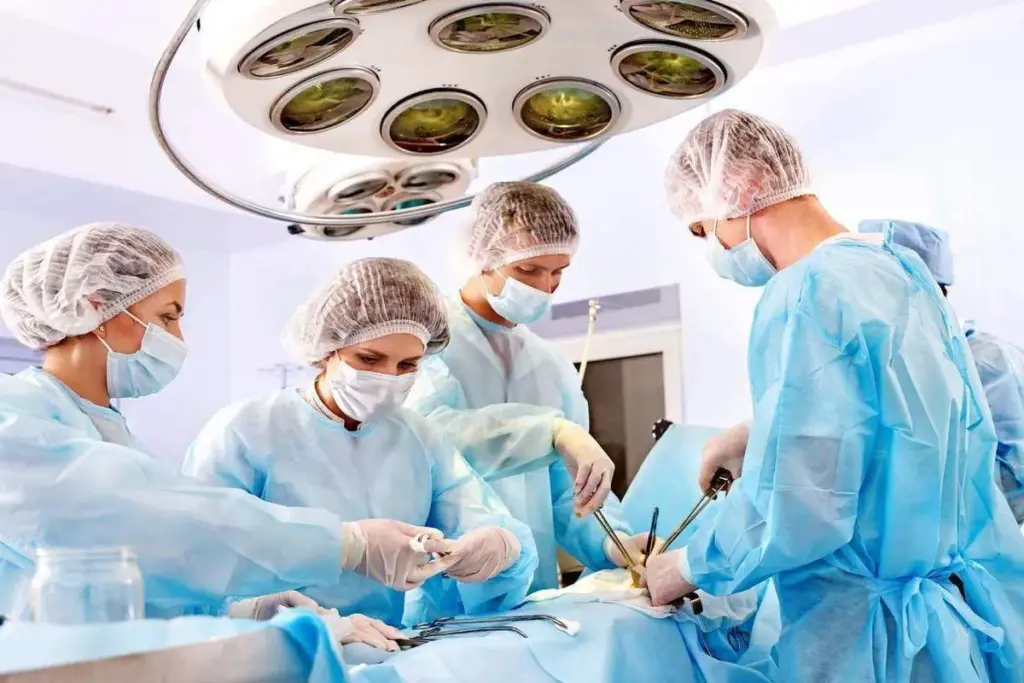
In the FESS procedure, we use an endoscope to see inside the sinuses. This thin, flexible tube has a camera and light. It helps us navigate the nasal passages and sinuses accurately.
The surgery has several key steps:
- Insertion of the endoscope to visualize the sinuses.
- Identification of the areas causing obstruction or infection.
- Use of specialized instruments to remove diseased tissue, polyps, or bone fragments that are obstructing the sinuses.
- Enlargement of the natural drainage pathways of the sinuses to improve ventilation and drainage.
Advanced Technology and Equipment Used
FESS uses advanced technology, like high-definition endoscopes and image-guided systems. These tools help us perform the surgery with great precision, reducing the risk of complications.
Advanced equipment also lets us monitor the procedure in real-time. This ensures we meet our goals while protecting the delicate nasal structures.
The Endoscopic Advantage: Why No External Incisions Matter
Endoscopic sinus surgery is a big deal because it doesn’t need any cuts on the outside. This makes the surgery safer and leaves less chance for scars. It also makes the patient’s recovery smoother and looks better.
Navigating Through Natural Openings
With endoscopic sinus surgery, we use the body’s own openings to get to the sinuses. This way, we avoid big cuts and keep the sinuses’ natural shape. Patients feel less pain after and heal faster.
Tissue Preservation and Targeted Treatment
The endoscopic method lets us treat the problem area directly. This means we don’t mess with the healthy tissue around it. It’s key to keeping the sinuses working right after surgery.
Using the latest endoscopic tech and our skills, we treat sinusitis well. This helps patients live better lives. They heal quicker, feel less pain, and get better results.
Key benefits of endoscopic sinus surgery include:
- Minimally invasive with no external incisions
- Reduced risk of complications and scarring
- Preservation of natural sinus anatomy
- Targeted treatment with minimal tissue disruption
- Faster recovery times and less post-operative pain
We keep improving in endoscopic sinus surgery. Our goal is to give our patients the best care for their sinus problems.
Understanding Sinus Surgery Complication Rates
Sinus surgery, like Functional Endoscopic Sinus Surgery (FESS), is usually safe. But, it can have risks and complications. Knowing these rates helps you make informed choices.
Major and Minor Complications
Major complications from sinus surgery are rare, happening in 0-1.5% of cases. These serious issues include orbital injury or cerebrospinal fluid leakage. Minor complications, though, are more common, affecting up to 20% of patients. These might include temporary nasal congestion or infection.
Risk Factors for Complications
Some factors can raise the risk of complications during or after sinus surgery. These include the surgery’s complexity, the patient’s health, and anatomical variations. Knowing these risk factors is key to managing expectations and reducing possible issues.
When thinking about sinus surgery or FESS, weigh the benefits against the risks. For many, the benefits of sinusitis surgery are significant, improving their quality of life. Talking to a healthcare provider about your risks and benefits can help decide if surgery is right for you.
FAQ
What is Functional Endoscopic Sinus Surgery (FESS)?
FESS is a surgery that treats sinus problems like chronic sinusitis and nasal polyps. It uses an endoscope to see inside the sinuses. Then, it removes diseased tissue or blockages.
Is FESS considered a minor surgery?
No, FESS is not a minor surgery. It’s a minimally invasive procedure that’s complex. It greatly improves patients’ quality of life.
What conditions are treated with FESS?
FESS treats chronic sinusitis, nasal polyps, and other sinus issues. These problems don’t get better with usual treatments.
What are the different types of FESS procedures?
FESS procedures range from Type I to Type IV. Each type has its own use and scope. They vary from simple to complex treatments.
What happens during a FESS operation?
Before surgery, patients get checked and prepared. Then, they go through a detailed surgery. This uses advanced tools like endoscopes and navigation systems.
What are the benefits of endoscopic sinus surgery?
Endoscopic sinus surgery, like FESS, has many benefits. It doesn’t make external cuts. It uses natural openings and preserves tissue. This leads to quicker healing and fewer risks.
What are the possible complications of sinus surgery?
Sinus surgery, including FESS, can have major (0-1.5%) and minor (up to 20%) complications. Risks include anatomical issues, past surgeries, and health conditions.
How does FESS compare to other sinusitis treatments?
FESS is better than other treatments like open surgery and conservative management. It’s less invasive, has quicker recovery, and better results.
Is sinus surgery worth it?
Yes, for many, sinus surgery, including FESS, is a good choice. It relieves chronic symptoms, improves life quality, and reduces medical needs.
What is the recovery like after FESS surgery?
After FESS, patients might feel nasal congestion, discharge, and mild pain. Most can go back to normal in a few days to a week. Full recovery takes several weeks.
Can FESS be used to treat sinus infections?
Yes, FESS can treat chronic or recurrent sinus infections. It removes diseased tissue, improves drainage, and helps healing.
The Lancet. Evidence-Based Medical Insight. Retrieved from https://www.thelancet.com/journals/lancet/article/PIIS0140-6736(17)30427-6/fulltext