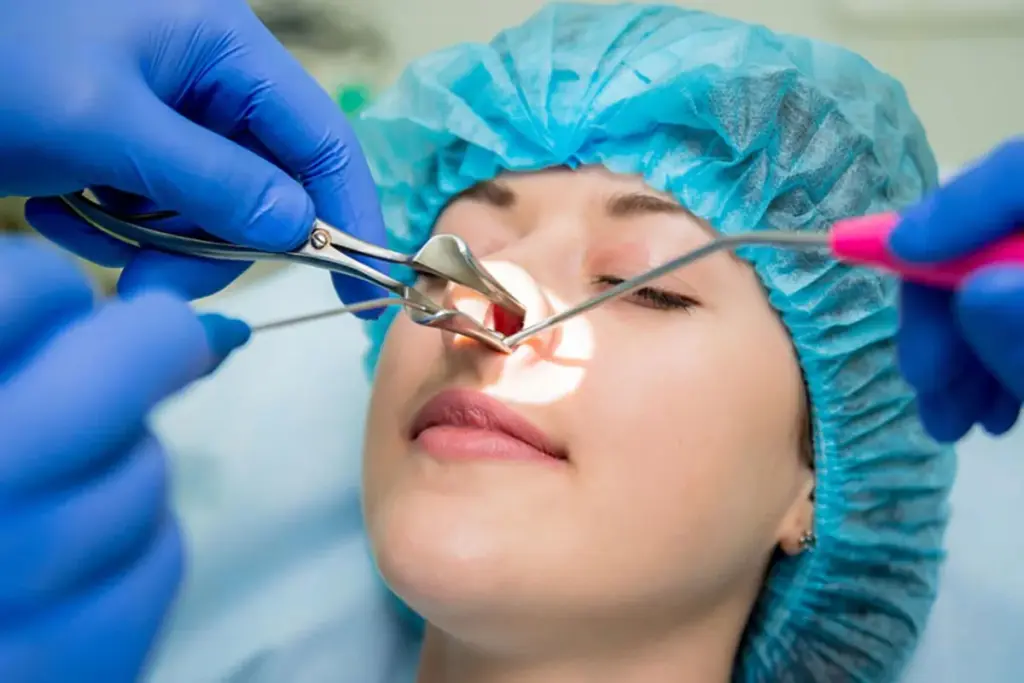
Millions of people worldwide suffer from chronic sinusitis. This condition causes ongoing discomfort and affects their quality of life. For many, nasal surgery is a necessary solution to ease symptoms and tackle underlying issues sinus surgery.
Key Takeaways
- Nasal surgery is performed to treat chronic sinusitis and related conditions.
- The procedure involves removing nasal polyps and improving sinus drainage.
- Sinusitis surgery can significantly improve the quality of life for affected individuals.
- It is considered when other treatments fail to provide relief.
- Nasal surgery is a common and effective treatment for sinus-related issues.
Understanding Sinus Surgery
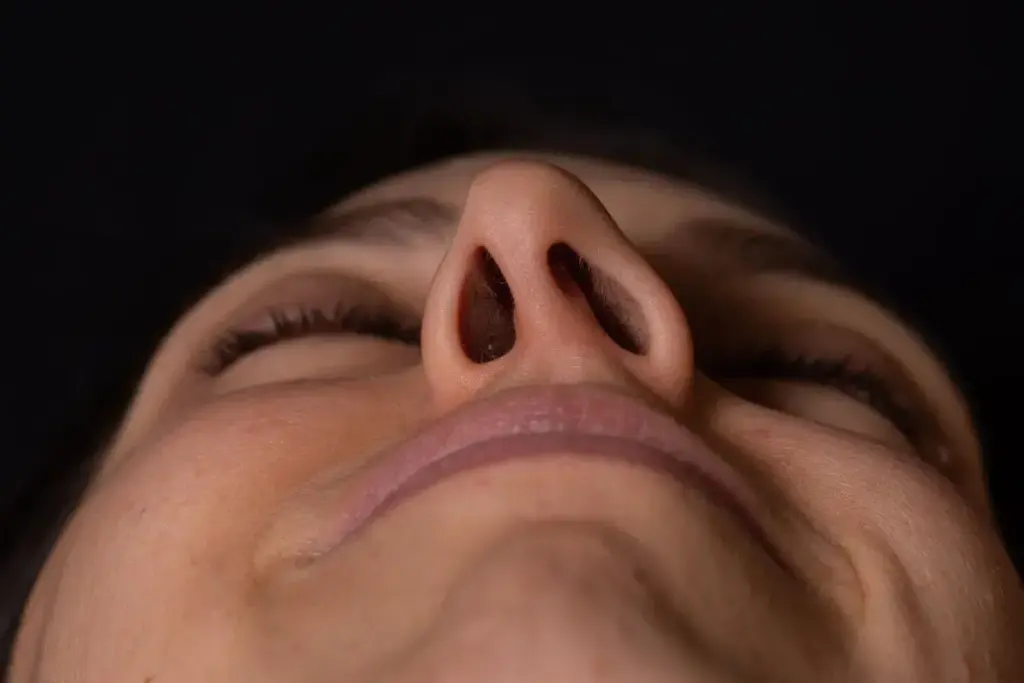
Sinus surgery is a medical procedure aimed at solving sinus problems. It helps improve how we breathe and feel. It’s important for our health.
Definition and Purpose
Sinus surgery helps with breathing and reduces infections. It’s for those with long-term sinus issues. The goal is to restore normal sinus function and improve life quality.
This surgery might include endoscopic sinus surgery. It uses an endoscope to see inside the sinuses. This method is less invasive but very effective.
Anatomy of the Sinuses
The sinuses are air-filled cavities in our nose. They make mucus to humidify air and filter out harmful particles. The sinuses are complex, with many small areas.
Knowing the sinuses is key for diagnosing and treating problems. They are divided into frontal, maxillary, ethmoid, and sphenoid sinuses. Each has its own role.
How Sinuses Affect Your Health
When sinuses get inflamed or infected, we can feel nasal congestion, pain, and trouble breathing. Chronic sinusitis can really affect our daily life. It can mess with sleep, taste, and overall health.
- Nasal congestion and discharge
- Facial pain and pressure
- Coughing and sore throat
- Headaches and fatigue
Managing sinus health is vital. Sometimes, sinus surgery is needed to solve these problems and prevent more issues.
Common Types of Sinus Surgery

There are many types of sinus surgeries, each with its own benefits. The right procedure depends on the patient’s condition and the surgeon’s advice.
Endoscopic Sinus Surgery
Endoscopic sinus surgery is a new way to treat sinus problems. It uses a thin, flexible tube with a camera to see inside the sinuses. This method removes blockages and diseased tissue with less damage.
Balloon Sinuplasty
Balloon sinuplasty is a less invasive way to treat sinusitis. A small balloon is used to open up the blocked sinus passage. This procedure is done in an outpatient setting.
Functional Endoscopic Sinus Surgery (FESS)
Functional Endoscopic Sinus Surgery (FESS) aims to fix sinus problems. It removes diseased tissue and bone and fixes anatomical issues. This surgery is more detailed than endoscopic sinus surgery.
Caldwell-Luc Operation and Other Procedures
The Caldwell-Luc Operation is an older surgery that accesses the maxillary sinus through the gum. It’s not as common today but might be used in some cases.
Other surgeries, like turbinate reduction and septoplasty, might be done with sinus surgery. They help with nasal and sinus problems.
When Is Sinus Surgery Necessary?
If treatments like medications and nasal sprays don’t work, surgery might be needed. This is often the case for those with chronic sinusitis, nasal polyps, or a deviated septum. These conditions can cause a lot of discomfort.
Chronic Sinusitis and Recurrent Infections
Chronic sinusitis means your sinuses are always inflamed and infected. This leads to constant sinus pressure, pain, and stuffy nose. If these symptoms don’t go away with treatment, surgery might be the next step.
- Improve sinus drainage
- Reduce the frequency of sinus infections
- Alleviate symptoms such as facial pain and nasal congestion
Nasal Polyps and Growths
Nasal polyps are non-cancerous growths in the nasal passages and sinuses. They can block your nose, make it hard to smell, and cause sinus pressure. If these polyps are big or many, surgery is needed to:
- Remove the polyps
- Improve sinus drainage
- Reduce the risk of recurrence
Deviated Septum and Structural Issues
A deviated septum happens when the thin wall between your nasal passages is off-center. This can block your nose and cause sinus problems. Surgery, like septoplasty, might be done to fix this and improve sinus health.
- Improve nasal airflow
- Reduce sinus pressure
- Enhance overall sinus health
Fixing a deviated septum can greatly help with symptoms like a stuffy nose.
The Sinus Surgery Procedure Explained
It’s important for patients to know about sinus surgery. This operation uses advanced technology to fix sinus problems.
Pre-operative Assessment and Imaging
Before surgery, a detailed check-up is done. This includes a medical history, physical exam, and CT scans. These tests help see the sinuses and find any problems.
Imaging is key for planning the surgery. It helps surgeons understand the patient’s sinuses and plan the best approach.
Anesthesia Options
Surgery is usually done under general anesthesia for comfort. But, local anesthesia with sedation might be used for simpler cases.
Step-by-Step Surgical Process
The surgery has several steps:
- The surgeon uses an endoscope to see the sinuses.
- Special tools are used to remove blockages or diseased tissue.
- The goal is to improve drainage and prevent future infections.
The endoscope makes the surgery less invasive. This means less recovery time and fewer risks.
|
Procedure Step |
Description |
Benefits |
|---|---|---|
|
Endoscopic Visualization |
Using an endoscope to view the sinuses |
Accurate diagnosis and treatment |
|
Removal of Blockages |
Clearing diseased tissue or polyps |
Improved sinus drainage |
|
Minimally Invasive Technique |
Reducing tissue damage |
Less recovery time |
The sinus flush technique is often used with surgery. It helps remove debris and prevent infections. Knowing about the surgery can help patients feel more at ease.
Preparing for Your Sinus Surgery
Sinus surgery needs careful planning, including medical checks and lifestyle changes. Getting ready well can greatly help the surgery’s success and your recovery.
Medical Evaluations and Tests
Before sinus surgery, you’ll need to go through detailed medical checks. These tests are key to spotting any health risks and making sure you’re ready for surgery. You might have:
- Blood tests to check for clotting disorders or infections
- Imaging tests like CT scans to look at your sinuses
- Heart checks for those with heart issues
Doctors say a good pre-surgery check is very important. This helps find and plan for any possible problems.
Medication Adjustments
You might need to change your medications before surgery. This could mean stopping some drugs that could mess with the surgery or healing. For example:
- Stopping blood thinners a few days before to lower bleeding risk
- Starting antibiotics or steroids to get your sinuses ready
It’s very important to follow your surgeon’s advice on changing medications. This ensures a safe and effective surgery.
“Tell your surgeon about all your medications, including over-the-counter ones and supplements, to avoid any problems.”
Lifestyle Preparations and Restrictions
Changing your lifestyle is also key before sinus surgery. You should:
- Quit smoking at least three to four weeks before to help healing and avoid complications
- Stay away from alcohol and some foods that could affect the surgery or recovery
- Make sure someone can drive you home and help with care after surgery
By making these changes, you can greatly boost your surgery’s success and recovery.
Sinus Surgery Recovery and Aftercare
Recovering from sinus surgery involves several steps. These include immediate care, managing pain, and follow-up visits. Doctors stress the importance of a good recovery plan to heal well and avoid problems.
Immediate Post-operative Care
Right after surgery, rest and avoiding hard work are key. Nasal saline irrigations help keep the nose moist. This aids in healing and lowers infection risk.
“Good care after surgery is very important,” says a top ENT doctor. This means taking your meds as told and going to all follow-up visits.
Managing Pain and Discomfort
Dealing with pain is a big part of getting better. Doctors give pain meds to help with this. Using humidifiers and saline sprays also helps with breathing and feeling better.
Timeline for Healing
Healing times differ for everyone, but most see big changes in a few weeks. Being patient and following your doctor’s advice is key to a good recovery.
- Initial recovery phase: 1-2 weeks
- Significant improvement: 3-6 weeks
- Full recovery: Several months
Follow-up Appointments and Care
Going to follow-up visits is important. They help check on your healing and solve any issues. Doctors can see how you’re doing and help if needed.
Potential Risks and Complications
It’s important to know the risks of sinus surgery before you decide. While it’s usually safe, there are some dangers.
Common Side Effects
After sinus surgery, you might feel stuffy, swollen, or bleed a bit. These issues usually go away in a few days.
- Nasal congestion due to swelling
- Minor bleeding or discharge
- Temporary numbness or altered sensation
Serious Complications
Though rare, serious problems can happen. These include big bleeding, infection, or damage to nearby areas like the eyes or brain.
- Significant bleeding requiring transfusion
- Infection not responding to antibiotics
- Ocular or cerebral complications
When to Contact Your Doctor
Knowing when to call your doctor is key. If you have severe pain, a lot of bleeding, fever, or trouble breathing, get help right away.
- Severe pain not relieved by medication
- Heavy or persistent bleeding
- Fever above 101.5°F (38.6°C)
Avoiding “Surgery Gone Wrong” Scenarios
To avoid serious issues, listen to your doctor’s advice. This means following their instructions before and after surgery. Also, don’t skip follow-up visits and tell them about any odd symptoms.
Key steps to a smooth recovery:
- Adhere to pre-operative instructions
- Attend all scheduled follow-up appointments
- Report any concerning symptoms immediately
Alternatives to Sinus Surgery
There are many ways to treat sinus problems without surgery. These options can help ease discomfort and improve life quality for many people.
Medical Management Options
Doctors often start with medications to treat sinus issues. These include antibiotics, corticosteroids, and decongestants. They aim to reduce swelling, fight infections, and help drainage.
Antibiotics are used when a bacterial infection is found. It’s important to finish the whole antibiotic course to clear the infection.
Nasal Irrigation and Home Remedies
Nasal irrigation is a simple yet effective way to manage sinus symptoms. It involves rinsing the nasal passages with a saline solution. This helps remove debris and reduce congestion.
Home remedies like steam inhalation can also help. Breathing in steam from hot water or a humidifier can moisturize the nasal passages and loosen mucus.
When to Consider Surgery vs. Conservative Treatment
Choosing between surgery and conservative treatment depends on several factors. These include symptom severity, underlying causes, and previous treatment success.
If treatments like medical management and nasal irrigation don’t work, sinus surgery might be considered. It’s important to talk to a healthcare provider about the benefits and risks before making a decision.
- Consider surgery if you have severe sinusitis or nasal polyps.
- Continue with conservative treatment if your symptoms are mild and manageable.
The choice between surgery and other treatments should be based on individual needs and medical advice.
Conclusion
Sinus surgery, like sinusitis surgery, can help those with chronic sinusitis and nasal polyps. It’s a good option for many sinus problems. Knowing about the different surgeries helps patients choose the right one for them.
In sinus health, a rooter refers to thoroughly clearing the sinus passages. Sinusitis surgery aims to do this, easing symptoms and boosting life quality.
Choosing to have sinus surgery is a big decision. It should be made after talking to a doctor. Patients can then decide if surgery is the best choice for them.
FAQ
What is sinusitis surgery?
Sinusitis surgery, also known as sinus surgery, is a medical procedure. It aims to ease symptoms of sinusitis. It also improves life quality for those with chronic sinus infections and other sinus issues.
What is endoscopic sinus surgery?
Endoscopic sinus surgery is a minimally invasive procedure. It uses a thin, flexible tube with a camera and light. This allows for the removal of blockages and diseased tissue in the sinuses.
What conditions necessitate sinus surgery?
Sinus surgery is needed for conditions like chronic sinusitis and nasal polyps. It’s also needed for structural abnormalities like a deviated septum. These can cause persistent inflammation and infection of the sinuses.
How do I prepare for sinus surgery?
To prepare for sinus surgery, patients need to undergo medical evaluations. They should adjust medications as directed. They should also make lifestyle changes, like stopping smoking at least three to four weeks before surgery.
What is the recovery process like after sinus surgery?
After sinus surgery, the recovery process involves immediate post-operative care. It includes pain management and a healing timeline. Patients are advised to use nasal saline irrigations to keep the nasal passages moist and promote healing.
What are the possible risks and complications of sinus surgery?
Possible risks and complications of sinus surgery include common side effects and serious complications. There’s also the chance of “surgery gone wrong” scenarios. Patients should be aware of the signs of complications and know when to seek medical attention.
Are there alternatives to sinus surgery?
Yes, there are alternatives to sinus surgery. These include medical management options, nasal irrigation, and home remedies. Patients with mild symptoms are often advised to try conservative treatments before considering surgery.
What is the role of nasal irrigation in sinus health?
Nasal irrigation is key to maintaining sinus health. It moisturizes the nasal passages and promotes drainage. It’s often recommended as a conservative treatment or as part of post-operative care.
Can sinus surgery improve overall health?
Yes, sinus surgery can improve overall health. It alleviates symptoms of sinusitis, reduces the risk of complications, and improves quality of life. It helps patients with chronic sinus infections and other sinus-related issues.
References
The Lancet. Evidence-Based Medical Insight. Retrieved from https://www.thelancet.com/journals/lancet/article/PIIS0140-6736(25)01181-9/fulltext[1



 Departments
 Related Videos
 Our Doctors
 News
News