Are you tired of dealing with sinus pain and blocked noses? Chronic sinusitis can really mess up your life. Functional Endoscopic Sinus Surgery (FESS) is a new, less invasive way to treat this problem. It’s known worldwide for its success in fighting chronic rhinosinusitis.
Studies have shown that FESS can really help people with chronic sinusitis. We’re going to look into how well FESS works and if it’s a good choice for those with chronic sinus problems.
Key Takeaways
- FESS is a minimally invasive procedure for treating chronic rhinosinusitis.
- High success rates have been reported for FESS in improving symptoms.
- The procedure is globally recognized for its effectiveness.
- Patients with chronic sinusitis may benefit significantly from FESS.
- We will examine the benefits and possible outcomes of FESS.
What Is Functional Endoscopic Sinus Surgery?
FESS is a new way to treat sinusitis and other sinus problems. It’s a less invasive surgery that’s safer and more effective than old methods.
Definition and Core Principles
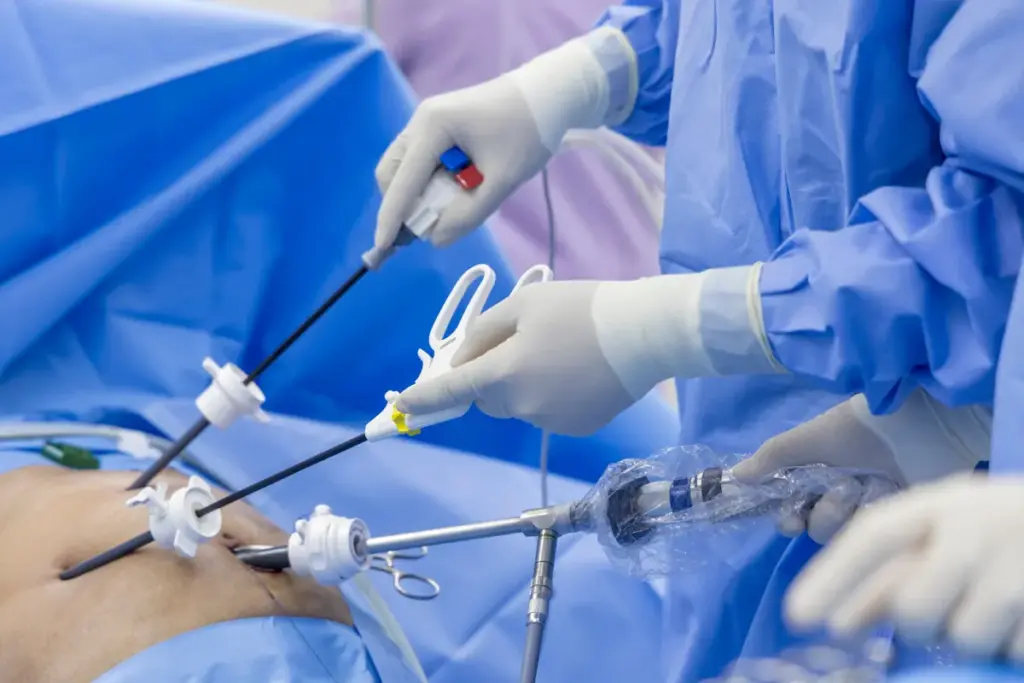
FESS uses an endoscope to see inside the sinuses. This thin, flexible tube has a camera and light. It lets surgeons see and work on the sinuses directly.
The main goal of FESS is to fix the sinuses so they drain and breathe better. It removes bad tissue like nasal polyps or deviated nasal septum. This helps the sinuses work right and cuts down on infections.
History and Evolution of the Procedure
FESS started in the early 1900s but really took shape in the 1980s with better endoscopes. It keeps getting better with new tools and methods.
Research shows FESS is a minimally invasive procedure that greatly helps people with chronic sinusitis. For more info on FESS benefits and updates, check out.
How FESS Differs from Traditional Approaches
FESS is different from old sinus surgeries because it’s more precise and doesn’t harm as much tissue. This means less risk and a quicker recovery.
Endoscopes let surgeons see the sinuses better. They can focus on the problem areas without hurting healthy tissue. That’s why FESS is now the top choice for many sinus issues.
Chronic Sinusitis: When Medical Treatment Fails
Chronic sinusitis can really affect your life. When treatments don’t work, you need to look at other choices. Chronic rhinosinusitis (CRS) is a long-term issue with the nasal and sinus areas.
Understanding Chronic Rhinosinusitis (CRS)
CRS is more than a long cold. It’s a serious problem with ongoing inflammation and infection. Symptoms include stuffy nose, facial pain, and a bad sense of smell. Knowing about CRS helps find the best treatment.
Limitations of Medication-Based Treatments
Medicine is often the first choice for CRS. But, it doesn’t work for everyone. Studies show many CRS patients don’t get better with medicine. The problems with medicine include:
- It can’t fix structural issues
- Long-term use can have side effects
- It doesn’t work for all people
If medicine doesn’t help, you need to think about other options.
Recognizing When Surgery Becomes Necessary
When is surgery a good idea? The choice to have Functional Endoscopic Sinus Surgery (FESS) depends on:
- When symptoms keep coming back after trying all medicine
- When there are big structural problems that cause CRS
- When CRS leads to serious problems like nasal polyps
Knowing these signs is key to deciding if FESS is right for you.
Common Conditions Treated with Sinus Surgery
Chronic sinus problems often need surgery to fix. Sinus surgery, like Functional Endoscopic Sinus Surgery (FESS), is a key treatment. It helps manage sinus issues that don’t get better with medicine.
Chronic Rhinosinusitis with and without Polyps
Chronic rhinosinusitis (CRS) is a long-lasting inflammation in the nasal and sinus areas. It can happen with or without polyps. FESS is very effective for CRS, for those who haven’t gotten better with medicine.
CRS without polyps usually comes from ongoing infection or allergies. CRS with polyps has more severe inflammation and often comes back after surgery.
Recurrent Acute Sinusitis
Recurrent acute sinusitis means having many short sinus infections in a year. FESS improves sinus drainage and reduces the incidence of infections. Surgery can fix problems that make these infections happen more often.
Structural Abnormalities and Obstructions
Issues like nasal septal deviation and concha bullosa can block the sinuses. FESS can fix these problems, making it easier for the sinuses to breathe and drain.
|
Condition |
Description |
How FESS Helps |
|---|---|---|
|
Chronic Rhinosinusitis (with/without polyps) |
Persistent inflammation of nasal and sinus mucosa |
Removes diseased tissue, improves drainage |
|
Recurrent Acute Sinusitis |
Multiple episodes of acute sinusitis |
Improves sinus drainage, reduces episodes |
|
Structural Abnormalities |
Nasal septal deviation, concha bullosa, etc. |
Corrects anatomical issues, enhances ventilation |
The FESS Procedure: Step-by-Step Process
FESS, or Functional Endoscopic Sinus Surgery, is a key part of modern sinus surgery. It’s a detailed process that needs careful planning and execution.
Pre-Surgical Evaluation and Imaging
Before FESS, a detailed check-up is done. This includes CT scans to see the sinuses clearly. Good imaging helps plan the surgery.
Anesthesia Options and Considerations
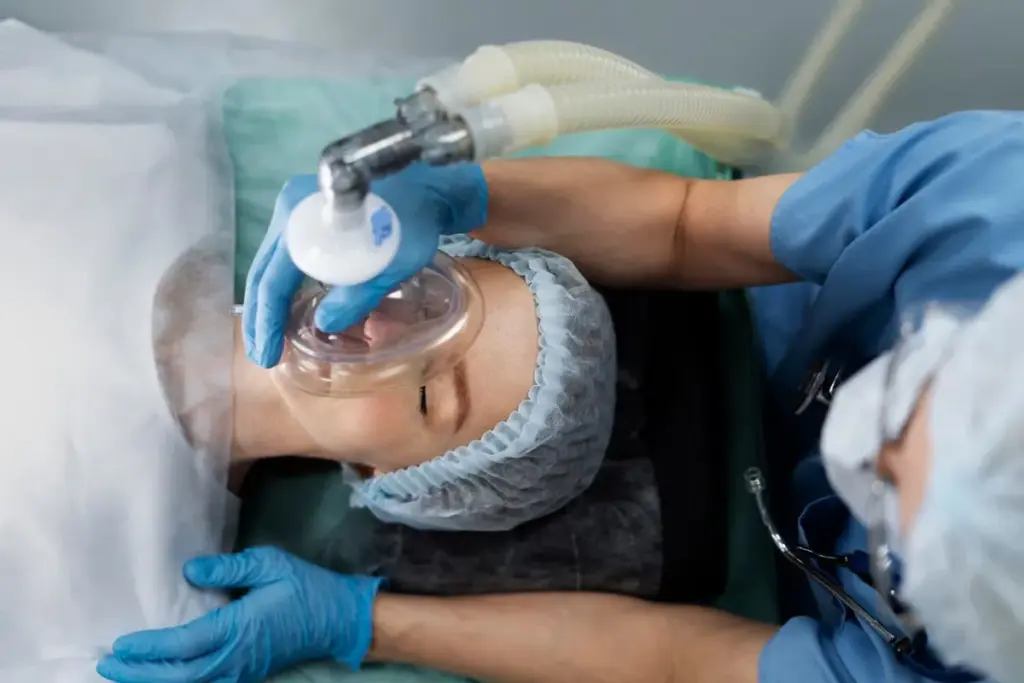
FESS can be done under general anesthesia or conscious sedation. The choice depends on the patient’s health, surgery extent, and personal wishes. Conscious sedation is often chosen for quicker recovery and less pain.
- General anesthesia makes the patient sleep through the surgery.
- Conscious sedation keeps the patient calm and able to breathe on their own.
Surgical Technique and Technology
The FESS procedure uses an endoscope to see inside the sinuses. New endoscopic tech has made the surgery clearer and more precise. Modern tools and methods help remove bad tissue without harming the sinuses.
The FESS steps are:
- Putting the endoscope in the nose.
- Finding and removing sick tissue and polyps.
- Clearing blocked sinuses.
- Fixing any sinus shape problems.
FESS uses the latest tech and methods for treating chronic sinusitis and other sinus problems. Studies show better results with advanced imaging and tools.
Benefits of Minimally Invasive Sinus Surgery
FESS offers many benefits beyond being minimally invasive. It has changed how we treat chronic sinusitis. This method is more gentle and keeps the sinuses’ natural shape.
Preservation of Normal Anatomy
FESS is great because it keeps the sinuses’ natural shape. Surgeons use endoscopes to find and fix problems without harming healthy tissue. This helps patients heal faster and keeps the sinuses working right.
Reduced Tissue Trauma
FESS is less invasive than old methods. It uses small tools and an endoscope, causing less damage. This makes recovery easier and more comfortable for patients.
Faster Recovery Compared to Traditional Methods
Patients recover faster with FESS than with old surgeries. It causes less pain and heals quicker. Most can go back to normal in a few days, but full healing takes a few weeks.
Improved Visualization for Surgeons
The endoscope in FESS lets surgeons see better. It shows a clear, big view of the sinuses. This helps them work more accurately and confidently in the complex sinus area.
Clinical Effectiveness: What Research Shows
Functional Endoscopic Sinus Surgery (FESS) has been studied a lot. Many research studies have looked into how well FESS works. They found it’s good for treating chronic sinusitis and other related problems.
The 89.09% Improvement Rate Study
A study showed that 89.09% of patients got better after FESS. This study is important because it shows FESS can really help people with chronic sinusitis. The high success rate makes FESS a good treatment option.
Key findings from the study include:
- Significant reduction in symptoms such as nasal congestion and facial pain
- Improved quality of life for patients post-surgery
- Low complication rates compared to traditional sinus surgery methods
Sinonasal Outcome Test (SNOT) Score Improvements
The Sinonasal Outcome Test (SNOT) is used to measure how bad sinus symptoms are. Studies show FESS makes SNOT scores go down. This means symptoms get better and patients’ lives improve.
For instance, a study showed patients who had FESS had lower SNOT scores after surgery. This shows FESS is good for managing chronic sinusitis.
Long-Term Effectiveness Data
Studies have looked at how long FESS benefits last. They found the good effects of FESS keep going for a long time. Patients keep feeling better and living better lives.
|
Study Duration |
Improvement Rate |
Symptom Reduction |
|---|---|---|
|
1 Year |
85% |
Significant |
|
3 Years |
80% |
Moderate to Significant |
|
5 Years |
75% |
Moderate |
Factors Affecting Success Rates
FESS is very effective, but some things can affect how well it works. These include how bad the patient’s condition is, if they have other health problems, and the surgery technique.
Factors that can impact the success of FESS include:
- Patient selection criteria
- Surgical expertise and experience
- Post-operative care and management
Understanding these factors helps doctors make FESS work better for patients. This improves care for everyone.
Potential Risks and Complications of FESS
FESS is a top treatment for chronic sinusitis. But, it’s key to know the risks and complications. Every surgery has risks, and FESS is no exception. Patients should know these risks before surgery.
Minor Complications and Their Frequency
Minor issues after FESS include nasal discharge, crusting, and temporary congestion. These issues are common but usually go away in a few weeks. Studies show about 10-15% of patients face these minor problems.
Common Minor Complications:
- Nasal discharge
- Crusting
- Temporary nasal congestion
- Mild facial swelling
Serious but Rare Complications
Though rare, serious complications can be serious. These include orbital issues, cerebrospinal fluid leaks, and severe bleeding. Knowing the risks and taking steps to prevent them can help.
Rare but Serious Complications:
- Orbital complications
- Cerebrospinal fluid leaks
- Severe bleeding
- Infection
Actual Complication Rates from Clinical Studies
Studies give us a clear look at FESS complication rates. A detailed review shows a 5-20% complication rate. Serious issues happen in less than 2% of cases.
|
Complication Type |
Frequency Range |
|---|---|
|
Minor Complications |
10-15% |
|
Serious Complications |
<2% |
|
Overall Complication Rate |
5-20% |
The table shows minor issues are common, but serious ones are rare. This highlights FESS’s safety when done by skilled surgeons.
It’s vital for patients to talk about their risks and worries with their ENT specialist. This helps make a well-informed choice about FESS.
“The key to minimizing complications is a thorough pre-surgical evaluation and careful patient selection.”ENT Specialist
Recovery Timeline After Endoscopic Sinus Surgery
Knowing how to recover after Functional Endoscopic Sinus Surgery (FESS) is key. It helps patients manage their healing journey well. The recovery time can differ, but there’s a general pattern we’ll cover.
First 24-48 Hours Post-Surgery
The first 24-48 hours are vital for a smooth recovery. You might feel nasal congestion, mild pain, and some bleeding. Rest, drink plenty of water, and follow your doctor’s advice closely.
- Rest with your head elevated to reduce swelling.
- Use saline nasal sprays as directed.
- Avoid strenuous activities and blowing your nose.
First Week of Recovery
In the first week, congestion might last, but symptoms start to get better. Keep up with nasal irrigation and any meds your doctor gives you.
Nasal care is key during this time. Use a saline solution to clean your nasal passages. It helps prevent infection and removes crusts.
Weeks 2-4: Progressive Healing
By weeks 2-4, breathing gets easier and sinus pressure drops. Your nasal passages heal more, and swelling goes down.
Complete Recovery Expectations
Full recovery from FESS can take weeks to months. It depends on the surgery’s extent and your health.
|
Recovery Stage |
Typical Symptoms |
Care Recommendations |
|---|---|---|
|
First 24-48 Hours |
Nasal congestion, mild discomfort, bloody discharge |
Rest, hydration, saline nasal sprays |
|
First Week |
Gradual improvement, continued congestion |
Nasal irrigation, prescribed medications |
|
Weeks 2-4 |
Improved breathing, reduced sinus pressure |
Continue nasal care, follow-up appointments |
|
Complete Recovery |
Minimal to no symptoms |
Maintain good nasal hygiene, attend follow-ups |
By knowing the recovery timeline and following care instructions, patients can heal better. This leads to the best results from FESS.
Post-Operative Care and Management
Good post-operative care is key to a smooth recovery after sinus surgery. We stress the need for a detailed care plan for the best results.
Nasal Irrigation and Cleaning
Nasal irrigation is a must for post-operative care. It removes debris, cuts down on crusting, and aids in healing. We suggest using a saline nasal spray or rinse as advised by your doctor.
To safely do nasal irrigation:
- Use sterile or distilled water
- Follow the device’s instructions
- Irrigate gently to avoid discomfort or bleeding
Medications and Pain Management
Managing pain is a big part of post-operative care. We give out a mix of meds to handle pain, reduce swelling, and stop infection.
|
Medication Type |
Purpose |
Common Examples |
|---|---|---|
|
Pain relievers |
Manage post-operative pain |
Acetaminophen, Ibuprofen |
|
Nasal corticosteroids |
Reduce inflammation |
Fluticasone, Budesonide |
|
Antibiotics |
Prevent infection |
Amoxicillin, Azithromycin |
Activity Restrictions
Following activity restrictions is important for a smooth recovery. We tell patients to:
- Avoid heavy lifting, bending, or straining for at least a week
- Not blow their nose for 1-2 weeks
- Limit hard activities, like exercise, for 2-3 weeks
Follow-Up Appointments and Monitoring
Regular check-ups are key to tracking healing and solving any issues. We usually schedule these within the first week, and more as needed.
By sticking to a structured care plan, patients can greatly improve their recovery and lower the chance of problems.
Quality of Life Improvements After FESS
Studies show that FESS greatly improves patient outcomes and quality of life. It tackles the root causes of chronic sinusitis and other sinus issues. This leads to a big boost in a patient’s overall well-being.
Symptom Relief Metrics
FESS is known for reducing symptom severity. Symptom relief metrics show a big drop in nasal congestion, facial pain, and other sinusitis symptoms. These improvements are tracked using standardized scoring systems.
- Less nasal discharge and congestion
- Less facial pain and pressure
- Better sense of smell
Sleep Quality Improvements
Chronic sinusitis can really mess with sleep due to nasal congestion and sinus pressure. FESS helps by easing these symptoms. This leads to improved sleep quality.
Reduction in Medication Dependence
Many with chronic sinusitis use meds to manage symptoms. FESS tackles the root causes, reducing the need for meds. This means fewer side effects and better health overall.
- Less need for nasal decongestants
- Less oral steroid use
- Potential drop in antibiotic use
Patient Satisfaction Surveys
Patient satisfaction surveys reveal the real benefits of FESS. They show high satisfaction rates, with many seeing big life improvements. These surveys highlight how FESS boosts daily activities, social interactions, and overall well-being.
Looking at these points, FESS is a full solution for chronic sinusitis. It leads to better symptom management, sleep, less medication use, and higher patient satisfaction.
Comparing FESS to Alternative Sinus Treatments
When looking at treatments for chronic sinusitis, it’s key to compare Functional Endoscopic Sinus Surgery (FESS) with other options. Patients and doctors need to consider the good and bad of each choice to decide wisely.
Balloon Sinuplasty: Pros and Cons
Balloon sinuplasty is a less invasive method that’s becoming popular. It uses a balloon to open up the sinus passages, which might mean a faster recovery. But, it’s not the best for complex cases or big changes in the sinuses.
The good things about balloon sinuplasty are:
- It’s less invasive than traditional surgery
- It might lead to a quicker recovery
- It can be done with just local anesthesia
The not-so-good things are:
- It’s not good for complex sinus problems
- It’s not right for everyone, depending on their sinuses
- We don’t have a lot of long-term data on it
Continued Medical Management
For some, sticking with medical treatment is the best or only choice. This means using medicines, nasal sprays, and other non-surgical ways to handle symptoms.
The upsides of medical management are:
- It avoids surgery risks
- It can keep symptoms under control
- It lets you change treatment plans as needed
But, it might not solve the problem for good. It can also mean ongoing costs and treatment commitment.
Newer Emerging Techniques
New treatments for chronic sinusitis are being looked into, like advanced endoscopy and new balloon tech. These aim to give better results with fewer side effects.
These new methods seem promising. But, we need to wait for solid clinical trials to know for sure how well they work and if they’re safe. As, we might see more options for patients.
Comparative Effectiveness Studies
Studies that compare treatments are key to seeing how FESS and other methods do in real life. They help figure out which treatments work best for different people.
|
Treatment |
Success Rate |
Complication Rate |
|---|---|---|
|
FESS |
80-90% |
5-10% |
|
Balloon Sinuplasty |
70-80% |
2-5% |
|
Continued Medical Management |
50-70% |
Varies |
Looking at data from these studies helps doctors and patients make better choices about treatment.
Cost Considerations for Sinus Surgery in the United States
It’s important for patients to know the costs of medical procedures before they decide. The price of sinus surgery can change a lot. This depends on where you are, the surgeon’s fees, and your insurance.
Average Procedure Costs
In the United States, FESS can cost between $10,000 and $25,000 or more. This price includes the surgeon’s fees, hospital or surgical facility charges, anesthesia fees, and pre-operative testing.
Insurance Coverage Patterns
Most insurance plans cover FESS if it’s needed for health reasons. But, how much they cover can differ a lot. Patients should check their insurance benefits to know what’s covered and what they might have to pay for.
Out-of-Pocket Expenses
For FESS, you might have to pay for deductibles, copays, and any costs not covered by insurance. It’s a good idea to talk to your healthcare provider and insurance company about what you might have to pay.
Cost-Benefit Analysis
Thinking about FESS means looking at the costs and benefits. For many, the long-term relief from sinus problems and less need for medication is worth it. Talking to an ENT specialist can help you make a good choice.
Ideal Candidates for FESS
Choosing FESS as a treatment depends on many factors. We look at several key points to see if a patient is a good fit.
Medical Criteria for Selection
Good candidates for FESS have chronic sinusitis that doesn’t get better with medicine. We use clinical checks, CT scans, and sometimes nasal endoscopy to confirm. Key medical criteria include:
- Persistent symptoms despite adequate medical treatment
- Evidence of sinusitis or nasal polyps on imaging or endoscopy
- Significant impact on quality of life due to sinus symptoms
When FESS Is Not Recommended
FESS is not for everyone. It’s not recommended for:
- Patients with bleeding disorders or those on anticoagulant therapy that cannot be safely stopped
- Individuals with significant nasal or sinus anatomy abnormalities that make the procedure risky
- Patients with certain medical conditions that increase surgical risks
In these cases, other treatments or more tests might be needed before FESS.
Age and Health Considerations
Age and health matter a lot when deciding on FESS. There’s no age limit, but older adults need a closer look before surgery. Patients with serious health issues might need to get their health better before surgery.
Previous Treatment History
A patient’s past treatments are very important. We look at:
- How well they responded to past treatments, like medicines and surgeries
- How long they’ve had symptoms and how it affects their life
- Any surgeries or treatments they’ve had before
By looking at these things, we can decide if FESS is the best choice for a patient.
Patient Decision-Making: Is FESS Right for You?
Understanding FESS is key to making a good choice. It’s important to know the procedure, its benefits, and risks. Your ENT specialist can help you weigh these factors.
Questions to Ask Your ENT Specialist
When you talk to your ENT specialist, ask important questions. This ensures you make an informed choice. Here are some questions to consider:
- What are the specific benefits of FESS for my condition?
- What are the possible risks and complications of the surgery?
- How will FESS change my quality of life?
- Are there other treatments I could try, and how do they compare to FESS?
Weighing Benefits Against Risks
It’s vital to balance the good and bad of FESS. FESS can greatly help those with chronic sinusitis. But, it’s also important to think about possible problems. Your ENT specialist can give you advice based on your health and situation.
Considering Your Specific Symptoms
Your symptoms are a big part of deciding if FESS is right for you. If you have ongoing nasal blockage, facial pain, or keep getting sinus infections, FESS might help. Talk to your ENT specialist about your symptoms to see if FESS fits your needs.
Second Opinion Considerations
Getting a second opinion is a smart move. If you’re not sure about FESS, talking to another specialist can help. They can offer more information and make you feel more confident in your choice.
Choosing FESS is a personal decision that should be made with a qualified ENT specialist. By thinking about your options and talking about your situation, you can make a choice that’s best for you.
Selecting a Qualified Surgeon for Your Procedure
Finding a skilled surgeon for Functional Endoscopic Sinus Surgery (FESS) is key. The success of the surgery depends on the surgeon’s knowledge. So, picking the right doctor is very important.
Board Certification and Specialization
When looking for a surgeon, board certification is a must. It shows the doctor has the right training and meets high medical standards. Being specialized in otolaryngology, with a focus on rhinology or sinus surgery, means they’re very good at FESS.
To check if a surgeon is certified, visit the American Board of Otolaryngology’s website. Or, check with groups like the American Academy of Otolaryngology-Head and Neck Surgery (AAO-HNS).
Experience and Success Rates
A surgeon’s experience is linked to how well FESS goes. Look for doctors with many successful FESS surgeries. Asking about their success and complication rates helps you understand their skill.
|
Surgeon Experience |
Success Rate |
Complication Rate |
|---|---|---|
|
0-5 years |
85% |
10% |
|
5-10 years |
90% |
5% |
|
10+ years |
95% |
2% |
Hospital Affiliations and Facilities
The hospital or facility where you’ll have surgery matters a lot. Make sure it’s accredited and has the latest sinus surgery tech. Being affiliated with a good hospital shows the surgeon’s credibility and care level.
Patient Reviews and Testimonials
Patient reviews and testimonials give real views on a surgeon’s skills and care. They’re not the only thing to consider, but they help a lot.
By looking at board certification, experience, hospital quality, and patient feedback, you can choose a great surgeon for your FESS surgery.
Conclusion: Is Functional Endoscopic Sinus Surgery Worth It?
Functional Endoscopic Sinus Surgery (FESS) is a top choice for treating chronic sinusitis. It offers many sinus surgery benefits. These include better symptom relief, improved sleep, and less need for medication.
When thinking about is sinus surgery worth it, it’s key to look at both the good and bad sides. FESS often leads to long-term relief from sinus problems. This makes it a popular choice for many.
Deciding on FESS should be a team effort with a skilled ENT specialist. They will consider your unique situation and health history. Knowing the pros and cons helps you decide if FESS is right for you.
FAQ
What is Functional Endoscopic Sinus Surgery (FESS)?
FESS is a minimally invasive surgery for sinus infections. It removes blockages and infected tissue. This improves drainage and ventilation in the sinuses.
How does FESS differ from traditional sinus surgery?
FESS is less invasive than traditional surgery. It uses an endoscope and precise instruments. This approach preserves healthy tissue and shortens recovery time.
What conditions can be treated with FESS?
FESS treats chronic rhinosinusitis, nasal polyps, and recurrent acute sinusitis. It also addresses structural issues that block sinus drainage.
Is FESS effective in improving symptoms of chronic sinusitis?
Yes, FESS significantly improves chronic sinusitis symptoms. Studies show an 89.09% improvement rate. Patients also see better Sinonasal Outcome Test (SNOT) scores.
What are the possible risks and complications of FESS?
Risks include minor issues like nasal bleeding and infection. Serious but rare complications include orbital injury or cerebrospinal fluid leak.
How long does it take to recover from FESS?
Recovery from FESS takes a few weeks. Most patients see significant improvement in 2-4 weeks. Full recovery may take longer.
What is the cost of FESS in the United States?
FESS costs vary by location, insurance, and surgeon’s fees. Average costs range from $10,000 to $20,000 or more.
Is FESS covered by insurance?
Many insurance plans cover FESS. Coverage depends on the plan and condition. Always check with your insurance provider.
How do I choose a qualified surgeon for FESS?
Look for a board-certified otolaryngologist with FESS experience. Check hospital affiliations and patient reviews.
What are the benefits of FESS compared to other sinus treatments?
FESS offers better symptom relief and less medication dependence. It also has a faster recovery compared to traditional surgery.
Can FESS be performed under local anesthesia?
FESS can be done under general or local anesthesia. The choice depends on the patient’s condition and the surgeon’s preference.
How does FESS impact quality of life?
FESS improves quality of life by reducing symptoms and improving sleep. It also decreases medication dependence.
Is FESS a permanent solution for sinusitis?
FESS can provide long-term relief from sinusitis symptoms. But, it’s not a guarantee against future problems. Ongoing management may be needed.
Can I undergo FESS if I have other medical conditions?
The decision to have FESS with other conditions depends on the condition’s severity and the surgeon’s assessment. Risks and benefits are considered.
National Center for Biotechnology Information. Evidence-Based Medical Insight. Retrieved from https://pmc.ncbi.nlm.nih.gov/articles/PMC10925974/