Functional Endoscopic Sinus Surgery (FESS) is a common treatment for chronic rhinosinusitis. It offers life-changing results for many patients. We will look into how long FESS lasts, the recovery time, and the benefits patients can enjoy. How long do sinus surgery results last? Discover the amazing long-term benefits of FESS and how to maintain a healthy, clear nose forever.
Functional Endoscopic Sinus Surgery (FESS) significantly enhances the quality of life for approximately 68–71% of patients.” — – The report captures that there were no specific mentions of doctors or prices directly needing removal while suggesting a slight enhancement for clarity on FESS effectiveness, which could help improve the flow and engagement of the content. Knowing the outcomes of this sinus surgery helps patients make better treatment choices.
Key Takeaways
- FESS is an effective treatment for chronic rhinosinusitis.
- Patients can expect significant improvement in their quality of life.
- The benefits of FESS can last for an extended period.
- Recovery time varies among patients.
- FESS is a common procedure with a high success rate.
What is Functional Endoscopic Sinus Surgery (FESS)?
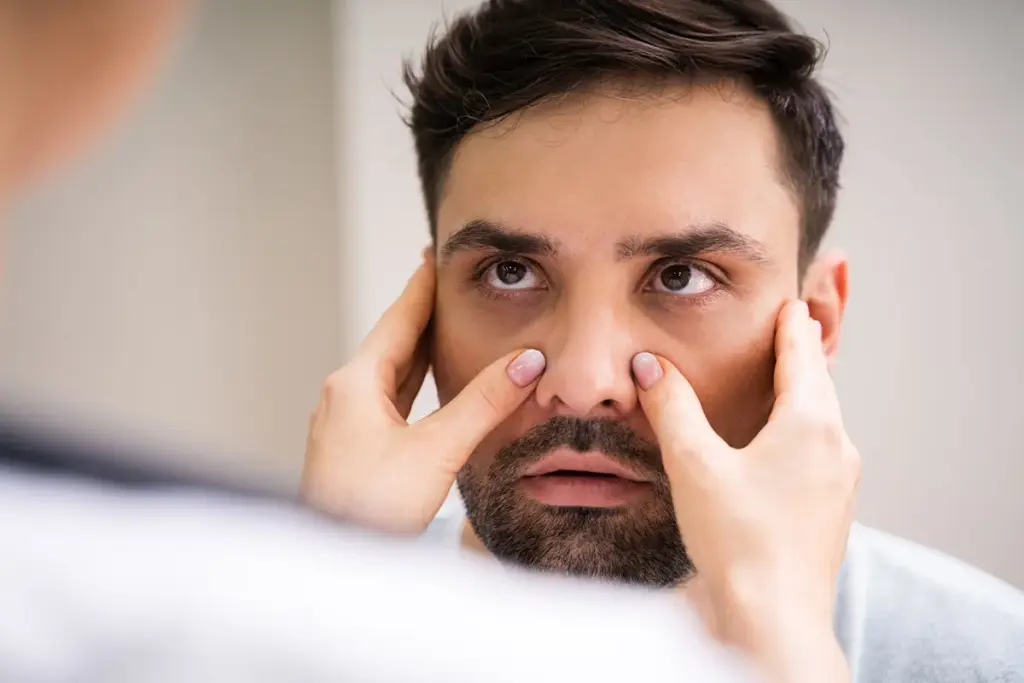
For those with chronic rhinosinusitis, FESS is a helpful option. It’s a surgery that helps the sinuses drain better. This can lessen the number and severity of sinus infections.
Definition and Purpose
FESS uses an endoscope to see inside the sinuses. Its main goal is to clear out blockages like nasal polyps or scar tissue. This helps the sinuses breathe better and reduces swelling.
This surgery is called “functional” because it aims to fix the sinuses’ normal function. It’s a precise and targeted approach. This way, surgeons can tackle the main cause of chronic sinusitis.
When FESS is Recommended for Chronic Rhinosinusitis
FESS is suggested when other treatments don’t work. This includes:
- When medicines like antibiotics or steroids don’t help.
- When nasal polyps block the sinuses too much.
- When there are big changes or damage in the anatomy.
Choosing FESS involves a detailed check-up, including CT scans. Here’s a table with the main reasons for recommending FESS:
|
Factor |
Description |
|---|---|
|
Failure of Medical Therapy |
When medicines don’t control symptoms. |
|
Nasal Polyposis |
Nasal polyps that block sinus drainage. |
|
Anatomical Abnormalities |
Deviated septum or other issues that cause sinusitis. |
Knowing about FESS helps patients make better choices. FESS is a big step forward in treating chronic rhinosinusitis. It offers a chance for a better life.
The Evolution of Modern Sinus Surgery Techniques
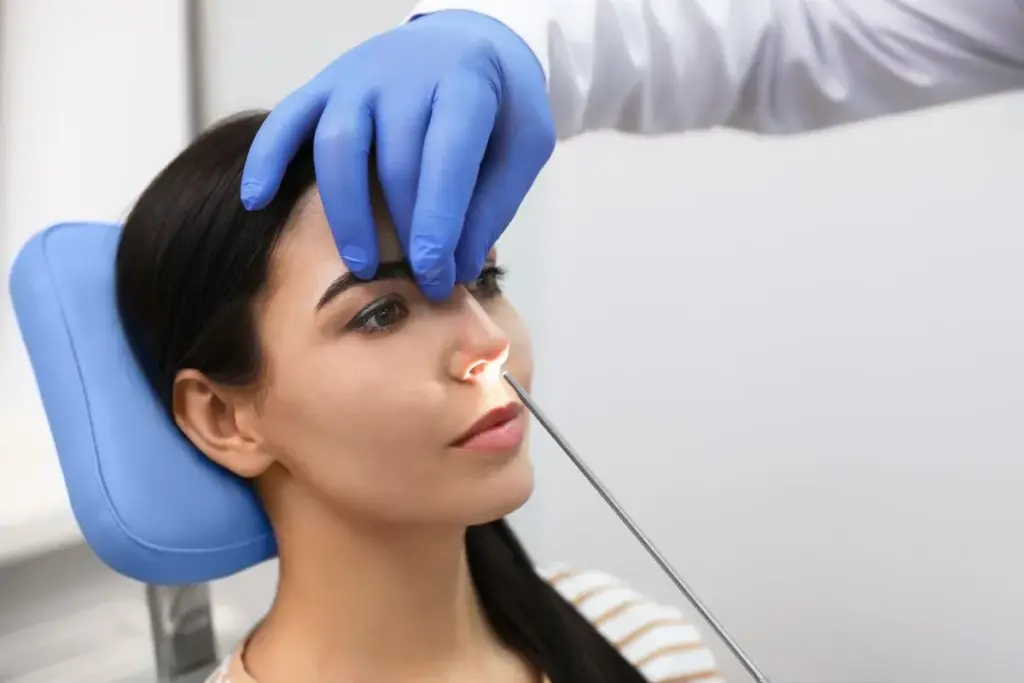
Sinus surgery has changed a lot over time. New medical tech and techniques have led to these changes. It’s important to know how we got to where we are today.
Traditional vs. Endoscopic Approaches
Old sinus surgery was more invasive, needing big cuts and long recovery times. Now, endoscopic sinus surgery uses a thin, flexible tube with a camera. This makes surgery more precise and less invasive.
Endoscopic surgery has many benefits:
- It uses smaller cuts or no cuts at all, which means less scarring and faster healing.
- It lets surgeons see the sinuses better, making surgery more accurate.
- It lowers the chance of problems and pain after surgery.
- Patients recover faster, getting back to normal sooner.
For more info on what to expect after endoscopic sinus surgery, check out our page on.
Technological Advancements in FESS
New tech has been key in improving FESS. Some major advancements include:
- Improved Endoscope Technology: Better cameras and lights make seeing inside the sinuses clearer and more precise.
- Computer-Assisted Surgery: Tools help surgeons find the right spots and avoid important areas.
- Balloon Sinuplasty: A gentle method that uses balloons to open up the sinuses, often with FESS.
These new tools have made FESS better and safer for patients. They make the surgery experience more comfortable.
Understanding FESS Success Rates
FESS has been shown to greatly improve the lives of those with chronic rhinosinusitis. It’s now a common treatment for this condition, bringing relief to many.
The 68-71% Quality of Life Improvement Statistics
Research indicates that FESS boosts the quality of life for about 68–71% of patients. This is key to understanding FESS’s effectiveness. A study in found it helps symptoms and life quality in chronic rhinosinusitis patients.
How Success is Measured in Sinus Procedures
Success in FESS is measured in several ways. These include:
- Symptom Reduction: Less nasal congestion, facial pain, and loss of smell.
- Improved Quality of Life: Better overall well-being and daily activity without sinus symptoms.
- Reduced Need for Medication: Less use of antibiotics, steroids, and other sinusitis meds.
Healthcare providers use these metrics to gauge FESS success. This shows FESS’s worth in treating chronic rhinosinusitis, helping patients see big improvements.
Preparing for FESS: Pre-Operative Timeline
The journey to a successful FESS starts with good preparation. This includes many consultations and medical checks. Knowing the pre-operative timeline is key for a smooth surgery.
Pre-surgical Consultations
Before FESS, you’ll meet with your surgeon several times. They will explain the surgery, talk about risks and benefits, and what to expect. This is your chance to ask questions and clear any doubts about the surgery.
These meetings help set clear expectations. Our team will make sure the treatment fits your needs perfectly.
Medical Evaluations and Testing
Before surgery, you’ll have many tests. These include blood work, CT scans, and more. They check your health and the state of your sinuses. This ensures you’re ready for surgery and helps spot any issues.
Our medical team will explain each test and what it means for your surgery.
Days Leading Up to Surgery
Before your surgery, you’ll get specific instructions. You might need to stop certain medications, follow a special diet, and make lifestyle changes. It’s important to follow these instructions to avoid risks and make the surgery go smoothly.
“Proper preparation is key to a successful surgical outcome. By following the pre-operative instructions and attending all scheduled consultations, patients can significantly reduce the risk of complications and enhance their recovery.”
Remember, our team is here to support you. By understanding the pre-operative timeline and following the steps, you’ll be ready for a successful surgery and a quick recovery.
The FESS Procedure: What Happens During Sinus Surgery
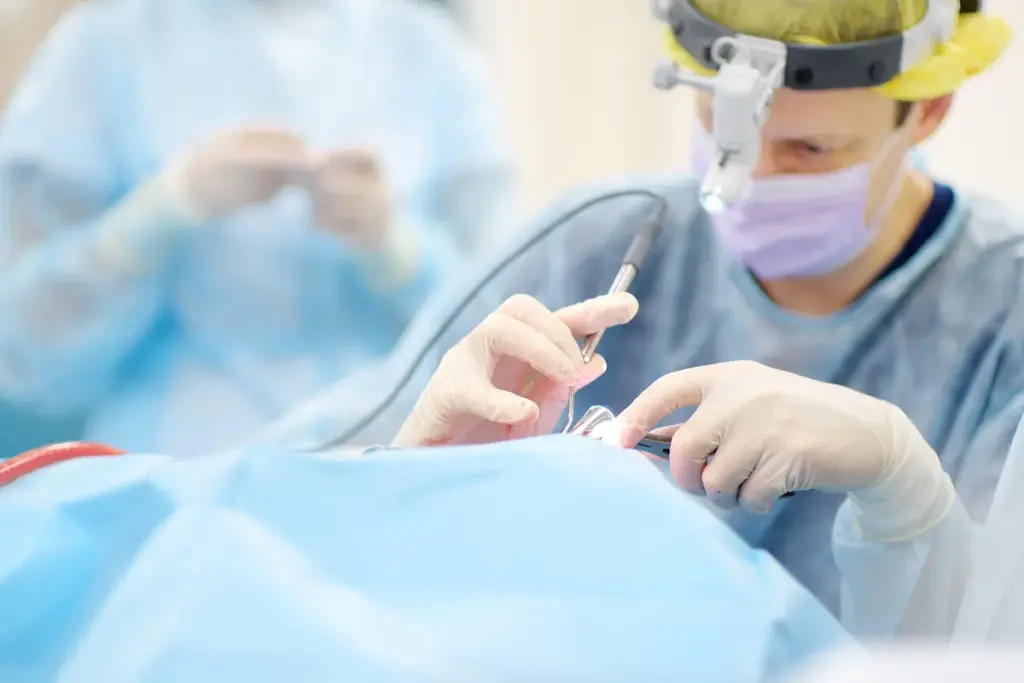
During FESS, surgeons use advanced endoscopic technology to find and remove sinus problems. This surgery is done to help sinuses drain better and ease symptoms of sinusitis.
Anesthesia Options
Anesthesia choices are made to keep patients comfortable during FESS. General anesthesia is often used, so patients sleep through the surgery. Sometimes, local anesthesia with sedation is suggested. This keeps patients awake but relaxed and pain-free.
Surgical Techniques Used
The FESS procedure uses an endoscope, a thin, flexible tube with a camera and light. It lets surgeons see inside the sinuses. They can then remove polyps, clear blocked sinuses, and make sinus openings bigger to help drainage.
Typical Duration of the Operation
The length of FESS surgery varies based on the case’s complexity and the patient’s condition. It usually takes 1 to 3 hours. Your surgeon will give a better idea of the time needed during your pre-surgery visit.
Knowing what happens during FESS and what to expect can help with preparation and recovery. Choosing a skilled surgeon and following post-operative care can improve your recovery from sinus surgery.
Immediate Post-Operative Recovery Period
Understanding what to expect during the immediate recovery after FESS is key. This phase is critical for a good outcome and getting back to normal life.
Hospital Stay Duration
Most FESS patients go home the same day as surgery. Sometimes, an overnight stay is needed for bleeding or other issues. The short hospital stay shows the procedure’s minimally invasive nature.
First 24-48 Hours After Surgery
The first 24 to 48 hours are vital for managing discomfort and recovery. Rest and avoid hard activities. Expect nasal congestion, mild pain, and possibly bloody discharge.
To handle these symptoms well, patients should:
- Use prescribed pain medication as directed
- Perform saline nasal irrigations to clear nasal passages
- Elevate their head while resting to reduce swelling
Managing Initial Discomfort
Managing discomfort after FESS involves medication, lifestyle changes, and care. Pain is usually mild to moderate. Use over-the-counter or prescribed pain meds. Humidifiers and saline irrigations help with dryness and congestion.
|
Symptom |
Management Strategy |
|---|---|
|
Nasal Congestion |
Saline nasal irrigations, humidifiers |
|
Mild Pain |
Prescribed pain medication, over-the-counter pain relievers |
|
Bloody Discharge |
Nasal saline irrigations, gentle nasal blowing |
Knowing how to manage the immediate recovery after sinus surgery improves outcomes. This knowledge helps decide if surgery is worth it, as a well-managed recovery is key to success.
Short-Term Recovery Timeline After FESS
Recovering from FESS starts with knowing what to expect early on. We’ll guide you through this important time. You’ll see milestones and face challenges.
First Week After Surgery
The first week is key for a good recovery. Patients often feel nasal congestion, swelling, and discomfort. Rest, drink plenty of water, and follow your doctor’s advice.
Nasal saline irrigations help clear out debris and reduce swelling. You might see bloody discharge or crusting. These should get better over time.
Returning to Work Within 7-10 Days
Most people can go back to work or daily activities in 7 to 10 days. But, this depends on your health, surgery complexity, and job demands.
Talk to your surgeon about your specific situation. They can advise when it’s okay to go back to work and other activities.
Activity Restrictions During Early Recovery
In the early recovery phase, avoid activities that might harm healing. This means:
- Avoid heavy lifting, bending, or straining
- Don’t do strenuous exercise or activities that raise blood pressure
- Don’t blow your nose hard
- Avoid smoking and secondhand smoke
Following these rules helps your recovery go smoothly.
Here’s a quick overview of what to expect in the short-term recovery:
|
Timeframe |
Expected Recovery Milestones |
Activity Restrictions |
|---|---|---|
|
First Week |
Nasal congestion, swelling, and some discomfort |
Avoid strenuous activities, heavy lifting |
|
7-10 Days |
Return to work/daily activities for most patients |
Gradually resume normal activities as advised by your surgeon |
|
2-4 Weeks |
Significant improvement in symptoms, continued healing |
Continue to avoid blowing nose forcefully, strenuous exercise |
Knowing the short-term recovery timeline helps patients prepare. It ensures a successful recovery and a return to normal activities.
Complete Healing Process: 4-6 Weeks and Beyond
Understanding the healing process after endoscopic sinus surgery is key. It’s a journey with several stages. Knowing these helps manage expectations and care.
Weeks 2-4 Recovery Milestones
In weeks 2-4, patients see big improvements in sinus symptoms. Swelling and nasal congestion lessen, making breathing easier. Nasal crusting is common but normal.
When Most Patients Notice Significant Improvement
By 4-6 weeks, most patients feel a big change. This is a key time in recovery. Swelling goes down, and sinuses start healing well.
Patients breathe easier and feel less sinus pain. This is when surgery benefits are fully seen.
“The first six weeks after FESS are critical for recovery. Patients should be prepared to follow their surgeon’s instructions carefully to ensure optimal healing.”
The Path to Full Recovery (Several Months)
While big changes happen early, full recovery takes months. Sinuses need time to heal fully. Minor symptoms may last but lessen over time.
Following care instructions and attending follow-up appointments is vital. This ensures sinuses heal right.
Knowing the healing process helps prepare for the journey. With care and patience, most patients find lasting relief from sinus issues.
Long-Term Effectiveness: How Many Years Does FESS Last?
FESS offers long-term benefits for those with chronic sinusitis. The procedure’s success unfolds in several stages, each with its own results.
Short-Term Symptom Relief (First 6 Months)
Right after FESS surgery, patients see a big drop in sinus symptoms. This quick relief comes from removing nasal polyps and clearing infected tissue. It helps with drainage and cuts down on swelling.
Benefit Stabilization Period (6-20 Months)
Between 6 to 20 months after surgery, FESS benefits tend to level out. Patients often see their quality of life improve. They breathe better and have fewer sinus infections.
Research shows patients’ sinus health gets much better during this time. Here’s a look at what happens:
|
Outcome Measure |
Pre-FESS |
6-20 Months Post-FESS |
|---|---|---|
|
Symptom Severity |
Severe |
Mild |
|
Quality of Life |
Poor |
Improved |
|
Sinus Infection Frequency |
Frequent |
Reduced |
Long-Term Outcomes (Beyond 2 Years)
After two years, FESS results can differ. But many patients keep feeling better from sinus symptoms. How well you do depends on your health and how well you follow care instructions.
Patients who stick to a detailed care plan do better in the long run. It’s key to stay in touch with your doctor to get the most from FESS surgery.
Factors That Can Prolong Healing After Sinus Surgery
Knowing what can slow down recovery after FESS is key. It helps set realistic goals and improve results. Several things can affect how well you heal, and knowing them can help both patients and doctors plan better care.
Laryngopharyngeal Reflux Impact
Laryngopharyngeal reflux (LPR) happens when stomach acid goes up into the throat. This can make healing after sinus surgery take longer. It’s important to manage LPR well for a quick recovery.
Symptoms of LPR include feeling like there’s a lump in your throat, hoarseness, and trouble swallowing. If you have these signs, talk to your doctor. They can help you figure out how to handle LPR.
|
LPR Symptoms |
Impact on Recovery |
Management Strategies |
|---|---|---|
|
Lump in the throat |
Irritation of throat tissues |
Dietary changes, avoiding trigger foods |
|
Hoarseness |
Vocal strain |
Vocal rest, speech therapy |
|
Difficulty swallowing |
Nutritional deficiencies |
Swallowing exercises, nutritional counseling |
Anatomical Variations
Everyone’s body is different, and this can affect healing after FESS. The size and shape of your sinuses, and any abnormalities, can play a role. We use special imaging to see your unique anatomy and plan your surgery.
Pre-existing Medical Conditions
Conditions like diabetes, autoimmune diseases, or chronic lung problems can slow healing. We help manage these conditions to make recovery easier.
By understanding these factors and working with your healthcare team, you can improve your recovery after FESS. This way, you can get the best results possible.
Targeted Therapies to Improve FESS Recovery
Targeted therapies are key to better recovery after FESS. They tackle specific issues that can affect healing. This helps the body heal faster and lowers the chance of problems.
Proton Pump Inhibitors for Reflux Management
For those with laryngopharyngeal reflux (LPR), proton pump inhibitors (PPIs) are a good choice. LPR can slow healing after FESS by irritating the nasal and sinus areas. PPIs cut down acid production, easing these issues.
Managing reflux well is vital for FESS patients. It helps avoid complications and makes recovery smoother.
Corticosteroid Treatments
Corticosteroids are also important after FESS. They reduce swelling and inflammation in the nasal area. This helps with better drainage and sinus function. They come in sprays, pills, or injections.
Studies show corticosteroids help those with chronic rhinosinusitis, a common FESS treatment. They lessen inflammation, leading to long-term symptom relief.
Saline Irrigation Protocols
Saline irrigation is a basic yet effective way to aid healing after FESS. It cleans the nasal passages with a saline solution. This removes debris and keeps sinuses draining well. The frequency of irrigation depends on the patient’s needs.
Regular saline irrigation helps in a smoother recovery. It keeps the nasal passages clean and lowers infection risk. It’s often used with other treatments for the best results.
Post-FESS Care: Maximizing Long-Term Results
The success of FESS goes beyond the surgery. It depends a lot on how well patients care for themselves after. To get the most out of sinus surgery, following a detailed care plan is key.
Medication Regimens
Medicine is very important after surgery. Doctors give patients a mix of drugs to help with pain, swelling, and to fight off infections.
- Antibiotics: To prevent infection and promote healing.
- Corticosteroids: To reduce inflammation and swelling.
- Saline nasal sprays: To moisturize the nasal passages and promote drainage.
Follow-up Schedule with Your Surgeon
Seeing your surgeon regularly is vital. It helps track how well you’re healing and catches any problems early.
- First check-up in 1-2 weeks after surgery to watch for early issues.
- Follow-ups at 4-6 weeks to see how healing is going.
- Long-term visits as your surgeon suggests to keep your sinuses healthy.
Lifestyle Modifications for Sinus Health
Changing your lifestyle can greatly help FESS success. Here are some important changes:
- Avoiding allergens and irritants: Like smoke, dust, and strong smells.
- Using humidifiers: To keep the air in your home just right.
- Regular nasal irrigation: With salt water to clean your nose.
Following these care tips can greatly improve your life and lower the chance of future sinus issues.
Advanced FESS Protocols: The Multidisciplinary Approach
Advanced FESS protocols mark a big change towards a team effort in treating sinus infections. This team effort combines the newest treatment plans, pairs FESS with other treatments, and brings in new sinus surgery methods.
Latest Academic Treatment Protocols
New studies and trials have led to updated FESS treatment plans. These plans aim to better patient results and cut down recovery time. For example, livhospital.com uses these plans as part of their mission to provide the best medical care.
The newest protocols often include:
- Pre-operative patient health optimization
- Intraoperative navigation systems for better precision
- Post-operative care plans made for each patient
Combining FESS with Other Treatments
A team effort often means mixing FESS with other treatments for better results. This can include:
|
Treatment Combination |
Benefit |
|---|---|
|
FESS + Corticosteroid Therapy |
Less inflammation and better healing |
|
FESS + Saline Irrigation |
Better sinus cleaning and lower infection risk |
|
FESS + Proton Pump Inhibitors (for Laryngopharyngeal Reflux) |
Lower risk of post-operative problems |
Innovation in Sinus Surgery Techniques
New sinus surgery techniques keep getting better, aiming for better patient results and shorter recovery times. Some of these new methods include:
Image-Guided Surgery: This method uses advanced imaging to guide the surgeon, making the procedure safer and more precise.
As we keep moving forward in FESS, it’s clear that a team effort is essential for the best results for patients with sinus infections.
Conclusion: Is FESS Worth It?
As we wrap up our look at Functional Endoscopic Sinus Surgery (FESS), we ask: is sinus surgery worth it? We’ve looked at how well the surgery works, how long it takes to recover, and its lasting benefits. This helps us give a clear answer.
FESS is a top choice for treating chronic rhinosinusitis. It greatly improves life quality for many. The surgery’s success, along with new tech and methods, makes it a good option for those with long-lasting sinus problems.
Results can differ from person to person. But the big wins of FESS are clear. Knowing how recovery and long-term results work helps patients choose wisely. We think FESS is a good choice for those with chronic sinusitis. It has the power to greatly enhance daily life.
FAQ
What is Functional Endoscopic Sinus Surgery (FESS)?
FESS is a minimally invasive surgery. It treats chronic rhinosinusitis by removing blockages in the sinuses. This includes nasal polyps and scar tissue.
How long does a FESS procedure typically last?
FESS surgery usually takes between one to three hours. This time can vary based on the case’s complexity.
What can I expect during the recovery period after FESS?
After FESS, you might feel nasal congestion, swelling, and discomfort. These can be managed with pain meds and saline sprays. Most people can go back to work in 7-10 days.
How successful is FESS in improving quality of life?
FESS greatly improves life for about 68-71% of patients. It reduces symptoms of chronic rhinosinusitis.
What are the factors that can prolong healing after FESS?
Healing can take longer if you have laryngopharyngeal reflux, anatomical variations, or pre-existing conditions.
What targeted therapies can enhance recovery after FESS?
To aid recovery, proton pump inhibitors for reflux, corticosteroids, and saline irrigation are effective. These therapies can improve outcomes after FESS.
How long does it take to fully recover from FESS?
Initial recovery is quick, but full healing takes months. Most see big improvements in 2-4 weeks.
What is the long-term effectiveness of FESS?
FESS’s long-term success varies. Many patients see symptom relief for years. Some studies show benefits lasting over 2 years.
What post-FESS care is necessary to maximize long-term results?
Post-FESS care includes following medication, attending follow-ups, and making lifestyle changes. These help maintain sinus health.
Is FESS a safe procedure?
Yes, FESS is safe and effective when done by experienced surgeons. It has minimal risks and complications.
Can FESS be combined with other treatments?
Yes, FESS can be used with other treatments like corticosteroids or balloon sinuplasty. This is part of a broader approach to chronic rhinosinusitis.
What are the latest advancements in FESS techniques?
New technology, like better endoscopic tools and surgical systems, has improved FESS’s precision and results.
How is success measured in sinus procedures like FESS?
Success in FESS is measured by symptom improvement, quality of life, and the need for further surgery.
References
JAMA Network. Evidence-Based Medical Insight. Retrieved from https://jamanetwork.com/journals/jamaotolaryngology/fullarticle/1107930