Knowing how long it takes to recover from a nasal endoscopy is key for patients. The time needed can change a lot, depending on how complex the surgery is.
At Liv Hospital, we help a lot with the recovery. We make sure patients can get back to their usual life in 2-4 weeks for simple cases. The time it takes to get better really depends on how detailed the nasal endoscopy was.
Key Takeaways
- Recovery time varies based on the complexity of the procedure.
- Liv Hospital provides extensive guidance for recovery.
- Patients can return to normal activities within 2-4 weeks.
- The recovery process is influenced by the extent of the surgery.
- Proper care and guidance can improve patient outcomes.
Understanding Nasal Endoscopy Procedures
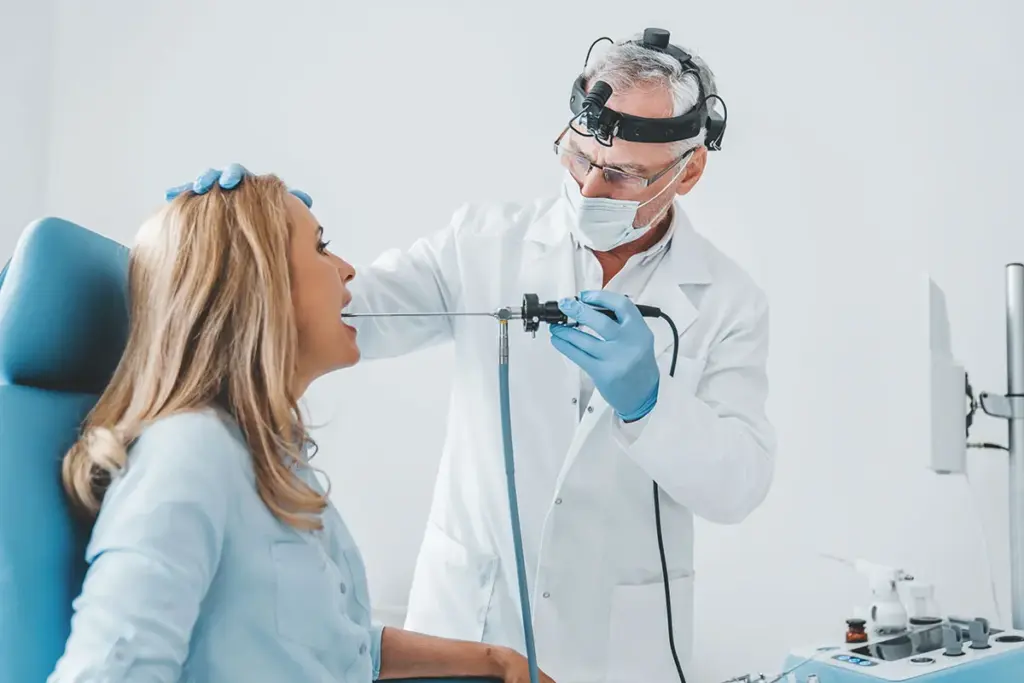
Nasal endoscopy is a key medical procedure that has changed how we diagnose and treat nasal and sinus issues. It uses a flexible or rigid endoscope to see inside the nasal passages and sinuses. This helps doctors make accurate diagnoses and treat problems effectively.
Definition and Medical Purpose
Nasal endoscopy is a vital tool in otolaryngology. It gives a detailed look at the nasal cavity and sinuses. The main goal of this procedure is to find and treat various nasal and sinus problems, like chronic sinusitis and nasal polyps.
Doctors can see inside the nasal passages with this tool. They can spot issues, take tissue samples, and do surgeries when needed.
Diagnostic vs. Surgical Endoscopy
Nasal endoscopy can be either diagnostic or surgical. Diagnostic endoscopy helps doctors see the nasal passages and sinuses. It helps find issues like sinusitis, nasal tumors, or other problems.
Surgical endoscopy is for doing surgeries, like removing nasal polyps or treating sinus infections.
“The main difference between diagnostic and surgical endoscopy is their purpose. Diagnostic procedures aim to identify issues, while surgical procedures focus on treating them.”
Common Conditions Requiring Nasal Endoscopy
Nasal endoscopy is often used to diagnose and treat several conditions. These include:
- Chronic sinusitis
- Nasal polyps
- Sinus infections
- Anatomical abnormalities
These issues can really affect a person’s life. Nasal endoscopy is a valuable tool for managing them well.
Types of Endoscopic Sinus Surgery and Their Complexity
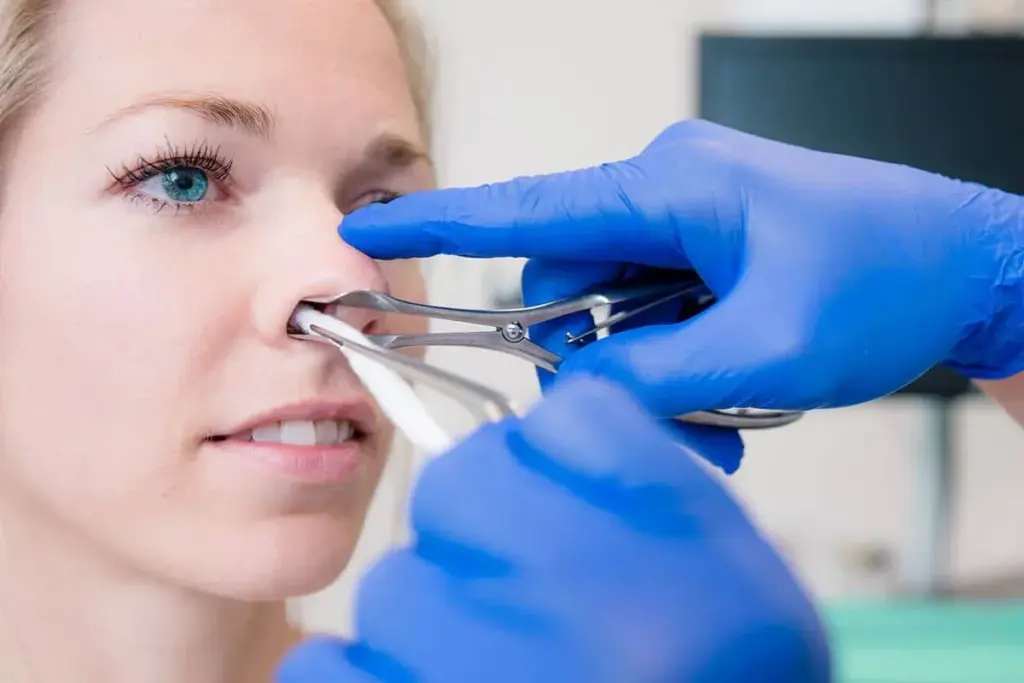
Endoscopic sinus surgery includes many procedures, each with its own level of complexity. These surgeries aim to treat various sinus-related issues. It’s important for both patients and healthcare providers to understand these differences.
Functional Endoscopic Sinus Surgery (FESS)
Functional Endoscopic Sinus Surgery (FESS) is a common type of surgery. It removes blockages and diseased tissue to improve drainage. FESS is often used for chronic sinusitis and other sinus problems.
There have been big improvements in FESS techniques. This makes it a safe and effective procedure for many patients.
Balloon Sinuplasty
Balloon sinuplasty is a less invasive option compared to FESS. It uses a balloon to widen the sinus passages, improving drainage. This method is good for patients with mild sinus issues and can be done under local anesthesia.
Studies show balloon sinuplasty can be effective for some sinusitis types.
Extended Endoscopic Procedures
Extended endoscopic procedures are more complex. They are used for severe or complicated sinus conditions. These procedures may need additional techniques and tools beyond standard FESS or balloon sinuplasty.
Extended procedures are for patients with extensive sinus disease, tumors, or complex conditions. We customize these procedures for each patient to ensure the best results.
The complexity of these surgeries affects recovery time and postoperative care. Knowing the type and complexity of surgery helps patients prepare for their recovery.
The Nasal Endoscopy Procedure: What to Expect
Before a nasal endoscopy, knowing what to expect is key. It helps reduce anxiety and prepares you for recovery. We’ll cover the important parts of the procedure.
Pre-Procedure Preparation
Getting ready for a nasal endoscopy is important. Patients should not eat or drink for a few hours before. Also, arrive early to fill out paperwork and ask any questions.
Tell us about any medications you’re taking, like blood thinners. We’ll give you specific instructions on how to prepare.
Anesthesia Options and Their Effects
Nasal endoscopy can use local or general anesthesia. Local anesthesia numbs the area, keeping you awake but comfortable. General anesthesia makes you sleep through it.
A study on PMC shows anesthesia affects your experience and recovery. Our team will help choose the best option for you.
Step-by-Step Procedure Overview
The nasal endoscopy procedure has several steps:
- The patient is placed on an examination table.
- Anesthesia is given, as decided before the procedure.
- A thin, flexible tube with a camera is inserted into the nose.
- The tube lets our specialist see inside the nasal cavity and sinuses.
- Any needed actions, like tissue sampling or removing blockages, are done.
Knowing these steps can make the procedure less scary. Our team is here to make sure you’re comfortable and safe.
Immediate Post-Procedure Recovery (48-72 Hours)
Proper care after a nasal endoscopy is key in the first 48-72 hours. It helps ensure a smooth recovery without complications. Patients are watched closely for any immediate issues and steps are taken to manage pain and aid in healing.
Hospital Stay Requirements
The time spent in the hospital after a nasal endoscopy varies. It depends on the procedure’s complexity and the patient’s health. Usually, patients are kept for a few hours to watch for any bad reactions. Sometimes, an overnight stay is needed, mainly for complex procedures or if there were surgery issues.
Managing Pain and Discomfort
Managing pain is a top priority right after the procedure. We use a mix of medicines and other methods to reduce pain. Patients might get pain meds to take as needed. Sometimes, nasal saline rinses are suggested to help with congestion and healing.
Initial Activity Restrictions
Right after a nasal endoscopy, some activities are off-limits. Patients should avoid hard work, heavy lifting, and bending. Also, they’re told not to blow their nose for a few days to avoid bleeding or clot issues.
Normal vs. Concerning Symptoms
It’s important to know the difference between normal and serious symptoms after a procedure. Mild nasal stuffiness, some discomfort, and a bit of bleeding are common. But, if there’s heavy bleeding, a lot of pain, or trouble breathing, seek medical help right away. We give clear advice on what to expect and when to get help.
By following the post-procedure instructions and knowing the signs of trouble, patients can help ensure a good recovery. Our team is dedicated to giving full care and support during this time. We aim to make sure patients get the best results possible.
Recovery Timeline for Routine Sinus Surgery
Knowing the recovery timeline is key for those having routine sinus surgery. It helps plan when to go back to work and daily life. This makes the healing process easier.
First Week After Surgery
The first week is vital for recovery. Patients start to feel better but must be careful. “Rest and recovery are key during this period,” doctors say. It’s important to follow care guidelines to avoid problems.
In the first week, some discomfort, nasal blockage, and discharge are common. Managing pain is a top priority. Doctors often prescribe medicines to help with these symptoms.
Weeks 2-4: Progressive Improvement
Weeks 2-4 bring more improvement. Nasal blockage lessens, and breathing through the nose gets better. Most can start normal activities by then, but full healing takes longer.
Studies show that most patients can return to normal activities within 2-4 weeks after surgery. But, it’s important to listen to the doctor’s advice on when to go back to work and avoid hard activities.
Return to Work and Daily Activities
Going back to work and daily life should be slow. Avoid heavy lifting, bending, and hard exercises early on. The doctor will guide based on your progress and job type.
“The key to a successful recovery is patience and adherence to the post-operative instructions,” says a leading ENT specialist.
Complete Healing Expectations
While most can start daily activities in a few weeks, full healing takes longer. It’s common for the surgery’s full benefits to show after months.
Knowing that complete healing is a gradual process helps manage expectations. Regular check-ups with the doctor are important to track healing and address any issues.
Research-Based Recovery Times for Different Procedures
Recent studies have shown that different nasal endoscopy procedures have different recovery times. It’s important for patients and healthcare providers to know these times to plan for the recovery period.
Simple Procedures: 2-3 Week Recovery Window
Simple nasal endoscopy procedures, like diagnostic endoscopy or minor interventions, usually take about 2-3 weeks to recover from. Patients might feel mild discomfort, nasal congestion, or slight bleeding. It’s best for them to follow a gentle nasal care routine and avoid hard activities to help heal.
Complex Procedures: Extended Recovery of 3-8 Weeks
More complex procedures, like extensive sinus surgery or revision surgeries, need a longer recovery time, often 3-8 weeks. These can cause more swelling, congestion, and symptoms that last longer. Patients should be ready for a longer recovery and follow our post-operative care guidelines carefully.
The Six-Week Recovery Milestone: Statistical Insights
By the six-week mark, many patients have made a lot of progress in recovering from their nasal endoscopy procedure. Studies show that at this time, symptoms often decrease and overall health improves. We keep a close eye on our patients during this period to handle any issues or complications.
Tissue Remodeling Phase (Up to 6 Months)
The tissue remodeling phase can last up to six months after the initial recovery. During this time, the nasal tissues continue to heal, and the final results of the procedure become clearer. We stress the importance of follow-up appointments during this phase to ensure healing and address any late-stage complications.
|
Procedure Type |
Typical Recovery Time |
Notable Symptoms |
|---|---|---|
|
Simple Procedures |
2-3 weeks |
Mild discomfort, nasal congestion |
|
Complex Procedures |
3-8 weeks |
Significant swelling, congestion |
|
Tissue Remodeling Phase |
Up to 6 months |
Continued healing, final results apparent |
We know that recovery times can vary a lot based on the procedure’s complexity and the patient’s individual factors. By giving personalized care and following evidence-based guidelines, we aim to help our patients recover as well as possible.
Factors Affecting Sinus Surgery Recovery Time
Many things can affect how long it takes to recover from sinus surgery. Knowing these factors helps manage expectations and improve care after surgery.
Surgical Technique and Extent
The surgery method and how much is done matter a lot. Minimally invasive procedures, like balloon sinuplasty, usually mean a quicker recovery. This is compared to more complex surgeries.
Patients who have functional endoscopic sinus surgery (FESS) often have a moderate recovery. Those needing more complex surgeries might take longer to get better.
Pre-existing Conditions (Especially Chronic Rhinosinusitis)
Having conditions like chronic rhinosinusitis can slow down recovery. Studies show that these patients might need more time to heal because of their condition’s complexity.
Managing these conditions before surgery can help recovery. This includes treating infections and controlling inflammation.
|
Pre-existing Condition |
Impact on Recovery |
|---|---|
|
Chronic Rhinosinusitis |
Longer recovery time due to complexity |
|
Other Respiratory Conditions |
Potential for complications, requiring careful management |
Patient Age and Overall Health Status
A patient’s age and health also affect recovery time. Older patients or those with health issues might need more time.
It’s key to do a thorough check before surgery. This helps understand a patient’s health and any risks.
Smoking and Environmental Factors
Smoking and pollution can make recovery harder. Stopping smoking before surgery is advised to get better results.
Patients should also avoid pollutants and allergens during recovery. This helps prevent further problems.
Essential Post-Operative Care Guidelines
After nasal endoscopy, it’s key to follow a detailed care plan for healing. Good care helps your recovery, lowers risks, and boosts results.
Medication Management Protocol
Managing meds is vital for pain, infection prevention, and healing. Stick to your doctor’s medication plan.
- Take pain meds as told to manage pain.
- Use antibiotics if given to stop infection.
- Follow directions for nasal decongestants or steroids.
Nasal Irrigation and Cleaning Techniques
Nasal irrigation is key for post-op care. It removes debris, cuts down on crusting, and aids healing.
- Use a saline spray or irrigation device as advised.
- Gently clean the nasal passages, avoiding force.
- Clean the device after each use to avoid germs.
Dietary Considerations During Recovery
Eating well is important for healing. We suggest:
- Drink lots of fluids to stay hydrated.
- Eat foods rich in fruits, veggies, and lean proteins.
- Avoid spicy or sharp foods that might upset your nose.
Physical Activity Limitations and Progression
Slowly getting back to physical activities is important. It helps avoid problems and keeps you healthy.
- Stay away from hard work, heavy lifting, or bending for a week.
- Start to do more as you feel better and your doctor says it’s okay.
- Go back to normal activities when your doctor tells you to.
The Critical Role of Follow-Up Appointments
Follow-up appointments are key after nasal endoscopy or sinus surgery. They help track healing, solve problems, and make sure patients fully recover.
Typical Follow-Up Schedule
A standard follow-up plan closely watches the patient’s healing. Appointments are usually set within the first week, with more as needed. The number of visits depends on the surgery’s complexity and the patient’s health.
|
Follow-Up Appointment |
Purpose |
|---|---|
|
First Week |
Initial assessment of healing, removal of nasal packing if present |
|
2-4 Weeks |
Monitoring healing progress, endoscopic examination |
|
6-8 Weeks |
Assessment of recovery milestones, addressing any concerns or complications |
Endoscopic Examinations During Recovery
Endoscopic exams are key in follow-up care. They let doctors see inside the nasal passages and sinuses. This helps spot problems early, like adhesions or scarring, so they can be fixed quickly.
“Regular endoscopic examinations during the recovery period are vital for ensuring that the patient is healing as expected and for intervening early if any issues arise.”
Addressing Complications and Concerns
Follow-up visits are a chance for patients to share their worries or questions. Doctors can then address these, manage any problems, and offer reassurance. This is a big part of caring for patients after surgery.
Determining Recovery Milestones
Regular check-ups and exams help doctors track how well patients are doing. This info is key for adjusting care plans and keeping patients informed about their progress.
Highlighting the value of follow-up visits ensures patients get the care they need to fully recover from sinus surgery.
Potential Complications That May Extend Recovery
Knowing about possible issues after nasal endoscopy is key for a quick recovery. We aim to keep the procedure safe. But, knowing the risks helps patients handle their recovery better.
Bleeding and Infection Risks
Bleeding can happen after nasal endoscopy, from mild to severe. We do our best to prevent it. But, it’s important for patients to watch their condition closely. Infection is another risk, often from bacteria or viruses. Sometimes, we give antibiotics to lower this risk.
Adhesions and Scarring
Adhesions or scarring in the nasal passages can happen after surgery. These can make recovery longer and might need extra treatment. We use advanced methods to try and avoid adhesions.
Persistent Symptoms and Recurrence
Some patients might keep feeling symptoms or have the problem come back. This could be because of how complex the problem was or new issues. We keep a close eye on patients and adjust treatment plans as needed.
When to Seek Emergency Medical Attention
It’s important for patients to know when to get help right away. Severe bleeding, trouble breathing, or signs of infection are reasons to call us or go to the emergency room. We give clear instructions on how to care for yourself after surgery to spot these risks.
By understanding these possible problems and working with our medical team, patients can better manage their recovery. This helps avoid longer recovery times.
Modern Approaches to Improving Sinus Surgery Outcomes
Modern sinus surgery uses the latest technology and methods. This has led to better results for patients. New surgical techniques and technology have greatly improved sinus surgery outcomes.
Minimally Invasive Techniques
Minimally invasive techniques have changed sinus surgery for the better. They cause less damage to tissues and help patients heal faster. These methods use smaller cuts and disturb less tissue, leading to less pain and quicker recovery.
Image-Guided Surgery Benefits
Image-guided surgery makes procedures more precise. It gives surgeons real-time images during surgery. This technology helps navigate complex sinus areas better, lowering the risk of problems and improving results.
Advanced Hemostatic Materials
Advanced hemostatic materials are key in controlling bleeding during and after surgery. They help reduce blood loss, cut down on the need for nasal packing, and keep the surgical area clear. This all helps in better patient outcomes.
Innovative Post-Operative Protocols
New post-operative care plans also help improve patient results. These plans might include custom medication, advanced nasal irrigation, and special diets to aid healing. They make recovery more efficient and effective.
|
Modern Approach |
Benefits |
|---|---|
|
Minimally Invasive Techniques |
Reduced tissue trauma, less post-operative pain, quicker recovery |
|
Image-Guided Surgery |
Enhanced precision, reduced risk of complications, improved outcomes |
|
Advanced Hemostatic Materials |
Minimized blood loss, reduced need for nasal packing, clearer surgical field |
|
Innovative Post-Operative Protocols |
Enhanced recovery efficiency, personalized care, improved healing |
By using these modern methods, we can greatly enhance sinus surgery results. This means patients get safer, more effective, and more comfortable treatments.
Liv Hospital’s Approach to Nasal Endoscopy Recovery
Liv Hospital focuses on using the latest technology and academic protocols for nasal endoscopy recovery. We know that recovery is just as important as the procedure itself.
Academic Protocols Implementation
At Liv Hospital, we follow the latest academic protocols for nasal endoscopy patients. Our team keeps up with new research and guidelines to give our patients the best care.
Our commitment to academic excellence shows in our treatment plans. We regularly update our protocols to include the newest advancements.
Innovative Care Pathways
We’re proud of our innovative care pathways for each patient. Our team creates personalized treatment plans for a smooth recovery.
- Comprehensive pre-operative assessment
- State-of-the-art surgical facilities
- Personalized post-operative care
International Standards and Continuous Improvement
Liv Hospital aims to meet international standards in patient care. We improve by conducting regular audits, listening to patient feedback, and training staff.
|
Aspect of Care |
Liv Hospital’s Approach |
|---|---|
|
Pre-operative care |
Comprehensive assessment and patient education |
|
Surgical procedures |
State-of-the-art facilities and techniques |
|
Post-operative care |
Personalized care and follow-up appointments |
Liv Hospital combines academic protocols, innovative care, and international standards for nasal endoscopy recovery. Our goal is to give every patient the best care during their treatment.
Conclusion: Navigating Your Nasal Endoscopy Recovery
Knowing how to recover after a nasal endoscopy or sinus surgery is key. It’s important to understand the procedure, care after surgery, and possible issues. This helps manage recovery well.
Studies show that knowing about nasal endoscopy recovery and sinus surgery recovery leads to better results. By following the advice in this article, patients can feel more confident in their recovery.
At Liv Hospital, we aim to offer top-notch healthcare and support for international patients. Our team is ready to provide personalized care and help during recovery. We want to make sure patients get the best results.
Being informed and actively caring for yourself after surgery can lead to a smooth recovery. We’re here to support you at every step.
FAQ
What is the typical recovery time for a nasal endoscopy?
Recovery from a nasal endoscopy varies. Most people can get back to normal in 2-4 weeks for simple cases.
How long does it take to recover from sinus surgery?
Sinus surgery recovery takes weeks. Most see big improvements in 2-4 weeks. Full healing might take longer.
What factors influence the recovery time for sinus surgery?
Several things affect recovery time. These include the surgery method, how extensive it is, and your health before surgery. Your age and overall health also play a role.
What are the possible complications of sinus surgery?
Complications can include bleeding and infection. You might also face adhesions, scarring, and persistent symptoms.
How can I manage pain and discomfort after nasal endoscopy?
There are many ways to manage pain after nasal endoscopy. Your doctor will help find the best option for you.
What is the role of follow-up appointments in postoperative care?
Follow-up visits are key. They help track healing, address any issues, and mark recovery milestones.
What are the benefits of minimally invasive sinus surgery techniques?
These techniques cause less damage. They help you heal faster and improve your outcome.
How does Liv Hospital support patients during their recovery from nasal endoscopy?
Liv Hospital offers detailed guidance and care. They use the latest academic protocols and innovative care paths to help you recover.
What is the tissue remodeling phase after sinus surgery?
The tissue remodeling phase can last up to six months. It’s a critical part of the healing process.
When can I return to work and daily activities after sinus surgery?
Most people can go back to work in 2-4 weeks. But, this depends on how complex the surgery was.
What are the dietary considerations during recovery from sinus surgery?
Eating a balanced diet is key. It helps with healing and supports your recovery.
How can I prevent complications after sinus surgery?
Follow a detailed postoperative care plan. This includes managing medications, using nasal irrigation, and limiting physical activity. It helps avoid complications.
References
National Center for Biotechnology Information. Evidence-Based Medical Insight. Retrieved from https://pmc.ncbi.nlm.nih.gov/articles/PMC2965172/