Chronic sinusitis can be really frustrating and uncomfortable. That’s why we’re excited to talk about Functional Endoscopic Sinus Surgery (FESS). It’s a minimally invasive procedure that helps restore normal sinus function.
FESS uses an endoscope to see inside the sinus passages. It removes blockages without making an external cut. This way, it keeps the mucosal lining safe and intact.
This advanced method has changed how we treat chronic sinusitis and other sinus problems. It gives patients lasting relief and rapid recovery all over the world.
Key Takeaways
- FESS is a minimally invasive procedure for treating chronic sinusitis.
- It uses an endoscope to directly view and clear sinus obstructions.
- The procedure preserves the mucosal lining and promotes rapid recovery.
- FESS offers high-definition visualization for precise treatment.
- It has transformed the treatment of sinonasal disorders worldwide.
Understanding Functional Endoscopic Sinus Surgery (FESS)
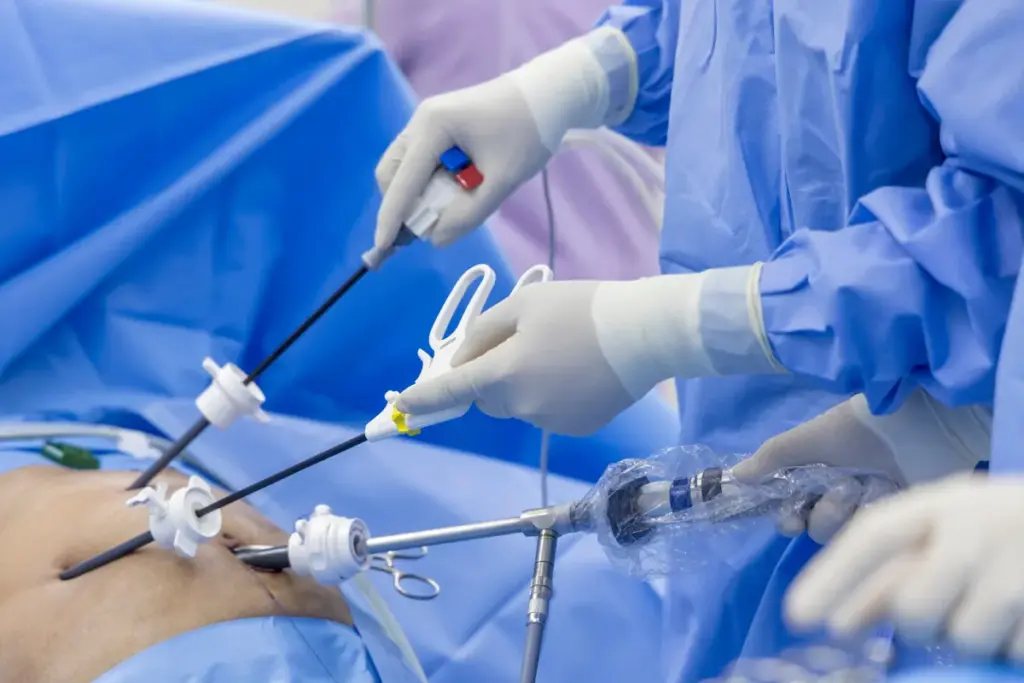
FESS is a key treatment for sinus problems. We’ll look at what FESS is, how it evolved, and how it compares to older surgery methods.
Definition and Basic Principles
FESS is a surgery that uses an endoscope to see inside the sinuses. This method lets doctors remove sick tissue and bone carefully, keeping healthy tissue safe. The goal is to fix how sinuses drain and work right.
The surgery uses special tools and an endoscope with a camera. This lets surgeons carefully explore the complex sinus paths and find the sinusitis causes.
Historical Development of FESS
FESS grew thanks to better endoscopes and surgery methods. The Hopkins rod endoscope’s introduction in the 1960s was a big step. It gave better light and views of the sinuses.
After that, FESS kept getting better with new tools and imaging. These updates made FESS a safe and effective way to treat sinus issues.
How FESS Differs from Traditional Sinus Surgery
FESS differs significantly from traditional sinus surgery in various aspects. It’s minimally invasive, with no cuts on the outside. This means less damage, fewer risks, and quicker healing.
Also, FESS gives a clearer view of the sinuses. This helps doctors focus on the right areas for treatment. It’s key for dealing with tough sinus problems without harming the delicate structures.
The Anatomy of Sinuses and Their Function
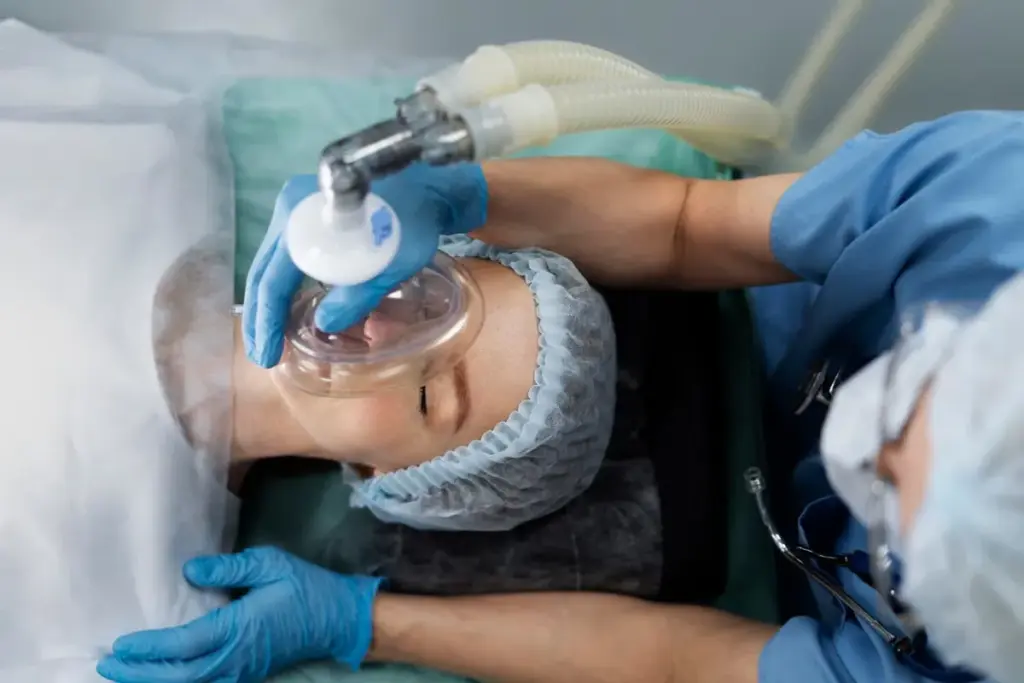
The sinuses are a complex system in our skull. They are vital for our respiratory health. Understanding their anatomy helps us grasp their function.
Normal Sinus Anatomy
Our skull has several sinus cavities. These include the frontal, maxillary, ethmoid, and sphenoid sinuses. They are lined with mucous membranes that produce mucus.
Mucus helps humidify the air and filters out dust, bacteria, and other pathogens. The maxillary sinuses are the largest and are under the eyes. The frontal sinuses are in the forehead, and the ethmoid sinuses are between the nose and eyes.
The sphenoid sinuses are deeper, near the base of the brain.
Common Sinus Pathways and Drainage
The sinuses drain into the nasal cavity through small passageways called ostia. These pathways are key for the sinuses to function properly. They allow mucus and debris to be cleared.
The ethmoid sinuses and maxillary sinuses drain through the ethmoid infundibulum and the semilunar hiatus. Proper drainage prevents mucus buildup, which can cause infections.
How Sinuses Contribute to Overall Health
The sinuses are important for our health. They filter, humidify, and warm the air we breathe. They also produce nitric oxide, which kills bacteria and pathogens.
Healthy sinuses are key for good respiratory function and overall well-being. Sinus infections or inflammation can cause symptoms like nasal congestion, facial pain, and breathing difficulties.
Chronic Sinusitis: A Growing Health Concern
Chronic sinusitis is a big health issue, affecting over 35 million adults in the U.S. It’s a long-term problem that lasts more than 12 weeks. We’ll look at how common it is, its impact on daily life, and the costs it brings. This shows why we need good treatments.
Prevalence and Statistics in the United States
Chronic sinusitis is a big problem in the U.S. Over 35 million adults have it. It gets worse with age and is more common in people with asthma and allergies.
Chronic sinusitis is everywhere. We need to know why it happens and how to manage it. Understanding who gets it helps us find better ways to help them.
Impact on Quality of Life
Chronic sinusitis really hurts people’s quality of life. Symptoms like nasal congestion and facial pain make everyday tasks hard. It also messes with sleep and makes people feel down.
It affects more than just health. It also messes with mental and social well-being. Finding good treatments can make a big difference in how people feel and live.
Economic Burden of Chronic Sinusitis
Chronic sinusitis costs a lot, both directly and indirectly. Direct costs are things like doctor visits and medicines. Indirect costs are lost work time and not being able to do things you want to.
The total cost is huge. It’s in the billions of dollars every year. Finding ways to manage it better can help save money for both people and healthcare systems.
When Sinus Surgery Becomes Necessary
Surgical options for sinusitis are considered when other treatments don’t work. Deciding on sinus surgery can be tough. But, it’s often a key step to solve chronic sinus problems.
Medical Management Failure
When treatments like antibiotics and nasal sprays don’t help, surgery might be next. We say medical management has failed if symptoms keep coming back or don’t get better.
Signs of medical management failure include:
- Persistent symptoms despite prolonged treatment
- Recurring sinus infections
- Inadequate response to medication
Diagnostic Criteria for Surgical Intervention
To decide if surgery is needed, we look at several things. These include clinical checks, patient history, and tests. The criteria for surgery include:
|
Diagnostic Criteria |
Description |
|---|---|
|
Persistent Symptoms |
Symptoms lasting more than 12 weeks |
|
Imaging Findings |
Evidence of sinus obstruction or anatomical abnormalities on CT or MRI scans |
|
Failed Medical Therapy |
Adequate trial of medical management without significant improvement |
Imaging Confirmation of Sinus Obstruction
Imaging tests are key in showing sinus blockages and planning surgery. We use CT scans to see the sinuses and find problems.
By looking at clinical findings and imaging, we can decide if surgery is needed. Then, we create a treatment plan that fits the patient’s needs.
Ideal Candidates for FESS
To be a good fit for FESS, patients need to meet certain criteria. We look at their medical history and how bad their sinus symptoms are. We check several things to see if they’re right for the procedure.
Medical History Considerations
Looking at a patient’s medical history is key. We think about past treatments, allergies, and any health issues that might affect the surgery or recovery. For example, people with bleeding problems or on blood thinners need extra care.
Symptom Duration and Severity
The length and how bad the sinus symptoms are matter a lot. If someone has been dealing with nasal blockage, facial pain, or trouble smelling for a long time, they might be a good candidate. We also look at how these symptoms affect their daily life.
Contraindications for Surgery
Some health issues make FESS not a good idea. This includes serious heart problems, uncontrolled diabetes, and active infections. We also check if the patient can safely have general anesthesia.
|
Criteria |
Ideal Candidate Characteristics |
|---|---|
|
Medical History |
Previous sinus surgeries, allergies, and underlying health conditions |
|
Symptom Duration |
Chronic symptoms lasting more than 12 weeks |
|
Symptom Severity |
Significant impact on quality of life, such as nasal congestion and facial pain |
|
Contraindications |
Absence of severe heart disease, uncontrolled diabetes, and active infections |
By looking at these factors carefully, we can find out who will likely get the most benefit from FESS. This can greatly improve their life and help them feel better from chronic sinus problems.
Conditions Treated with FESS
Functional Endoscopic Sinus Surgery (FESS) is great for managing chronic sinus issues. It’s a minimally invasive surgery that helps treat many sinus problems.
Chronic Rhinosinusitis (CRS)
CRS is a common condition treated with FESS. It’s a long-term inflammation of the nasal and sinus mucosa. Symptoms include nasal congestion, facial pain, and loss of smell. FESS removes diseased tissue and improves drainage.
Key benefits of FESS for CRS:
- Reduced nasal congestion
- Improved sinus drainage
- Enhanced quality of life
Nasal Polyps
Nasal polyps are growths in the nasal passages. They can cause loss of smell, nasal congestion, and discharge. FESS removes these polyps and improves ventilation.
The role of FESS in managing nasal polyps:
- Removal of polyps to improve nasal airflow
- Clearing of sinus passages to reduce recurrence
- Enhanced visualization to ensure complete removal
Fungal Sinusitis
Fungal sinusitis is caused by a fungal infection in the sinuses. It can be non-invasive or invasive, needing aggressive treatment. FESS is key in diagnosing and treating it by removing fungal debris and infected tissue.
Other Indications for FESS
FESS is also used for other conditions like:
- Deviated nasal septum
- Sinus mucoceles
- Antrochoanal polyps
FESS is a versatile and effective solution for many chronic sinus conditions. It improves symptoms and quality of life for patients.
Preparing for Sinus Surgery: Patient Guidelines
To make sure you’re ready for FESS, we’ll cover the key steps. These will help your surgery go smoothly and be successful.
Pre-Surgical Testing
First, a detailed ENT check is needed before FESS. This includes a nasal endoscopy to look at your nasal and sinus areas. A CT scan also gives us a clear view of your sinuses.
These tests help us see any special features or how far the disease has spread. This information is key for planning your surgery.
|
Test |
Purpose |
Benefits |
|---|---|---|
|
Nasal Endoscopy |
Examine nasal passages and sinuses |
Identifies anatomical variations and disease extent |
|
CT Scan |
Detailed view of sinus anatomy |
Helps in planning the surgical approach |
Medication Adjustments
Telling us about all your medications is very important. We might need to change or stop some to keep you safe during surgery.
Medications to Discuss:
- Blood thinners (e.g., aspirin, warfarin)
- Antiplatelet drugs (e.g., clopidogrel)
- Certain diabetes medications
- Herbal supplements that may thin blood
Lifestyle Preparations
Changing your lifestyle a bit can also help. Quitting smoking is a big plus, as it helps your recovery and surgery results. Eating well and drinking plenty of water also aids in healing.
Also, consider:
- Avoid alcohol for at least 24 hours before surgery
- Arrange for someone to drive you home after the surgery
- Plan for a few days of rest at home following the surgery
By following these tips, you’ll be ready for your FESS procedure. This will make your surgery and recovery easier.
The FESS Procedure: Step-by-Step
Understanding the FESS procedure is key for those thinking about sinus surgery. We’ll guide you through each step, from the initial check-up to the surgery itself.
Pre-Surgical Evaluation
First, a detailed check-up is done before FESS surgery. This includes looking at your medical history, a physical exam, and imaging like a CT scan. We use this info to plan the best surgery for you.
Pre-surgical testing helps find any risks or complications. This might include blood tests, allergy tests, and checking your current medications.
Anesthesia Options
FESS can be done under general anesthesia or local anesthesia with sedation. The choice depends on your health, the surgery’s complexity, and what you prefer. We talk to you about the options to find the best one.
General anesthesia makes sure you’re comfortable and pain-free during the surgery. Local anesthesia with sedation lets you stay awake but relaxed and pain-free.
Surgical Process and Techniques
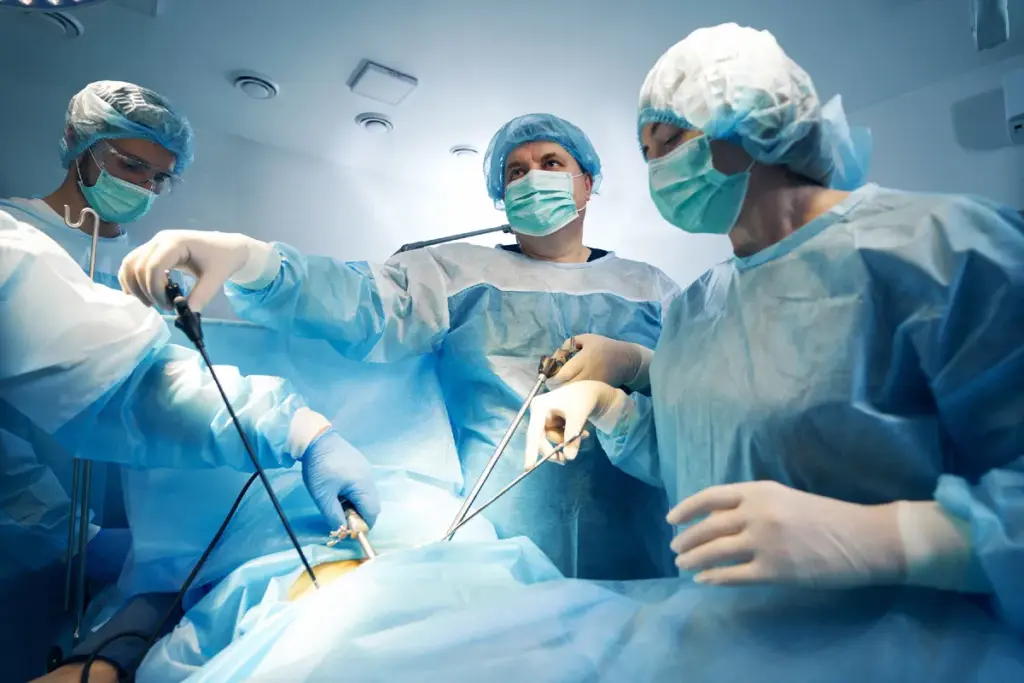
The FESS procedure uses an endoscope and special tools to clear blockages and improve sinus drainage. We start by putting the endoscope in your nasal cavity to see the sinuses.
Then, we use special tools to remove any diseased tissue, polyps, or blockages. Our goal is to make sure your sinuses drain properly and work better.
The surgical techniques in FESS are designed to be gentle. This helps reduce damage to the surrounding tissue and speeds up healing.
Advanced Technology in Modern Sinus Surgery
Advanced technology is key in making Functional Endoscopic Sinus Surgery (FESS) more precise and safe. New technologies have changed the game, leading to better results for patients. Let’s dive into the main tech advancements that have changed sinus surgery.
High-Definition Endoscopic Visualization
High-definition (HD) endoscopic visualization is a big leap in FESS. HD endoscopes give surgeons a clear view of the sinuses. This means they can work more accurately and with less risk of problems.
Benefits of HD Endoscopy:
- Enhanced visualization of sinus anatomy
- Improved precision during surgery
- Reduced risk of complications
- Better preservation of critical structures
Image-Guided Navigation Systems
Image-guided navigation systems are vital in modern sinus surgery. They use CT scans to guide surgeons in real-time. This tech helps navigate complex sinuses, lowering the risk of issues and boosting success rates.
|
Feature |
Benefit |
|---|---|
|
Real-time navigation |
Improved accuracy during surgery |
|
Preoperative imaging integration |
Enhanced understanding of patient anatomy |
|
Reduced risk of complications |
Improved patient safety |
Powered Instrumentation
Powered tools like microdebriders and drills have made FESS safer and more efficient. They help remove bad tissue and bone precisely, with less damage to nearby areas. This has cut down on complications and improved results.
The mix of advanced technologies has made FESS a precise and safe surgery. It offers better results for those with sinus issues.
Benefits of Minimally Invasive Sinus Surgery
FESS, or Functional Endoscopic Sinus Surgery, is a minimally invasive procedure. It improves patient outcomes and shortens recovery times. As a top treatment for chronic sinusitis, FESS has many benefits for patients.
No External Incisions
FESS is done through the nostrils, avoiding external cuts. This method boosts cosmetic results and lowers surgery risks.
Key advantages of no external incisions include:
- Reduced risk of infection
- Less post-operative pain
- Improved cosmetic results
Preservation of Mucosal Lining
FESS aims to keep the mucosal lining of the sinuses intact. This is key for normal sinus function. Keeping this lining ensures the sinuses work well after surgery.
“Preserving the mucosal lining is a critical aspect of FESS, as it allows for the maintenance of normal sinus drainage and function.”
Reduced Scarring and Tissue Damage
FESS is less invasive than traditional sinus surgery. This means less tissue damage, less scarring, and fewer complications.
The benefits of reduced scarring and tissue damage include:
|
Benefit |
Description |
|---|---|
|
Less post-operative pain |
Reduced discomfort during recovery |
|
Faster healing |
Quicker return to normal activities |
|
Improved outcomes |
Better long-term results |
Faster Recovery Times
Patients after FESS recover faster than those with traditional surgery. This is because FESS causes less tissue trauma and pain.
Faster recovery times let patients get back to their normal lives sooner. This improves their overall quality of life.
Potential Risks and Complications of FESS
It’s important to know the possible risks of FESS before deciding on it. FESS is usually safe and works well, but like any surgery, it comes with some risks.
Common Minor Complications
Minor issues can happen but usually don’t last long. These might include:
- Nasal discharge or crusting
- Temporary numbness or altered sensation in the face
- Mild bleeding or oozing from the nose
These problems can often be taken care of with aftercare and get better quickly.
Rare but Serious Complications
Even though rare, serious problems can be serious. These include:
- Cerebrospinal fluid (CSF) leaks, which can lead to meningitis or other infections
- Significant bleeding requiring transfusion or additional surgery
- Orbital complications, such as double vision or loss of vision
It’s key to know about these risks, even though they don’t happen often.
Risk Factors for Complications
Some things can make complications more likely with FESS. These include:
- Previous sinus surgery, which can lead to scar tissue formation
- Anatomical variations that may complicate the procedure
- Presence of other medical conditions, such as bleeding disorders
Talking to your surgeon about these can help understand and lower the risks.
Recovery After FESS: Timeline and Expectations
Knowing what to expect after Functional Endoscopic Sinus Surgery (FESS) is key. It helps patients manage their recovery smoothly. The healing process has different stages, each with its own challenges and achievements.
Immediate Post-Operative Care
Right after FESS, patients stay in a recovery area for a few hours. We watch for any immediate problems and manage pain well. Most patients go home the same day, if they’re stable and have someone to take care of them.
Post-operative instructions are given to the patient. These include tips on managing pain, caring for the nose, and what activities to avoid. It’s important to follow these instructions to avoid complications.
First Week of Recovery
In the first week, patients might feel mild discomfort and nasal congestion. Sometimes, nasal packing or splints are used to help the nasal passages heal. We tell patients to use saline nasal sprays as directed to keep the nasal passages moist and aid in healing.
Most people can go back to their usual activities in 7-10 days. But, they should avoid hard activities for a few weeks. Some nasal discharge or mild bleeding is common in the first week and usually goes away on its own.
Long-Term Healing Process
The long-term healing process after FESS can take weeks to months. Patients may see their symptoms improve over time, like less nasal congestion and better sinus drainage.
Follow-up appointments are important to check on the healing and remove any nasal packing or crusting. We usually schedule these appointments in the first few weeks after surgery. We adjust the schedule based on how the patient is doing.
By knowing the recovery timeline and following the care instructions, patients can help their healing process. This way, they can get the best results from FESS.
Post-Operative Care and Management
After FESS surgery, you need to take care of yourself and see your doctor regularly. This care is key for healing well, avoiding problems, and getting the best results.
Nasal Irrigation and Cleaning
Nasal irrigation is very important after FESS. Use a saline spray or rinse to clean out your nose. This helps remove mucus, blood, and debris. Doing this regularly can help your nose heal faster and lower the chance of infection.
- Use sterile or distilled water for the saline solution.
- Flush your nose gently, not hard.
- Do this at least twice a day, or as your doctor tells you.
Medications After Surgery
Your doctor may give you medicine to help with pain, prevent infection, and reduce swelling. It’s very important to take your medicine as told. Sticking to your medicine schedule is a big part of getting better.
- Take pain medicine as directed to manage pain.
- Use antibiotics if given to prevent infection.
- Apply nasal corticosteroids as told to reduce swelling.
Follow-Up Appointments and Endoscopic Debridement
Seeing your ENT specialist after FESS is very important. These visits help check how you’re healing and clean out your nose. Endoscopic debridement, a gentle cleaning of your nose, might be done during these visits to help your healing.
We usually schedule these visits within the first week after surgery. Then, we see you as needed based on how you’re doing. These visits are key for answering any questions, managing any issues, and making sure you recover smoothly.
Success Rates and Outcomes of FESS
Research shows FESS is very effective in treating chronic sinusitis. It greatly improves how people breathe and feel. This makes it a key treatment for many, bringing relief and better living.
Clinical Success Metrics
Doctors measure FESS success in several ways. They look at how the sinuses look and function, and what patients say about their symptoms. This includes how well patients feel and live their lives.
Studies say FESS works for 80% to 90% of people. A study in the American Journal of Rhinology & Allergy found big improvements in symptoms. Patients’ SNOT-22 scores improved by 50% on average.
Quality of Life Improvements
FESS not only fixes breathing problems but also makes life better. People feel less stuffy, less pain, and less headaches. This means better sleep and feeling happier overall.
A study in the Journal of Otolaryngology-Head and Neck Surgery showed big life improvements. Patients’ SNOT-22 scores dropped by 15.6 points on average.
“FESS has been a game-changer for patients with chronic sinusitis, improving their quality of life greatly.”ENT Specialist
Factors Affecting Success Rates
Many things can affect how well FESS works. How bad the disease is, if there are other health issues, and the surgeon’s skill are important.
Those with very bad disease or other health problems might need more help. They might need extra treatments or more care after surgery.
By knowing these factors and choosing the right patients, doctors can make FESS more successful. This helps patients live better lives.
Comparing Types of Sinus Surgery: Is FESS Right for You?
Choosing the right sinus surgery can be tough. There are many options to consider. It’s important to pick the best one for your treatment and recovery.
Traditional Open Sinus Procedures
Traditional open sinus surgery needs an external cut to reach the sinuses. It was once the main way to treat serious sinus problems.
- Requires external incisions, potentially leading to visible scarring.
- Often results in longer recovery times.
- May be necessary for certain complex cases where minimally invasive techniques are insufficient.
Balloon Sinuplasty
Balloon sinuplasty is a less invasive method. It uses a balloon to open up the sinus passages. It’s an option for some patients instead of traditional surgery.
- Minimally invasive with potentially fewer complications.
- Can be performed in a shorter time frame.
- May not be suitable for complex sinus disease or anatomical variations.
Hybrid Approaches
Hybrid approaches mix different surgical methods. For example, FESS and balloon sinuplasty. They tailor the treatment to the patient’s needs.
- Offers flexibility in treating varied sinus pathology.
- Can potentially reduce recovery time while addressing complex sinus issues.
- The choice of hybrid approach depends on the surgeon’s expertise and the patient’s condition.
When FESS Is the Preferred Option
FESS is often the top choice for many. It balances being effective with being minimally invasive.
- Provides excellent visualization and access to sinus cavities.
- Allows for precise removal of diseased tissue and obstruction.
- Generally results in faster recovery compared to traditional open sinus surgery.
Understanding the different sinus surgeries is key to making a good choice. By comparing them, patients can see which one fits their needs best.
Innovations and Future Directions in Sinus Surgery
The field of sinus surgery is changing fast. New technologies and techniques are being developed to help patients more. These advancements aim to make Functional Endoscopic Sinus Surgery (FESS) better and safer.
Advancements in Drug-Eluting Stents and Implants
Drug-eluting stents and implants are big steps forward in sinus surgery. These devices help keep sinuses open and deliver medicine right where it’s needed. This could mean less need for strong medicines and better results.
Studies show drug-eluting stents can help keep sinuses draining and reduce swelling.
Using these stents means treatments can be more tailored and effective. They help medicine reach the sinus mucosa directly. This can lower the chance of problems and speed up recovery.
Robotic-Assisted FESS: Enhancing Precision and Control
Robotic-assisted FESS is another exciting area. It offers better precision and control during surgery. This could lead to better results and faster healing times.
Robotic technology in FESS is getting better. It’s expected to keep improving, with more automation and feedback. These advancements could make sinus surgery even safer and more effective.
Personalized Treatment Approaches in Sinus Surgery
Personalized treatments are key in sinus surgery now. Advances in genetics, imaging, and data help tailor treatments to each patient. This approach aims to improve results and lower risks.
|
Innovation |
Description |
Potential Benefits |
|---|---|---|
|
Drug-Eluting Stents |
Stents that deliver medication directly to the sinus mucosa |
Improved sinus patency, reduced inflammation |
|
Robotic-Assisted FESS |
Robotic technology enhances precision and control during FESS |
Better outcomes, reduced recovery times |
|
Personalized Treatment |
Tailoring treatment strategies to individual patient needs |
Optimized outcomes, reduced complications |
The future of sinus surgery looks bright. New technologies and methods promise better care and results. This means a better life for those with sinus problems.
Conclusion: The Role of FESS in Modern Sinus Treatment
Functional Endoscopic Sinus Surgery (FESS) has changed how we treat chronic sinusitis and other nasal problems. It’s now the top choice for treating serious cases of chronic rhinosinusitis and nasal polyps. This is because it works well and doesn’t hurt much.
FESS does more than just treat symptoms. It lets surgeons see inside the sinuses clearly. They can then remove bad tissue and blockages. This makes breathing better and improves life quality for patients.
In short, FESS is key in treating chronic sinusitis and related issues. It’s liked because it heals fast and leaves little to no scars. As medical tech gets better, FESS will keep being a top choice for sinus treatments.
FAQ
What is Functional Endoscopic Sinus Surgery (FESS)?
FESS is a minimally invasive surgery. It treats chronic sinusitis and other issues by removing blockages. This helps restore normal sinus drainage.
What conditions can FESS treat?
FESS helps with chronic rhinosinusitis, nasal polyps, and fungal sinusitis. It also treats other issues that cause nasal congestion, facial pain, and loss of smell.
How does FESS differ from traditional sinus surgery?
FESS is more advanced and less invasive than traditional surgery. It uses an endoscope to see inside the sinuses. This way, diseased tissue is removed without making external cuts.
What are the benefits of FESS?
FESS has many benefits. It doesn’t require external cuts, which means less scarring and tissue damage. Recovery is faster compared to traditional surgery.
What is the recovery process like after FESS?
After FESS, patients might feel nasal congestion, swelling, and discharge. These symptoms usually go away in a few weeks. Proper care, like nasal irrigation and medication, helps.
Are there any risks or complications associated with FESS?
Like any surgery, FESS has risks. Minor issues like nasal bleeding and infection can happen. Rare but serious problems like orbital injury or cerebrospinal fluid leak are also possible.
How successful is FESS in treating chronic sinusitis?
FESS is very effective for chronic sinusitis. Many patients see big improvements in symptoms and quality of life. But success can vary based on individual factors.
What is the role of advanced technology in FESS?
Advanced tech like high-definition endoscopy and image-guided navigation improves FESS. It makes the surgery more precise and safe. Surgeons can do more complex procedures with better results.
Is FESS a suitable option for everyone with sinus problems?
FESS is best for those with chronic sinusitis or other issues who haven’t gotten better with medicine. The decision to have FESS depends on many factors, including medical history and symptom severity.
What are the alternatives to FESS?
Alternatives include traditional open sinus procedures and balloon sinuplasty. The right choice depends on the condition, symptom severity, and what the patient needs.
How is FESS performed?
FESS is done under general anesthesia or conscious sedation. An endoscope is used to see inside the sinuses. Diseased tissue, bone, or blockages are removed to improve drainage.
What kind of anesthesia is used for FESS?
FESS can use general anesthesia or conscious sedation. The choice depends on the patient’s health, the procedure’s complexity, and the surgeon’s preference.
How long does it take to recover from FESS?
Recovery time varies, but most can get back to normal in one to two weeks. Full recovery can take several weeks to months.
What are the potentially long-term benefits of FESS?
FESS can offer long-term relief from sinusitis symptoms. It can improve quality of life and reduce the need for ongoing medical care. Results can vary.
Is FESS a painful procedure?
FESS is done under anesthesia, so patients don’t feel pain during the surgery. Post-operative pain is managed with medication.
Can FESS be performed on children?
Yes, FESS can be done on children. The decision to have surgery depends on the child’s health, symptom severity, and other factors.
National Center for Biotechnology Information. Evidence-Based Medical Insight. Retrieved from https://pubmed.ncbi.nlm.nih.gov/3467886/